Introduction
Is unpredictable weather destroying your court booking schedule?
Every season, facility owners watch revenue vanish as rain, wind, or extreme heat forces match cancellations. You see frustrated members leaving for competitors who guarantee play time, while your overhead costs continue piling up. It is a painful cycle that kills profitability and stunts business growth. But here is the deal: you can stop losing valuable revenue to the elements today.
The solution lies in upgrading your facility to a professional indoor setup. By investing in dedicated infrastructure, you secure 365 days of operational capacity regardless of the forecast. To guarantee year-round revenue regardless of weather conditions, investors often opt for a specialized roofed padel court system that integrates weather protection directly into the playing structure. With over 15 years of manufacturing experience and 500+ projects delivered globally, we understand exactly how to turn this infrastructure into a profitable business asset.
Table of Contents
- 1. What are the top structural solutions for an indoor padel court?
- 2. Why is an indoor padel court a profitable B2B investment?
- 3. Where are the ideal locations to install an indoor padel court?
- 4. What are the critical dimensions for a regulation indoor padel court?
- 5. How much does it cost to build a professional indoor padel court?
- 6. Which synthetic turf maximizes performance on an indoor padel court?
- 7. How do lighting and climate control affect an indoor padel court?
- 8. What maintenance is required for a long-lasting indoor padel court?
- 9. How does an indoor padel court ensure year-round revenue stability?
- 10. How to choose the right manufacturer for your indoor padel court?
- Conclusion
- FAQ
1. What are the top structural solutions for an indoor padel court?
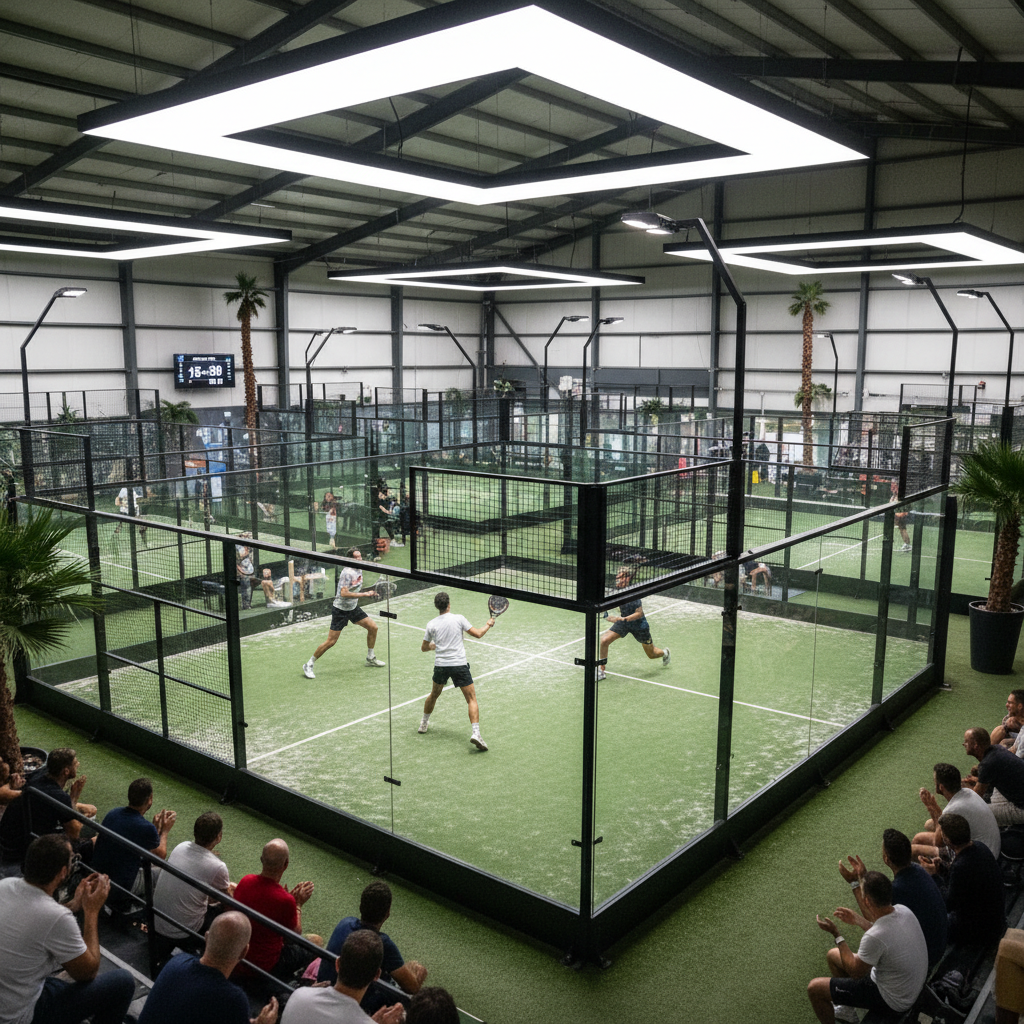
Selecting the correct framework defines the longevity and safety of your indoor facility. Most investors debate between iron and aluminum profiles when planning their initial build. What’s the real story? While aluminum offers lightness, galvanized iron provides superior rigidity essential for indoor safety where wind loads are absent but impact resistance is crucial. Iron structures generally withstand the intense vibrations from player impacts against glass walls much better than lighter alternatives. This rigidity ensures that your glass panels remain secure during high-intensity matches. Furthermore, advanced manufacturing processes now allow iron to achieve exceptional aesthetic finishes that rival any premium aluminum design.
Panoramic designs have revolutionized the visual appeal of modern indoor clubs. By removing the rear corner pillars, you offer spectators an unobstructed view of the action. This design choice elevates the premium feel of a club significantly. However, aesthetics must never compromise durability. Even in a controlled indoor environment, humidity can accumulate, so ensuring your padel structure utilizes hot-dip galvanized steel is essential to prevent corrosion over the facility’s twenty-year lifespan. This process involves submerging the steel in molten zinc, creating a metallurgical bond that protects against rust far better than simple surface painting.
2. Why is an indoor padel court a profitable B2B investment?
Business continuity is the primary driver for indoor facility investment. Outdoor courts are at the mercy of unpredictable weather patterns which can decimate revenue during peak seasons. Ready for the good part? An indoor court guarantees you can sell every available hour in your booking sheet, rain or shine. This reliability allows club owners to forecast revenue with high accuracy, making financial planning and loan repayments much less stressful. Moreover, players prefer the controlled environment where wind does not affect the ball trajectory, leading to higher retention rates for competitive leagues.
Maximizing occupancy rates becomes significantly easier when you control the environment. Indoor facilities can operate late into the night without facing the noise complaints that often plague outdoor residential clubs. You can host early morning training sessions or late-night tournaments without worrying about wet surfaces or poor visibility. Data from European markets suggests that indoor clubs achieve 20-30% higher annual occupancy compared to their outdoor counterparts. This efficiency directly boosts your bottom line by turning dead hours into billable time.
| Market Region | Indoor Growth Rate (YoY) | Avg. Occupancy (Winter) |
|---|---|---|
| Northern Europe | 25% | 90% |
| Southern Europe | 15% | 75% |
| North America | 40% | 85% |
3. Where are the ideal locations to install an indoor padel court?
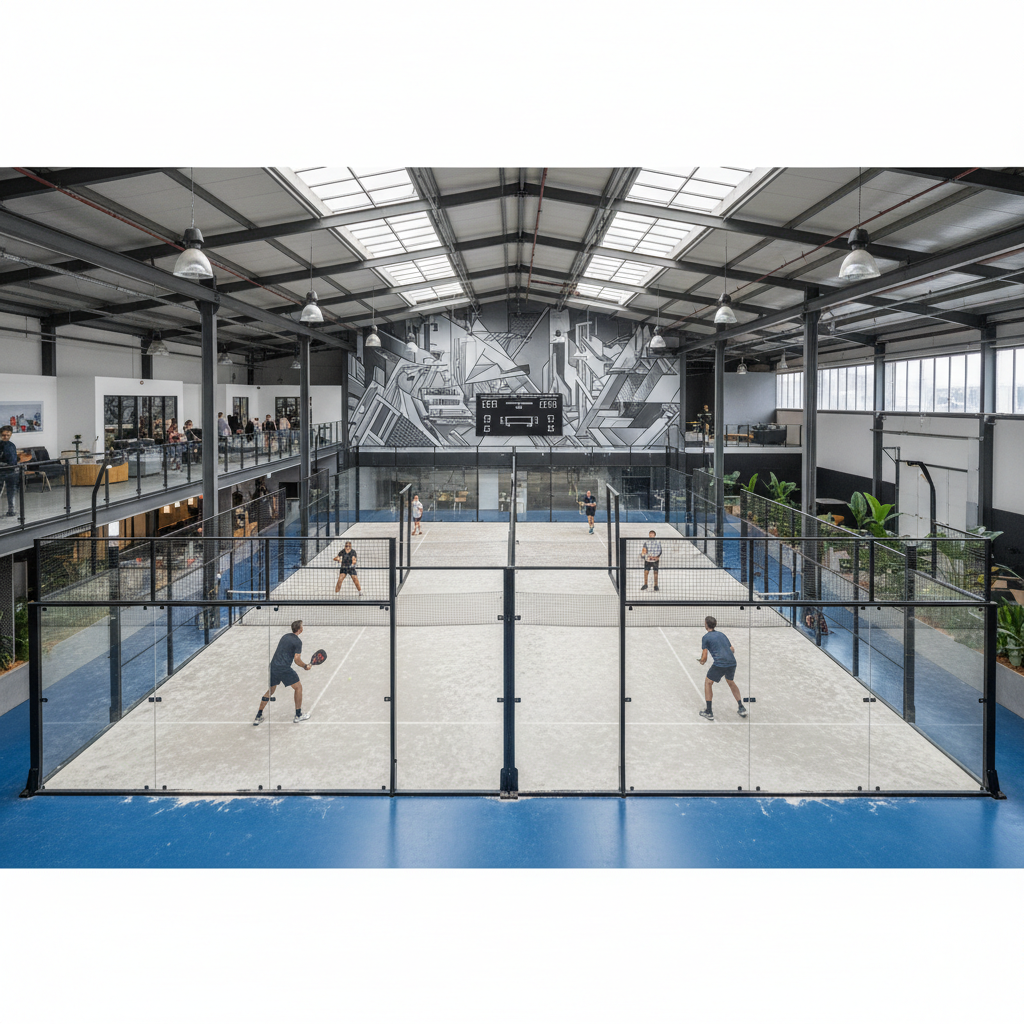
Finding the perfect site involves balancing accessibility with structural suitability. You might be wondering… where can I fit a 200 square meter court? Industrial warehouses are often the top choice for new projects. These large logistics spaces typically offer the wide column spacing and high ceilings necessary for padel. Retrofitting an old warehouse allows you to enter the market with lower rental costs compared to prime retail locations. You must ensure the concrete slab is level and capable of supporting the point loads from the glass walls.
Sports clubs and leisure centers are also prime candidates for expansion. Converting underutilized tennis courts or indoor soccer fields into multiple padel courts can triple the revenue per square meter. Padel accommodates four players in a space slightly smaller than a singles tennis court, instantly increasing player density. Schools and universities are increasingly looking at padel as a safe, social sport for students. Installing courts in educational institutions provides a steady stream of daytime users while opening the facility to the public during evenings.
4. What are the critical dimensions for a regulation indoor padel court?
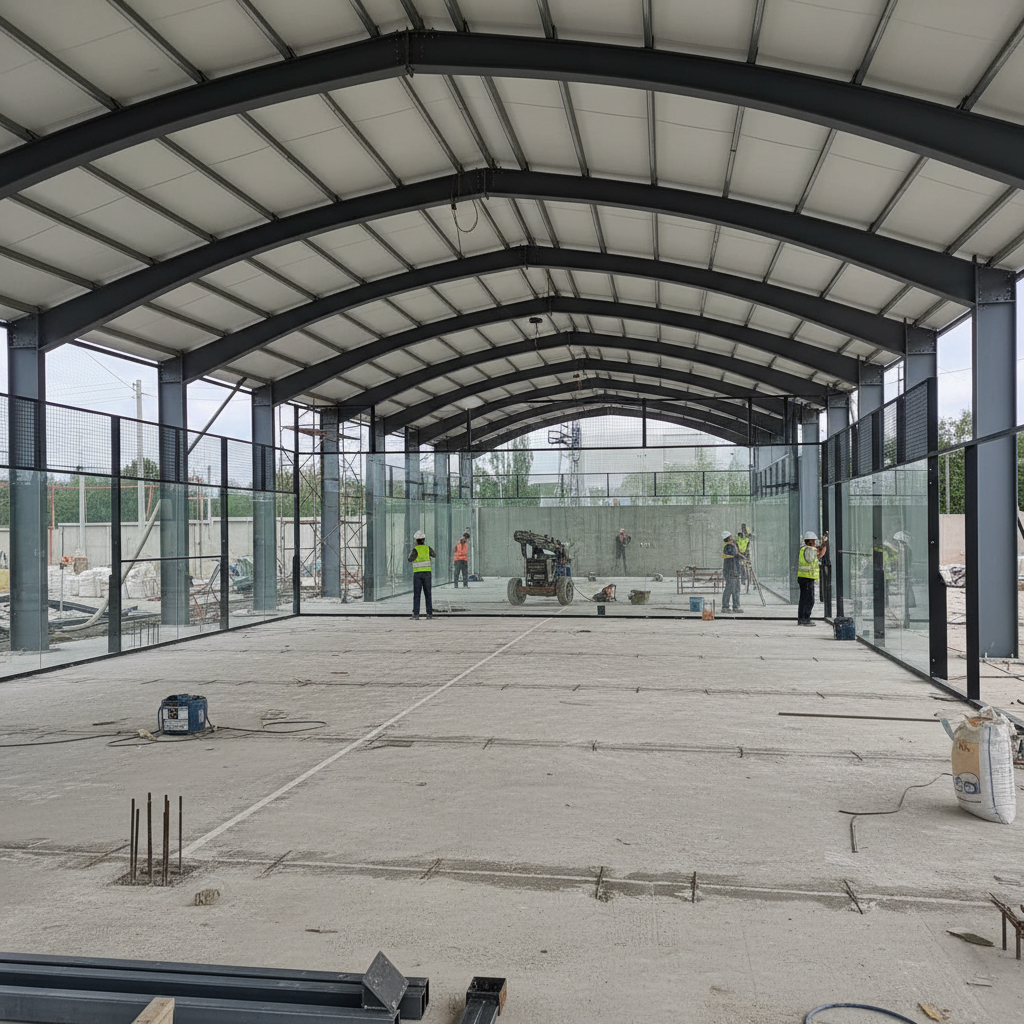
Adhering to International Padel Federation (FIP) standards is non-negotiable for any serious club. A standard court measures exactly 20 meters in length and 10 meters in width. But wait, there is more… you simply cannot ignore the vertical space. The absolute minimum clear height required is 6 meters, but 8 meters is strongly recommended for competitive play. This vertical clearance ensures that lob shots do not hit ceiling beams or lights, which would disrupt the game and frustrate players.
Safety zones are just as critical as the playing area itself. You must provide adequate run-off space outside the cage for players to retrieve balls legally. For professional tournaments, this zone should be at least 3 meters wide on each side. In tighter indoor retrofits, you might reduce this, but player safety should always come first. Failing to account for these external dimensions can result in a cramped facility where players feel claustrophobic or risk injury colliding with walls.
| Measurement Type | Minimum Requirement | Recommended (Pro) |
|---|---|---|
| Length | 20.00 meters | 20.00 meters |
| Width | 10.00 meters | 10.00 meters |
| Ceiling Height | 6.00 meters | 8.00 meters |
| Safety Run-off (Side) | 2.00 meters | 3.00 meters |
5. How much does it cost to build a professional indoor padel court?
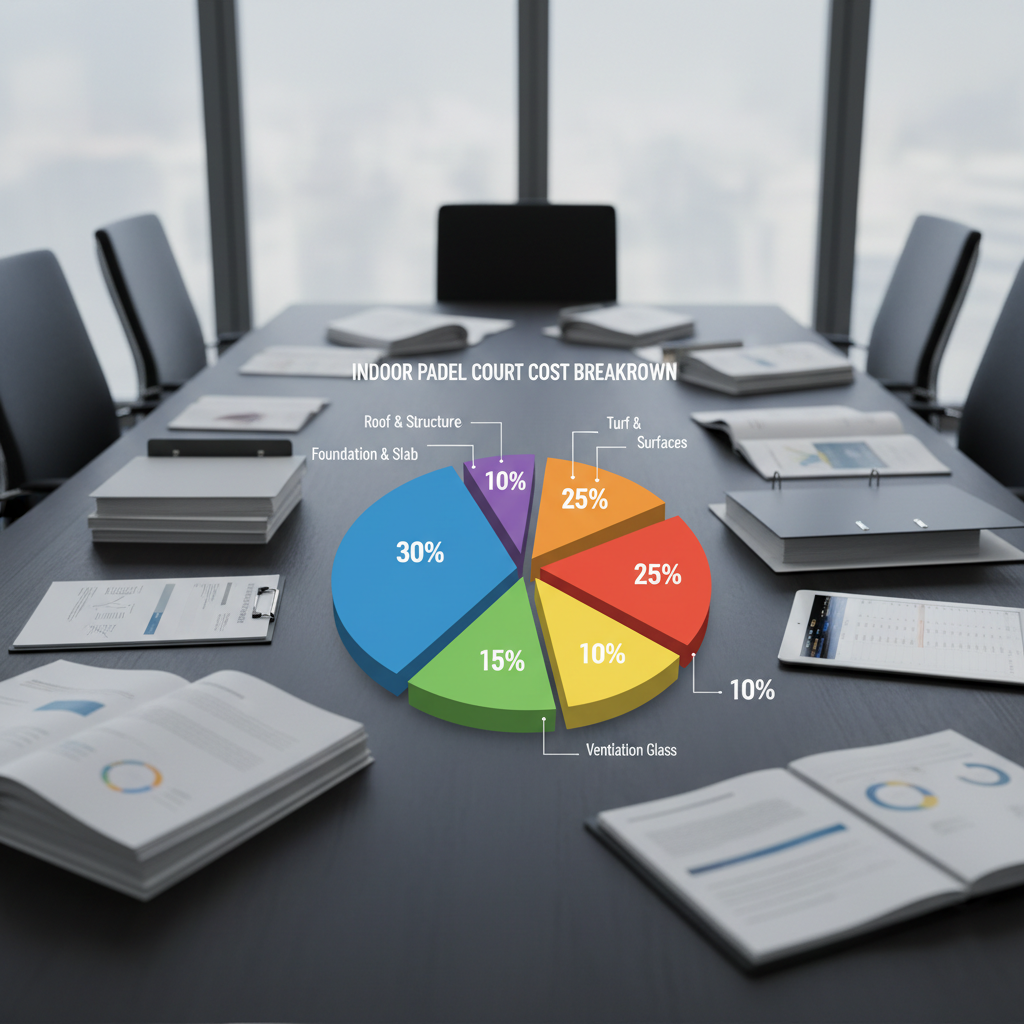
Understanding the financial commitment is vital for your business plan. The cost of the court structure itself is just one piece of the puzzle. This is where it gets interesting… variable costs like logistics, installation labor, and local permits can significantly sway the final budget. A basic iron court might start around $15,000, but upgrading to premium features will increase this investment. Premium indoor clubs often justify higher hourly rental rates by installing a panoramic padel court, which removes rear columns to offer spectators and players a superior, unobstructed viewing experience.
Glass thickness and quality are major cost factors. Standard 10mm tempered glass is sufficient for most clubs, but 12mm glass offers better bounce consistency and safety. Steel prices also fluctuate globally, affecting the manufacturing cost of the frame. You should also budget for “hidden” expenses such as electrical hookups for lighting, foundation preparation, and acoustic dampening. Cutting corners on the foundation can lead to expensive leveling issues later, so allocate resources wisely here.
6. Which synthetic turf maximizes performance on an indoor padel court?
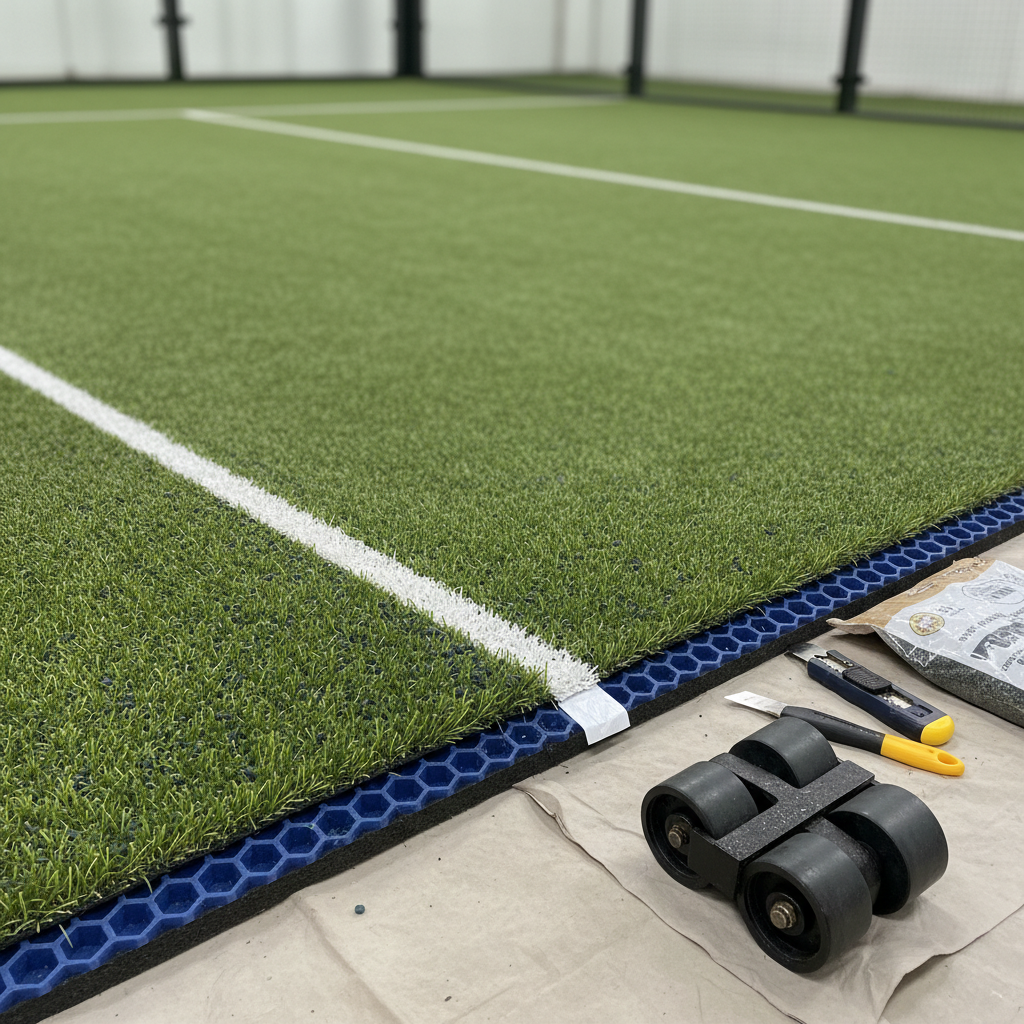
The surface you choose dictates the speed of the game and player comfort. Indoor courts experience different wear patterns than outdoor ones due to the lack of rain and UV exposure. Here is the kicker… indoor turf accumulates dust and sweat, requiring specific fiber types. Monofilament turf is generally preferred for high-traffic indoor clubs because it is more durable and offers a consistent ball bounce. It mimics natural grass better than older fibrillated styles.
Texturized fibers are becoming the new standard for premium indoor facilities. These curled fibers encapsulate the sand infill more effectively, preventing it from bunching up in corners or creating slippery patches. This means less maintenance for your staff and a safer game for your clients. Blue is the most popular color for indoor courts as it provides excellent contrast against the ball and looks great on video, but you can customize colors to match your branding.
7. How do lighting and climate control affect an indoor padel court?
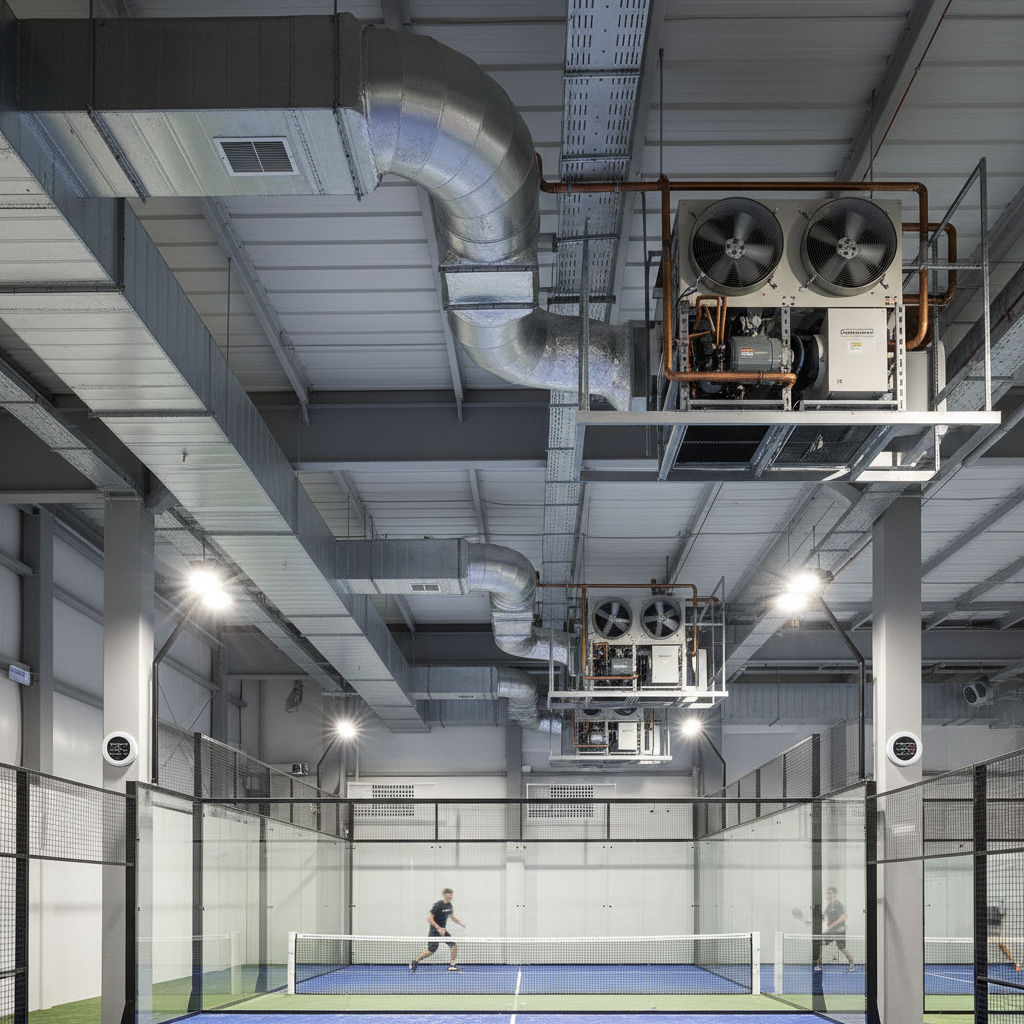
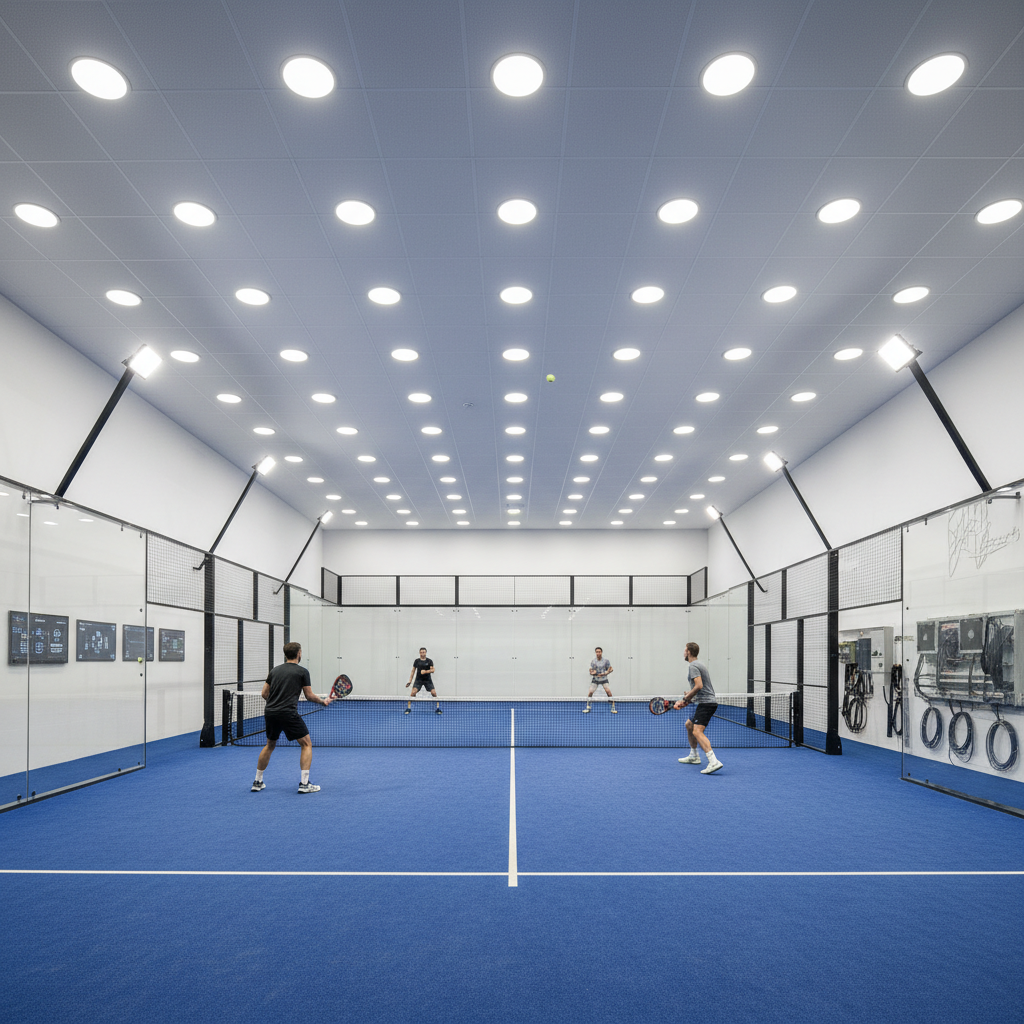
Visual comfort is paramount in an enclosed environment. Unlike outdoor setups, indoor facilities cannot rely on sunlight; therefore, installing high-efficiency padel LED lighting is critical to ensure uniform visibility without blinding players during high lobs. You need linear LED fixtures positioned outside the court lines to minimize glare when players look up. The standard requirement is 300 lux for training, but you should aim for 500-750 lux for tournament-grade courts.
Climate control is the silent hero of player satisfaction. You might not know this… glass walls can sweat dangerously if humidity levels are not managed. Condensation makes the glass slippery, altering ball rebound and posing a safety risk. Effective HVAC systems or large industrial fans are necessary to circulate air and maintain stable humidity. A comfortable temperature of 18-20°C keeps players energized and encourages them to stay longer at your club.
| Lighting Class | Lux Requirement | Usage Case |
|---|---|---|
| Class I | 750 Lux | International Competitions |
| Class II | 500 Lux | Regional Tournaments |
| Class III | 300 Lux | Training / Recreational |
8. What maintenance is required for a long-lasting indoor padel court?
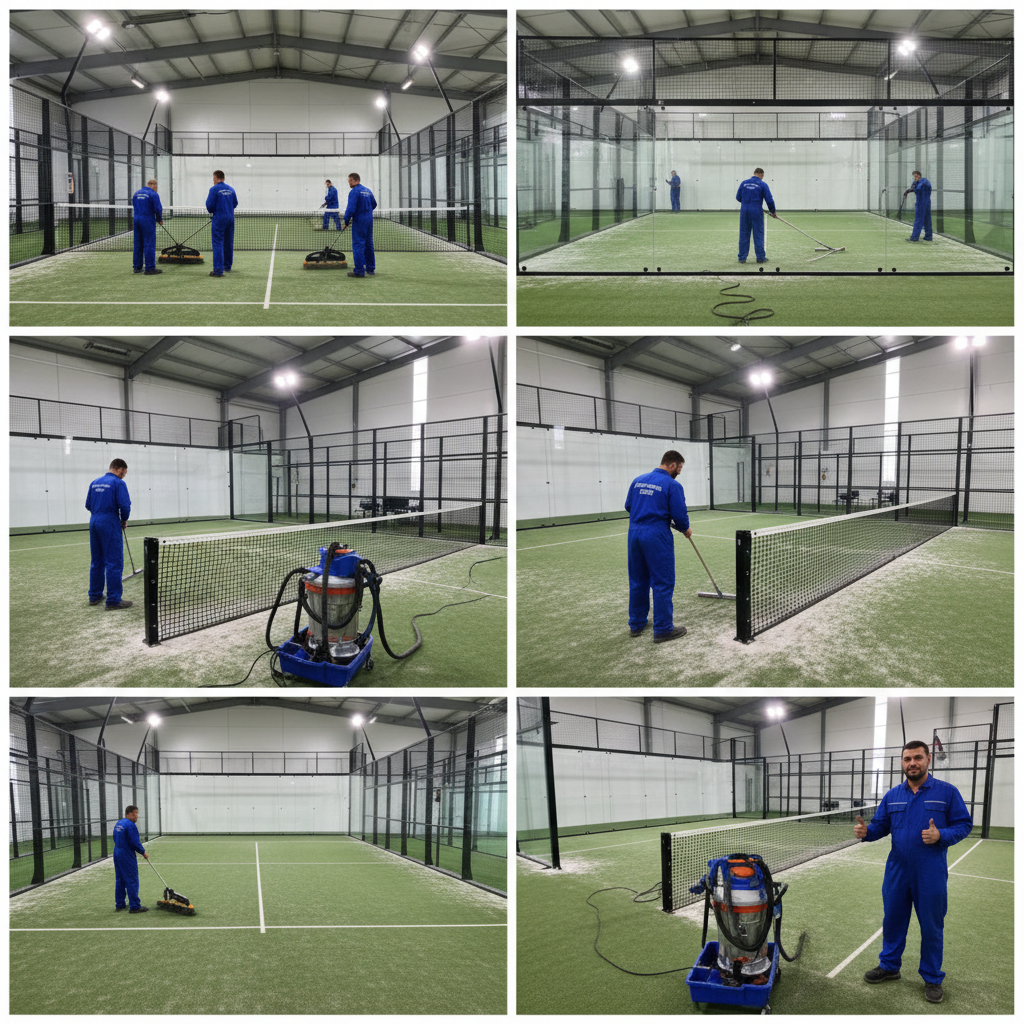
Indoor courts are protected from the elements, but they still demand regular care. Better safe than sorry… neglecting maintenance will shorten the lifespan of your turf and glass significantly. The most common task is redistributing the sand infill. Players naturally kick sand towards the edges during play, leaving the center bare. You must brush the turf every two weeks to sweep sand back into the high-traffic zones to prevent premature fiber wear.
Glass wall integrity must be checked monthly. The vibrations from body checks and ball impacts can loosen the silicone joints and bolts over time. A quick inspection of all fasteners ensures the structure remains rigid and safe. Turf replacement is inevitable eventually, usually every 5 to 7 years depending on usage intensity. Keeping the surface clean from debris and spilled drinks will extend its life and maintain a professional appearance.
9. How does an indoor padel court ensure year-round revenue stability?
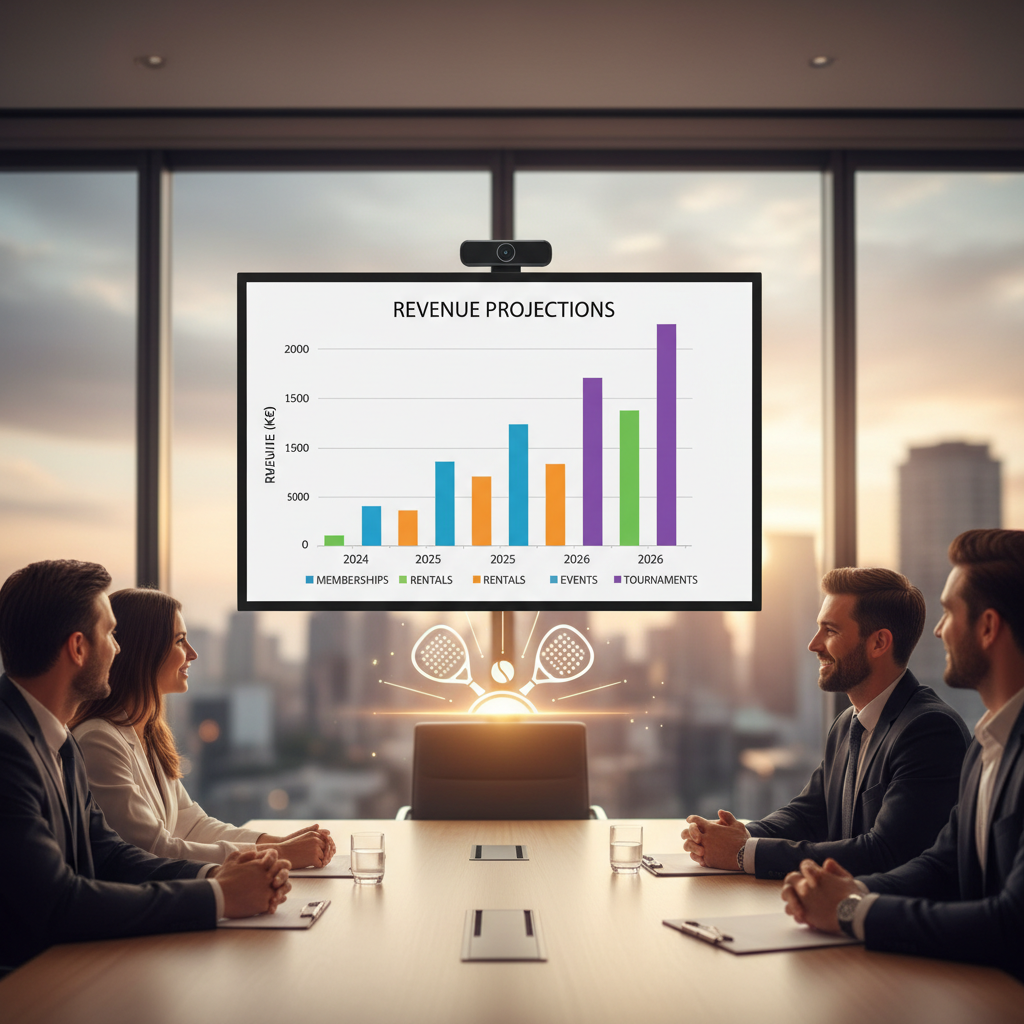
Financial predictability is the ultimate advantage of indoor models. Here is the bottom line… outdoor clubs often bleed money during winter or rainy seasons. An indoor facility maintains consistent booking levels throughout the year, allowing you to retain staff and pay fixed costs without stress. This stability makes your business much more attractive to banks and investors who dislike seasonal volatility.
Hosting tournaments becomes a major revenue driver when weather is not a factor. Federations and event organizers prefer indoor venues because they cannot afford to cancel matches due to rain. This positions your club as a reliable partner for high-profile events. Furthermore, you can generate ancillary revenue through a pro shop or café, as players linger longer in a climate-controlled environment comfortably.
| Revenue Stream | Impact on Margin | Implementation Difficulty |
|---|---|---|
| Court Rental | High | Low |
| Equipment Rental | Medium | Low |
| Coaching/Clinics | High | Medium |
| Tournaments | High | High |
10. How to choose the right manufacturer for your indoor padel court?
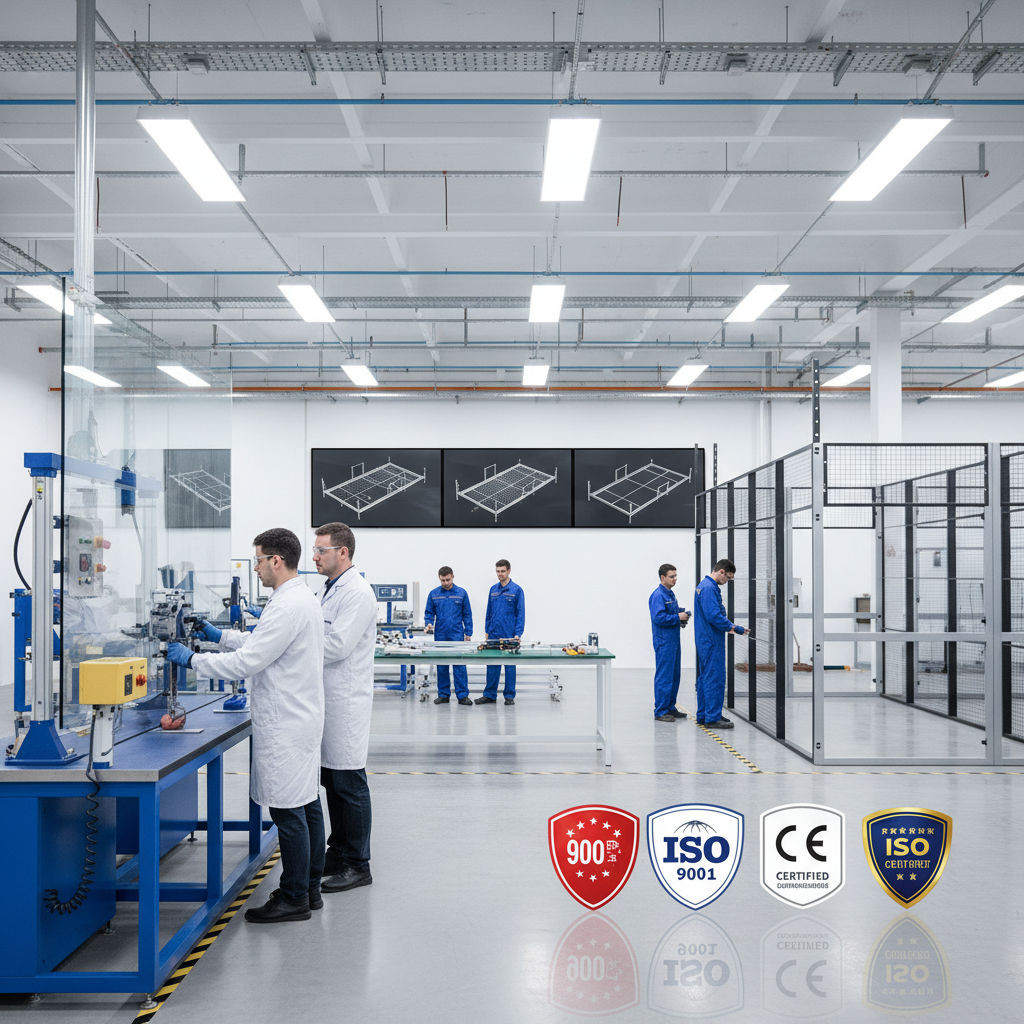
Selecting a partner is as important as selecting the location. Think about it… a poorly manufactured court will cost you double in repairs and lost downtime. You need a manufacturer that controls the entire production chain to ensure quality consistency. Verifying their ISO and FIP certifications is the first step in due diligence. These certificates prove that their materials meet international safety and performance standards.
Turnkey installation services are a massive value add. Managing local contractors who have never built a padel court can be a nightmare. A factory-direct supplier who provides their own experienced installation team guarantees the court is assembled correctly. Finally, always check the warranty terms. A reputable supplier should offer at least a 10-year warranty on the steel structure and 5 years on the turf.
| Evaluation Criteria | Red Flag | Green Flag |
|---|---|---|
| Experience | < 2 Years | > 10 Years |
| Production | Outsourced | Factory Owned |
| Warranty | None stated | 3-5 Years Structure |
| Certifications | None | CE, ISO, FIP |
Conclusion
Investing in an indoor padel infrastructure is more than just buying a court; it is about securing the future of your sports business against unpredictable variables. We have explored how structural choices, lighting precision, and surface quality determine both player satisfaction and your long-term ROI. By choosing a factory-direct partner, you eliminate middlemen and ensure your facility meets international safety standards.
If you are ready to analyze the specific spatial requirements for your warehouse or sports center, contact our engineering team today for a custom layout assessment and factory-direct quotation. Let us build a facility that keeps your players on the court and your revenue streaming, rain or shine.
FAQ
Q1: What is the minimum ceiling height for an indoor padel court?
The absolute minimum height required is 6 meters for recreational play. However, for a professional experience and to accommodate lob shots without obstruction, we strongly recommend a clear height of at least 8 meters.
Q2: How much space do I need to install one indoor padel court?
A standard court measures 10 meters by 20 meters (200 sqm). However, you must include safety zones and run-off areas. Therefore, we recommend a total footprint of approximately 231 square meters (roughly 11m x 21m) per court to ensure player safety and comfort.
Q3: Can I install a padel court in an existing warehouse?
Yes, retrofitting industrial warehouses is one of the most common ways to build indoor clubs. You just need to verify that the concrete slab is level and reinforced to support the structural load, and that column spacing allows for the court’s 10-meter width.
Q4: What is the difference between panoramic and standard indoor courts?
Standard courts use vertical steel posts between the glass panels on the back walls, which slightly obstructs the view. Panoramic courts utilize specialized glass connectors and thicker glass (usually 12mm) to eliminate these posts, providing a seamless, high-end viewing experience for spectators.
Q5: How long does it take to install an indoor padel court?
Once the materials arrive on-site and the foundation is ready, a professional installation team can typically assemble one court in 3 to 5 days. For a club with multiple courts, the timeline is often compressed as teams work in parallel.