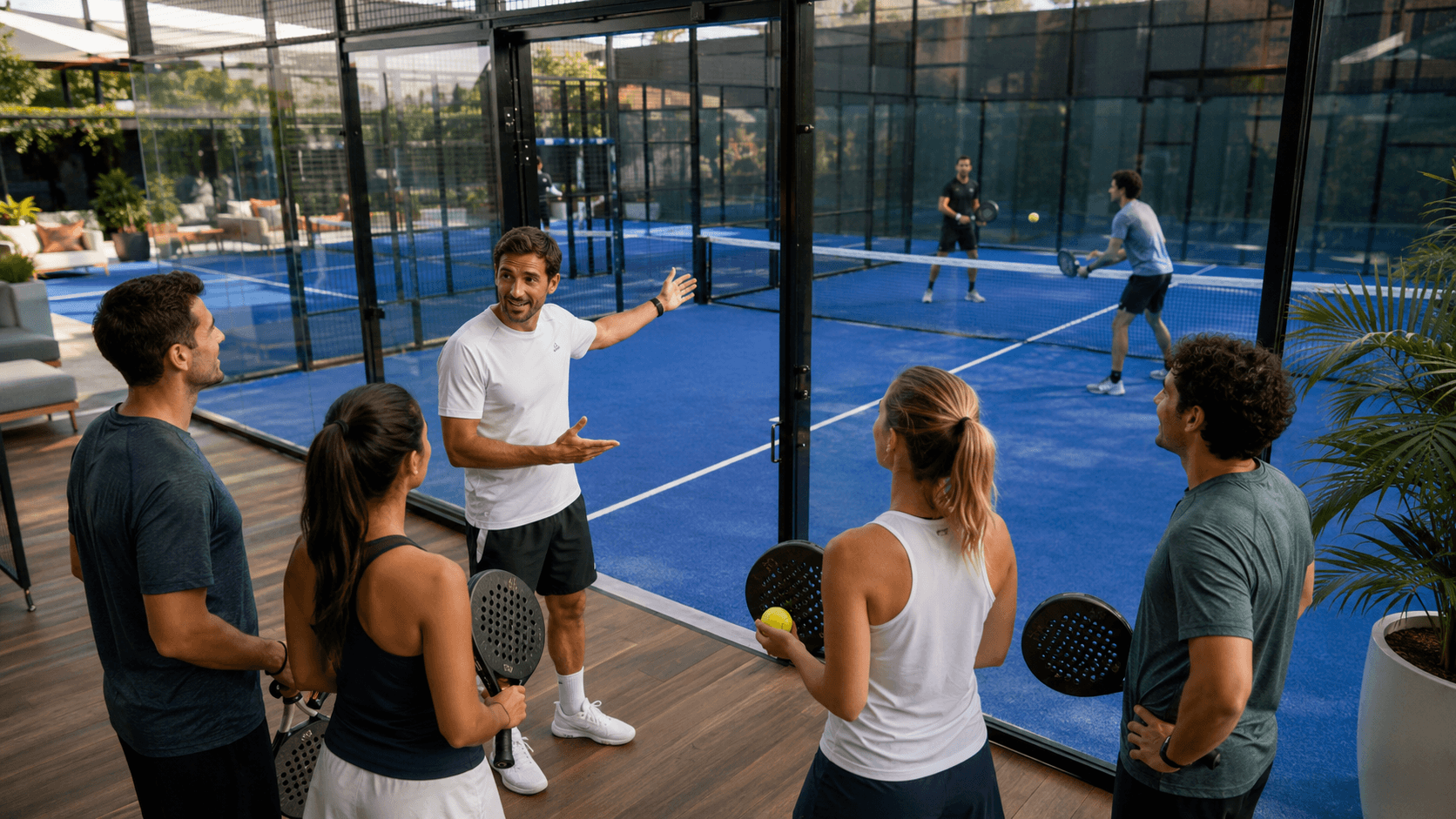
Padel is a fast-paced racket sport played in doubles within an enclosed court of glass and mesh. Many newcomers feel overwhelmed by the unique equipment and the “walls” that seem to change the game entirely. It is frustrating to step onto a court and realize your tennis background doesn’t quite translate to the cage. This guide simplifies que es padel deporte so you can master the basics, understand the history, and start winning rallies immediately.
Why should you care about que es padel deporte today?
You should care because it is the world’s fastest-growing social sport, offering a low barrier to entry for anyone looking to stay fit. Understanding que es padel deporte opens doors to a global community where you can start playing effectively from day one. To get started with the right gear, check out the ultimate guide to choosing the right padel racket.
Instant Playability for You
You will find that the learning curve is significantly shorter than in traditional tennis. The shorter racket provides better control, allowing you to hit the ball accurately without years of practice.
- Smaller court size requires less sprinting.
- Underhand serves are easy to master.
- The doubles format provides constant support from a partner.
And that’s not all…
The game focuses on strategy and placement rather than raw power, which means you can compete with more experienced players sooner than you think. You will enjoy long, satisfying rallies that keep your heart rate up while having a blast.
A Modern Fitness Alternative
You can burn up to 600 calories per hour while engaging in what feels like a social hangout. Because the court is enclosed, the ball stays in play longer, ensuring you are constantly moving.
- Engages both upper and lower body muscles.
- Improves cardiovascular endurance through interval movement.
- Enhances coordination and fast-twitch muscle response.
Here’s the kicker:
The social nature of the sport means you won’t even notice the intensity of the workout. You are more likely to stick to a fitness routine when it involves three other friends and a competitive edge.
Key Takeaway: Padel is the ideal sport for you if you want a low-stress, high-engagement activity that combines social interaction with significant health benefits.
| Category | Benefit to New Players |
|---|---|
| Accessibility | Low technical barrier for immediate fun. |
| Fitness | High-calorie burn with low-impact movements. |
| Social | Doubles format fosters community and teamwork. |
Analysis: The combination of easy mechanics and high social engagement makes padel the most accessible racket sport for modern athletes.
What is the history behind que es padel deporte roots?
The history of que es padel deporte dates back to 1969 in Acapulco, Mexico, where it was invented by Enrique Corcuera. He wanted to play tennis in his backyard but lacked the space, so he created a smaller court with walls to prevent the ball from escaping.
From Mexico to Marbella
You might find it interesting that the sport moved to Spain shortly after its invention. A friend of Corcuera, Alfonso de Hohenlohe, fell in love with the game and built the first European courts in Marbella.
- 1969: Enrique Corcuera creates the first court.
- 1974: The sport is introduced to Spain.
- 1975: It spreads rapidly to Argentina.
Believe it or not…
The sport was initially an “elite” activity played in private clubs before it exploded into the mainstream during the 1990s. You are now part of a legacy that has moved from private backyards to professional world tours.
The Rise of the World Padel Tour
You can now watch professional athletes compete in massive stadiums across the globe. The formation of professional circuits has standardized the rules and pushed the limits of what is possible on the court.
- Standardization of 12mm glass walls.
- Global expansion into over 60 countries.
- Professionalization of coaching and equipment.
It gets even better:
The sport has become a staple in many countries, rivaling tennis in popularity. You are entering the game at a time when technology and training have never been more advanced.
Key Takeaway: Understanding the humble origins of padel helps you appreciate why the court is designed with walls and why the sport prioritizes accessibility.
| Milestone | Year | Impact |
|---|---|---|
| Invention | 1969 | Created the wall-based racket sport concept. |
| Spanish Launch | 1974 | Established the European hub for the sport. |
| World Padel Tour | 2005 | Launched the professional era for global fans. |
Analysis: Padel’s evolution from a space-saving backyard solution to a global phenomenon highlights its inherent functional appeal.
How do you play que es padel deporte with basic rules?
You play by keeping the ball in motion over a central net using an underhand serve and allowing the ball to bounce off the glass. Mastering the mechanics of que es padel deporte requires you to learn when to let the ball hit the wall and when to strike it early. To dive deeper into the official regulations, visit this padel tennis rules and scoring guide.
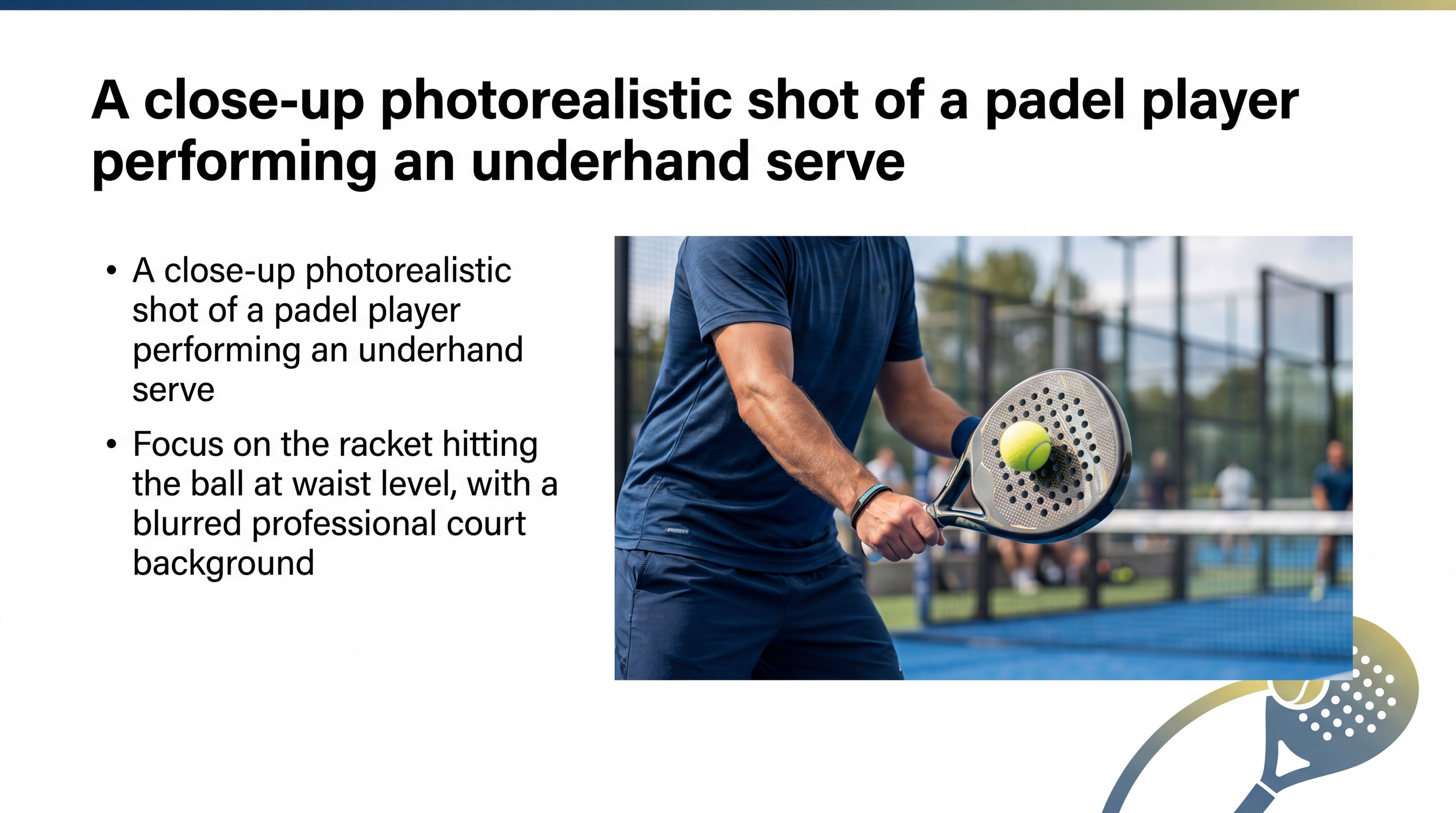
The Art of the Underhand Serve
You must always serve underhand, hitting the ball at or below your waist level. This makes the start of every point much easier for you than in tennis, where overhead serves can be daunting.
- Ball must bounce once in the server’s zone.
- Serve must land diagonally in the opponent’s box.
- You get two attempts to make a valid serve.
But wait, there’s more…
Unlike other sports, you can actually bounce the ball off the side or back glass walls after it has hit the ground in the opponent’s court. This keeps the rally going even when you think you’ve been beaten by a fast shot.
Scoring Your Way to Victory
You will find the scoring system very familiar if you have ever played or watched tennis. Points are counted as 15, 30, 40, and then “Game,” typically played as the best of three sets.
- Six games win a set.
- Tie-breaks occur at 6-6.
- Matches are almost always played in doubles.
Here is the best part:
Because you play in pairs, you can strategize with your partner to cover the court. You will quickly learn that communication is just as important as your swing when trying to win a set.
Key Takeaway: The rules of padel are designed to prolong rallies and encourage tactical play, making it a game of “chess with rackets.”
| Rule Component | Description |
|---|---|
| Service | Underhand, diagonal, below the waist. |
| Walls | Ball is in play if it hits the ground then the glass. |
| Scoring | 15-30-40-Game (Tennis style). |
Analysis: The underhand serve and wall usage are the defining characteristics that make padel easier to start but complex to master.
How does que es padel deporte differ from tennis play?
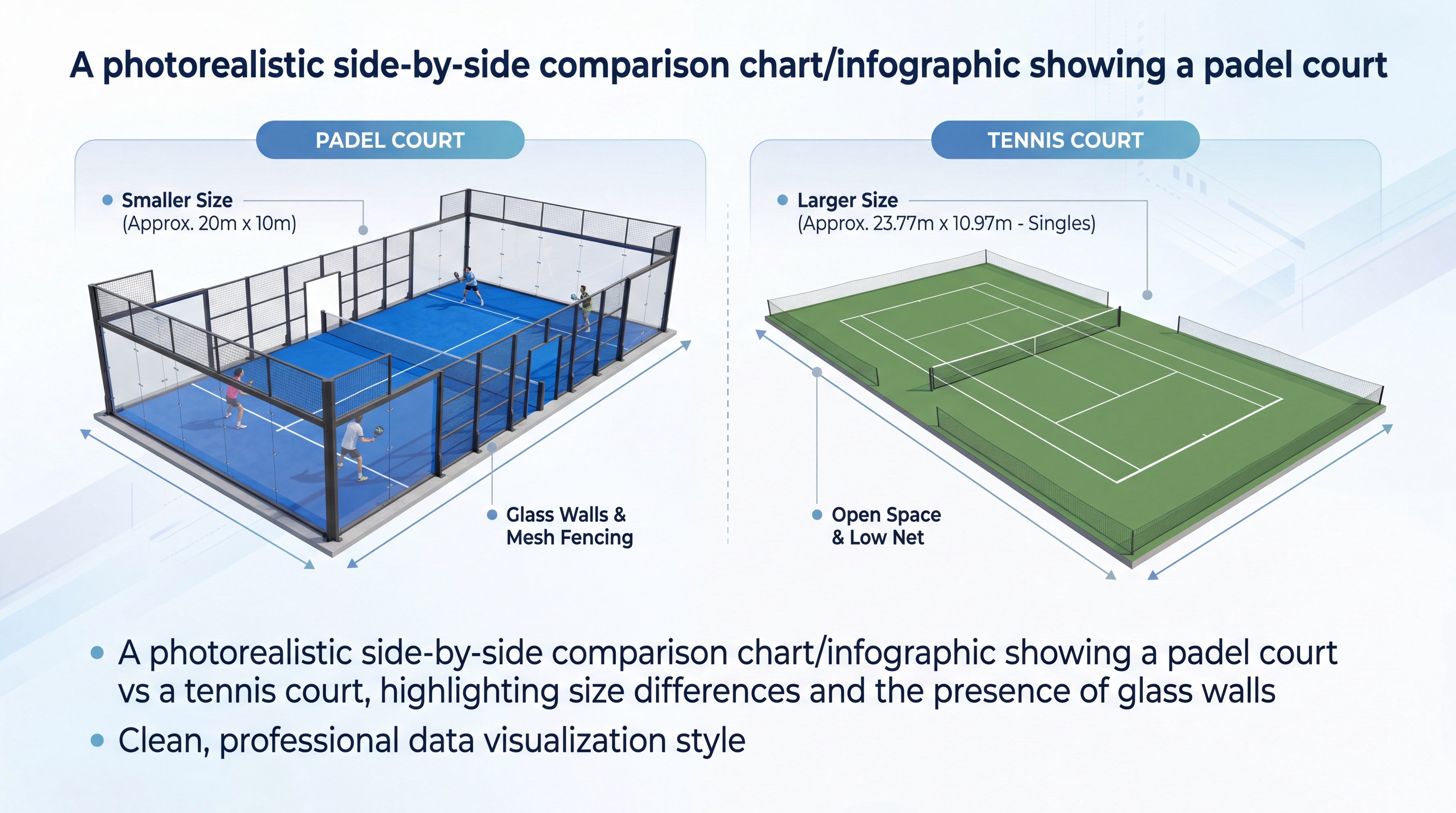
Padel differs from tennis in court size, racket composition, and the presence of glass walls that are part of the active game. While they look similar, the strategy of que es padel deporte is built around patience and using the court’s boundaries to your advantage.
Smaller Court, Larger Action
You are playing on a court that is roughly 25% smaller than a tennis court. This means you have less ground to cover, but the ball comes back to you much faster because it rebounds off the glass.
- Padel: 10m x 20m enclosed cage.
- Tennis: 23.77m x 10.97m open court.
- Walls in padel keep the ball in play constantly.
And it doesn’t stop there…
In tennis, if the ball goes past you, the point is usually over. In padel, you can simply turn around and wait for the ball to bounce off the back glass and come back to you.
Racket and Ball Dynamics
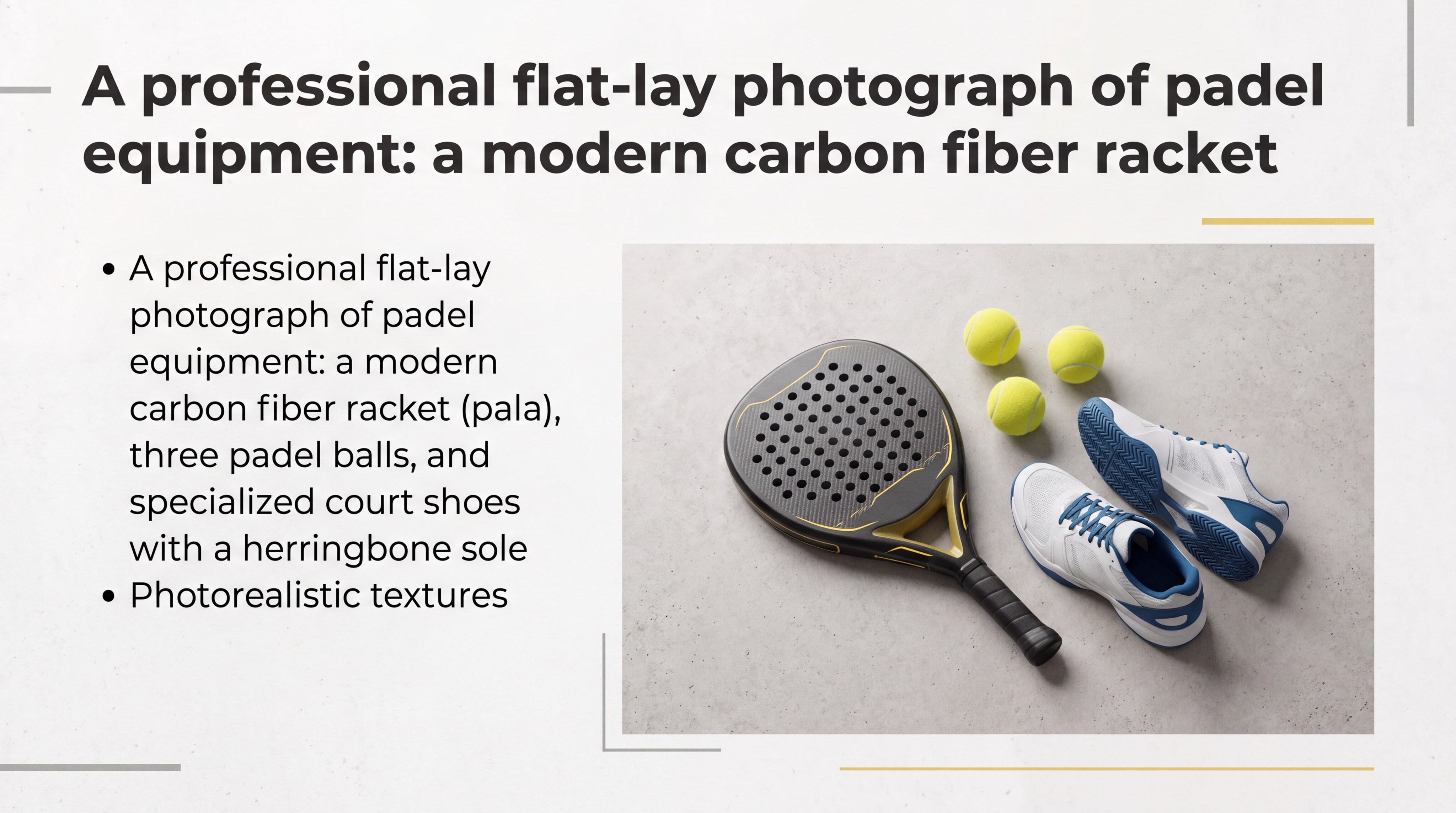
You will use a solid, stringless racket called a “pala” which is much shorter than a tennis racquet. This gives you incredible maneuverability and feel, though you sacrifice the extreme power found in tennis.
- Padel rackets use carbon fiber and foam.
- Padel balls have lower pressure for slower play.
- Shorter handles allow you to react faster at the net.
You might be wondering:
Why the holes in the racket? Those are designed to reduce air resistance so you can swing through the air more quickly. You will find that control is your best friend when navigating the tight spaces of a padel court.
Key Takeaway: Padel is a game of containment and positioning, whereas tennis often focuses on hitting winners through open space.
| Feature | Padel | Tennis |
|---|---|---|
| Boundaries | Glass Walls (In-play) | Lines (Out of bounds) |
| Racket | Solid with holes | Stringed frame |
| Court Size | 10m x 20m | 23.77m x 10.97m |
Analysis: The enclosed nature of the padel court transforms the game from a test of distance to a test of rebound geometry and reflexes.
What equipment is needed for que es padel deporte matches?
You need a specific solid racket, specialized balls, and shoes with high-traction soles to properly engage in que es padel deporte. Selecting the right gear is crucial because the game’s surface and speed require specialized materials. For a look at how this gear has evolved, read about the fascinating history and evolution of padel tennis.
Choosing Your First Racket
You should look for a “round” shaped racket if you are a beginner. This shape offers a larger “sweet spot,” which helps you hit the ball cleanly even if your timing isn’t perfect yet.
- Round: Maximum control for beginners.
- Teardrop: Balanced power and control.
- Diamond: Professional-level power for experts.
Think about this:
The material of the racket also matters. You will want a fiberglass face for a softer feel and better ball exit, which makes it easier for you to defend against fast shots.
Footwear for Synthetic Turf
You must wear shoes designed for “clay” or “omni” courts. Most padel courts use synthetic grass with a layer of sand, which can be very slippery if you wear standard running shoes.
- Herringbone patterns provide the best grip.
- Lateral support prevents ankle rolls.
- Cushioning protects your joints during jumps.
Here’s the real secret:
Padel balls may look like tennis balls, but they are actually different. They have lower internal pressure, which ensures they don’t bounce uncontrollably off the glass walls when you hit them.
Key Takeaway: Investing in padel-specific shoes and a round-shaped racket will significantly reduce your risk of injury and help you learn the game faster.
| Item | Importance | Primary Feature |
|---|---|---|
| Racket | High | Solid composite with foam core. |
| Shoes | Critical | Herringbone sole for sand-on-grass grip. |
| Balls | Medium | Lower pressure for consistent rebounds. |
Analysis: Using sport-specific equipment is non-negotiable for safety and for developing the correct technical feel of the game.
What are the specs for que es padel deporte court size?
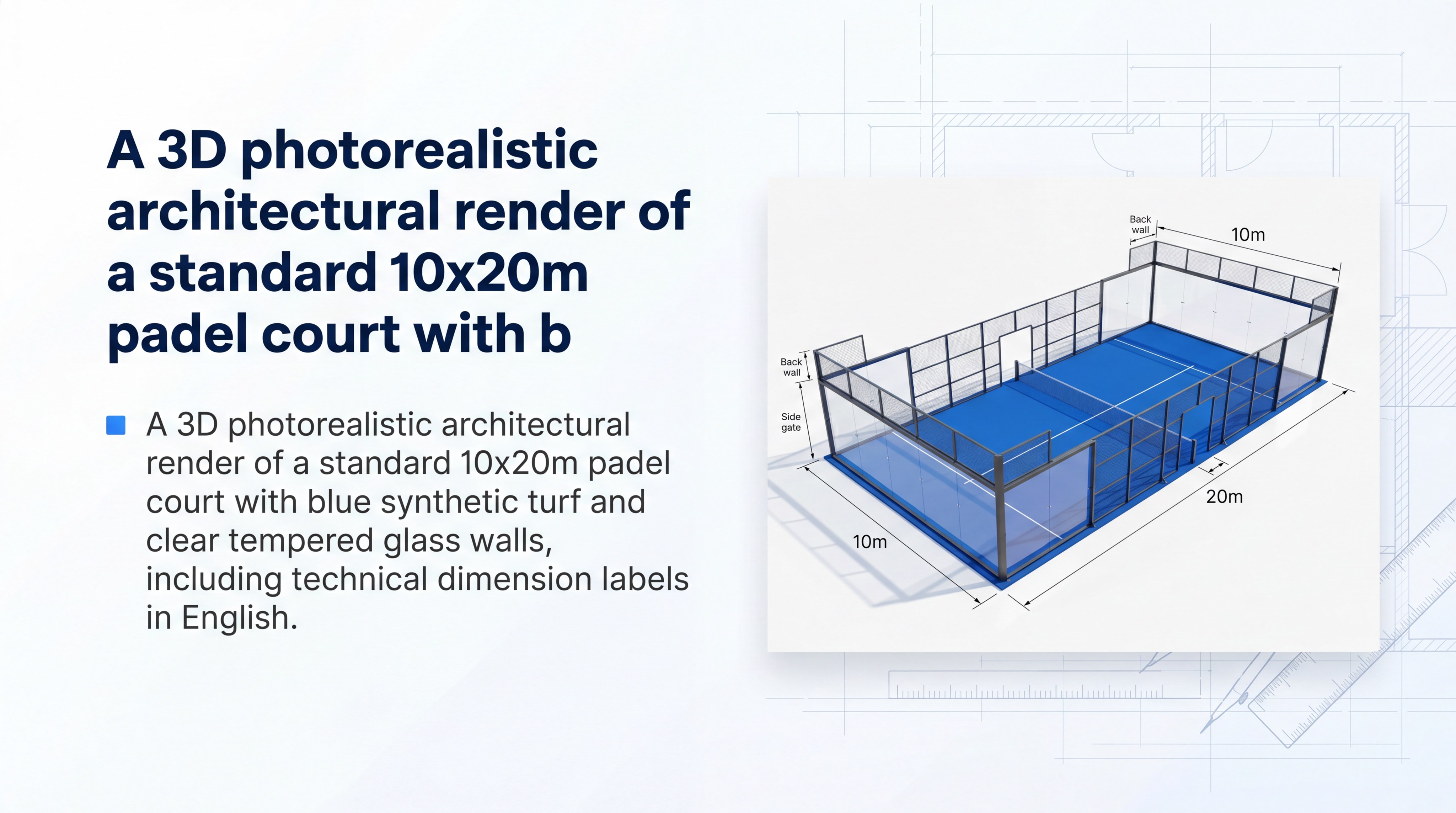
A standard court for que es padel deporte is exactly 10 meters wide and 20 meters long, divided by a net in the center. The court is completely enclosed by a combination of tempered glass and metallic mesh to facilitate the unique rebound play.
The Structural Design
You are playing inside a structure that usually stands 3 to 4 meters high. The back walls and part of the sides are made of glass, while the remaining sections are metallic mesh, which makes the ball bounce unpredictably.
- 10x20m playing surface.
- 12mm tempered safety glass walls.
- Galvanized steel structure for durability.
And it gets even better…
Many modern courts now feature “panoramic” designs. This means you have an unobstructed view from the outside because there are no vertical pillars in the back glass, making the court look stunning.
The Playing Surface
You will usually play on artificial turf that is filled with a fine layer of sand. This sand isn’t just for decoration; it allows you to slide slightly and ensures the ball bounces at a consistent height.
- Fibrillated or monofilament synthetic grass.
- Sand infill for grip and ball bounce.
- Bright blue or green colors for visibility.
But wait, there’s more:
Lighting is a critical part of the court specs. Most high-end clubs use IP66-rated LED floodlights, so you can enjoy a match late into the evening with perfect visibility of the ball.
Key Takeaway: The standardized dimensions and material requirements of a padel court ensure that you experience the same high-quality game regardless of which club you visit.
| Component | Standard Dimension/Material | Purpose |
|---|---|---|
| Length/Width | 10m x 20m | Standardized playing area. |
| Wall Material | 12mm Tempered Glass | Safe and consistent ball rebound. |
| Fencing | Metallic Mesh | Creates unpredictable side rebounds. |
Analysis: The precision of court engineering is what allows for the strategic “wall-play” that defines the sport’s unique identity.
What health perks does que es padel deporte offer players?
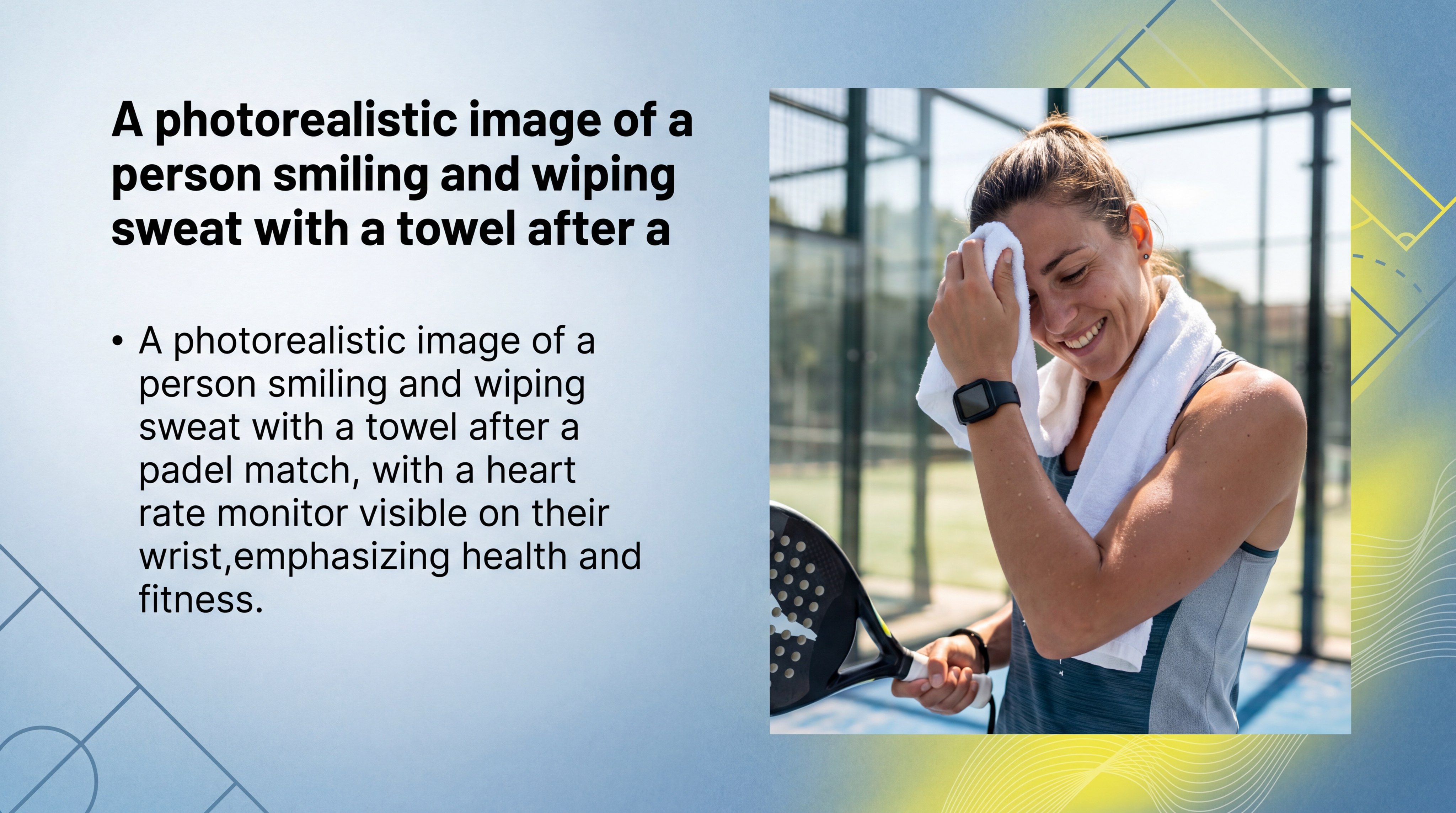
Playing provides you with a comprehensive cardiovascular workout while improving your reflexes and mental agility through que es padel deporte. It is an excellent way to stay active without the high-impact stress associated with many other sports. To understand how court design supports these benefits, see our guide to padel court dimensions and specifications.
Aerobic and Anaerobic Balance
You will engage in short bursts of high-intensity movement followed by brief recovery periods. This type of interval training is fantastic for your heart health and helps you build explosive speed.
- Increases lung capacity and oxygen flow.
- Strengthens leg, core, and arm muscles.
- Improves overall stamina and endurance.
Believe it or not…
Because the ball stays in play longer than in tennis, you are moving for a higher percentage of the match. You will find that your fitness levels improve much faster than you anticipated.
Reflexes and Brain Health
You must constantly calculate the trajectory of the ball as it bounces off the glass and mesh. This high-speed problem solving sharpens your hand-eye coordination and keeps your mind engaged.
- Enhances spatial awareness and depth perception.
- Reduces stress through high-engagement play.
- Boosts cognitive function through tactical planning.
It gets even better:
The release of endorphins during a match can significantly improve your mood. You will walk off the court feeling energized and mentally refreshed after every session.
Key Takeaway: Padel offers a rare combination of physical conditioning and mental stimulation, making it a “smart” choice for your health.
| Benefit Area | Impact | Why It Happens |
|---|---|---|
| Cardiovascular | High | Constant movement and long rallies. |
| Coordination | Superior | Reacting to complex wall rebounds. |
| Mental Health | Positive | Social interaction and stress relief. |
Analysis: Padel serves as a dual-purpose tool for health, simultaneously conditioning the heart and the brain through its dynamic nature.
Why is que es padel deporte known as a social sport?
It is known for its social atmosphere because the court’s compact size and the mandatory doubles format keep you and your friends in close proximity. The community surrounding que es padel deporte often extends to “post-match” social events, making it a lifestyle rather than just a hobby.
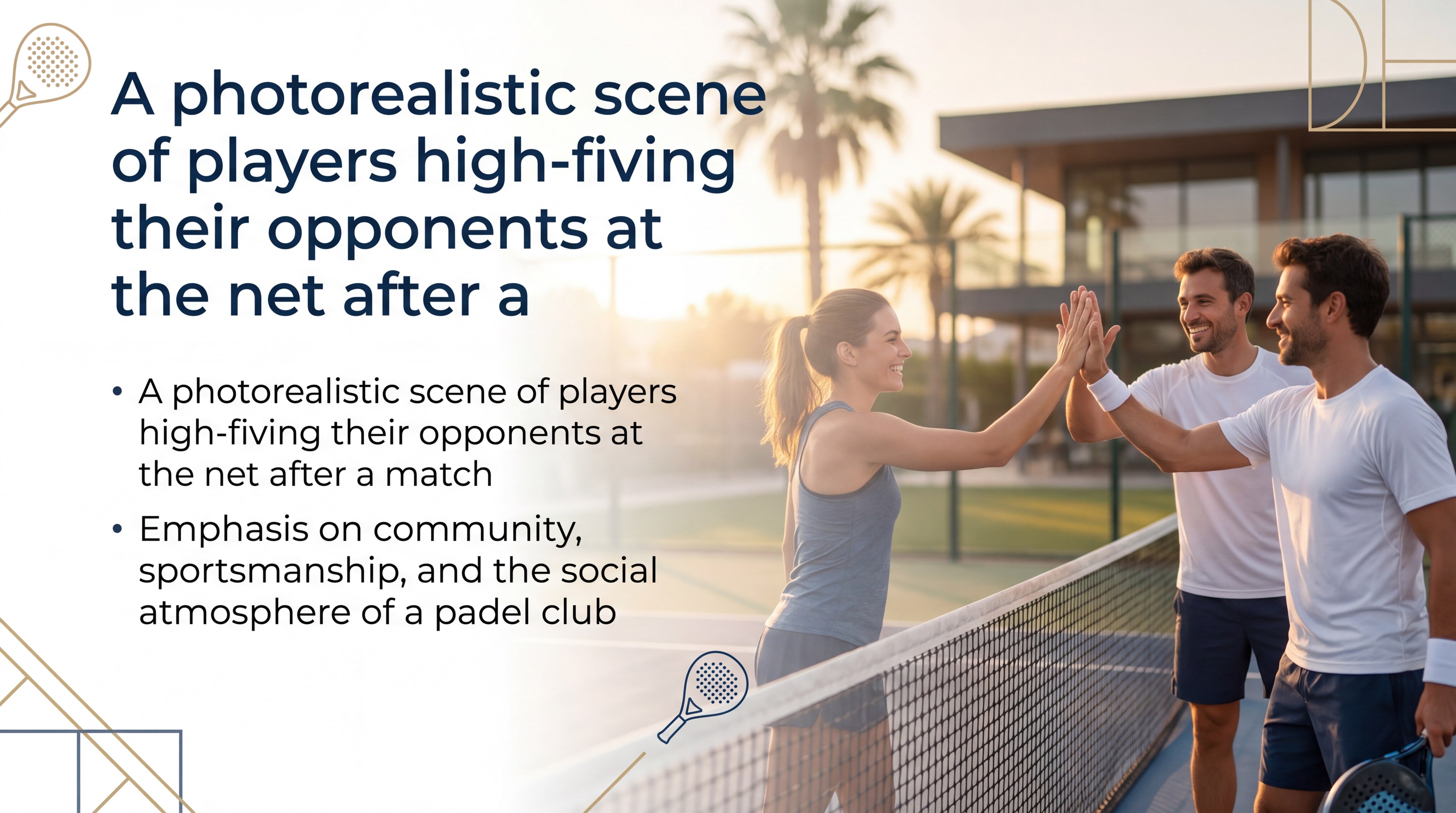
The Power of the Doubles Format
You are always playing with a partner, which naturally encourages communication and teamwork. You have to talk to your teammate to decide who goes for the ball, which builds strong bonds very quickly.
- Encourages constant verbal interaction.
- Requires collaborative strategy to win points.
- Builds a sense of shared accomplishment.
Here’s the kicker:
The court is small enough that you can easily talk to your opponents across the net too. You will find that the banter and friendly competition are just as enjoyable as the actual points.
A Community-Centric Environment
You will notice that padel clubs are designed with social spaces like cafes and lounges right next to the courts. This encourages you to stay after your game to grab a drink and meet other players.
- Easy to find games through club matching apps.
- Tournaments often include social mixers.
- Accessible to all ages and skill levels.
And that’s not all…
Because it is so easy to learn, you can play with family members or colleagues regardless of their athletic background. You will find that padel is the ultimate “icebreaker” for building new relationships.
Key Takeaway: The structural and competitive design of padel is engineered to foster human connection, making it the most social sport on the planet.
| Social Factor | Result |
|---|---|
| Close Proximity | Easier conversation and lighter atmosphere. |
| Team Dependence | Stronger bonds with playing partners. |
| Club Culture | High retention through community belonging. |
Analysis: Padel’s social success is a direct result of its design, which prioritizes communication over isolation.
What are common errors in que es padel deporte for novices?
Beginners often struggle with hitting the ball too hard, ignoring the glass, or failing to take the net position in que es padel deporte. Learning to avoid these mistakes will immediately improve your game and help you enjoy the strategic depth of the sport. You can refine your technique by consulting the ultimate guide to choosing the right padel racket.
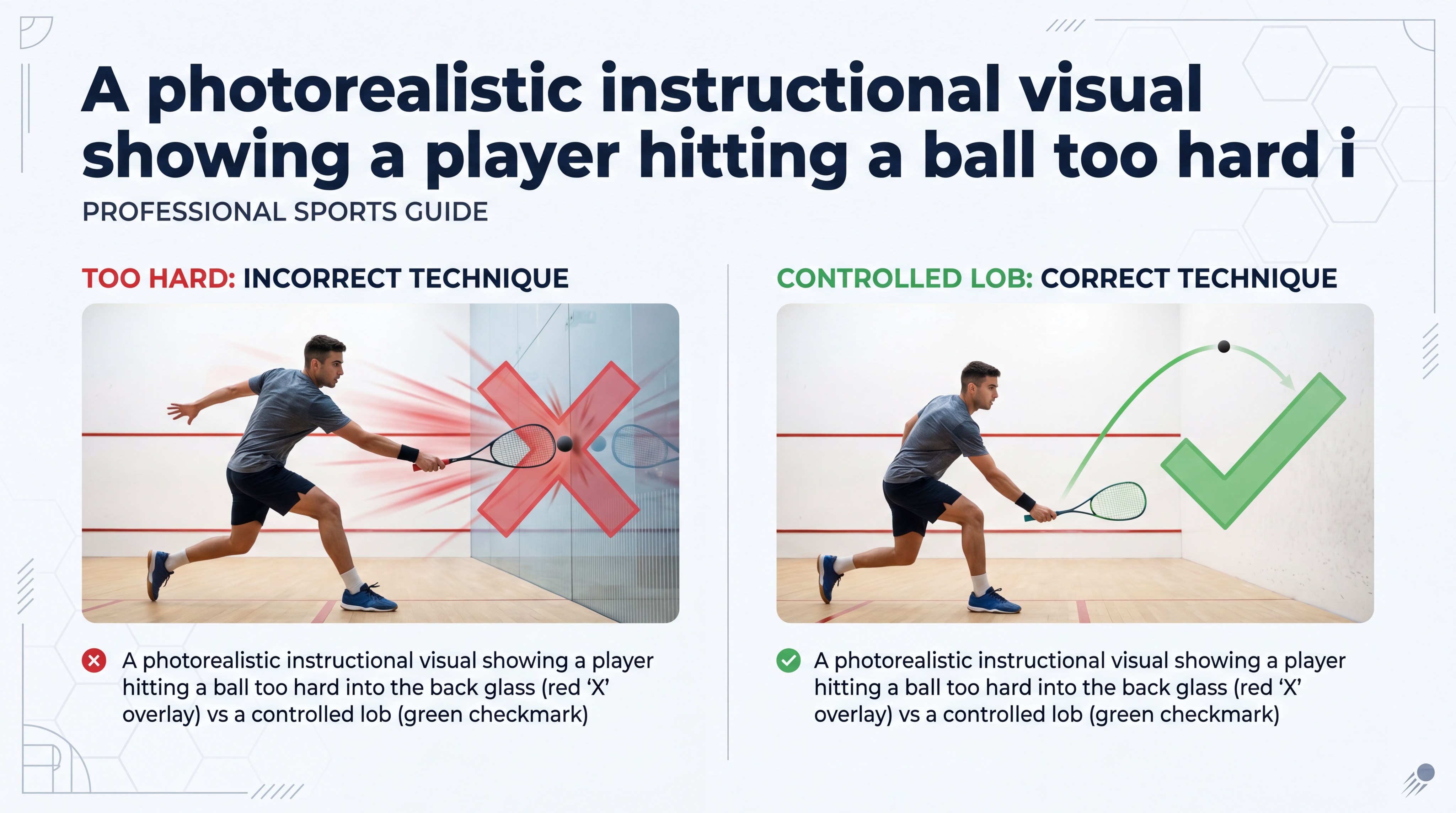
The “Tennis” Over-Hit Mistake
You might try to smash the ball as hard as you can, thinking that’s how you win. In padel, hitting the ball too hard often results in it bouncing off the back glass and becoming an easy shot for your opponent.
- Focus on placement instead of raw power.
- Learn to use the “lob” to move opponents back.
- Patience is more effective than aggression.
But wait, there’s more…
The glass is your friend, not your enemy. You should practice letting the ball go past you so you can hit it after it rebounds off the back wall, which gives you more time to prepare your shot.
Poor Positioning at the Net
You will often find yourself standing in “no man’s land”—the middle of the court. You need to either be all the way back at the baseline to defend or all the way forward at the net to attack.
- Always try to win the net position.
- Move in sync with your partner.
- Don’t stay back if your partner is at the net.
Here is the best part:
Once you master the “Bandeja”—a specialized overhead shot—you will be able to stay at the net longer. You will find that controlling the net is the fastest way to win games.
Key Takeaway: Mastering the geometry of the walls and maintaining correct court positioning will elevate your game more than any powerful strike.
| Mistake | Fix |
|---|---|
| Over-hitting | Slow down and use the lob. |
| Avoiding the glass | Let the ball bounce and play the rebound. |
| Static positioning | Move aggressively to the net with your partner. |
Analysis: Most beginner mistakes stem from applying tennis logic to a game that requires patience and spatial reasoning.
How can you start que es padel deporte as a beginner?
You can start by visiting a local club, renting a racket, and taking a “Discovery” lesson to learn the fundamentals of que es padel deporte. The best way to enter the sport is with a community that supports your growth and provides the right environment for learning.
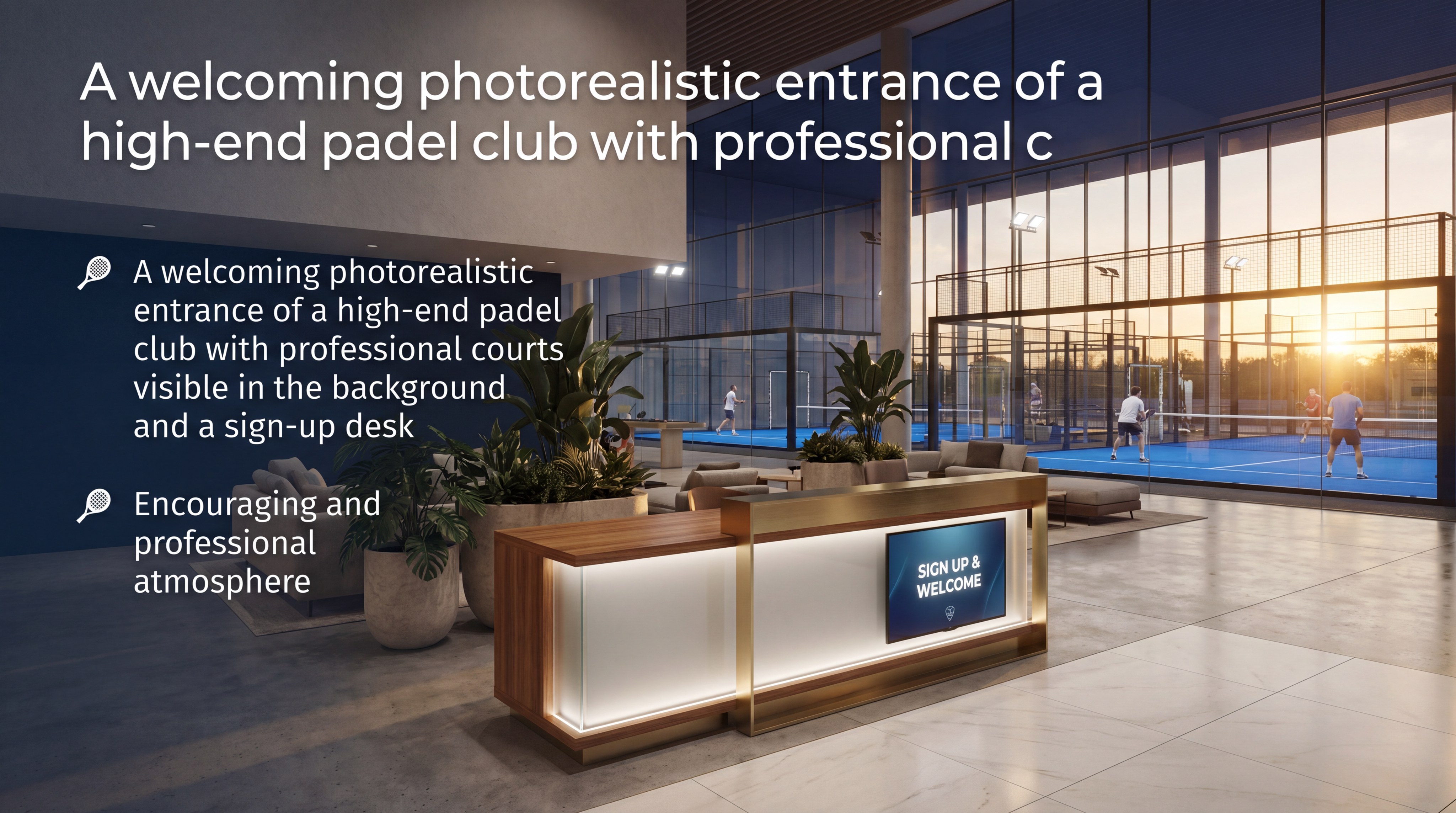
Your First Steps on Court
You don’t need to buy a lot of gear right away. Most clubs allow you to rent high-quality rackets and balls so you can try the sport before making a financial commitment.
- Search for “Padel clubs near me” on Google.
- Book a 60-minute introductory session with a coach.
- Join a “beginner mixer” to meet other new players.
And that’s not all…
Many clubs have apps where you can join open matches. This is perfect for you if you don’t have three other friends ready to play yet; the app will find a match for your skill level.
Building Your Foundation
You should focus on your footwork and your ability to read the bounce off the walls early on. Don’t worry about hitting “cool” shots; focus on keeping the ball in play and communicating with your partner.
- Practice hitting the ball against a wall alone.
- Watch professional matches to see court movement.
- Invest in proper shoes before buying a racket.
Here’s the kicker:
Padel is addictive! Once you start playing, you will find yourself wanting to play multiple times a week. You are just one match away from finding your new favorite sport.
Key Takeaway: Starting padel is as simple as making a booking and showing up with an open mind; the community will take care of the rest.
| Step | Action | Goal |
|---|---|---|
| Step 1 | Book a trial lesson. | Learn the basic swing and wall rules. |
| Step 2 | Rent equipment. | Try different racket weights for free. |
| Step 3 | Join a social league. | Find regular playing partners. |
Analysis: The low-friction entry point of padel is its greatest strength, allowing anyone to transition from spectator to player in a single afternoon.
Frequently Asked Questions
Can I play padel if I have never played tennis?
Yes, absolutely. Many people prefer padel precisely because it is easier to learn from scratch than tennis.
What’s the best racket shape for a brand new player?
A round-shaped racket is the best choice for you because it offers the most control and a larger sweet spot for consistent hitting.
Can I play padel with only two players?
While you can practice “singles” padel, the official sport and nearly all competitive matches are played as doubles with four players.
What’s the best way to handle the ball hitting the back glass?
You should wait for the ball to bounce off the floor first, then let it hit the glass and move toward you before you strike it.
Can I use regular running shoes on a padel court?
It is not recommended. Running shoes lack the grip needed for the sand-filled turf and don’t provide the lateral support required for the sport’s quick movements.
Final Thoughts
Padel is more than just a game; it is a dynamic, social, and health-conscious lifestyle choice. Whether you are looking for an intense workout or a way to meet new people, understanding the fundamentals of this sport is your first step toward success. If you are ready to take your game to the next level or want to explore professional equipment solutions, contact us today to learn more.