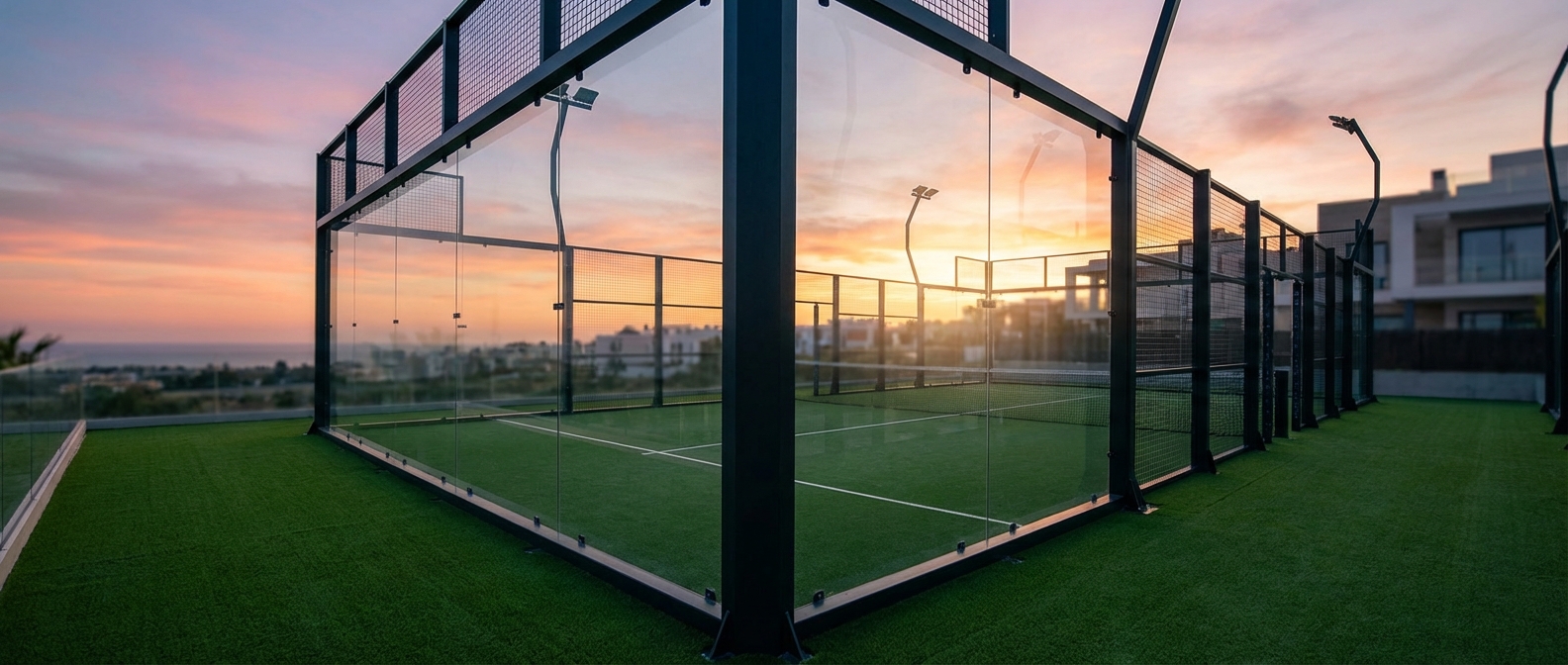
Are you searching for a sport that bridges the gap between high-intensity cardio and social interaction? Many athletes find traditional racket sports like tennis too technically demanding or squash too physically punishing, leading to a lack of consistent engagement. que es padel is the ultimate solution, offering a fast-paced, doubles-focused game played within glass walls that keeps the ball in play longer and ensures every match is a social event. It is a unique hybrid sport that combines elements of tennis and squash, focusing more on strategy and positioning than raw power.
What is the history behind que es padel?
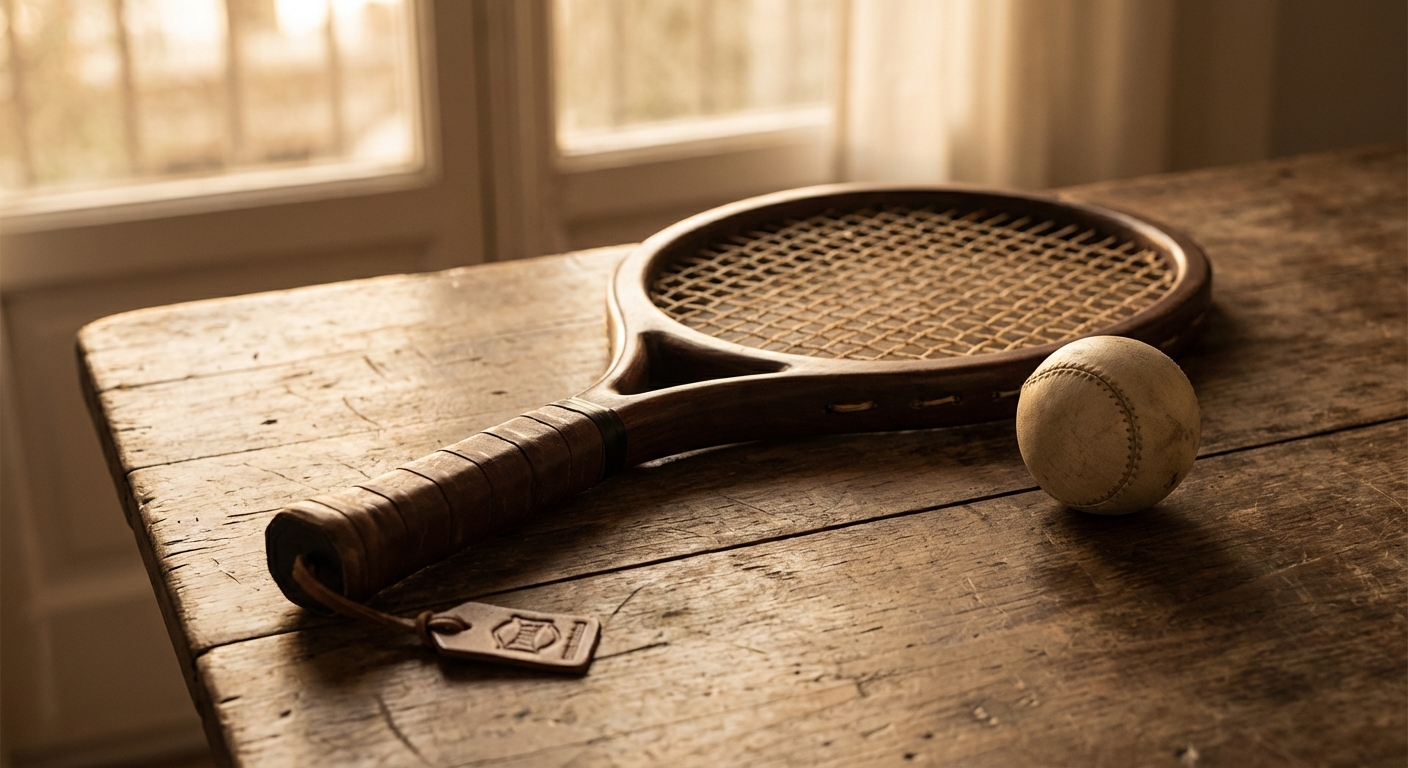
The history of que es padel dates back to 1969 in Acapulco, Mexico, where Enrique Corcuera modified a fronton court at his home to create a more enclosed playing space. He didn’t have enough room for a full-sized tennis court, so he built walls to keep the ball from escaping into his neighbor’s yard. This accidental innovation laid the foundation for the global phenomenon we see today.
Where did the game first start?
You might be surprised to learn that the game actually evolved from a private backyard project into a national pastime. The enclosed walls allowed for a slower, more tactical game that appealed to people of all ages and skill levels.
Look at this:
- Founded in Mexico by Enrique Corcuera.
- Initially called “Paddle Corcuera.”
- Spread to Spain through Prince Alfonso de Hohenlohe.
- Gained massive popularity in Argentina during the 1980s.
Believe it or not, the first professional courts were actually built at high-end hotels, making it an elite hobby before it hit the mainstream. You can still see that luxury influence in the high-quality materials used in modern construction today.
How did it reach global popularity?
Once the sport reached Spain, it underwent a massive transformation in terms of infrastructure and professionalization. European players fell in love with the doubles format and the strategic use of the glass walls to keep rallies alive.
The best part?
- Over 25 million players worldwide.
- Recognized as the fastest-growing racket sport in Europe.
- Professional circuits now host tournaments in major world capitals.
- Adoption by former professional tennis players has boosted its profile.
You will find that the community aspect of the sport is what truly drives its expansion across continents. People don’t just come for the exercise; they come for the networking and the vibrant atmosphere at the clubs.
Key Takeaway: Understanding the origins of the sport helps you appreciate why it focuses on social doubles play and enclosed court designs, making it accessible for everyone from beginners to pros.
| Milestone | Year | Location | Impact |
|---|---|---|---|
| Invention | 1969 | Mexico | Created the first enclosed court |
| European Expansion | 1974 | Spain | Established the first European clubs |
| Pro Boom | 2005 | International | Launch of professional world tours |
| Modern Era | 2024+ | Global | Integration into mainstream sports media |
The historical progression shows a shift from a niche Mexican hobby to a multi-billion dollar global industry.
How do the rules define que es padel today?
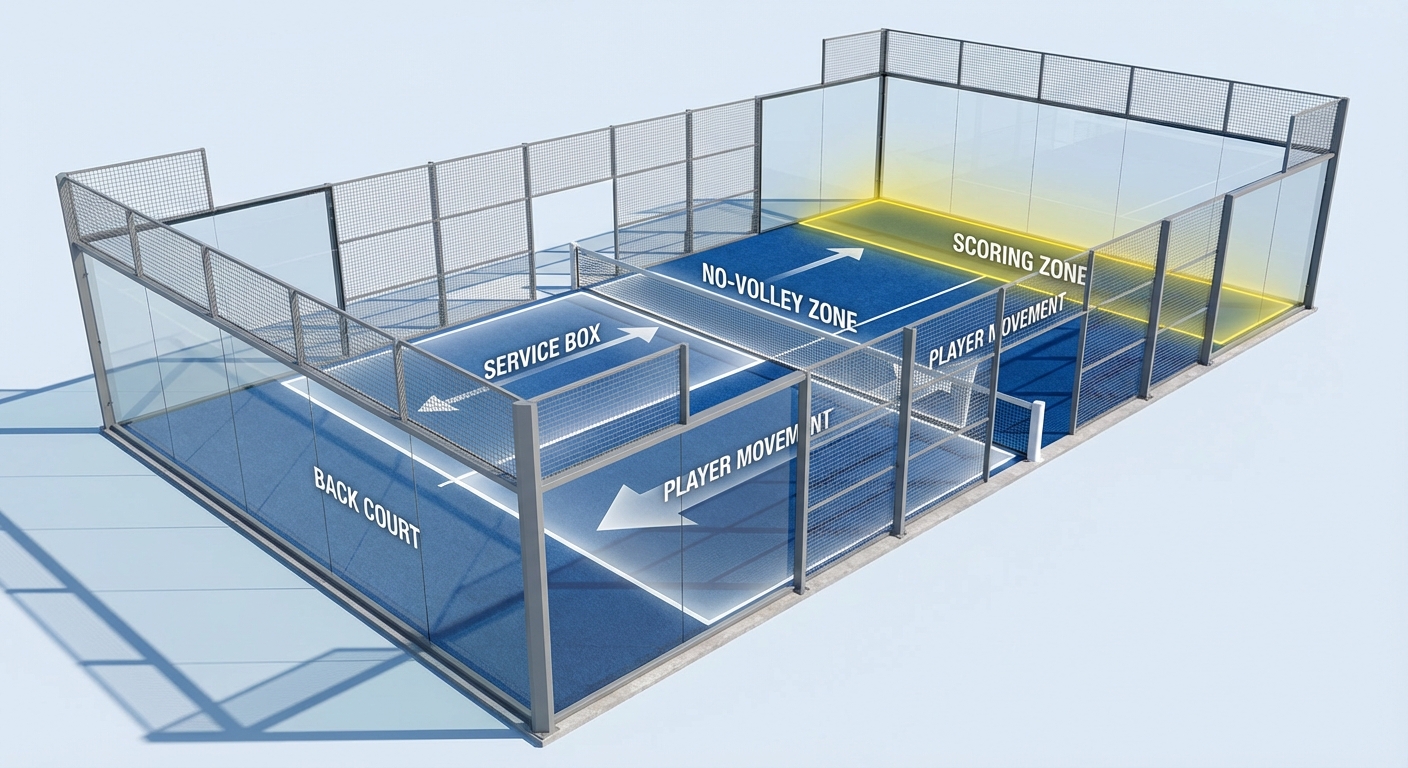
Modern rules for que es padel dictate that the game must be played in a doubles format on a court that is exactly 20 meters long and 10 meters wide. While the scoring system is identical to tennis, the service and the interaction with the walls make it a completely different tactical experience.
How do you perform a valid serve?
In this sport, you must always serve underhand, and the ball must be struck at or below waist level after a single bounce. This rule ensures that the serve is a way to start the point rather than a weapon to end it immediately.
Check this out:
- Serve must be cross-court into the opponent’s service box.
- The ball must bounce once before being hit by the receiver.
- If the ball hits the fence after the bounce on a serve, it is a fault.
- If the ball hits the glass after the bounce, it is a valid serve.
Think about it: by forcing an underhand serve, the game prioritizes the rally over the initial strike. You will find yourself focusing much more on the placement of the ball rather than just trying to smash it past your opponent.
When is the ball considered out?
A ball is considered “out” if it hits the walls or the metallic fence directly before bouncing on the opponent’s ground. However, once the ball has bounced in the correct area, it can hit any of the walls and still remain in play.
Stay with me here:
- Direct hits to the wall are out.
- Hits that bounce then touch the glass are in.
- Players can hit the ball against their own glass to send it over.
- Touching the net with your body or racket is an automatic loss of point.
Wait, there is more: you can actually run out of the side doors to return a ball that has bounced out of the court structure. This creates some of the most spectacular highlights in professional play, as athletes sprint beyond the glass to keep the point alive.
Key Takeaway: Mastering the rules regarding wall interaction allows you to turn defensive situations into offensive opportunities, lengthening the game and increasing the fun.
| Rule Category | Requirement | Padel Logic |
|---|---|---|
| Serve Style | Underhand | Focuses on starting the rally fairly |
| Players | 2 vs 2 | Enhances the social and tactical element |
| Scoring | 15, 30, 40, Game | Familiar system for racket sport fans |
| Wall Use | Permitted after bounce | Creates unique angles and second chances |
The rules are specifically designed to maximize the time the ball is in motion, which is why beginners find it so addictive.
What equipment is needed for que es padel players?
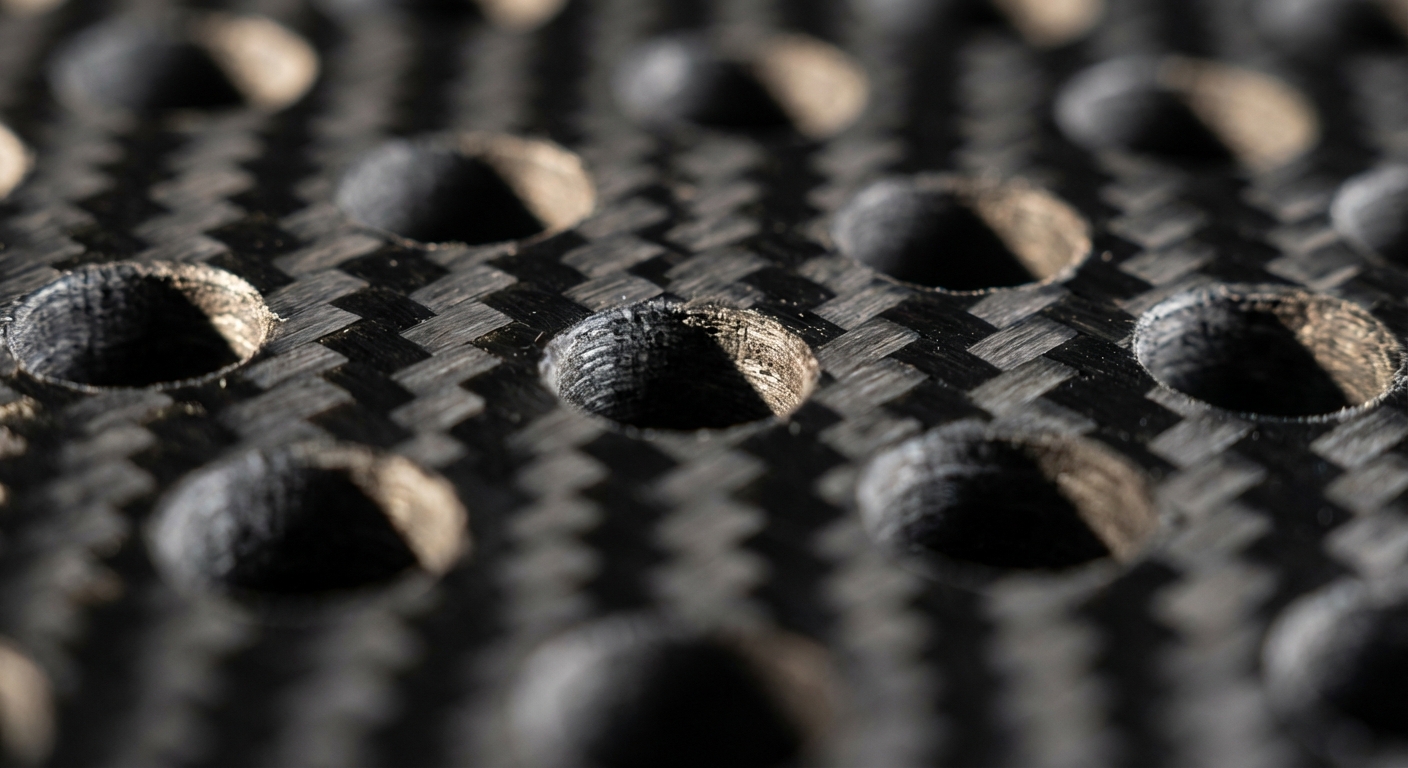
The primary equipment required for que es padel includes a specialized stringless racket made of composite materials and high-density foam, along with specific low-pressure balls. Unlike tennis rackets, these are shorter and feature a perforated surface to reduce air resistance and weight.
How do you choose the right racket?
You need to select a racket based on your skill level, as the shape—diamond, teardrop, or round—drastically changes how the ball behaves upon impact. Beginners usually opt for round rackets because they offer a larger “sweet spot” for easier control.
But wait:
- Round rackets: High control, lower power.
- Teardrop rackets: Balanced power and control.
- Diamond rackets: High power, professional level.
- Carbon fiber builds: Lightweight and durable.
It gets better: modern rackets use advanced EVA foam cores that absorb vibration, protecting your elbow and wrist from injury. You will notice a significant difference in “feel” depending on the density of the foam inside your frame.
Why are the balls different from tennis?
While they look almost identical, the balls used for this sport have a lower internal pressure to account for the smaller court size and the presence of walls. If you used a standard tennis ball, it would bounce too high and fast, making the game nearly impossible to control within the enclosure.
Here is the kicker:
- Padel balls are slightly smaller in diameter.
- Internal pressure is roughly 10psi to 11psi.
- They have a specific “rebound” height required by regulations.
- The felt is often more durable to handle contact with the turf.
You should always check the pressure before a match to ensure a consistent experience. Playing with “dead” balls ruins the tactical depth of the game, as they won’t rebound off the glass walls with enough energy to create a counter-attack.
Key Takeaway: Investing in a high-quality carbon fiber racket and the correct low-pressure balls will significantly improve your accuracy and prevent common sports injuries like tennis elbow.
| Equipment Item | Purpose | Key Feature |
|---|---|---|
| Racket (Pala) | Striking the ball | Perforated, no strings |
| Padel Balls | Gameplay | Lower pressure than tennis |
| Specific Shoes | Movement | High grip for synthetic turf |
| Overgrip | Comfort | Absorbs sweat and adds thickness |
Having the right gear ensures that the technical aspects of the sport feel natural and rewarding from your very first session.
What makes a court perfect for que es padel games?
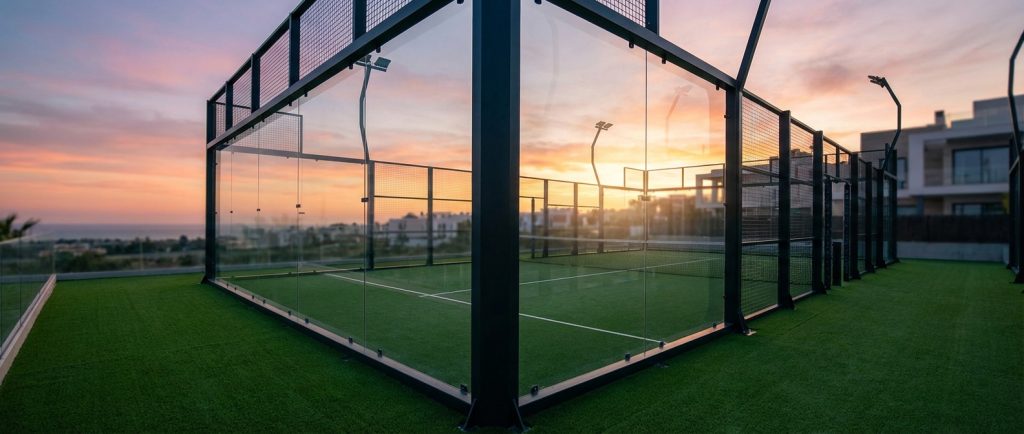
A perfect court for que es padel consists of a 10×20 meter footprint, a high-quality synthetic turf surface, and 10mm to 12mm tempered glass walls that provide a consistent bounce. The structural integrity of the metal frame and the lighting system are also critical factors for both player safety and visibility.
Why is tempered glass used?
The walls are the most iconic part of the court, and using tempered glass is essential for both transparency and durability. It allows spectators to watch the match easily while providing a rock-solid surface that doesn’t warp or degrade over time.
Check this out:
- 10mm glass for standard indoor use.
- 12mm glass for high-impact professional courts.
- Frameless “Panoramic” designs for better visibility.
- Resistant to temperature changes and physical impact.
Wait, there is more: the way the glass is mounted affects the sound and the vibration of the ball. You will find that high-end courts have a much “cleaner” sound when the ball strikes the wall, indicating a precise and professional installation.
What is the best surface for the floor?
The floor is almost always covered in a specialized artificial turf that is filled with a specific type of silica sand. This sand allows players to slide safely, similar to how they would on a clay tennis court, without losing their footing entirely.
Look at this:
- Monofilament turf: Durable and consistent.
- Fibrillated turf: Better for high-traffic clubs.
- Texturized turf: Requires less sand and offers better grip.
- Blue turf: The industry standard for professional TV matches.
Think about it: the sand isn’t just there for aesthetics; it protects the turf fibers from wearing down and ensures the ball bounces predictably. You will appreciate a well-maintained surface when you need to make a sudden change of direction to reach a drop shot.
Key Takeaway: Choosing a panoramic court design with texturized turf offers the best balance of aesthetics, player safety, and low maintenance, making it a favorite for club owners.
| Court Component | Standard Material | Benefit |
|---|---|---|
| Enclosure | Tempered Glass | Consistency and visibility |
| Playing Surface | Synthetic Turf | Joint protection and sliding |
| Lighting | LED Floodlights | No shadows and energy efficiency |
| Structure | Galvanized Steel | Rust prevention and stability |
A high-standard court doesn’t just look better; it fundamentally changes the quality of the rallies and the enjoyment of the players.
How do techniques evolve in que es padel matches?
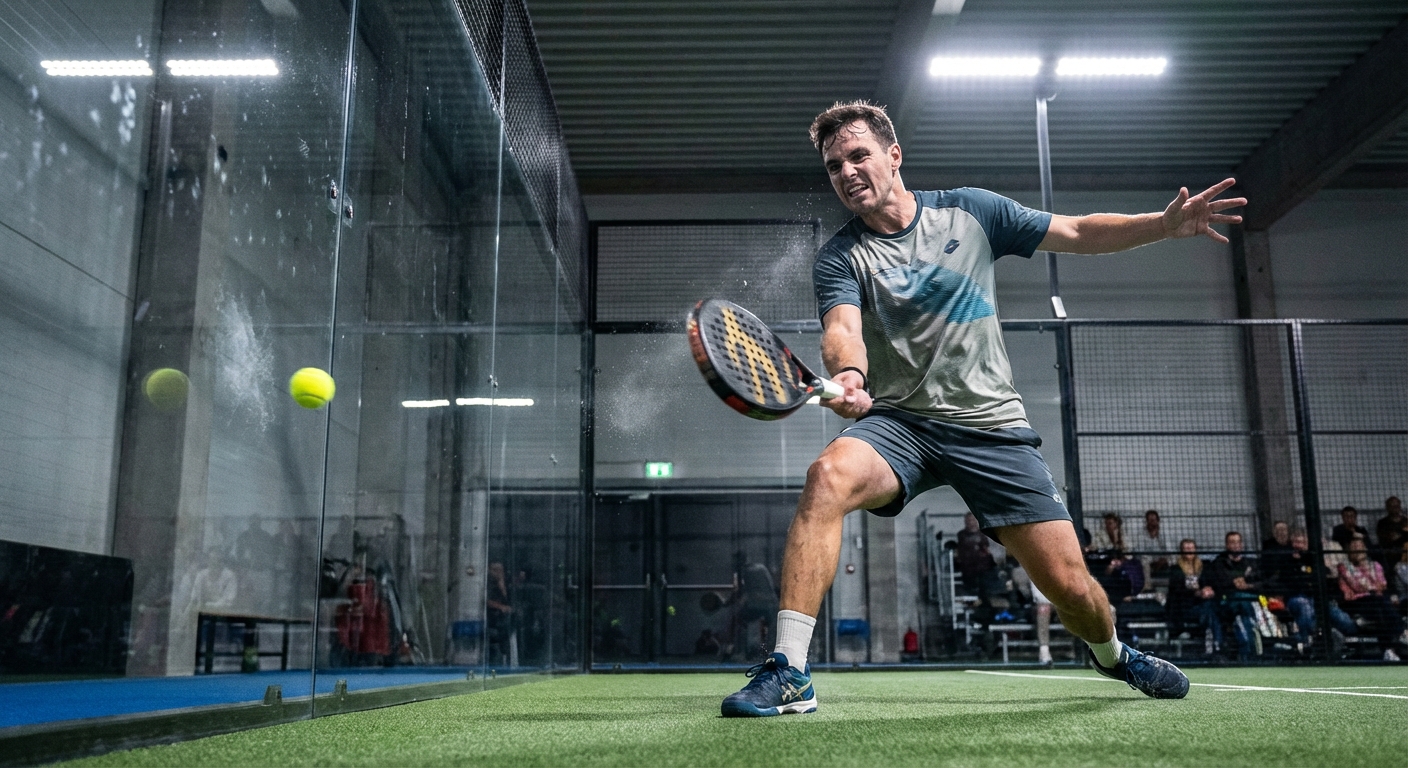
Techniques in que es padel focus heavily on net dominance and the “lob” shot, which is used to push opponents back and regain the attacking position. Unlike other racket sports, the most powerful smash is not always the best option; often, a soft, well-placed shot is more effective.
What is the bandeja shot?
The “bandeja” (meaning “tray”) is a unique defensive-offensive hybrid shot used when the opponent hits a lob that isn’t quite short enough to smash. Instead of hitting it with full power, you slice the ball downward to keep it low and deep in the opponent’s court.
But wait:
- Hit at shoulder height with a flat racket face.
- Aimed at the corners or the opponent’s feet.
- Designed to let you stay at the net.
- High spin makes the ball “die” off the back glass.
Here is the kicker: if you try to smash every overhead, you will likely hit the back wall too hard, giving your opponent an easy return. You will find that mastering the bandeja is the single most important step to becoming an intermediate player.
Why is the lob so important?
In this sport, the lob is considered a high-level offensive weapon rather than a desperate defensive move. A good lob forces the attacking pair to leave the net, allowing you and your partner to move forward and take control of the point.
The best part?
- High lobs give you time to breathe and reposition.
- Deep lobs are nearly impossible to smash effectively.
- It tests the overhead consistency of your opponents.
- Changes the rhythm of the game instantly.
Believe it or not, pro players lob more than 30% of the time. You should practice hitting lobs that land just inches from the back glass, as this maximizes the difficulty for the opposing team to mount a counter-attack.
Key Takeaway: Shifting your focus from raw power to tactical shots like the bandeja and the lob will allow you to beat more athletic opponents through superior court positioning.
| Shot Type | Purpose | Difficulty |
|---|---|---|
| Bandeja | Maintaining the net | Intermediate |
| Lob | Changing court position | Beginner to Pro |
| Vibora | Offensive spin shot | Advanced |
| Chiquita | Soft shot to the feet | Advanced |
Technical mastery in this sport is about patience and waiting for the right moment to strike, rather than trying to end the point early.
What construction steps follow que es padel standards?
Building a court according to que es padel standards requires a multi-step process involving ground stabilization, concrete pouring, and precision assembly of the steel and glass components. Each step must be executed with tight tolerances to ensure the court remains level and the glass panels fit perfectly within the frame.
How do you prepare the foundation?
The foundation is the most critical part of the construction process because any slight tilt will cause the ball to bounce unevenly. You need to excavate the area, install a drainage system, and pour a reinforced concrete slab that is at least 15cm thick.
Check this out:
- Leveling the ground with laser precision.
- Installing a perimeter beam for the metal structure.
- Using porous concrete or asphalt for better drainage.
- Ensuring a smooth finish for the turf application.
Think about it: if the water doesn’t drain properly, the turf will bubble and the sand will clump. You will save thousands of dollars in long-term repairs by getting the drainage right during the initial excavation phase.
What metal is used for the frame?
The frame must be made of high-quality galvanized steel to prevent rust, especially if the court is located outdoors or near the coast. The pillars are usually 80x80mm or 100x100mm to provide the necessary support for the heavy glass panels.
Look at this:
- Electrostatic powder coating for a premium finish.
- Anti-vibration gaskets between steel and glass.
- Structural calculations to withstand high wind loads.
- Integrated net posts for a seamless look.
Stay with me here: the fence sections are also part of the frame and must be perfectly flush with the glass to ensure a fair bounce. You will find that using high-grade iron ensures that the court maintains its professional appearance and safety standards for decades.
Key Takeaway: Following a professional construction guide—from foundation to final LED installation—guarantees a safe, durable court that meets all international competition standards.
| Phase | Action | Primary Tool |
|---|---|---|
| Groundwork | Excavation and leveling | Laser Level / Excavator |
| Base | Concrete pouring | Rebar and Cement Mixer |
| Assembly | Steel and Glass installation | Suction Cups and Wrenches |
| Finishing | Turf laying and sanding | Specialized Brushes |
Building a court is an engineering project that requires a balance of heavy-duty construction and high-precision finishing.
How does team play work in que es padel doubles?
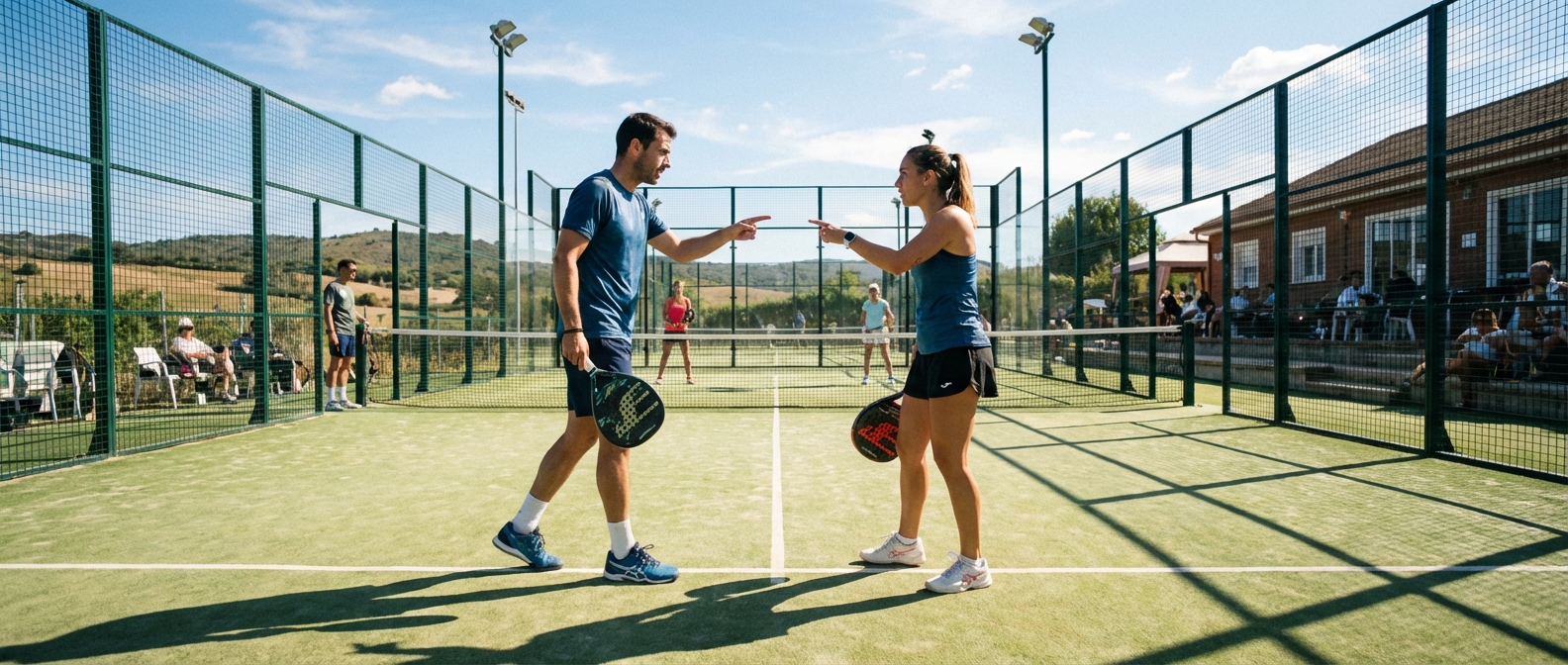
Teamwork is the heart of que es padel because the small court size and the presence of walls mean you must move in perfect sync with your partner. Effective communication and a clear understanding of “covering the middle” are what separate winning teams from those that struggle.
How do you cover the middle?
One of the most common mistakes beginners make is leaving a huge gap in the center of the court. You and your partner should move like they are connected by a short rope; when one moves to the corner, the other must move toward the center to cover the empty space.
But wait:
- Always communicate who takes the middle ball.
- The player cross-court from the ball usually covers the center.
- Avoid being “flat” at the net; one should be slightly deeper.
- Use hand signals or verbal cues before every serve.
It gets better: by closing the middle, you force your opponents to hit difficult shots into the small side-wall gaps. You will find that simply being in the right place is often more intimidating than having a fast racket swing.
Why is communication so critical?
Because the ball can bounce off the back wall and come back toward the net, you often lose sight of your partner’s position. Constant verbal updates regarding the opponents’ movement and the ball’s trajectory are essential for high-level play.
The best part?
- “I have it!” or “Yours!” prevents collisions.
- “He is up!” tells your partner to lob.
- “Stay!” means you are both holding the net.
- Encouragement keeps the team morale high during long sets.
Believe it or not, the best teams aren’t always the most talented individuals; they are the ones who talk the most. You should treat every point as a shared problem to solve, rather than two separate players playing on the same side.
Key Takeaway: Developing a “connection” with your partner through constant movement and verbal cues will significantly increase your win rate and make the game more enjoyable.
| Strategy | Goal | Execution |
|---|---|---|
| The Wall | Blanket the net | Both players stay forward and aggressive |
| The Mirror | Symmetry | Moving left/right in unison |
| The Lob-Reset | Regain control | Pushing opponents back to take the net |
| Targeting | Focus on one player | Testing the weaker opponent’s consistency |
A synchronized team is much harder to beat than two “stars” who don’t communicate or move together.
What are the health benefits of que es padel activities?
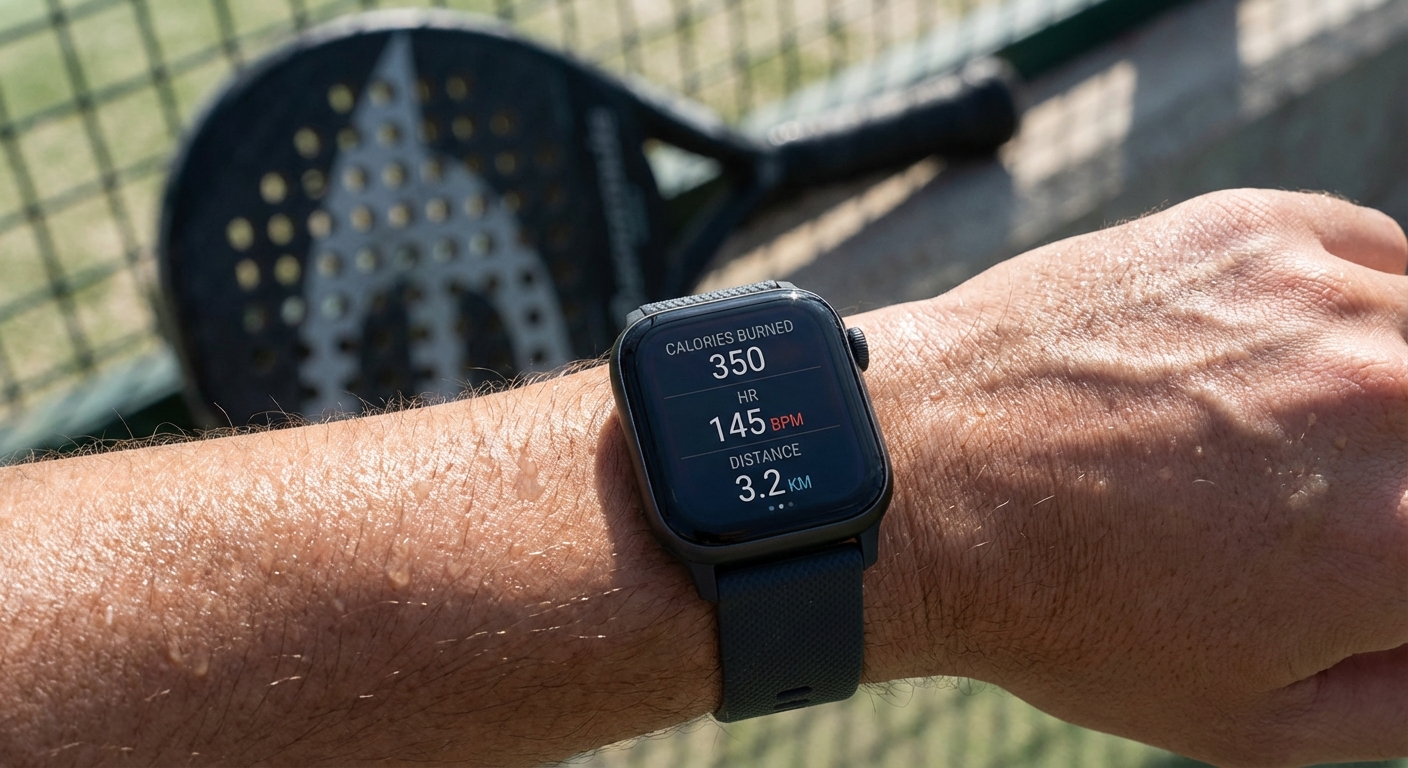
Participating in que es padel offers a comprehensive full-body workout that improves cardiovascular health, agility, and mental well-being. Because the game involves short bursts of speed followed by tactical pauses, it serves as an excellent form of high-intensity interval training (HIIT).
Is it good for cardiovascular health?
You will burn between 600 and 1,000 calories during a typical 90-minute match, depending on the intensity. The constant movement, jumping, and lunging keep your heart rate elevated, which strengthens the heart and improves circulation over time.
Check this out:
- Improves aerobic capacity significantly.
- Helps with weight management and fat loss.
- Lower impact on joints compared to running on asphalt.
- Increases overall stamina for daily activities.
Think about it: because the game is so fun, you don’t even realize how hard you are working. You will find your resting heart rate dropping after just a few months of playing twice a week.
How does it help mental health?
The social nature of the sport makes it a powerful tool for reducing stress and anxiety. Engaging with three other people in a competitive but friendly environment releases endorphins and fosters a sense of community that is often missing from solo gym routines.
Here is the kicker:
- Focus required for tactics clears the mind.
- Regular social interaction prevents isolation.
- Achieving “flow state” during long rallies.
- Competitive play builds resilience and patience.
Wait, there is more: the strategic aspect of the game keeps your brain active as you have to calculate angles and anticipate your opponent’s moves. You are not just exercising your muscles; you are exercising your cognitive processing and reaction times.
Key Takeaway: Regular matches provide a balanced mix of physical conditioning and social therapy, making it one of the most sustainable long-term fitness habits you can adopt.
| Health Metric | Impact Level | Benefit |
|---|---|---|
| Calories Burned | High | Weight loss and metabolic boost |
| Agility | Very High | Better balance and coordination |
| Mental Stress | Low (Post-match) | Endorphin release and social bonding |
| Joint Impact | Medium | Less strain than tennis due to turf |
The combination of fun and fitness is the reason why people of all ages—from 8 to 80—can enjoy the sport together.
How do social clubs enhance the que es padel experience?
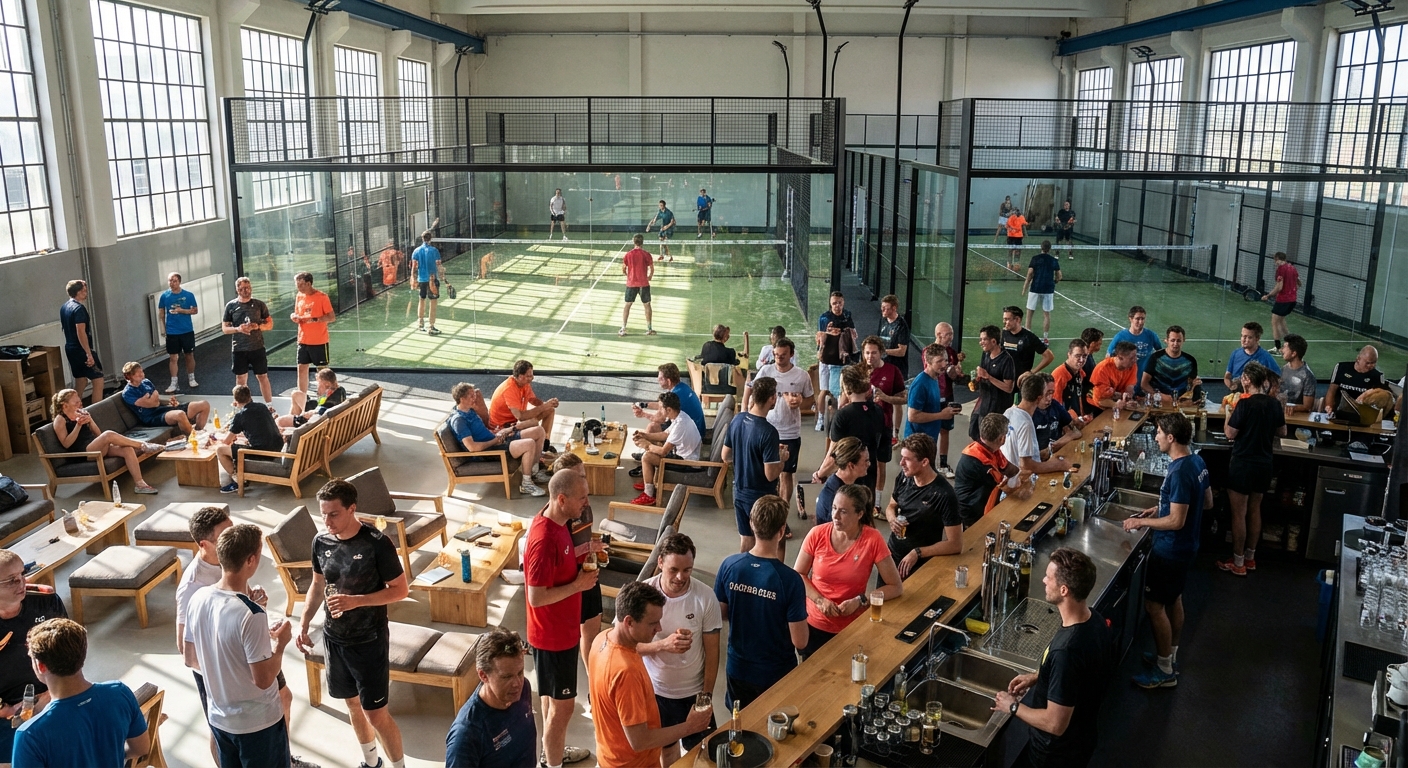
Social clubs are the heartbeat of que es padel, providing the infrastructure, coaching, and community events that keep players engaged. A high-quality club environment offers more than just courts; it provides a lifestyle that includes post-match dining, pro shops, and organized tournaments.
Why join a dedicated club?
You gain access to a network of players at your exact skill level through “Open Games” or “Americano” tournaments. Most clubs use apps to help you find matches, ensuring that you never have to worry about finding three other people to play with.
Look at this:
- Access to professional coaching and clinics.
- Organized leagues and internal rankings.
- High-quality locker rooms and amenities.
- Exclusive events and equipment demos.
The best part? Many clubs feature a café or bar where players gather after matches to discuss the game. You will find that the “third half” (the social time after the match) is just as important to many members as the actual gameplay.
What are “Open Games”?
If you don’t have a partner, “Open Games” allow you to sign up for a slot, and the club’s software will pair you with others of a similar rating. This is the fastest way to improve your game because it exposes you to different playing styles and strategies.
Stay with me here:
- No need to organize your own group.
- Meet new people every time you play.
- Skill ratings ensure fair and competitive matches.
- Flexible scheduling for busy professionals.
Believe it or not, many business deals and lifelong friendships are started on the court. You should take advantage of these club features to expand your social circle while honing your technical skills.
Key Takeaway: Being part of a club ecosystem accelerates your learning curve and provides a consistent social outlet that turns a simple hobby into a lifestyle.
| Club Feature | Value for Player | Why it Matters |
|---|---|---|
| Matchmaking Apps | Convenience | Find games 24/7 without a fixed group |
| Coaching | Improvement | Learn proper technique from the start |
| Social Bar | Community | Build friendships and network |
| Pro Shop | Equipment | Test rackets before you buy them |
The club experience is what makes the sport feel like a community rather than just a physical activity.
How to maintain the quality of que es padel courts?
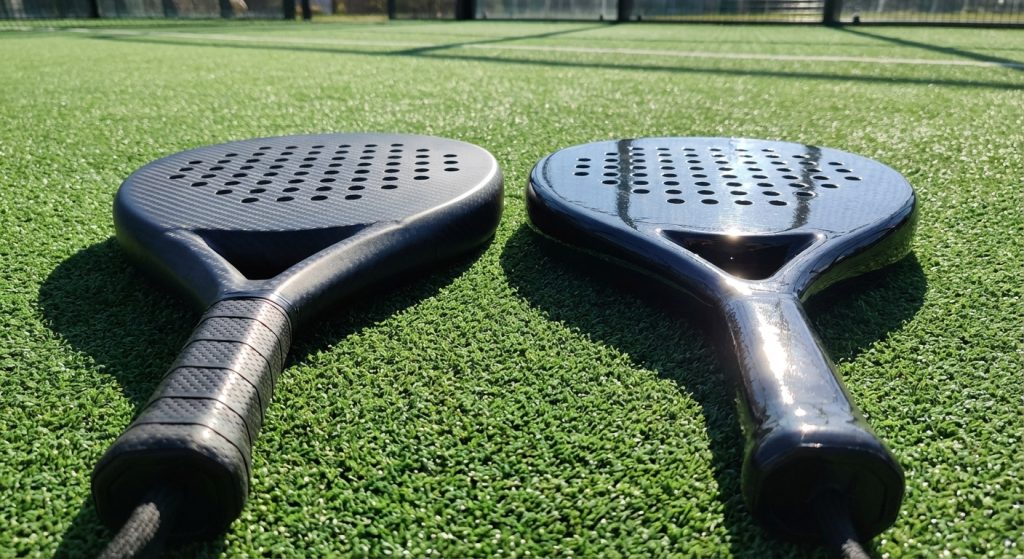
Maintaining the quality of que es padel courts involves regular brushing of the synthetic turf, cleaning the glass walls, and checking the tension of the net. Proper maintenance not only extends the life of the materials but also ensures a safe and predictable playing surface for all users.
How do you clean the glass walls?
You should clean the glass at least once a week using standard glass cleaner and a squeegee to remove sweat marks, dust, and fingerprints. Clear glass is vital for visibility, especially for spectators and for filming matches.
But wait:
- Use non-abrasive cloths to avoid scratches.
- Check the silicone joints for wear and tear.
- Tighten the mounting bolts every few months.
- Clean both the inside and outside surfaces.
It gets better: maintaining the glass also involves checking for any micro-cracks that could compromise the safety of the structure. You will find that players appreciate the effort when they can see clearly through the panoramic panels during sunset matches.
When should you add more sand?
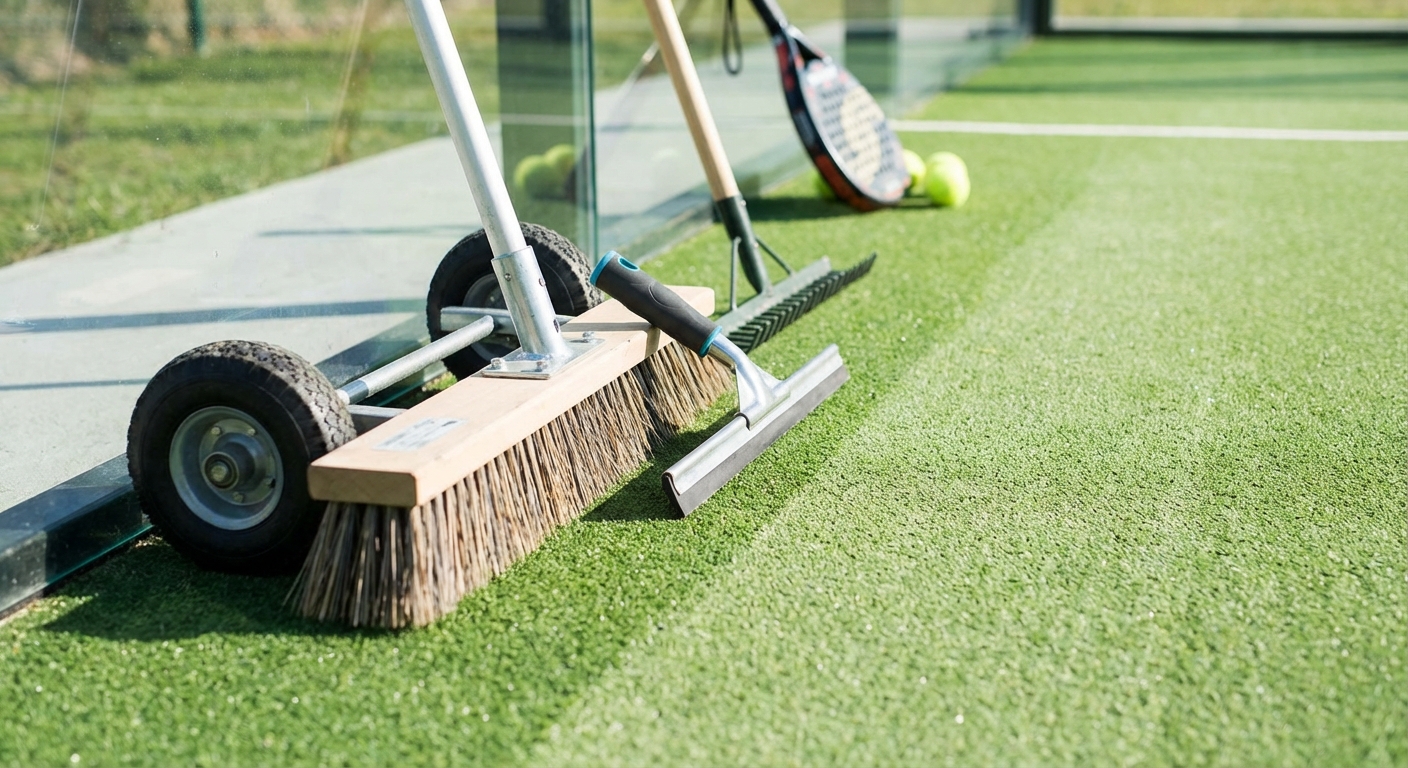
The silica sand on the turf tends to migrate to the corners and edges of the court over time, leaving the high-traffic areas “bald.” You should brush the sand back toward the center once a week and top it up every six months to maintain the correct grip.
Check this out:
- Use a specialized triangular brush for even distribution.
- Avoid over-sanding, which can make the floor slippery.
- Remove leaves and debris before brushing.
- Keep the sand dry for the best results.
Here is the kicker: if you let the sand disappear from the center, the turf fibers will bend and break under the players’ shoes. You will notice the court feels “faster” and more professional when the sand level is perfectly balanced across the entire 200-square-meter surface.
Key Takeaway: A simple weekly maintenance routine—cleaning the glass and brushing the sand—can double the lifespan of your court and prevent expensive surface replacements.
| Task | Frequency | Goal |
|---|---|---|
| Glass Cleaning | Weekly | Visibility and aesthetics |
| Turf Brushing | Weekly | Sand distribution and fiber health |
| Net Inspection | Monthly | Proper height and tension |
| Structural Check | Quarterly | Safety and bolt tightness |
Consistency in maintenance is the key to providing a premium experience that keeps players coming back to your facility.
*
The growth of this sport is not just a trend; it represents a fundamental shift in how people want to experience fitness and social interaction. By combining the best elements of strategy, physical activity, and community, it has created a unique space in the athletic world. Whether you are looking to play your first match or build your own facility, the future of the game is brighter than ever. We are committed to pushing the boundaries of court design and player experience to ensure that every match feels like a world-class event. If you are ready to take the next step in your journey or need expert advice on construction, please contact us today to learn more about our professional solutions.
*
FAQ
Can I play padel on a traditional tennis court?
No, you cannot play a standard game on a tennis court because the rules require the ball to bounce off glass walls and metallic fencing. While you can practice shots there, the lack of an enclosure changes the fundamental mechanics and strategy of the sport.
What’s the best racket for a total beginner?
The best racket for a beginner is a round-shaped model with a soft EVA foam core. This design provides the largest sweet spot and the most control, which helps you learn the basic strokes without the frustration of frequent miss-hits.
Can I build a padel court in my own backyard?
Yes, you can build a court at home as long as you have a flat space of at least 11×21 meters to allow for the structure and a small perimeter. You will need to check local zoning laws and ensure you have a professional foundation to support the weight of the glass and steel.
What’s the standard height of the net?
The net should be 88 centimeters high at the center and can reach up to 92 centimeters at the posts. Maintaining this specific height is crucial for the fairness of the game, particularly for the low, fast “chiquita” shots used at the net.
Can children play padel safely?
Yes, children can play very safely because the rackets are lightweight and the ball moves slower than in tennis. It is an excellent sport for developing hand-eye coordination and social skills in a controlled, enclosed environment.