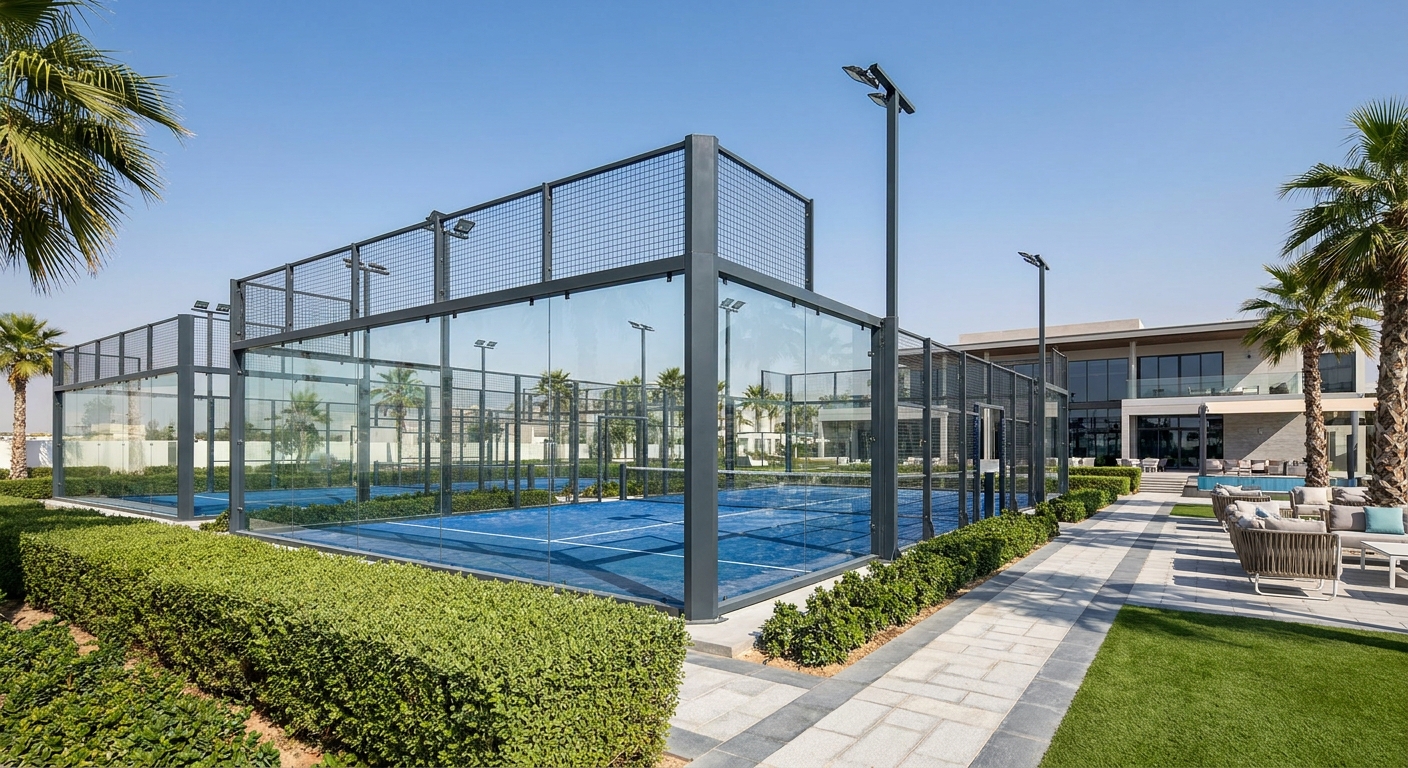
what is padel ball is a high-energy racket sport played in doubles on an enclosed court that incorporates walls into active gameplay. Many athletes find traditional racket sports like tennis difficult to master due to complex technical requirements and large court coverage. This barrier to entry often causes beginners to lose interest before they can truly enjoy the competitive spirit of the game. This guide provides the perfect solution by breaking down the equipment, construction, and rules of the world’s fastest-growing social sport.
Why is equipment vital for what is padel ball?
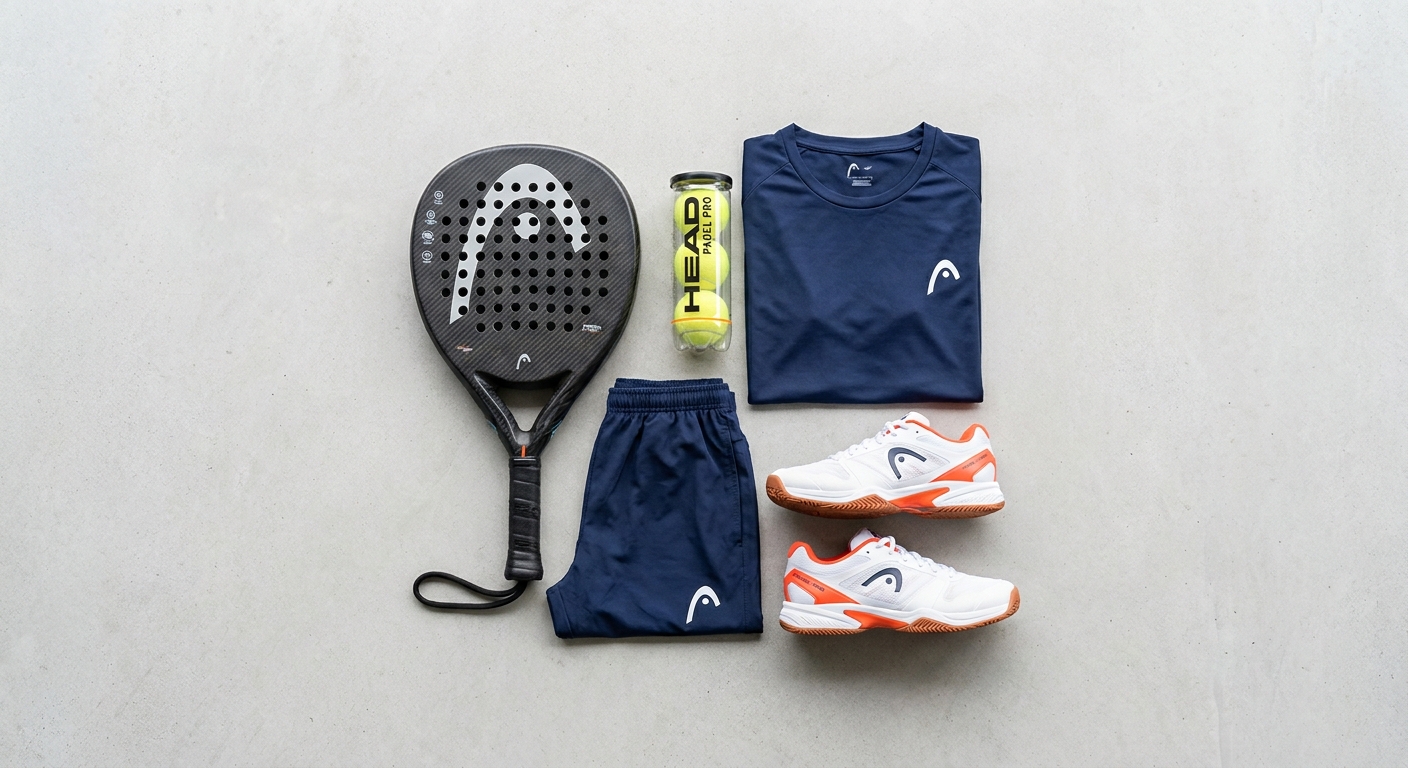
High-performance equipment for what is padel ball consists of specialized stringless rackets, low-pressure balls, and high-traction footwear. You must use gear specifically designed for this sport to handle the unique rebound dynamics of the glass walls. Understanding the technical specs of your gear helps you transition from a beginner to a tactical player quickly.
Essential Gear for Beginners
You should prioritize comfort and durability when selecting your initial set of equipment. Here is the deal: proper shoes are the most important investment to prevent injuries on the synthetic turf.
- Non-marking clay-court or specialized padel shoes.
- Breathable, moisture-wicking athletic apparel.
- A protective bag to maintain racket foam integrity.
Choosing the Right Racket
The racket you choose dictates your playing style, whether you prefer defensive control or offensive power. Beginners typically find round-shaped rackets more forgiving because they have a larger sweet spot.
| Equipment Item | Primary Function | Material / Spec |
|---|---|---|
| Padel Racket | Striking the ball | Carbon Fiber / EVA Foam |
| Padel Ball | Gameplay object | High-vis Felt / 11psi |
| Specialized Shoes | Traction and stability | Herringbone sole pattern |
Investing in high-quality gear ensures your safety and improves your consistency during long rallies.
Key Takeaway: Using the correct equipment allows you to master the unique “walls-in” mechanics of the sport while protecting your joints from the high-impact nature of quick court movements.
Where did the history of what is padel ball begin?
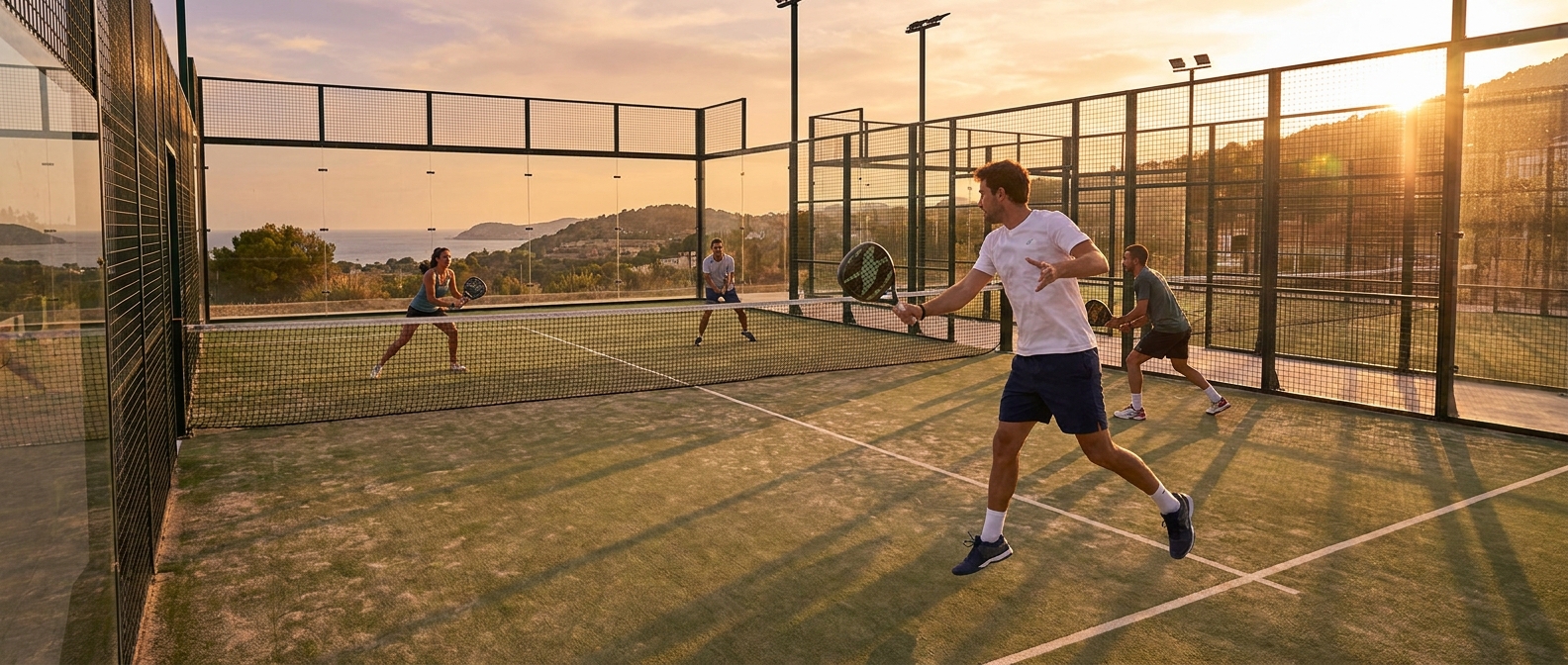
The global phenomenon of what is padel ball officially began in 1969 in Acapulco, Mexico, founded by Enrique Corcuera. He originally modified a squash court at his home by adding walls and a net to create a more controlled environment. Since its humble beginnings, the sport has exploded in popularity across Spain, Argentina, and now the rest of the world.
From Mexico to the World
The transition of the sport from a private backyard game to a global sensation happened through social networking. It is widely known that Spanish royalty and entrepreneurs were the first to bring the game to Europe in the 1970s. Look at the facts: the social nature of the sport made it an instant hit in luxury sports clubs.
- 1969: Invention in Acapulco, Mexico.
- 1974: The first European club opens in Marbella, Spain.
- 1991: Formation of the International Padel Federation.
The Rise of Modern Competition
You can now find professional circuits that attract thousands of spectators to stadiums worldwide. The game has evolved from a leisure activity into a highly structured professional sport with rigorous training standards.
| Era | Key Development | Region |
|---|---|---|
| 1970s | Introduction to Spain | Marbella |
| 1980s | Boom in Argentina | South America |
| 2020s | Global Expansion | UK, USA, Middle East |
Historical context helps players appreciate the strategic evolution of the court and rules.
Key Takeaway: Understanding the history of the sport reveals why it is inherently social and designed for doubles, fostering a community-centric atmosphere that tennis often lacks.
How big is the court for what is padel ball?
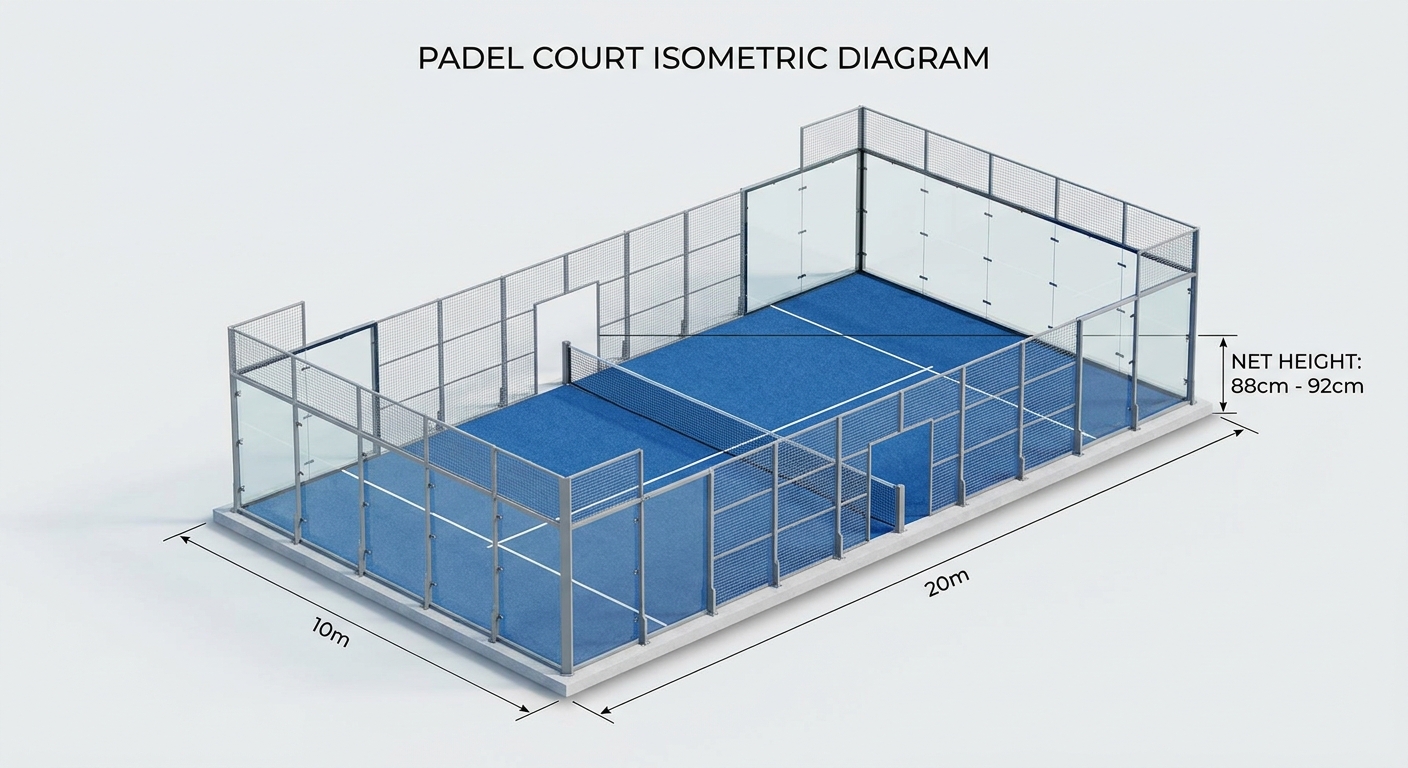
A standard court for what is padel ball is a rectangle measuring exactly 10 meters wide by 20 meters long. This footprint is significantly smaller than a tennis court, which creates a much faster game with less sprinting. The layout must include specific glass and mesh placements to facilitate the required ball rebounds.
Precise Architectural Dimensions
When building a court, you must adhere to international standards to ensure fair play and structural safety. Here is the deal: the net height is slightly lower than in tennis, measuring 88cm at the center and 92cm at the posts.
- Total court area: 200 square meters.
- Back walls: 3 meters high glass + 1 meter mesh.
- Side walls: Combination of glass and metallic mesh.
Service Box and Line Markings
The service lines are positioned 6.95 meters from the net on both sides of the court. You will find that these markings are essential for the underhand serve that defines the sport’s opening play.
| Component | Standard Dimension | Material |
|---|---|---|
| Length | 20 Meters | Hot-dip galvanized steel |
| Width | 10 Meters | Reinforced glass |
| Service Line | 6.95m from net | White thermoplastic paint |
Accurate dimensions are the foundation of a high-quality facility that meets professional standards.
Key Takeaway: The compact size of the court ensures that you spend more time hitting the ball and less time running, making it an ideal sport for all ages and fitness levels.
What grass is needed for what is padel ball?
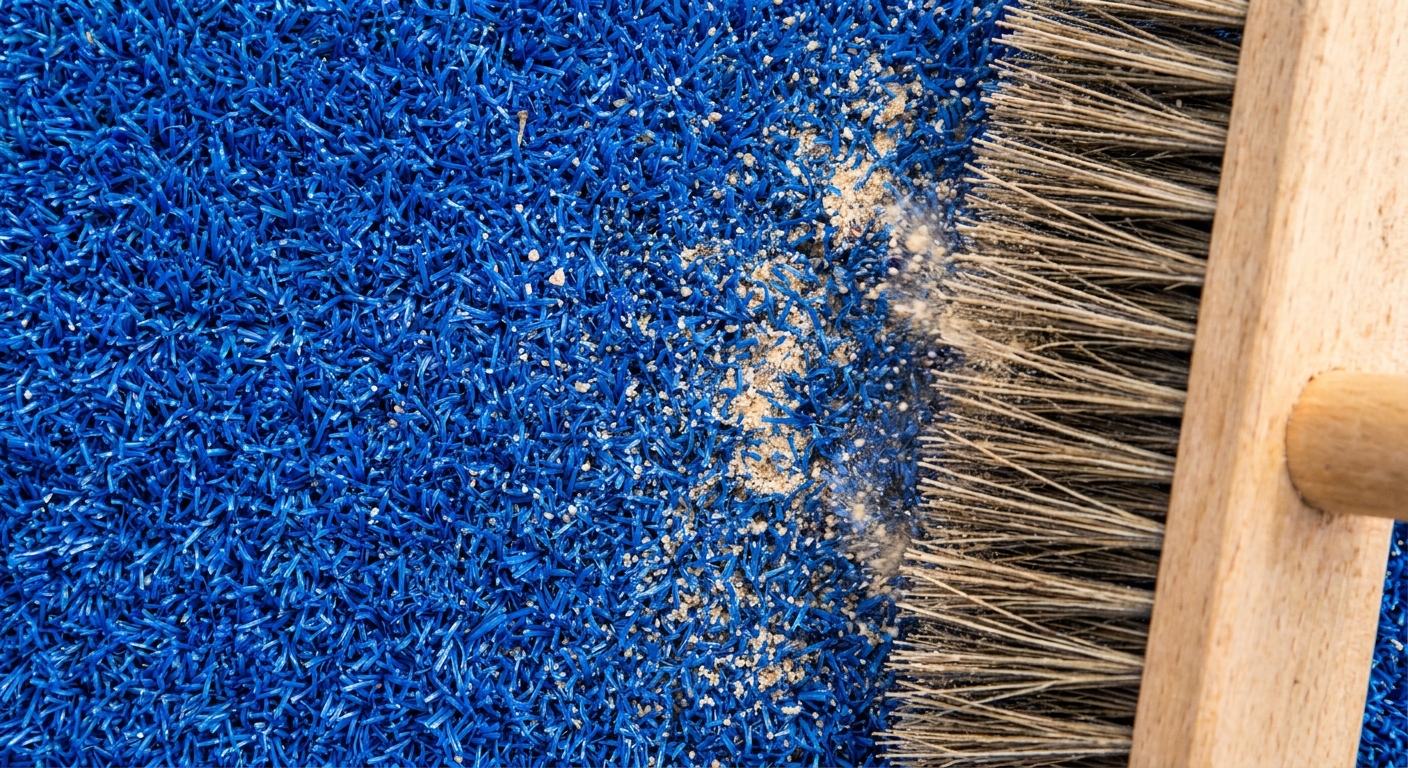
The surface used for what is padel ball is typically a high-density, fibrillated or monofilament synthetic turf filled with silica sand. This specialized grass provides the necessary grip for quick pivots while ensuring a consistent ball bounce. Blue turf has become the industry standard for professional televised matches because it offers the highest contrast against the yellow ball.
Maintaining Surface Quality
You must maintain the sand levels regularly to prevent the turf fibers from flattening over time. It is important to note that uneven sand distribution can lead to unpredictable ball skips and increased player injury risks.
- Weekly brushing to redistribute silica sand.
- Debris removal to prevent drainage clogging.
- Annual professional deep cleaning and infill top-ups.
Fibrillated vs Monofilament Turf
You will need to choose between different fiber types depending on your expected foot traffic and budget. Believe me, monofilament fibers are generally preferred for professional clubs because they offer superior durability.
| Turf Type | Texture | Best Use |
|---|---|---|
| Fibrillated | Flat, wide fibers | High-traffic commercial clubs |
| Monofilament | Individual, spine-like fibers | Professional and elite play |
| Textured | Curly fibers | Low-maintenance private courts |
The right turf choice directly impacts the speed and enjoyment of every match played.
Key Takeaway: High-quality synthetic turf combined with proper sand infill creates the perfect balance of slide and grip, allowing you to move confidently on the court.
How does the scoring for what is padel ball work?
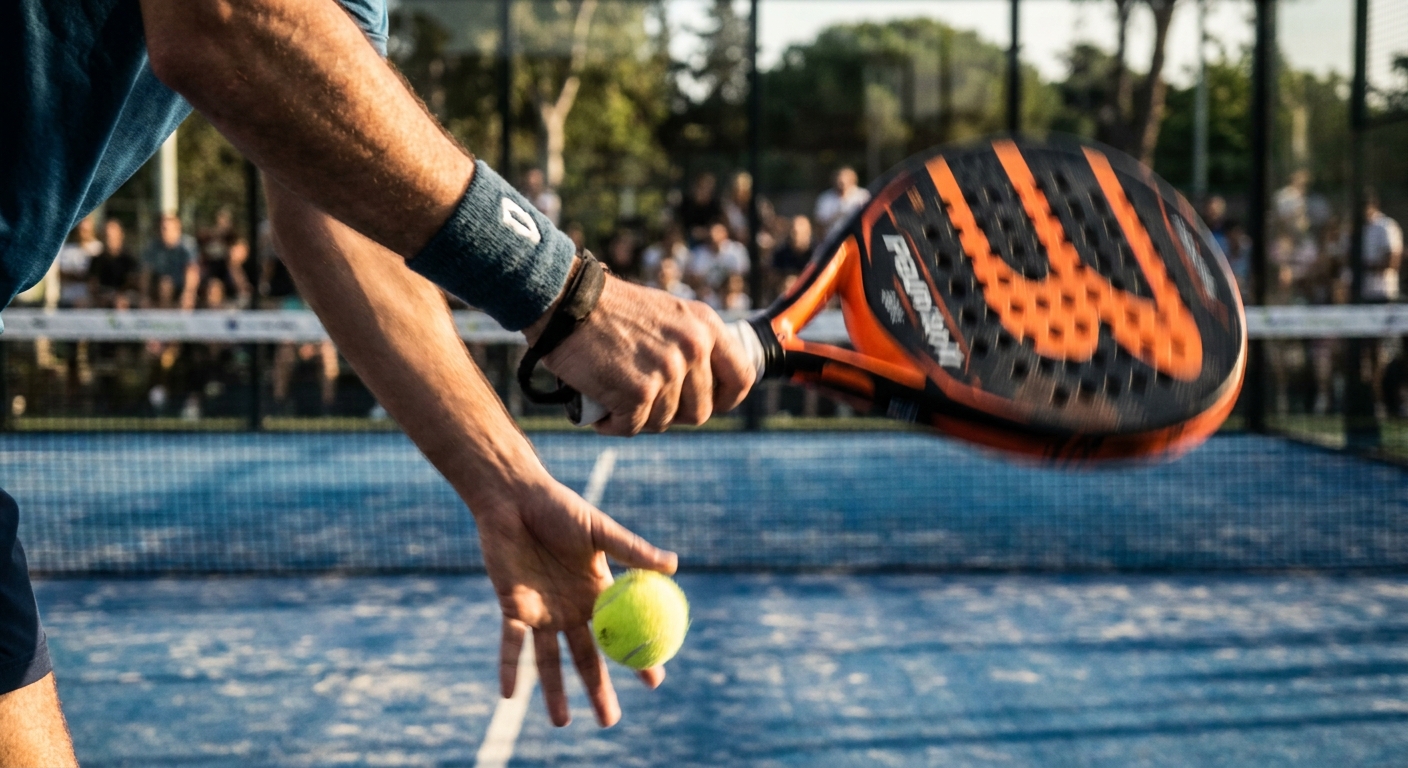
The scoring system for what is padel ball follows the traditional tennis format of 15, 30, 40, and game. Matches are typically played as the best of three sets, with a tie-break occurring if a set reaches a 6-6 score. In professional play, many circuits now use the “Golden Point” rule to decide deuce games instantly.
Mastering the Padel Serve
You must serve the ball underhand and strike it at or below waist level for the serve to be legal. Here is the deal: the ball must bounce in the opponent’s service box and cannot hit the metallic mesh after the bounce.
- The server must stand behind the service line.
- Diagonal delivery into the opponent’s box.
- A second serve is allowed if the first is a fault.
Scoring Dynamics and Deuce
You will find that games move quickly, especially when using the “Golden Point” to resolve a 40-40 tie. This rule means the next point wins the game, adding immense pressure and excitement to the match.
| Score Label | Numerical Value | Note |
|---|---|---|
| Love | 0 | Starting point |
| 15, 30, 40 | 1, 2, 3 Points | Incremental steps |
| Deuce | 40 – 40 | Requires 2-point lead or Golden Point |
Understanding the nuances of scoring helps you manage the tempo of your doubles matches effectively.
Key Takeaway: The familiar scoring system makes it easy for tennis players to switch, while the “Golden Point” ensures matches remain fast-paced and spectator-friendly.
What racket specs define what is padel ball?
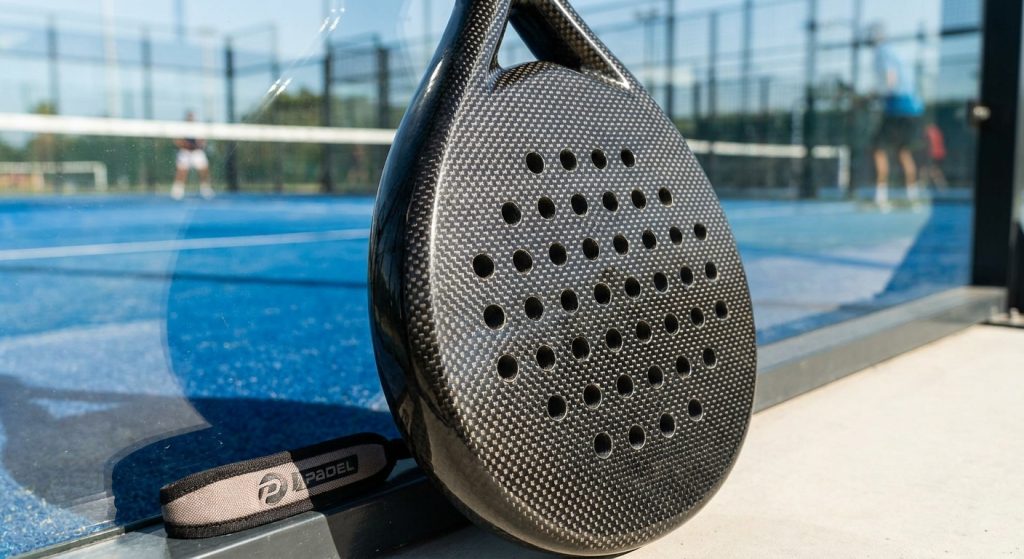
A defining feature of what is padel ball equipment is the solid, stringless racket made primarily of carbon fiber or fiberglass with a foam core. These rackets feature a pattern of holes on the face to reduce air resistance during fast swings. Unlike tennis rackets, these have a maximum thickness of 38mm and come with a mandatory wrist strap for safety.
Foam Core Technology
You have the choice between EVA foam and Polyethylene cores when selecting your racket’s internal material. It is a fact that EVA foam provides a more rigid feel and more power, whereas Polyethylene offers better shock absorption.
- Soft EVA: Best for comfort and vibration reduction.
- Hard EVA: Designed for professional-level power shots.
- Hybrid Cores: A balance for intermediate tactical players.
Surface Texture and Spin
You can find rackets with rough or “sandpaper” finishes designed to increase the grip on the ball. This texture allows you to apply more spin to your volleys and overhead smashes, making them harder for opponents to return.
| Racket Shape | Power Level | Control Level |
|---|---|---|
| Round | Low | High |
| Teardrop | Medium | Medium |
| Diamond | High | Low |
The technical specifications of your racket should match your skill level and physical strength.
Key Takeaway: Selecting a racket with the correct weight and balance prevents elbow injuries and allows you to execute precise shots with minimal effort.
Why is the pressure in what is padel ball unique?
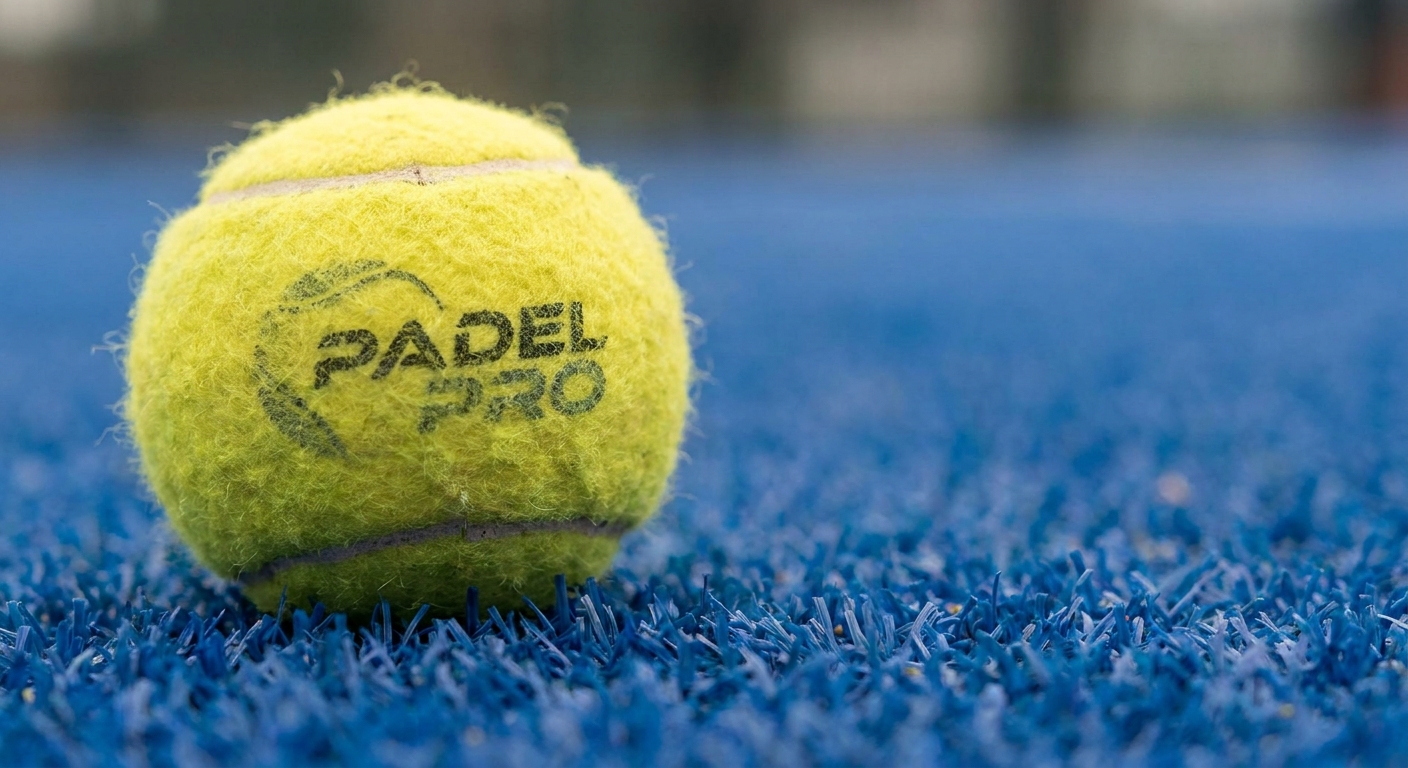
While they look nearly identical, the ball used for what is padel ball has lower internal pressure (11psi) compared to a tennis ball. This lower pressure results in a softer bounce, which is necessary to keep the ball within the smaller court boundaries. Using a standard tennis ball would make the game too fast and cause the ball to fly out of the court frequently.
Ball Specifications and Standards
You will notice that a padel ball feels slightly heavier and less “jumpy” than what you might be used to in other sports. Here is the deal: the internal pressure must be between 10psi and 12psi to be considered regulation-grade.
- Diameter: 6.35 cm to 6.77 cm.
- Weight: 56.0 grams to 59.4 grams.
- Rebound height: 135 cm to 147 cm when dropped.
Longevity and Maintenance
You should keep your balls in a pressurized tube when not in use to maintain their internal air levels. Because the felt wears down on the synthetic turf, most players replace balls every three to four matches.
| Feature | Padel Ball | Tennis Ball |
|---|---|---|
| Internal Pressure | ~11 psi | ~14 psi |
| Bounce Style | Controlled / Low | High / Aggressive |
| Visual Appearance | Yellow / Orange | Yellow / Green |
Pressure consistency is the most important factor in ensuring that your lobs and smashes behave predictably.
Key Takeaway: Using specific padel balls is non-negotiable for proper gameplay, as they are engineered to work in harmony with the glass walls and turf.
What lighting suits night play for what is padel ball?
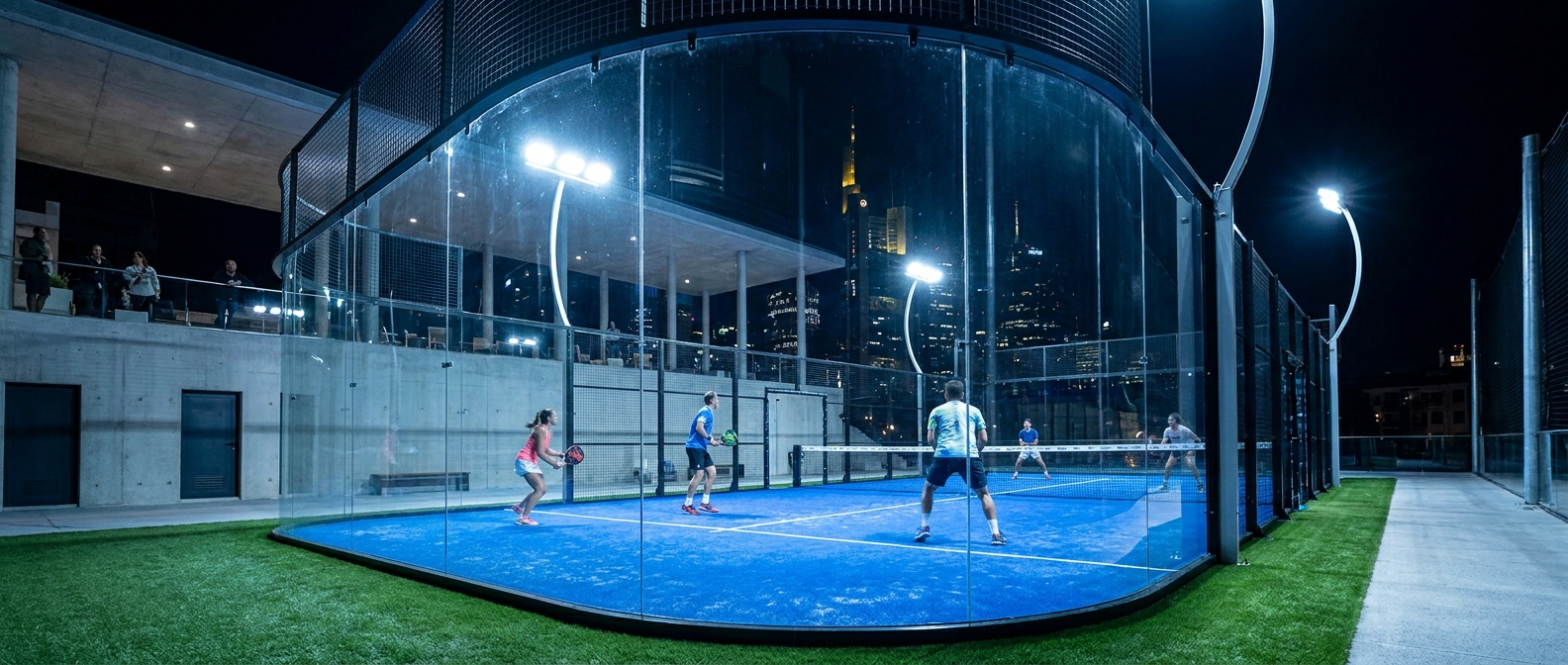
Professional lighting for what is padel ball requires high-efficiency LED floodlights that provide at least 500 to 750 lux for competitive visibility. The lighting must be uniform across the entire court to eliminate shadows that could hide the ball during fast rallies. Waterproofing with an IP66 rating is essential for outdoor courts to ensure reliability during various weather conditions.
Optimal Light Placement
You need to mount the lighting fixtures on four or eight poles located outside the court perimeter. It is essential to ensure that the lights do not create glare for players looking up to hit high lobs.
- Standard pole height: 6 meters.
- Flicker-free LEDs for high-speed camera recording.
- Asymmetric beam angles to focus light on the turf.
Energy Efficiency and Cost
You can significantly reduce the operational costs of your facility by switching from old halide bulbs to modern LED systems. Believe me, LEDs last up to 50,000 hours, meaning you won’t have to worry about frequent maintenance or bulb replacements.
| Lighting Spec | Recommended Level | Benefit |
|---|---|---|
| Luminosity (Lux) | 500+ | Clear ball tracking |
| Power Type | LED | 60% Energy savings |
| Color Temp | 5000K – 6000K | Natural daylight feel |
Superior lighting extends your court’s usable hours into the late evening, maximizing revenue and playability.
Key Takeaway: High-quality LED lighting allows you to play with the same precision at midnight as you do at midday, ensuring visibility is never a barrier.
Who manages the pros for what is padel ball?
The global governing body for what is padel ball is the International Padel Federation (FIP), which oversees the official world rankings. They manage the sport’s inclusion in major multi-sport events and set the unified rules for international play. Professional circuits like the World Padel Tour showcase elite talent and have helped the sport gain massive television audiences.
Professional Rankings and Tours
You can follow the world’s top players as they compete in major cities from Madrid to Dubai. Here is the deal: professional padel is currently dominated by players from Spain and Argentina, though international diversity is growing rapidly.
- FIP: International Padel Federation.
- WPT: World Padel Tour.
- Premier Padel: The newer elite professional circuit.
The Path to the Olympics
You might be surprised to learn that while it is played by millions, the sport is still in the application process for Olympic status. The FIP is working tirelessly to meet all criteria, including global participation parity and anti-doping compliance.
| Organization | Primary Role | Location |
|---|---|---|
| FIP | Global Rules & Rankings | Madrid, Spain |
| National Feds | Local League Management | Worldwide |
| Pro Circuits | Elite Tournaments | Global Tours |
Supporting professional organizations helps fund the infrastructure needed for the sport to grow at the grassroots level.
Key Takeaway: The structured professional landscape provides a clear pathway for young athletes to reach the elite level, ensuring the sport’s long-term sustainability.
What walls are best for what is padel ball?
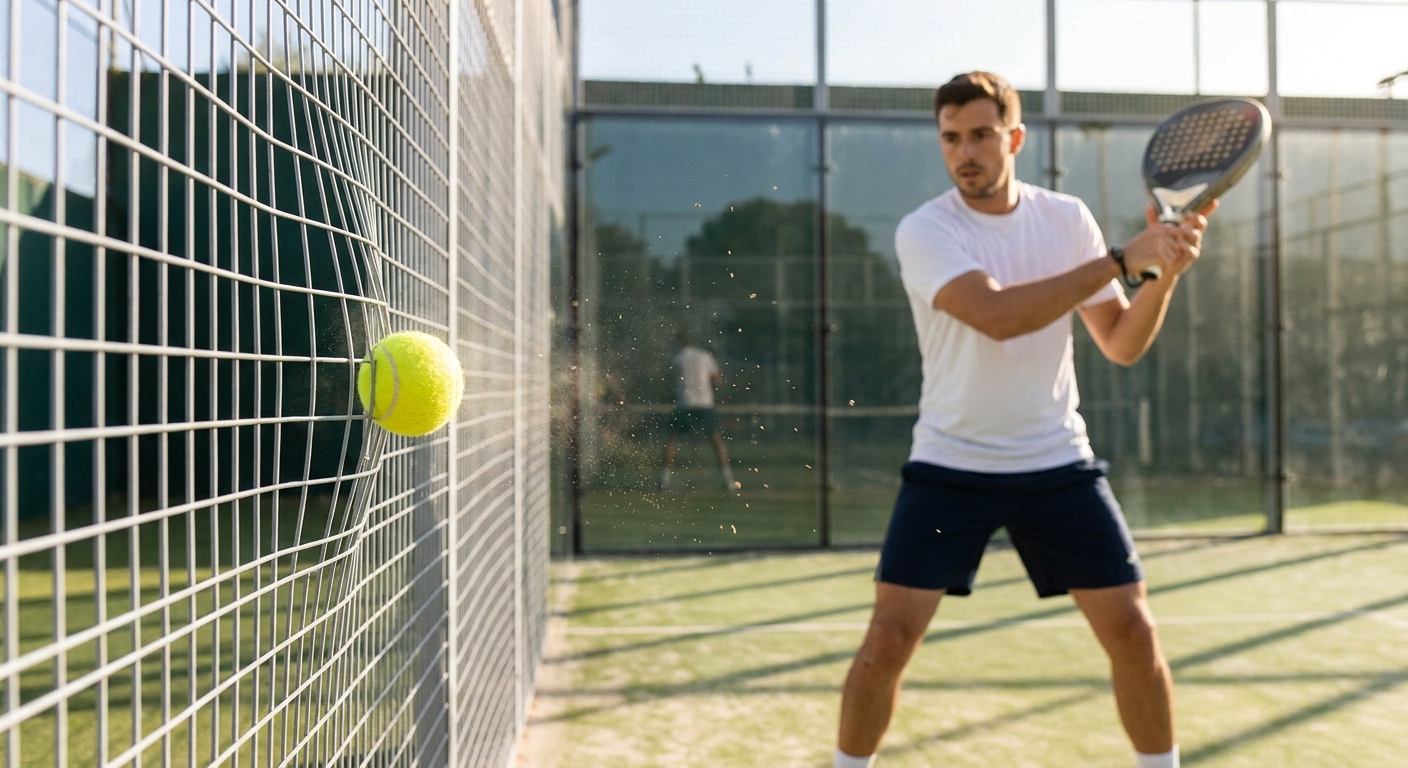
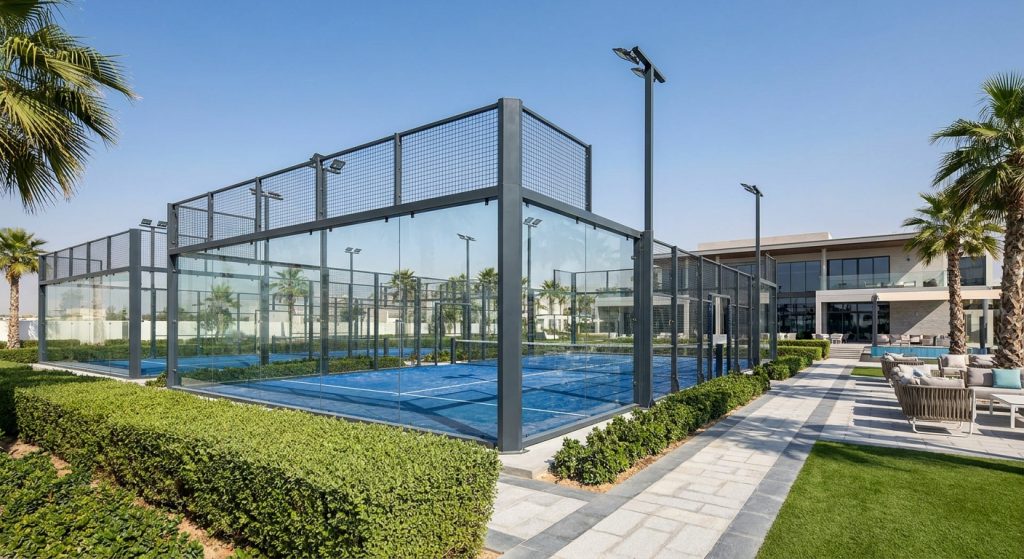
The most advanced courts for what is padel ball use 12mm anti-explosion tempered glass for the back walls and galvanized metallic mesh for the sides. Glass walls provide a predictable, high-quality rebound that is essential for advanced defensive tactics. Meanwhile, the metallic mesh sections create an “unpredictable” bounce, which adds a layer of difficulty and strategy to the game.
Safety and Glass Standards
You must ensure that the glass used in your court construction meets European EN 12150-1 safety standards. It is critical that the glass is heat-soaked to prevent spontaneous breakage and ensure it can withstand high-velocity ball impacts.
- 10mm glass for standard private courts.
- 12mm glass for high-traffic professional clubs.
- Countersunk holes to prevent stress fractures at fixings.
Mesh Tension and Durability
You will find that the tension of the metallic mesh is just as important as the quality of the glass. Here is the deal: properly tensioned mesh ensures the ball doesn’t get “stuck” or lose all its energy upon impact.
| Wall Component | Material | Key Property |
|---|---|---|
| Back Wall | Tempered Glass | Transparency & Rebound |
| Side Mesh | Electro-welded Steel | Unpredictability & Grip |
| Framework | Galvanized Steel | Corrosion Resistance |
The combination of transparent glass and robust mesh creates the unique architectural identity of the padel court.
Key Takeaway: High-quality wall materials not only ensure the safety of the players but also define the strategic depth that makes the sport so addictive.
Conclusion
Padel ball is more than just a sport; it is a social evolution in the world of racket athletics. We have explored the critical importance of specialized equipment, the rich history originating in Mexico, and the precise technical requirements needed to build a professional-grade court. By addressing the common hurdles of traditional sports—like high technical difficulty and isolation—Padel offers a welcoming environment for athletes of all skill levels.
Our vision is to empower every sports enthusiast with the infrastructure and knowledge to enjoy this game at its highest potential. Whether you are a club owner looking to install premium courts or a player seeking the best gear, understanding these fundamentals is your first step. We are committed to providing factory-direct solutions that lower your costs without compromising on international quality standards. If you are ready to transform your facility or start your own journey in this fast-growing sport, please contact us today to receive expert guidance and a customized project quote.
FAQ
Can I play padel on a standard tennis court?
No. A padel court is much smaller (10x20m) and requires structural glass walls and metallic mesh to function correctly, as the walls are part of the game.
What’s the best racket shape for a complete beginner?
Absolutely a round shape. Round rackets have a centrally located sweet spot and offer the highest level of control, which is vital when you are first learning the mechanics.
Can I use tennis balls for my padel matches?
No. Tennis balls have higher internal pressure and will bounce too high and fast, making it nearly impossible to keep the ball in play within the glass enclosure.
Is padel always played in a doubles format?
Yes. The speed of the game and the strategic use of the walls make singles play extremely difficult; the official and most popular format is two-against-two.
How long does a professional padel court typically last?
Absolutely 20 years or more. If you use hot-dip galvanized steel and high-quality tempered glass, the structure is designed for long-term durability with minimal maintenance.