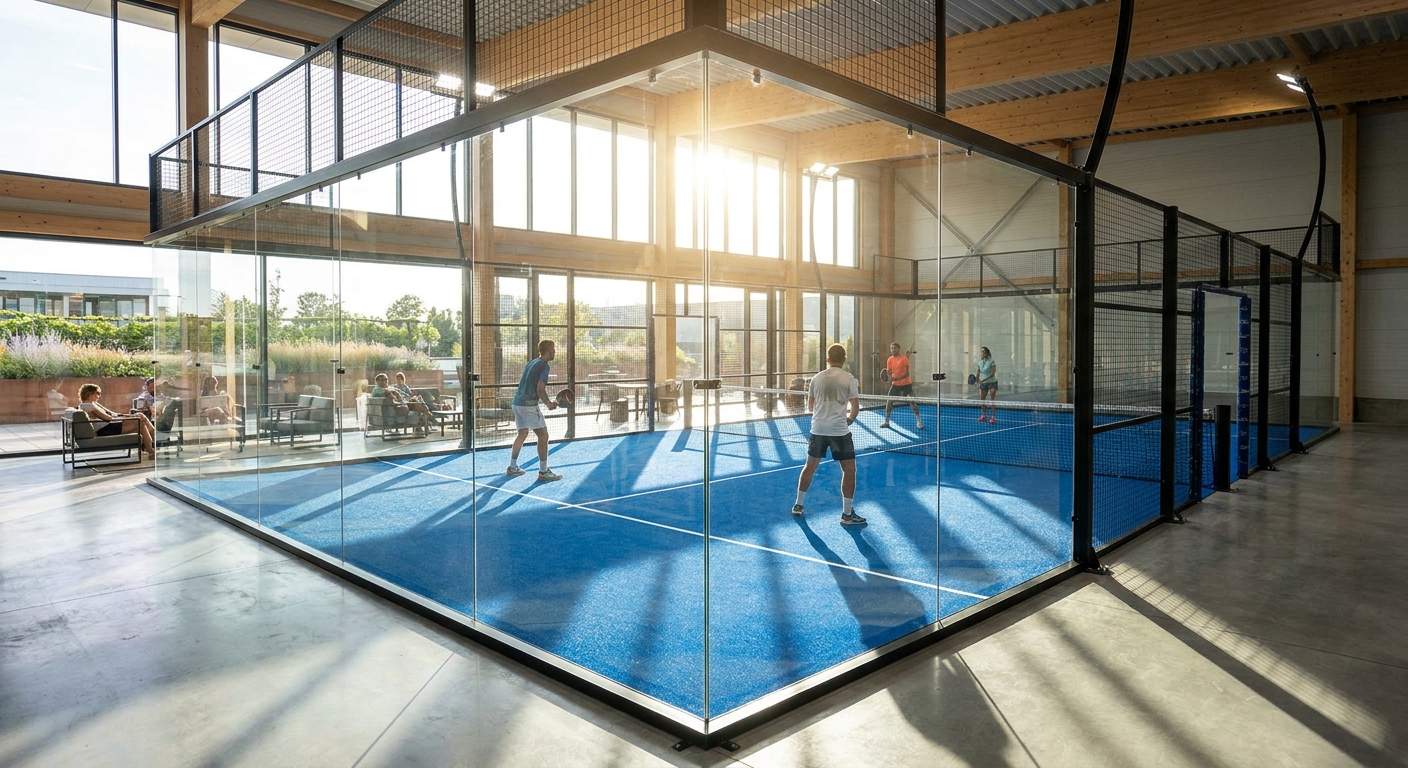
Padel was invented in 1969 by Enrique Corcuera in Mexico. You might be struggling to find a sport that offers high player density and engagement without the massive footprint of traditional tennis courts. It is frustrating to see prime real estate underutilized by sports that have plateaued in popularity. Fortunately, understanding when was padel invented and how the game has evolved reveals a high-yield opportunity for your facility to capture a booming market.
When was padel invented and where did it start?
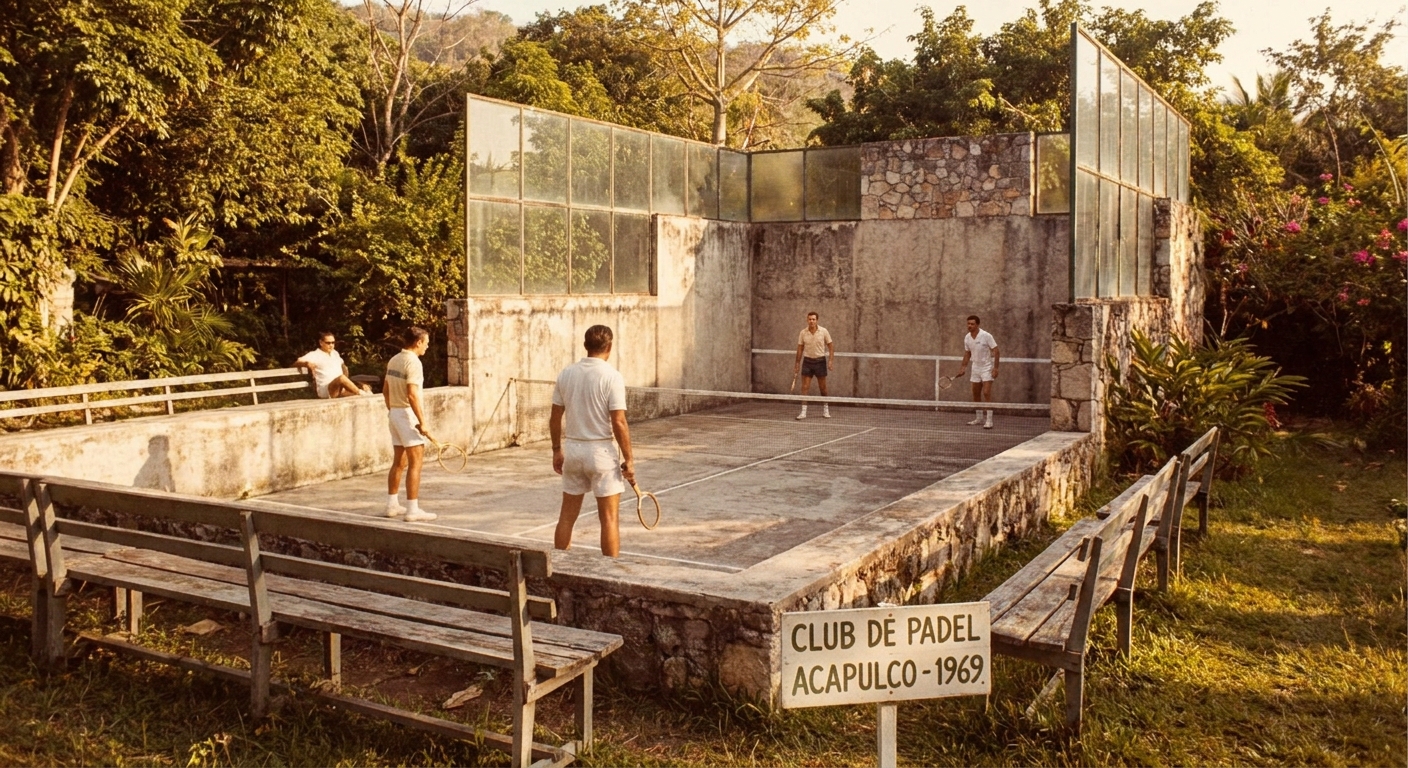
Padel was invented in 1969 in Acapulco, Mexico, by a businessman named Enrique Corcuera. Since the specific year when was padel invented, the sport has transitioned from a private backyard curiosity into one of the world’s fastest-growing commercial sports. You can now find these courts in nearly every major international market.
The Original Vision of Enrique Corcuera
He wanted to play tennis at home but lacked the space for a full-sized court, so he built a smaller one surrounded by walls. He modified the game to fit his environment, inadvertently creating a social powerhouse.
- He integrated the boundary walls into the game.
- He used wooden paddles instead of traditional rackets.
- The court was roughly one-third the size of a tennis court.
Think about this:
His invention eventually caught the eye of Spanish royalty, which helped the sport leap across the ocean to Europe.
Key Takeaway: The humble origins of padel in a private Mexican residence provided the blueprint for a space-efficient and highly social global sport.
| Origin Year | Founder | Location |
|---|---|---|
| 1969 | Enrique Corcuera | Acapulco, Mexico |
The transition from a backyard hobby to a professional sport demonstrates the inherent scalability of the court design.
When was padel invented and how does it differ from tennis?
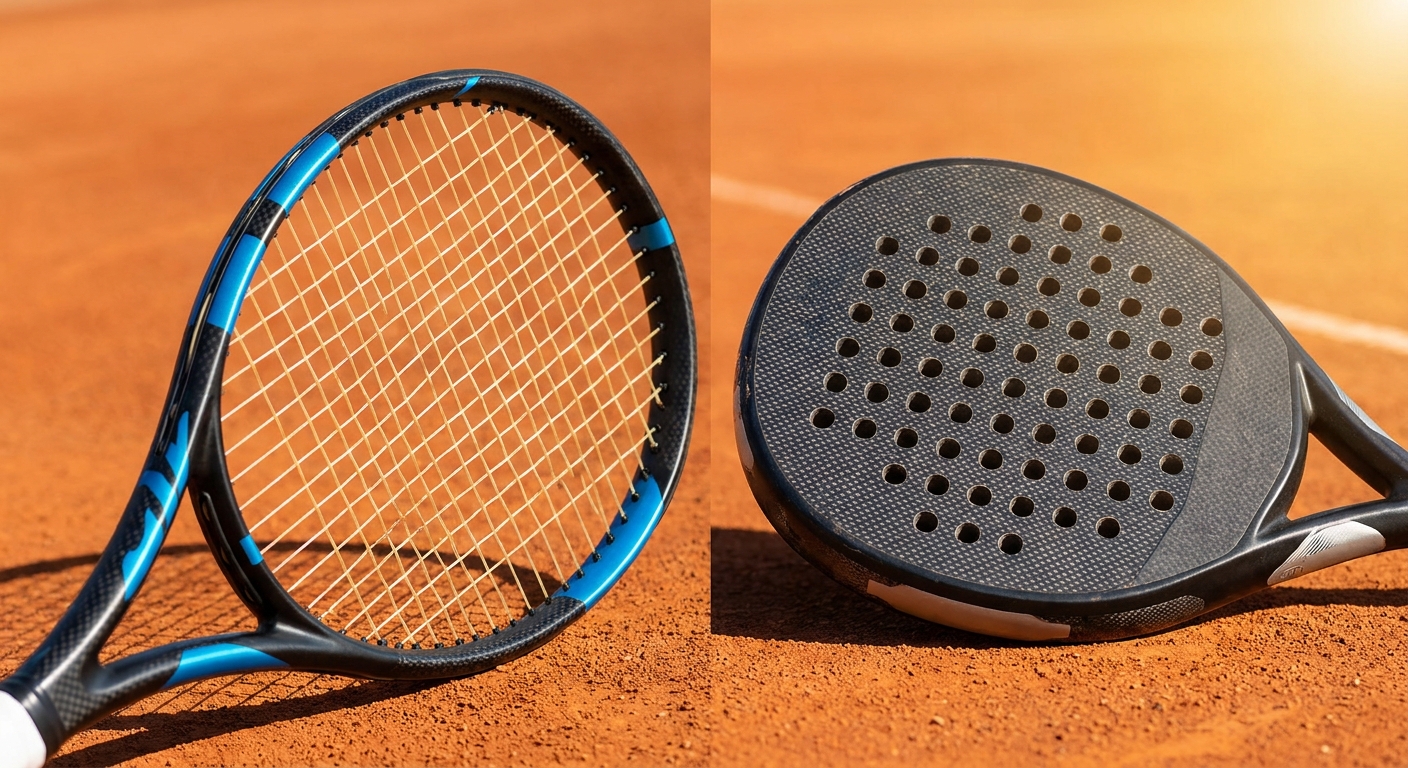
Padel was developed in 1969 as a distinct racket sport that utilizes walls and a smaller court area to create a faster game. Understanding when was padel invented allows you to see how it was engineered to be more accessible than tennis. You will find that the learning curve is significantly shorter for new players.
Unique Rules and Equipment
The ball used is similar to a tennis ball but with slightly less pressure, and the rackets are solid with holes. These physical differences change the pacing and strategy of every point played.
- The serve is always underhand for easier starts.
- Walls are part of the playing area for rebounds.
- It is almost exclusively played as a doubles game.
Look at the facts:
These differences mean you can fit more players in a smaller space, increasing your facility’s hourly revenue.
Key Takeaway: Padel offers higher player density and lower entry barriers than tennis, making it a superior choice for commercial sports clubs.
| Feature | Padel | Tennis |
|---|---|---|
| Scoring | Same as Tennis | Same as Padel |
| Walls | Active part of play | Out of bounds |
The smaller footprint of padel allows for three courts to fit in the space of one tennis court.
When was padel invented and what are standard court sizes?
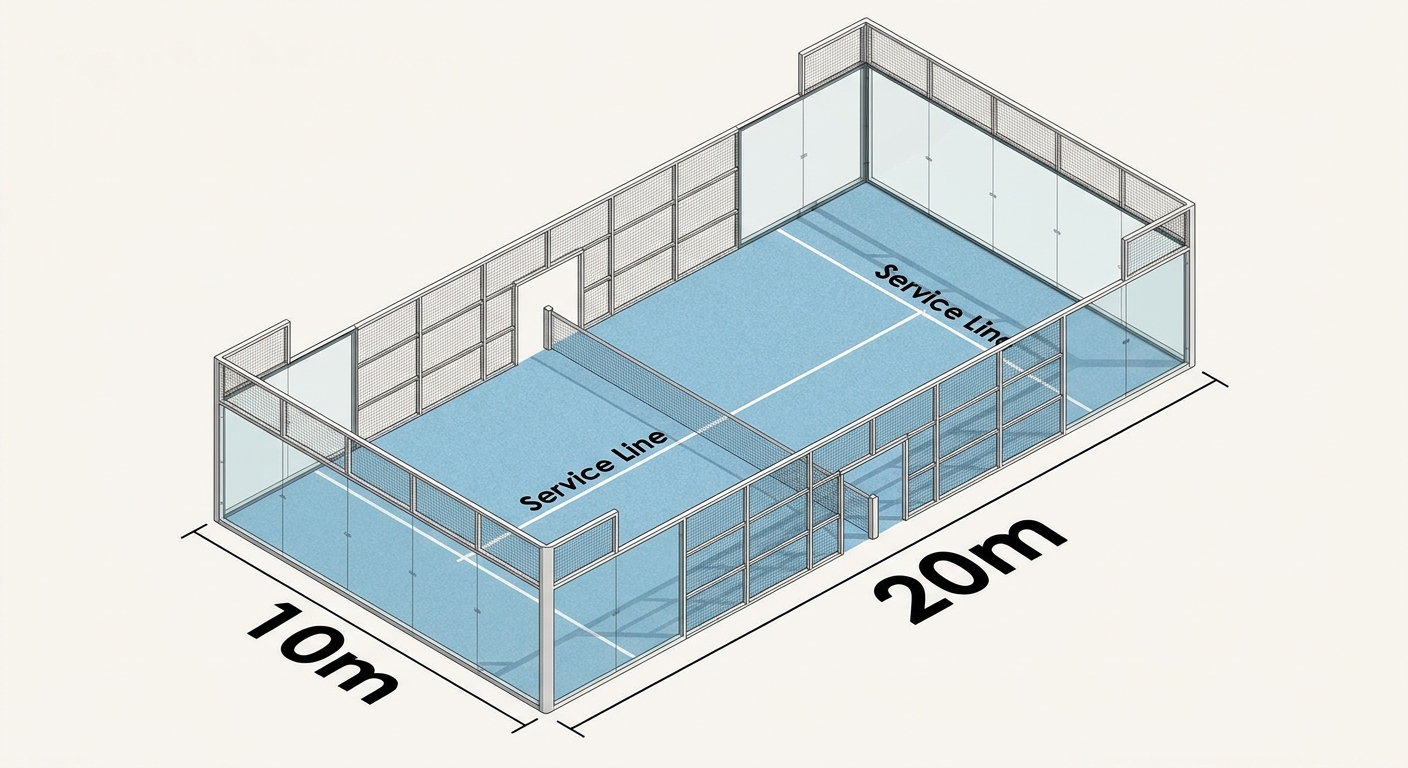
Padel was founded in 1969 with a standard court dimension of 20 meters long by 10 meters wide. Since the era when was padel invented, these dimensions have become the international standard for professional and amateur play. If you are planning a facility, a standard court is the most reliable investment.
Planning Your Facility Space
The 200-square-meter footprint is surrounded by a combination of glass and metallic mesh walls. Precise measurements ensure your court meets international competition standards and provides a professional experience.
- Net height is 88cm at center and 92cm at posts.
- Service lines are 6.95 meters from the net.
- Safety zones of 2 meters are recommended outside.
Don’t overlook this:
The modular nature of these courts makes them much faster to install than traditional concrete tennis surfaces.
Key Takeaway: Adhering to the standard 10x20m dimensions is crucial for ensuring your facility can host official tournaments successfully.
| Component | Dimension | Material |
|---|---|---|
| Playing Area | 20m x 10m | Synthetic Turf |
| Glass Height | 3m – 4m | Tempered Safety Glass |
Uniformity in court sizing allows players to transition seamlessly between different clubs worldwide.
When was padel invented and what is a panoramic court?
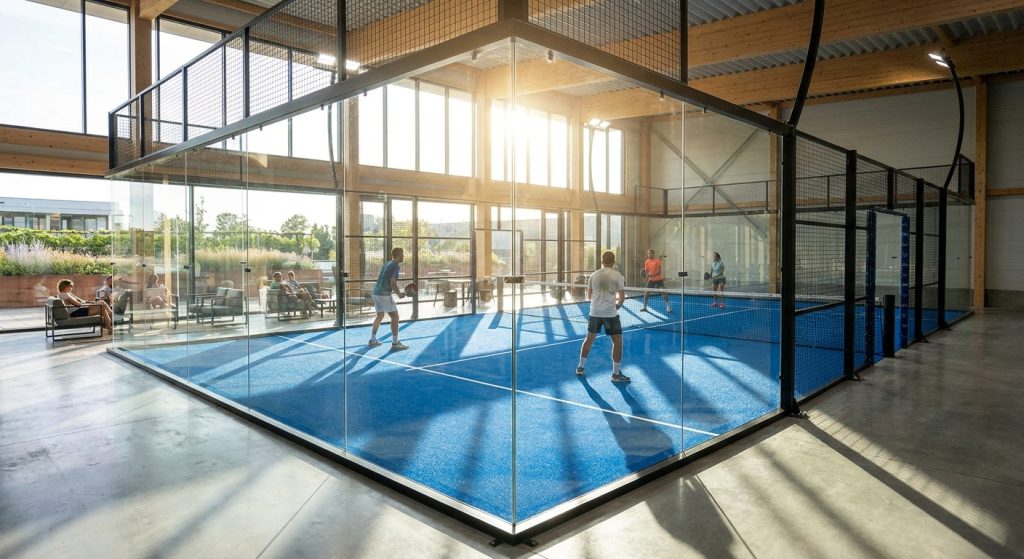
Padel was originally designed in 1969 with heavy structural posts, but modern engineering has introduced the panoramic view. Since the decade when was padel invented, the technology has evolved to allow for glass walls without rear corner pillars. A panoramic court offers an unobstructed view that is perfect for television broadcasts.
The Benefits of Maximum Visibility
These courts use thicker tempered glass and reinforced structural beams to maintain safety without blocking the view. It provides a “premium” feel that justifies higher rental rates at your club.
- It provides a high-end aesthetic for luxury resorts.
- Spectators can watch the action clearly from any angle.
- It serves as a visual centerpiece for modern gyms.
Here’s the kicker:
The aesthetic appeal often attracts corporate sponsors looking for high-visibility branding opportunities on the glass.
Key Takeaway: Panoramic courts enhance the spectator experience and increase the prestige of your venue, leading to higher brand value.
| Feature | Standard Court | Panoramic Court |
|---|---|---|
| Rear Posts | Present | Absent |
| Best Use | High-volume clubs | Tournaments / VIP areas |
Choosing a panoramic model represents a strategic shift from functional utility to high-end sports entertainment.
When was padel invented and what grass is best?
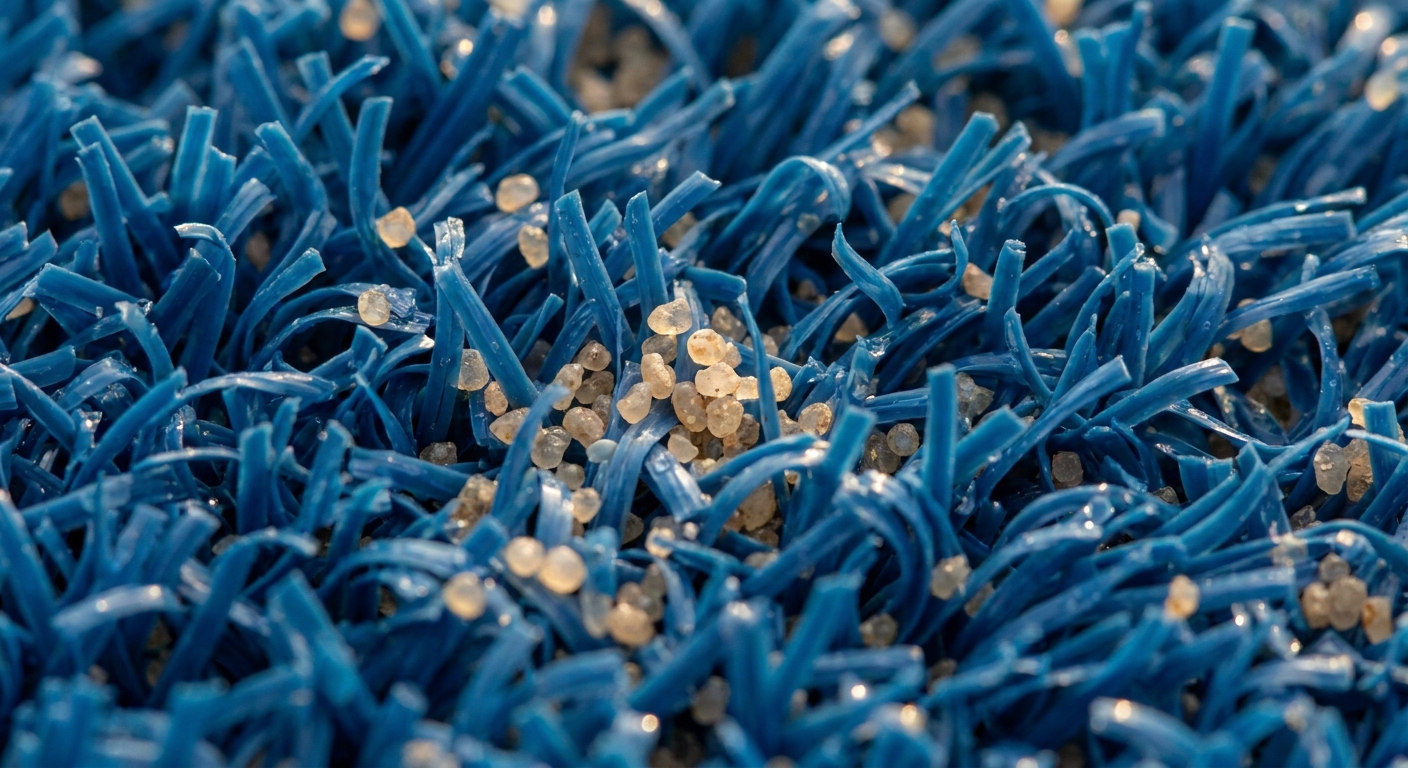
Padel was played on basic surfaces in 1969, but today, specialized synthetic turf is the industry standard. Ever since the year when was padel invented, the development of specialized grass has focused on player safety. High-density monofilament ensures that the ball reacts predictably, which is essential for high-level play.
Choosing the Right Synthetic Turf
The turf is typically filled with a specific amount of fine silica sand to allow for controlled sliding. You need a surface that can withstand thousands of hours of play without flattening.
- Monofilament turf is more durable and looks natural.
- Fibrillated turf is cost-effective for high-traffic clubs.
- Blue is the most popular color for professional visibility.
Believe it or not:
The right grass significantly reduces the risk of joint injuries for your active players.
Key Takeaway: Investing in high-quality, EU-standard compliant turf minimizes maintenance costs and keeps your players coming back.
| Turf Type | Durability | Playability |
|---|---|---|
| Monofilament | High | Excellent |
| Fibrillated | Moderate | Good |
The choice of turf directly impacts the “speed” of the court and determines the overall player experience.
When was padel invented and is the glass safe?
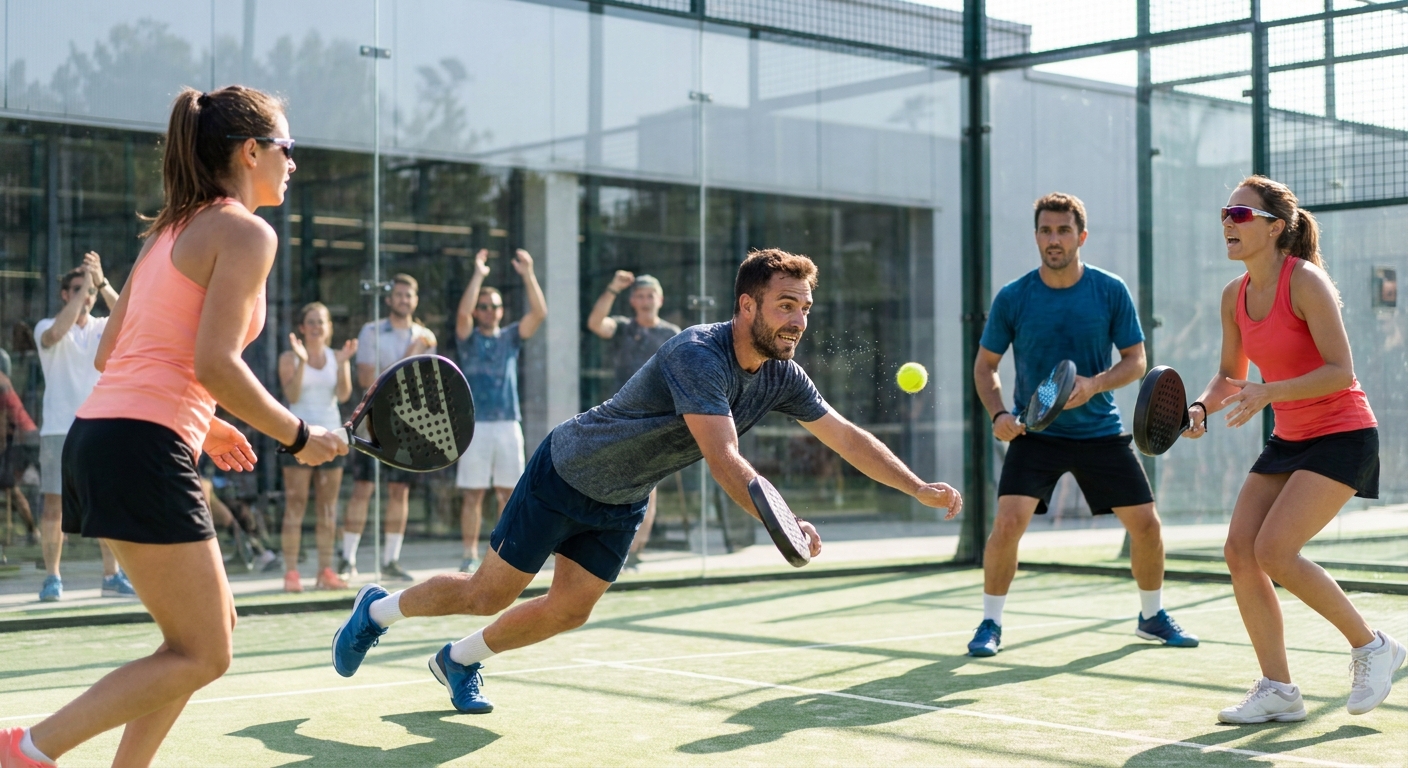
Padel was created in 1969 using concrete walls, but modern facilities use 12mm tempered safety glass for transparency. Since the era when was padel invented, safety standards have become incredibly strict to prevent accidents during play. Utilizing certified safety glass ensures that even under high-impact play, the structure remains secure.
Understanding Tempered Safety Standards
The glass must meet European EN 12150 standards to be considered safe for commercial sports environments. You cannot afford to compromise on quality, as it is the most critical safety component.
- Tempered glass is five times stronger than regular glass.
- It shatters into small, blunt pieces if broken.
- It provides necessary rebound elasticity for the ball.
But wait, there’s more:
High-quality glass also offers better acoustic properties, reducing the “noise” of the game for neighbors.
Key Takeaway: Only use 12mm anti-explosion tempered glass to ensure your facility meets international safety and liability requirements.
| Specification | Standard | Benefit |
|---|---|---|
| Thickness | 10mm or 12mm | Structural Integrity |
| Certification | EN 12150 | Legal Compliance |
Certified glass prevents catastrophic failures and ensures your project remains a safe environment for all ages.
When was padel invented and what about LED lighting?
Padel was originally played only during daylight hours in 1969, but modern LED systems allow for 24/7 utilization. Since the time when was padel invented, lighting technology has moved from metal halides to high-output LED floodlights. Proper lighting is essential for visibility, especially during fast-paced rallies where players track the ball.
Optimizing Night Play Revenue
Standard lighting configurations usually involve four or eight LED lamps mounted on 6-meter poles. You can significantly increase your daily booking windows by offering high-quality night play.
- IP66 waterproof ratings are required for outdoor use.
- Uniformity is key to preventing shadows on the court.
- LEDs use 50% less energy than traditional systems.
Look at the facts:
Modern LED lights have an instant-on feature, so there is no waiting for bulbs to warm up.
Key Takeaway: Energy-efficient LED lighting is a mandatory investment for any commercial court looking to maximize evening revenue.
| Metric | Level | Impact |
|---|---|---|
| Average Lux | 400 – 500 | Player Visibility |
| Power | 150W – 200W | Lower Utility Costs |
Professional lighting ensures that your facility remains active and profitable long after the sun goes down.
When was padel invented and is it a good investment?
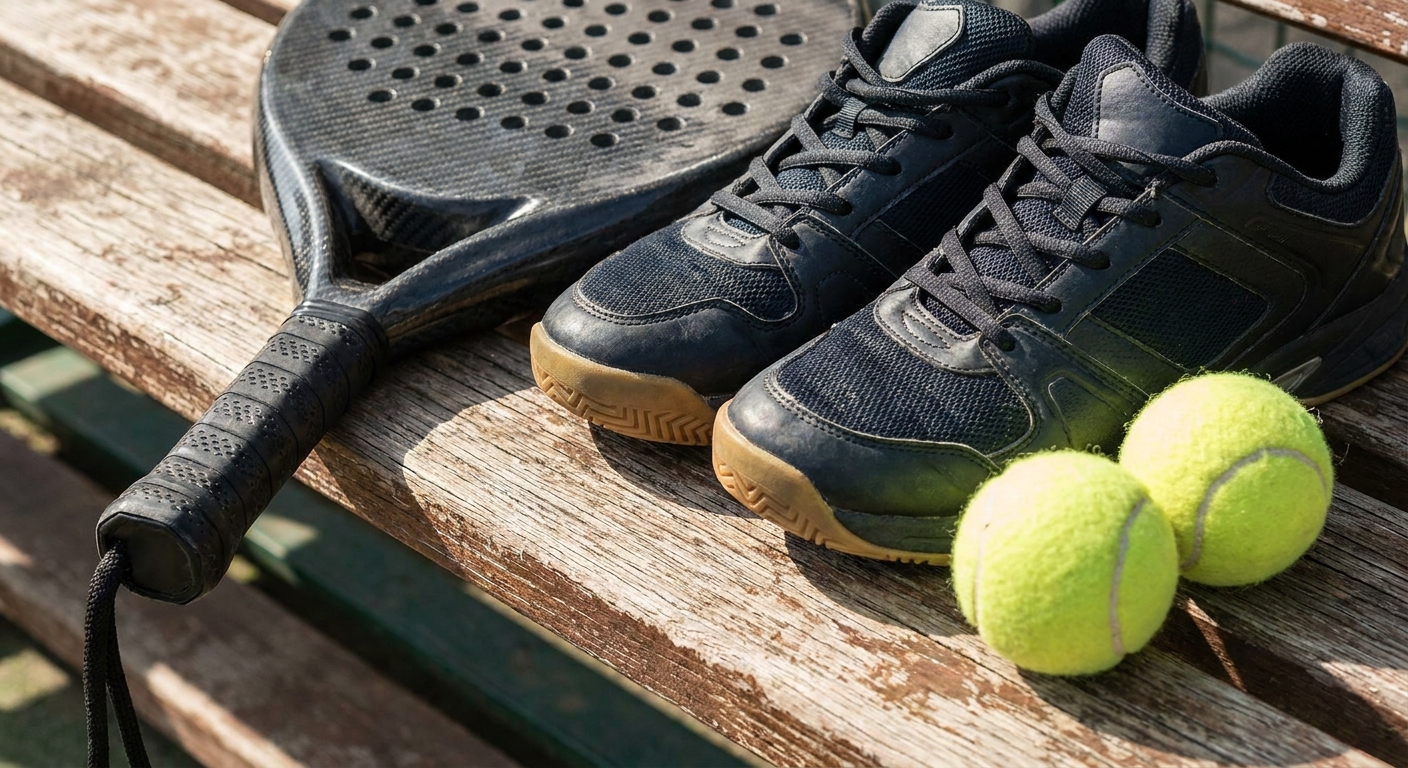
Padel was a niche hobby in 1969, but it is now one of the most profitable sports investments for entrepreneurs. When you look at when was padel invented, you see a sport that has successfully scaled across diverse cultures. The return on investment for padel is often much higher than tennis or swimming.
Analyzing the Business Case
A single padel court can accommodate four players in a space where only two people would play tennis. You are investing in a social hub that drives secondary revenue from food and beverages.
- Higher turnover rates due to 60-minute match times.
- Ability to host social mixers with many players.
- Lower water costs compared to grass tennis courts.
Here’s the kicker:
Many clubs report reaching break-even status within 18 to 24 months of professional installation.
Key Takeaway: Padel’s high player density and low operational overhead make it a premier asset for sports businesses.
| Factor | Padel | Tennis |
|---|---|---|
| Maintenance | Low | High |
| Players per Area | 4 | < 1 |
The commercial viability of padel is driven by its ability to generate more revenue per square meter.
When was padel invented and how do I build one?
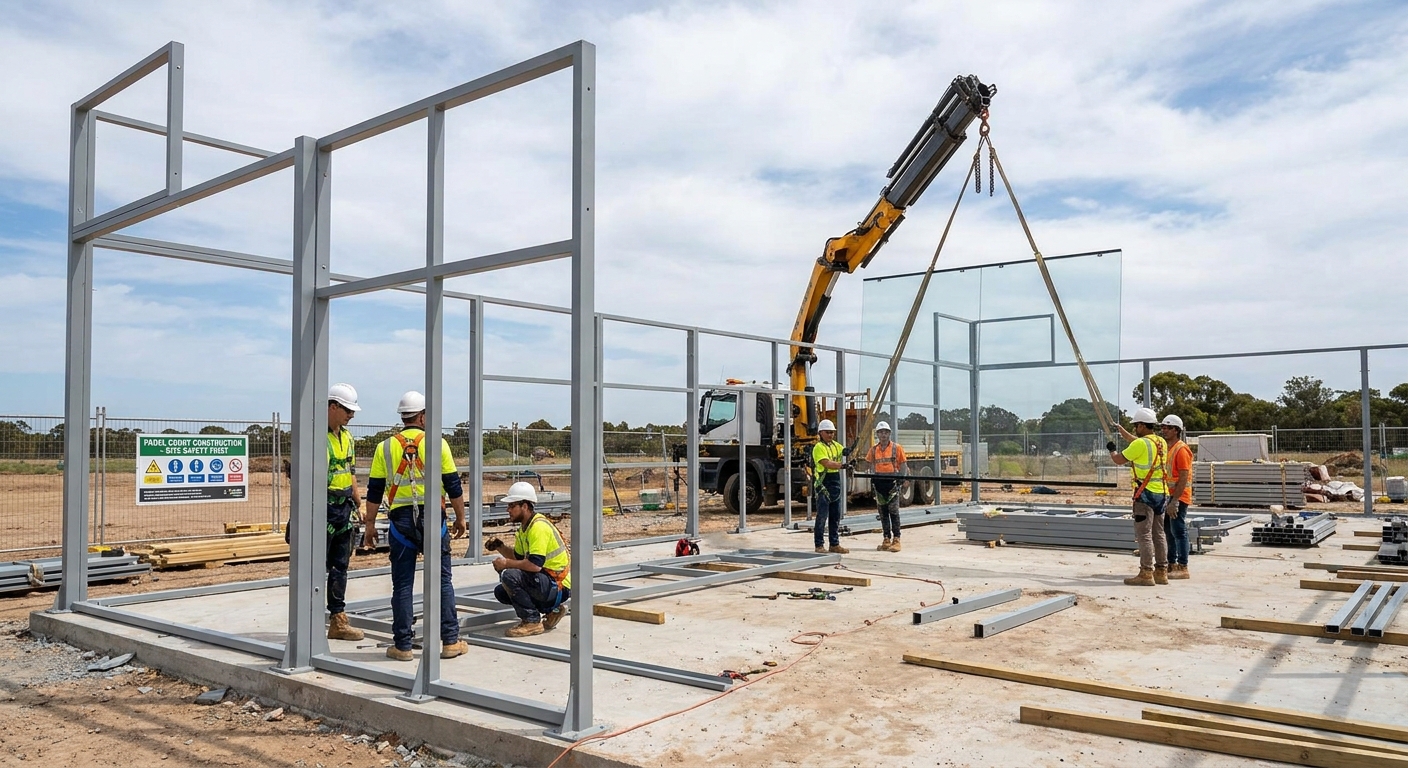
Padel construction has come a long way since 1969, moving toward precision-engineered modular systems you can install quickly. Since the period when was padel invented, the manufacturing process has been streamlined for factory-direct purchasing. Working with a dedicated manufacturer allows you to customize the colors and branding to fit your project.
Step-by-Step Construction Process
Building a court requires a solid foundation, usually a reinforced concrete slab or porous asphalt. You should always ensure your manufacturer provides detailed technical documentation and remote support.
- Leveling the ground and pouring the foundation.
- Assembling the galvanized steel structure and mesh.
- Installing the tempered glass and synthetic turf.
Think about this:
A modular design means you can actually relocate the court if your facility needs change in the future.
Key Takeaway: Buying factory-direct ensures you get premium materials at a lower cost while maintaining technical control.
| Phase | Duration | Focus |
|---|---|---|
| Groundwork | 7 – 10 Days | Leveling |
| Finishing | 2 – 3 Days | Turf and Sand |
A well-planned construction phase minimizes downtime and ensures the long-term durability of your sports asset.
When was padel invented and what are common questions?

Padel was established in 1969, and since then, thousands of facility owners have asked questions about its implementation. Understanding when was padel invented provides the context for why the sport is designed with walls and smaller spaces. You likely have specific concerns about logistics and durability that need professional answers.
Addressing Owner Concerns
Many owners worry about the transition from traditional sports to padel facilities. You will find that the operational requirements are straightforward and easily managed by existing staff.
- Regular brushing of turf maintains playing quality.
- Glass cleaning is the primary aesthetic maintenance task.
- Annual inspections of structural bolts ensure safety.
Believe it or not:
The community aspect of padel often leads to a more loyal membership base than individual sports.
Key Takeaway: Proactive maintenance and clear communication with players ensure your padel courts remain a high-value asset for years.
| Task | Frequency | Objective |
|---|---|---|
| Turf Brushing | Weekly | Sand Distribution |
| Bolt Check | Annual | Structural Safety |
Professional management ensures that your facility remains the top choice for local players seeking a premium experience.
Frequently Asked Questions
Can I install a padel court on an existing tennis court?
Yes, you can. You can typically fit two to three padel courts within the footprint of a single tennis court, provided the base is structurally sound.
What’s the best way to maintain the synthetic turf?
Regularly brush the silica sand. You should brush it weekly to ensure it remains evenly distributed and remove any debris to prevent drainage issues.
How do I know if my glass is high quality?
Check for the EN 12150 mark. You should look for the certification mark on the corner of each pane to ensure it is genuine tempered safety glass.
Can I customize the court colors for my brand?
Absolutely, you can. Factory-direct manufacturers allow you to choose RAL colors for the steel structure and different colors for the turf to match your brand.
What is the minimum height required for indoor padel?
At least 6 meters. You need this clear height for lobs, though 8 meters is the preferred standard for professional play and higher satisfaction.
Conclusion
Transforming your sports facility starts with a vision for growth and a commitment to quality. At Superb Padel, we believe every club deserves a world-class court that drives engagement and revenue. To start your journey and receive expert guidance on your project, please contact us today for a personalized consultation.