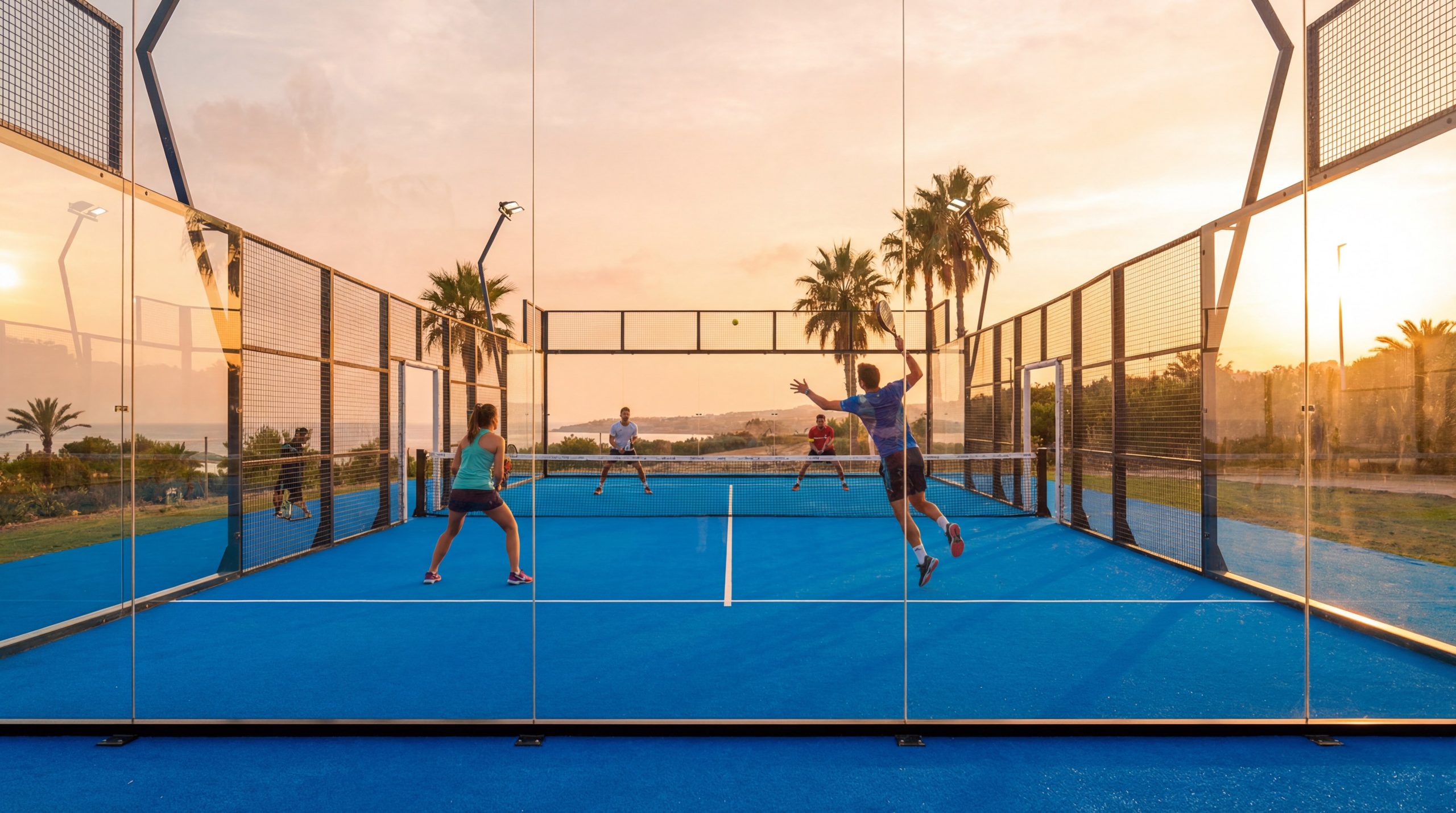
The world of racket sports is evolving rapidly, yet many facility managers and enthusiasts remain sidelined by the complexity of modern court construction. You see the trend exploding locally, hear the buzz about “social tennis,” and worry that your club is missing a generational opportunity. It is frustrating to watch competitors capture this growing market while you lack the technical clarity to start. What is padel game? is the question of the decade, representing a sport that combines the best of squash and tennis into a high-intensity, social experience that can be built with precision. This guide provides the definitive blueprint for understanding the game and constructing a professional-grade facility.
*
What is padel game?
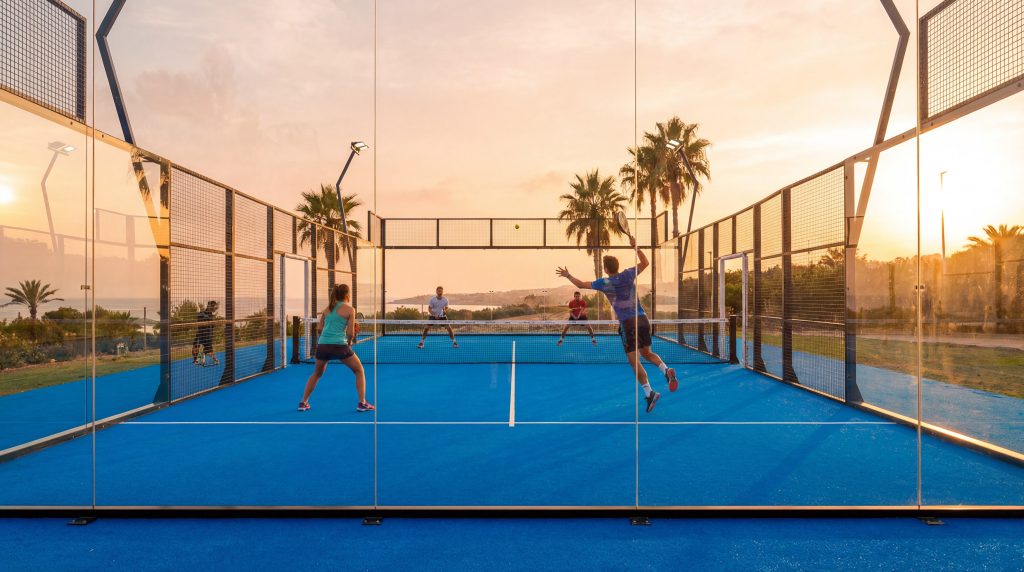
Padel is a dynamic racket sport played in doubles on an enclosed court, combining elements of tennis and squash. This unique format allows for fast-paced action where the ball remains in play longer than in traditional sports. If you are exploring the industry, understanding what is padel game? is the first step toward a successful commercial venture.
The Mexican Origins
Here is the kicker: the game was famously invented in Mexico in 1969 by Enrique Corcuera. He modified his home squash court to include elements of platform tennis, creating a unique hybrid.
- Founded in Acapulco, Mexico.
- Designed to fit small private spaces.
- Incorporated walls into play from day one.
A Global Expansion
But wait, there’s more: after its birth in Mexico, the sport traveled to Spain in the 1970s. Today, it is a cultural phenomenon in Europe and South America, now rapidly penetrating the UK and USA markets.
- Over 25 million players worldwide.
- Explosive growth in the Middle East and Nordic regions.
- Recognized as a high-ROI social sport.
Key Takeaway: Padel is a historical hybrid that has transitioned from a private hobby to a professional global industry.
| Feature | Description |
|---|---|
| Origin | Acapulco, Mexico (1969) |
| Players | Exclusively Doubles (2 vs 2) |
| Accessibility | High (Easier for all ages) |
The data indicates that padel’s accessibility is the primary driver behind its global commercial expansion.
*
What is padel game? court dimensions?
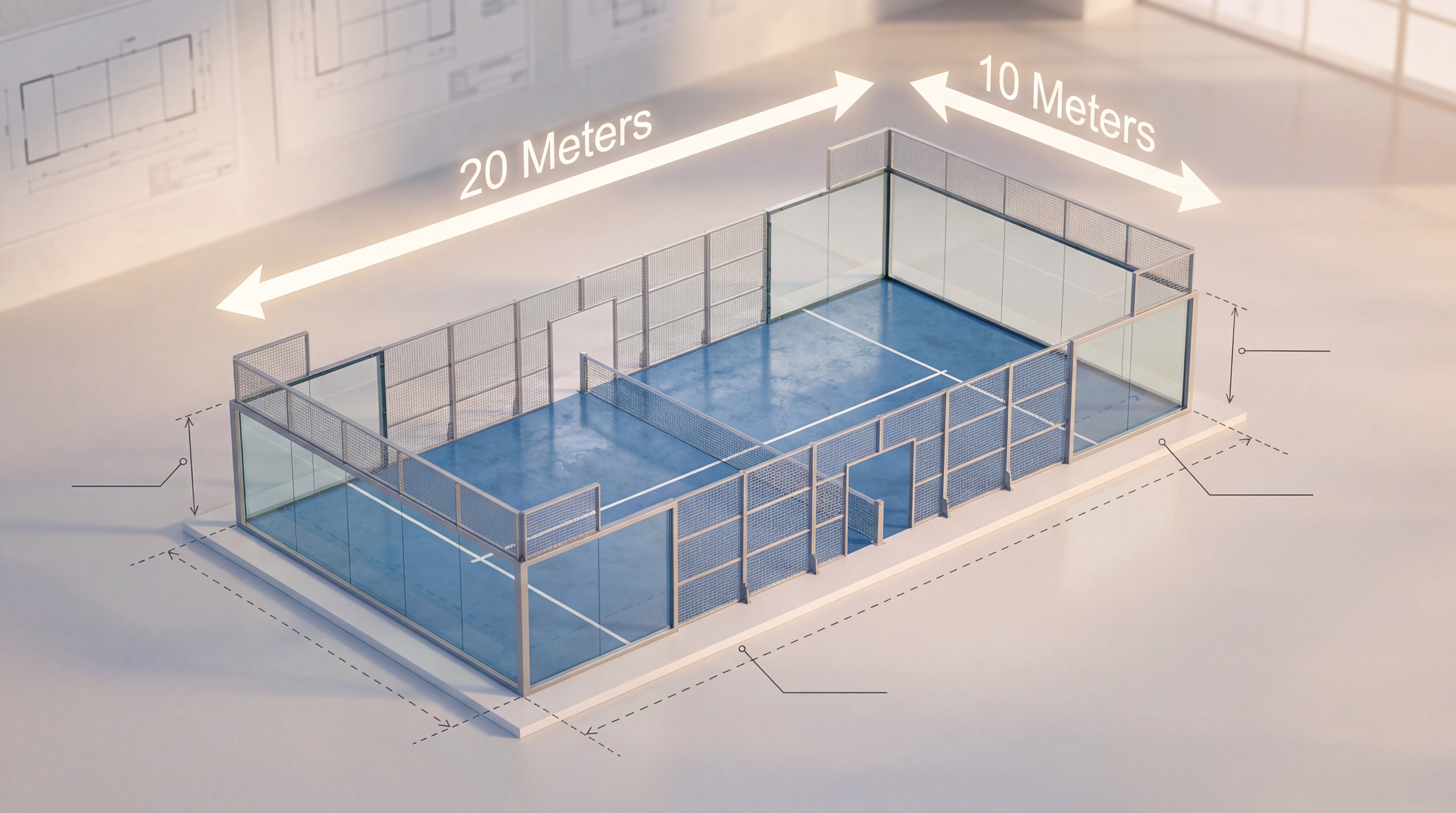
A standard padel court is a rectangle measuring 10 meters wide by 20 meters long, significantly smaller than a traditional tennis court. When asking what is padel game?, one must consider how this compact footprint affects both gameplay and facility planning. The smaller area encourages more intensive social interaction and faster rallies.
Precise Boundary Marking
Here is the kicker: the court is divided in the middle by a net, with the service lines located 6.95 meters from the net. The back walls typically stand 3 meters high to ensure optimal ball bounce.
- Net height: 88cm at center, 92cm at posts.
- Service line distance: 6.95m from the net.
- Post height: maximum 1.05 meters.
Comparing to Tennis
But wait, there’s more: since a padel court is roughly 25% smaller than a tennis court, three padel courts can often fit in the space of one tennis unit. This spatial efficiency is a key driver for commercial club owners.
- Optimized land use for developers.
- Higher revenue per square meter.
- Easier to integrate into existing sports clubs.
Key Takeaway: Understanding the 10x20m footprint is essential for any facility planning or real estate development.
| Dimension | Measurement |
|---|---|
| Total Length | 20 Meters |
| Total Width | 10 Meters |
| Service Line | 6.95m from Net |
Precise adherence to these dimensions is mandatory for international competition standards and professional play.
*
What is padel game? wall types?
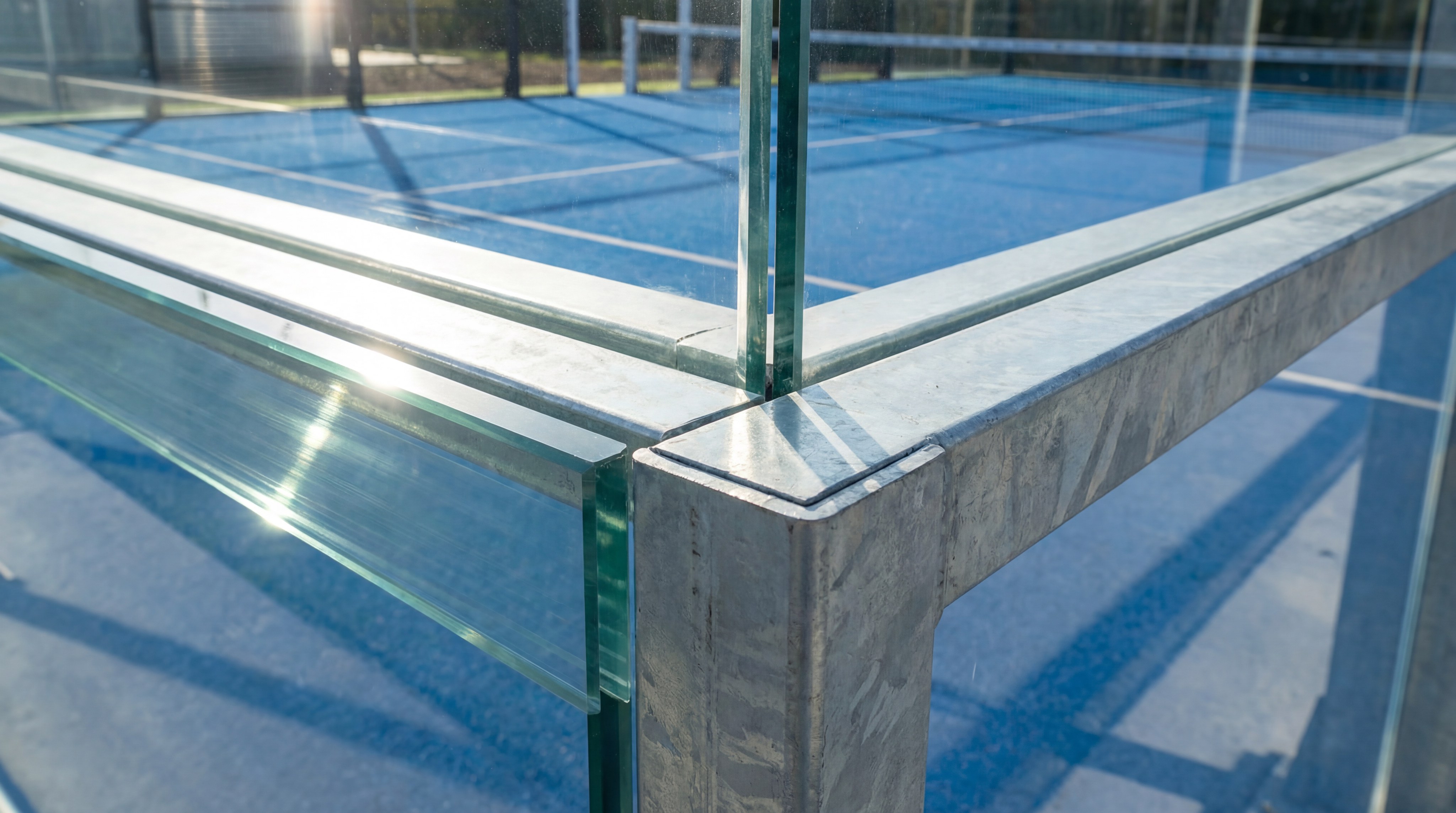
The walls of a padel court are primarily constructed from 10mm or 12mm tempered safety glass, combined with metallic mesh sections to provide varied bounce patterns. Modern facilities often utilize a what is padel game? approach by choosing panoramic designs that maximize spectator visibility. This structural transparency is a hallmark of the modern game.
Glass Specifications
Here is the kicker: high-quality safety glass must comply with European EN 12150 standards. This ensures the material can withstand high-velocity impact without compromising player safety.
- Standard thickness: 10mm or 12mm.
- Heat-soak tested for durability.
- Anti-explosion safety certifications required.
The Role of Metallic Mesh
But wait, there’s more: side walls feature sections of metallic mesh, usually 3 or 4 meters high. Unlike the glass, the mesh creates an unpredictable bounce, adding a layer of tactical depth to the game.
- Electro-welded metallic mesh.
- Galvanized for corrosion protection.
- Provides essential ventilation for outdoor courts.
Key Takeaway: The combination of transparent glass and rigid mesh determines the unique strategic flow of the game.
| Wall Component | Material | Function |
|---|---|---|
| Back Wall | 12mm Tempered Glass | Predictable, tactical bounce |
| Side Wall | Metallic Mesh | Irregular bounce patterns |
| Support | Galvanized Steel | Structural stability |
The intelligent mix of materials creates a playing environment that rewards strategy over brute strength.
*
What is padel game? turf requirements?
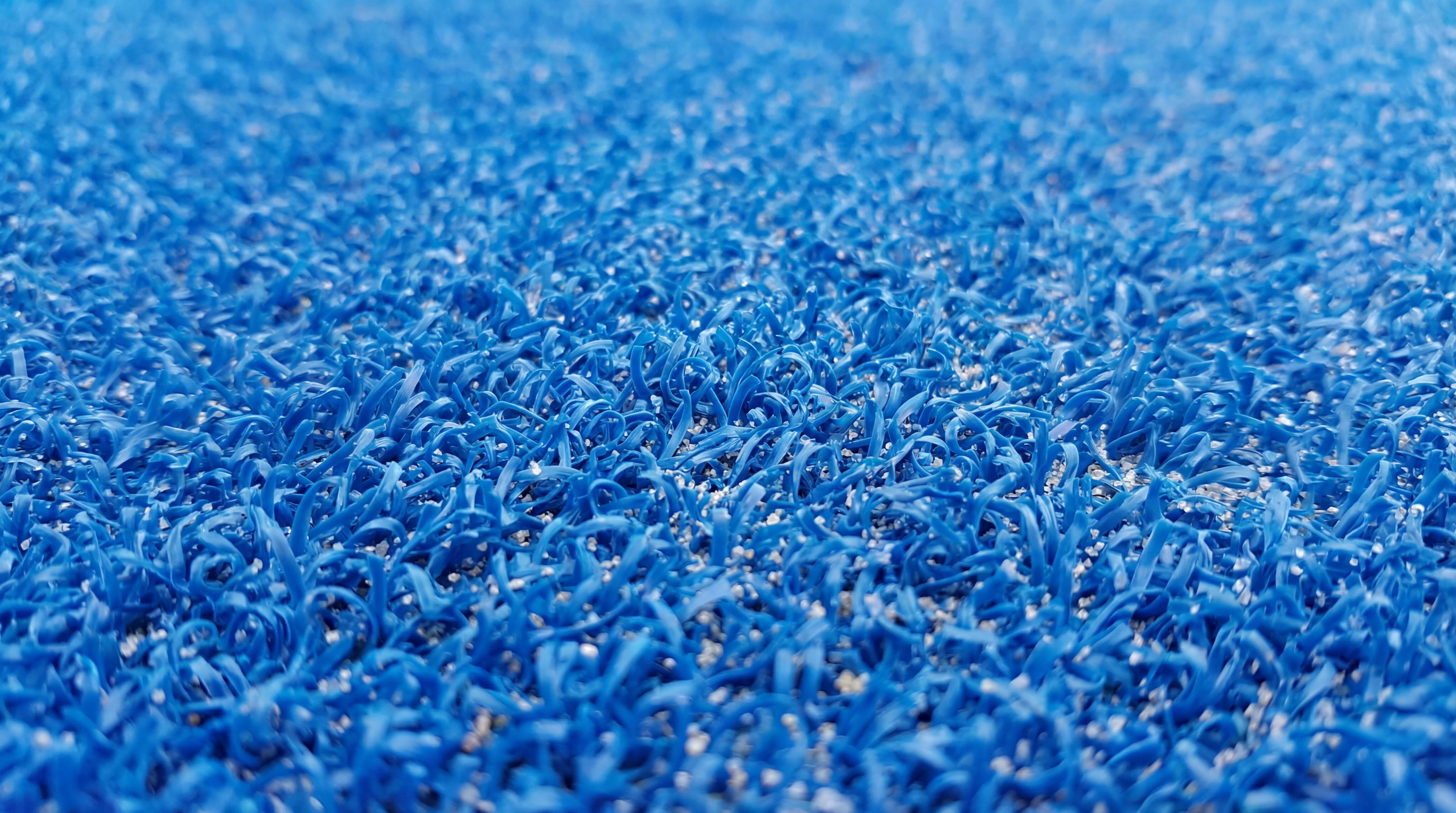
The playing surface requires a specialized artificial turf designed for high-density use and consistent ball response. When deciding what is padel game? for your facility, the choice between monofilament and fibrillated fibers will define the maintenance schedule and player experience. A quality surface ensures safety and longevity.
Fibrillated vs Monofilament
Here is the kicker: fibrillated turf is historically popular due to its durability and superior sand retention. Monofilament fibers are increasingly common in professional circuits for their better aesthetics.
- Monofilament: Soft feel, looks like natural grass.
- Fibrillated: High durability, lower maintenance.
- Texturized: Latest technology, requires less sand.
Maintenance and Drainage
But wait, there’s more: proper turf installation must include a reliable drainage system to prevent water logging. A well-maintained surface ensures a long lifespan under typical commercial conditions.
- Standard fiber height: 10mm to 12mm.
- Silica sand infill: 8-10 kg per m².
- UV stability: essential for outdoor installations.
Key Takeaway: Turf quality directly impacts player safety and the longevity of your investment.
| Turf Metric | Standard Spec |
|---|---|
| Fiber Height | 10mm – 12mm |
| Fiber Material | Polyethylene (PE) |
| Sand Infill | 8-10 kg per m² |
Investing in high-density polyethylene fibers significantly reduces the wear and tear seen on high-traffic commercial courts.
*
What is padel game? scoring rules?
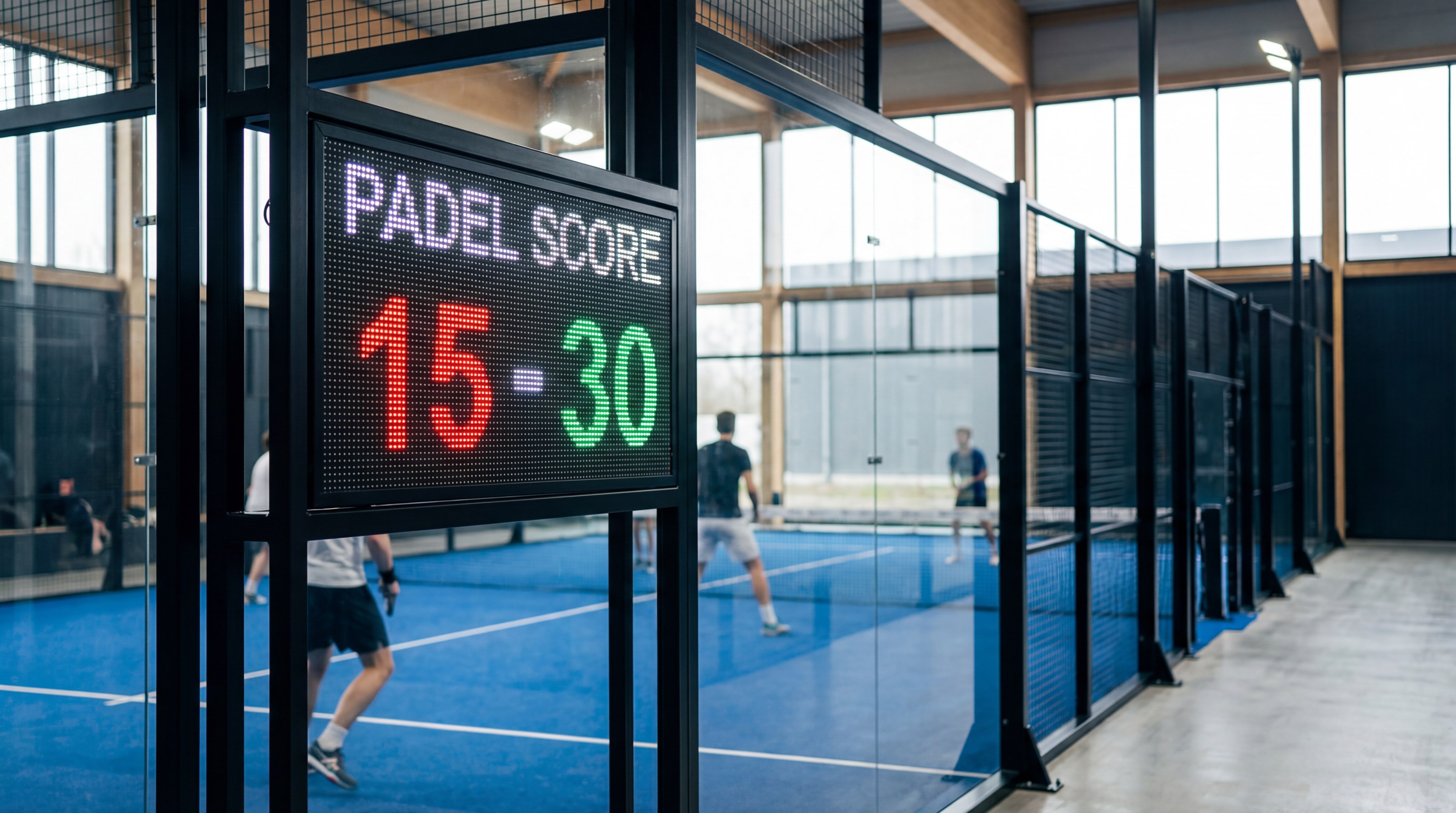
Scoring in padel mirrors the system used in tennis, following the 15, 30, 40, and game progression. Those asking what is padel game? will find the transition easy if they have a background in racket sports. However, the intensity of the “Golden Point” at deuce often sets this sport apart in professional settings.
Set Structure
Here is the kicker: a match is typically played as the best of three sets. To win a set, a team must reach six games with a lead of at least two games.
- Best of 3 sets format.
- Set ends at 6 games (with 2-game lead).
- Encourages fast transitions and tactical play.
The Tie-Break
But wait, there’s more: if the score reaches 6-6 in a set, a seven-point tie-break is played. This ensures matches remain within a predictable timeframe for club booking schedules.
- Points counted as 1, 2, 3, etc.
- First to 7 points with 2-point lead.
- Crucial for managing facility court turnover.
Key Takeaway: While the scoring is familiar to tennis players, the pace is significantly faster due to the enclosed environment.
| Score Stage | Points Earned |
|---|---|
| First Point | 15 |
| Second Point | 30 |
| Third Point | 40 |
| Fourth Point | Game |
The adoption of the “Golden Point” rule has revolutionized television broadcasting by making match durations more predictable.
*
What is padel game? serving style?
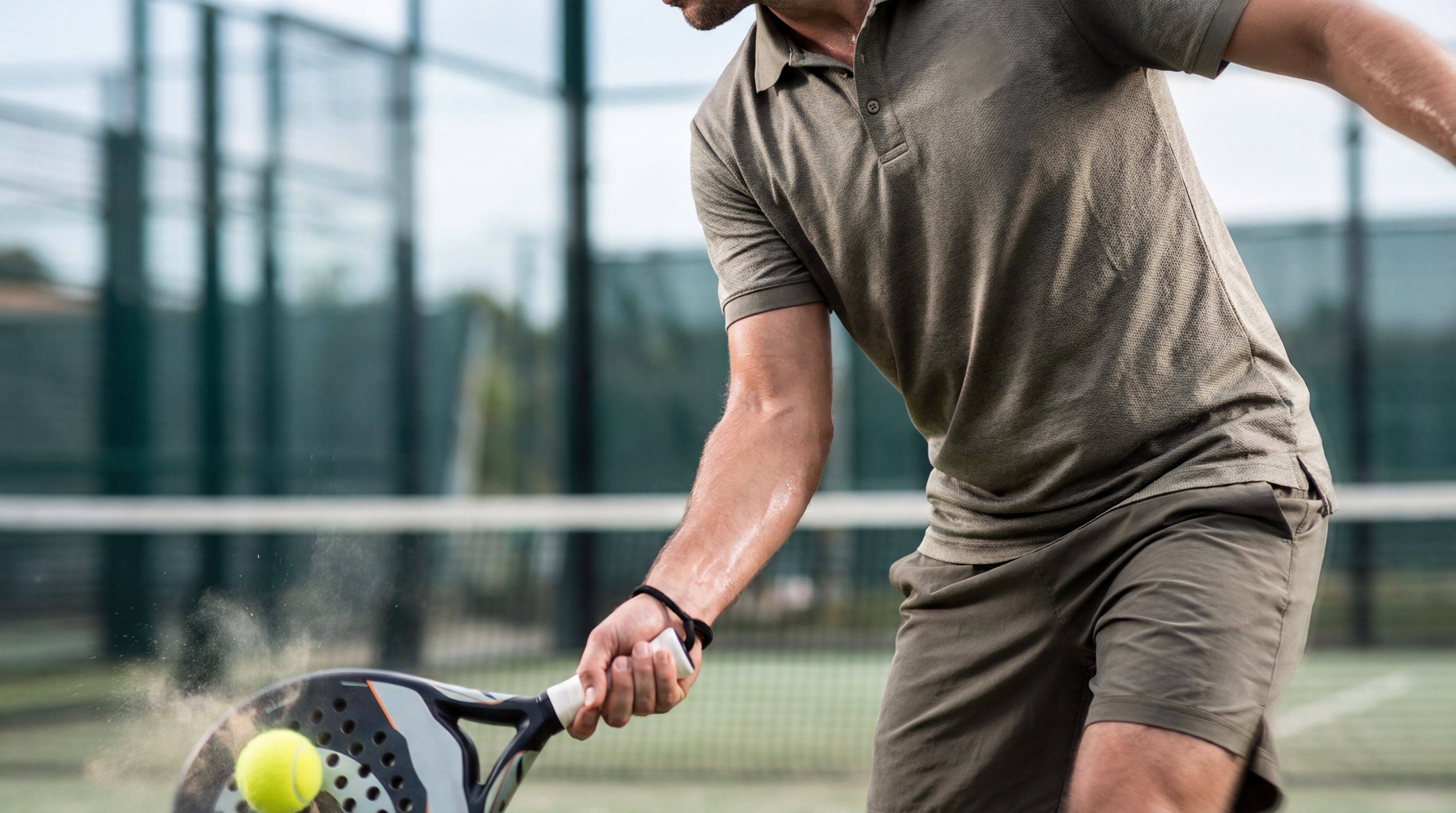
The serve in padel must be performed underhand, with the ball being hit at or below waist level after a single bounce. What is padel game? is often defined by this specific rule, which prevents the serve from becoming an overwhelming weapon. This technical requirement levels the playing field for all skill levels.
Service Box Target
Here is the kicker: the ball must land in the opponent’s diagonal service box. If it hits the metallic mesh after bouncing on the ground, it is considered a service fault.
- Diagonal delivery is mandatory.
- Must bounce once in the box.
- Cannot hit the side fence on the serve.
Second Serve Allowance
But wait, there’s more: like tennis, players are allowed a second serve if the first attempt fails. This reduces pressure on the serving team and maintains the game’s flow.
- Allows for more aggressive first serves.
- Reduces unforced errors at the start of sets.
- Keeps the rally as the focus of the point.
Key Takeaway: The underhand serve emphasizes strategy and placement over raw power.
| Serve Rule | Requirement |
|---|---|
| Hit Height | At or below waist |
| Execution | After one bounce |
| Direction | Diagonal box |
The underhand serve rule is the primary reason padel maintains a much higher “ball-in-play” time compared to tennis.
*
What is padel game? gear checklist?
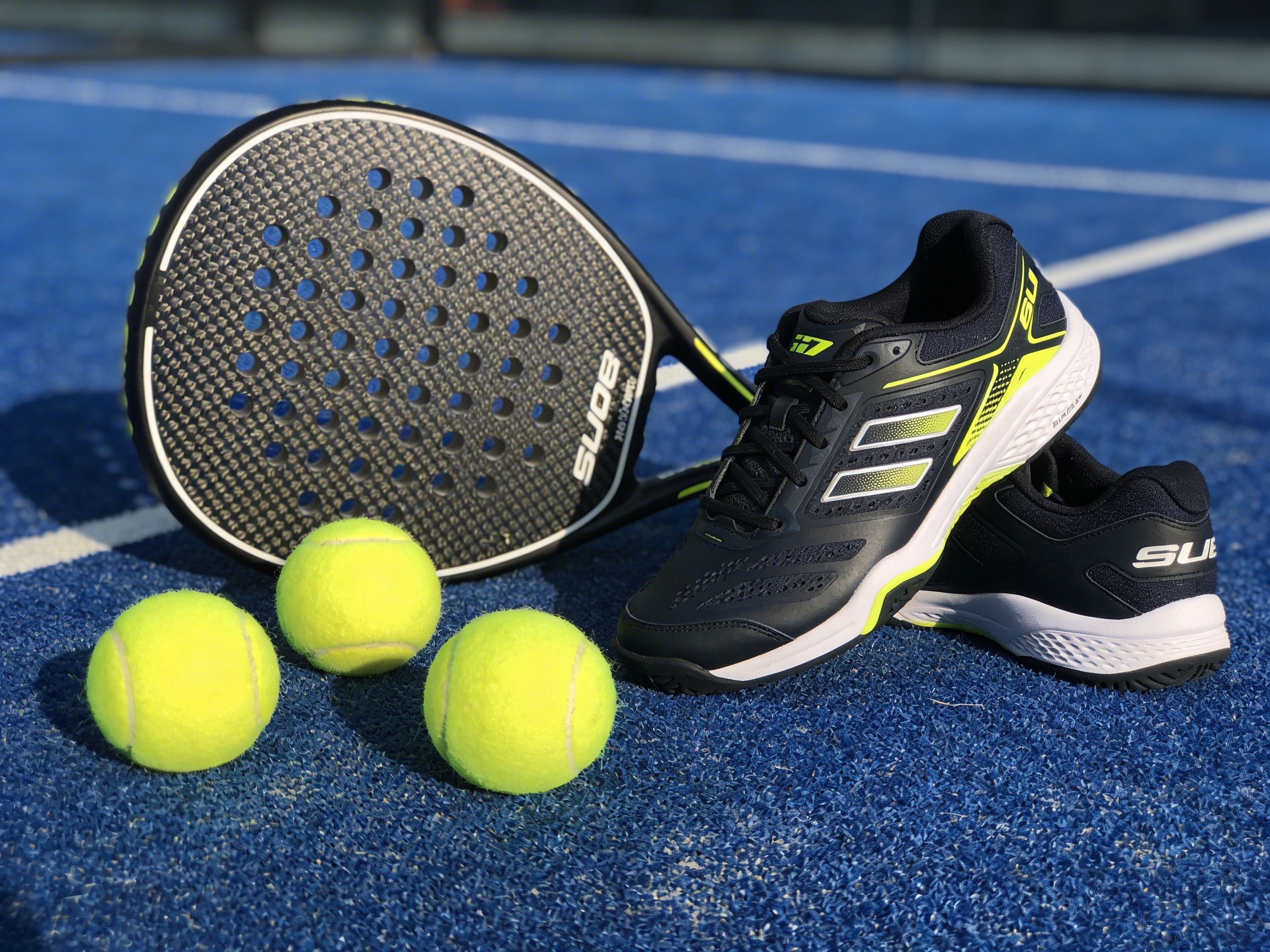
Unlike tennis rackets, the gear used for the sport involves a solid surface with holes rather than strings. Understanding what is padel game? requires a look at the specialized rackets and high-grip footwear needed for safe play. The right equipment is vital for performance on artificial surfaces.
Racket Composition
Here is the kicker: modern rackets are constructed from carbon fiber or fiberglass with an EVA foam core. Heavier rackets provide more power, while lighter ones offer better maneuverability.
- Weight range: 340g to 390g.
- EVA foam: Soft vs Hard cores.
- Shapes: Round, Teardrop, or Diamond.
Specialized Footwear
But wait, there’s more: high-grip soles are mandatory to navigate the silica sand on the turf. Proper shoes prevent ankle injuries during the frequent lateral movements required.
- Omni-court or clay court patterns.
- Reinforced lateral support.
- Specific cushioning for hard impacts.
Key Takeaway: High-performance gear is essential for injury prevention and optimal skill execution.
| Item | Primary Material | Benefit |
|---|---|---|
| Racket | Carbon / EVA Foam | Shock absorption |
| Balls | Low-pressure Rubber | Controlled bounce |
| Shoes | High-grip Rubber | Lateral stability |
Equipment choice should be tailored to player level, as diamond-shaped rackets can be difficult for beginners to control.
*
What is padel game? building costs?
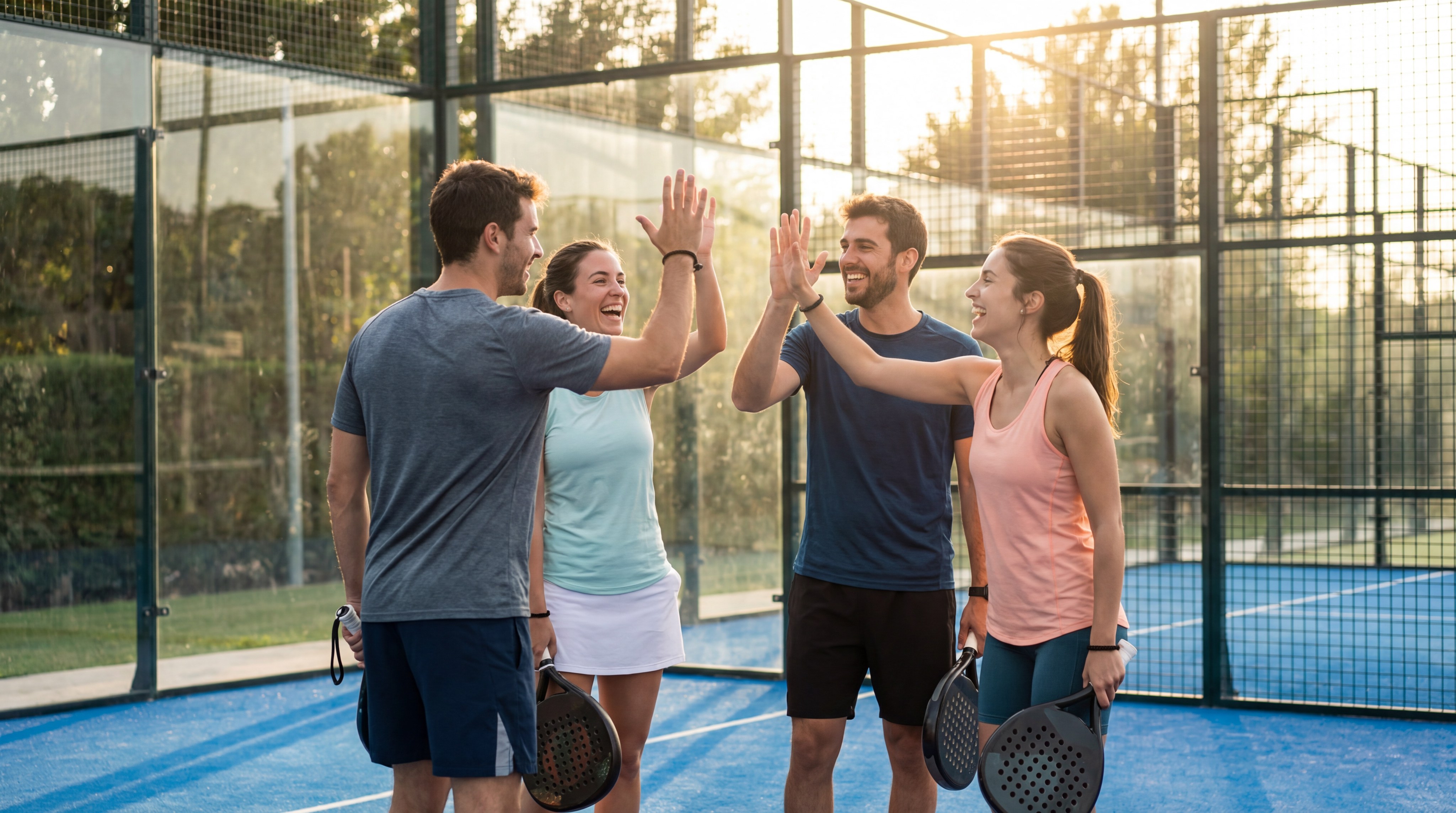
Building a padel court involves several cost variables including the sub-base construction, the court structure, and lighting. When you ask what is padel game? from a business perspective, the answer lies in capital expenditure and recurring ROI. Savvy investors often save significantly by buying directly from the factory.
The Sub-base Foundation
Here is the kicker: a solid foundation of porous concrete or asphalt is required. This represents a significant portion of the total project budget but ensures long-term leveling.
- Porous concrete for maximum drainage.
- Asphalt for faster installation times.
- Standard 200mm depth for stability.
Lighting and Accessories
But wait, there’s more: professional lighting is critical for 24-hour operation and revenue generation. LED floodlights ensure the facility can generate income regardless of the sun’s position.
- Minimum 8 LED lamps per court.
- Average 300 to 500 lux levels.
- Anti-glare technology for players.
Key Takeaway: Factory-direct sourcing can reduce procurement costs by up to 30%.
| Cost Center | Percentage of Total |
|---|---|
| Structure & Glass | 45% |
| Sub-base Foundation | 35% |
| Grass & Lighting | 20% |
The foundation represents the most critical engineering phase, as any subsidence can shatter the glass walls above.
*
What is padel game? indoor vs outdoor?
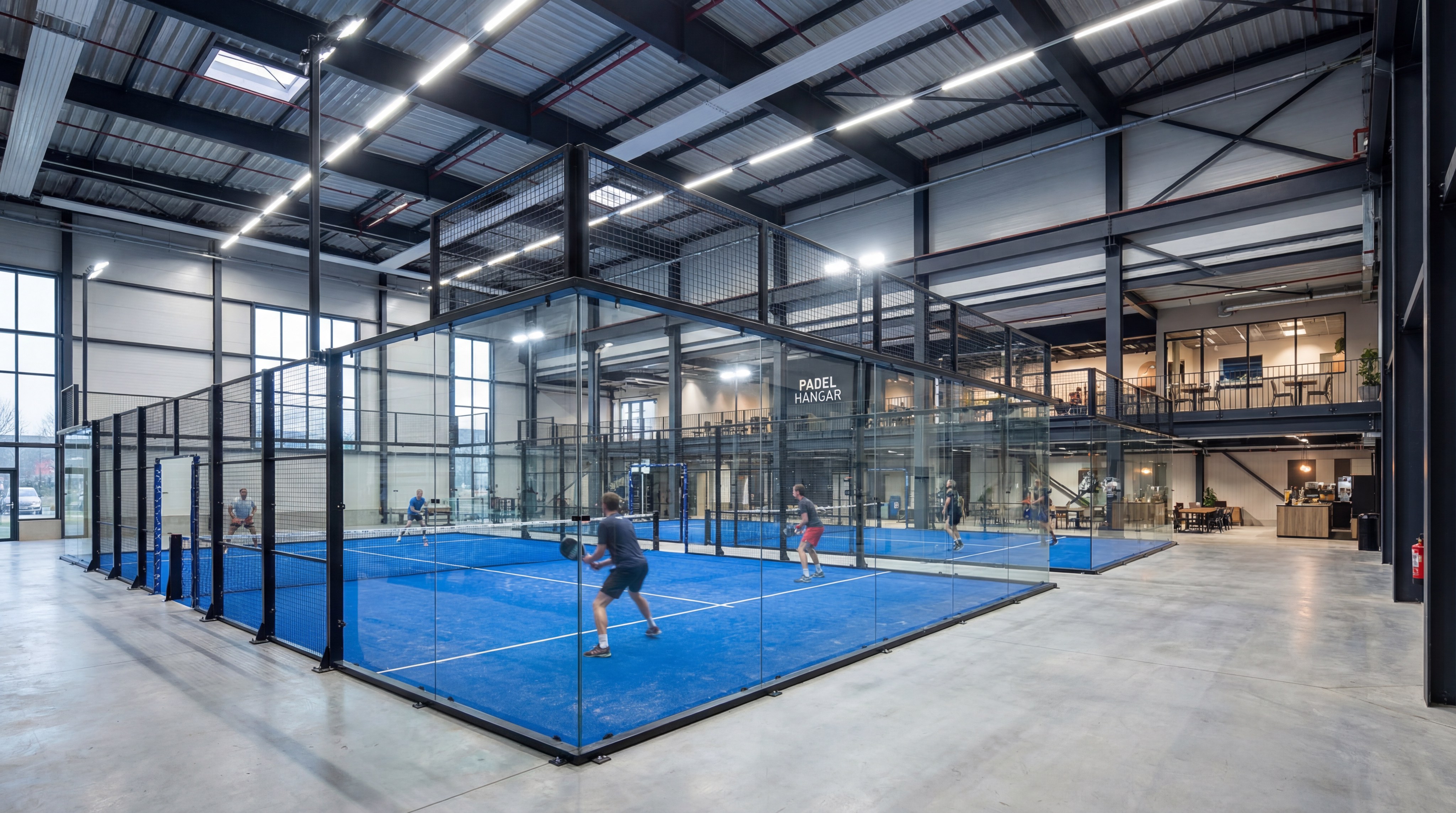
Choosing between an indoor or outdoor setup depends on the local climate and available real estate. When analyzing what is padel game?, one must consider year-round consistency versus the lower initial costs of outdoor builds. Both options have distinct operational benefits.
Weather Protections
Here is the kicker: for outdoor courts, specialized roofing systems can be integrated to protect players from rain and UV rays. This ensures that extreme weather doesn’t lead to cancelled bookings.
- Roofed systems increase playtime.
- Protection from wind and excessive sun.
- Higher player comfort in summer.
Ceiling Height Requirements
But wait, there’s more: indoor facilities must maintain a minimum ceiling height of 6 to 9 meters. This is necessary to accommodate the “lob,” a fundamental defensive shot in the game.
- Minimum 6m height for recreational play.
- 9m recommended for professional venues.
- Industrial warehouses provide ideal skeletons.
Key Takeaway: Indoor courts provide the highest ROIs in temperate climates by guaranteeing year-round play.
| Feature | Indoor | Outdoor |
|---|---|---|
| Initial Cost | Higher (Rent/HVAC) | Lower |
| Revenue | Constant | Seasonal |
| Maintenance | Low | Moderate |
Indoor facilities typically command a 20-30% premium in booking fees due to climate control and predictable conditions.
*
What is padel game? professional circuit?
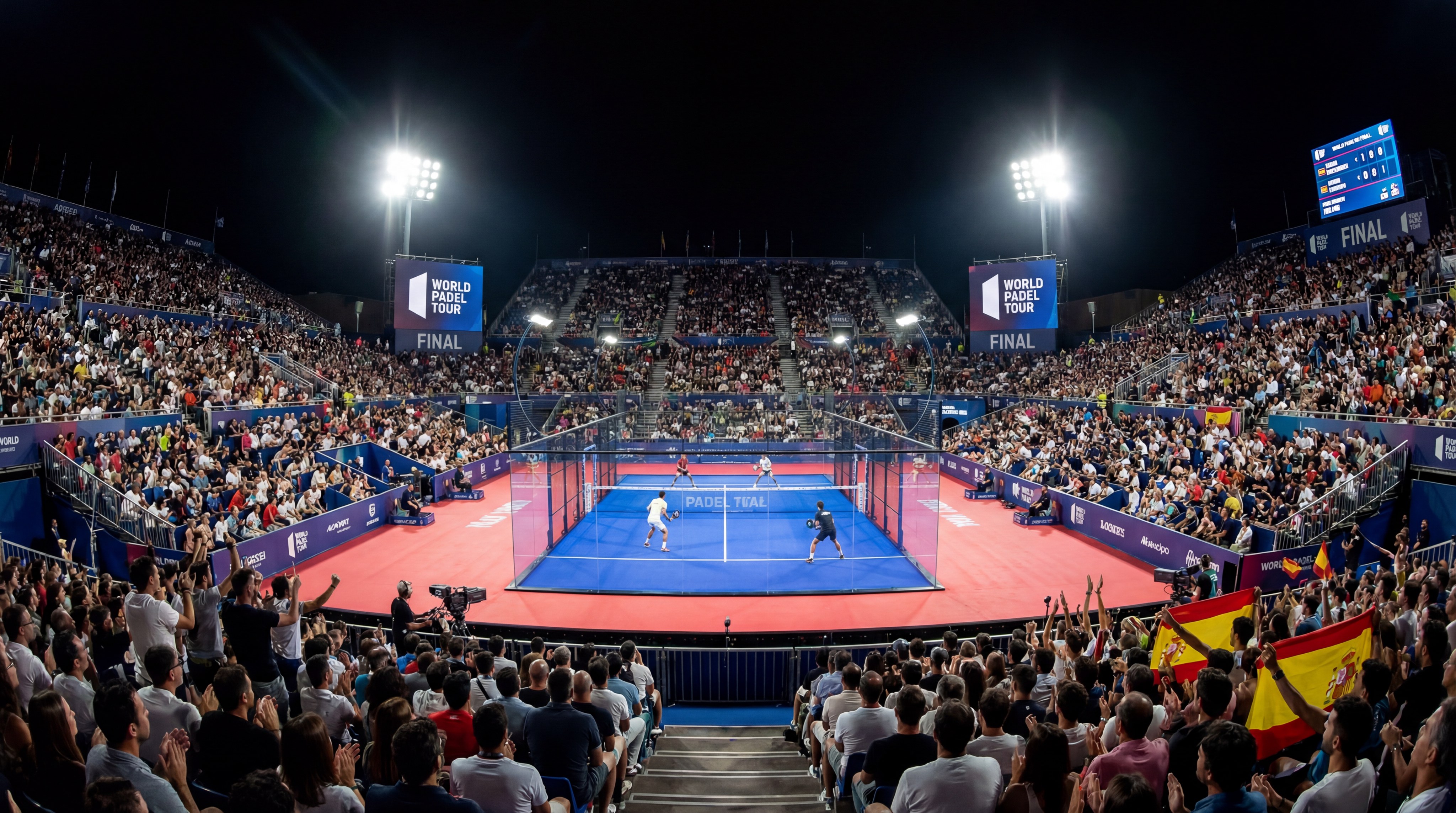
The global professional scene is governed by the International Padel Federation and the World Padel Tour. What is padel game? can be seen in its purest form through these high-level competitions which draw thousands of fans. This professionalization has driven massive innovations in equipment and court materials.
Professional Rankings
Here is the kicker: top players compete year-round to climb the global rankings. This professionalization has attracted major sponsorships and international television coverage into the sport.
- High viewership on digital platforms.
- Growing sponsorship from global brands.
- Professional standards for court surfacing.
Olympic Aspirations
But wait, there’s more: while not yet an Olympic sport, padel is recognized by various Olympic committees. Its inclusion in future games is a top priority for the international federation.
- Participation in European Games.
- Global governing body recognition.
- Standardized rules for youth development.
Key Takeaway: The growth of the professional circuit fuels the demand for high-quality community and club facilities.
FAQ
Can I play padel singles?
While the official game is doubles, you can play singles on specially designed smaller courts, though these are rare in professional circuits.
What’s the best maintenance tip?
Regularly brush the silica sand to ensure it is distributed evenly across the turf, preventing dead spots and maintaining a safe bounce.
Can I install a padel court on a roof?
Yes, provided the building’s structural integrity supports the weight of the glass and steel, many urban clubs now utilize rooftop space.
Is padel easier than tennis?
Generally, yes. The underhand serve and the ability to use the walls mean beginners can enjoy long rallies right from their first session.
How many people can play on a court?
Four players are standard for the doubles format, making it one of the most space-efficient sports for community engagement.
Conclusion
Padel is more than just a trend; it is a structural shift in how the world engages with racket sports. By combining the strategic depth of squash with the social accessibility of tennis, it offers a unique value proposition for both players and investors. Whether you are looking to revitalize a sports club or develop a new commercial facility, the path forward begins with quality materials and professional engineering. We invite you to explore our high-performance court solutions and take the first step toward building your legacy. For personalized specifications and factory-direct pricing, we encourage you to contact us today.