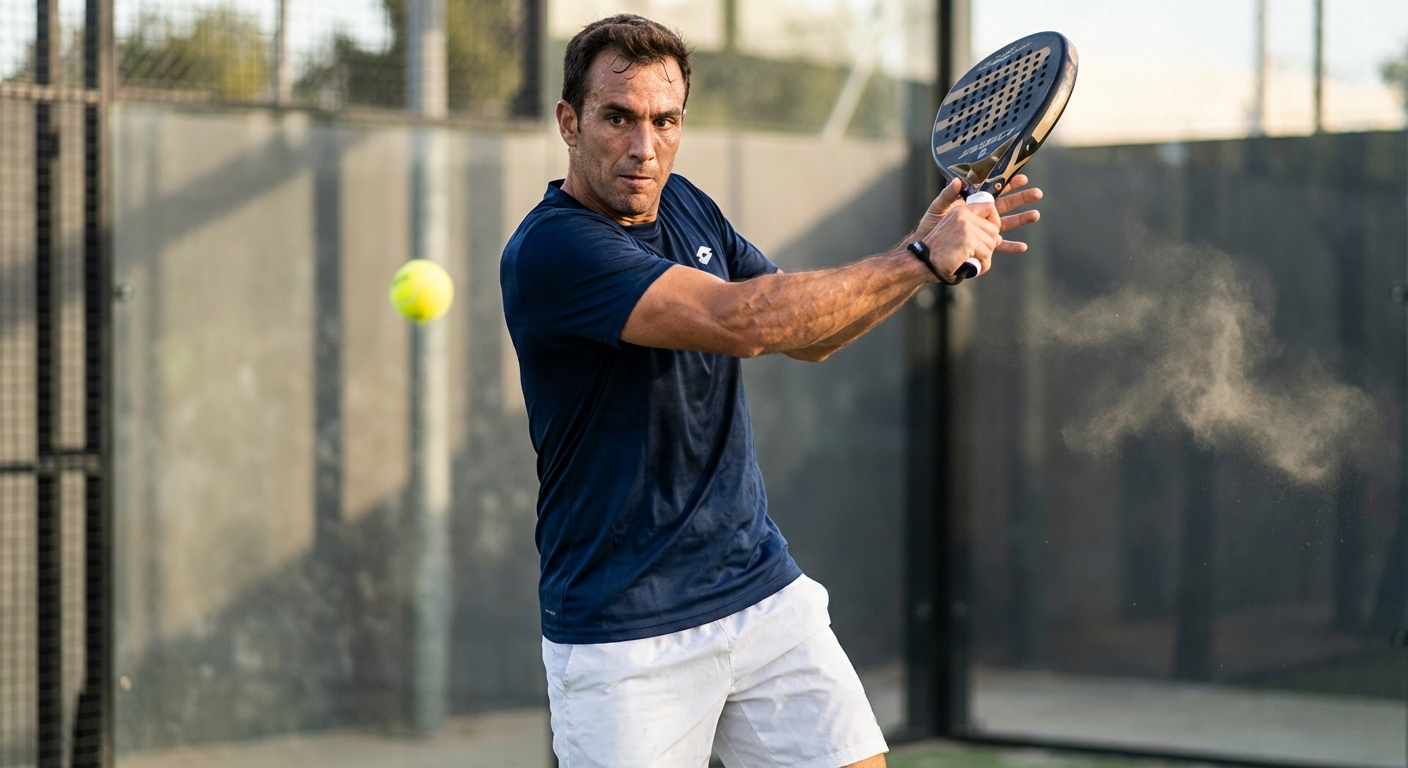
how do you play padel? involves competing in a fast-paced doubles format on a specialized court with glass walls that allow for strategic rebounds. You might feel overwhelmed by the complex rules and unique court requirements that separate this sport from traditional tennis. We provide the technical expertise and high-quality construction materials needed to transition from a beginner to a pro-level court owner or player.
What is how do you play padel? an overview
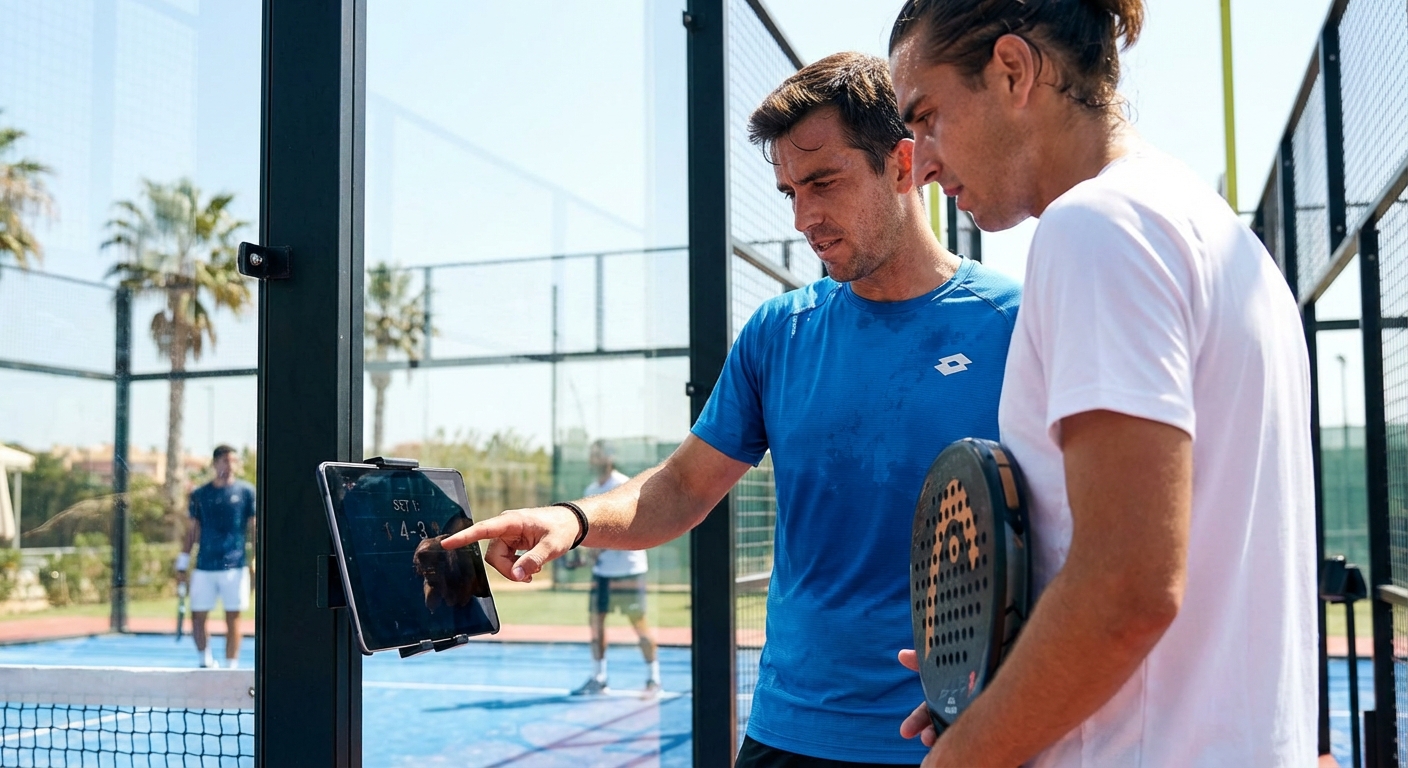
Padel is a racquet sport that combines the best elements of tennis and squash within an enclosed court. Understanding how do you play padel? requires recognizing it as a social, doubles-only game.
Defining the Doubles Format
The game is traditionally played two-on-two, emphasizing teamwork over individual raw power. Here is the deal: the smaller court size and proximity to your partner make communication the most critical skill on the turf.
- Matches are played in sets of three.
- Teams must work together to cover the net.
- Communication prevents collisions during high-speed rallies.
Key Takeaway: Success in padel depends on the symbiotic relationship between you and your partner in a doubles setting.
The Hybrid Tennis-Squash Dynamics
Wait, there’s more to it than just swinging a racket; you must account for the surrounding walls. This hybrid nature allows for long rallies, as the ball remains in play after hitting the glass.
| Feature | Padel Characteristic |
|---|---|
| Format | 2 vs 2 (Doubles Only) |
| Environment | Fully Enclosed Court |
| Interaction | Use of back and side walls |
High-level play merges tennis strokes with the tactical “room-awareness” found in squash.
How to score in how do you play padel? games
Scoring follows the traditional tennis numerical sequence but incorporates specific tie-break rules. If you want to master how do you play padel?, you must track points carefully to maintain strategic momentum.
Understanding the 15-30-40 System
Points progress from 15 to 30, then 40, leading to a game win. But wait, there’s more: a set consists of six games, provided there is a two-game lead over the opposing team.
- 15 represents the first point won.
- 30 represents the second point won.
- 40 represents the third point won.
Key Takeaway: The numerical scoring system creates a familiar rhythm for those coming from a tennis background.
Managing Deuce and Golden Points
When both teams reach 40-40, the game enters a deuce phase. Look at it this way: you must win two consecutive points to take the game, or sometimes use a “Golden Point” in professional formats.
| Score Phase | Requirement to Win |
|---|---|
| Deuce | Two consecutive points |
| Tie-Break | First to 7 points (2-point lead) |
| Set | Win 6 games |
Scoring precision ensures that every shot contributes to the overall set victory.
Why is serving in how do you play padel? vital
The serve starts every point and is strictly performed underhand to keep the game accessible yet tactical. Learning how do you play padel? means perfecting the bounce-and-hit motion below waist level.
Executing the Underarm Service
You must bounce the ball behind the service line before striking it cross-court. Here is the deal: unlike tennis, overhead “smashes” for serves are illegal and will result in a lost point.
- The ball must be struck at or below the waist.
- At least one foot must stay on the ground.
- The target is the diagonal service box.
Key Takeaway: The underhanded serve prioritizes placement and spin over the sheer power seen in other sports.
Service Box and Net Clearance Rules
A legal serve must clear the net and land within the opponent’s diagonal box. If the ball clips the net and lands in, it is a “let,” which allows you to retake the serve.
| Serve Rule | Condition |
|---|---|
| Hand Height | Below waist only |
| Contact | After first floor bounce |
| Fault | Hits the metallic fence first |
Understanding these boundaries prevents wasted opportunities and unforced errors.
How do walls in how do you play padel? function
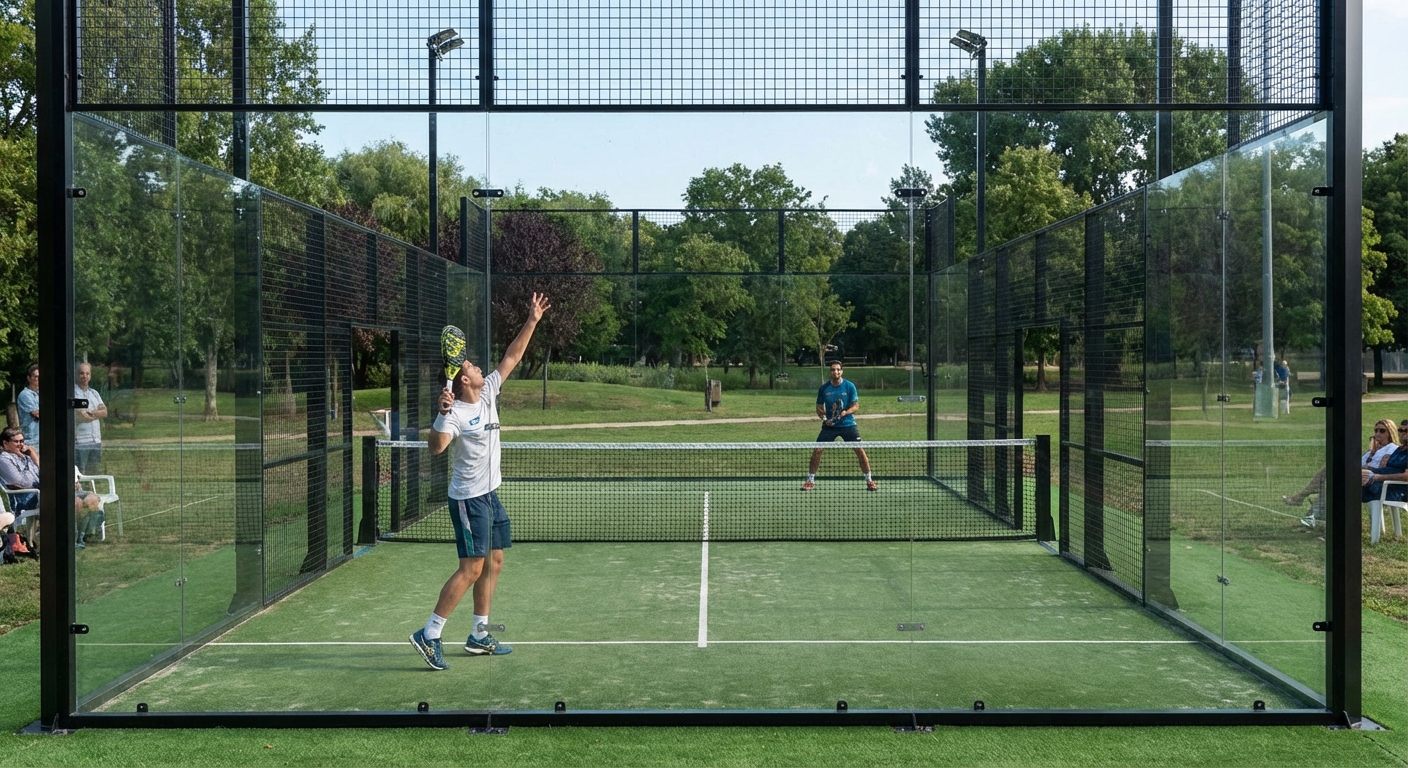
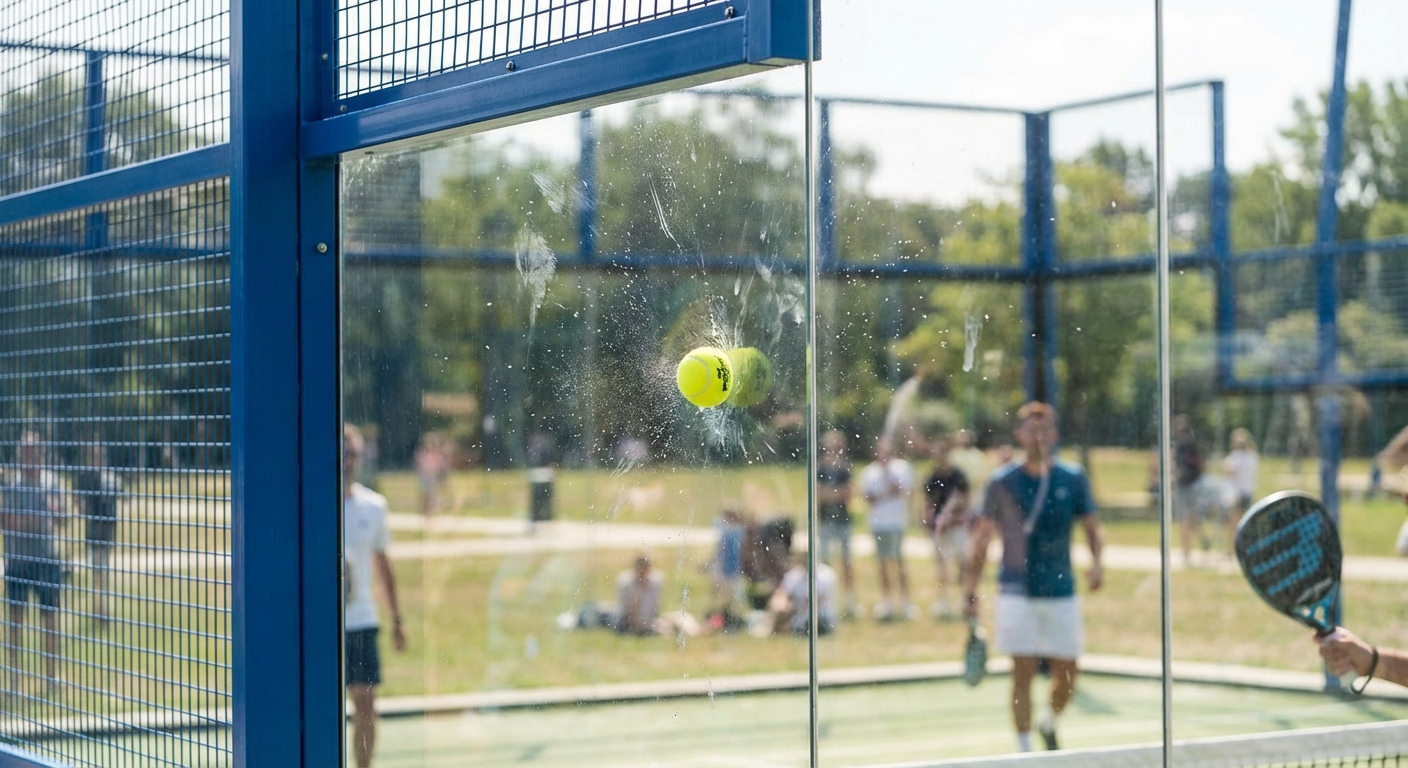
The glass and mesh walls are active participants in the game, allowing for creative ricochets. Knowing how do you play padel? requires you to anticipate how the ball will behave after impacting various surfaces.
Rebounding Shots Off Glass Panels
The back and side glass provide a second chance to return balls that have already bounced once. But wait, there’s more: you can actually hit the ball against your own glass wall to pass it over the net.
- Let the ball hit the glass to slow it down.
- Position yourself to catch the rebound.
- Use the “Boast” shot via your own glass for defense.
Key Takeaway: Glass walls turn defensive scenarios into aggressive counter-attacking opportunities.
Navigating Metallic Mesh Deflections
The metallic fence sections create unpredictable bounces that challenge even experienced players. Here is the deal: hitting the ball so it bounces onto the opponent’s fence is a high-level tactical maneuver.
| Wall Type | Bounce Predictability |
|---|---|
| Tempered Glass | High (Consistent) |
| Metallic Mesh | Low (Chaotic) |
| Floor Surface | Medium (Spin-dependent) |
Mastering these surfaces is what separates the novices from the intermediate players.
What about singles in how do you play padel? play
While doubles is the standard, singles play exists on specialized, narrower courts. To understand how do you play padel? in a 1v1 format, you must adapt your stamina and court coverage.
Court Adjustments for One-on-One Play
Singles courts are typically 6 meters wide instead of 10. Think about this: the reduced width compensates for the lack of a partner, ensuring you aren’t constantly outpaced by cross-court shots.
- Maintains the 20-meter length.
- Requires significant lateral speed.
- Focuses on corner-to-corner accuracy.
Key Takeaway: Singles padel offers a more intense cardiovascular workout compared to the social doubles game.
Competitive Dynamics in Narrower Spaces
In singles, there is no one to blame but yourself for a missed shot. Here is the deal: the game becomes a strategic duel where you must force your opponent into the “trap” of the glass corners.
| Aspect | Singles | Doubles |
|---|---|---|
| Court Width | 6 Meters | 10 Meters |
| Strategy | Individual Endurance | Team Communication |
| Popularity | Niche / Training | Standard Competitive |
The narrower space forces a direct, confrontational style of play that sharpens individual skills.
Which tips for how do you play padel? help most
Success often comes down to footwork and resisting the urge to play like a tennis professional. Learning how do you play padel? effectively involves unlearning some traditional tennis habits.
Footwork and Body Positioning Basics
You should keep your knees bent and stay on the balls of your feet to react to the back-wall bounces. But wait, there’s more: staying close to the net is the most dominant position a team can hold.
- Take small, frequent steps.
- Always return to the “home” position.
- Keep the racket up and in front.
Key Takeaway: Footwork is the foundation that allows you to manage the rebound geometry of the court.
Transitioning from Tennis to Padel
Tennis players often hit the ball too hard, which causes it to fly off the back wall and give the opponent an easy shot. Look at it this way: in padel, “less is more” when it comes to power.
| Beginner Tip | Why it Works |
|---|---|
| Use the Lobs | Forces opponents away from the net |
| Soft Volleys | Prevents dangerous wall rebounds |
| Short Swings | Increases control and reaction time |
Focusing on control allows you to dictate the tempo of the rally rather than just reacting to it.
What size is a how do you play padel? court area
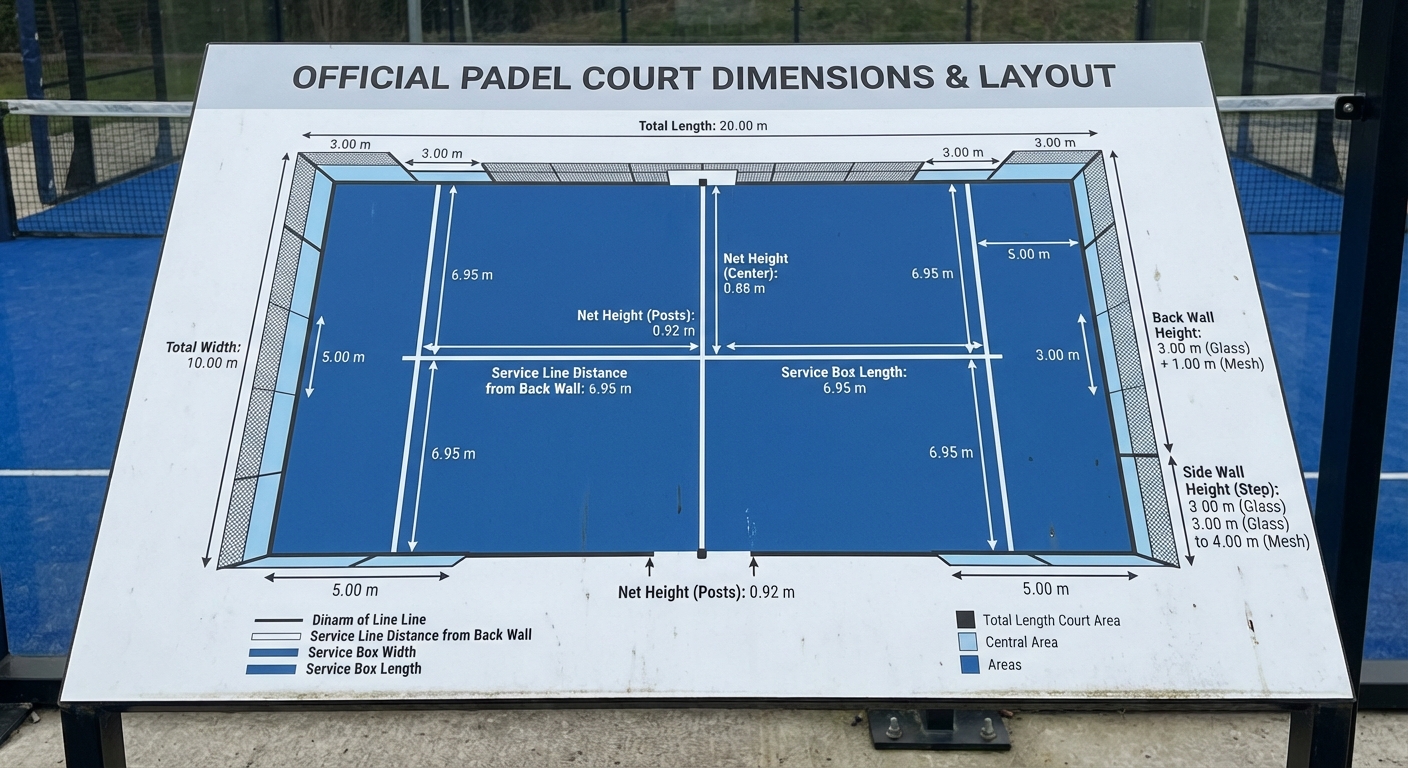
A standard court is a 20m x 10m rectangle, enclosed by a mix of glass and steel. If you are researching how do you play padel?, the installation dimensions are the first thing you need to plan.
Standard 20m x 10m Layout Specs
The court is exactly one-third the size of a tennis court, which allows for more facilities in a smaller footprint. Here is the deal: the precise 20×10 measurement is mandatory for official certification and competitive play.
- Total Area: 200 square meters.
- Service lines are 6.95m from the net.
- Center lines divide the boxes equally.
Key Takeaway: The compact size is the primary reason why padel is such a fast and engaging spectator sport.
Net Height and Post Specifications
The net is slightly lower than a tennis net, measuring 88cm at the center. This height is designed to encourage lower, more aggressive drives while still allowing for the iconic lob shots.
| Metric | Official Measurement |
|---|---|
| Length | 20 Meters |
| Width | 10 Meters |
| Net Center Height | 88 Centimeters |
Proper post installation ensures the net remains at the correct tension for consistent play.
How is glass used in how do you play padel? builds
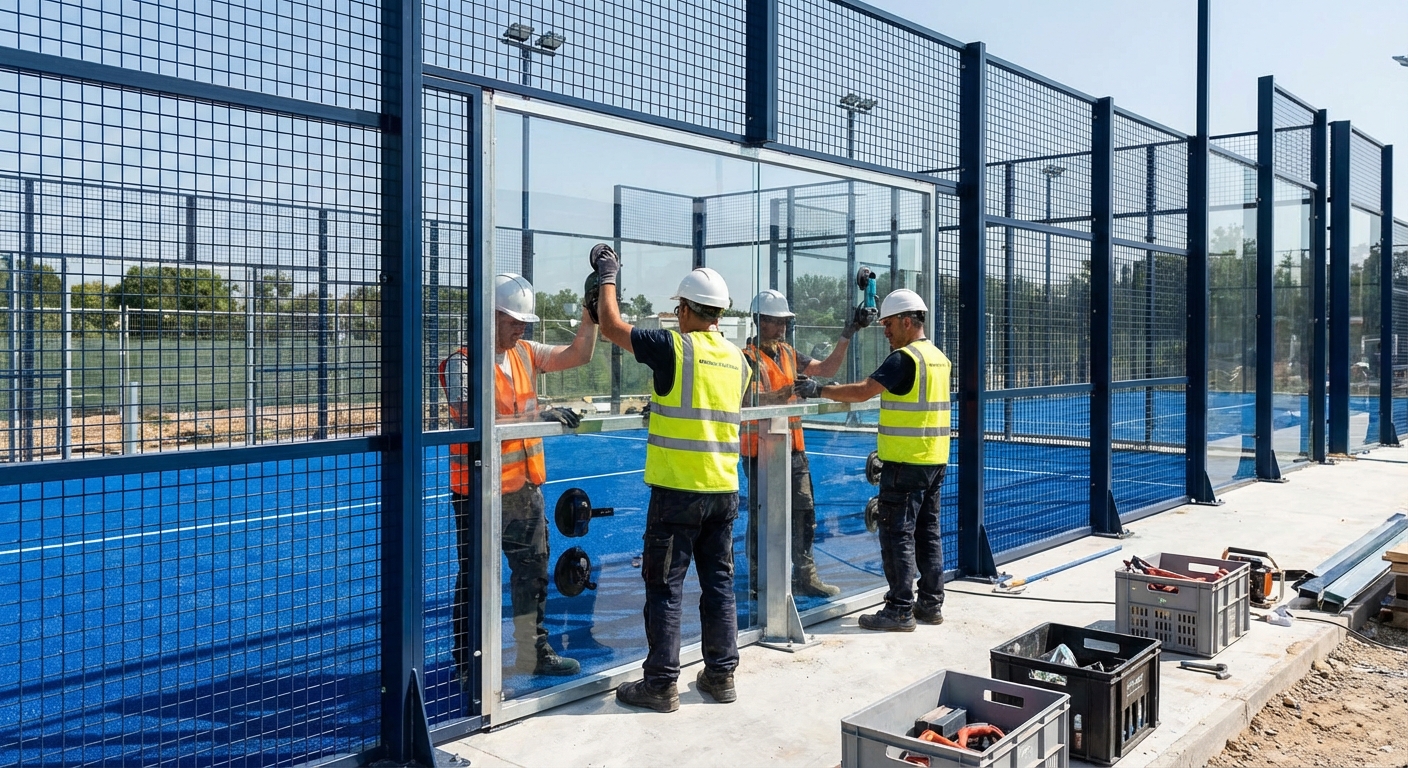
High-quality tempered glass is used to provide durability and visibility for both players and spectators. When considering how do you play padel?, the quality of the glass determines how “true” the ball bounces.
Panoramic vs. Standard Glass Walls
Panoramic courts remove the vertical steel pillars between glass panels to offer an unobstructed view. But wait, there’s more: while it looks better, it requires thicker glass to maintain structural integrity.
- Standard Glass: Usually 10mm or 12mm.
- Panoramic: Offers 360-degree visibility.
- Impact Resistance: Tested to withstand heavy smashes.
Key Takeaway: The choice of glass impacts both the aesthetic value of the club and the safety of the players.
Impact Resistance and Safety Standards
Padel glass must be tempered according to EN standards to ensure it doesn’t shatter into dangerous shards. Here is the deal: safety is the top priority in any commercial court construction project.
| Glass Detail | Standard Requirement |
|---|---|
| Thickness | 10mm – 12mm Tempered |
| Edge Finish | Polished and rounded |
| Installation | Vibration-dampening gaskets |
Using the right glass prevents long-term maintenance issues and protects your investment.
What turf is for how do you play padel? surfaces
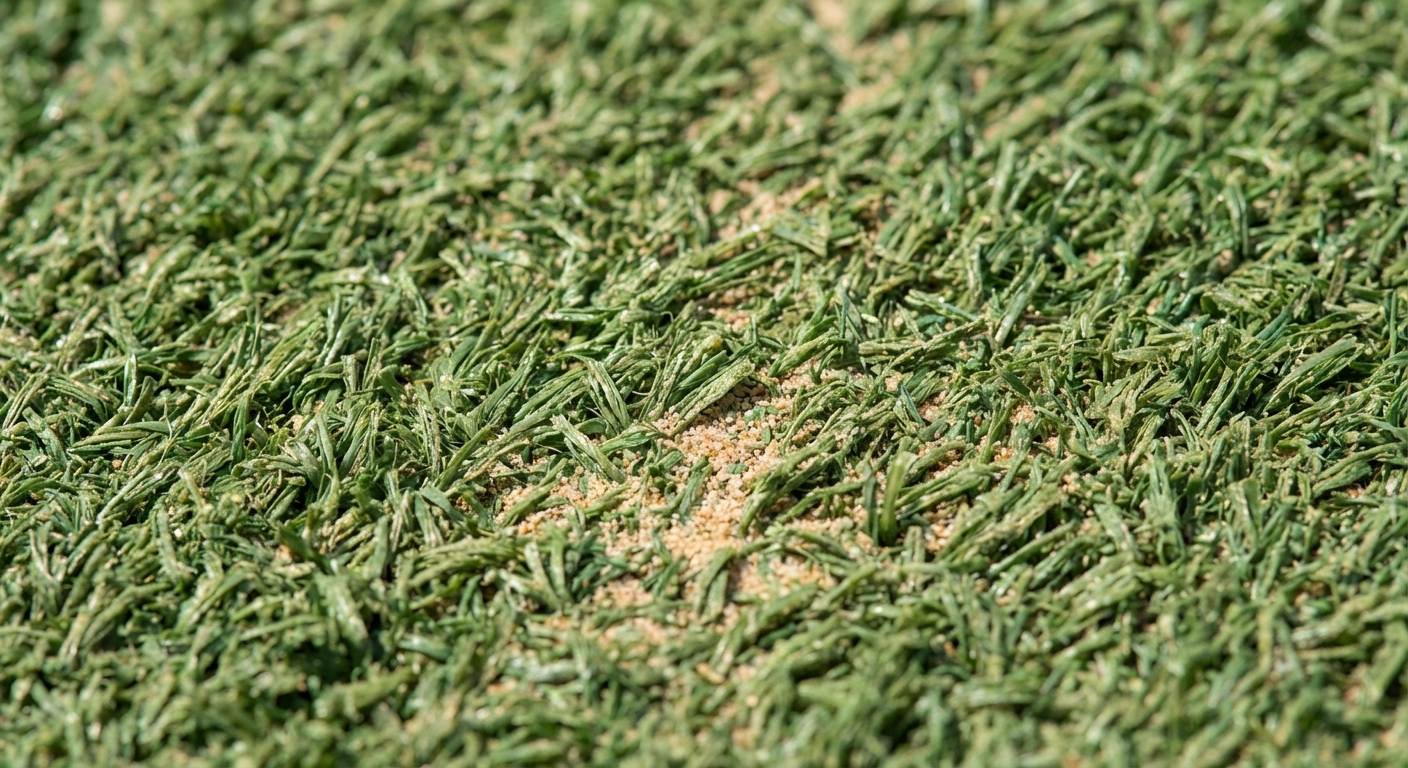
Artificial turf is the industry standard, providing the necessary grip and slide for safe movement. Understanding how do you play padel? requires choosing a turf that balances player comfort with ball speed.
Benefits of Fibrillated Synthetic Grass
Fibrillated grass is excellent at holding sand, which ensures a consistent bounce across the entire surface. Look at it this way: the sand acts as a lubricant, allowing you to slide into shots without injuring your joints.
- Superior UV resistance for outdoor use.
- Excellent drainage for all-weather play.
- Soft texture reduces impact on knees.
Key Takeaway: The quality of your turf directly influences the longevity of the court and the satisfaction of the players.
Rackets, Balls, and Traction Gear
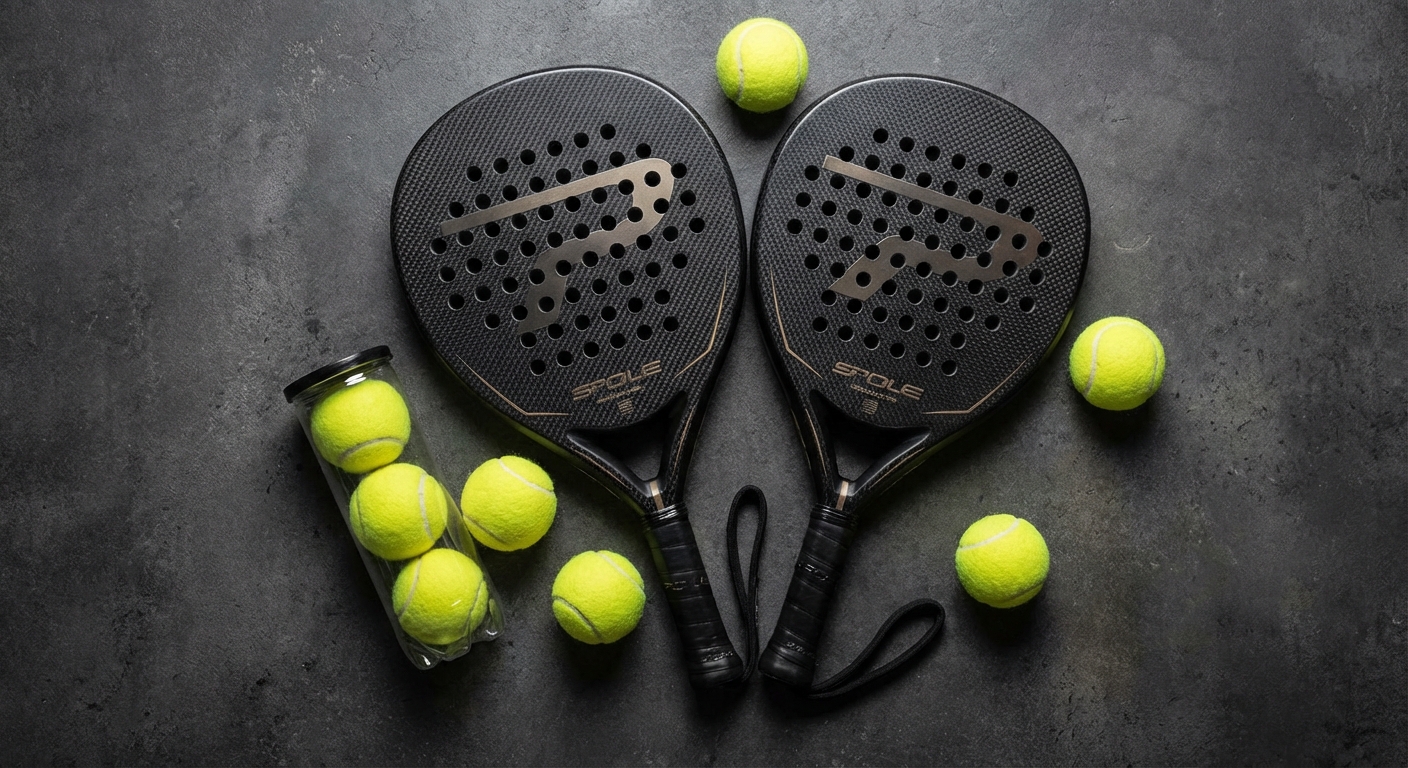
The equipment used must match the surface; padel balls have less pressure than tennis balls to account for the smaller court. But wait, there’s more: specialized shoes with “clay” or “omni” soles are necessary to maintain traction.
| Equipment | Purpose |
|---|---|
| Padel Racket | Solid, perforated for control |
| Padel Ball | Lower pressure for consistent bounce |
| Turf Shoes | Grip on sand-filled surfaces |
Investing in the right gear completes the professional experience on a high-end court.
How is the how do you play padel? structure built
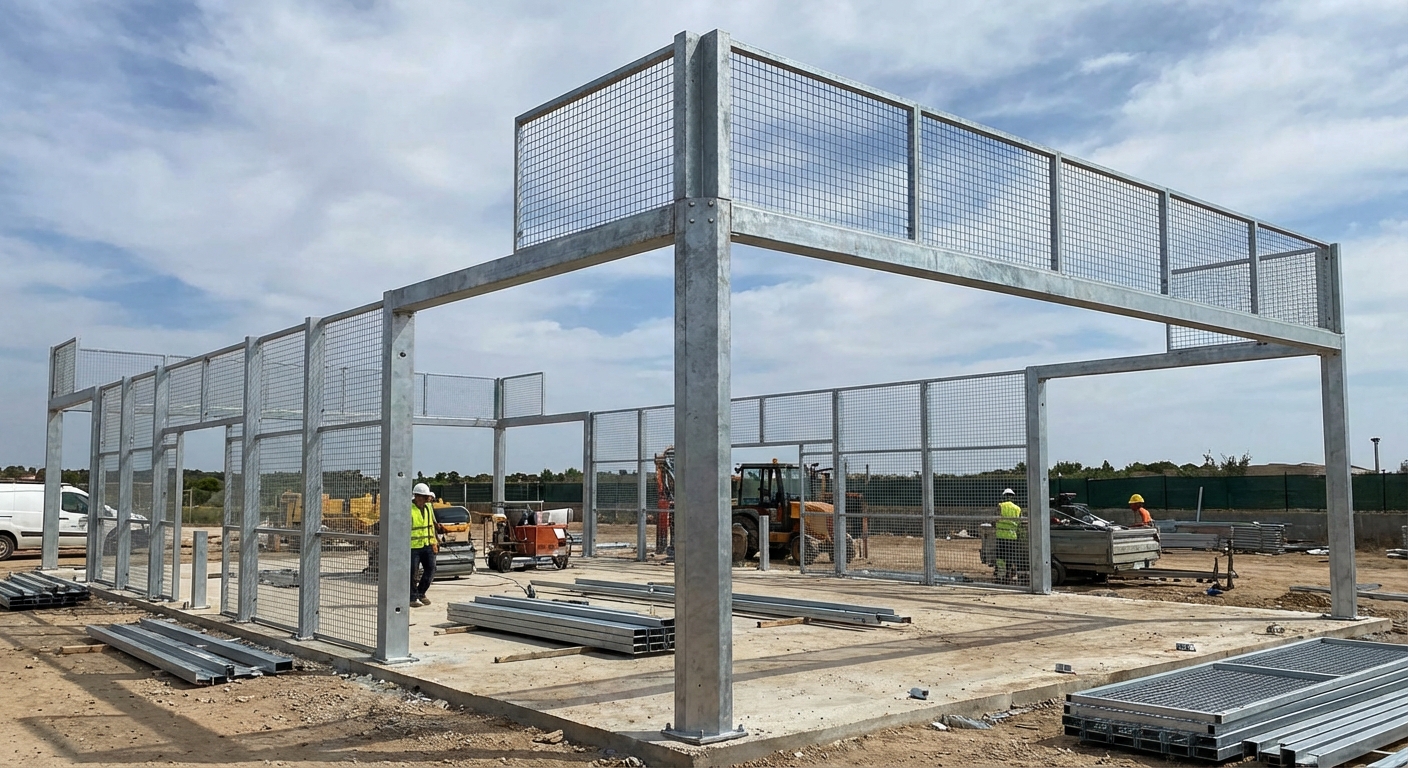
A robust galvanized steel frame forms the skeleton of every high-quality padel court. If you want to know how do you play padel? from a facility standpoint, you must focus on the durability of the build.
Galvanized Steel Frames and Integrity
The steel must be hot-dip galvanized to prevent rust, especially in humid or coastal environments. Here is the deal: a weak frame will lead to glass misalignment and potential safety hazards over time.
- Steel thickness usually 3mm or more.
- Laser-cut components for precision.
- Electrostatic powder coating for finish.
Key Takeaway: A solid foundation and frame ensure the court remains playable for decades.
Foundations and Modular Assembly
A perfectly level concrete base is required before the modular components can be bolted into place. Look at it this way: modularity allows for faster installation and the ability to upgrade components in the future.
| Build Phase | Primary Focus |
|---|---|
| Foundation | Leveling and drainage |
| Steel Frame | Alignment and bolting |
| Finishing | Turf laying and sand infill |
Professional assembly guarantees the court meets international competition standards.
*
Conclusion
Ready to build your dream facility? contact us today to get started. We have solved the common problems of court durability, glass safety, and turf performance through our advanced manufacturing processes. Our solution provides you with a turnkey padel experience that balances competitive play with long-term investment value. Our vision is to empower every club owner and player with world-class infrastructure that makes every match unforgettable.
FAQ
Can I play padel on a tennis court?
No, because padel requires specific dimensions and glass walls that a standard tennis court lacks. The enclosing walls are a fundamental part of the rules and gameplay.
What’s the best racket for a beginner?
A round-shaped racket is usually best. The reason is that round rackets have a larger “sweet spot” in the center, providing more control as you learn the game.
How do I know if my court glass is safe?
Check for the EN 12150-1 certification stamp on the corner of the panels. This ensures the glass is tempered safety glass designed to withstand high-velocity impacts.
Can I wear running shoes to play?
It is not recommended. The reason is that running shoes lack the lateral support and specific tread pattern needed for the sandy artificial turf, which can lead to ankle injuries.
How often does the court require maintenance?
Usually every 2 to 3 months for basic tasks. This is because the sand infill needs to be redistributed and the glass panels cleaned to maintain optimal play conditions.