
Padel UK is a dynamic social racket sport played within a glass-enclosed court, built using a foundation of porous concrete topped with synthetic turf and a structural frame of galvanized steel and tempered glass.
You head to the local club on a sunny Saturday afternoon, only to find every single court booked for the next three hours. The frustration of long wait times and the rigid technical demands of traditional racket sports often keep people from staying active.
Here is the kicker: padel uk provides a high-energy alternative that fits more players in less space while offering a much flatter learning curve for everyone. By combining elements of various sports, it creates a unique environment where strategy often outweighs raw power.
What are the core components of padel uk?
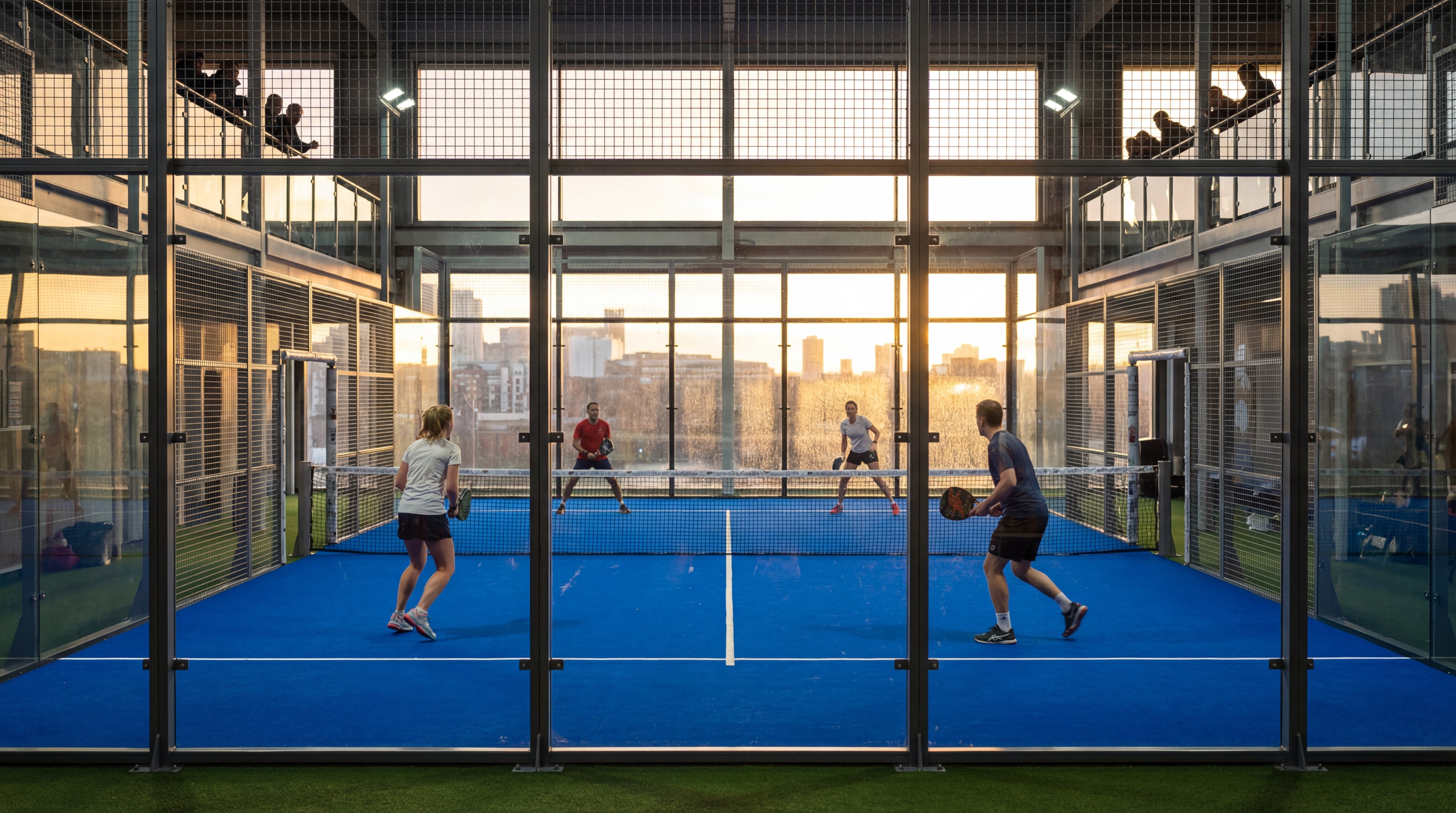
Understanding the anatomy of padel uk is the first step for any developer or player. The system relies on a structural synergy between the floor, the walls, and the metal mesh. You will notice that the court feels smaller and more intimate than other facilities.
Why the enclosure matters
The walls are not just boundaries; they are active participants in the game. Look: the ball remains in play after hitting the glass, which fundamentally changes how you move and think.
- High-grade tempered glass for safety.
- Electro-welded mesh for ball rebound.
- Integrated LED lighting systems.
- Heavy-duty galvanized steel pillars.
Key Takeaway: A successful build requires integrating high-quality materials that can withstand both heavy play and the variable British weather.
| Component | Material Standard | Purpose |
|---|---|---|
| Framework | Galvanized Steel | Structural Integrity |
| Walls | 10mm-12mm Tempered Glass | Active Play Rebound |
| Floor | Synthetic Turf + Silica Sand | Player Traction |
Reviewing the material specifications ensures that the facility meets international standards for professional play.
How does padel uk gameplay actually work?
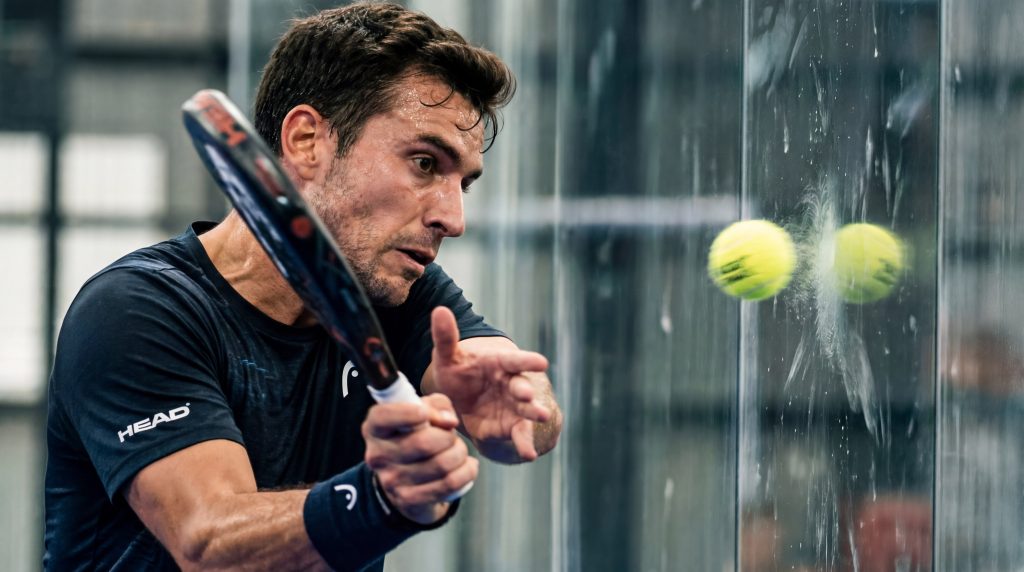
The game is almost always played in doubles, which enhances the social aspect significantly. You win points when the ball bounces twice on the opponent’s side or when they fail to return it within the rules. It is a game of angles rather than just speed.
Mastering the glass rebound
Wait, there is more: players can actually hit the ball against their own glass walls to get it over the net. This technicality adds a layer of depth that keeps you engaged for longer sessions.
- Use of the walls after the first bounce.
- Scoring system follows the traditional 15-30-40 pattern.
- Underarm serves below waist level.
- Maximum of one bounce on the turf.
Key Takeaway: The strategic use of the enclosure creates longer rallies and allows players of different skill levels to compete together.
| Rule Category | Specification | Impact |
|---|---|---|
| Player Count | Always 2 vs 2 | Increases Social Factor |
| Service | Underarm Only | Lower Barrier to Entry |
| Wall Play | Permitted After Bounce | Longer, Tactical Rallies |
Analyzing the gameplay mechanics reveals why this sport has such a high retention rate among recreational athletes.
Why is padel uk different from tennis?
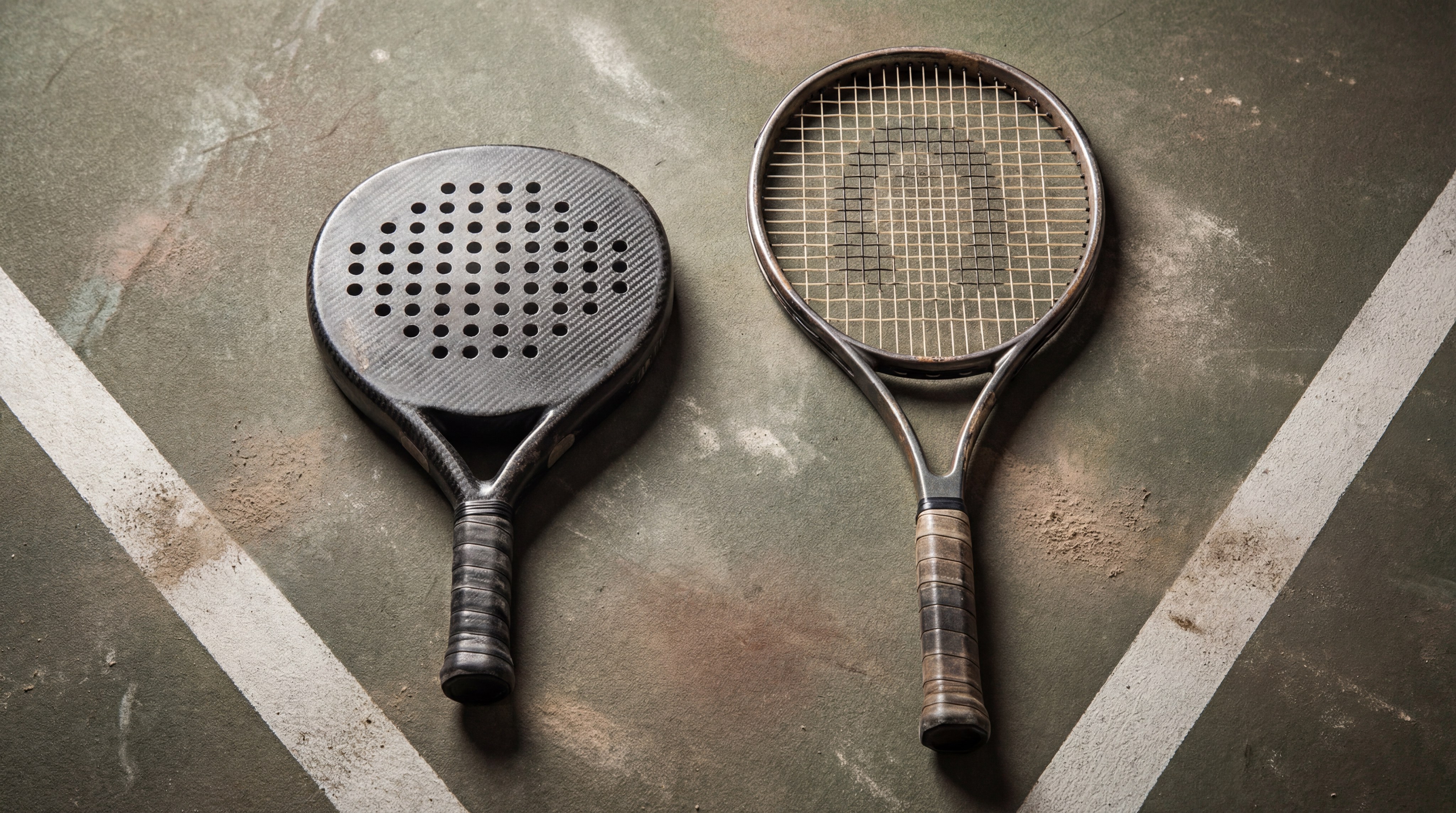
While they share a similar scoring system, padel uk is a completely different beast in terms of physics. The court is much smaller, measuring only 10 by 20 meters. You will find that the physical exertion is different, focusing on short bursts of movement.
Comparing technical equipment
The rackets used in this sport are solid and stringless, made from carbon fiber or fiberglass with perforated holes. Here is the bottom line: these “paddles” provide much more control for beginners than a long-strung racket.
- Shorter racket length for better control.
- Lower internal ball pressure.
- Synthetic turf surface instead of hard court.
- Enclosed environment vs open court.
Key Takeaway: The specialized equipment and smaller court size make the sport more accessible and easier to learn for the average person.
| Feature | Padel | Tennis |
|---|---|---|
| Court Size | 10m x 20m | 23.77m x 10.97m |
| Racket | Solid/Perforated | Strung |
| Walls | Active Play | Out of Bounds |
Identifying these technical differences helps in marketing the facility to local communities looking for something new.
Is padel uk similar to pickleball?
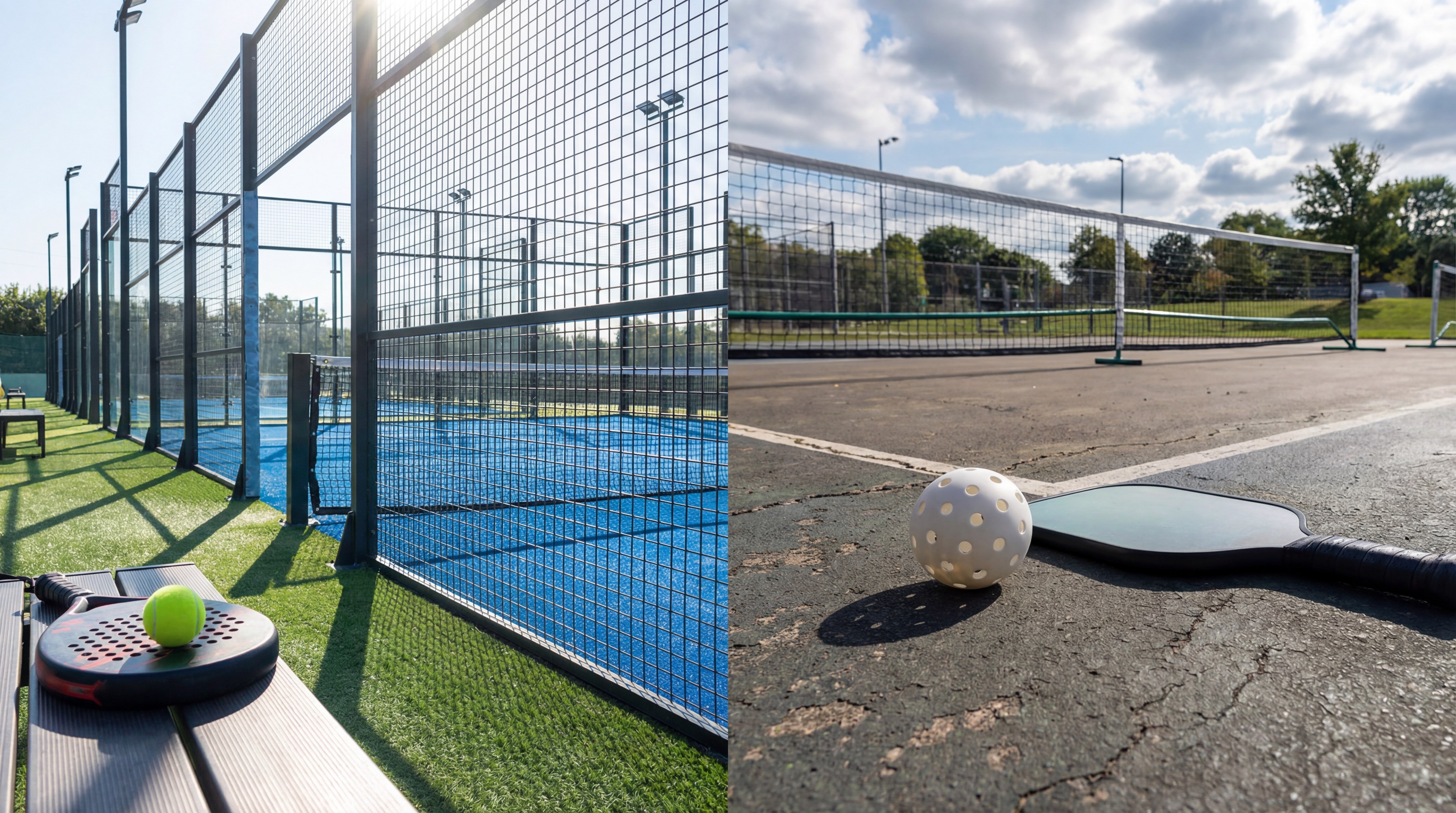
There is often confusion between these two rising sports, but they offer very different experiences. While both use paddles, the court surfaces and the presence of walls set them apart. You will notice that one feels more like an “enclosed arena” experience.
Differentiating the court surfaces
The surface for this sport is almost exclusively synthetic turf filled with silica sand. Look: this provides a softer landing for your joints compared to the hard acrylic surfaces typically used in other paddle sports.
- Glass and mesh walls are required.
- Synthetic turf vs hard court surface.
- Pressurized balls vs plastic “wiffle” balls.
- Professional-grade lighting requirements.
Key Takeaway: Investors should recognize that this sport requires more sophisticated infrastructure than simpler hard-court games.
| Criteria | Padel | Pickleball |
|---|---|---|
| Walls | Required (Glass/Mesh) | None |
| Ball | Pressurized Rubber | Perforated Plastic |
| Footprint | 200 Square Meters | 81 Square Meters |
Evaluating the infrastructure requirements is crucial for determining the initial capital expenditure of a project.
Where should you site a padel uk facility?
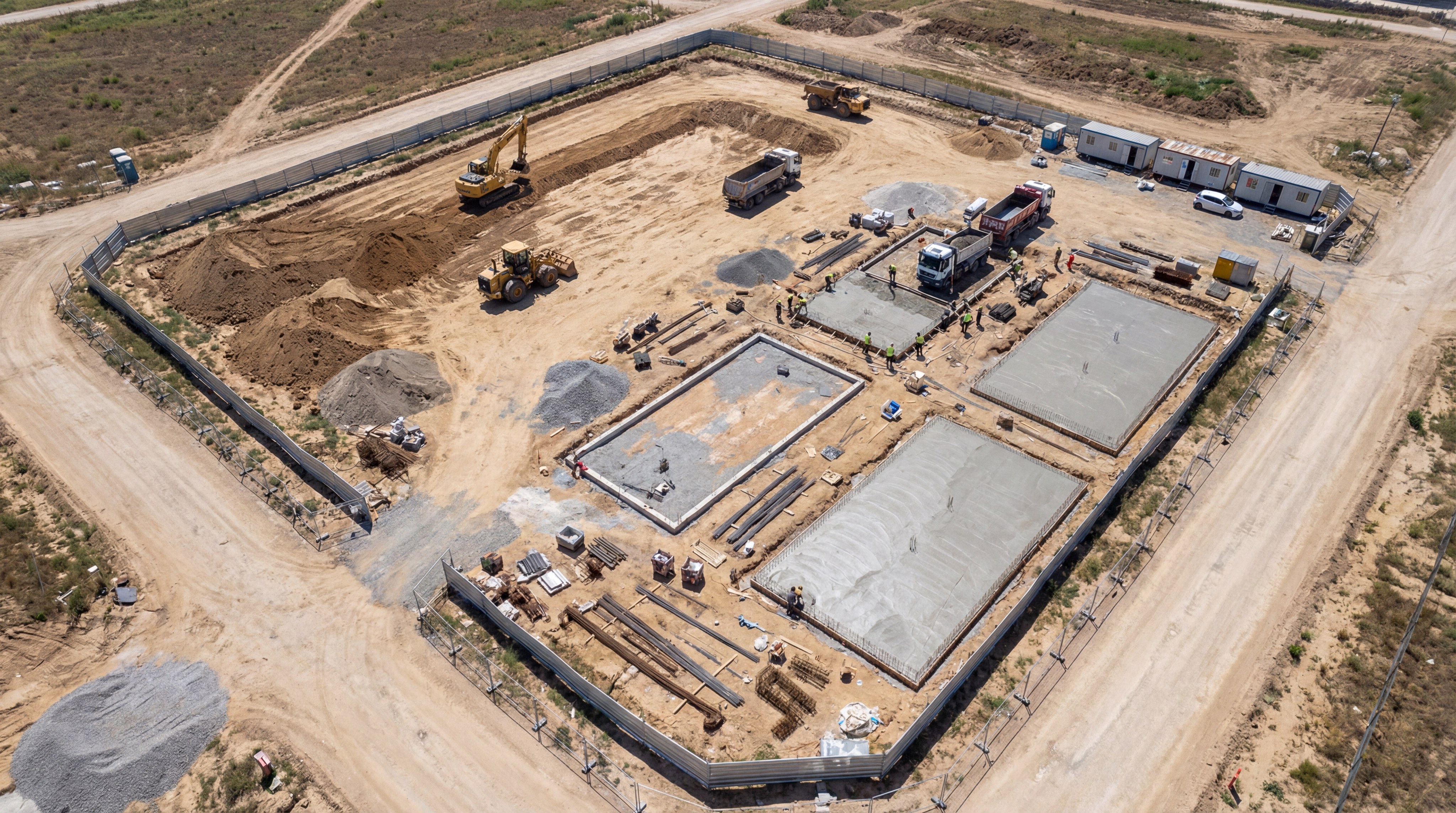
Selecting the right location for padel uk can determine its commercial success. You need to consider accessibility, ceiling heights for indoor builds, and proximity to urban hubs. Finding a site with existing parking and amenities is always a huge plus.
Planning permission in the United Kingdom is a vital step that you cannot skip. It gets better: many local councils are now more receptive to these projects because they promote community health and high player density.
- Minimum 6m to 8m ceiling clearance.
- Noise impact assessments for residents.
- Drainage requirements for outdoor sites.
- Soil stability and foundation surveys.
Key Takeaway: Securing a site with high visibility and proper zoning is the foundation of a high-yield sports business.
| Site Factor | Requirement | Reason |
|---|---|---|
| Height | 6m+ (Indoor) | Allow for Lob Shots |
| Drainage | Porous Concrete | Prevent Puddling |
| Access | Near Transport | Maximize Occupancy |
Checking local planning regulations early prevents costly delays during the construction phase.
What are the official padel uk dimensions?
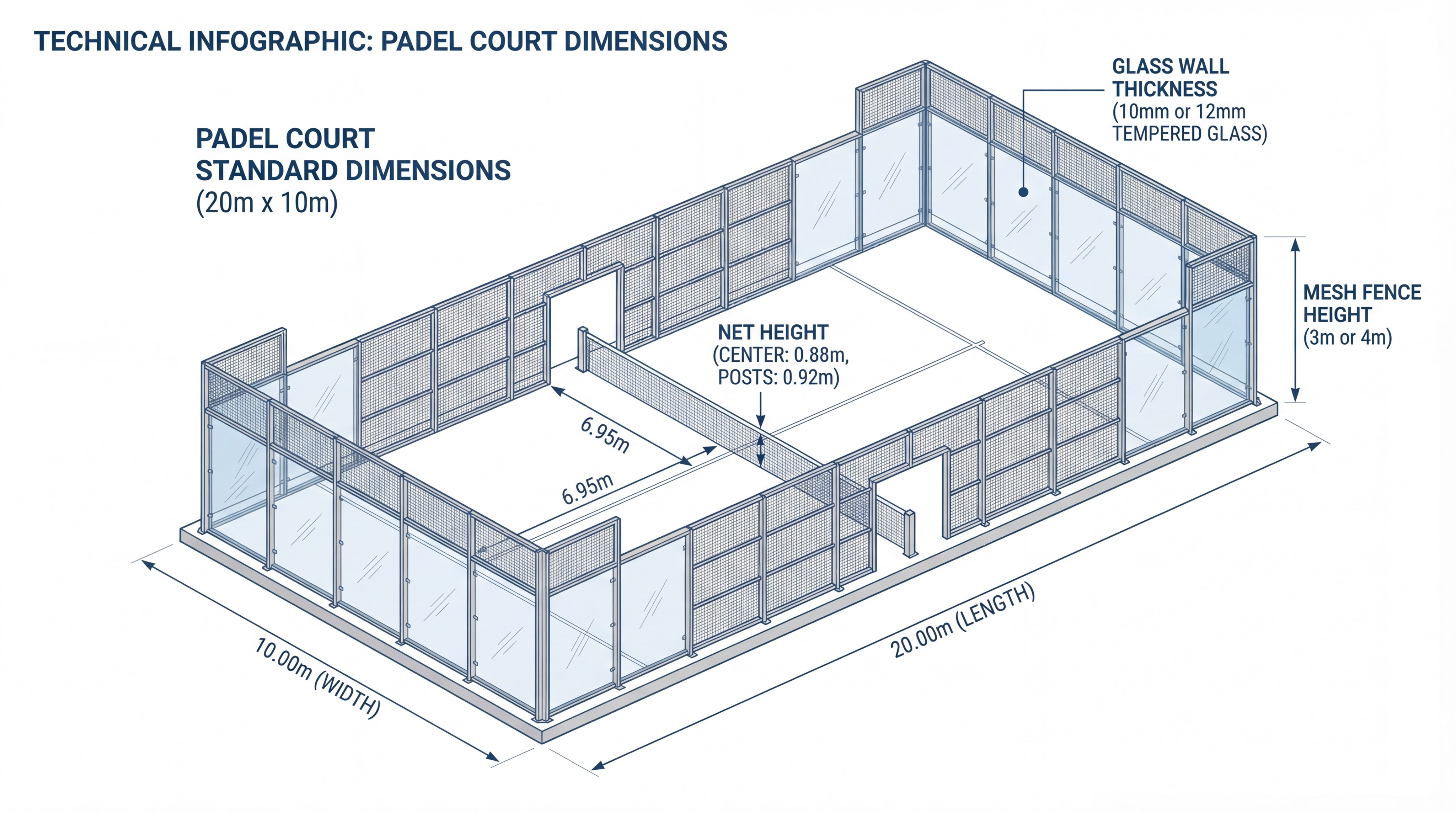
Adhering to the official technical dimensions is non-negotiable for professional certification. The court must be exactly 20 meters long and 10 meters wide, divided by a net in the center. You must ensure the glass walls are high enough to contain the action safely.
Adhering to technical standards
Every millimeter counts when you are installing the steel frame and glass panels. Here is the kicker: even a slight deviation can affect the way the ball bounces, which ruins the player experience.
- Net height of 88cm at the center.
- 3m high glass on the sides.
- 4m high glass at the back ends.
- Service lines 6.95m from the net.
Key Takeaway: Precision during the groundwork and framing stages ensures a professional-grade facility that attracts elite players.
| Dimension | Standard Value | Tolerance |
|---|---|---|
| Length | 20.00 Meters | +/- 0.1% |
| Width | 10.00 Meters | +/- 0.1% |
| Back Wall Height | 4.00 Meters | Strict |
Comparing your site plan against these official infographics is the best way to verify structural accuracy.
How do you select padel uk court frames?
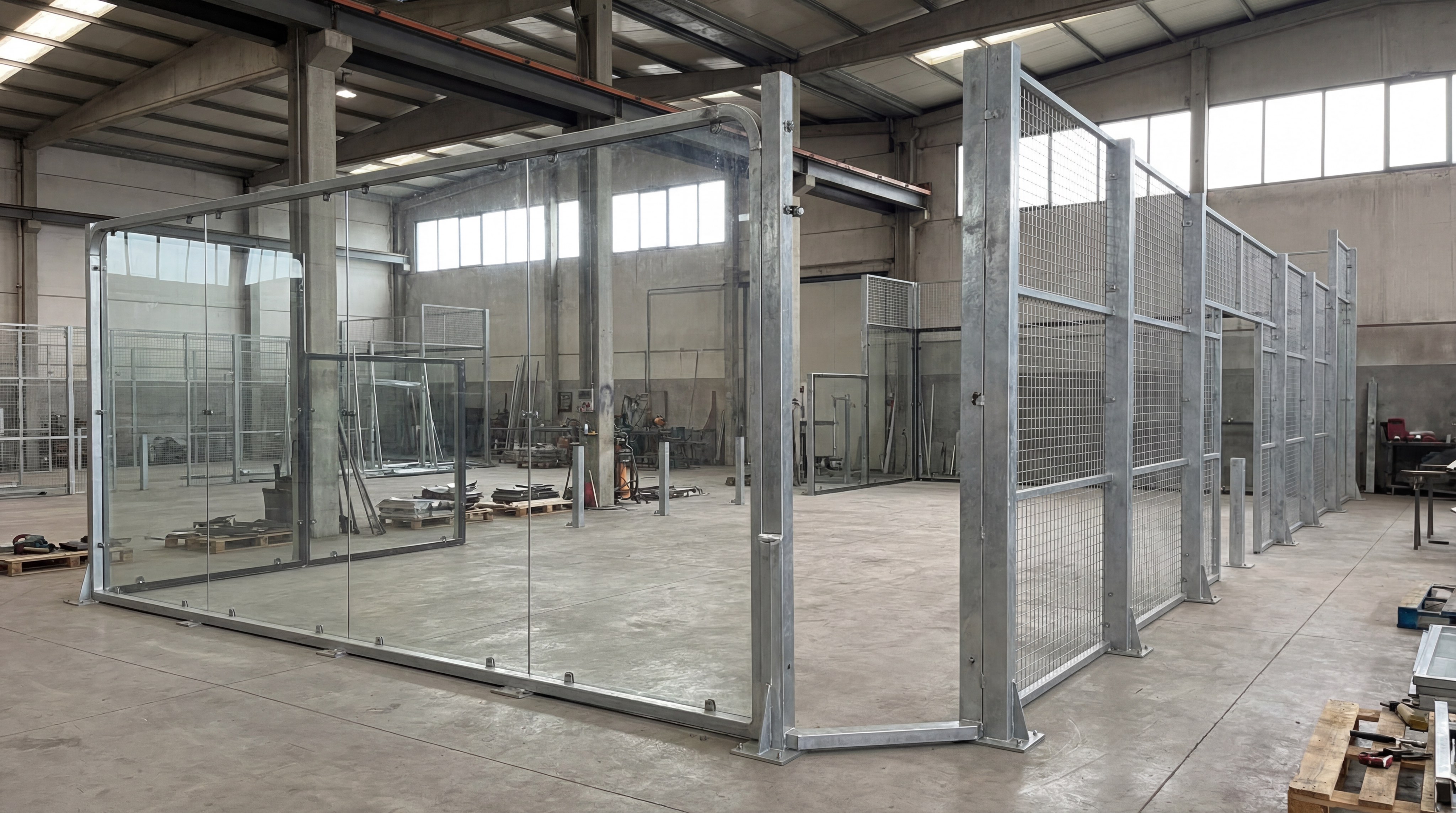
The frame is the skeleton of your padel uk facility and must be built to last. You should look for hot-dip galvanized steel to prevent rust in the damp British climate. A sturdy frame also reduces vibration when players collide with the walls.
Evaluating metal durability
The choice between panoramic frames and standard pillar frames will affect your budget and the spectator experience. Look: panoramic courts offer better views but require thicker glass and more robust engineering to maintain stability.
- Powder-coated finishes for aesthetics.
- Zinc-rich primers for corrosion resistance.
- Hidden bolt systems for safety.
- Modular designs for easier assembly.
Key Takeaway: Investing in a high-quality galvanized frame significantly reduces long-term maintenance costs and improves the court’s lifespan.
| Frame Type | Best For | Visual Impact |
|---|---|---|
| Standard | Club Play / Training | Moderate |
| Panoramic | Tournaments / TV | High |
| Super Panoramic | Premium Facilities | Elite |
Assessing the structural grade of the steel provides peace of mind regarding the safety and longevity of the build.
What glass is used for padel uk walls?
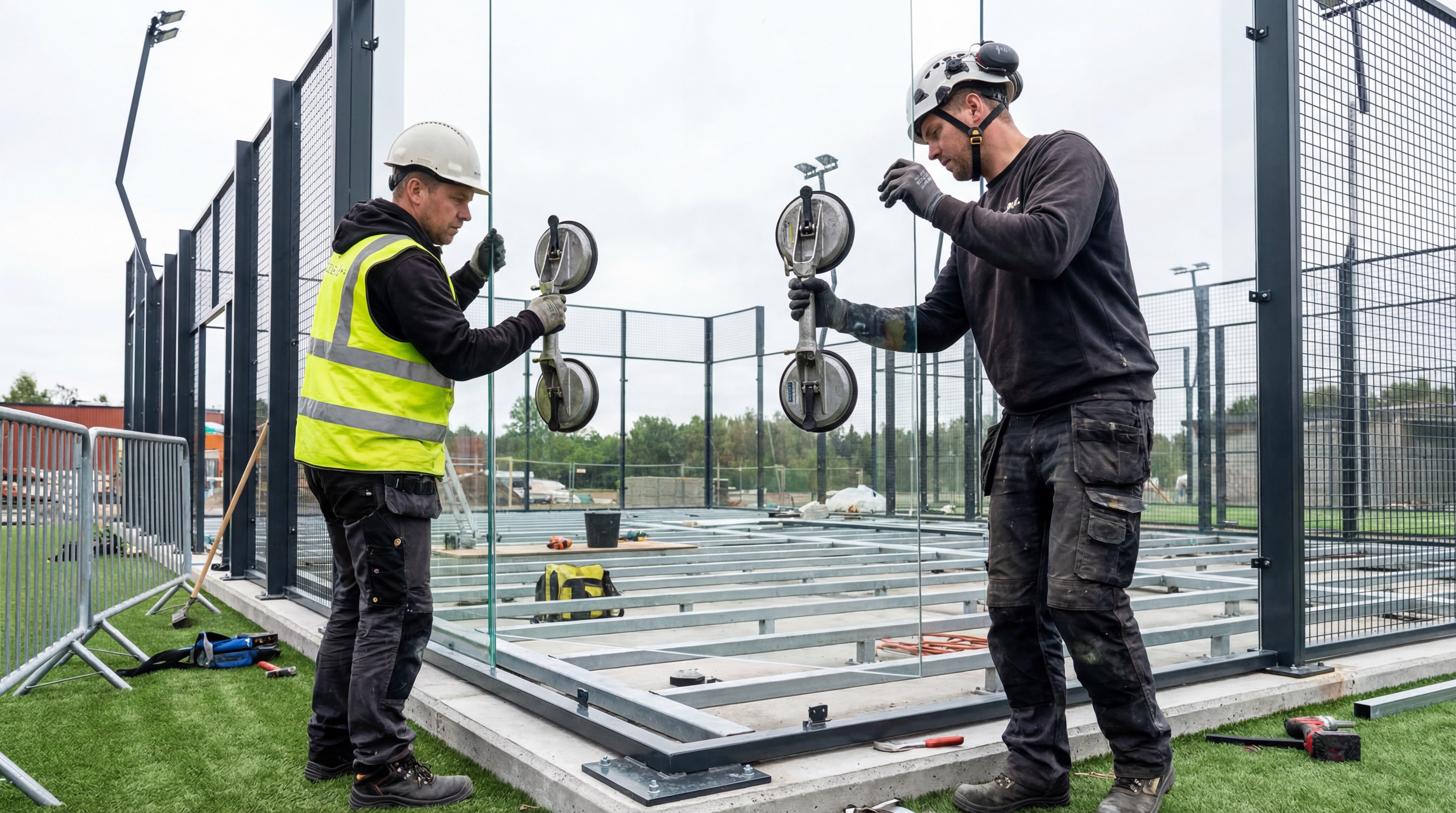
Glass is arguably the most critical component for both safety and performance. You must use tempered safety glass that can withstand high-velocity impacts from both balls and players. The thickness you choose will depend on the frame style and local wind loads.
Ensuring player safety standards
Standard courts typically use 10mm glass, while premium or panoramic models often require 12mm. Here is the bottom line: the glass must be perfectly aligned with the turf to ensure the ball doesn’t take “dead” bounces at the edges.
- 10mm or 12mm thickness options.
- Polished edges to prevent injury.
- Countersunk holes for flush mounting.
- Certified to European safety standards.
Key Takeaway: Quality glass installation is the difference between a court that feels “pro” and one that feels like a backyard project.
| Glass Thickness | Application | Benefit |
|---|---|---|
| 10mm | Standard Indoor | Lightweight / Cost |
| 12mm | Panoramic / Outdoor | Durability / Stability |
| Tempered | All Models | Safety / Break Resistance |
Testing the rebound consistency across the glass panels is a vital part of the final quality control process.
How to perform padel uk court maintenance?
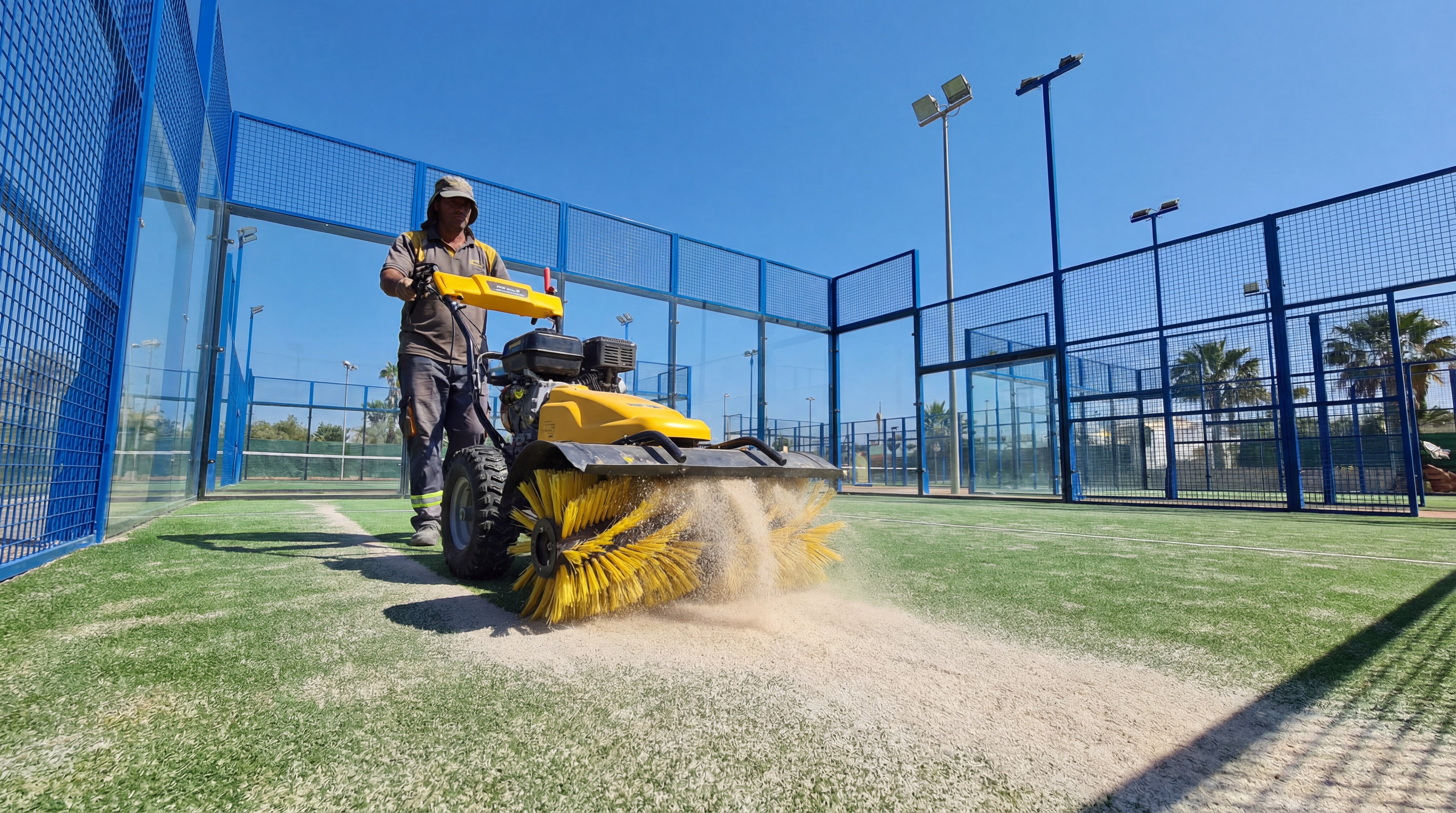
To keep your padel uk court in top condition, you need a regular maintenance schedule. You will find that the synthetic turf requires the most attention, specifically regarding the distribution of silica sand. Without sand, the turf wears out prematurely and becomes slippery.
Managing the synthetic turf
Sand redistribution should be done weekly to prevent “clumping” and bald spots. It gets better: using a specialized brushing machine can save you hours of manual labor while ensuring a perfectly even playing surface.
- Weekly brushing of silica sand.
- Monthly glass cleaning for visibility.
- Quarterly checks of net tension.
- Annual inspection of frame bolts.
Key Takeaway: Proactive maintenance can extend the life of your synthetic turf by several years and prevent player injuries.
| Task | Frequency | Focus |
|---|---|---|
| Brushing | Weekly | Sand Distribution |
| Cleaning | Monthly | Glass Clarity |
| Tightening | Every 6 Months | Structural Safety |
Following a maintenance log helps facility managers track the health of their assets and plan for future upgrades.
What is the future for padel uk growth?
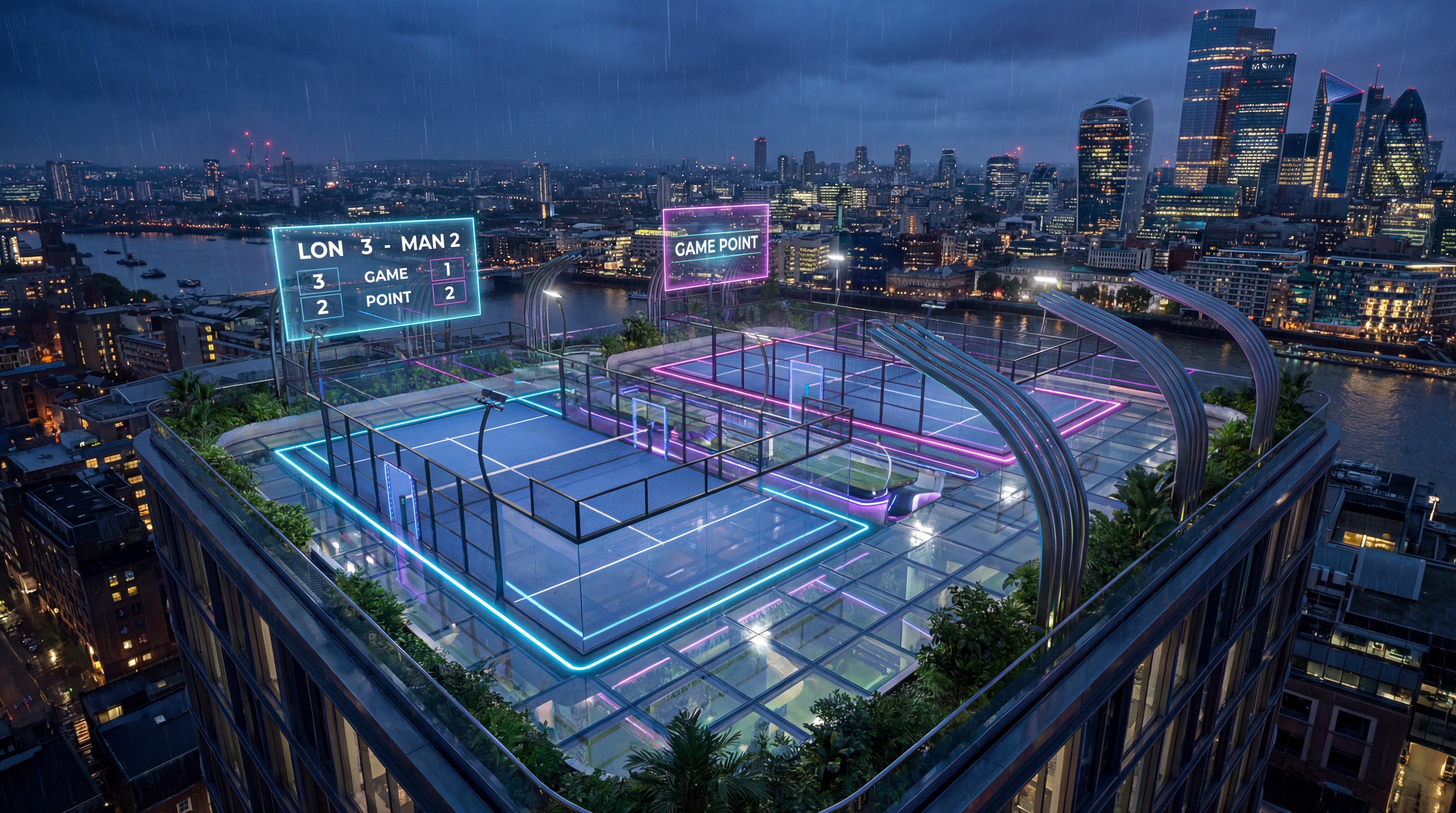
The trajectory for the sport in the United Kingdom is vertical, with new clubs opening every month. You are seeing a move toward “destination” hubs that combine sport with high-end food and beverage options. This multi-revenue model makes the sport incredibly attractive to commercial developers.
Scaling the club model
The integration of technology, like automated booking and video highlight captures, is the next big step. Look: players love seeing their best shots on social media, which provides free marketing for your facility.
- Multi-court “hub” designs.
- Integration of pro-shops and cafes.
- Corporate membership programs.
- Automated tournament management.
Key Takeaway: The future of the sport lies in creating a lifestyle brand around the court, rather than just providing a place to play.
| Trend | Impact | Target Demographic |
|---|---|---|
| Rooftop Hubs | Urban Space Usage | Young Professionals |
| Smart Courts | Social Media Sharing | Gen Z / Millennials |
| Luxury Amenities | Higher Retention | Corporate / Premium |
Analyzing these market trends allows investors to stay ahead of the curve and build facilities that stand the test of time.
*
Frequently Asked Questions
Can I build a court in my garden?
Yes, provided you have the space and relevant planning permission. You will need to consider noise levels and light spill to remain a good neighbor.
What’s the best way to choose a contractor?
You should look for specialists who have a proven track record in the UK market. Ensure they use galvanized steel and certified safety glass to meet local standards.
Can I play padel in the rain?
You can, but the ball and the glass become very slippery. It is best to wait for the turf to drain, or consider building a canopy for year-round play.
What’s the best surface for a new club?
Textured synthetic turf is the current gold standard. It offers the best balance of player comfort, ball bounce consistency, and drainage efficiency.
Can I convert a tennis court into padel?
Absolutely, and it is a very efficient use of space. You can typically fit two to three padel courts into the footprint of one full-sized tennis court.
Ready to start your own project? To ensure your facility is built to the highest professional standards, contact us today and let our expert team guide you from the first foundation pour to the final match.