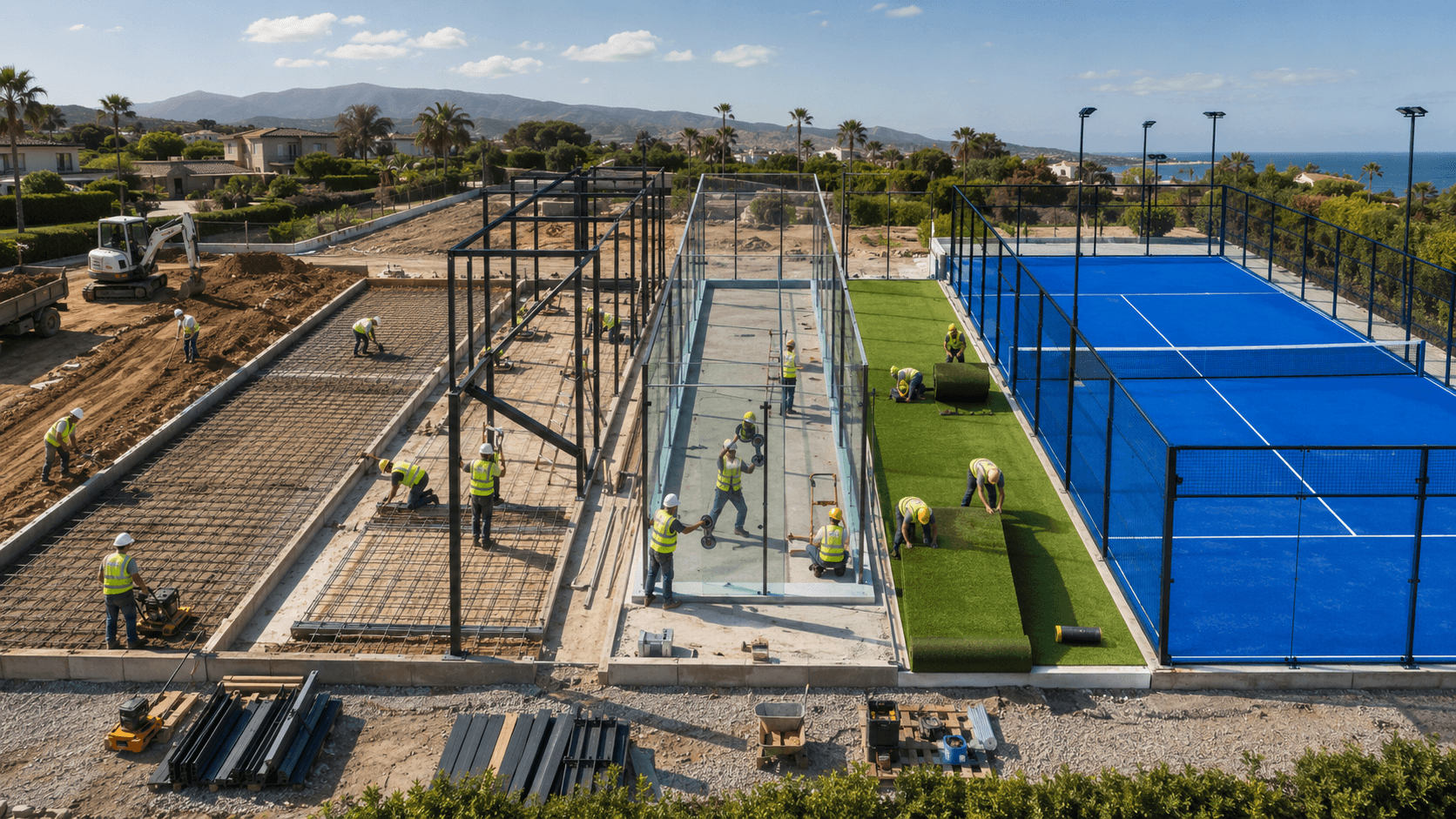
Building a professional padel deporte court requires precise engineering, high-quality materials like tempered glass, and a reinforced concrete foundation. Many facility owners dive into construction without a technical blueprint, only to see their investment crack under the sun. A low-quality court doesn’t just give a bad bounce; it ruins your reputation and drains your maintenance budget faster than a pro smash. By following this elite guide, you will master the art of padel deporte construction to create a world-class venue.
What is the first step in padel deporte planning?
The first step is conducting a site assessment to ensure you have the required 20×10 meter footprint for your padel deporte court.
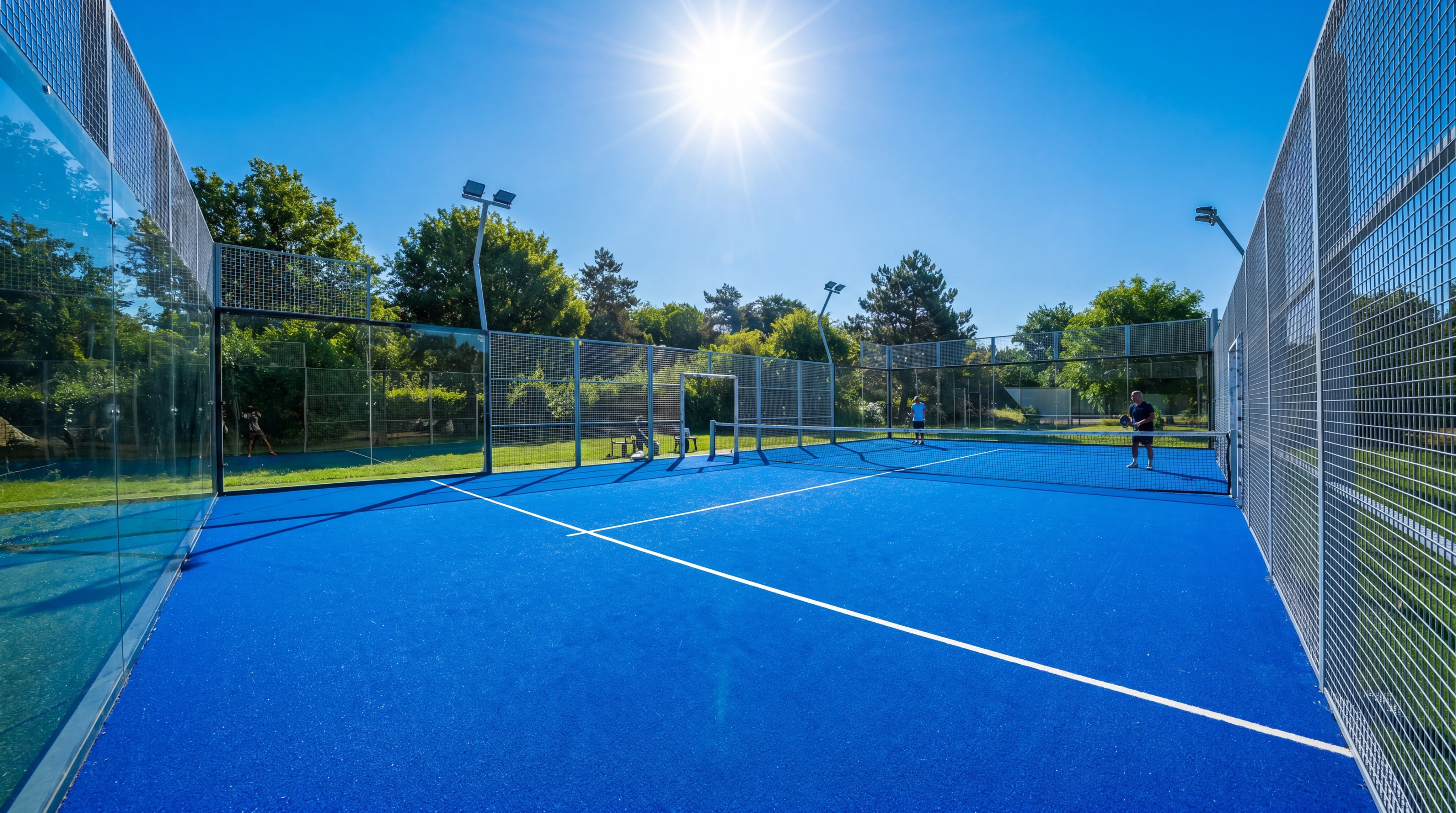
Why is orientation critical?
You need to position your court north-to-south to prevent players from being blinded by the rising or setting sun. This simple tactical move ensures that gameplay remains fair and competitive throughout the day.
Think about it:
- Avoiding direct sun glare improves player safety.
- North-south orientation is the international standard for pro play.
- It maximizes the usage hours of your facility.
How much space do you really need?
Beyond the internal playing area, you must account for a safety perimeter of at least 2 meters around the structure. This allows for spectator flow and ensures players can exit the side gates to return balls that bounce out of the court.
Here is the kicker:
- Total footprint should be roughly 24×12 meters.
- Clear height must be at least 6 meters, though 8 meters is preferred.
- Accessibility for construction machinery is often overlooked.
Key Takeaway: Successful planning hinges on the 20x10m core dimension while respecting orientation and perimeter safety zones.
| Planning Element | Specification | Importance |
|---|---|---|
| Playing Area | 20m x 10m | Global Standard |
| Orientation | North-South | Visual Comfort |
| Safety Buffer | 2m Perimeter | Player Movement |
Proper spatial analysis prevents costly redesigns and ensures your facility meets professional tournament requirements from day one.
How do you prepare the padel deporte foundation?
You must lay a reinforced concrete slab with a slight slope to ensure proper drainage for your padel deporte facility.
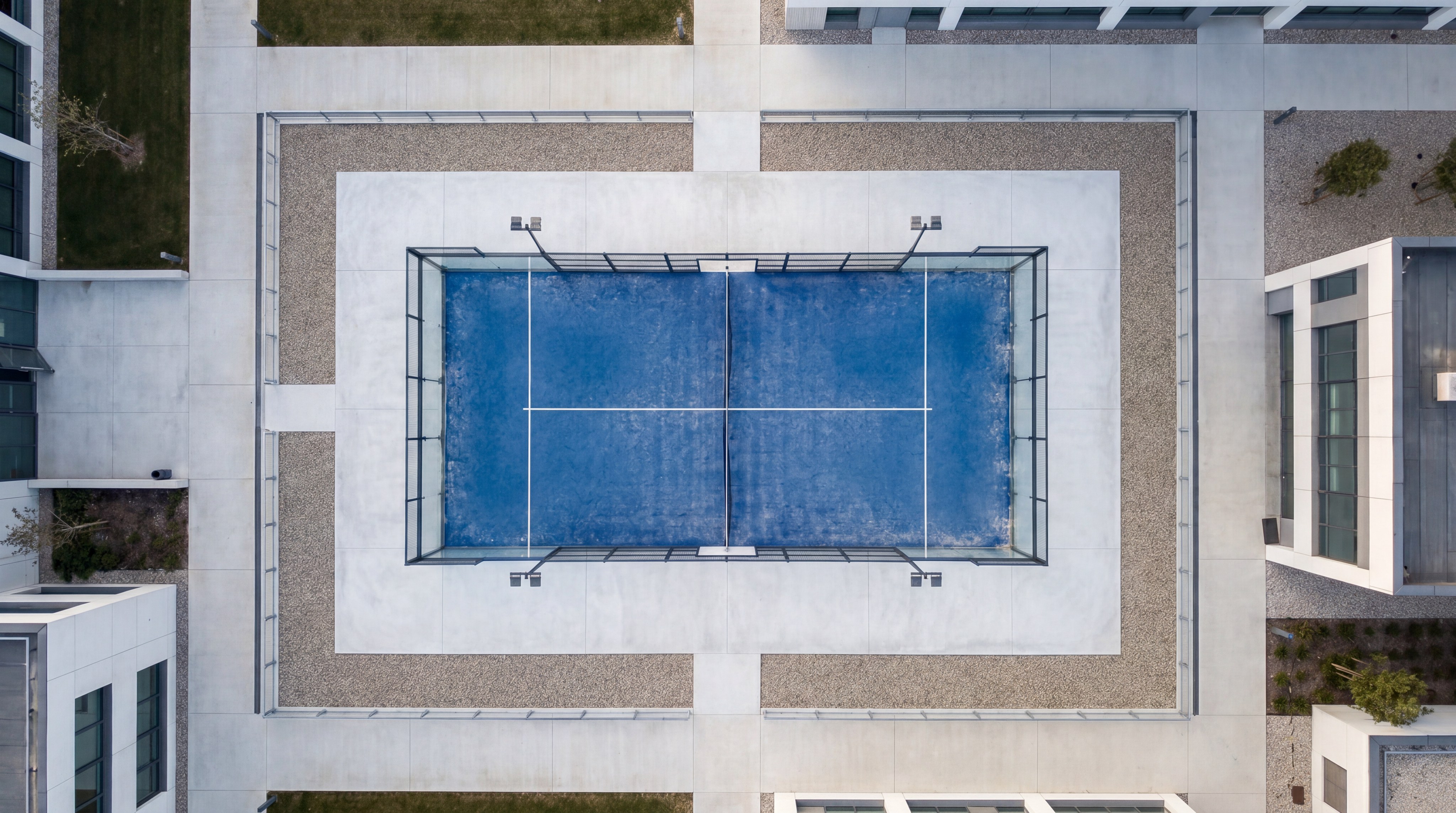
Choosing the right concrete grade
A 15cm to 25cm reinforced concrete slab provides the structural bedrock needed to support heavy steel posts and glass walls. Using high-quality rebar ensures the foundation resists shifting and cracking over decades of use.
Look:
- Porous concrete allows for direct vertical drainage.
- Non-porous slabs require a precise surface slope.
- Stability is the enemy of the “dead bounce.”
Managing drainage and slopes
To prevent water from pooling on the turf, you need a slope of 0.5% to 1% directed away from the center. This keeps the playing surface dry and prevents the synthetic grass fibers from degrading due to moisture trapped in the silica sand.
The best part?
- Proper drainage extends the life of your synthetic turf.
- It allows for play to resume immediately after rainfall.
- Standardized slopes maintain consistent ball physics.
Key Takeaway: A reinforced concrete base with integrated drainage is the only way to support the weight of a professional enclosure safely.
| Foundation Layer | Thickness/Slope | Material Type |
|---|---|---|
| Concrete Slab | 15cm – 25cm | Reinforced HA-25 |
| Surface Slope | 0.5% – 1.0% | Multi-directional |
| Perimeter Beam | 30cm Wide | High-Strength Concrete |
The foundation’s precision directly dictates the level of play, as even a minor dip can ruin the integrity of the match.
What dimensions define a padel deporte court?
A standard padel deporte court measures exactly 20 meters in length and 10 meters in width, divided by a central net.
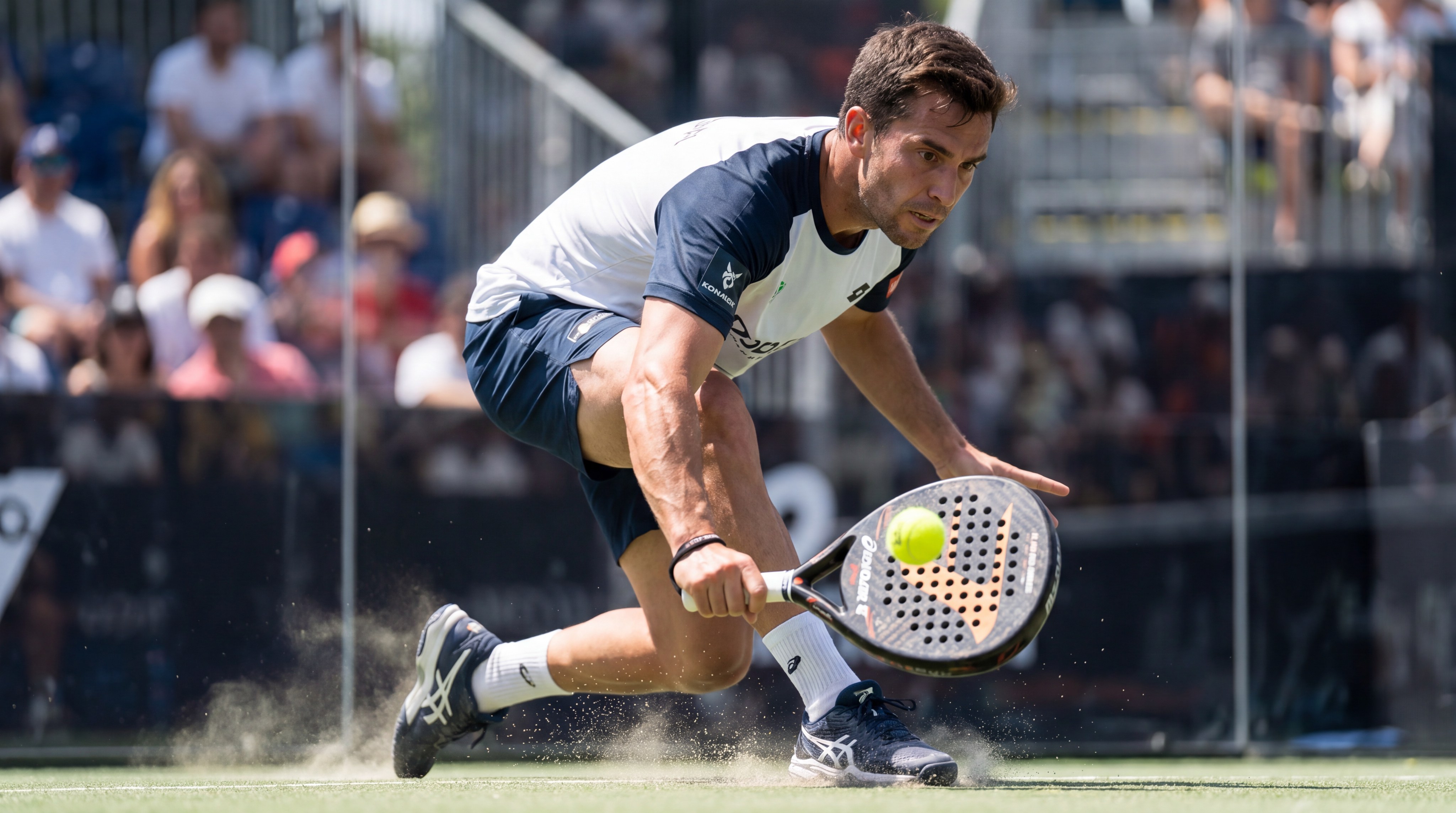
Net height and post placement
The net must be 10 meters long, standing 88 centimeters high at the center and 92 centimeters at the end posts. Precision here is non-negotiable, as even a centimeter’s difference can alter the trajectory of a low-flying volley.
But wait, there’s more:
- Net tension should be adjustable to prevent sagging.
- Posts must be rounded or protected to prevent player injury.
- High-visibility colors help players track the net line.
Safety zones and clearances
Professional rules allow players to sprint out of the court to save a ball, which means the side openings must be free of obstacles. These “out-of-court” plays are what make the sport so dynamic and exciting for spectators.
Think about it:
- Side gates must be at least 0.82 meters wide.
- Clearances must extend 2 meters laterally.
- Overhead obstacles like tree branches must be cleared to 6m+.
Key Takeaway: Dimensional accuracy to the millimeter ensures your court is eligible for international federation certifications and high-stakes matches.
| Component | Standard Dimension | Margin of Error |
|---|---|---|
| Internal Length | 20.00 Meters | +/- 10mm |
| Internal Width | 10.00 Meters | +/- 5mm |
| Net Center Height | 0.88 Meters | +/- 1mm |
Adhering to these strict measurements guarantees that players trained on your court will experience identical conditions in any global tournament.
How to install the padel deporte steel structure?
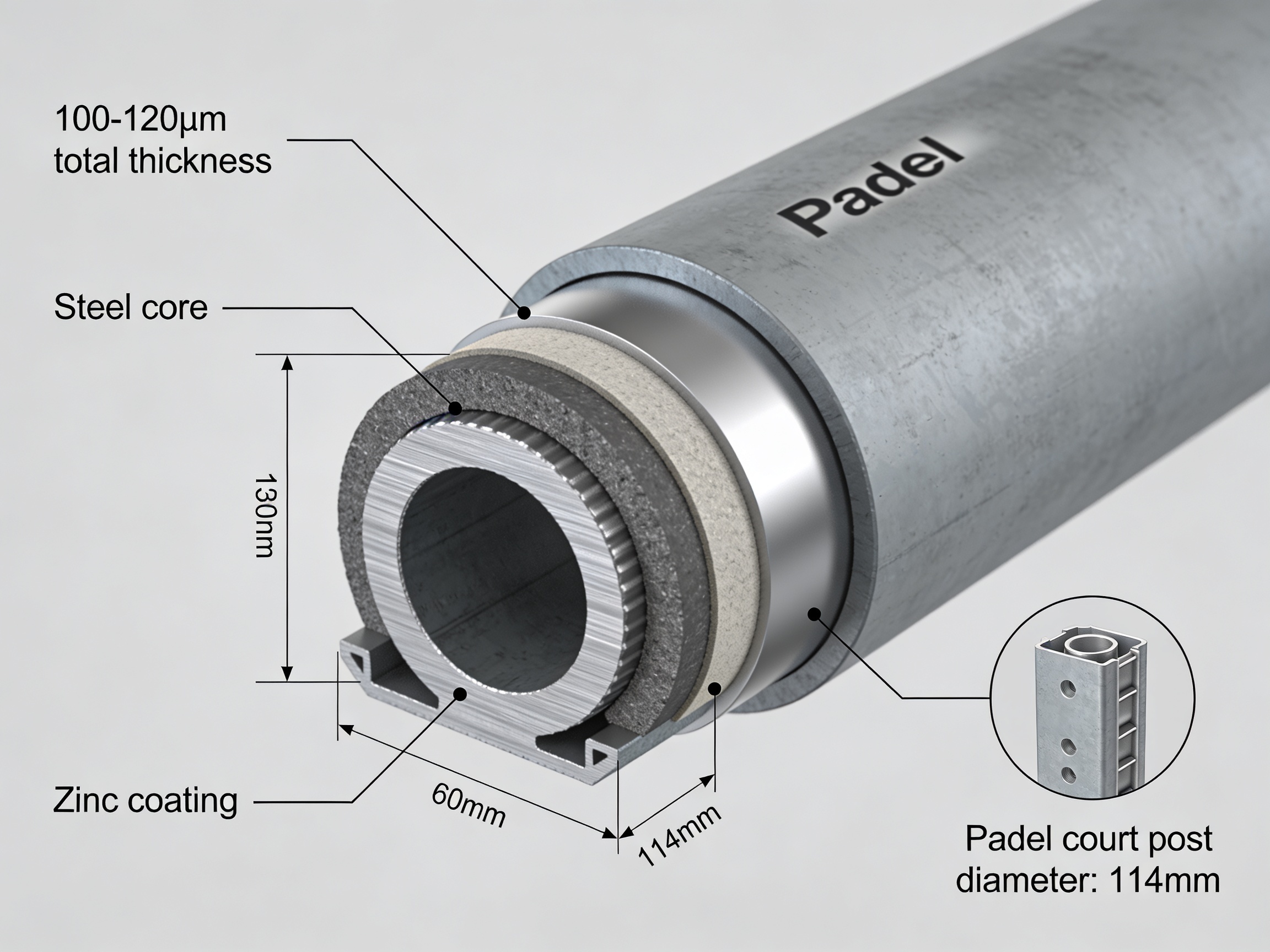
Installing the hot-dip galvanized steel frame provides the necessary structural integrity for a high-performance padel deporte environment.
Why use galvanized steel?
Hot-dip galvanization creates a zinc coating of 100-120μm, which acts as a shield against rust and atmospheric corrosion. This is especially vital for outdoor facilities near coastal areas where salt air can destroy untreated metal in months.
Here is the kicker:
- Galvanized steel offers a 20-year design life.
- It resists mechanical damage from racquet strikes.
- The finish provides a professional, industrial aesthetic.
Modular vs. welded frames
You should opt for modular designs that use stainless steel fasteners for assembly rather than on-site welding. Modular structures are easier to transport, faster to install, and allow for individual part replacement if damage occurs.
Look:
- Modular frames reduce installation time by 40%.
- Stainless steel bolts prevent rust at the joints.
- Precision manufacturing ensures all holes align perfectly.
Key Takeaway: A 100μm+ galvanized coating on a modular steel frame is the industry benchmark for durability and long-term ROI.
| Structural Feature | Specification | User Benefit |
|---|---|---|
| Steel Type | Hot-dip Galvanized | 20+ Year Lifespan |
| Coating Thickness | 100 – 120 μm | Corrosion Resistance |
| Assembly | Modular Bolt-on | Fast Installation |
Investing in a high-grade steel structure eliminates the need for expensive structural repairs and repainting every few seasons.
Why is glass quality vital for padel deporte?
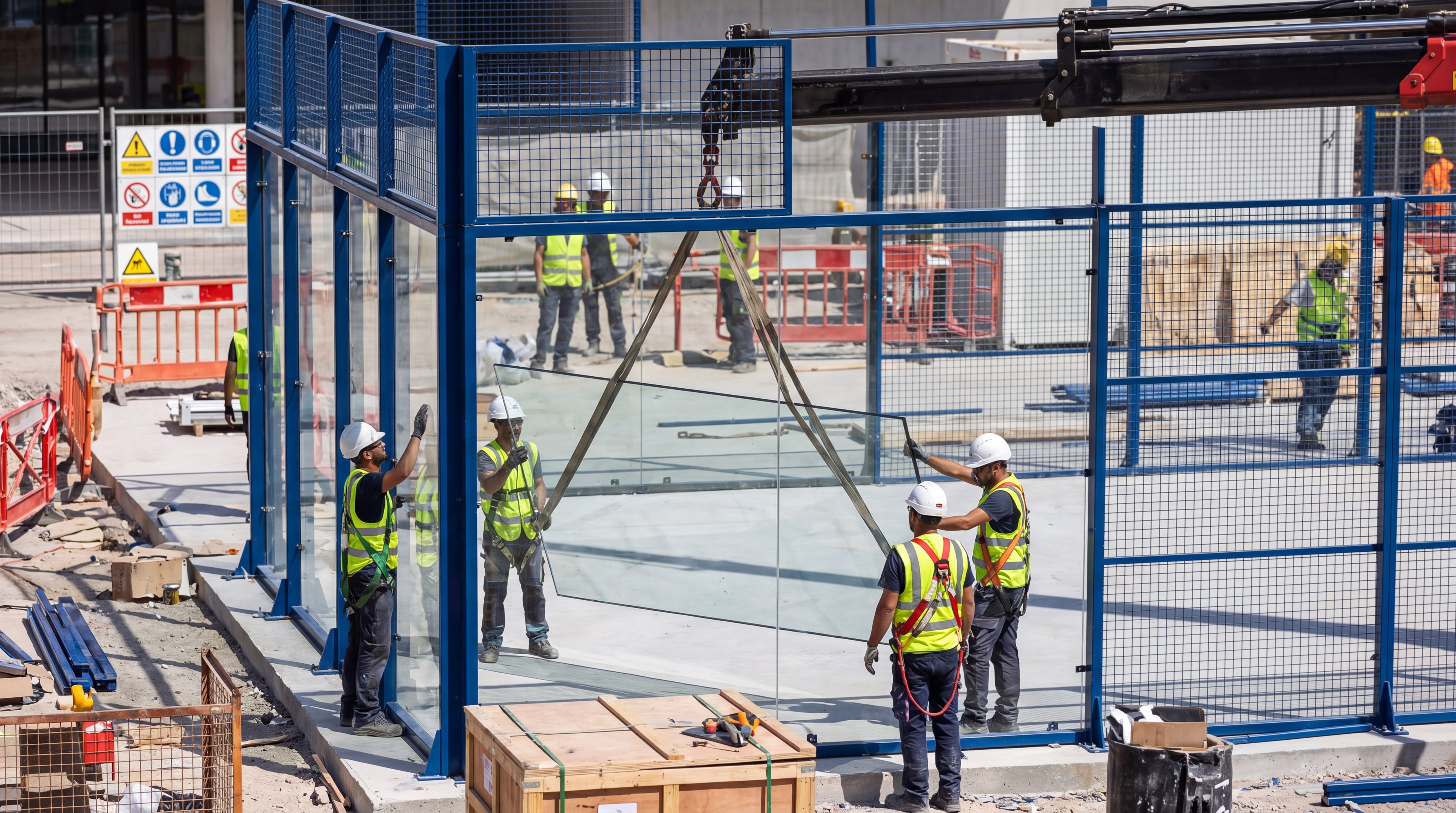
High-quality 12mm tempered glass is essential to withstand the high-velocity impacts of a professional padel deporte match.
Understanding safety standards
Your glass must comply with EN 12150 standards, ensuring it is “anti-explosion” tempered safety glass. If a panel does break under extreme stress, it shatters into tiny, blunt pieces rather than dangerous jagged shards.
The best part?
- 12mm glass provides a superior, consistent rebound.
- Tempered panels are 5x stronger than regular glass.
- Transparency allows for perfect spectator visibility.
Fastening systems and stability
The glass panels are mounted to the steel frame using specialized EPDM rubber gaskets and stainless steel fasteners. These components absorb vibration and allow the glass to flex slightly upon impact without cracking.
Think about it:
- Gaskets prevent direct metal-on-glass contact.
- Uniform torque on bolts prevents stress points.
- 18 panels are typically used for a standard court.
Key Takeaway: 12mm EN 12150 certified tempered glass is the only safe and professional choice for high-traffic sports clubs.
| Glass Property | Standard | Purpose |
|---|---|---|
| Thickness | 12mm | Bounce Integrity |
| Safety Rating | EN 12150 | Anti-Explosion |
| Mounting | EPDM Gaskets | Shock Absorption |
Superior glass not only ensures player safety but also elevates the luxury feel of your facility, justifying premium rental rates.
Which turf is best for your padel deporte court?
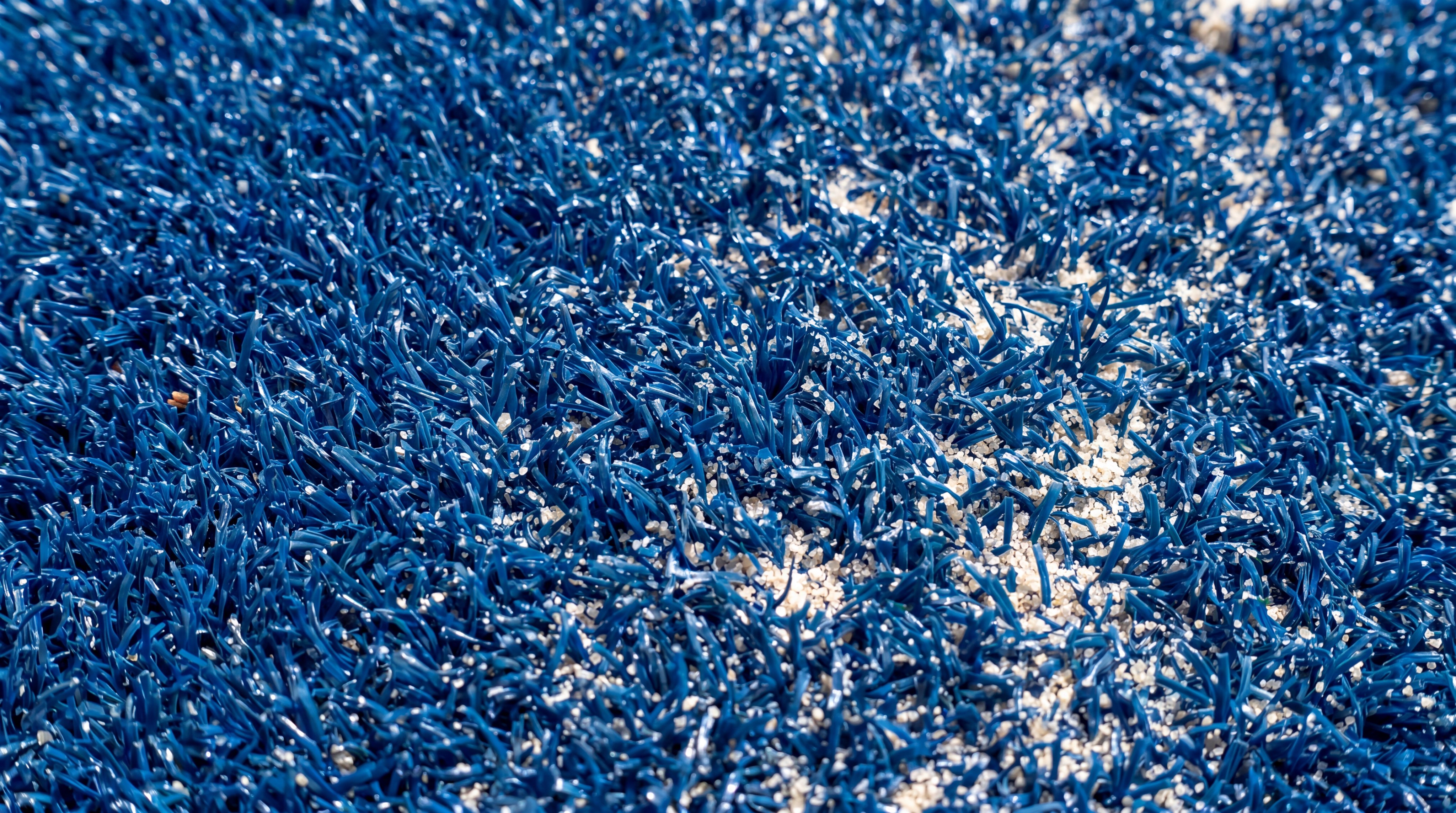
You should select a high-density, monofilament synthetic grass to ensure a consistent ball bounce on your padel deporte surface.
Fibrillated vs. Monofilament
Monofilament turf is the top-tier choice for professionals because the individual blades stand upright, offering better “grip” and a more predictable slide. Fibrillated turf is more cost-effective but tends to flatten faster under heavy daily usage.
Here is the kicker:
- Monofilament fibers recover their shape after a match.
- Blue is the preferred color for televised matches.
- High-density stitching prevents the carpet from wrinkling.
Silica sand distribution secrets
The key to a pro-level surface is the application of kiln-dried silica sand, which weighs down the turf and allows players to slide safely. You must distribute the sand evenly so that only the tips of the grass blades are visible.
Look:
- 10kg to 15kg of sand per square meter is standard.
- Even distribution prevents “dead spots” in the bounce.
- Regular brushing keeps the sand from compacting.
Key Takeaway: High-density monofilament grass paired with professional sand infill maximizes player performance and minimizes injury risk.
| Turf Metric | Monofilament Standard | Fibrillated Standard |
|---|---|---|
| Fiber Height | 12mm – 15mm | 12mm – 15mm |
| Durability | High (Professional) | Medium (Club) |
| Maintenance | Sand brushing required | Sand brushing required |
The surface is the most interacted-with component of the court, making it the one area where you should never compromise on quality.
How to optimize padel deporte court lighting?
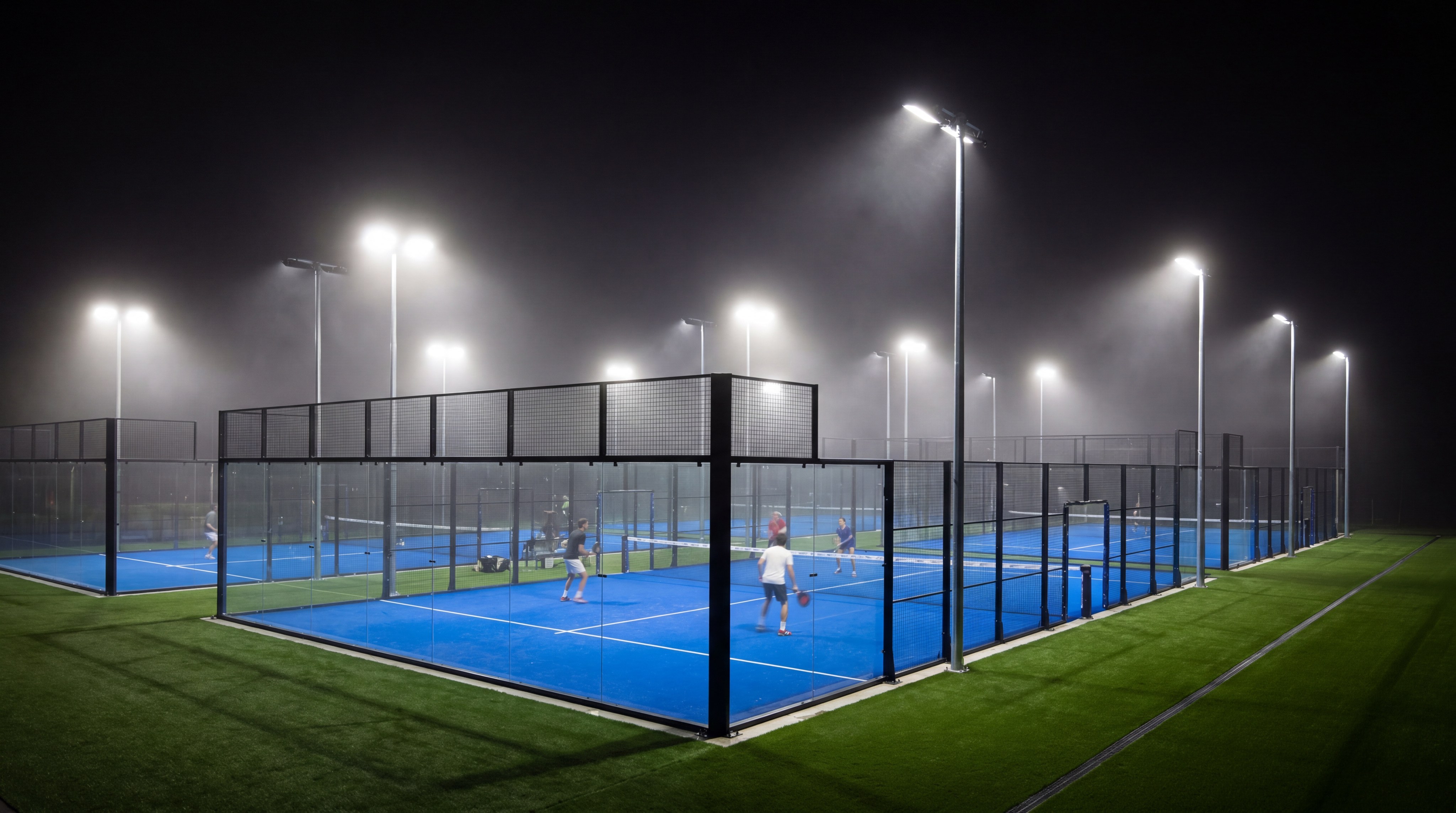
Achieving uniform, flicker-free illumination requires at least eight high-efficiency LED floodlights surrounding the padel deporte playing area.
Lumens and glare reduction
You need at least 300 to 500 lux for social play, but professional tournaments demand over 750 lux. Using asymmetrical lenses on your LEDs directs light onto the court while preventing glare from blinding players looking up for a lob.
But wait, there’s more:
- LEDs reach full brightness instantly.
- flicker-free tech is required for slow-motion replays.
- 200W or 300W modules are the standard power choice.
Weatherproofing for outdoor play
Outdoor lighting must have an IP66 or IP67 waterproof rating to survive heavy rain and dust. Professional LED housings are made from die-cast aluminum to dissipate heat efficiently, extending the internal driver’s lifespan.
Think about it:
- Aluminum housings prevent coastal corrosion.
- Impact-resistant lenses survive accidental ball strikes.
- Energy savings can be up to 60% over metal halide.
Key Takeaway: Eight 200W IP66 LED floodlights provide the uniform, glare-free environment necessary for high-stakes night matches.
| Lighting Feature | Pro Specification | Advantage |
|---|---|---|
| Illuminance | 500 – 750 Lux | TV-Ready Visibility |
| Waterproofing | IP66 Rated | All-Weather Use |
| Power Output | 8 x 200W | Balanced Distribution |
Superior lighting expands your operating hours into the night, significantly boosting the revenue potential of your facility.
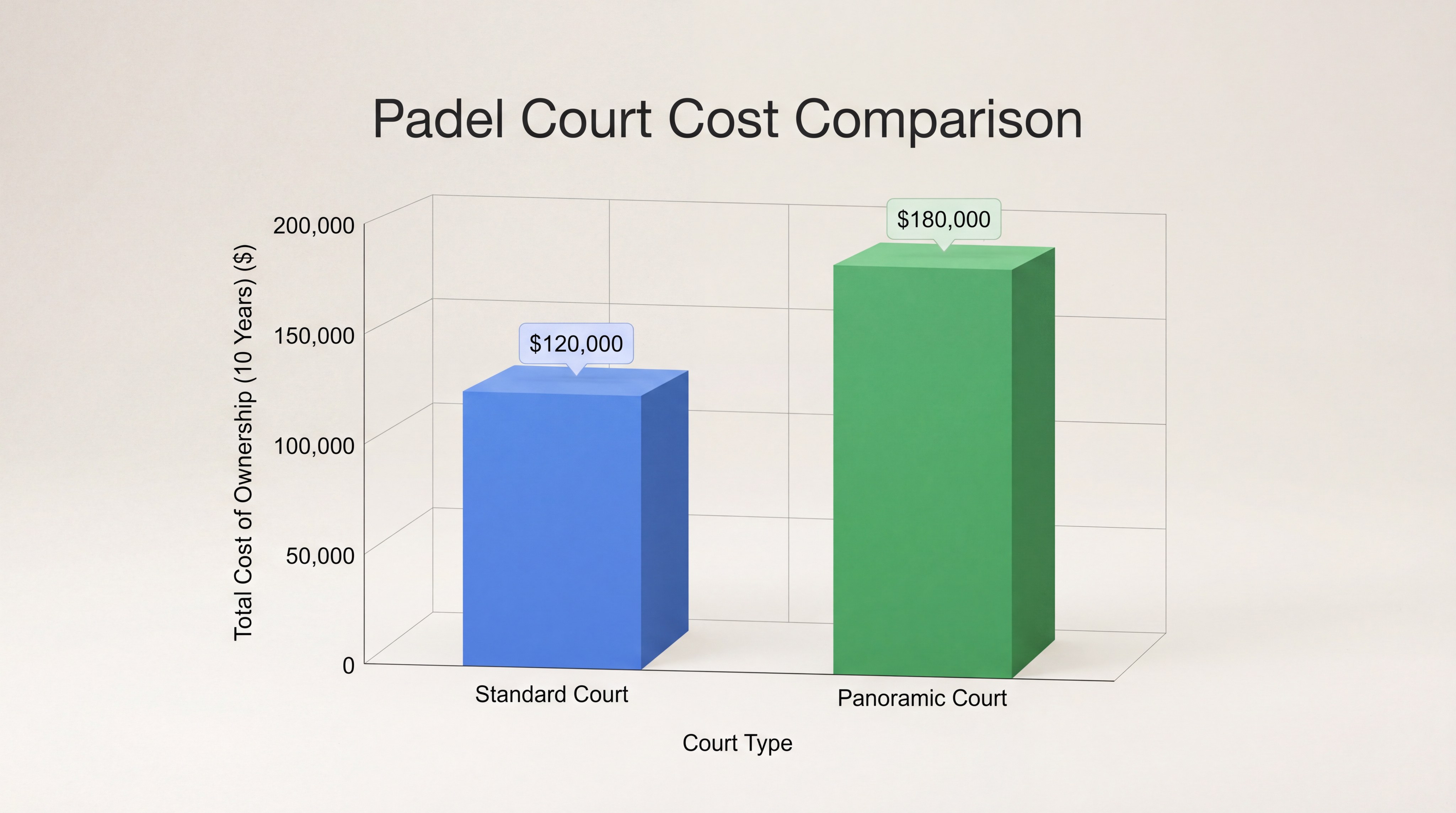
What are the costs for a padel deporte project?
The total investment for a padel deporte court varies based on whether you choose a standard or panoramic design.
Initial procurement vs. long-term value
A standard court is the most cost-efficient for high-traffic public clubs, while a panoramic model offers a premium aesthetic for luxury resorts. Buying direct from a manufacturer can save you up to 30% by cutting out distributors.
Here is the kicker:
- Standard courts have lower initial hardware costs.
- Panoramic courts justify 20-30% higher rental fees.
- Manufacturing lead times affect your project timeline.
Maintenance and ROI projections
Maintenance costs are relatively low if you use high-quality materials from the start. A typical court pays for itself within 18 to 24 months, depending on your local booking rates and occupancy levels.
Look:
- Hot-dip galvanization removes the need for repainting.
- LED savings reduce monthly utility overhead.
- Durable turf lasts 5-7 years before replacement.
Key Takeaway: While panoramic courts have a higher entry price, their “wow factor” and premium rental potential often yield a faster total ROI.
| Court Type | Initial Cost Est. | Target Audience |
|---|---|---|
| Standard | Competitive | Public Clubs & Schools |
| Panoramic | Premium | Luxury Resorts & Elite Clubs |
| Super Panoramic | Elite | High-End VIP Facilities |
Choosing the right model depends on your business strategy, but focusing on quality hardware always reduces long-term operational headaches.
How to maintain your new padel deporte court?
Regular grooming of the synthetic turf and checking the glass fasteners will extend the life of your professional padel deporte facility.
Surface cleaning and sand leveling
You should brush the synthetic grass weekly to prevent the silica sand from compacting and the fibers from flattening. This keeps the drainage pores open and ensures the ball continues to bounce with professional consistency.
The best part?
- Brushing redistribute sand to high-wear areas.
- Removing debris prevents organic growth (moss/algae).
- Keeping sand level prevents players from slipping.
Glass and structure inspection
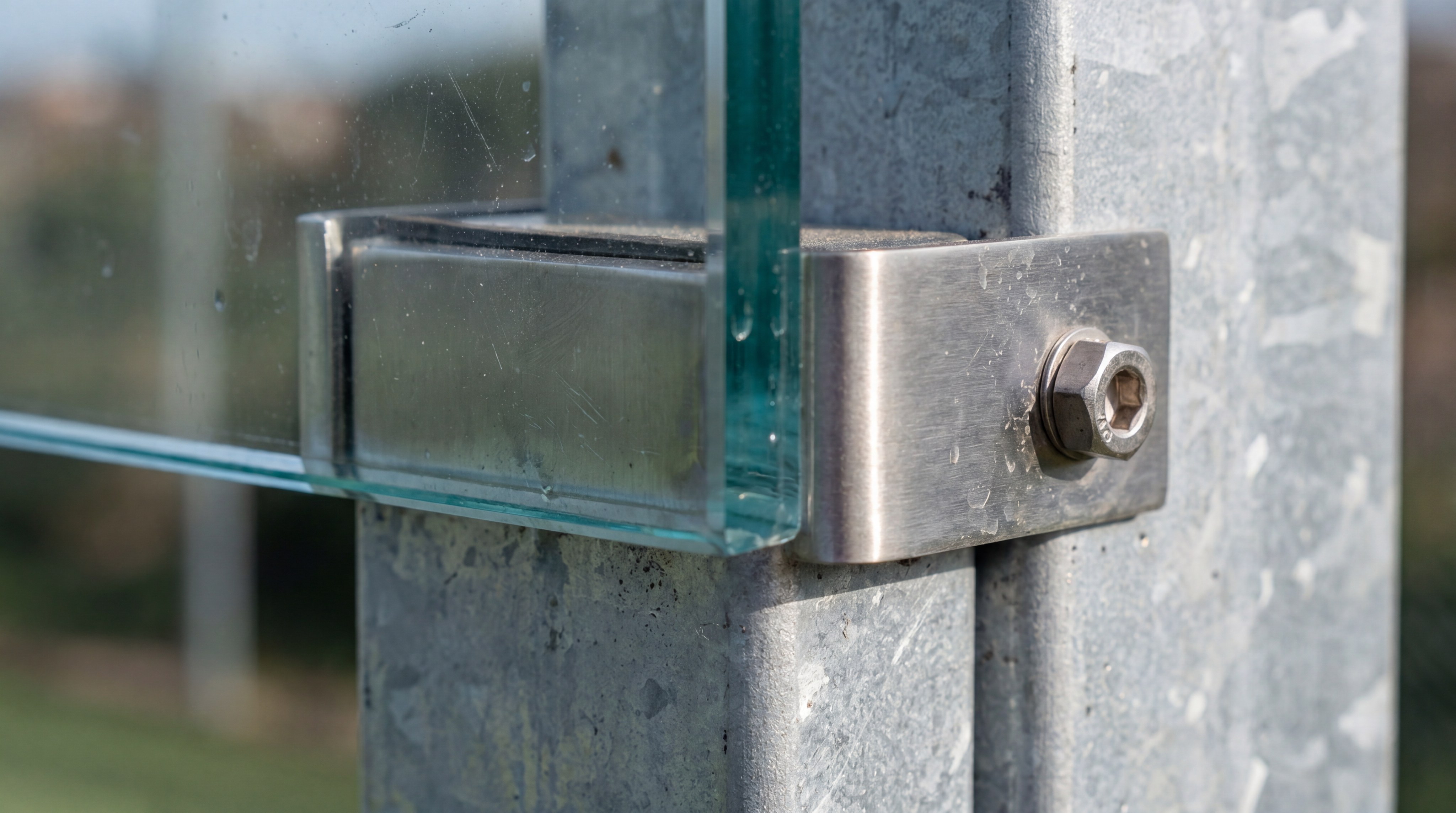
Every six months, you must inspect the stainless steel bolts and EPDM gaskets for any signs of loosening or wear. Ensuring the structure remains rigid prevents unnecessary vibrations that could lead to glass fatigue over time.
Think about it:
- Tightening bolts takes only an hour per court.
- Cleaning glass with water maintains a “new” look.
- Checking net tension prevents “net cords” from sagging.
Key Takeaway: A simple monthly maintenance checklist can extend the lifespan of your court hardware by over 10 years.
| Maintenance Task | Frequency | Estimated Time |
|---|---|---|
| Turf Brushing | Weekly | 30 Minutes |
| Glass Cleaning | Monthly | 45 Minutes |
| Bolt Inspection | Semi-Annually | 1 Hour |
Proactive care preserves the playing experience for your members and protects your brand’s reputation as a premium sports destination.
Where can you launch a padel deporte business?
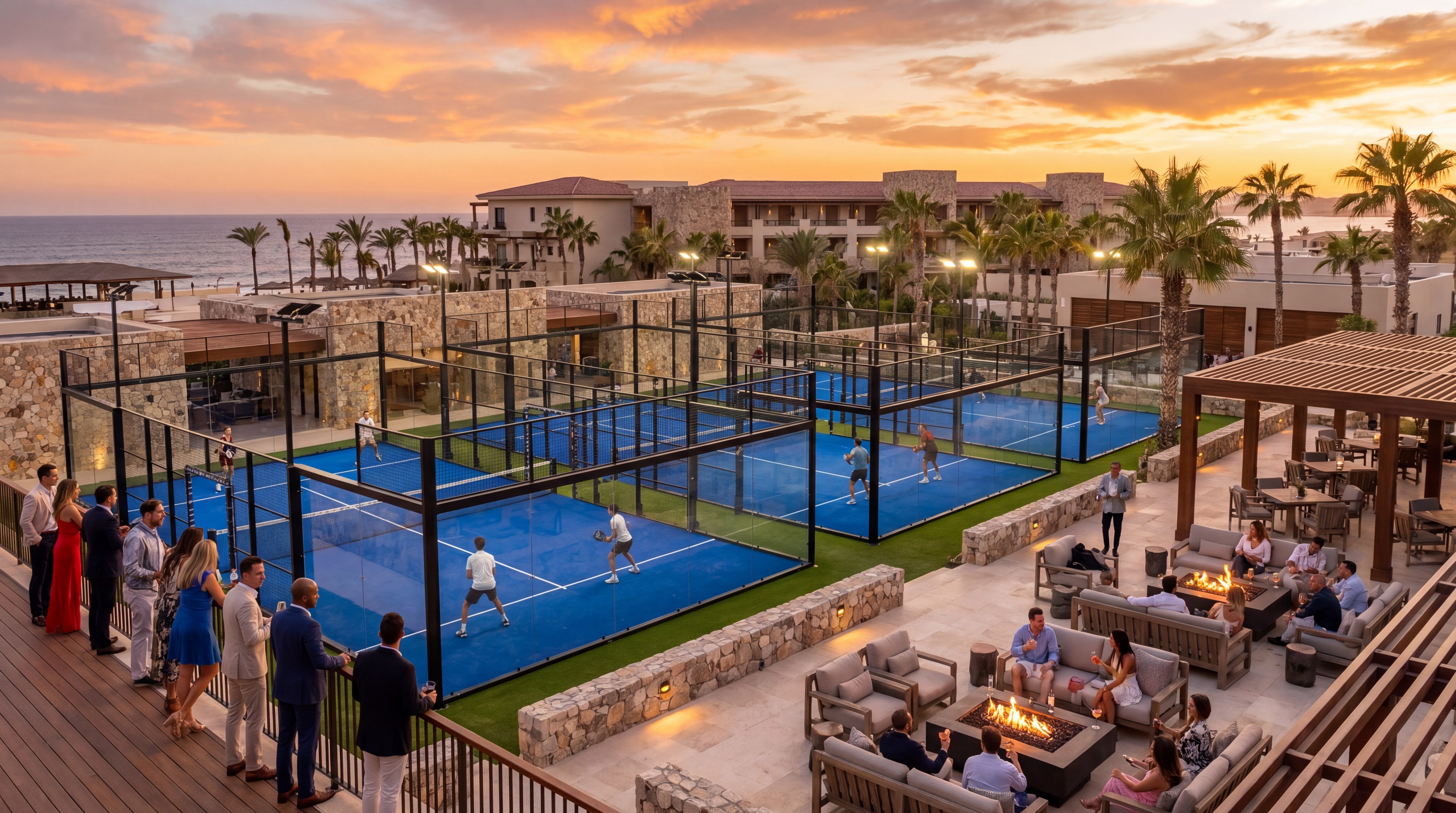
You can launch a successful padel deporte business in sports clubs, luxury resorts, or urban real estate developments.
Identifying high-demand locations
Urban centers with high population density are perfect because the small court footprint allows you to fit four padel courts in the space of one traditional tennis court. This density maximizes your revenue per square meter.
Look:
- Residential complexes love the social noise levels.
- Hotels use courts to attract high-net-worth guests.
- Gyms use padel to boost member retention rates.
Maximizing social club engagement
The sport is inherently social, usually played as doubles, which drives foot traffic to your facility’s cafe or pro shop. Building a community around your courts is the secret to maintaining a 100% booking rate.
Here is the kicker:
- Social matches lead to higher auxiliary spending.
- Tournament events create buzz and brand awareness.
- Beginners are easier to convert than in tennis or squash.
Key Takeaway: Diversifying your location—from rooftop gyms to seaside resorts—allows you to capture the fastest-growing segment in global sports.
| Location Type | Key Advantage | Revenue Stream |
|---|---|---|
| Sports Club | High Frequency | Subscriptions & Rentals |
| Luxury Resort | Premium Experience | Guest Amenities |
| Real Estate | Modern Amenity | Property Value Increase |
Whether you are an entrepreneur or a developer, the modular nature of these courts makes them the most flexible sports investment available today.
Conclusion
Building a professional padel venue is a high-octane journey that rewards those who prioritize technical excellence. From the reinforced foundation to the anti-explosion glass, every component defines the experience of the players who walk onto your court. At Superbpadel, we are committed to helping you dominate the market with factory-direct solutions that never compromise on safety or performance. Ready to transform your space into a world-class sports destination? contact us today for a custom quote and let’s start building your legacy.
Frequently Asked Questions
- Can I install a court in a coastal area?
Yes, but you must use hot-dip galvanized steel with a high-micrometer zinc coating to prevent salt-air corrosion. - What is the typical installation time?
Once the concrete base is ready, a professional team can assemble the modular structure and turf in just 3 to 5 days. - Can I customize the court colors?
Yes, you can choose any RAL color for the steel structure and select specific turf colors like blue, green, or red to match your brand. - How many players does the sport require?
It is primarily a doubles sport requiring 4 players, which makes it more social and space-efficient than traditional tennis. - What is the lifespan of the glass?
Tempered safety glass is designed to last the lifetime of the court as long as the mounting gaskets and fasteners are maintained.