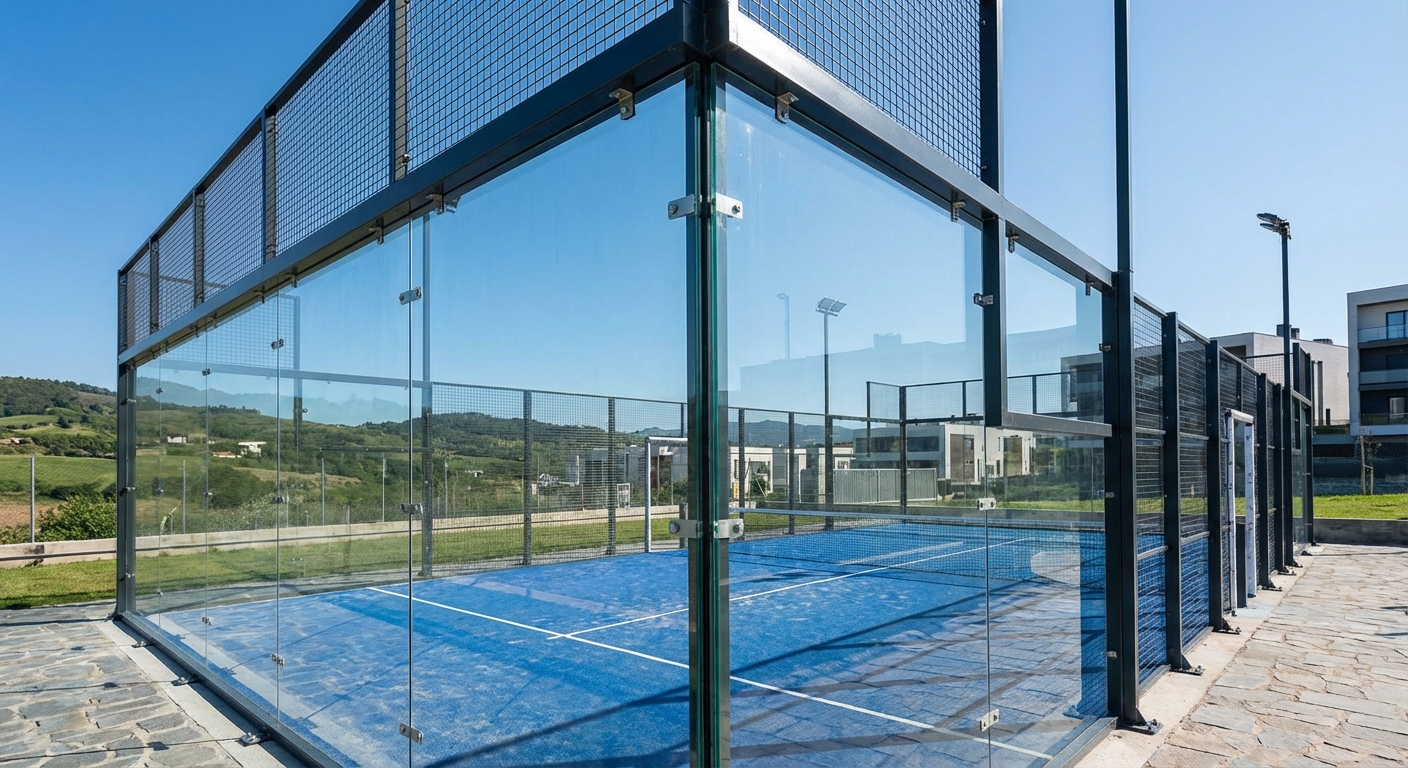
Padel miami is a high-growth social racquet sport played on a 10×20 meter glass-walled court that is currently revolutionizing the Florida athletic landscape. You may have noticed your traditional sports facilities are seeing declining engagement while the demand for interactive, social fitness is skyrocketing. This shift leaves facility owners with underutilized space and missed revenue opportunities in the booming padel miami market. By integrating professional-grade courts, you can capture this affluent demographic and transform your venue into a premier social destination.
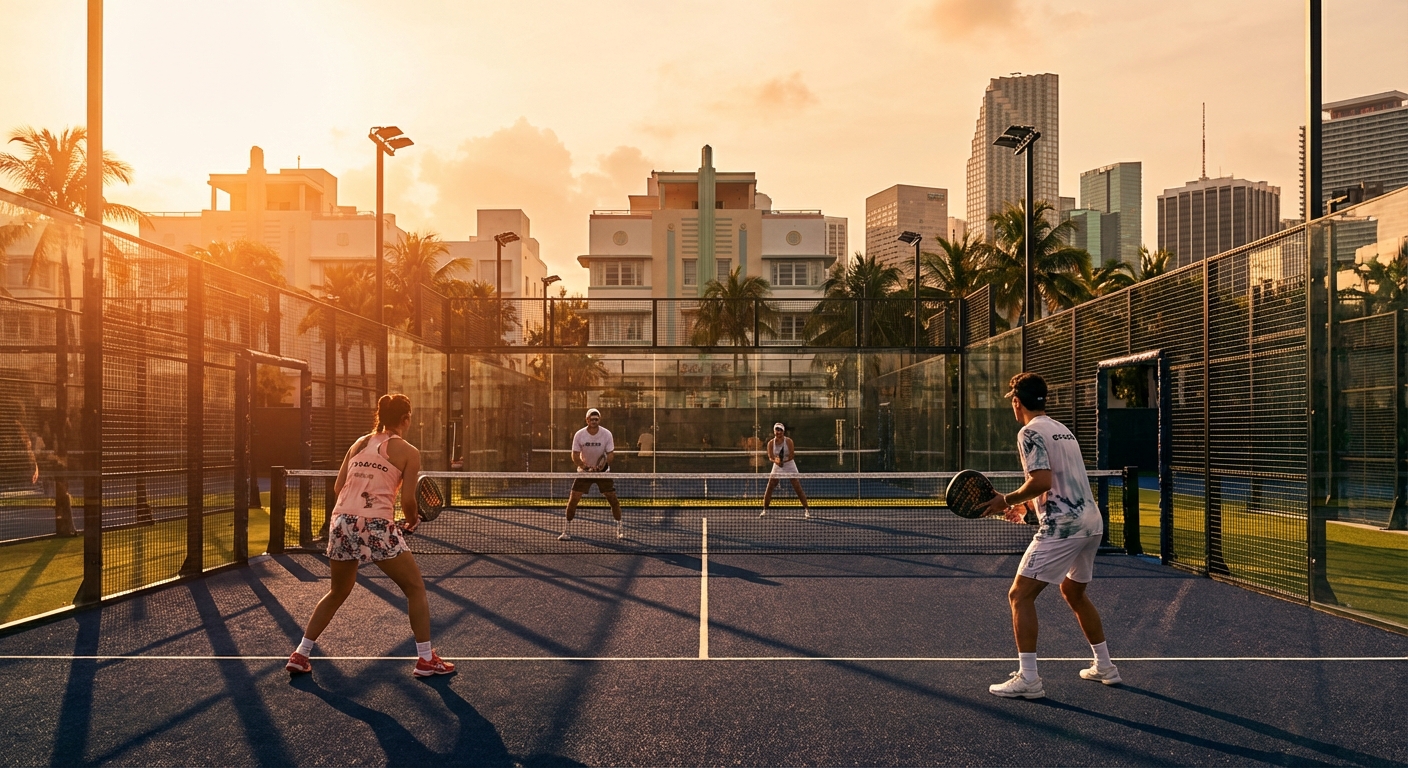
What defines the unique padel miami experience?
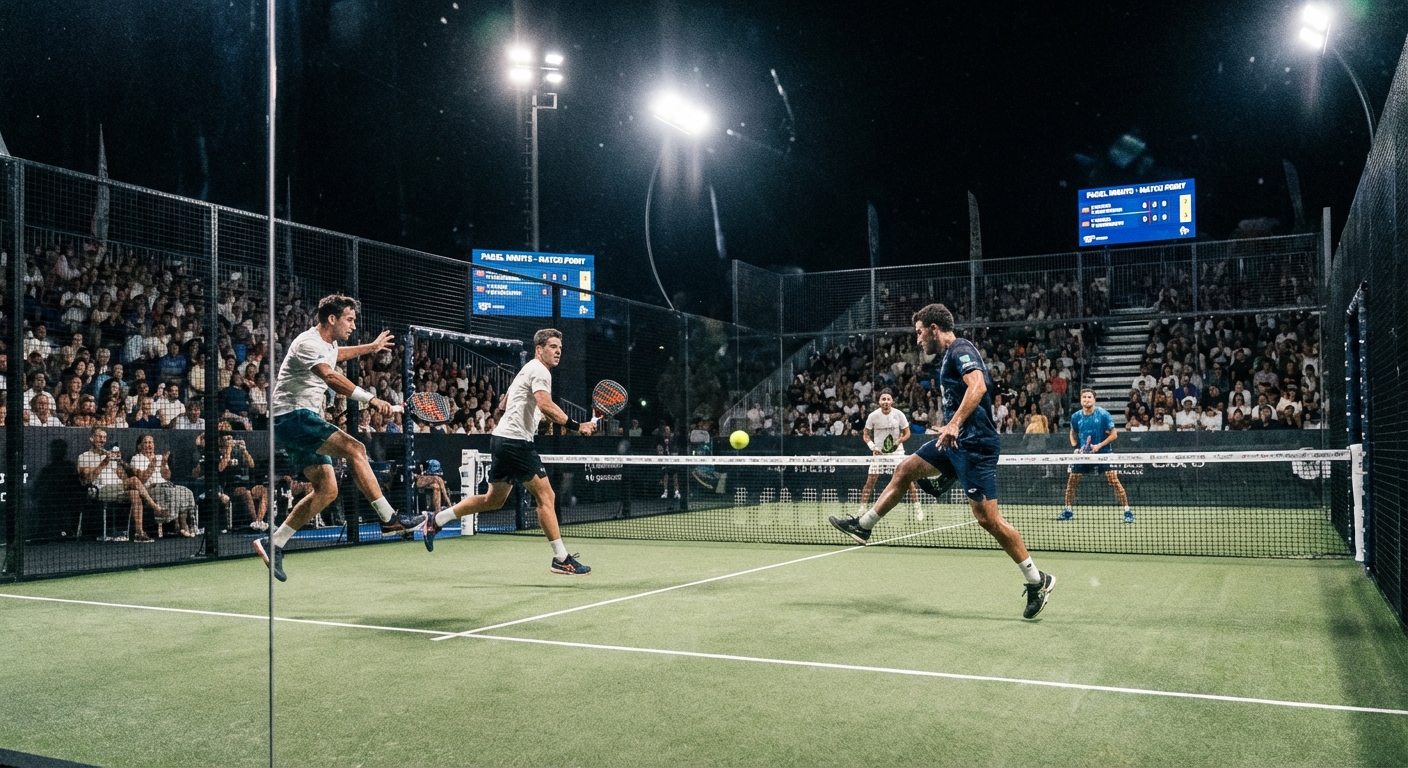
The unique padel miami experience is defined by its fusion of elite athletic competition and upscale social networking. This sport emphasizes doubles play on a compact court, making it more conversational and accessible than traditional tennis. The surrounding glass walls are not just boundaries; they are active parts of the game that allow for creative defensive play.
Why is the social aspect so dominant?
The social aspect dominates because the proximity of the players fosters a natural environment for networking and community building. Unlike tennis, where players are far apart, padel keeps you close to your partner and opponents.
Think about it:
- It serves as the “new golf” for business professionals.
- Post-match mixers are a standard part of the culture.
- The learning curve is fast, so everyone can participate.
Here is the kicker:
The game doesn’t end when the ball goes out of bounds; it starts a conversation.
What are the technical game mechanics?
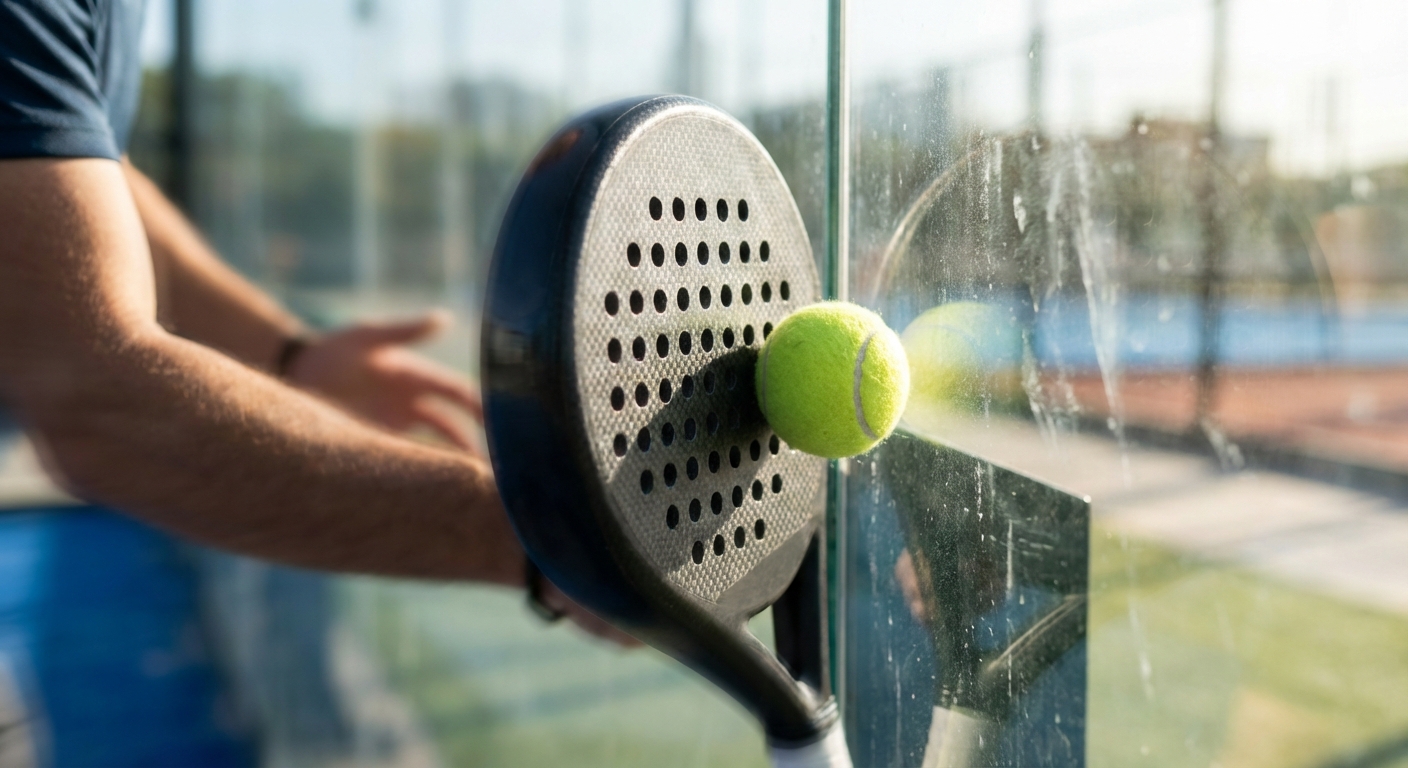
Padel mechanics involve a solid carbon-fiber racket and a lower-compression ball to manage the rebound speed off the glass. Players must learn to use the walls strategically to keep the point alive after the ball has passed them.
Look:
- Points are won through placement and strategy rather than raw power.
- The underhand serve makes the game easier to start for beginners.
- Volleys are more frequent due to the smaller court size.
The best part?
You spend more time playing and less time chasing balls across the court.
Key Takeaway
Padel is a strategic, social-first sport that utilizes glass walls to create a high-intensity yet accessible experience for all skill levels.
| Feature | Padel Miami Impact |
|---|---|
| Court Size | 10m x 20m |
| Players | Exclusively 2v2 Doubles |
| Wall Usage | Interactive 12mm Glass |
This data highlights how the compact design directly influences the social and strategic nature of the sport.
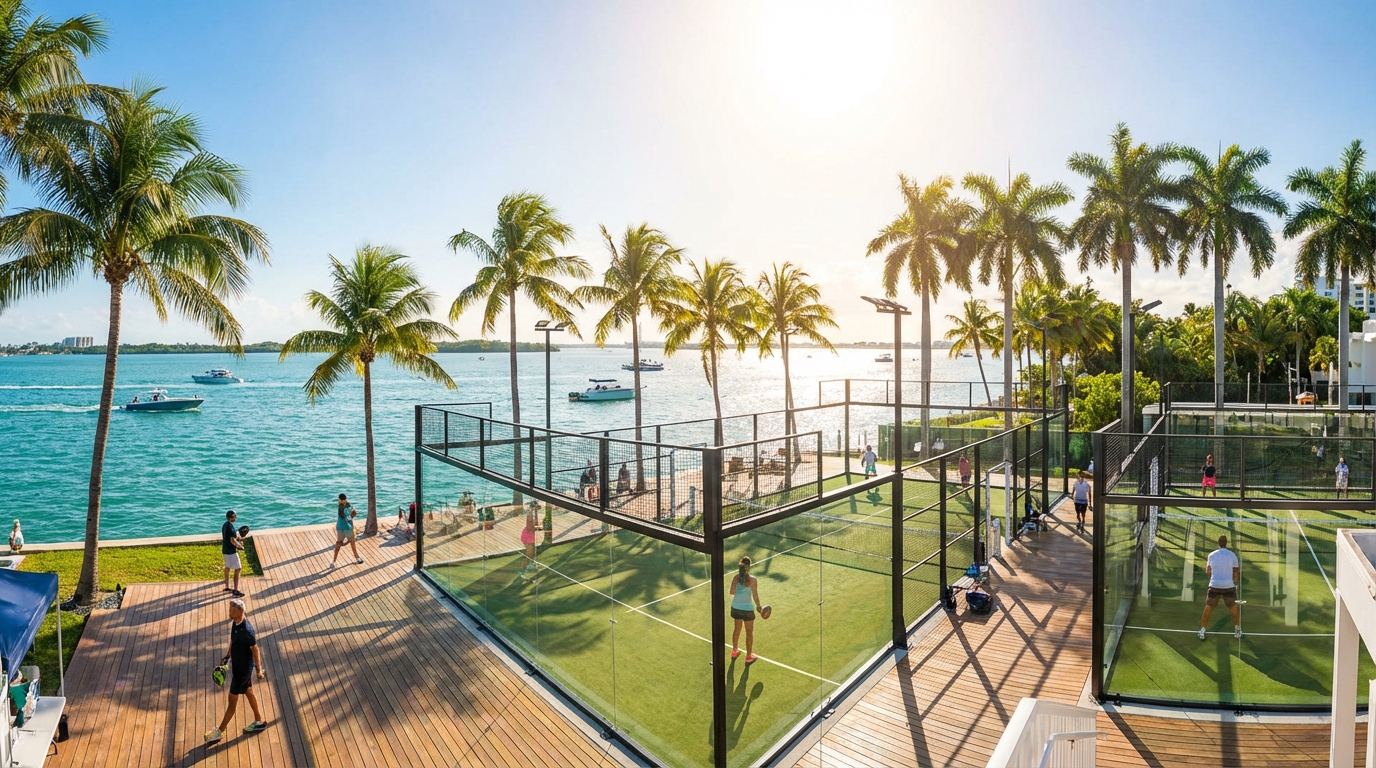
Why is padel the perfect fit for the Florida market?
Padel is the perfect fit for Florida because it aligns with the state’s lifestyle focus on year-round outdoor activity and high-end social status. The tropical climate allows for consistent play, provided the courts are built to withstand humidity and sudden weather shifts. Miami’s demographic specifically values sports that double as luxury social events.
How does the climate influence court choice?
Florida’s intense UV rays and frequent rain showers make high-durability materials and drainage systems a top priority. Owners often look for specialized roofing solutions to ensure they don’t lose booking revenue during typical afternoon storms.
The reality is:
- UV-resistant turf prevents premature fading.
- Galvanized steel frames stop rust in salty coastal air.
- Integrated drainage allows for quick play after rain.
It gets better:
A Roofed Padel Court guarantees that your revenue stream remains uninterrupted by the weather.
Can padel drive community engagement?
Padel drives community engagement by acting as a central hub for wellness and social interaction in luxury developments. It attracts a demographic that is willing to invest in premium memberships and pro-shop equipment.
Consider this:
- It creates a vibrant “lifestyle” atmosphere.
- Tournament events draw large local crowds.
- It provides a competitive outlet for all ages.
But wait, there’s more:
The sport’s popularity on social media helps your facility market itself through player-generated content.
Key Takeaway
Padel thrives in Florida because it offers a weather-resilient, high-status athletic option that perfectly complements the local social scene.
| Market Factor | Benefit to Owner |
|---|---|
| Climate | Year-round booking potential |
| Demographics | High-affluent member base |
| Engagement | Rapid community growth |
Strategic alignment with local lifestyle preferences ensures long-term viability for any new padel facility.
How do you choose the best court model?
Choosing the best court model for padel miami depends on whether your priority is spectator visibility or high-volume commercial durability. For high-end clubs, the aesthetic appeal of the structure is just as important as the playing surface. You must evaluate the specific needs of your site, such as wind loads and the available space for sub-structures.
What is a Panoramic Padel Court?
A Panoramic Padel Court offers an unobstructed view for spectators by removing the structural pillars at the back of the court. This creates a television-ready environment that is ideal for tournament play and high-traffic social hubs.
The point is:
- It provides a 360-degree viewing experience.
- The 12mm glass is reinforced for maximum safety.
- It elevates the visual prestige of any facility.
Believe it or not:
Spectators are more likely to stay and spend at your café when they have a clear view of the action.
Is the Standard Padel Court better for ROI?
The standard model is engineered for high-frequency use in sports clubs where durability and lower initial investment are the main goals. It features a robust modular design that is easy to install and maintain over many years.
Think about this:
- It is the most cost-effective entry point for new clubs.
- Modular structures allow for faster installation.
- It withstands heavy daily play without structural fatigue.
Bottom line:
The standard court provides the fastest path to profitability for owners starting a multi-court facility.
Key Takeaway
Whether you choose a panoramic model for prestige or a standard model for ROI, your selection should reflect your facility’s brand and budget.
| Court Model | Primary Advantage | Visibility Level |
|---|---|---|
| Panoramic | Spectator Experience | Maximum (Post-free) |
| Standard | Cost Efficiency | High (Structural posts) |
| Roofed | Weather Protection | Variable |
This comparison helps you decide which model aligns best with your specific commercial objectives.
What materials are required for durability?
High-quality materials are the foundation of any professional court, ensuring it remains safe and attractive for over two decades. You need to focus on the technical specifications of the steel, glass, and turf to prevent long-term maintenance issues. In coastal environments like Florida, material quality is not a luxury—it is a requirement.
Why is galvanized steel non-negotiable?
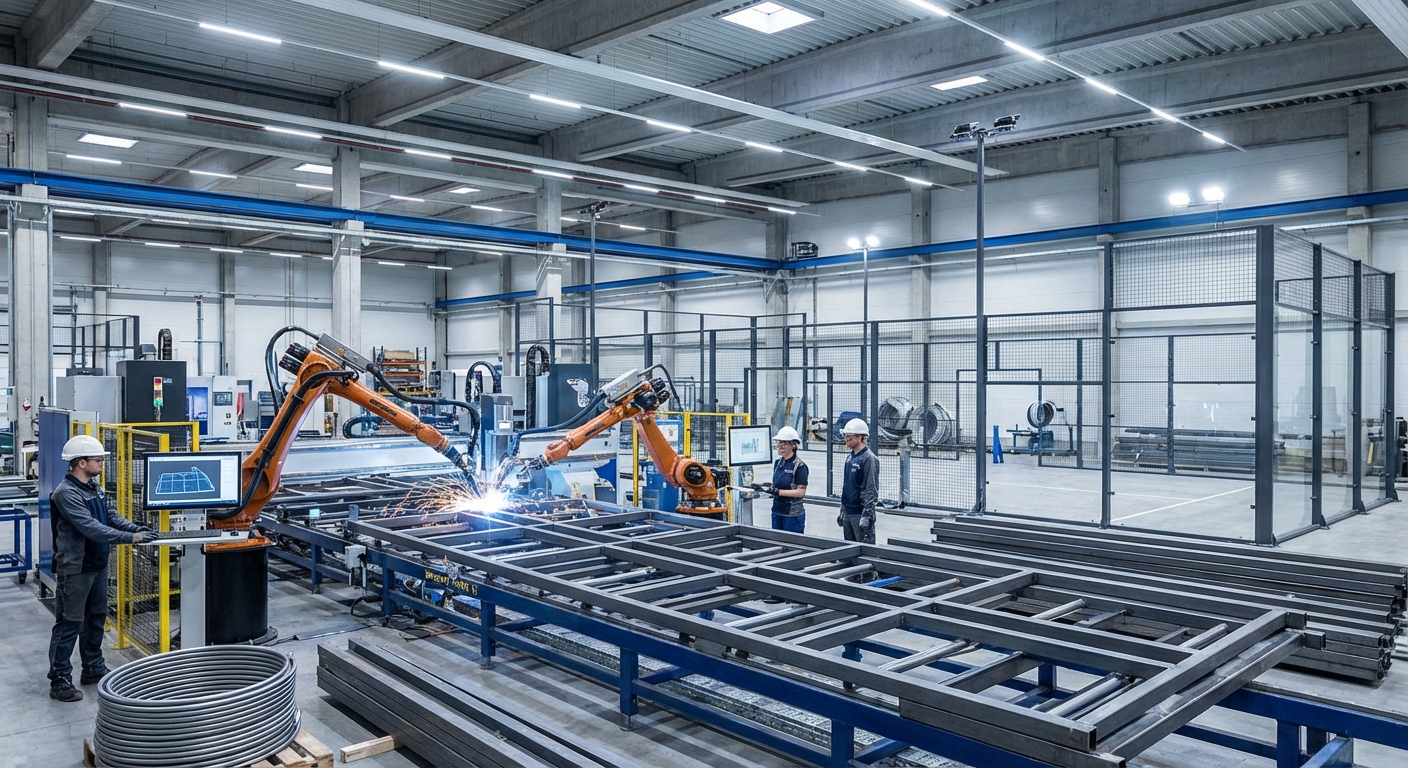
Hot-dip galvanized steel is essential for the Padel Structure because it provides superior corrosion resistance against salt air and humidity. Without this protective coating, the structural integrity of your court could be compromised by rust in just a few years.
Here is the deal:
- It guarantees a 20-year design life.
- Powder coating adds an extra layer of UV protection.
- The modular assembly remains stable under wind pressure.
Look:
You don’t want to deal with structural repairs once your club is at full capacity.
What makes 12mm glass the safety standard?
The glass walls must be 12mm anti-explosion tempered safety glass to withstand the constant impact of players and balls. This thickness ensures that the rebound remains consistent while providing a secure barrier for spectators.
Consider this:
- It complies with international EN 12150 standards.
- High transparency is maintained over years of use.
- The glass is polished to prevent injuries on impact.
The best part?
Certified safety glass minimizes your liability and ensures player confidence during intense matches.
Key Takeaway
Using galvanized steel and 12mm tempered glass is critical to ensuring the structural safety and longevity of your investment.
| Material | Essential Specification | Benefit |
|---|---|---|
| Steel | Hot-dip Galvanized | Anti-corrosion/Longevity |
| Glass | 12mm Tempered | Impact Safety/Visibility |
| Turf | UV-Resistant Fibrillated | Consistent Bounce |
Prioritizing these specifications protects your capital investment from the harsh Florida environment.
How can real estate developers leverage padel?
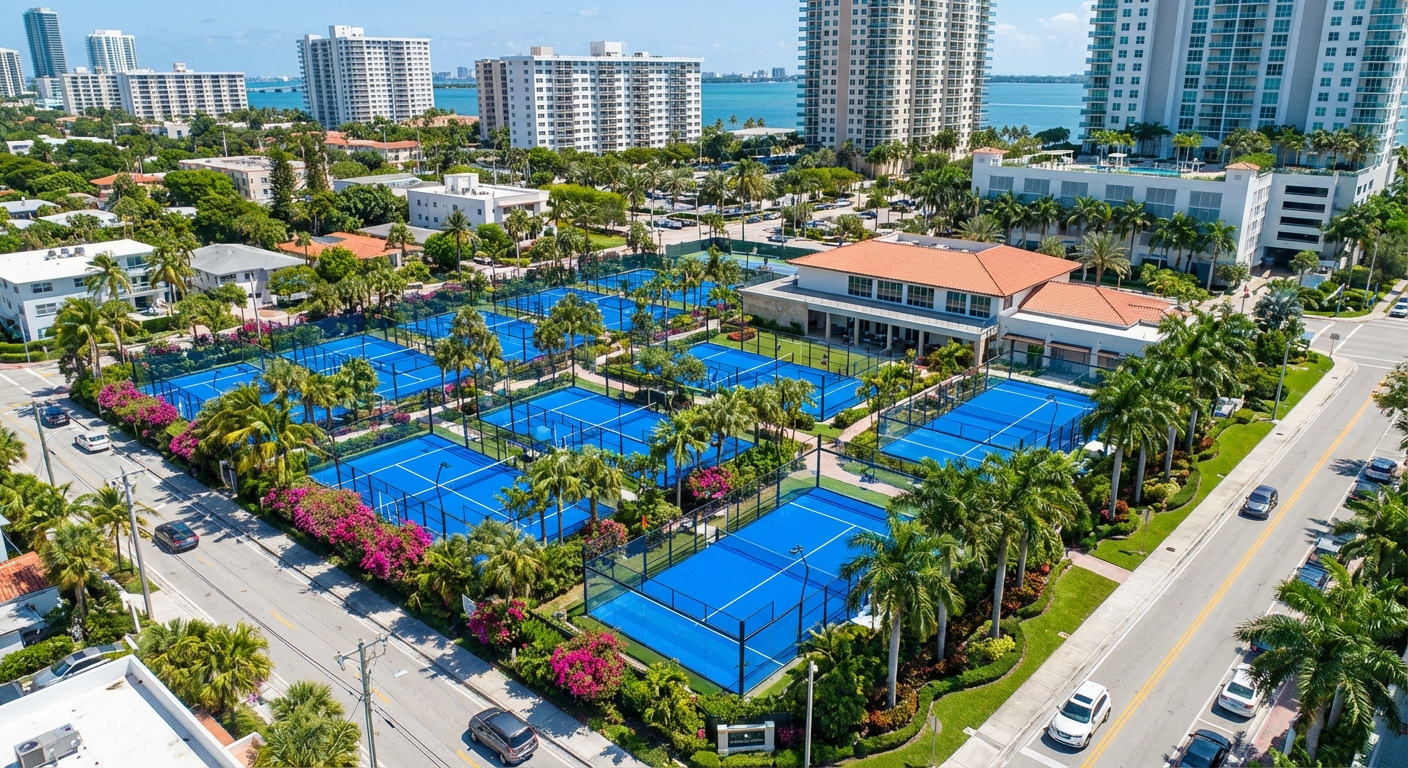
Real estate developers can use padel miami to significantly increase property value and accelerate sales by offering a modern lifestyle amenity. In a competitive market, a generic gym is no longer enough to attract elite tenants or buyers. By reviewing successful cases, you can see how padel courts act as a magnet for high-net-worth individuals.
Does it increase member retention in gyms?
Adding padel to a fitness center or gym creates a social stickiness that traditional equipment cannot match. It transforms the facility from a place of solitary exercise into a community hub where members spend more time and money.
Look at the facts:
- Court booking fees provide a new revenue stream.
- Social sports reduce member churn significantly.
- It attracts a wider age range of active participants.
It’s simple:
People come for the workout but stay for the community.
Can padel elevate residential projects?
In luxury residential projects, a padel court serves as a visual centerpiece that signals a commitment to modern wellness trends. It provides an exclusive space for residents to connect, which is a major selling point for high-end condos and gated communities.
Think about it:
- It differentiates your project from standard developments.
- The aesthetic of glass courts fits modern architecture.
- It maximizes land use compared to full-sized tennis courts.
What’s the bottom line?
You can fit three padel courts in the space of one tennis court, tripling your engagement capacity.
Key Takeaway
Padel is a powerful tool for developers to boost property appeal, generate ancillary revenue, and foster community loyalty.
| Property Type | Integration Benefit | Success Metric |
|---|---|---|
| Residential | Lifestyle Differentiation | Sales Velocity |
| Gym/Fitness | Revenue Diversification | Member Retention |
| Sports Club | Operational Profitability | Court Occupancy |
Focusing on these benefits allows developers to justify the initial investment through long-term property appreciation.
What is the step-by-step installation process?
The installation process for a professional court is a precision engineering task that requires a level foundation and a modular structural approach. You need to ensure that the site preparation is perfect before the first piece of steel is moved into place. A well-managed installation ensures that the court is ready for play within a matter of days rather than weeks.
How do you prepare the site foundation?
A level concrete slab with integrated drainage is the most critical part of the site preparation phase. Any deviation in the levelness of the base will affect the glass alignment and the consistency of the ball bounce on the turf.
The facts are:
- A 10-15cm concrete base is standard for stability.
- Perimeter drainage prevents water pooling under the turf.
- Proper curing time is required before mounting the structure.
Here is the kicker:
A flawless foundation prevents 90% of future maintenance issues.
Is modular assembly efficient?
Modern padel courts are designed with a modular steel frame that allows for rapid on-site assembly without specialized heavy machinery. This system is efficient because every hole is pre-drilled at the factory, ensuring a perfect fit for the glass and lighting.
Consider the steps:
- Secure the steel pillars to the concrete base.
- Mount the reinforced glass panels using safety gaskets.
- Install the turf and distribute the silica sand evenly.
It gets better:
A professional team can typically install a complete court in just 3 to 5 days.
Key Takeaway
Successful installation relies on a perfectly level concrete base and a modular design that facilitates fast, accurate assembly.
| Phase | Duration | Critical Task |
|---|---|---|
| Site Prep | 7-10 Days | Leveling and Drainage |
| Assembly | 3-5 Days | Frame and Glass Mounting |
| Finishing | 1-2 Days | Turf and Lighting Test |
This structured timeline helps you manage contractor expectations and project launch dates effectively.
Why source courts directly from the manufacturer?
Sourcing your padel miami equipment directly from the factory allows you to eliminate middleman markups and maintain strict control over quality. When you work with the manufacturer, you gain access to expert technical support and customization options that local distributors cannot provide. This direct relationship is the key to maximizing your project budget.
Can you save 30% on procurement?
By buying directly from the source, you can typically save up to 30% on your total procurement costs. These savings can be reinvested into better lighting systems, premium pro-shop inventory, or even a third court for your facility.
The reality is:
- You avoid distributor and retailer commissions.
- Logistics are handled by teams used to global shipping.
- You get factory-direct pricing on all replacement parts.
Think about it:
Lowering your initial CAPEX significantly shortens your time to break even.
Is OEM customization available?
Direct manufacturing allows for full OEM/ODM support, meaning you can customize everything from the structural colors to the branding on the glass. This is essential for building a unique brand identity in a crowded sports market.
Look:
- Match your club’s color scheme with RAL powder coating.
- Laser-cut your logo into the metal structure.
- Specify unique turf colors to stand out.
The best part?
A custom court acts as a permanent marketing asset for your business.
Key Takeaway
Direct sourcing provides the best balance of cost savings, quality control, and brand customization for commercial projects.
| Sourcing Method | Cost Level | Customization |
|---|---|---|
| Factory Direct | Wholesale | Full (OEM) |
| Local Distributor | Retail | Limited |
| Contractor-Led | Marked Up | Stock Only |
Choosing the direct path ensures you receive the highest specification materials at the most competitive price point.
How do you maintain courts in a coastal climate?
Maintaining a padel court in Florida’s coastal climate requires a proactive approach to cleaning and structural inspections. You need to account for the impact of salt air on the steel and the effect of intense sunlight on the turf. Regular maintenance not only keeps the court looking new but also prevents safety hazards like loose glass or slippery surfaces.
How do you protect the playing turf?
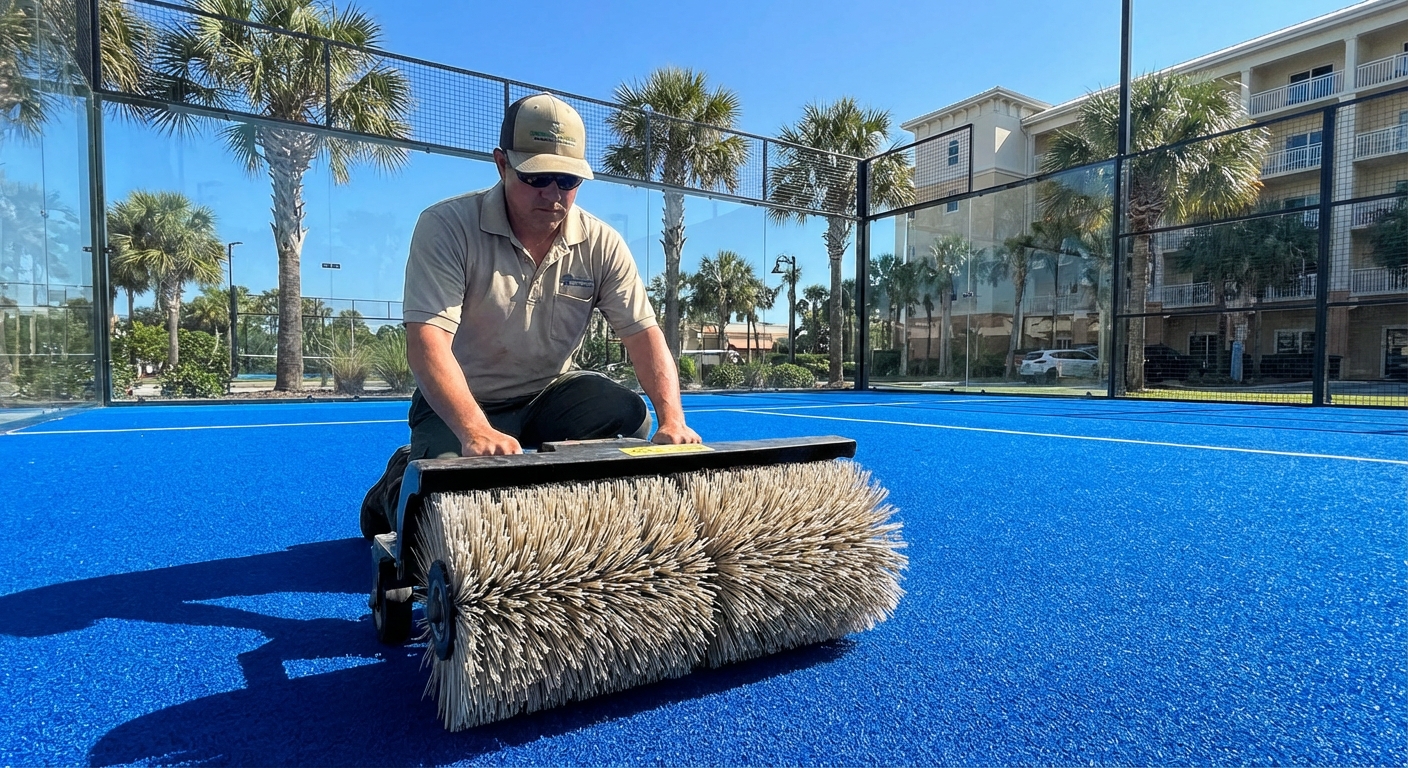
Maintaining the turf involves regular brushing to redistribute the silica sand and prevent the fibers from flattening. In humid environments, it is also important to check for organic growth like algae, which can affect player traction.
The facts are:
- Monthly brushing keeps the ball bounce consistent.
- Sand levels must be topped up to protect the backing.
- Specialized cleaners prevent moss and algae buildup.
Believe it or not:
A well-maintained turf can last up to 10 years even with heavy use.
Should you inspect the glass frequently?
Quarterly inspections of the glass gaskets and mounting bolts are necessary to ensure the structure remains safe and silent during play. Loose bolts can lead to vibrations that eventually stress the glass panels or the steel frame.
Look:
- Check for any chips or scratches in the glass.
- Ensure the lighting fixtures are free of dust and debris.
- Tighten all structural connections to maintain stability.
It gets better:
Professional Padel LED Lighting requires very little maintenance other than periodic cleaning for maximum output.
Key Takeaway
Consistent turf brushing and quarterly structural inspections are the keys to preserving your court’s performance and safety.
| Component | Maintenance Task | Frequency |
|---|---|---|
| Turf | Sand Leveling / Brushing | Monthly |
| Glass | Bolt Tightening / Cleaning | Quarterly |
| Lighting | IP66 Seal Inspection | Bi-Annually |
A structured maintenance schedule ensures a safe environment for your players and protects your long-term asset value.
What is the financial breakdown for a new club?
Understanding the financial breakdown of a padel miami project is essential for securing investment and planning your operational budget. You must look beyond the initial court cost to include site work, logistics, and amenity construction. A well-designed financial plan will show a clear path to high-margin revenue through court rentals and ancillary services.
What are the main CAPEX components?
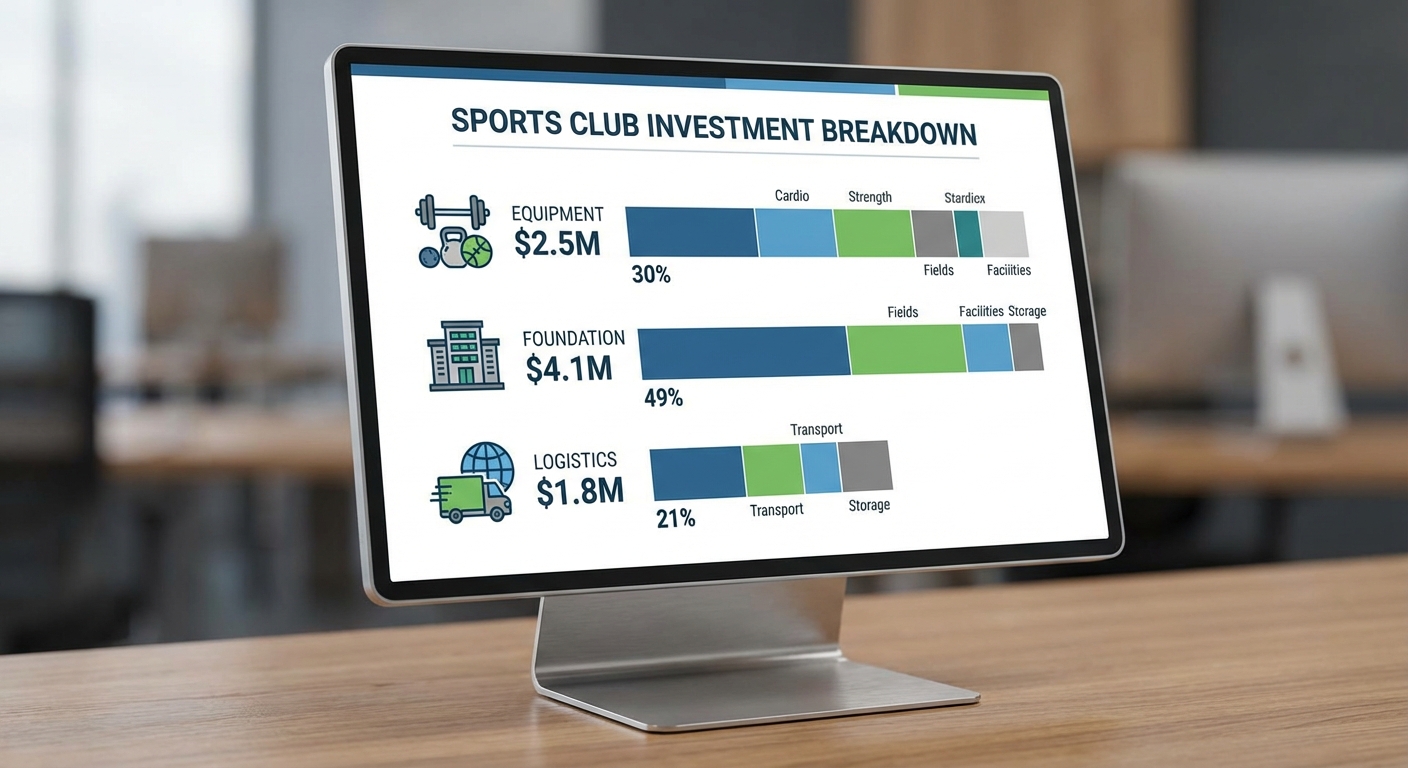
The primary capital expenditures include the court equipment, the concrete foundation, and the installation labor. In Miami, you should also budget for permitting and professional landscaping to create the “luxury club” atmosphere players expect.
Think about this:
- Court equipment represents about 40% of the budget.
- Site work and foundations take up another 30%.
- Amenities like juice bars and locker rooms complete the rest.
Here is the kicker:
Buying at factory prices can slash your equipment costs by a third.
How fast is the typical ROI?
With average court rental rates in Miami ranging from $80 to $120 per hour, a well-utilized facility can see a full return on investment in 18 to 24 months. This does not include revenue from coaching, tournaments, or beverage sales, which can add significant profit.
Consider this:
- 70% occupancy during peak hours is a realistic target.
- Membership fees provide stable monthly cash flow.
- Pro-shop sales capture high-margin equipment revenue.
The truth is:
Padel offers one of the highest returns per square foot in the sports industry today.
Key Takeaway
Strategic budget allocation toward high-quality equipment and player amenities leads to a faster and more sustainable return on investment.
| Expense Category | Budget % | ROI Impact |
|---|---|---|
| Equipment | 40% | Core Product Value |
| Site / Foundation | 30% | Long-term Durability |
| Amenities | 20% | Retention / Secondary Spend |
| Marketing | 10% | Launch Velocity |
This breakdown serves as a blueprint for developers to plan their financial path toward a successful padel destination.
Frequently Asked Questions
Can I build a padel court in my backyard in Miami?
Yes, it is entirely feasible provided you have a level area of 10×20 meters and comply with local zoning setbacks and residential building codes.
What’s the best way to handle the humidity in Florida?
The best solution is using hot-dip galvanized steel for the structure and choosing UV-stabilized turf to prevent moisture-related rust and sun damage.
How do I know if my site is suitable for a club?
It depends on your local drainage capacity and accessibility; you need a site that can support a heavy concrete slab and handle high player traffic.
Can I start with just one court to test the market?
Absolutely, because our “No MOQ” policy allows you to install a single pilot court to gauge community interest before committing to a larger facility.
What’s the best lighting for night play in Florida?
The most effective choice is IP66 waterproof-rated LED floodlights, as they provide uniform illumination while resisting the heavy rains and dust of the tropical climate.
Whether you are looking to revitalize a sports club, add value to a real estate project, or build a private oasis, padel in Miami represents the future of social fitness. The combination of high-precision engineering and a lifestyle-driven market makes this the ideal time to invest in professional courts. If you are ready to begin your project with factory-direct pricing and expert support, contact us today to receive a customized quote and start your journey toward building a premier padel destination.