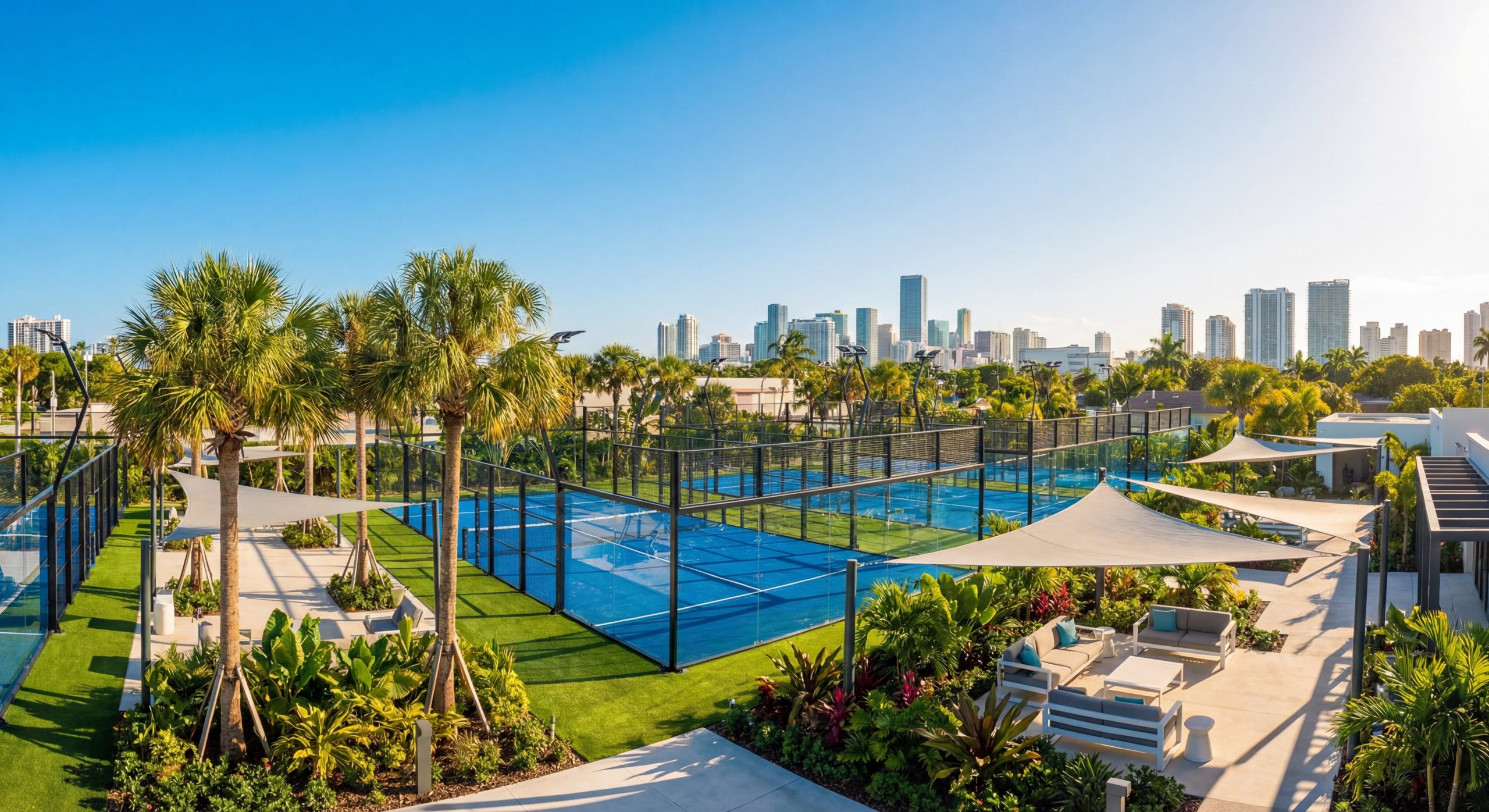
You know the feeling of searching for a quality sports facility in a dense urban environment only to be met with disappointment. Most neighborhood courts are overcrowded, poorly maintained, or lack the professional atmosphere you desire for a competitive match. This gap in the market leaves enthusiasts frustrated and limits the growth of the local sporting community. Fortunately, padel x has arrived to solve this problem by offering a sophisticated, tech-forward club experience that caters to both elite athletes and social players.
Where are the new padel x clubs located?
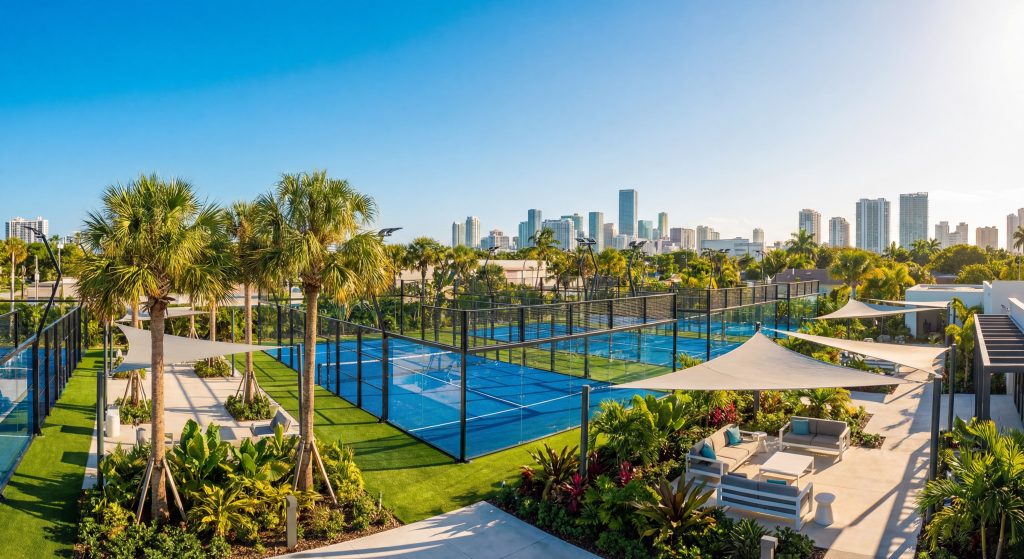
The new padel x clubs are currently concentrated in South Florida, specifically within the downtown Miami area. This region has become the epicenter for the sport in the United States, providing a vibrant hub for both local players and international tourists. To ensure year-round play in various climates, many investors look into a roofed padel court to protect their facility from the elements.
Is Miami the epicenter of the sport?
Miami currently hosts 80 of the approximately 200 courts available in the country. This density has created a competitive ecosystem where facility standards must be exceptionally high to attract players.
Look:
- High demand between 4 p.m. and midnight.
- Proximity to major cultural centers like the Adrienne Arsht Center.
- A mix of residential and business demographics.
But wait, there’s more to it than just location; the atmosphere must be electric to succeed.
Which Florida cities are next on the list?
Following the success of the downtown Miami location, expansion is already underway for Boca Raton and West Palm Beach. These cities represent affluent markets where the community is eager for professionalized sports venues.
Think about it:
- Boca Raton offers a high concentration of racquet sport enthusiasts.
- West Palm Beach provides space for larger, multi-court complexes.
- Regional clusters help streamline management and marketing efforts.
Key Takeaway: Downtown Miami serves as the primary launchpad for the brand, with immediate growth planned for surrounding high-value Florida markets.
| Expansion Phase | Target City | Facility Type |
|---|---|---|
| Phase 1 | Miami | Urban Club |
| Phase 2 | Boca Raton | Suburban Hub |
| Phase 3 | West Palm Beach | Multi-Court Complex |
The analysis suggests that geographic clustering allows for better brand recognition and operational efficiency across the Florida region.
What is the investment cost for padel x?
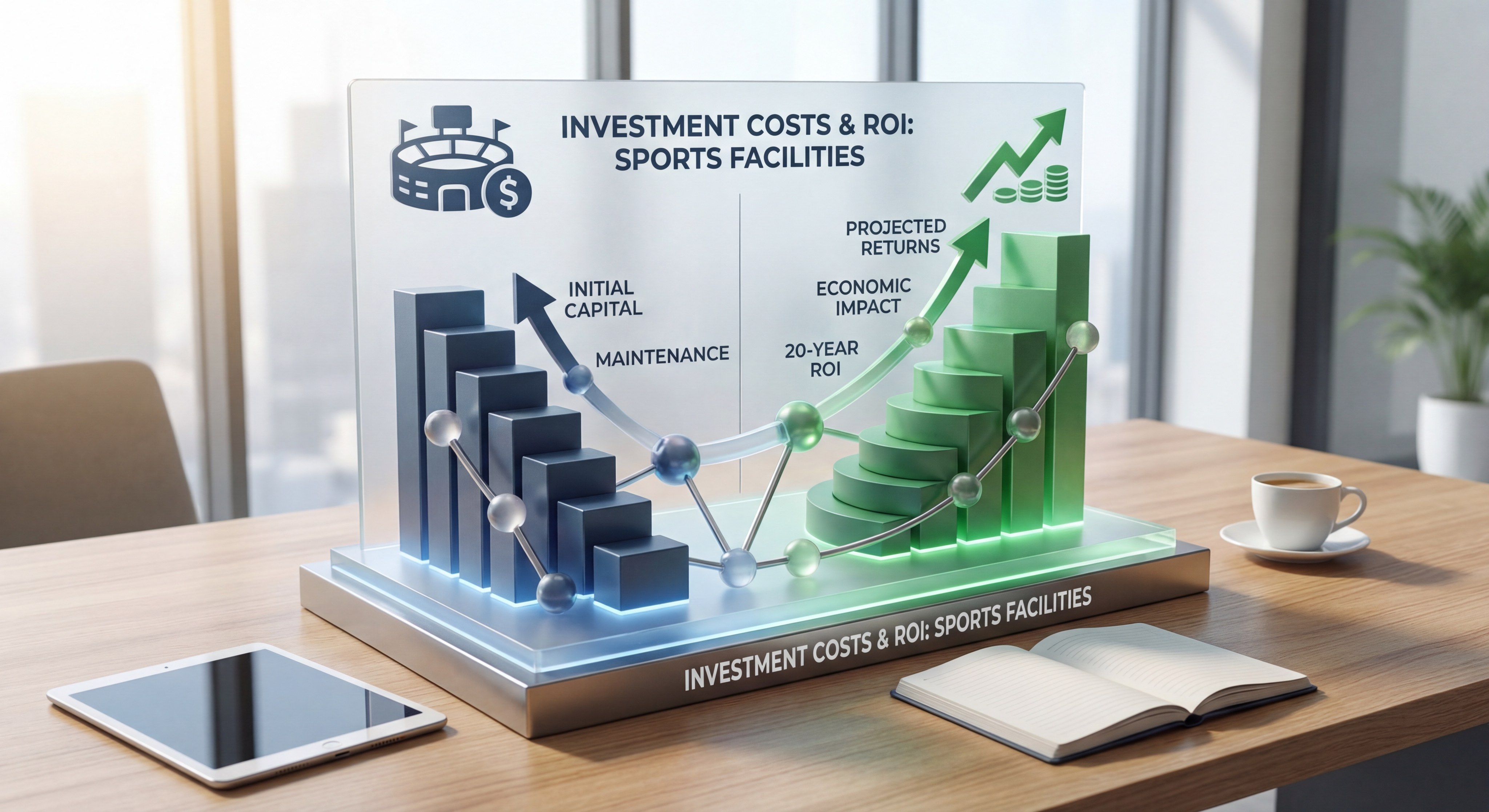
Constructing and launching a padel x network requires an initial capital investment of approximately $10 million for the first three clubs. This funding covers everything from land leases and high-end court materials to recruitment and the development of specialized player programs.
How much capital is needed for three clubs?
Securing ten million dollars allows a brand to enter the market with enough force to dominate the local landscape. This budget ensures that every court meets international standards and that the club amenities reflect a premium brand identity.
Here is the kicker:
- Land acquisition or long-term leasing costs.
- Factory-direct court manufacturing fees.
- Professional marketing and brand launch campaigns.
Actually, the initial spend is just the foundation for a much larger national footprint.
What are the long-term expansion goals?
The strategic vision for the brand involves opening 30 clubs across the United States within the next five years. This aggressive growth strategy aims to capitalize on the “Padel Revolution” while the market is still in its early stages.
Check this out:
- Scaling to 300+ total courts nationwide.
- Developing a standardized franchise model for new owners.
- Establishing partnerships with major sportswear and lifestyle brands.
Key Takeaway: A $10 million initial investment powers the first three Florida clubs, setting the stage for a 30-club national expansion plan.
| Investment Category | Allocation | Goal |
|---|---|---|
| Initial Capital | $10 Million | Launch 3 Clubs |
| 5-Year Goal | 30 Clubs | National Scale |
| Average Courts | 10 per site | Maximize Revenue |
Based on these financial projections, the brand aims to achieve a high return on investment by scaling rapidly across untapped markets.
Why choose the name padel x for your club?
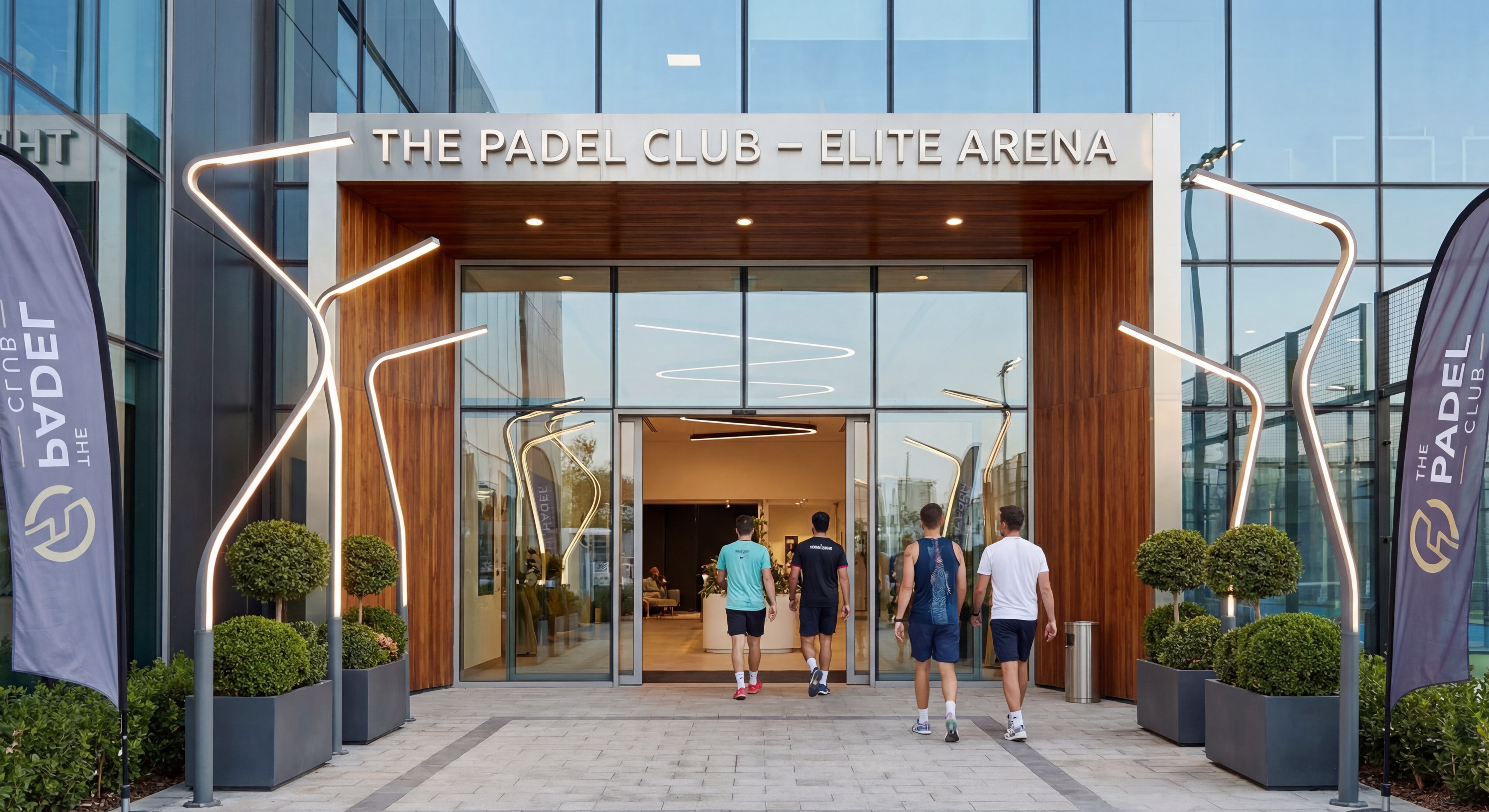
Choosing the name padel x signifies a commitment to professionalizing the sport and elevating it to the “Power of X,” which represents a sophisticated and dynamic player experience. This branding helps differentiate your facility from the informal clubs that have historically defined the industry. For a truly elite look, installing a panoramic padel court provides an unobstructed view that matches this premium brand name.
What does the “Power of X” represent?
The “Power of X” stands for the intersection of technology, athleticism, and social interaction. It emphasizes that the club is more than just a place to play; it is a lifestyle destination for modern urbanites.
Listen to this:
- X stands for the “X-factor” in player performance.
- It represents the crossover between tennis and squash.
- The name is designed to be short, punchy, and memorable for global marketing.
In short, it signals to your customers that they are entering a high-performance environment.
How does the brand professionalize the sport?
By using a dynamic name and sleek branding, the facility moves away from the “hobbyist” image toward a professional sports organization. This approach attracts high-level coaches, corporate sponsors, and serious athletes.
The best part?
- Uniformed staff in branded apparel like Lacoste.
- Standardized court quality across all locations.
- Professional tournament structures and ranking systems.
Key Takeaway: The name represents a shift toward a professionalized, high-power sporting experience that elevates the game beyond traditional informal clubs.
| Brand Element | Professional Impact |
|---|---|
| Power of X | Performance Focus |
| Tech Integration | Modern Appeal |
| Visual Identity | Market Differentiation |
Effective branding ensures that your facility is recognized as a top-tier destination rather than a casual neighborhood court.
How do the rules of padel x compare to tennis?
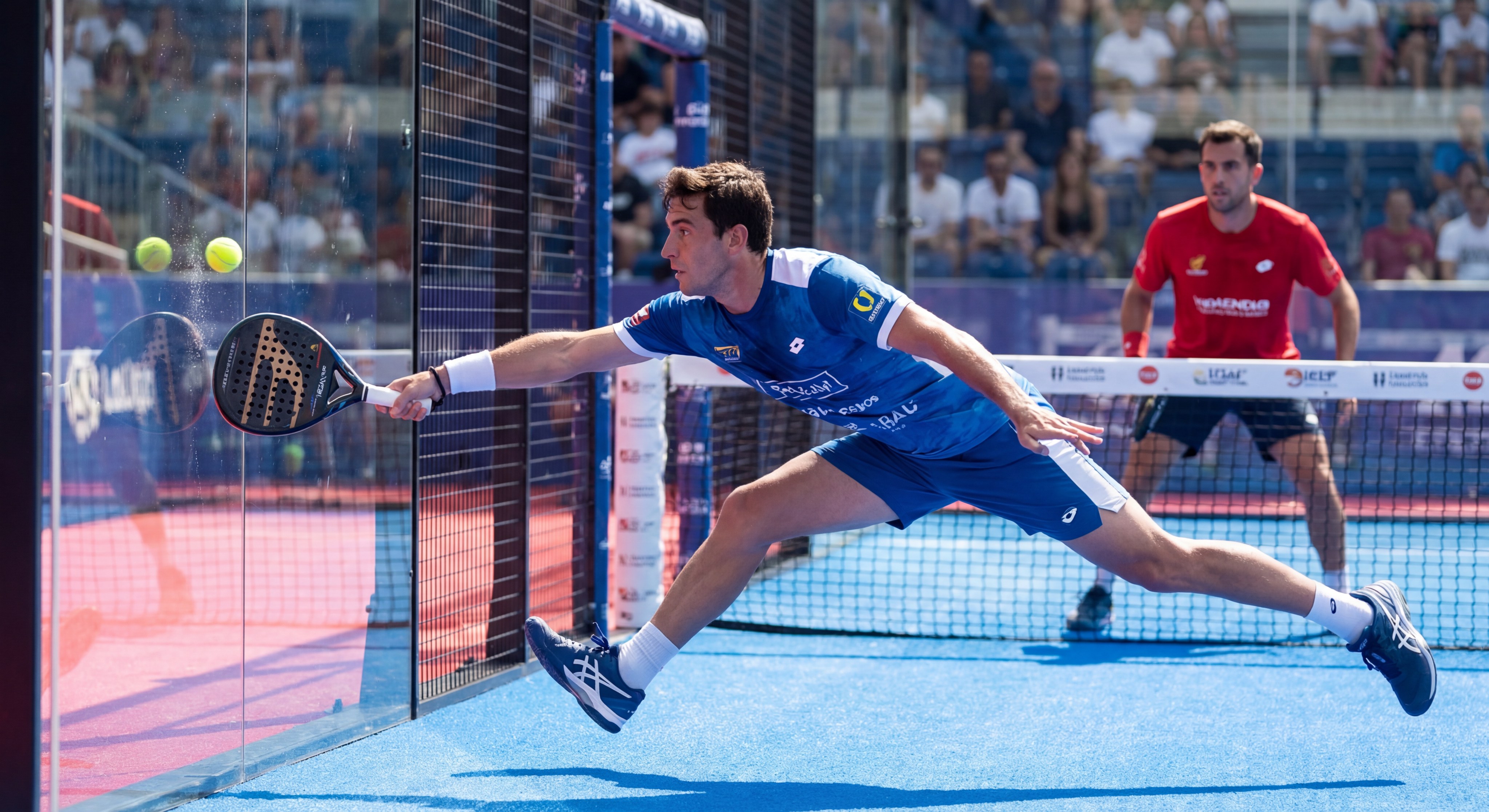
While padel x uses a scoring system identical to tennis, the gameplay differs significantly because players can use the surrounding walls to keep the ball in play. This hybrid nature makes the sport easier for beginners to learn while providing a high ceiling for strategic mastery.
Is the scoring system identical?
You will find that the points are counted exactly like tennis: 15, 30, 40, and game. Matches are typically played in a best-of-three sets format, which feels familiar to any racquet sport enthusiast.
Look:
- Use of “Deuce” and “Advantage” rules.
- Set breaks and tie-break procedures.
- Serving always happens underhand into the service box.
The result? Tennis players can transition to the court almost instantly with zero learning curve on the score.
How are the walls used during gameplay?
The walls are the defining feature of the court, allowing the ball to bounce off the glass and remain active. This creates longer rallies and requires players to think three-dimensionally about their shots.
Think about it:
- Glass walls provide a consistent and predictable rebound.
- Fence sections are used to create unpredictable angles.
- Strategy shifts from raw power to clever placement and patience.
Key Takeaway: Gameplay combines the familiar scoring of tennis with the creative wall-play of squash, resulting in a more social and strategic sport.
| Rule Comparison | Tennis | Padel |
|---|---|---|
| Scoring | 15, 30, 40 | 15, 30, 40 |
| Service | Overhand | Underhand |
| Walls | Out of bounds | In play |
This unique rule set is exactly why the sport is currently seeing an explosive growth rate among diverse age groups.
What are the technical specs for padel x courts?
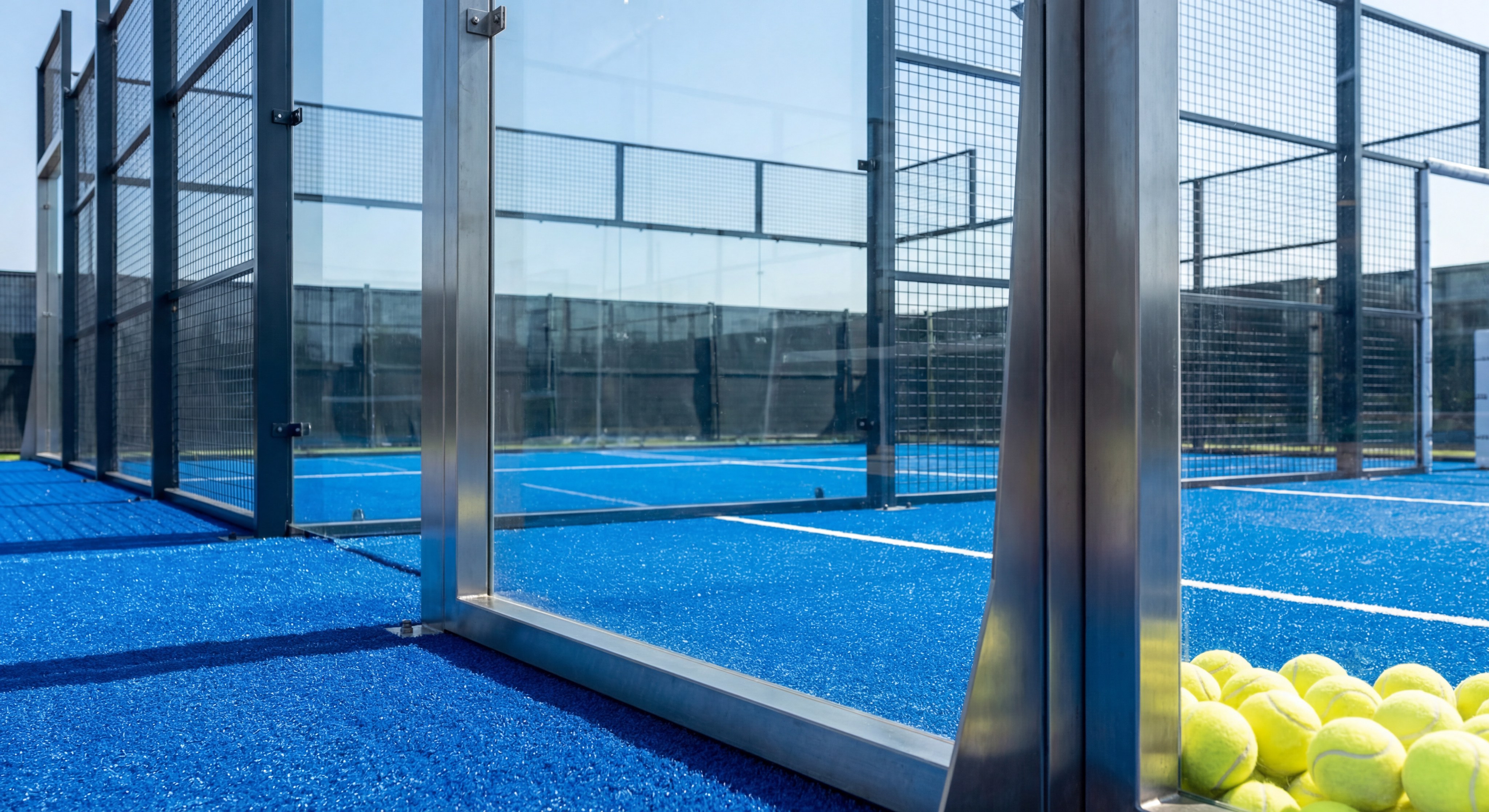
Standard padel x courts are 20 meters long and 10 meters wide, featuring tempered glass walls and a high-strength padel structure made of galvanized steel. These specific dimensions and materials are designed to provide the perfect balance of ball rebound, player safety, and spectator visibility.
Why use tempered glass for the walls?
Tempered glass is used because it provides a clear view for spectators while being strong enough to withstand high-velocity ball impacts. It ensures that the playing environment feels open and airy, even within an enclosed court.
Actually:
- 12mm glass is standard for outdoor safety.
- It prevents injuries through anti-explosion technology.
- Clear walls allow for better broadcasting and coaching observation.
But wait, there’s more: high-quality glass also ensures a perfectly consistent bounce every single time.
What is the standard court size?
Every professional court must measure exactly 20m x 10m to comply with international regulations. This compact size encourages close-range play and intense social interaction between the four players on the court.
Check this out:
- Total area is roughly one-third the size of a tennis court.
- The net height is 88 cm at the center and 92 cm at the posts.
- Surrounding fences usually stand 3 meters high on the sides and 4 meters at the back.
Key Takeaway: Technical precision in dimensions and glass quality is non-negotiable for creating a professional-grade facility that meets global standards.
| Component | Standard Specification |
|---|---|
| Length x Width | 20m x 10m |
| Glass Thickness | 12mm Tempered |
| Structural Material | Hot-dip Galvanized Steel |
Following these specifications ensures that your facility is capable of hosting official tournaments and professional league play.
How does padel x implement sustainability?
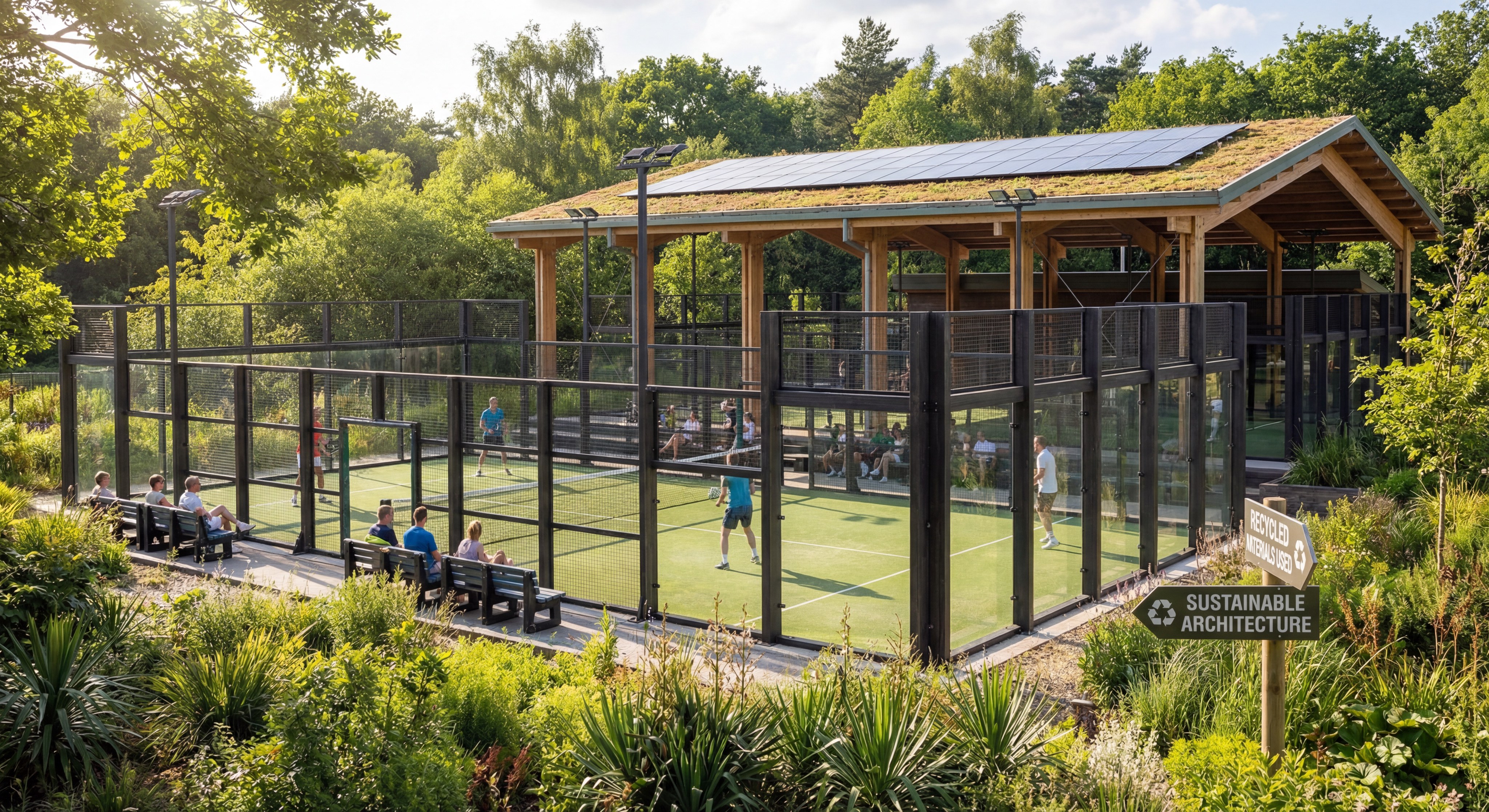
Sustainability in a padel x club is achieved through a pioneering recycling program that transforms waste from old balls and plastic bottles into club apparel and furniture. This closed-loop system reduces the environmental footprint of the facility while providing a unique talking point for eco-conscious members.
Can old balls be turned into apparel?
The club collects used balls and plastic containers to create the raw materials for their official clothing line. This innovative process ensures that the thousands of balls used monthly do not end up in a landfill.
Look:
- 11 recycled bottles are needed for a single T-shirt.
- Advanced fibers provide moisture-wicking properties for athletes.
- Members feel a sense of contribution by recycling their old gear at the club.
In short: it turns a major waste stream into a profitable and functional product line.
How many bottles make a court bench?
Large-scale furniture like the iconic club benches are manufactured using thousands of recycled plastic components. This demonstrates a commitment to sustainable architecture that goes beyond simple greenwashing.
The best part?
- Each bench requires approximately 1,550 recycled bottles.
- The furniture is weather-resistant and highly durable for outdoor use.
- Clear signage shows exactly how many bottles were saved to make each item.
Key Takeaway: The brand uses a pioneering recycling program to turn sports waste into high-quality apparel and furniture, proving that elite sports can be eco-friendly.
| Recycled Item | Source Material | Quantity Needed |
|---|---|---|
| Club T-Shirt | Plastic Bottles | 11 Bottles |
| Court Bench | Plastic Waste | 1,550 Bottles |
| Staff Uniform | Mixed Recyclables | High-Performance Fiber |
Integrating these green initiatives helps build a stronger community bond with members who value environmental responsibility.
Why is padel x gaining global popularity?
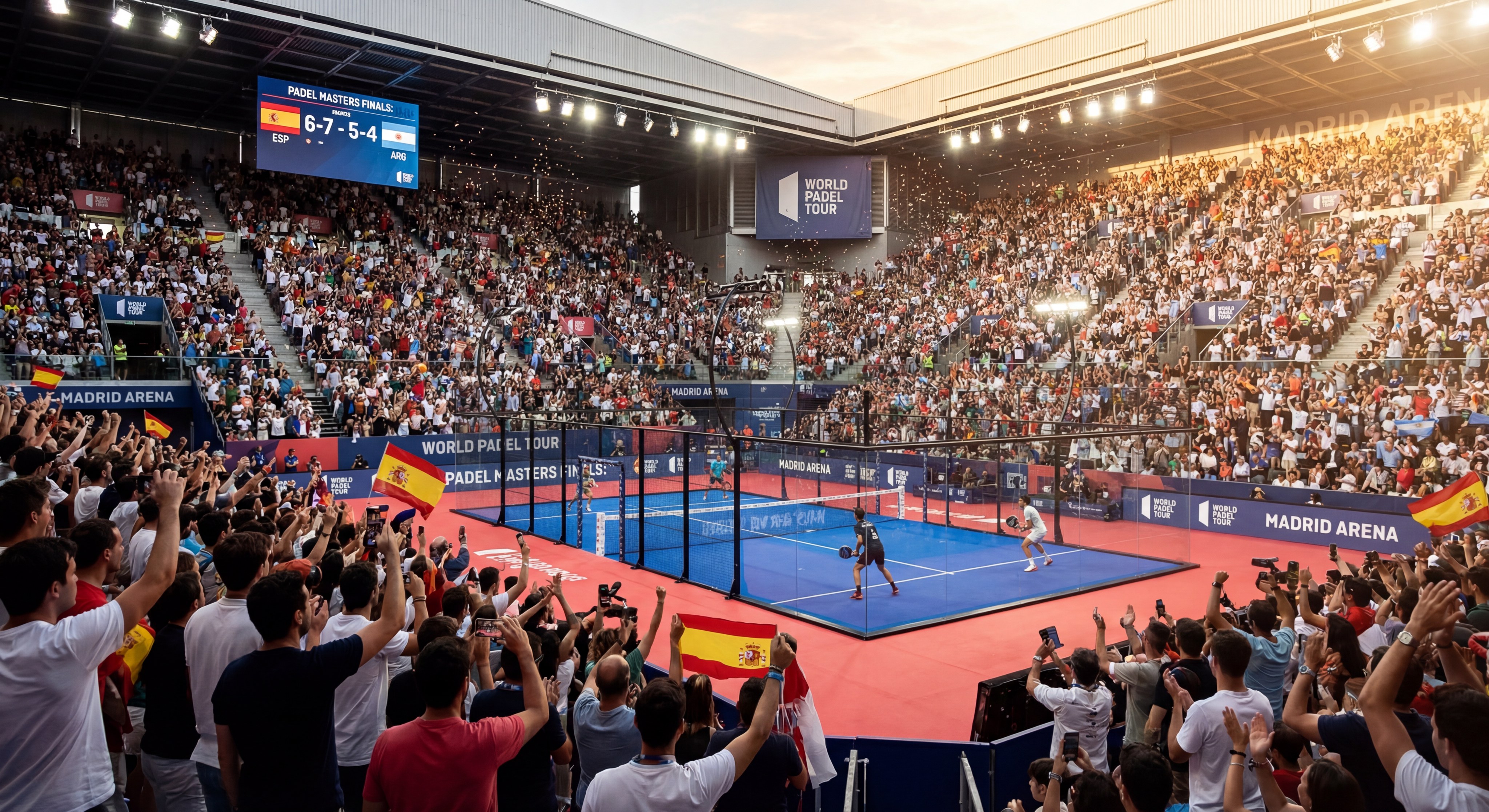
The global surge of padel x is driven by its accessibility, social nature, and the endorsement of high-profile celebrities and athletes. It is currently the world’s fastest-growing racquet sport, with over 25 million active players in 110 countries. For developers looking to join this trend, a standard padel court offers a cost-effective way to enter the booming market.
Will the sport debut in the Olympics?
There is significant momentum for the sport to make its Olympic debut, possibly as soon as the 2032 games in Brisbane. Inclusion in the Olympic roster would trigger even more massive global investment and government support for public courts.
Look:
- Professional tours are already reaching millions of viewers.
- International federations are standardizing rules worldwide.
- Youth academies are popping up to train the next generation of Olympians.
Think about it: the path from a local club to an Olympic stadium is being paved right now.
Which celebrities are promoting the game?
Superstars from the worlds of soccer and tennis, such as Lionel Messi and David Beckham, are vocal fans who frequently play and invest in the sport. Their influence brings massive media attention to new club openings and helps normalize the game in the U.S. market.
Here is the kicker:
- Andy Murray and Rafael Nadal have built their own facilities.
- Celebrities often play “Pro-Am” tournaments to boost visibility.
- Social media exposure from these icons reaches hundreds of millions of people.
Key Takeaway: Global growth is fueled by massive celebrity endorsements and a realistic path toward Olympic recognition in the coming decade.
| Factor | Influence Level | Impact |
|---|---|---|
| Celebrity Support | High | Brand Visibility |
| Olympic Potential | Future | Government Funding |
| Player Growth | 25M+ Active | Market Stability |
The combination of elite star power and grassroots accessibility makes this the most promising investment in the modern sports industry.
How do you build a padel x academy?
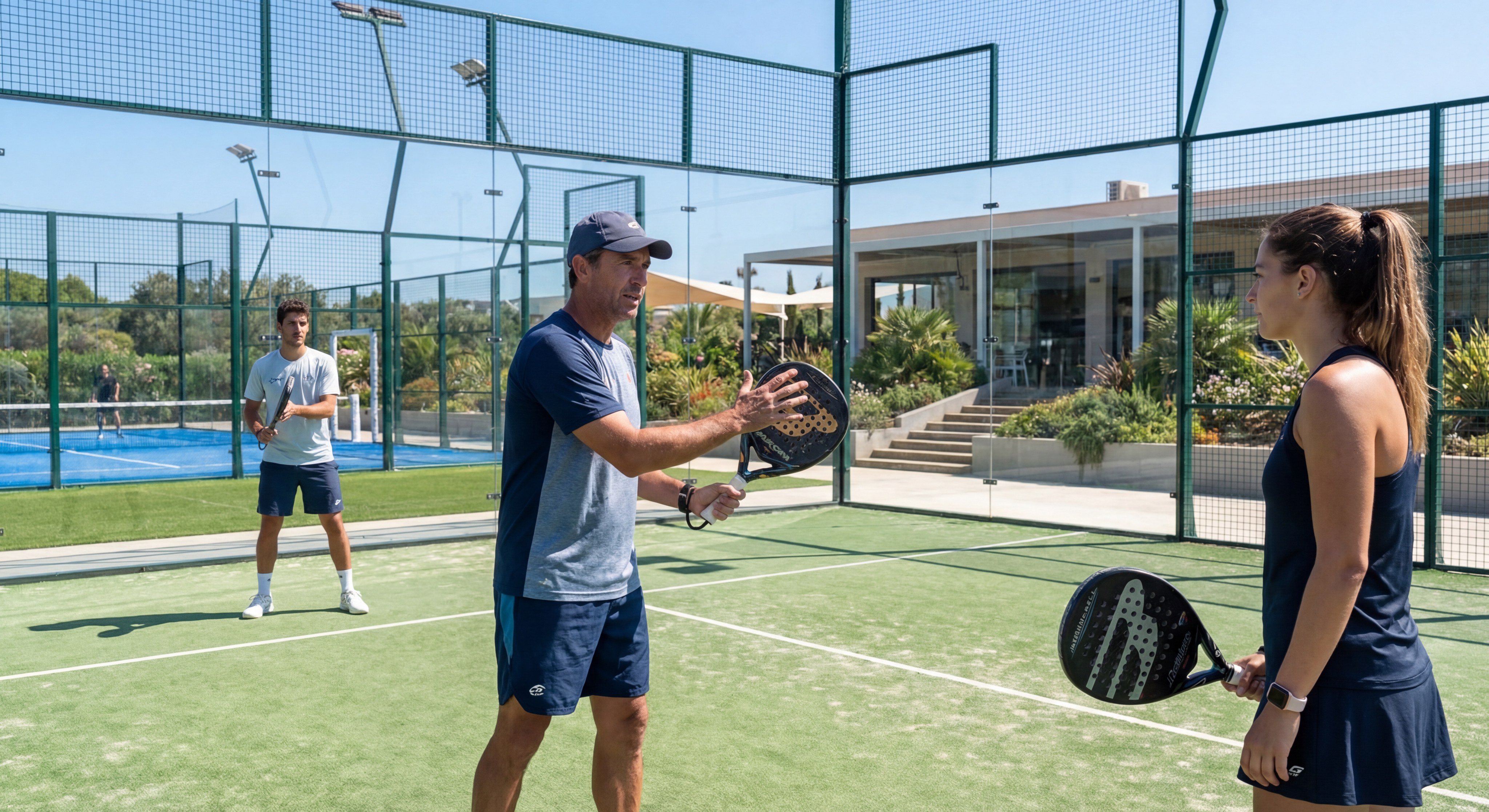
Building a padel x academy requires hiring certified international coaches and installing advanced video technology for real-time player analysis. This structured environment allows beginners to improve quickly while giving advanced players the tools they need to compete at a professional level.
What technology is used for video training?
Modern academies use integrated court cameras and AI software to track ball speed, player positioning, and shot accuracy. This data is then used by coaches to provide objective feedback during training sessions.
Look:
- Video replay stations allow players to see their mistakes instantly.
- Mobile apps track performance stats over multiple months.
- Remote coaching allows players to get feedback from pro instructors anywhere.
Actually: technology is the differentiator that turns a casual session into a high-level training program.
Are there programs for all skill levels?
A successful academy must offer a tiered “Level Up” program that caters to everyone from first-time players to semi-professionals. This keeps the community engaged and ensures a steady pipeline of competitive talent.
The result?
- Beginners learn the basics of wall play and service.
- Intermediate clinics focus on strategy and teamwork.
- Elite camps prepare athletes for international tournament play.
Key Takeaway: A top-tier academy combines elite international coaching with cutting-edge video tech to ensure every member reaches their maximum potential.
| Academy Tier | Focus Area | Technology Used |
|---|---|---|
| Grassroots | Basic Mechanics | Video Replay |
| Competitive | Strategy & Drills | AI Performance Tracking |
| Pro-Elite | Tournament Prep | Advanced Stat Analytics |
By offering a structured path for improvement, you increase member retention and foster a highly competitive club culture.
How do you manage padel x peak hours?
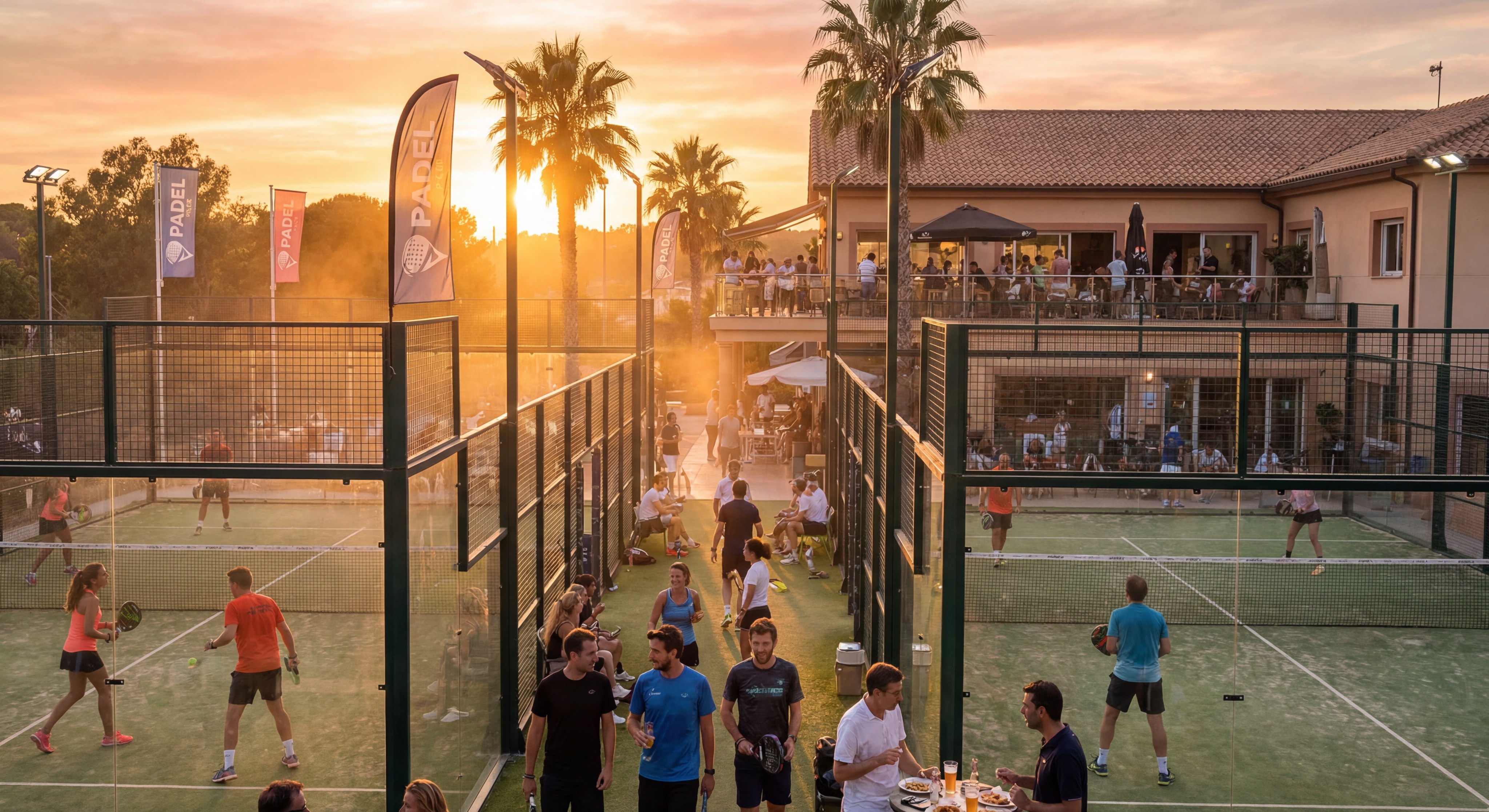
Managing peak hours for padel x involves using a digital booking system to handle high demand between 4 p.m. and midnight, when court availability is usually at its lowest. To maintain a premium look during these high-traffic times, facilities often choose padel glass that remains smudge-resistant and clear even during intense sessions.
When is court demand at its highest?
The “Golden Hours” occur after the workday ends, as professionals flock to the club for exercise and social networking. Managing this rush requires a strict scheduling policy to ensure all members get fair access to the facilities.
Think about it:
- 4 p.m. to 8 p.m. is the primary window for social play.
- 8 p.m. to midnight often hosts league matches and tournaments.
- Weekend mornings are popular for family sessions and youth clinics.
Look: if you don’t manage this window correctly, your most loyal members will get frustrated.
How can clubs maximize player flow?
Implementing a dynamic pricing model or a membership-first booking window can help balance the load across the entire day. Offering discounts for midday play encourages remote workers and retirees to use the courts when they would otherwise be empty.
Check this out:
- Digital apps for instant court reservations.
- Automated lighting systems that sync with booking times.
- Lobby areas designed to keep waiting players comfortable and engaged.
Key Takeaway: High-demand hours require a mix of digital booking tools and smart scheduling to maintain a seamless and premium member experience.
| Time Block | Demand Level | Primary Activity |
|---|---|---|
| 8 AM – 12 PM | Moderate | Clinics / Retirees |
| 12 PM – 4 PM | Low | Private Lessons |
| 4 PM – 12 AM | Peak | Social Play / Leagues |
Optimizing these time slots is the secret to maximizing the daily revenue and long-term viability of your sports club.
What materials are needed for padel x construction?
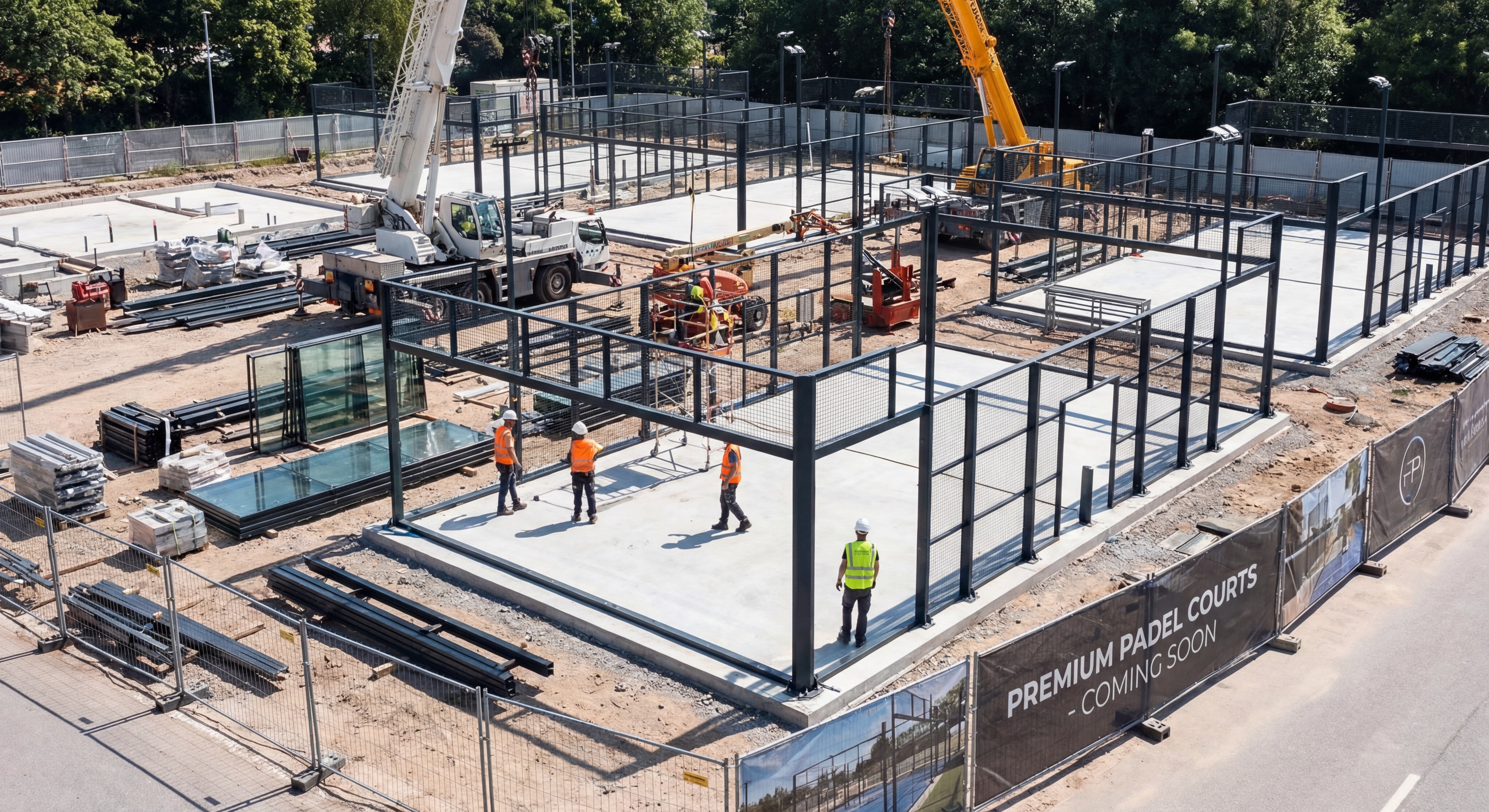
Construction of a padel x facility requires hot-dip galvanized steel for the frame, EU-standard artificial turf for the surface, and 12mm anti-explosion tempered glass. These materials must be sourced from a reliable manufacturer to ensure they can withstand extreme weather conditions, including hurricane-force winds in coastal regions.
How is the steel structure assembled?
The steel frame is modular, meaning it can be manufactured off-site and assembled quickly on a concrete or asphalt foundation. This speed of installation is critical for hitting aggressive project timelines and opening to the public sooner.
Listen to this:
- Galvanized steel prevents rust and structural decay.
- Modular parts allow for easy repairs if a section is damaged.
- High-tension mesh is integrated directly into the steel frame for safety.
In short: you want a structure that is built to last for 20 years with minimal maintenance.
What is the best turf for consistent bounce?
Fibrillated or monofilament artificial grass is the industry standard because it holds the necessary silica sand evenly across the surface. This ensures that the ball bounce is consistent and that players have the right amount of grip for fast movements.
The best part?
- Customizable colors like blue, green, or even vibrant pink.
- High-density fibers that resist flattening over time.
- Integrated drainage systems for quick drying after rain.
Key Takeaway: Using premium, weather-resistant materials like galvanized steel and high-grade turf is essential for long-term durability and player safety.
| Material | Purpose | Life Expectancy |
|---|---|---|
| Galvanized Steel | Structural Frame | 20+ Years |
| Tempered Glass | Rebound Walls | Indefinite |
| Artificial Turf | Playing Surface | 5-8 Years |
Investing in the highest quality materials during the construction phase prevents costly repairs and ensures a top-tier playing experience for your members.
Summary and Strategic Vision
Padel x is more than just a sports club; it is a professionalized, tech-forward movement that is redefining the urban athletic landscape. By focusing on premium materials, sustainable practices, and elite branding, these facilities solve the problem of low-quality neighborhood courts and meet the soaring demand for sophisticated social sports. We are dedicated to providing the infrastructure and expertise needed to bring this vision to life across the globe.
If you are ready to be part of the racquet sport revolution and build a world-class facility, contact us today to start your journey.
Frequently Asked Questions
Can I build a padel x club on a rooftop?
Yes, rooftop installations are highly successful in urban centers like Miami and Dubai. Because the structures are modular and lightweight, they can be adapted to most high-rise building specs with proper engineering.
What’s the best way to recycle old balls?
The most effective way is to install dedicated collection bins at your facility. These materials are then sent to specialized processing plants that turn the rubber and felt into high-performance apparel fibers.
Can beginners play in a padel x league?
Absolutely, because the “Level Up” program specifically includes tiers for novice players. This ensures you are competing against others of similar skill while you master the unique strategies of the sport.
What is the return on investment for a 10-court club?
ROI is typically achieved within 24 to 36 months, depending on the local market demand and membership fees. The high throughput of four players per court significantly increases revenue compared to traditional tennis.
How long does the construction process take?
The actual assembly of a court takes about 10 to 15 days once the foundation is ready. Total project time usually ranges from 3 to 6 months including planning and land preparation.