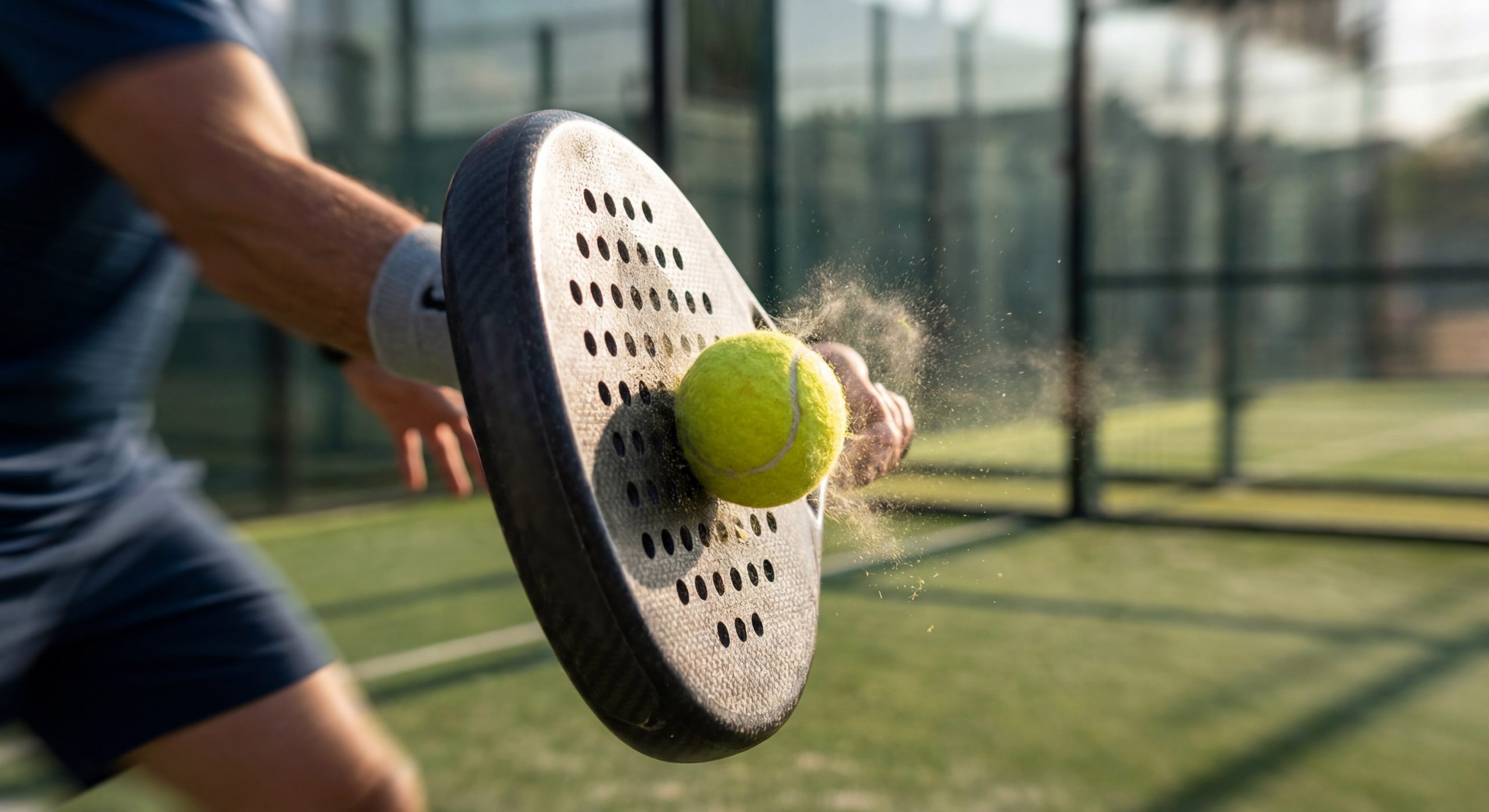
What defines a professional siux padel?
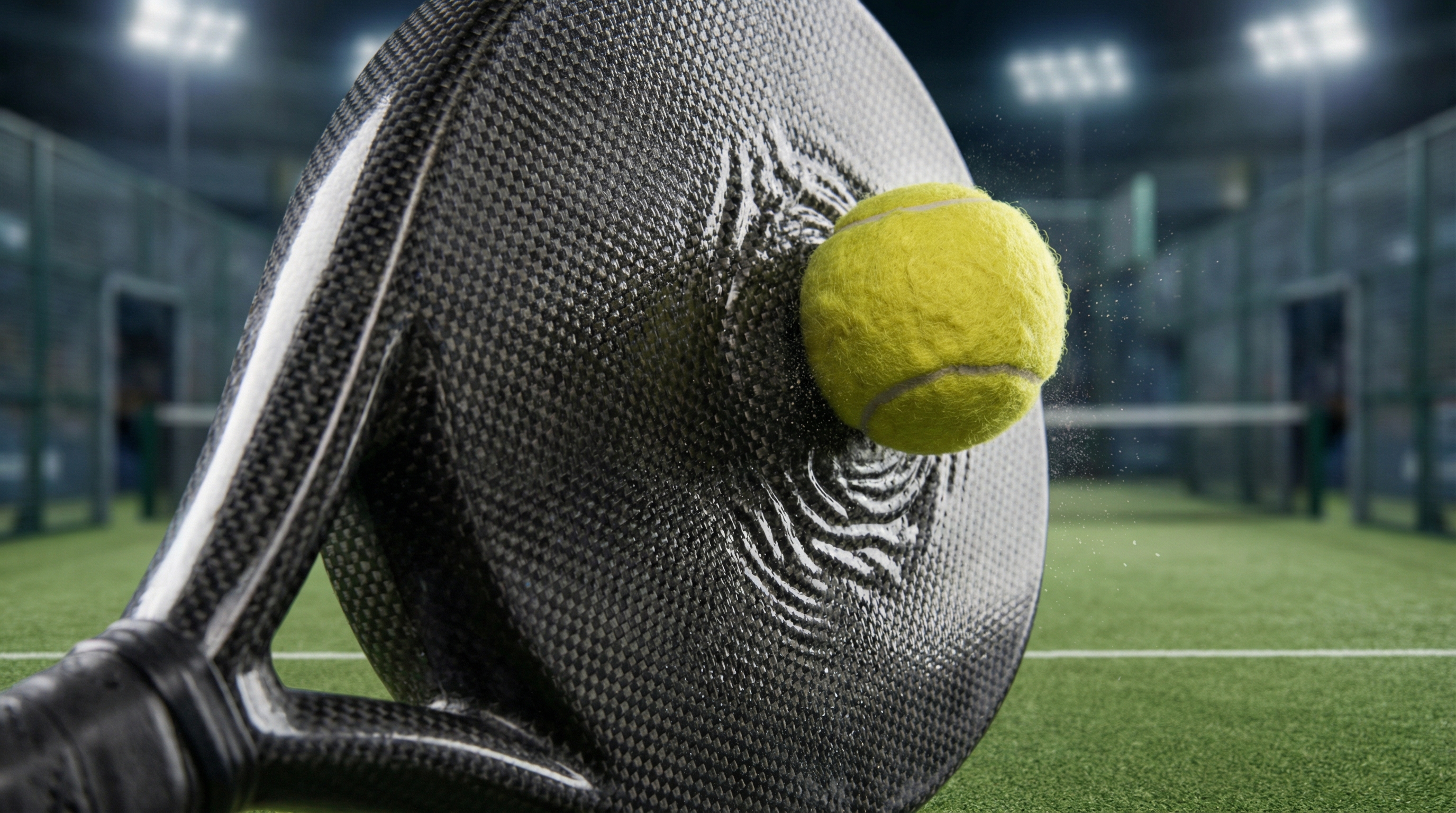
A professional siux padel setup is defined by the synergy between advanced carbon fiber equipment and a court surface that responds perfectly to high-velocity play. You must understand that the technical nuances of the sport require a precision-engineered environment to flourish.
Why does technical equipment matter?
Elite rackets utilize high-density EVA cores and 24K carbon faces to maximize power. But that’s not all; these components require a consistent court surface to perform as intended by the manufacturer.
- High-density cores provide a firm feel.
- Carbon fiber maximizes structural rigidity.
- Advanced textures enhance ball spin.
Think about it. If your court is uneven, even the most expensive racket cannot compensate for a bad bounce.
Key Takeaway: Professional play requires a total ecosystem where equipment and infrastructure meet the same rigorous quality standards.
| Component | Focus | Player Benefit |
|---|---|---|
| Racket Core | High-Density EVA | Maximum power output |
| Surface Material | 24K Carbon Fiber | Structural durability |
| Court Synergy | Level Foundations | Consistent ball response |
Building a high-performance club requires more than just good rackets; it requires protection from the elements.
Why invest in roofed siux padel courts?
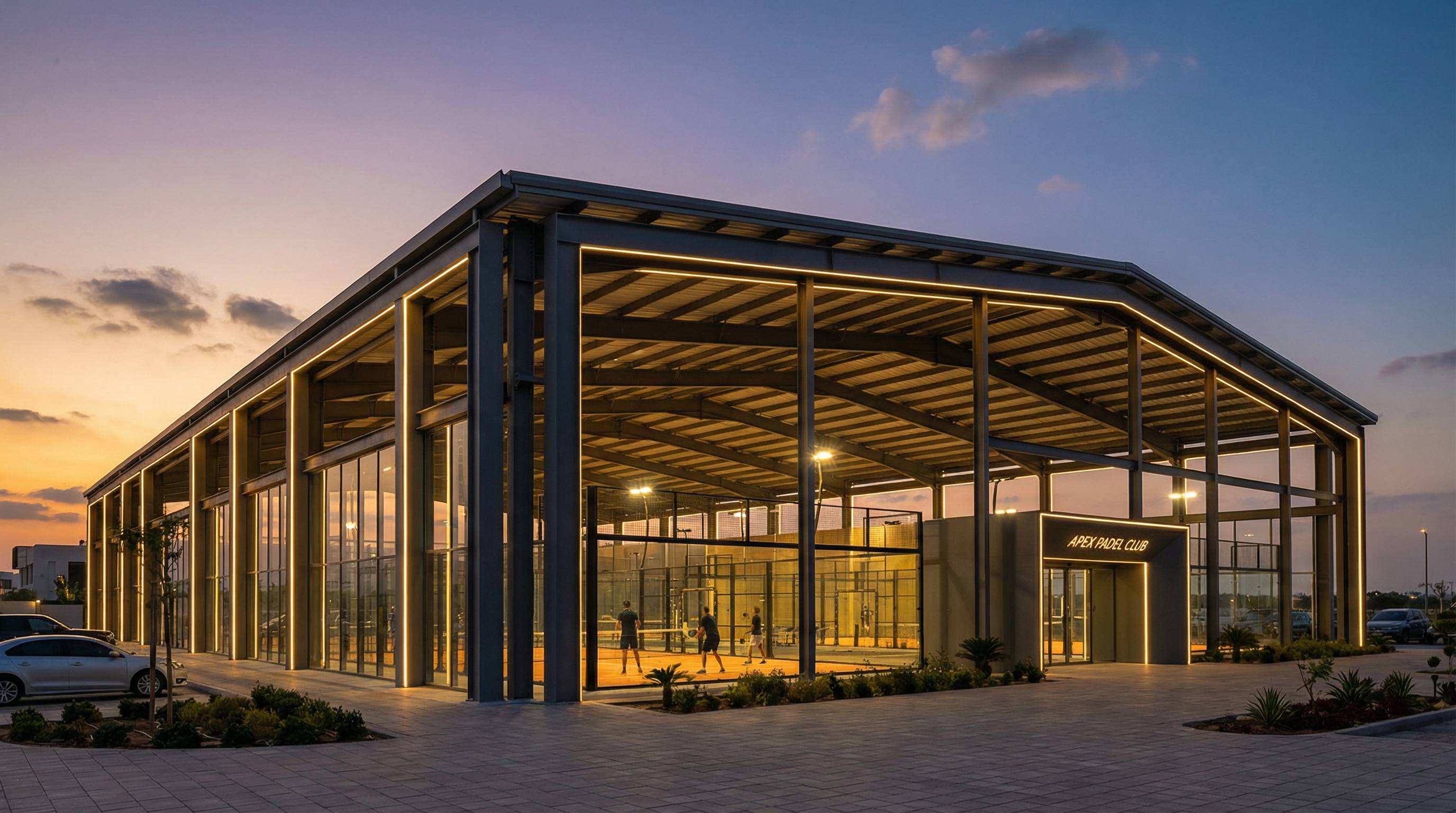
Roofed siux padel structures are the premier solution for club owners who want to eliminate revenue loss caused by unpredictable weather conditions. You can guarantee 365-day playability by installing a hurricane-rated canopy over your professional courts.
How does a roof impact ROI?
Indoor or covered facilities typically see 40% higher booking rates during the winter and summer months. The reality is simple: players prefer climate-controlled environments that protect them from UV rays and rain.
- Eliminates “rain-out” refund requests.
- Protects synthetic turf from UV degradation.
- Increases evening playability with integrated lighting.
Here is the kicker: a covered court extends the lifespan of your glass and steel components by reducing direct exposure to the elements.
Key Takeaway: Weatherproofing your facility is a strategic investment that maximizes uptime and protects your structural assets from premature wear.
| Benefit | Impact | Business Value |
|---|---|---|
| UV Protection | Slows turf aging | Lower replacement costs |
| Weather Shield | No rain delays | Constant revenue stream |
| Temperature | Improved player comfort | Higher member retention |
The integrity of your court begins with the skeleton that supports the entire glass and mesh system.
Which steel supports a siux padel frame?
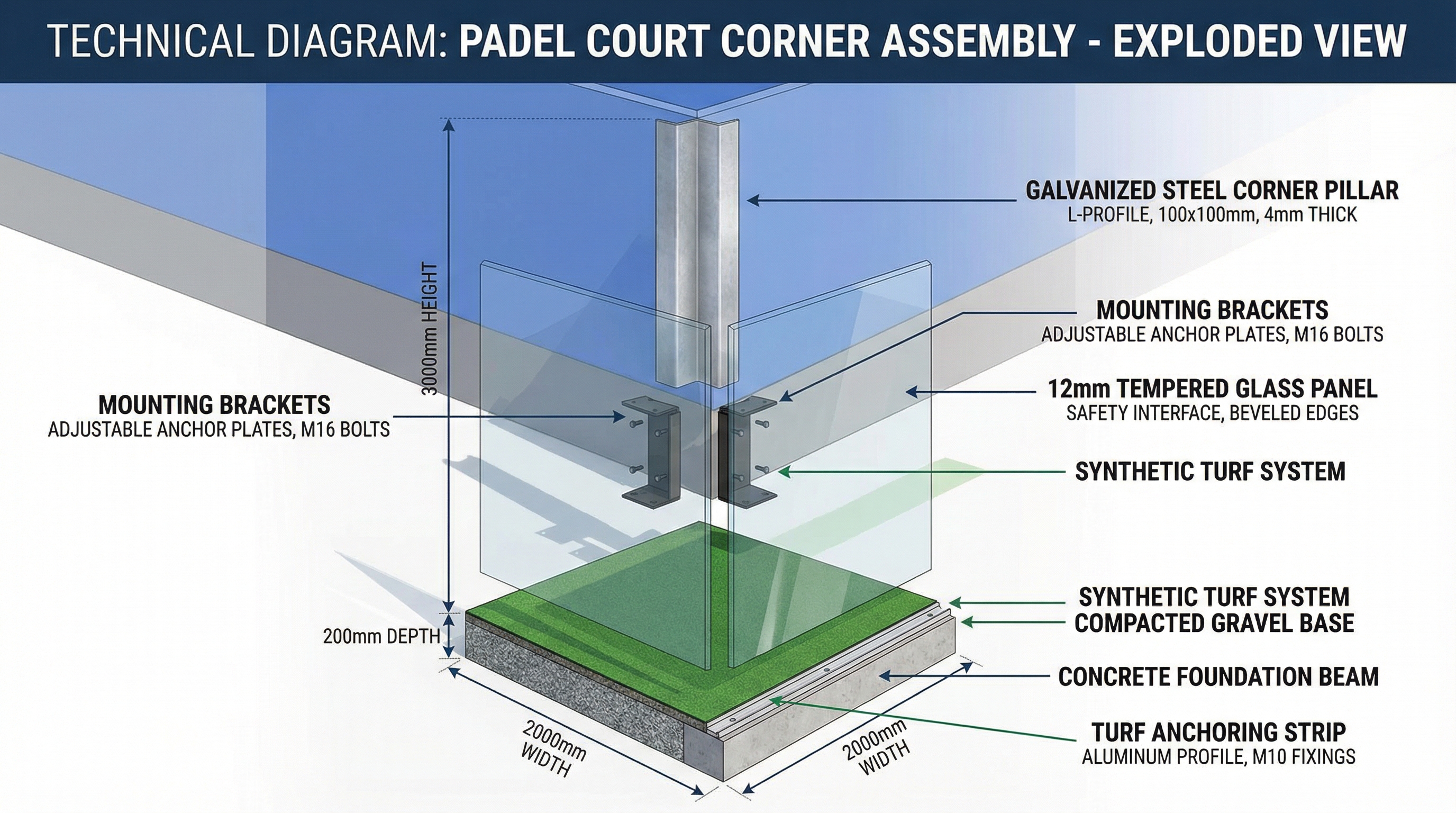
Building a durable siux padel court requires the use of hot-dip galvanized steel to prevent oxidation and structural failure over time. You must ensure that your manufacturer uses a minimum steel thickness of 3mm to 4mm for the main pillars to withstand high wind loads.
Why is galvanization essential?
Standard powder coating often fails within five years in humid or coastal environments. But wait, there’s more: hot-dip galvanization creates a chemical bond that protects the steel inside and out for over two decades.
- Provides 20+ years of corrosion resistance.
- Withstands high-impact collisions from players.
- Supports heavy 12mm glass panels securely.
Think about it. Replacing a rusted frame is significantly more expensive than investing in quality steel during the initial construction phase.
Key Takeaway: Hot-dip galvanized steel is the industry gold standard for longevity, providing the necessary strength to support professional-grade glass walls.
| Material Type | Lifespan | Humidity Resistance |
|---|---|---|
| Hot-Dip Galvanized | 20+ Years | Exceptional |
| Powder Coated | 5-8 Years | Moderate |
| Aluminum Alloy | 15+ Years | High |
Once the steel frame is secured, your attention must turn to the transparency and safety of the glass walls.
How does glass impact siux padel safety?
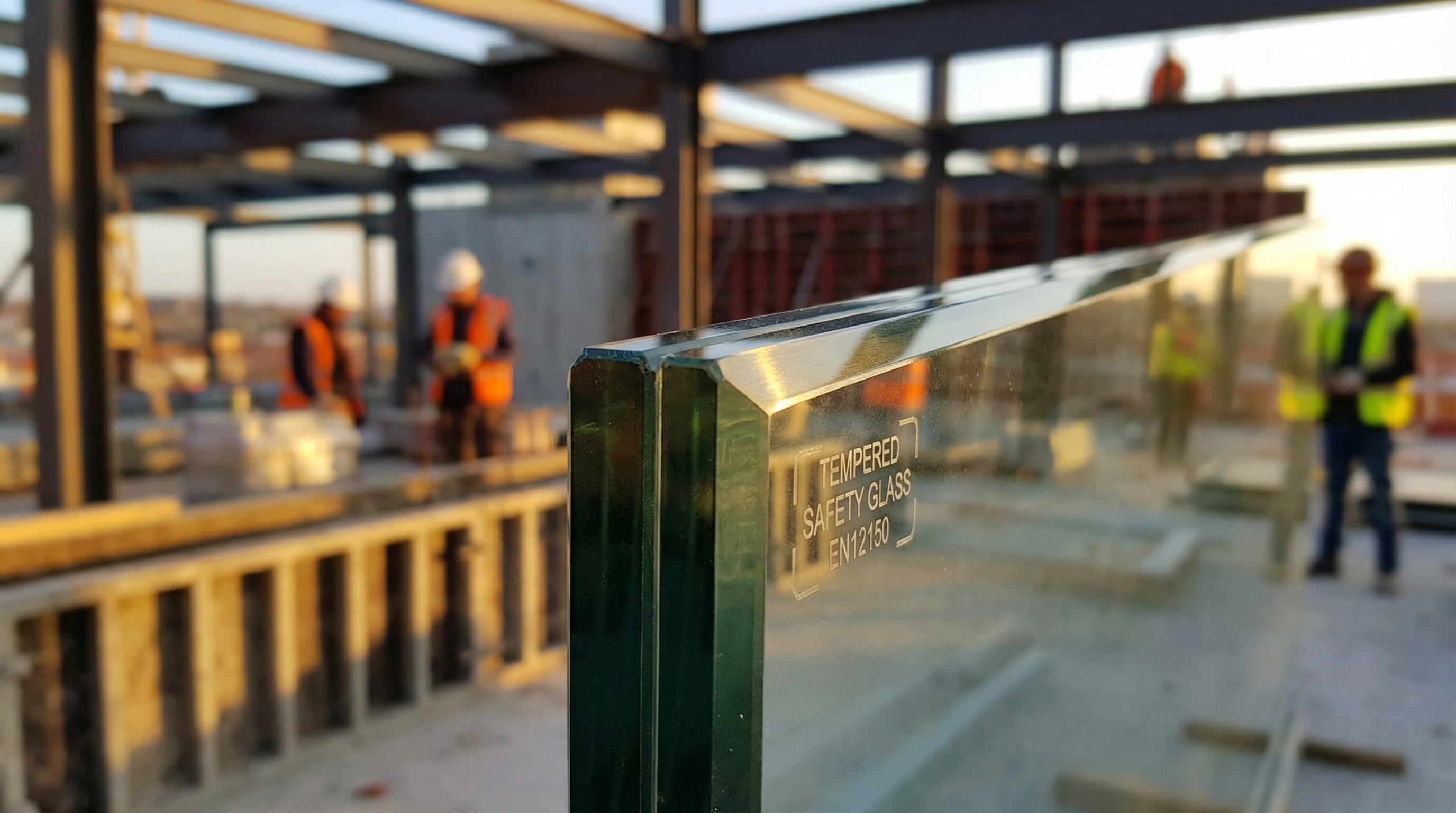
High-quality siux padel installations utilize 12mm tempered safety glass that meets EN 12150 certification standards to ensure player protection. You cannot compromise on glass quality, as this component experiences the highest frequency of physical impact during a match.
Is 12mm glass better than 10mm?
While 10mm glass is cheaper, 12mm panels provide a more consistent ball rebound and significantly higher structural integrity. Here is the kicker: the added thickness reduces the vibration felt by the players when they collide with the walls.
- Certified tempered glass crumbles into blunt fragments.
- Polished beveled edges prevent installation injuries.
- Increased thickness ensures uniform ball bounce.
You might be wondering if the cost is worth it. For professional clubs, the answer is always yes because it minimizes liability and improves the game experience.
Key Takeaway: Investing in 12mm EN 12150 certified glass is the only way to ensure tournament-level safety and superior playability for your club.
| Thickness | Safety Level | Rebound Quality |
|---|---|---|
| 10mm | Standard | Moderate |
| 12mm | Professional | Superior |
| 12mm Laminated | Maximum | Premium |
The surface beneath the players’ feet is just as critical as the walls surrounding them for joint health and speed.
What turf suits a siux padel surface?
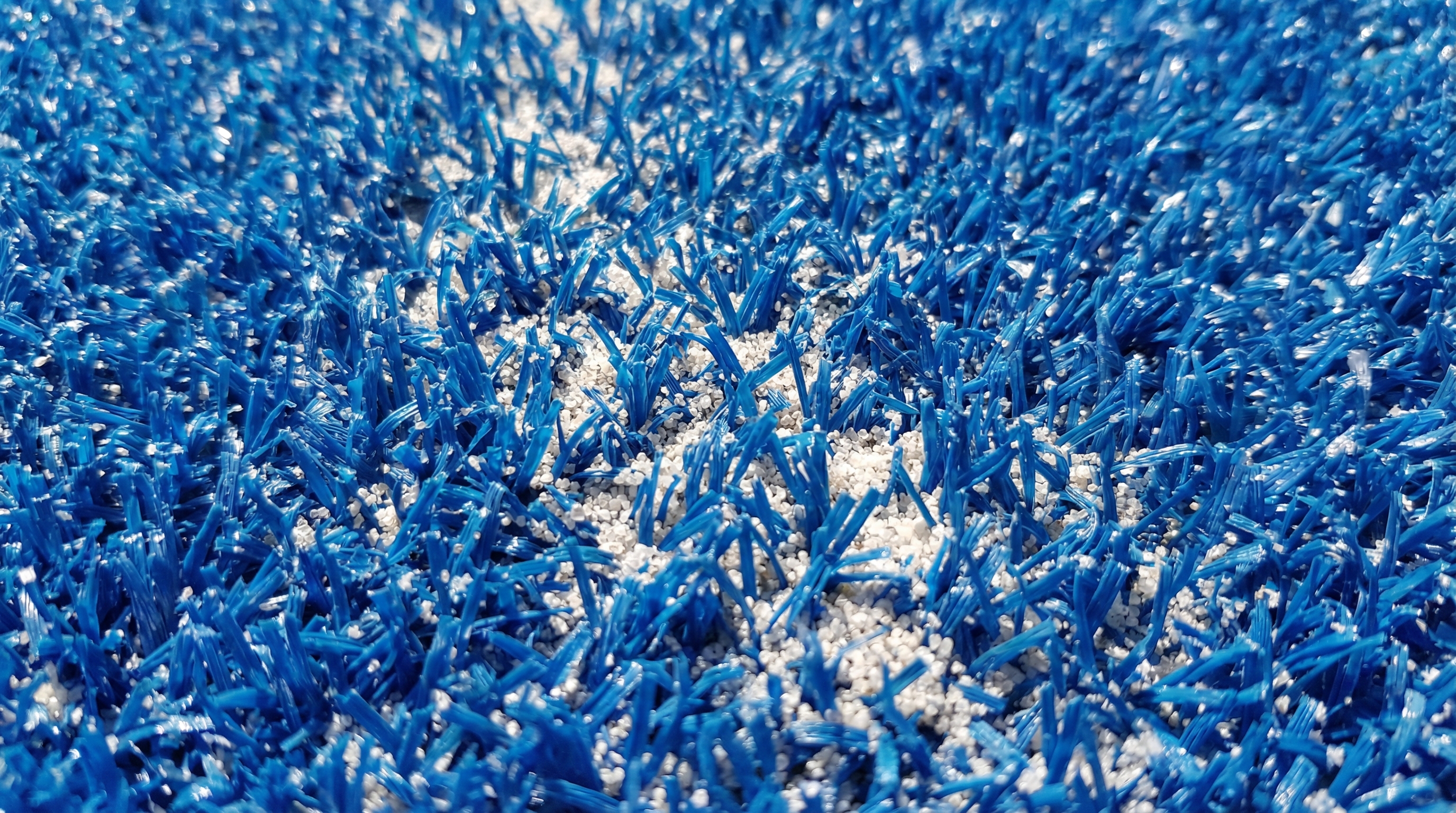
A professional siux padel court must be outfitted with FIP-approved monofilament synthetic turf to ensure optimal player traction and ball speed. You should look for textured fibers that hold silica sand in place, preventing the “slippery” sensation often found on lower-quality courts.
Why choose monofilament fibers?
Monofilament grass is designed to return to a vertical position after every step, maintaining the court’s aesthetic and functional performance. But that’s not all; these fibers are much more resistant to the abrasive nature of padel shoes.
- FIP approval ensures tournament-level standards.
- Monofilament fibers resist matting over time.
- Textured blades improve sand distribution.
Think about it. If your turf wears out in two years, your maintenance costs will skyrocket and your players will complain about joint pain.
Key Takeaway: High-density, monofilament synthetic turf is essential for maintaining professional play standards and protecting player health through proper cushioning.
| Feature | Monofilament | Fibrillated |
|---|---|---|
| Durability | High | Moderate |
| Ball Speed | Consistent | Variable |
| Maintenance | Low | High |
While the turf handles the feel of the game, the layout of the court determines the spectator experience.
Is a panoramic siux padel layout better?
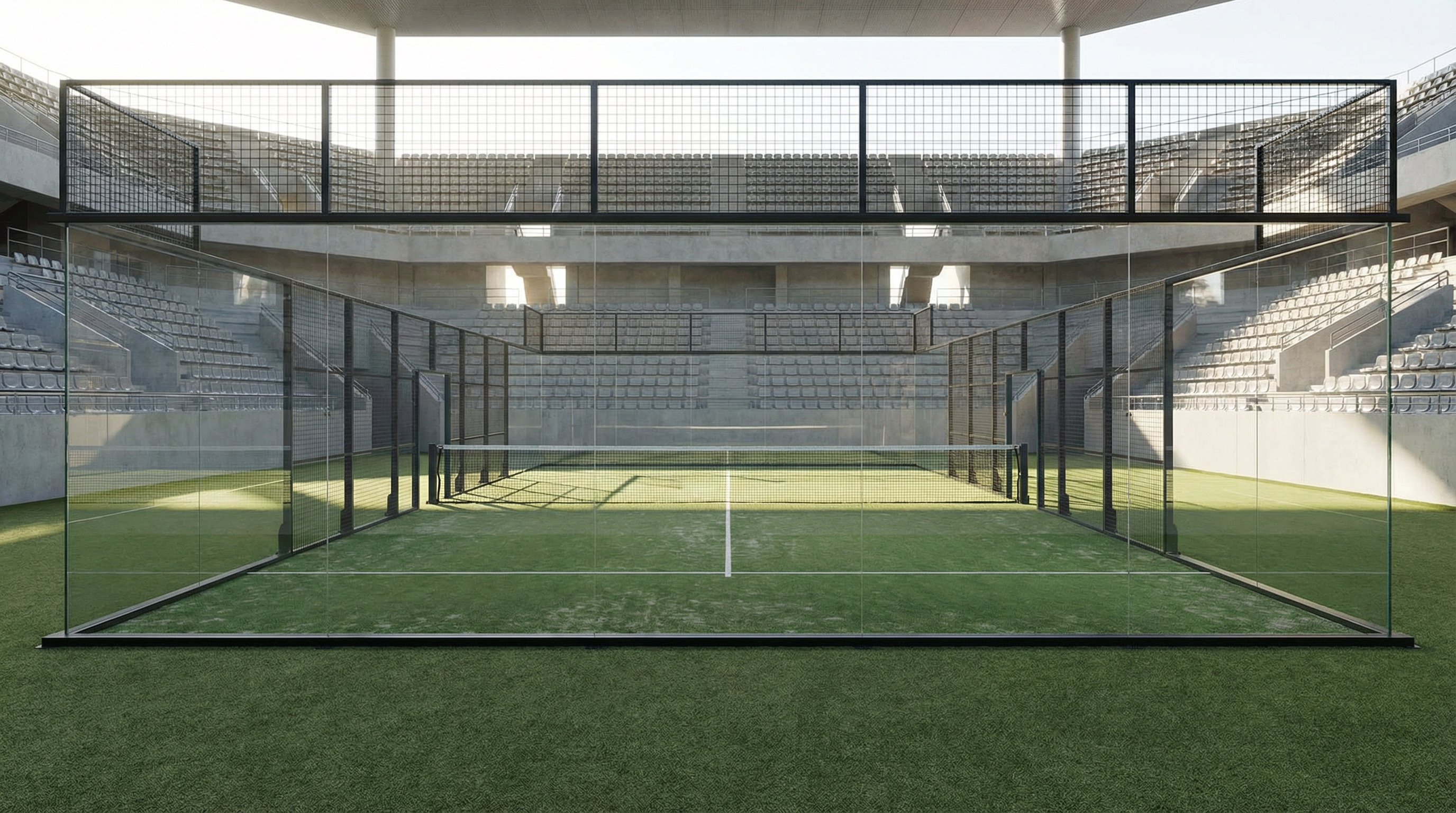
Choosing a siux padel panoramic design removes the corner pillars, providing an unobstructed 360-degree view for spectators and television cameras. You will find that these “full-vision” courts are the preferred choice for center courts at major clubs and international tournaments.
What are the structural challenges?
Removing the corner supports requires reinforced horizontal beams and thicker glass to maintain the same level of safety. The reality is simple: players love the “open” feel of a panoramic court, and they are often willing to pay a premium booking fee for them.
- Increases spectator engagement and visibility.
- Provides a premium aesthetic for high-end clubs.
- Enables high-quality video recording and streaming.
Here is the kicker: panoramic courts often become the most photographed part of your facility, providing free social media marketing for your brand.
Key Takeaway: Panoramic designs offer the best ROI for center courts due to their high demand among players and their ability to host televised events.
| Court Type | Visibility | Structural Requirement |
|---|---|---|
| Standard | 80% | Basic Frame |
| Panoramic | 100% | Reinforced Beams |
| Super Panoramic | 100% | Hidden Supports |
Visibility is not just about the layout; it is also about the lighting system used during night sessions.
How to light a professional siux padel?
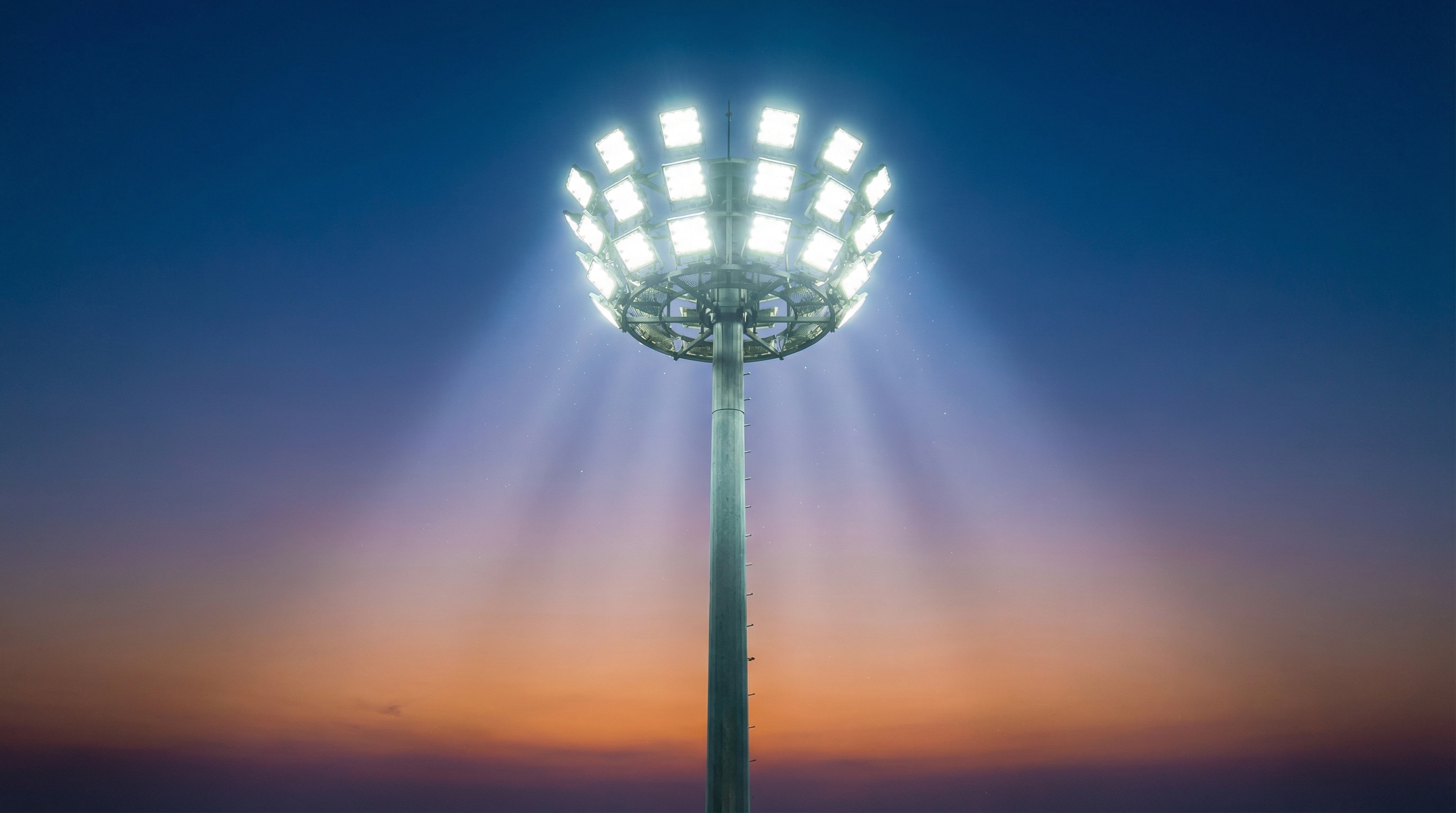
Lighting a siux padel court requires a minimum of eight LED floodlights rated at 200W each to achieve the 500-750 lux needed for professional play. You must ensure the lighting system is flicker-free to accommodate high-speed cameras and player reaction times.
Why are IP66 ratings important?
Outdoor courts are exposed to dust, rain, and humidity, which can quickly short-circuit lower-rated electronics. But wait, there’s more: IP66 or IP67 ratings ensure your lights remain operational even during heavy storms.
- LEDs reduce energy consumption by up to 60%.
- Instant-on capability eliminates warm-up times.
- Uniform light distribution prevents blinding glare.
Think about it. A dark spot on the court can cause a player to miss a shot or, worse, suffer an injury due to poor depth perception.
Key Takeaway: High-output LED systems with professional LUX ratings are mandatory for clubs that want to maximize evening booking revenue safely.
| Metric | Amateur Play | Pro / TV Play |
|---|---|---|
| Luminance | 300 Lux | 750+ Lux |
| Uniformity | 0.5 | 0.7 |
| Poles | 4 | 4 or 8 |
Proper lighting is the final touch, but getting the court from the factory to your site requires efficient logistics.
Can you build a siux padel court quickly?
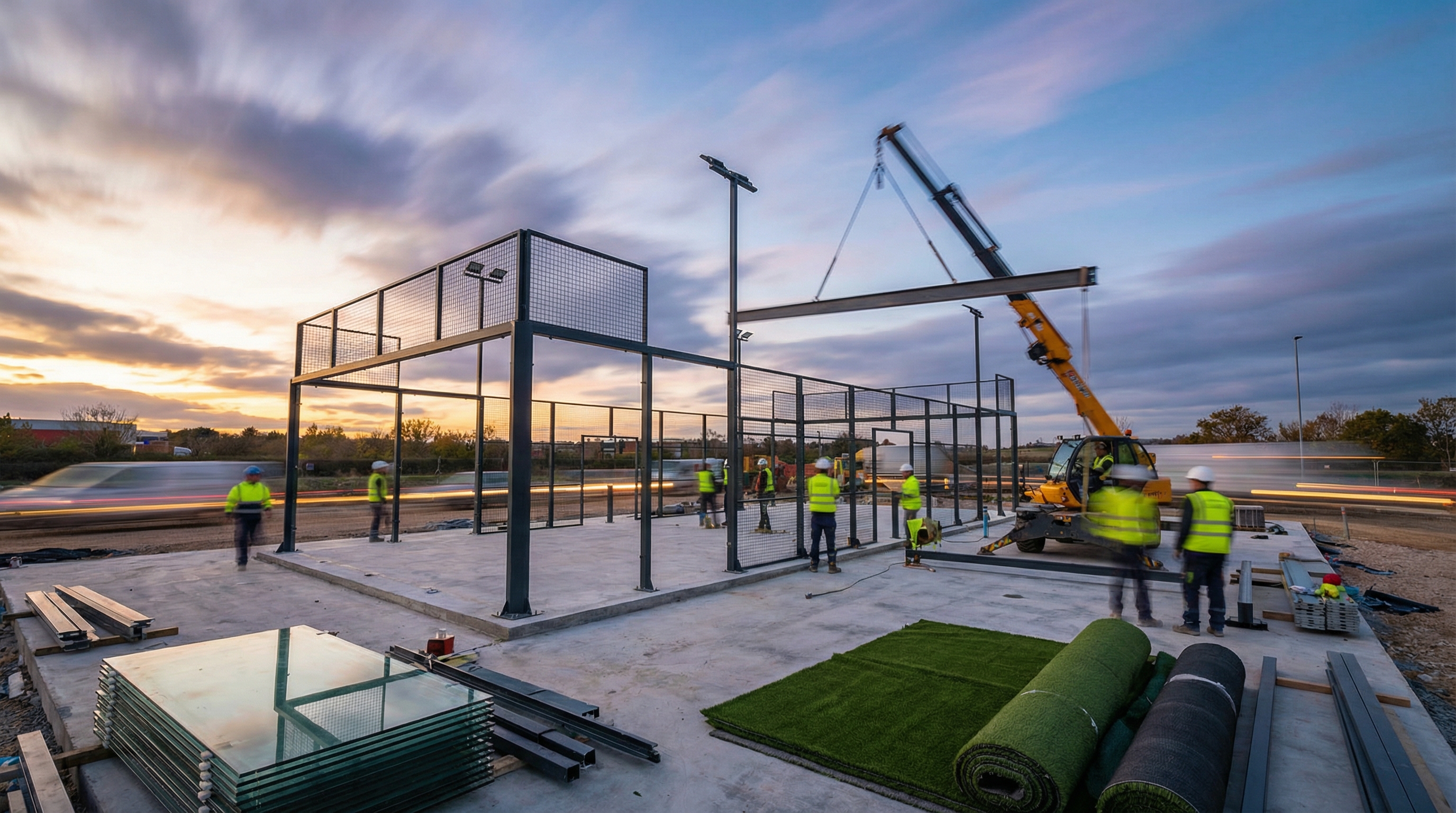
You can assemble a siux padel modular court kit in as little as 3 to 5 days if your sub-base is properly leveled and prepared. Modern manufacturing allows for pre-drilled components that fit together like a puzzle, drastically reducing your labor costs and project timelines.
What is the most critical phase?
Sub-base preparation using porous concrete or asphalt is the foundation of a successful build. Here is the kicker: if your concrete is even 1cm out of level, the glass panels will not align, and the turf will develop dangerous wrinkles.
- Modular kits arrive in standardized containers.
- Pre-drilled steel ensures fast bolt-together assembly.
- Professional teams can install two courts per week.
You might be wondering about the total lead time. Generally, factory-direct orders take about 25 to 40 days to manufacture and ship to your location.
Key Takeaway: Modular assembly is the fastest way to scale your club, provided you invest the necessary time in a perfectly level foundation.
| Phase | Duration | Responsibility |
|---|---|---|
| Foundation | 7-14 Days | Local Contractor |
| Manufacturing | 25-40 Days | Factory |
| Assembly | 3-5 Days | Installation Crew |
Rapid assembly is great, but managing the procurement process is where you can truly optimize your budget.
What reduces siux padel project costs?
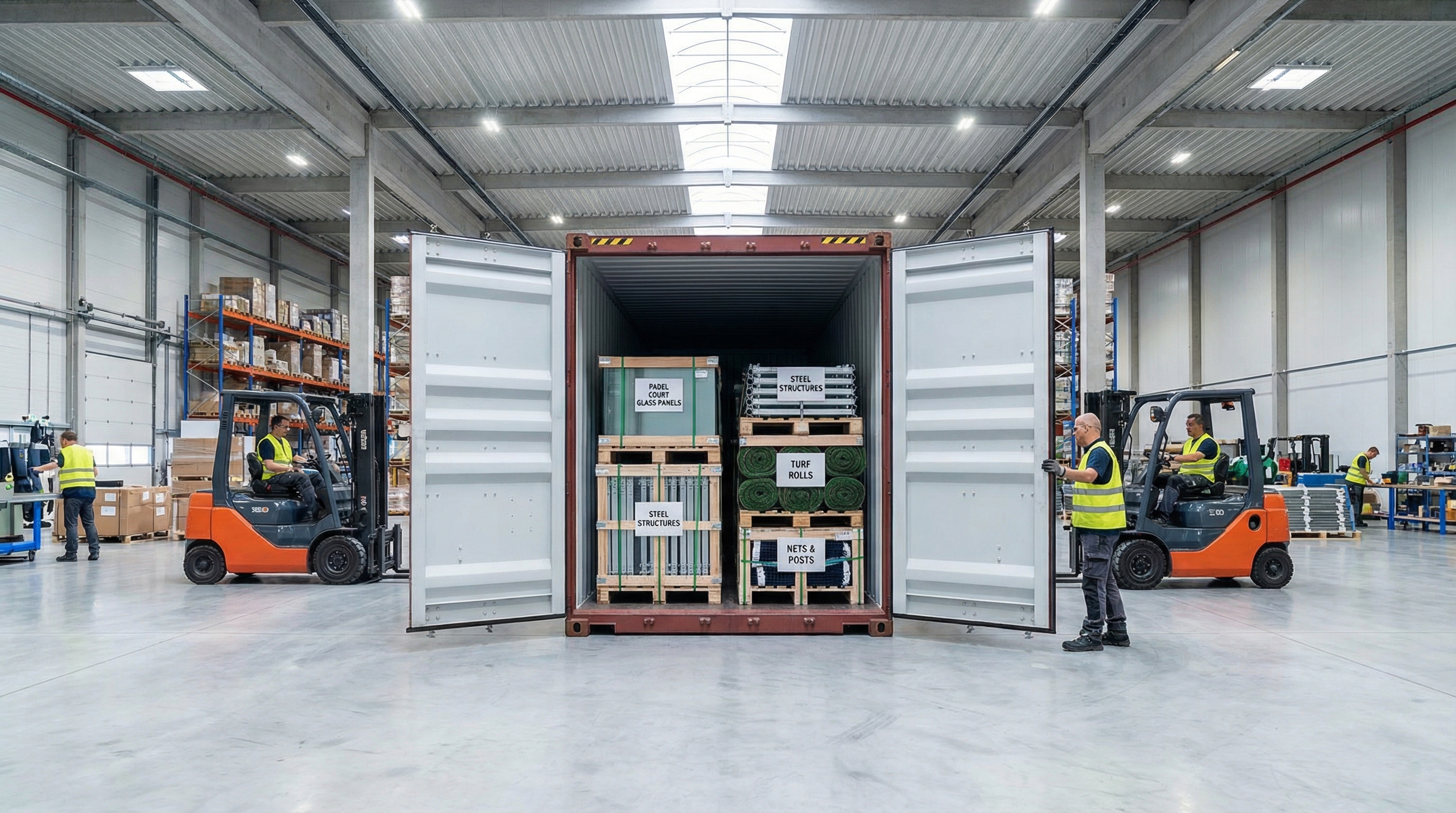
Procuring your siux padel equipment directly from the manufacturer can reduce your total project costs by up to 30% by eliminating middleman markups. You gain the ability to customize colors, logos, and technical specifications while maintaining direct control over the quality of the materials.
Why choose factory-direct sourcing?
Factories that specialize in padel infrastructure offer OEM/ODM services that local distributors cannot match. But that’s not all; buying direct usually gives you access to comprehensive installation manuals and 24-hour technical support.
- Saves 20-30% on per-court procurement.
- Allows for full customization of frame colors.
- Ensures all components are sourced from one vendor.
Think about it. With the money you save on five courts, you could potentially fund the construction of a sixth court or a luxury clubhouse.
Key Takeaway: Direct procurement is the most effective way to maximize your initial investment without sacrificing the quality of your court components.
| Sourcing Method | Price Point | Customization |
|---|---|---|
| Local Dealer | Premium | Limited |
| Factory Direct | Competitive | Full |
| Used/Resale | Low | None |
Once your courts are built and operational, the long-term success of your club depends on a strict maintenance schedule.
How to manage siux padel maintenance?
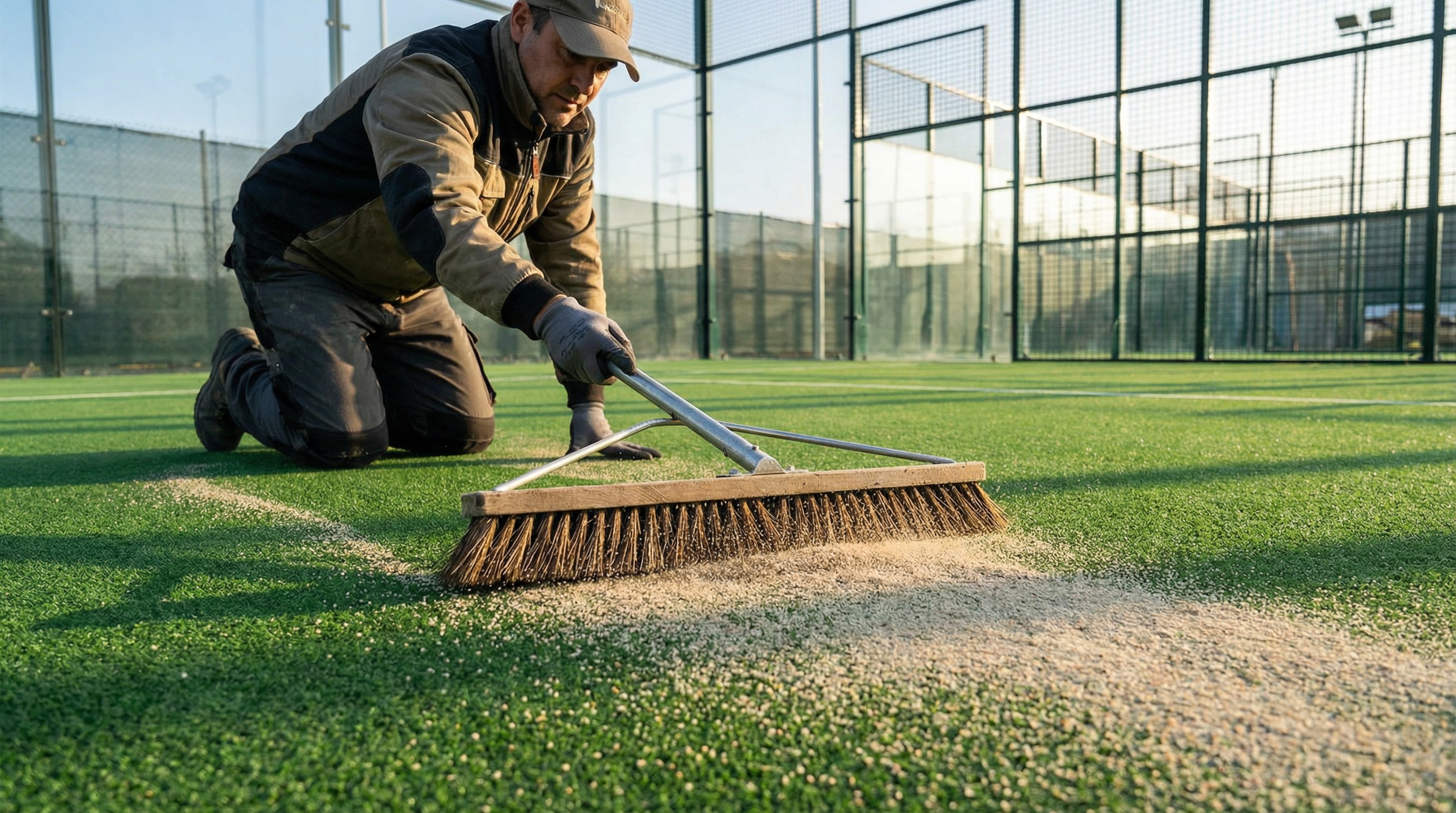
Maintaining your siux padel facility involves a weekly schedule of turf brushing and glass cleaning to preserve the playability and aesthetics of the courts. You must redistribute the silica sand regularly to prevent the monofilament fibers from laying flat and wearing out prematurely.
What are the structural check-ins?
Every six months, you should inspect the tension of the net and the tightness of the glass mounting bolts. The reality is simple: the constant impact from players can cause minor shifts in the frame that need to be corrected to prevent glass breakage.
- Weekly brushing prevents sand compaction.
- Monthly glass cleaning maintains the premium look.
- Bi-annual bolt checks ensure structural safety.
Here is the kicker: a well-maintained court can last twice as long as a neglected one, saving you tens of thousands in replacement costs.
Key Takeaway: Consistent maintenance is the only way to protect your ROI and ensure that your players always experience a professional-grade game.
| Task | Frequency | Purpose |
|---|---|---|
| Turf Brushing | Weekly | Sand distribution |
| Glass Cleaning | Monthly | Visual clarity |
| Bolt Tightening | Bi-Annually | Structural safety |
Conclusion
Building a successful padel facility requires a deep understanding of the technical requirements that elite players demand. By focusing on galvanized steel, 12mm tempered glass, and monofilament turf, you create an environment where high-performance play can thrive. If you are ready to start your project or need expert guidance on court specifications, please contact us today to receive a comprehensive quote within 24 hours. At Superb Padel, our vision is to empower club owners worldwide with factory-direct, professional-grade infrastructure that defines the future of the sport.
FAQ
Can I build a padel court on a standard tennis court surface?
No, you cannot. While the space is sufficient, padel courts require a reinforced concrete or asphalt sub-base to support the heavy glass walls and ensure a perfectly level playing field.
What’s the best way to prevent glass breakage?
Always use 12mm tempered safety glass. This thickness provides the necessary strength to withstand player impact, and you should ensure that the mounting bolts use high-quality rubber gaskets to absorb vibrations.
Can I customize the color of the steel frame?
Yes, you certainly can. Most professional manufacturers offer a full range of RAL colors for powder coating, allowing you to match your club’s branding perfectly during the production phase.
What’s the ideal lifespan for professional synthetic turf?
Typically, high-quality turf lasts 5 to 8 years. However, this depends entirely on your maintenance habits and the frequency of play; regular brushing can significantly extend this timeframe.
Can I install the courts myself?
Yes, it is possible but not recommended for beginners. You should hire a professional installation team to ensure the glass is handled safely and the turf is seamed correctly for long-term durability.