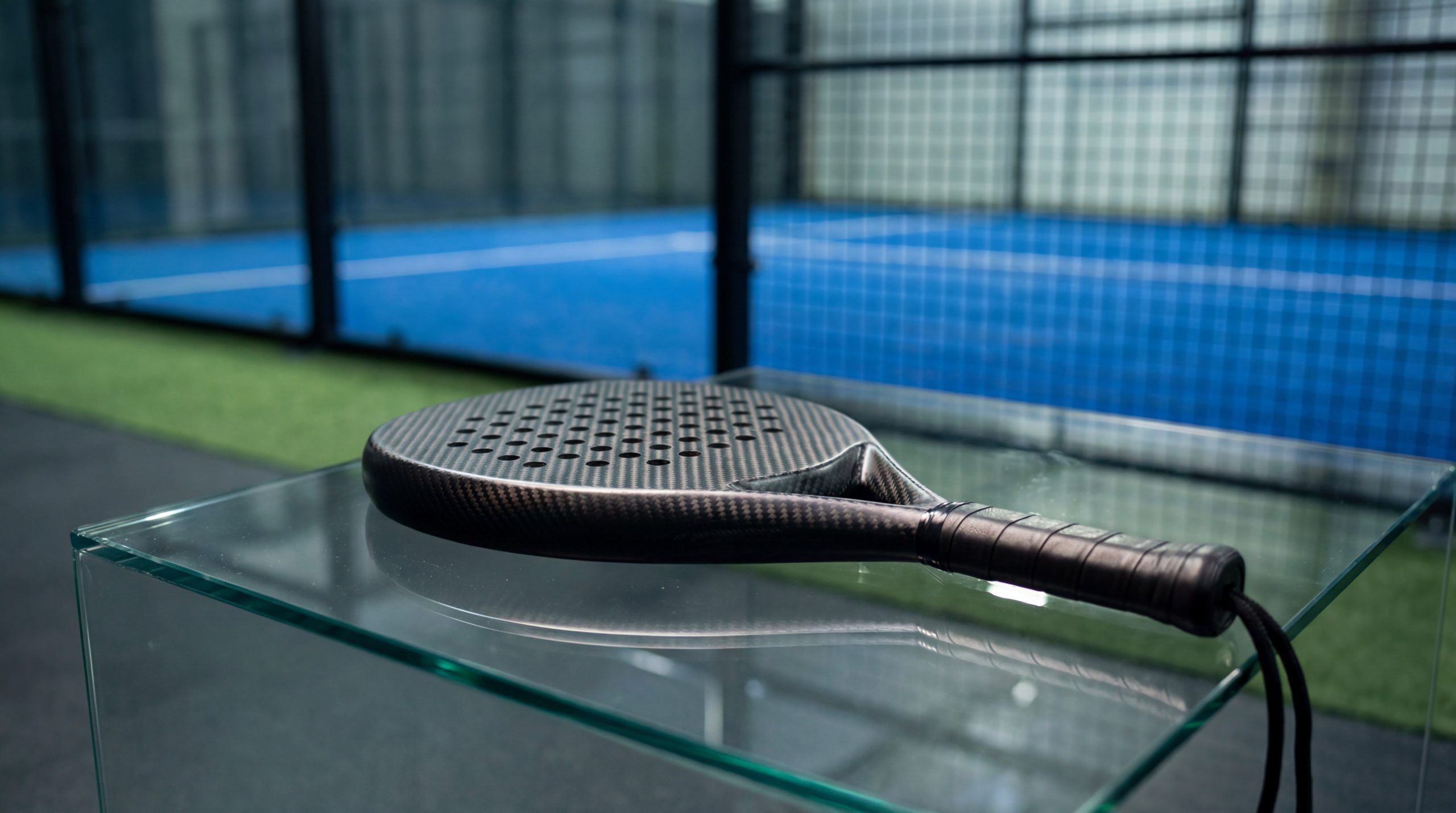
Padel racket types refer to the specific architectural designs, ranging from round to diamond shapes, and the complex material layers used to construct professional-grade gear. Imagine arriving at a tournament only to find your racket feels like a wooden plank, causing missed volleys and a sore wrist. This mismatch between your equipment and your skill level doesn’t just hurt your game—it can lead to long-term injury and frustration on the court. To master the game, you need to understand how different padel racket types are engineered to solve these exact performance hurdles.
What are the main padel racket types for head shape?
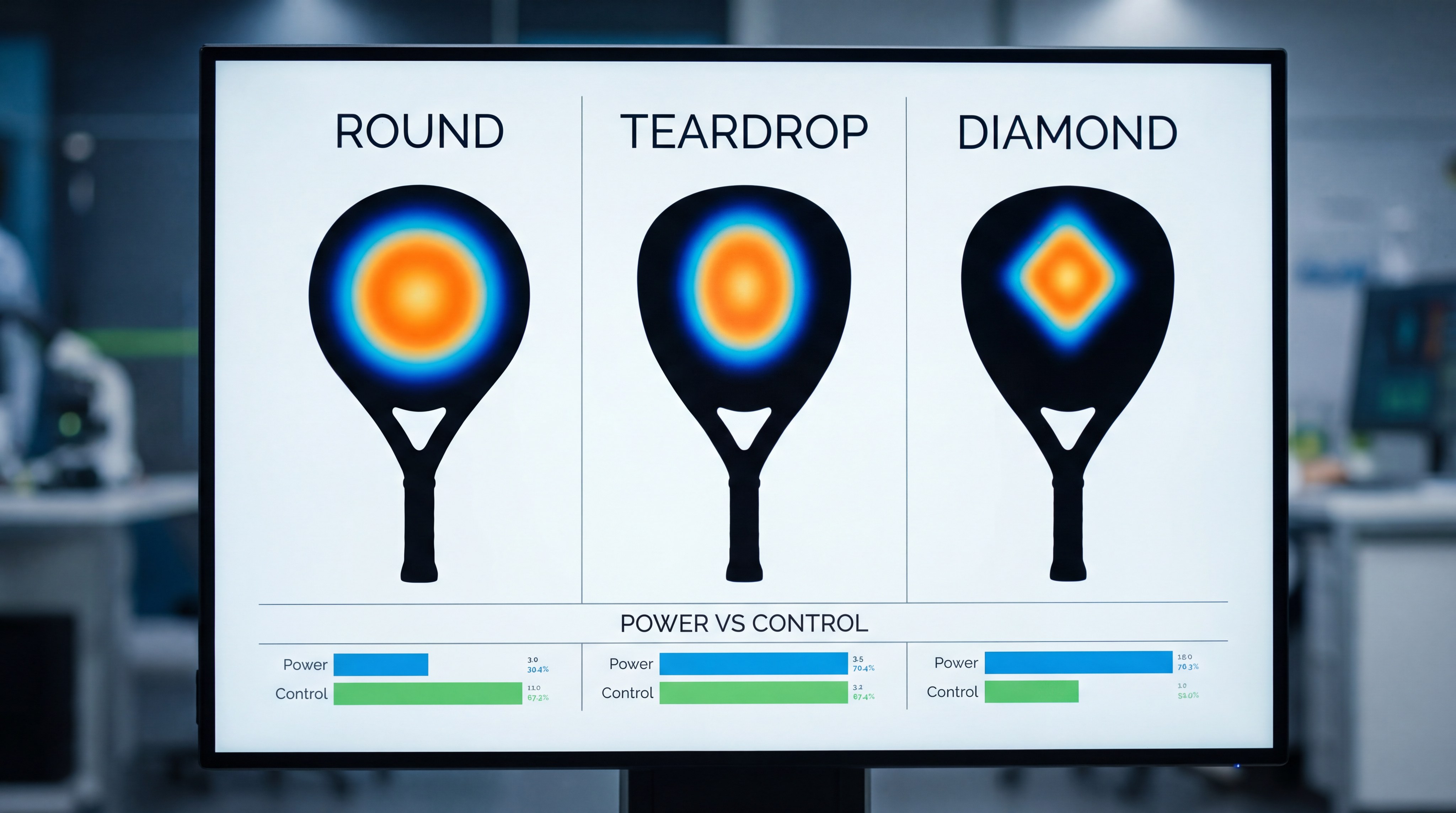
The three primary head shapes are round, teardrop, and diamond, each offering a distinct balance between control and power.
When exploring different padel racket types, you will notice that the shape dictates the “sweet spot” size and location. This is the first thing you see when comparing equipment.
Round shapes for maximum control
- Large, centered sweet spot.
- Low center of gravity for easy handling.
- Forgiving on off-center hits.
But that’s not all…
If you are just starting out, you will appreciate the maneuverability of a round frame. It allows you to focus on technique without fighting the weight of the racket.
Teardrop and diamond shapes
- Teardrop: Balanced “all-rounder” feel.
- Diamond: High sweet spot for power smashes.
- Aerodynamic designs for faster swings.
Think about it:
Moving to a diamond shape requires more skill as you transition weight toward the head. You will gain massive smashing power but lose some defensive stability in quick exchanges.
| Feature | Round | Teardrop | Diamond |
|---|---|---|---|
| Sweet Spot | Large / Center | Medium / Middle | Small / High |
| Power Level | Low | Medium | High |
| Control Level | High | Medium | Low |
Key Takeaway: You should choose a round shape if you are a beginner or a defensive specialist, while diamond shapes are reserved for aggressive players who have mastered their timing.
How do padel racket types differ in weight?
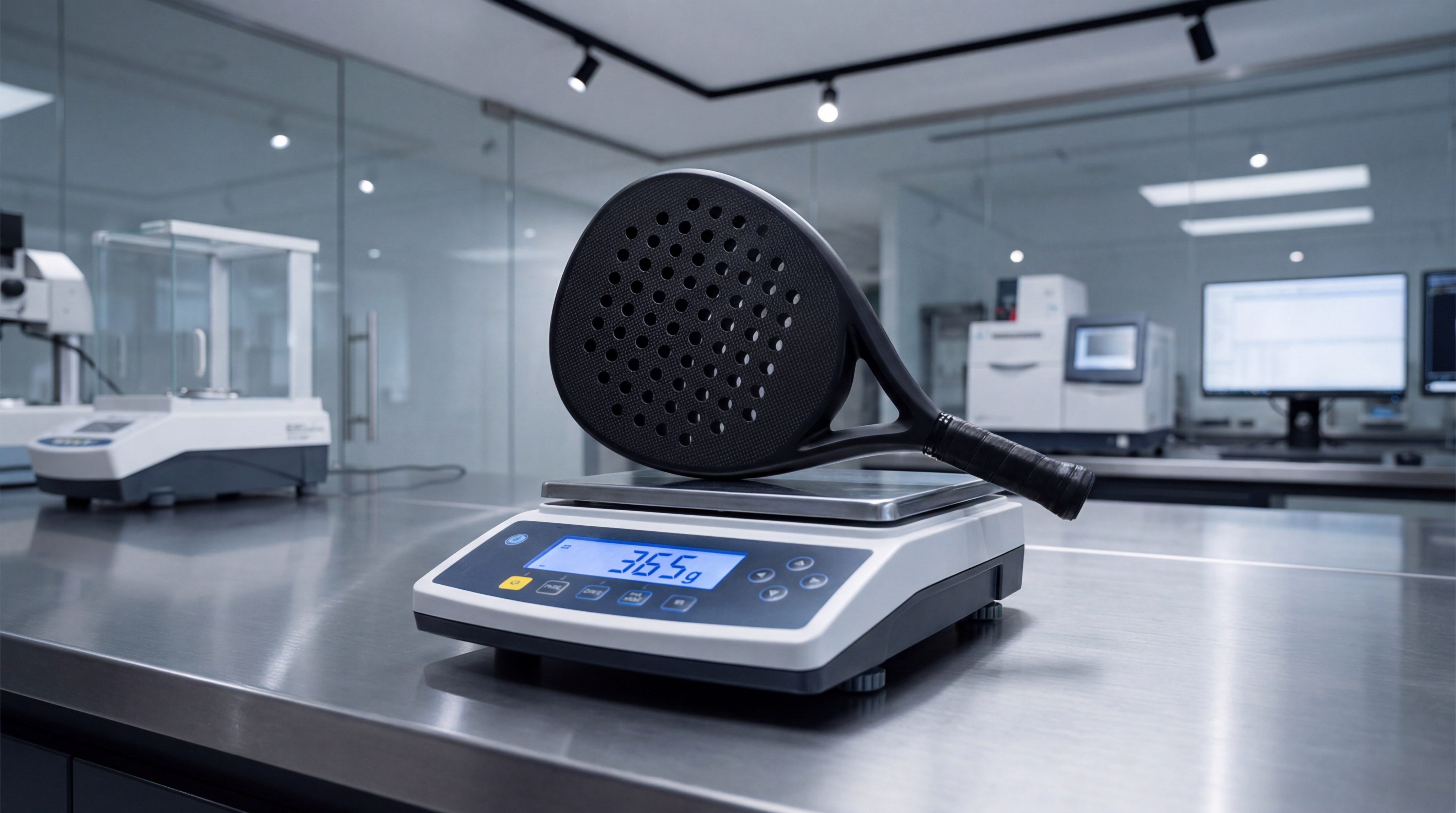
Padel rackets typically range from 340 to 390 grams, with lighter models favoring agility and heavier models providing more stability.
The weight of various padel racket types is a critical factor that affects your swing speed and arm fatigue during long matches. Even a 10-gram difference can change how the tool feels.
Light vs. Heavy frames
- 340g – 355g: Ideal for women and juniors.
- 360g – 375g: Standard range for most adults.
- 375g+: Professional heavy-duty power.
Here is the deal:
You might think heavier is always better for power, but a racket that is too heavy will slow your reaction time at the net. You should find a middle ground that feels natural in your hand after a full hour of play.
| Category | Weight Range | Best For |
|---|---|---|
| Lightweight | 340g – 360g | Quick net play / Injury prevention |
| Standard | 360g – 375g | Balanced performance |
| Heavyweight | 375g+ | Maximum smash power |
Key Takeaway: You should aim for the lightest weight that still provides enough stability for your shots to avoid putting unnecessary strain on your elbow and shoulder.
Which padel racket types feature foam cores?
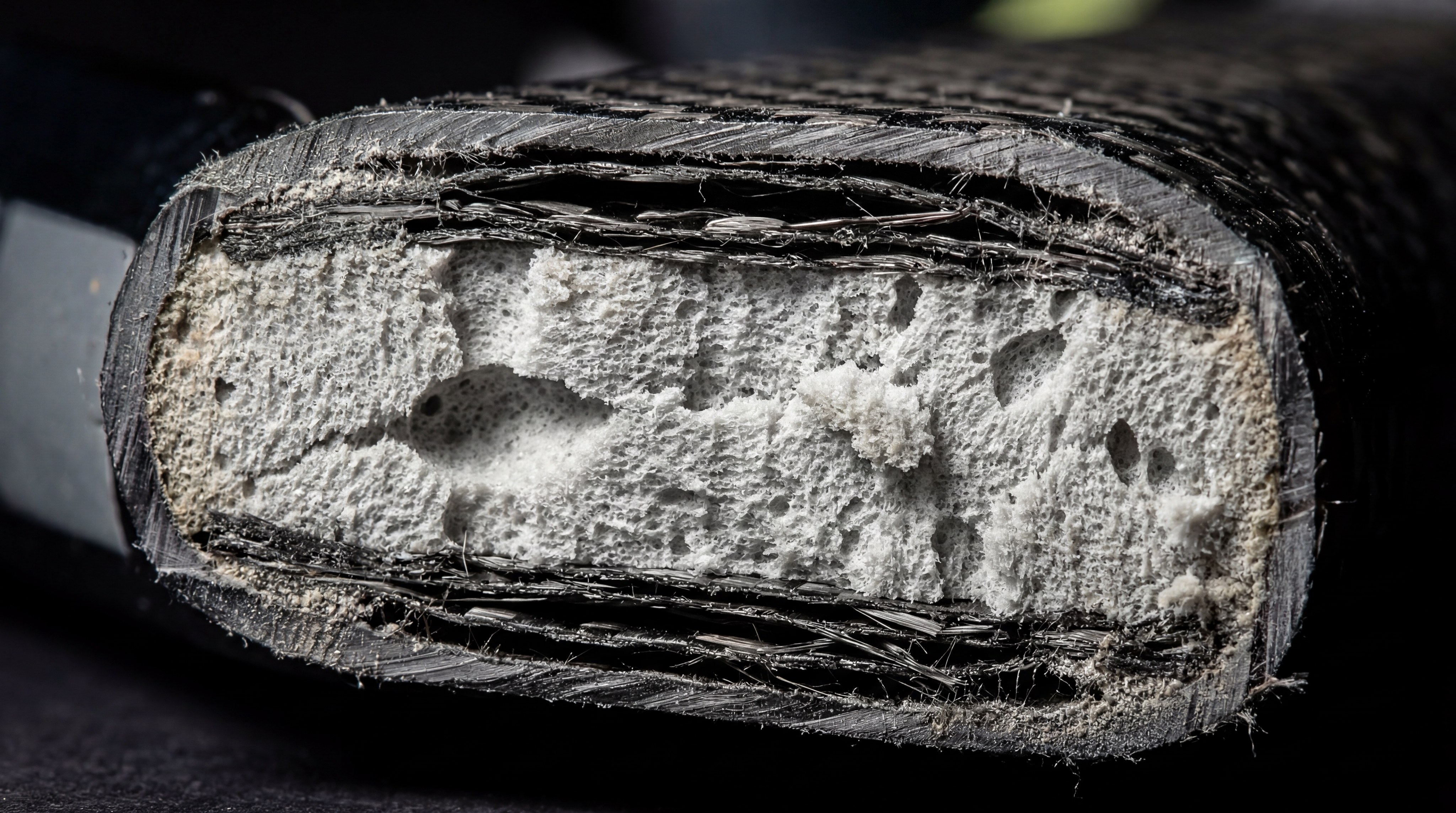
Professional rackets use either EVA rubber or Foam (polyethylene) cores to manage the ball’s energy and vibration.
Understanding the internal core of different padel racket types helps you select the right level of comfort and “pop.” The core acts as the engine of the racket.
EVA Rubber characteristics
- High durability and long life.
- Sharp ball feedback for precision.
- Vibration levels vary by density.
It gets better:
If you prefer a stiff sensation where you feel exactly where the ball hits the face, EVA is for you. You will get a more direct response during high-speed exchanges at the net.
Polyethylene and Hybrid cores
- Soft, spring-like feel.
- Maximum vibration dampening for comfort.
- Improved “ball output” at slow speeds.
Believe it or not…
For players with sensitive elbows, you should look for softer cores that soak up the impact energy. Hybrid cores try to give you the best of both worlds by layering different densities within the same racket.
| Core Type | Hardness | Vibration Absorption | Durability |
|---|---|---|---|
| EVA Soft | Medium | High | High |
| EVA Hard | High | Low | Very High |
| Polyethylene | Low | Very High | Medium |
Key Takeaway: You should prioritize EVA cores for durability and precision, but switch to polyethylene if you experience any joint discomfort or want a more effortless ball strike.
How are professional padel racket types built?
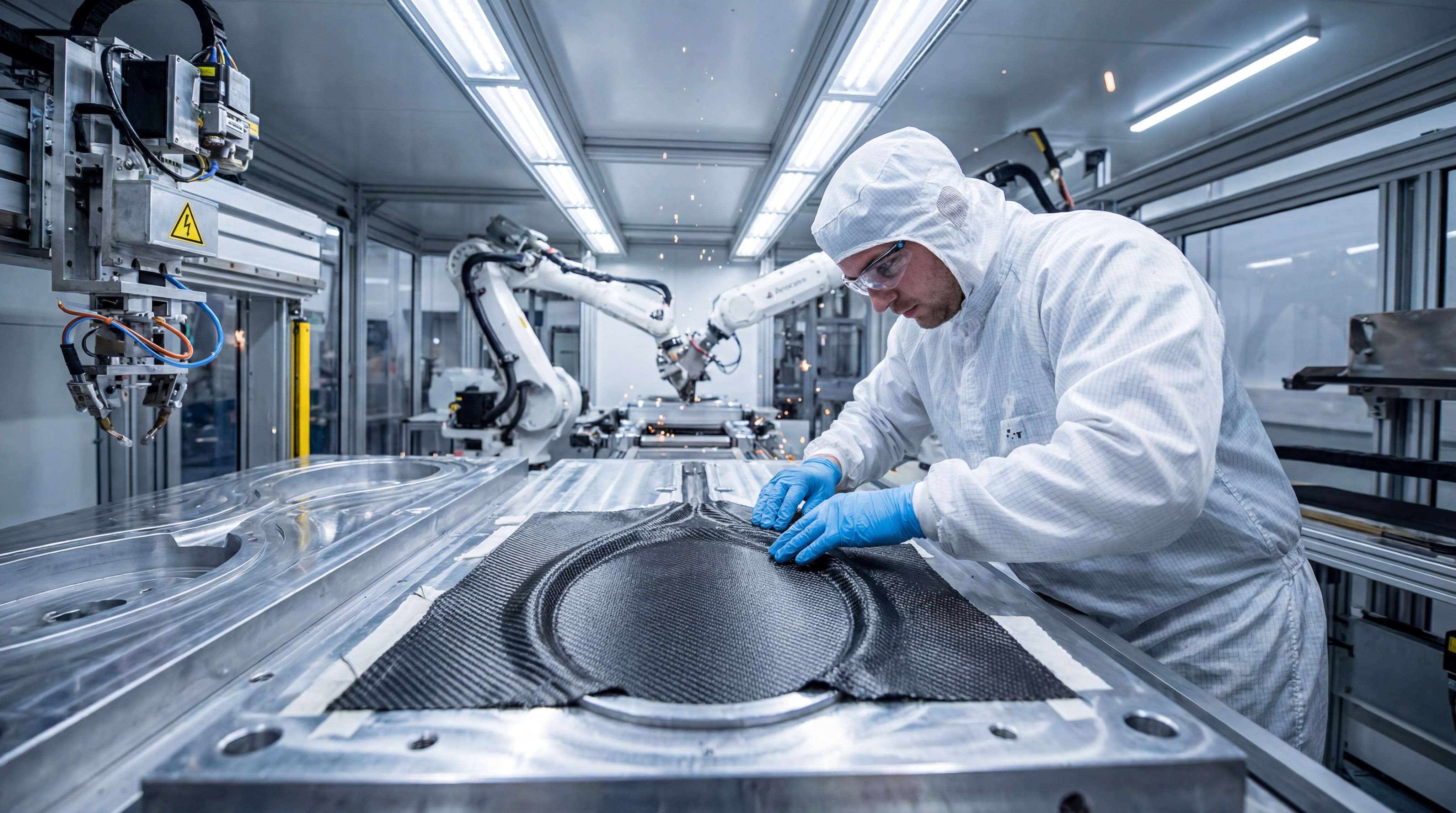
Professional construction involves hand-laying carbon fiber sheets over a frame mold, followed by resin injection and heat curing.
The building process of elite padel racket types is an engineering marvel that combines high-tech materials with manual precision. It is a labor-intensive craft that ensures consistency.
Carbon fiber layup
- Unidirectional sheets for targeted strength.
- Multiaxial weaves for torsion resistance.
- Reinforced frame tubes for impact protection.
Look at it this way:
When you hold a high-end racket, you are feeling layers of 12K or 18K carbon fiber. These materials ensure your racket maintains its shape even under the stress of a professional-level smash.
| Step | Process | Material Used |
|---|---|---|
| Layup | Hand-placing fiber layers | Carbon or Fiberglass |
| Molding | Heat and pressure bonding | Epoxy Resin |
| Finishing | Drilling and painting | Precision CNC / Paint |
Key Takeaway: You should look for rackets that mention hand-laid carbon fiber, as this typically results in a more durable and responsive tool than mass-produced alternatives.
Do surface textures impact padel racket types?
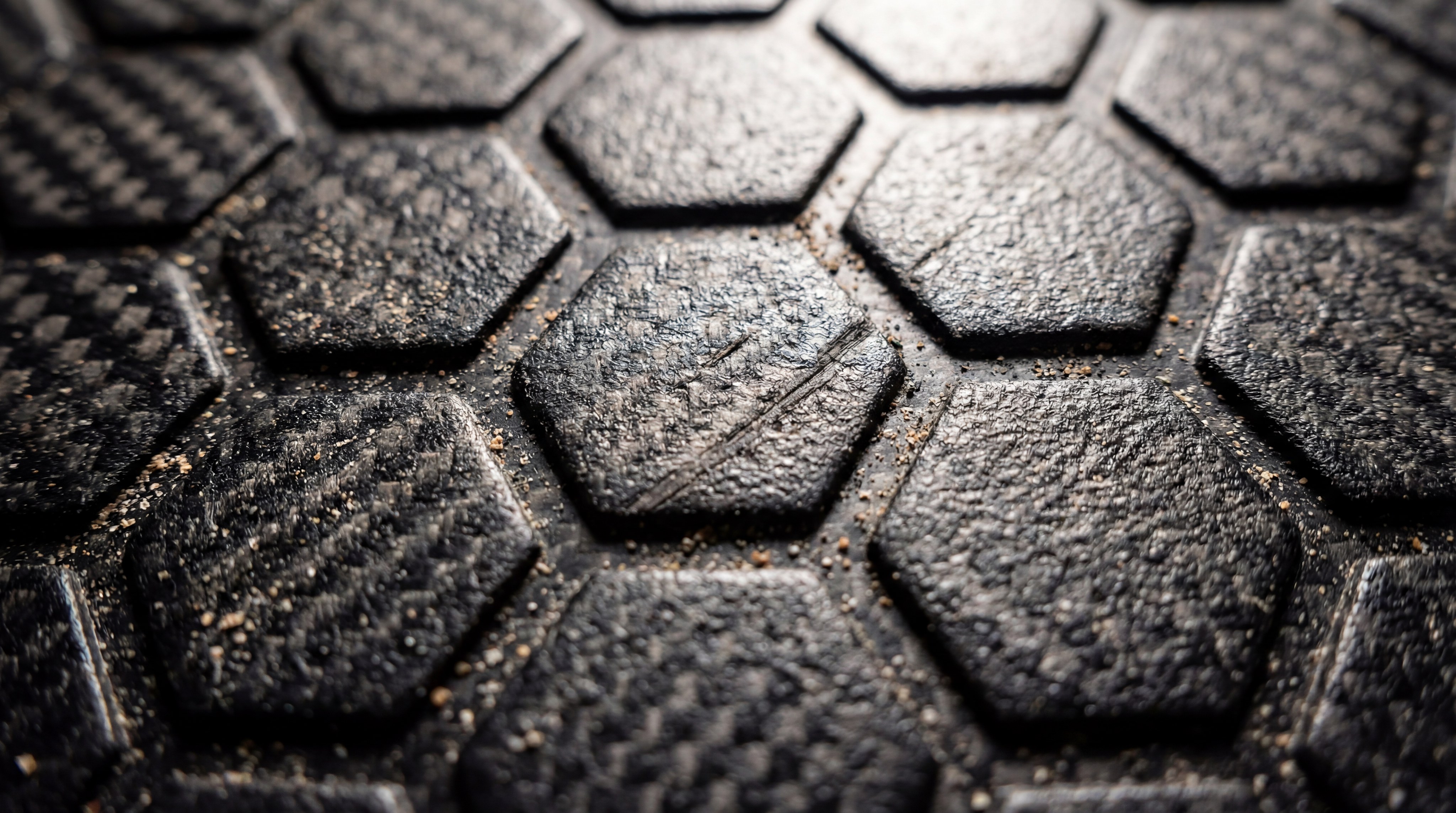
Surface textures like sandy finishes or 3D molded patterns significantly increase the friction between the racket and the ball to generate spin.
Many modern padel racket types utilize specialized face finishes to help you execute technical shots. This is especially useful when the ball is new and slick.
Rough vs. Smooth faces
- Sandy finish: Maximum spin for slices.
- 3D Hexagon: Long-lasting molded grip.
- Smooth face: Maximum ball exit speed.
That’s just the beginning…
You will find that a sandy surface grips the ball’s felt better, allowing you to impart more rotation. However, you should be aware that these surfaces can wear down over time depending on how often you play.
| Surface Type | Effect on Spin | Durability |
|---|---|---|
| Sandy Finish | Extreme | Medium |
| 3D Molded | High | High |
| Smooth | Low | Very High |
Key Takeaway: You should opt for a 3D molded texture if you want permanent spin capability, whereas a sandy finish is better for short-term competitive gain.
How do you choose between padel racket types?
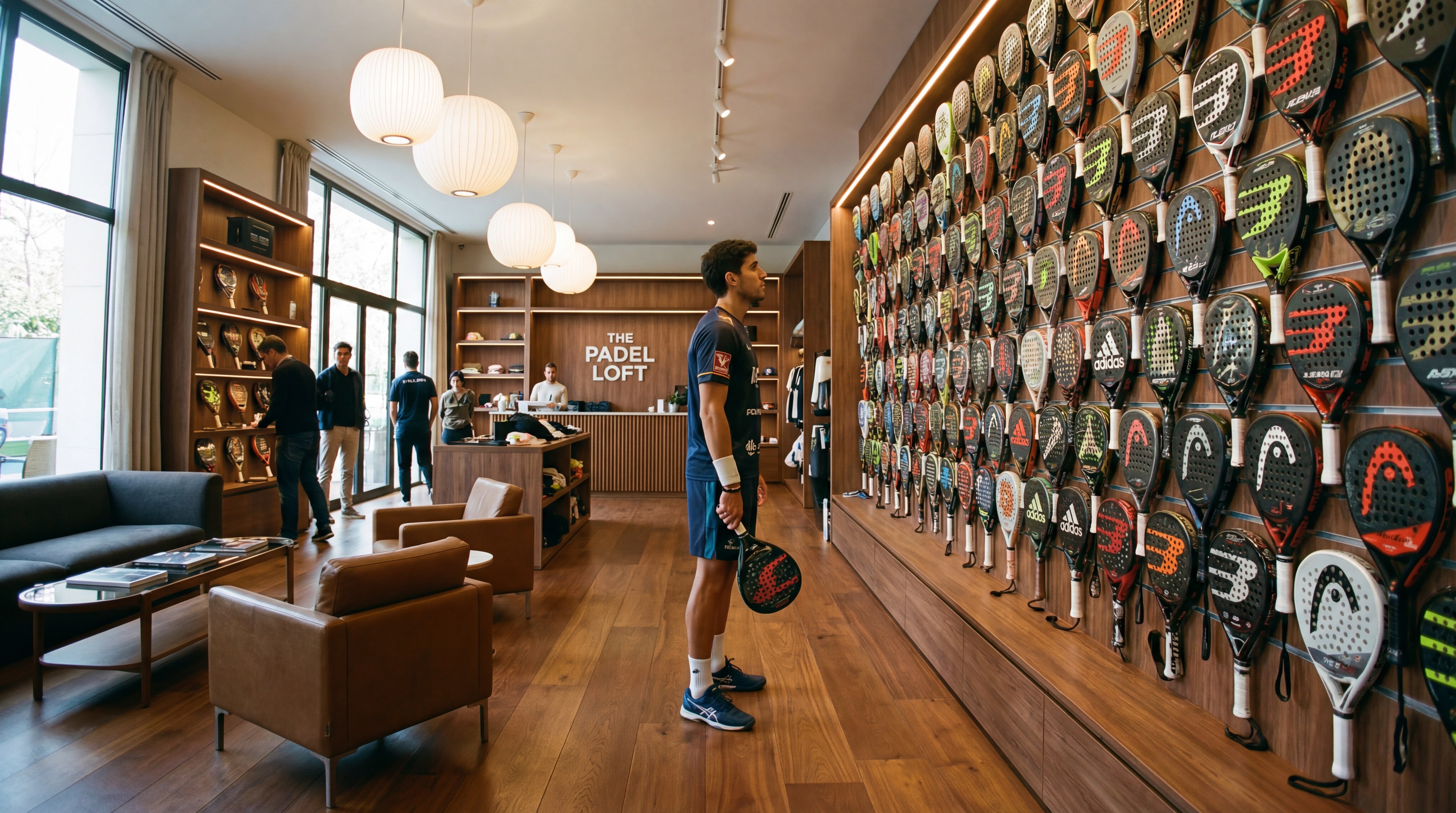
Selection should be based on your skill level, physical condition, and whether you prioritize defensive control or offensive power.
Choosing between different padel racket types can be overwhelming, but focusing on your specific style of play simplifies the decision. You need to be honest about your abilities.
Matching gear to skill
- Beginner: Round shape + Soft foam.
- Intermediate: Teardrop shape + EVA Soft.
- Advanced: Diamond shape + Carbon 12K/18K.
Let’s face it:
You shouldn’t buy a diamond-shaped racket just because a pro uses it if you are still learning the basics. You will enjoy the game much more with a tool that complements your current abilities.
| Player Level | Recommended Shape | Recommended Core |
|---|---|---|
| Beginner | Round | Soft Foam |
| Intermediate | Teardrop | EVA Soft |
| Advanced | Diamond | EVA Hard |
Key Takeaway: You should always demo a racket before buying to ensure the balance and weight feel comfortable for your specific swing style and strength.
Are padel racket types affected by temperature?
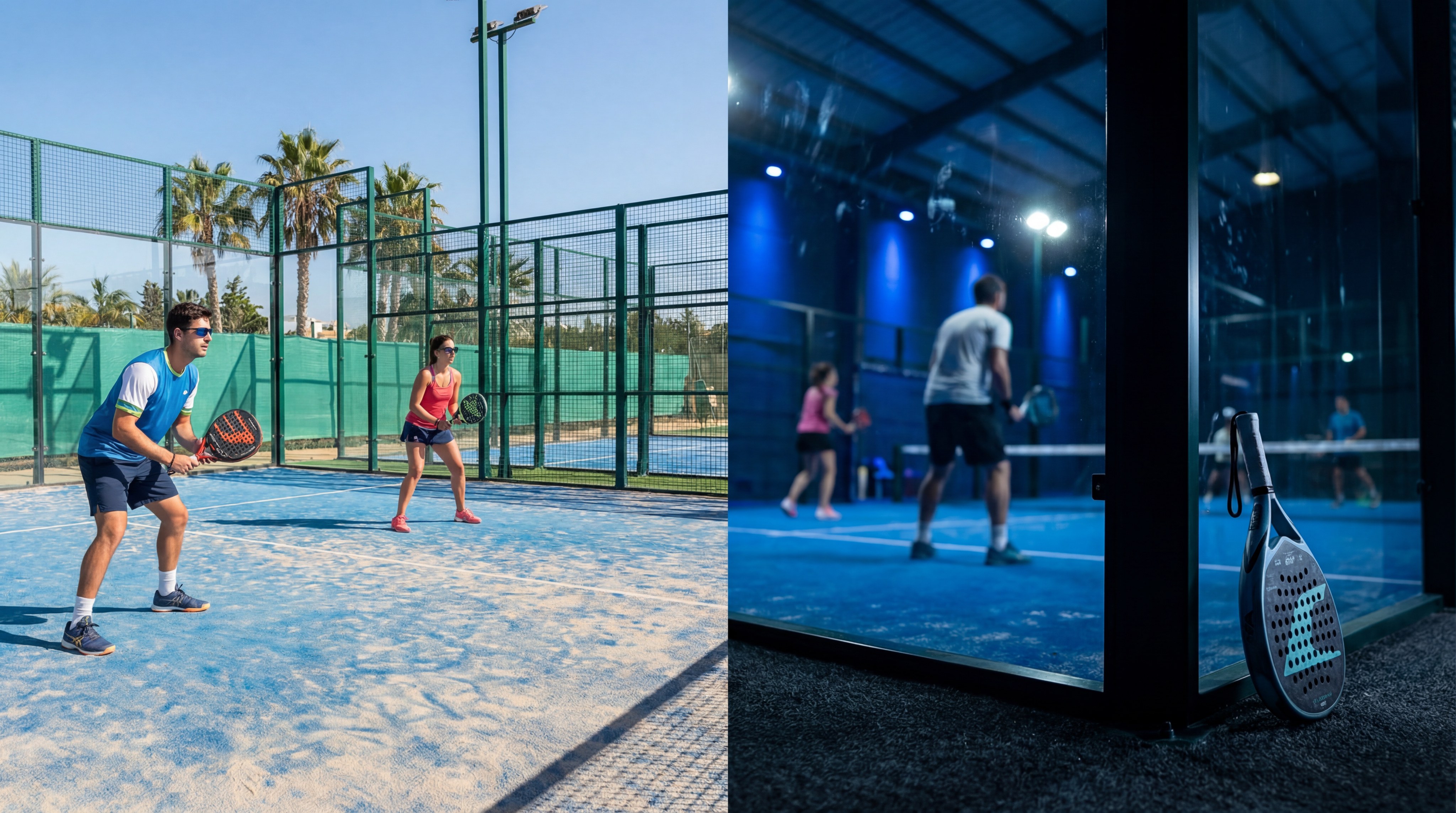
Yes, extreme temperatures change the density of the internal foam, making rackets feel softer in the heat and harder in the cold.
Professional players often switch between different padel racket types depending on whether they are playing in an indoor club or an outdoor facility. Weather is a hidden performance factor.
Environmental impacts
- Heat: Softens foam, increases power, reduces control.
- Cold: Hardens foam, decreases “pop,” increases precision.
- Humidity: Makes the ball heavier and the surface slicker.
The truth is…
You might notice your racket feels “dead” on a very hot day because the foam becomes too elastic. In these cases, you would benefit from a racket with a higher carbon density to maintain control.
| Climate | Effect on Racket | Recommended Adjustment |
|---|---|---|
| Hot (>30°C) | Very Soft | Use a Harder Core |
| Cold (<10°C) | Very Stiff | Use a Softer Core |
| Humid | Slick Surface | Use Rough Texture |
Key Takeaway: You should keep your racket in a thermal bag during transport to minimize the impact of external temperatures on the core’s structural integrity.
What frame materials define padel racket types?
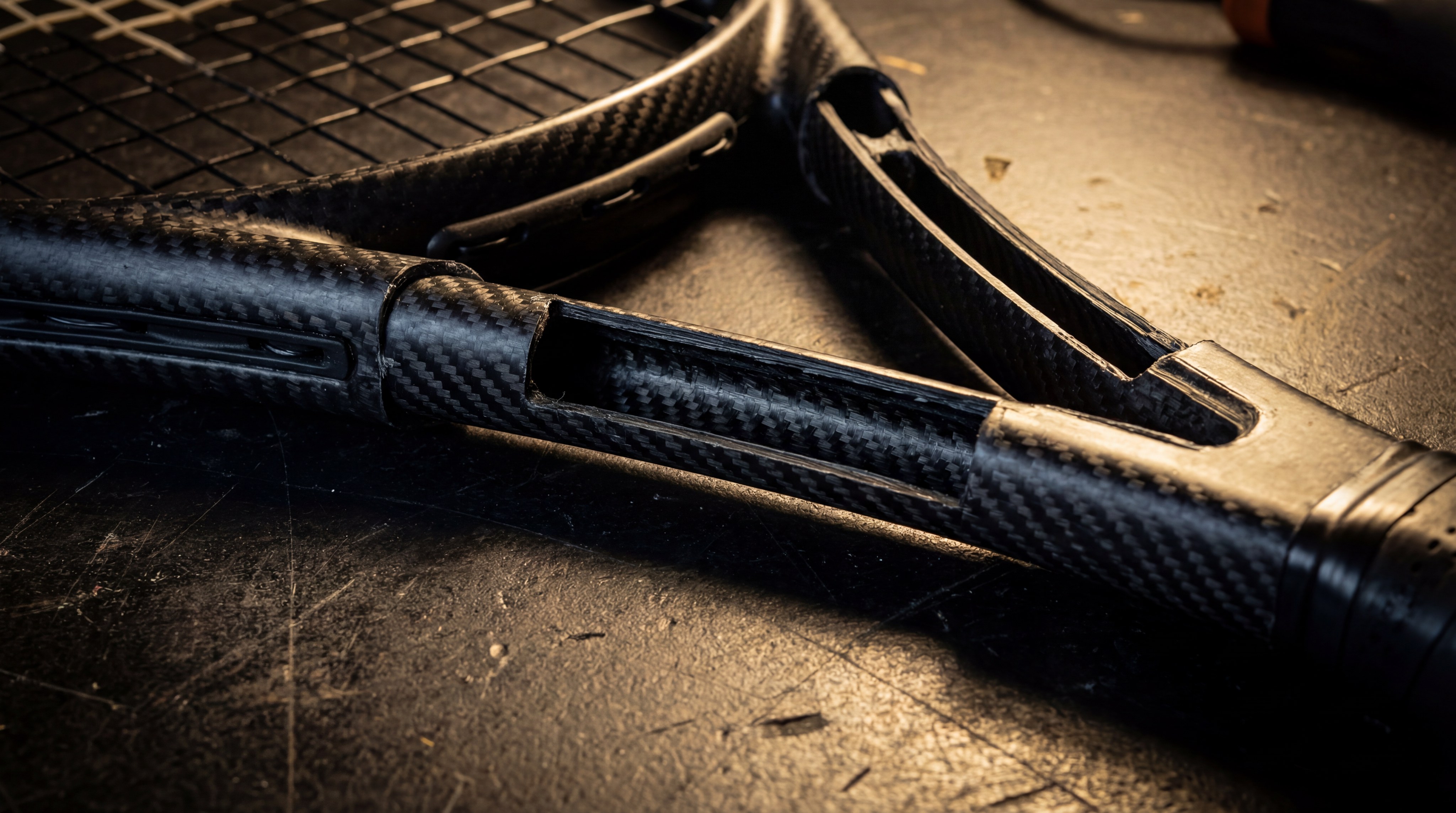
Most frames are built using a carbon fiber tubular structure, sometimes reinforced with fiberglass for added flexibility and comfort.
The frame is the skeleton of all padel racket types, providing the structural integrity needed to withstand impacts. It determines the overall rigidity of the tool.
Tubular technology
- 100% Carbon: Maximum stiffness and durability.
- Fiberglass: More flex and vibration absorption.
- Double Tubular: Extra reinforcement for high power.
Imagine this:
When you hit a shot off-center, a rigid carbon frame prevents the racket from twisting in your hand. This stability allows you to maintain accuracy even when your timing isn’t perfect.
| Frame Material | Stiffness | Weight | Durability |
|---|---|---|---|
| Carbon Fiber | High | Low | High |
| Fiberglass | Low | Medium | Medium |
| Kevlar Mix | Very High | Low | Extreme |
Key Takeaway: You should prioritize 100% carbon frames for competitive play as they offer the best resistance to the frequent vibrations generated by hard hitting.
How can you maintain various padel racket types?
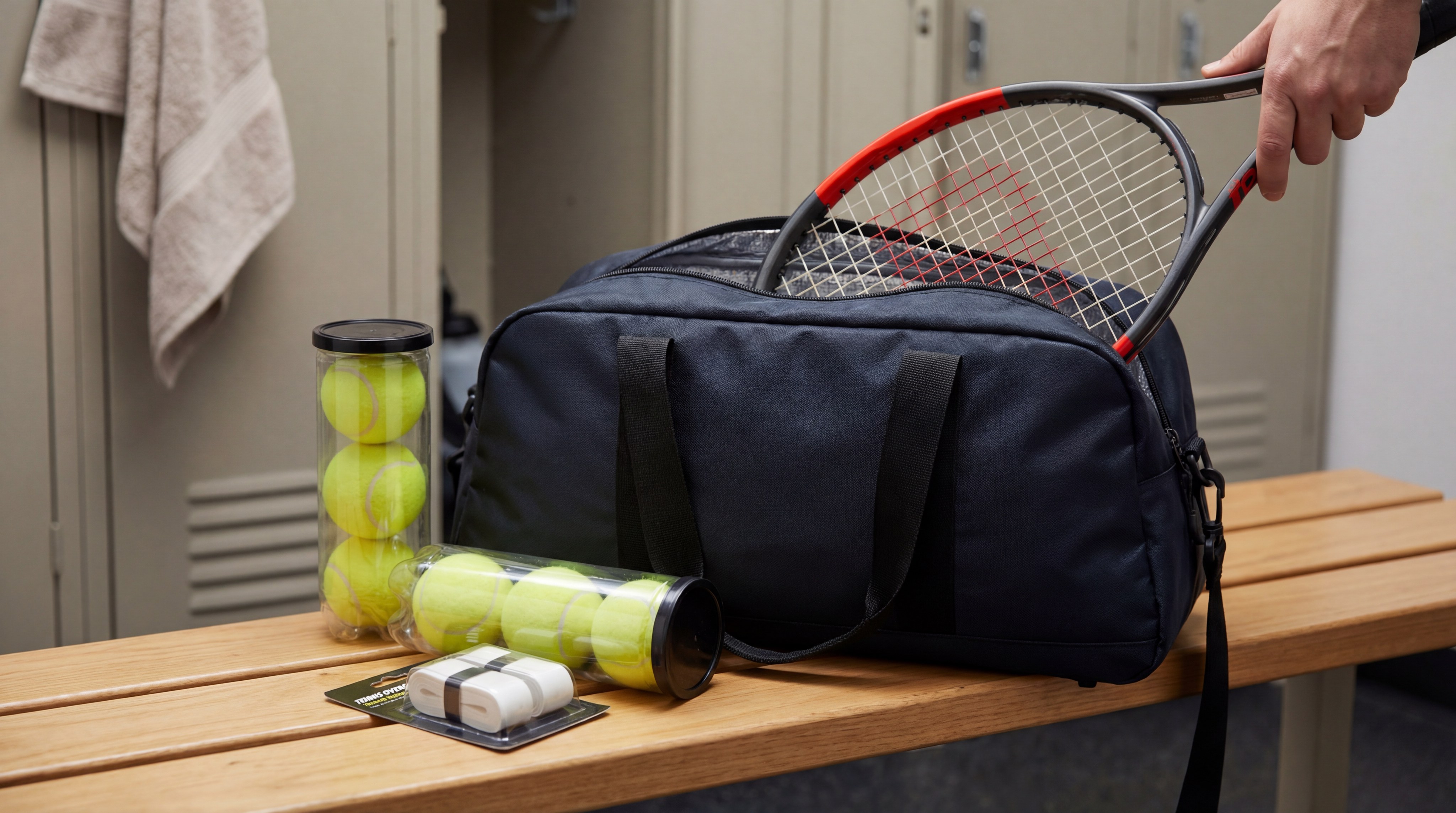
Maintenance involves using protective tapes, changing overgrips regularly, and storing the racket in thermal bags to protect the core.
Taking care of different padel racket types ensures that your investment continues to perform at its peak for several seasons. Neglect is the fastest way to lose performance.
Protection and storage
- Frame Protectors: Prevent scratches from glass walls.
- Thermal Linings: Stabilize core temperature.
- Overgrip Replacement: Maintain grip friction and sweat absorption.
Don’t forget:
You should never leave your racket in the trunk of a car on a hot day. The heat can delaminate the layers and permanently ruin the playing characteristics of your gear within hours.
| Maintenance Task | Frequency | Benefit |
|---|---|---|
| Change Overgrip | Every 3-5 matches | Better control / Hygiene |
| Apply Protector | Once (or when peeling) | Prevents frame cracks |
| Thermal Storage | Always | Preserves foam density |
Key Takeaway: You should treat your racket like a precision instrument; proper storage can double the functional lifespan of the internal materials.
Which padel racket types are best for the arm?
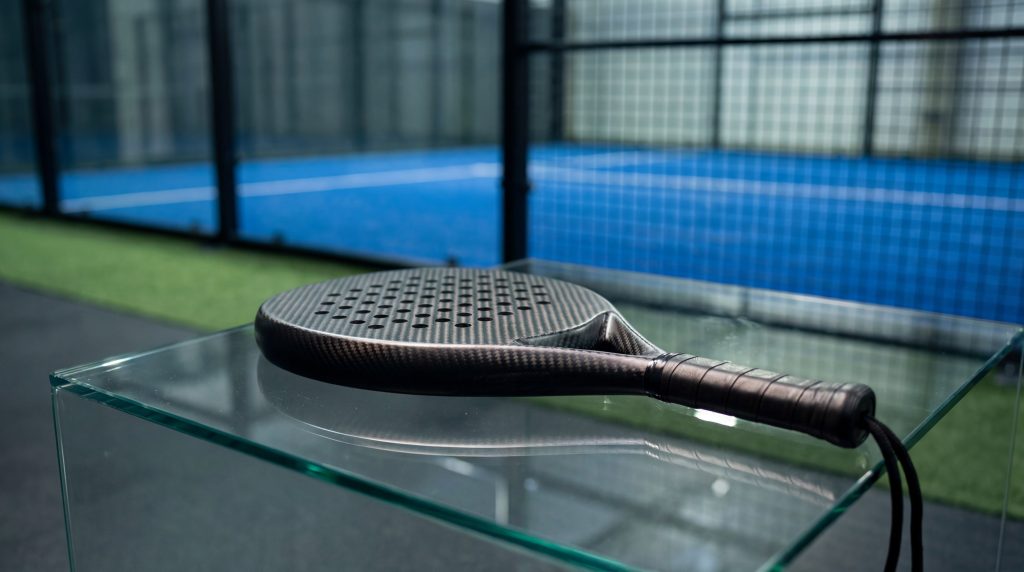
Rackets with soft foam cores, lower weight, and vibration-dampening handles are the best choices for preventing “Padel Elbow.”
If you struggle with joint pain, certain padel racket types are specifically engineered to absorb the shock of high-impact shots. Health should always come before maximum power.
Preventing injury
- Soft EVA or Polyethylene cores.
- Vibration-absorbing handle inserts.
- Lower weight (under 365g) to reduce joint load.
The bottom line is:
You don’t have to suffer through pain to play well. By choosing a racket with the right balance and softness, you can stay on the court longer and enjoy the sport pain-free.
| Feature | For Arm Health | For Max Power |
|---|---|---|
| Core Density | Soft | Hard |
| Weight | Light | Heavy |
| Balance | Low (Handle) | High (Head) |
Key Takeaway: You should switch to a softer, lighter racket immediately if you feel persistent pain in your elbow, as continuing with stiff gear can lead to chronic injury.
We have explored how the wrong equipment leads to injury and poor performance, and how understanding technical specs is the ultimate solution. At Superbpadel, our vision is to empower every player with factory-direct, premium technology that transforms their game. If you are ready to upgrade your court experience, contact us today to find your perfect fit.
Frequently Asked Questions
Can I use a tennis racket for padel?
It is physically impossible because padel rackets lack strings and have a much shorter, solid face designed for different ball physics.
What’s the best shape for a beginner?
A round shape is widely considered the best choice due to its large sweet spot and easy handling during the learning phase.
How long does a padel racket last?
Most rackets retain their peak performance for about 12 to 18 months of regular play before the internal core begins to lose its “pop.”
Can I play padel in the rain?
You should avoid it as water ruins the ball felt and can eventually damage the core materials of your racket if moisture penetrates.
What is the standard racket weight?
A standard adult racket typically weighs between 360 and 375 grams, providing a balance of stability and maneuverability.