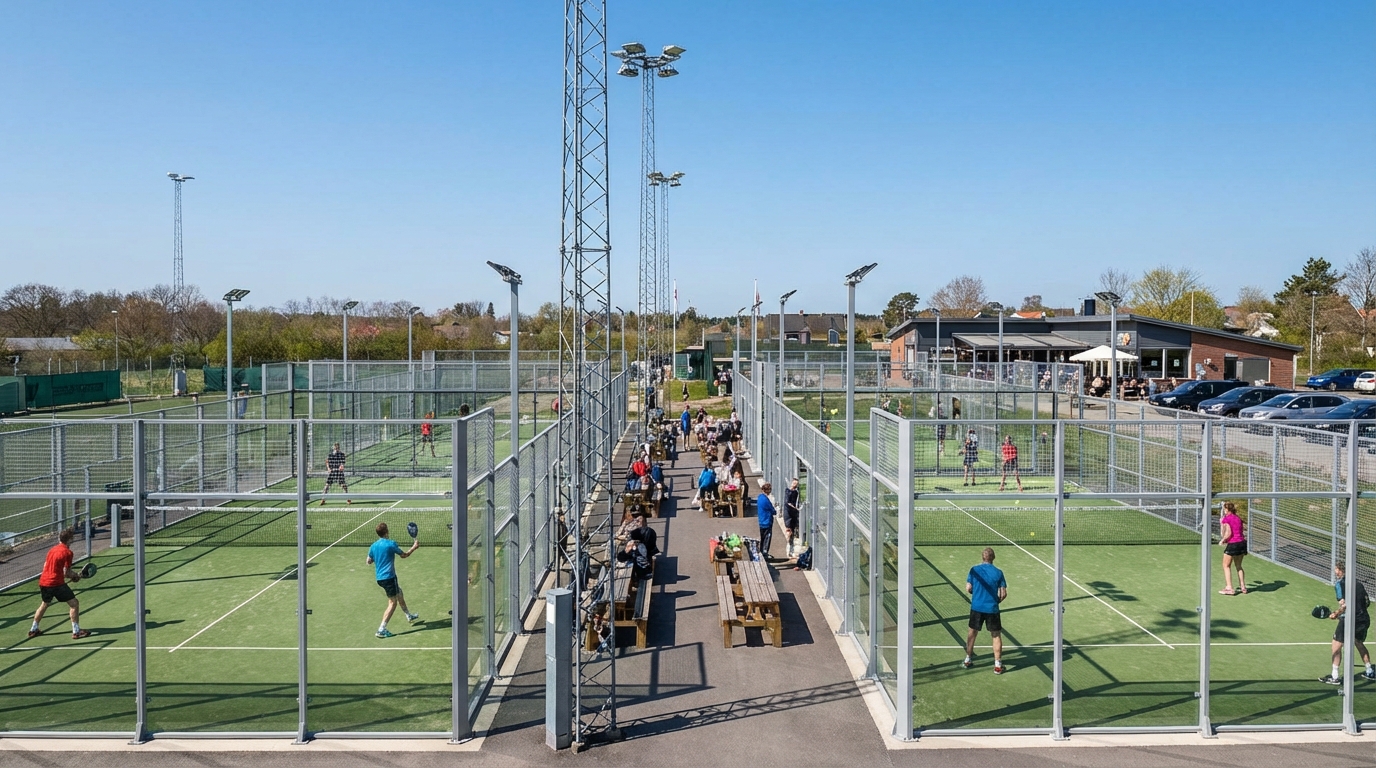
What defines a sanctioned professional padel tournament?
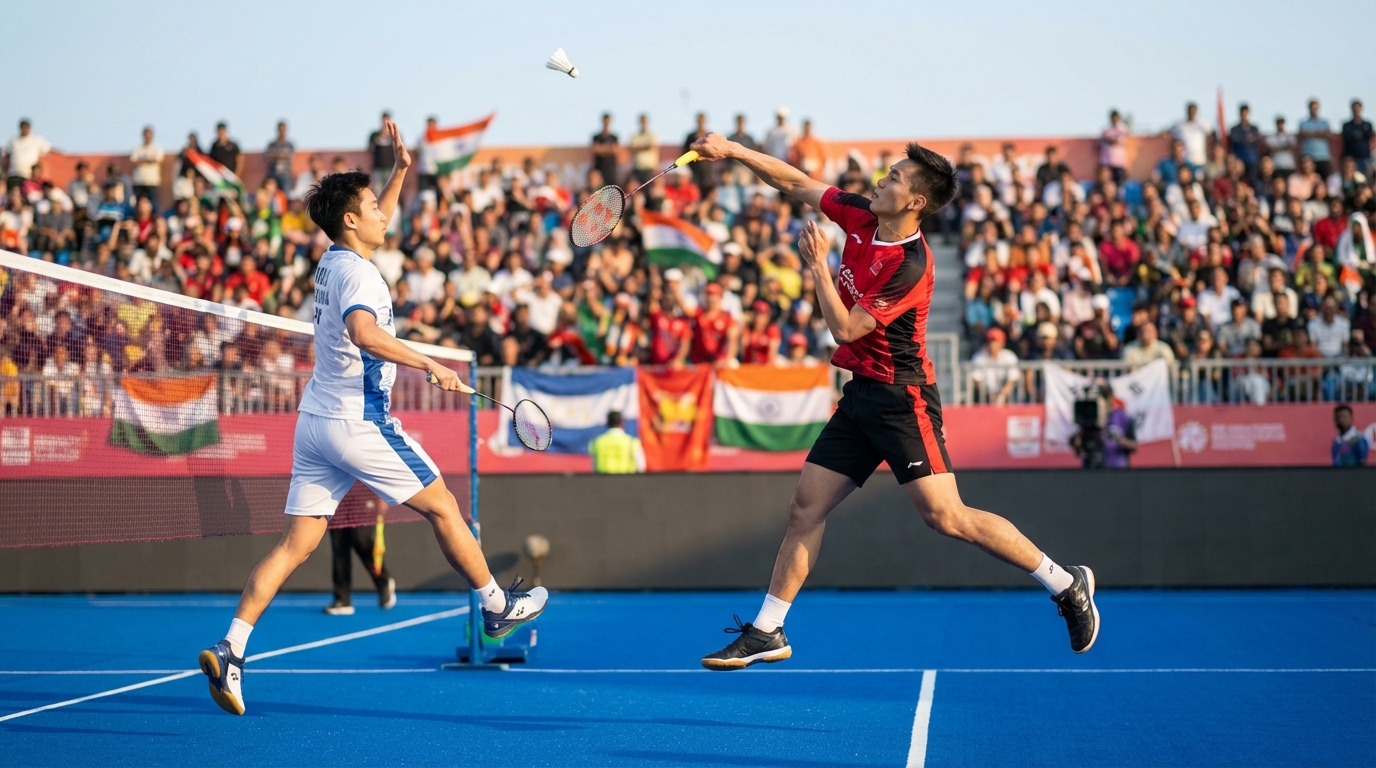
A sanctioned professional padel tournament is defined by its adherence to official regulatory standards and its ability to award national ranking points. You must ensure that every aspect of the event, from court dimensions to officiating, meets the criteria set by the governing body.
Organizing a professional padel tournament means you are stepping into a global ecosystem of competitive sport. This transition requires careful planning to ensure fairness and safety for all participants.
What is the national circuit structure?
You need to understand how the circuit tiers influence your event’s standing. Here is the deal:
The ranking system is typically divided into professional, amateur, and junior categories to ensure balanced matchups.
By aligning with the national circuit, you gain access to a wider pool of athletes looking to improve their standings.
- Tier 1: High-level professional events with significant prize pools.
- Tier 2: Regional competitions focused on advanced amateur play.
- Tier 3: Local club events designed for ranking entry.
How are player categories organized?
Determining who can play in which category is essential for maintaining competitive integrity. Think about it:
If you mix elite players with beginners, the tournament loses its value for both groups. You should establish clear entry requirements based on verified skill levels and previous match history.
Key Takeaway: Proper sanctioning through a national circuit validates your event and attracts serious athletes looking for ranking points.
| Feature | Standard Requirement | Benefit |
|---|---|---|
| Sanctioning | National Body Approval | Grants Official Ranking Points |
| Officiating | Certified Referees | Ensures Fair Play and Rules |
| Scoring | Standard Set Format | Consistency Across the Circuit |
Professional sanctioning transforms a simple club meet into a recognized milestone on an athlete’s career path.
Why is the 2026 padel tournament schedule record-breaking?

The 2026 calendar is record-breaking because it features over 115 sanctioned events driven by massive infrastructure investment across the country. You are witnessing a transition where the padel tournament is no longer a niche activity but a mainstream sporting staple.
This surge in scheduled events is supported by expanded competition committees that streamline the application process for clubs. You can now plan your facility’s growth around a predictable national calendar.
Why is there a surge to 115 events?
The growth is primarily fueled by the rapid installation of high-quality courts in new metropolitan areas. Here is the deal:
The demand for competitive play has outpaced the existing supply of professional-grade venues.
As more clubs open, the frequency of regional matchups increases, creating a denser and more accessible schedule.
- increased club membership rates nationwide.
- Enhanced sponsorship interest from global brands.
- Higher media coverage of professional finals.
How do committees impact the schedule?
A dedicated competition committee works to ensure that events do not overlap and that geography is balanced. But wait:
Without this oversight, players would be forced to choose between multiple tournaments on the same weekend. The committee ensures that every sanctioned event has the best possible chance of reaching full capacity.
Key Takeaway: The record-breaking 2026 schedule provides club owners with more opportunities to host and profit from official competitions.
| Growth Metric | 2023 Statistics | 2026 Projections |
|---|---|---|
| Sanctioned Events | 45 Events | 115 Events |
| Registered Players | 5,000 Players | 25,000 Players |
| Prize Money Pool | $100k Total | $500k+ Total |
The explosive growth of the 2026 schedule indicates a robust and sustainable future for competitive sports facilities.
How can your club host a sanctioned padel tournament?
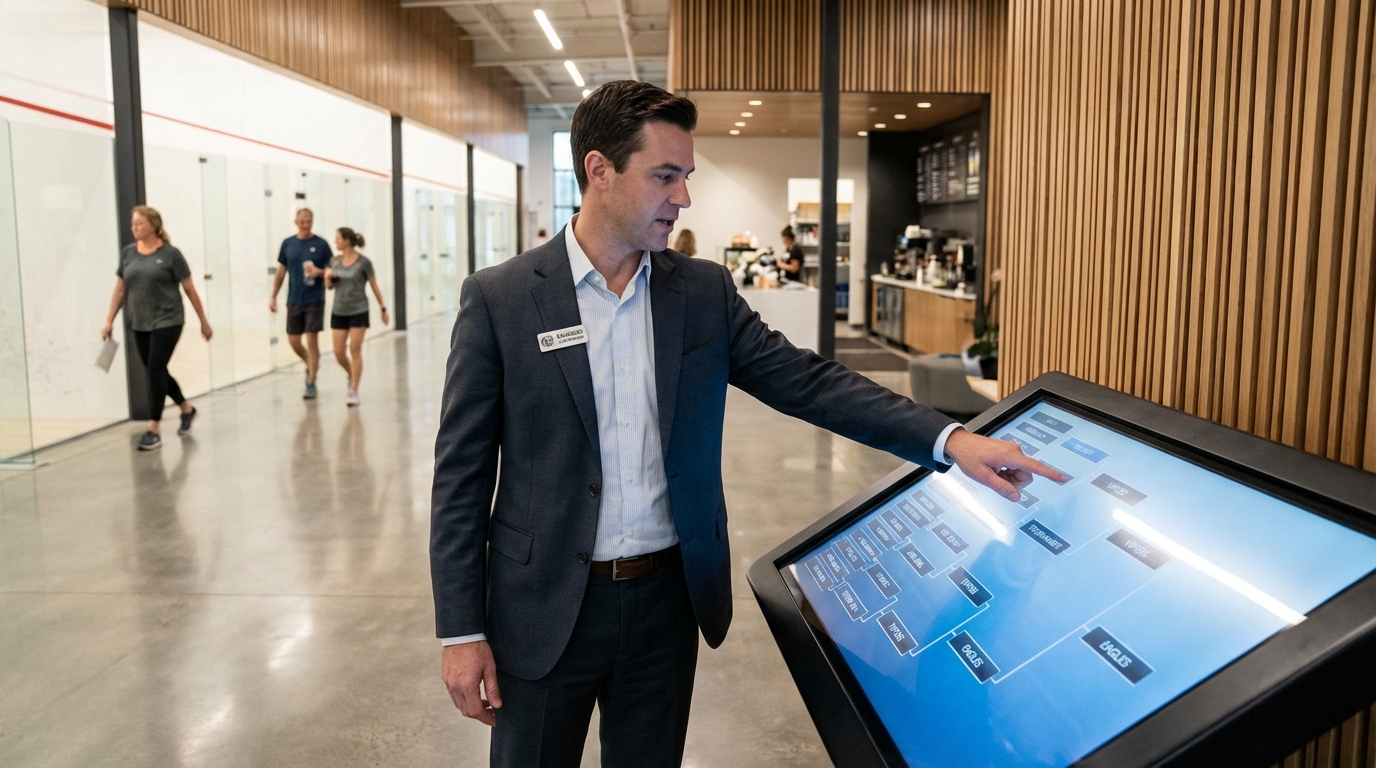
Your club can host a sanctioned event by meeting the specific membership requirements of the national association and passing a facility inspection. You must demonstrate that your courts and amenities can handle the high traffic of a multi-day padel tournament.
Submitting a successful application requires attention to detail regarding court surfaces, lighting, and spectator areas. You should begin the process several months in advance to secure your preferred dates on the calendar.
What are the member club requirements?
To become a sanctioned host, your club must be an active member of the national governing body. Look:
This membership proves that you are committed to the long-term growth and standards of the sport.
You must also provide proof of insurance and a designated tournament director to manage the event logistics.
- Certified court dimensions and safety glass.
- Adequate player facilities, including locker rooms.
- Dedicated space for tournament desk operations.
How do you navigate the application process?
The application involves submitting a detailed proposal that outlines your venue’s capacity and past event experience. Here is the deal:
Most associations have strict deadlines for each quarter of the competitive season. Missing these windows could mean waiting another year to host a high-profile event.
Key Takeaway: Hosting a sanctioned event requires early planning and a commitment to meeting strict institutional facility standards.
| Phase | Action Item | Deadline |
|---|---|---|
| Application | Submit Club Proposal | 6 Months Prior |
| Inspection | Facility Safety Review | 4 Months Prior |
| Marketing | Open Player Registration | 2 Months Prior |
Success in hosting depends on rigorous preparation and clear communication with the national competition committee.
Which court design is best for a padel tournament?
The best design for a professional padel tournament is a commercial-grade court featuring hot-dip galvanized steel for maximum structural integrity. You need a court that can withstand the intense physical play of high-level athletes without compromising on safety.
Choosing a durable model ensures that your investment remains profitable through hundreds of matches. Every padel tournament held at your venue will test the resilience of the frame and the glass.
What are the classic court features?
A standard commercial-grade court uses a modular frame system that is both strong and easy to maintain. Think about it:
High-frequency use during a competition can cause wear on lesser materials. You should look for courts that offer a 20-year design life to ensure long-term ROI.
The playability of the court is also determined by the quality of the turf and the consistency of the ball bounce.
- 100x50x3mm galvanized steel tubes.
- Fibrillated or monofilament synthetic grass.
- 12mm tempered safety glass panels.
How do you balance durability and cost?
While premium features are attractive, you must also consider the operational costs of your facility. But wait:
Buying direct from the manufacturer can save you up to 30% on procurement costs. This allows you to install higher-quality courts while staying within your development budget.
Key Takeaway: Investing in commercial-grade, galvanized steel courts ensures your tournament venue remains safe and professional for decades.
| Component | Standard Spec | Benefit |
|---|---|---|
| Frame | Hot-Dip Galvanized Steel | Superior Corrosion Resistance |
| Glass | 12mm Tempered Safety | High Impact Resistance |
| Grass | EU-Standard Fibrillated | Consistent Professional Bounce |
Selecting the right court design is the foundation of building a reputation as a top-tier competitive venue.
Why choose panoramic courts for a padel tournament?
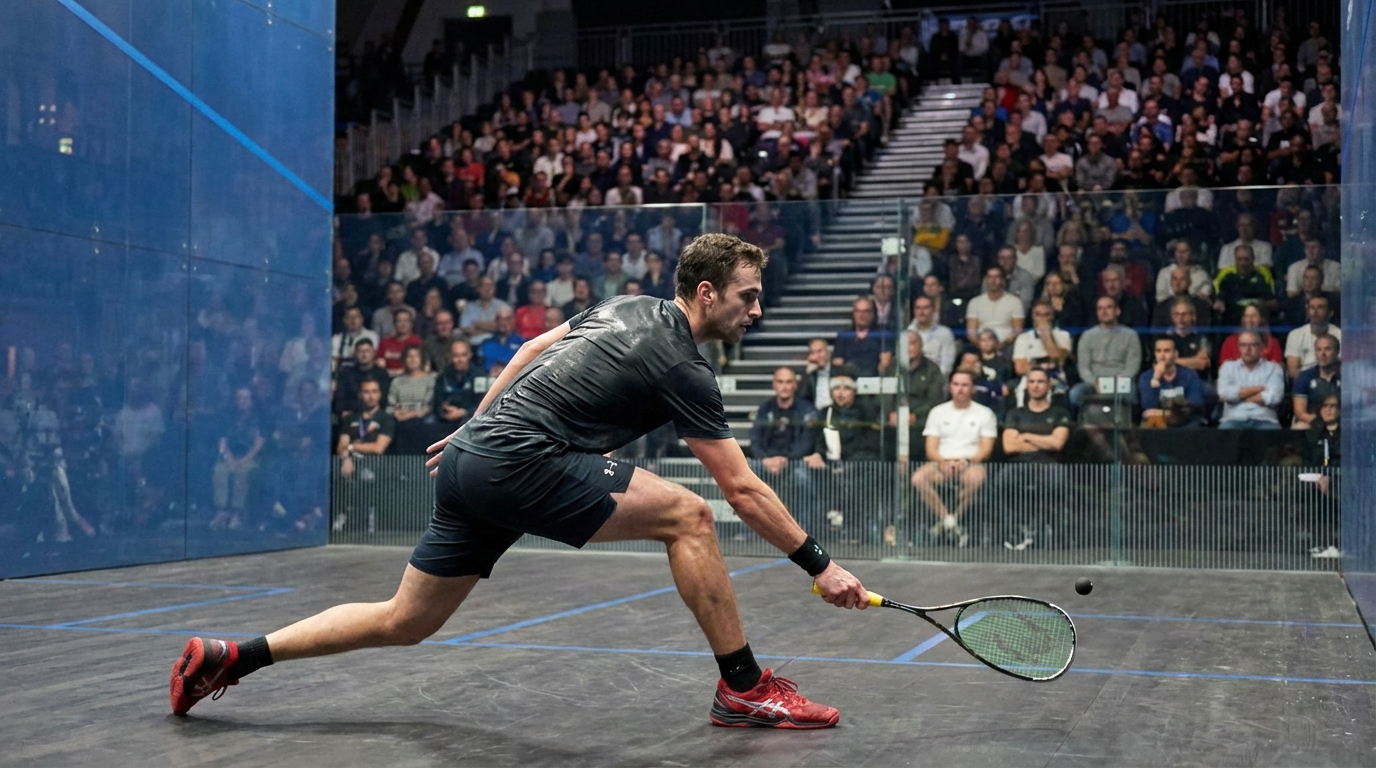
You should choose panoramic courts because they remove the rear structural posts to provide a 360-degree viewing experience for spectators. This design is ideal for a high-stakes padel tournament where crowd engagement and media visibility are priorities.
A panoramic view allows for better photography and video recording of the matches. You can offer a more immersive experience for fans who want to see every detail of the action.
How do panoramic views improve the game?
The lack of corner pillars means that there are no blind spots for the audience or the players. Here is the deal:
Spectators feel closer to the action, which creates a more electric atmosphere during the finals.
This visibility is a major selling point when you are trying to attract sponsors who want their branding seen on camera.
- Unobstructed views for all spectators.
- Premium aesthetic that elevates club status.
- Better lighting distribution across the court.
Is the panoramic model worth the investment?
While these courts are a premium option, they allow you to charge higher rental fees and ticket prices. Look:
Players prefer competing on “show courts” that make them feel like professionals. You will find that these courts are often the first to be booked during peak hours.
Key Takeaway: Panoramic courts enhance the spectator experience and increase the media value of your professional events.
| Feature | Panoramic Design | Standard Design |
|---|---|---|
| Rear Support | None (Full Glass) | Structural Steel Posts |
| Visibility | 360-Degree Unobstructed | Partial Obstructions in Corners |
| Venue Appeal | High-End / Professional | Classic / Functional |
The panoramic design is the industry standard for any club aiming to host televised or high-profile competitive matches.
What defines an elite padel tournament venue?
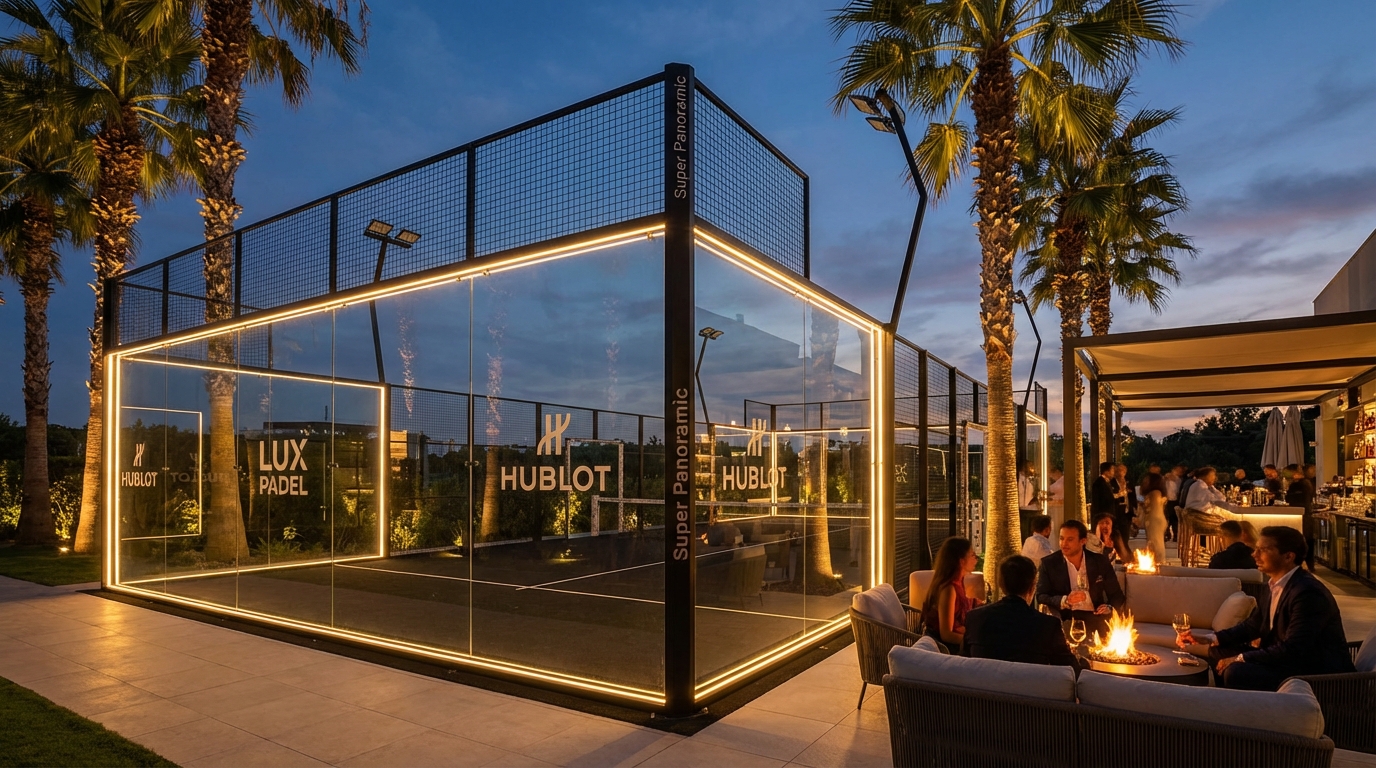
An elite venue is defined by its use of Super Panoramic designs that maximize visibility and integrate luxury amenities. You need a facility that goes beyond the basics to provide a “stadium feel” for every padel tournament you host.
Elite status is achieved through a combination of top-tier court technology and professional player support services. You are not just providing a place to play; you are creating a destination.
Why use Super Panoramic designs?
The Super Panoramic model is the pinnacle of court engineering, offering the most transparent playing environment possible. Think about it:
It serves as a visual centerpiece that signals your club’s commitment to excellence.
This model is frequently used for the main court in professional finals due to its spectacular appearance under lights.
- Maximum glass transparency for media.
- Reinforced structural joints for safety.
- Integrated high-efficiency LED lighting.
How do you attract premium sponsors?
Sponsors look for venues that reflect their own brand values of quality and innovation. But wait:
A facility with high-end courts and a VIP lounge is far more likely to secure lucrative partnerships. You should focus on creating a venue that looks as good on social media as it does in person.
Key Takeaway: Elite venues use Super Panoramic courts to attract high-level talent and premium corporate sponsorship.
| Element | Elite Standard | Impact |
|---|---|---|
| Court Model | Super Panoramic | Visual Centerpiece for Finals |
| Lighting | 300W+ LED System | Broadcast-Quality Visibility |
| Amenities | VIP Lounge / Recovery | Enhanced Player Retention |
Building an elite venue requires a strategic focus on aesthetics and high-performance technology to stand out in the market.
How does a roofed court protect a padel tournament?
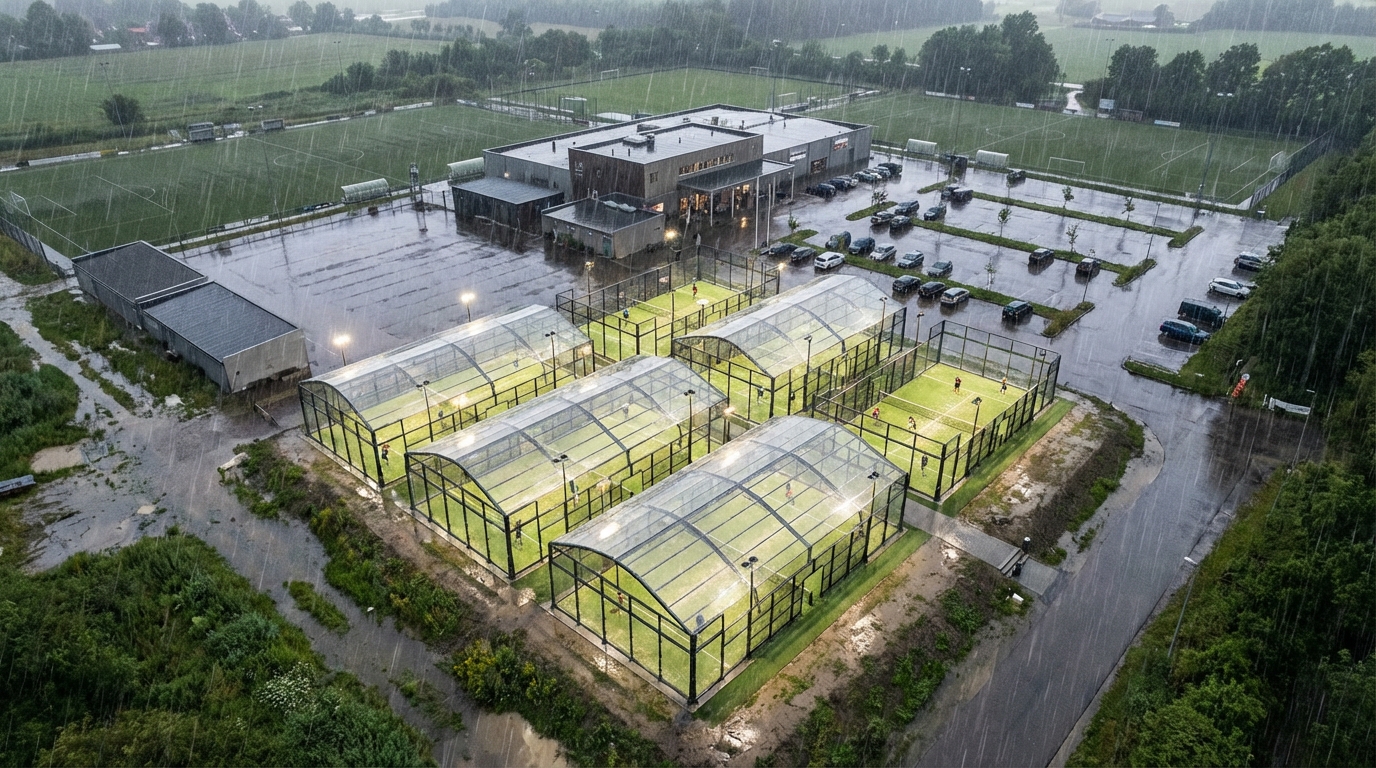
A roofed court protects your event by preventing weather delays and ensuring that matches can continue regardless of rain or extreme sun. You can maintain a strict padel tournament schedule without worrying about external environmental factors.
Integrated roofing systems allow for 365 days of play, which is crucial for maximizing your club’s revenue. Every hour a court is wet is an hour of lost booking income.
How do roofs maintain play consistency?
The shade provided by a roof prevents the court surface from becoming too hot or too slippery. Here is the deal:
Consistent temperature and humidity levels mean that the ball bounce remains predictable for the athletes.
Players can focus on their performance rather than adapting to changing wind or sun conditions.
- UV protection for players and turf.
- Effective drainage systems to keep courts dry.
- Natural ventilation for indoor-outdoor comfort.
Can you retrofit a roof to existing courts?
Many modern roofing solutions are designed to be integrated into existing structures with minimal disruption. Look:
You don’t necessarily need to build a full indoor hall to get the benefits of weather protection. Modular covers are a cost-effective way to upgrade your facility.
Key Takeaway: Roofed courts ensure that your competition schedule remains on track, protecting both your reputation and your revenue.
| Weather Issue | Roof Solution | Benefit |
|---|---|---|
| Heavy Rain | Sealed Canopy System | No Match Cancellations |
| Intense Heat | UV-Resistant Shading | Increased Player Safety |
| Night Play | Integrated LED Mounts | Consistent 24/7 Availability |
Weatherproofing your venue is a critical step in becoming a reliable host for national and regional circuits.
What technical specs ensure a safe padel tournament?
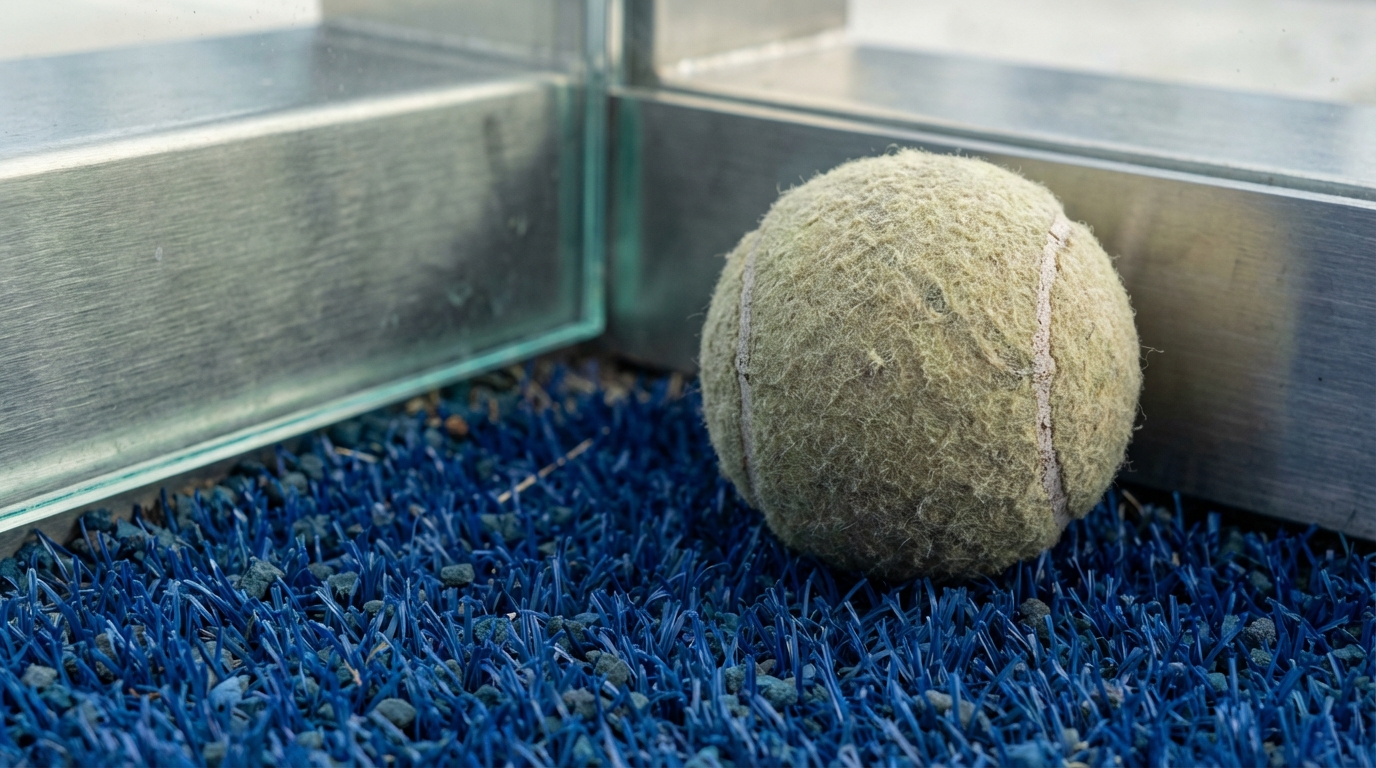
The technical specs that ensure safety include 12mm anti-explosion tempered glass and high-density, certified synthetic turf. You must verify that your padel tournament environment complies with international safety standards to mitigate liability and protect players.
Using certified materials prevents structural failures during intense matches. Every component of the court, from the bolts to the mesh, must be engineered for high-impact use.
Why is 12mm glass mandatory for pros?
Professional players hit the ball with incredible force, often utilizing the glass for defensive shots. Think about it:
Standard glass might not withstand the repeated impact of a high-speed ball or a player colliding with the wall. 12mm tempered glass provides the necessary strength to ensure it won’t shatter under pressure.
It also provides a more consistent rebound, which is essential for fair competitive play.
- EN 12150 standard compliance.
- Polished edges to prevent injuries.
- High-tension mounting systems.
What is the role of fibrillated turf?
Fibrillated turf is designed to hold sand better and provide a more stable footing for quick directional changes. Here is the deal:
If the grass is too slippery or too grippy, players are at a much higher risk of ankle and knee injuries.
Key Takeaway: Certified 12mm glass and high-quality turf are non-negotiable requirements for a safe and professional tournament venue.
| Spec | Professional Standard | Safety Outcome |
|---|---|---|
| Glass Thickness | 12mm Tempered | Anti-Explosion Security |
| Steel Finish | Hot-Dip Galvanized | No Structural Weakening |
| Turf Type | EU-Standard Fibrillated | Reduced Joint Strain |
Technical excellence in construction is the only way to guarantee the long-term safety of your competitive athletes.
When should players plan for a padel tournament?
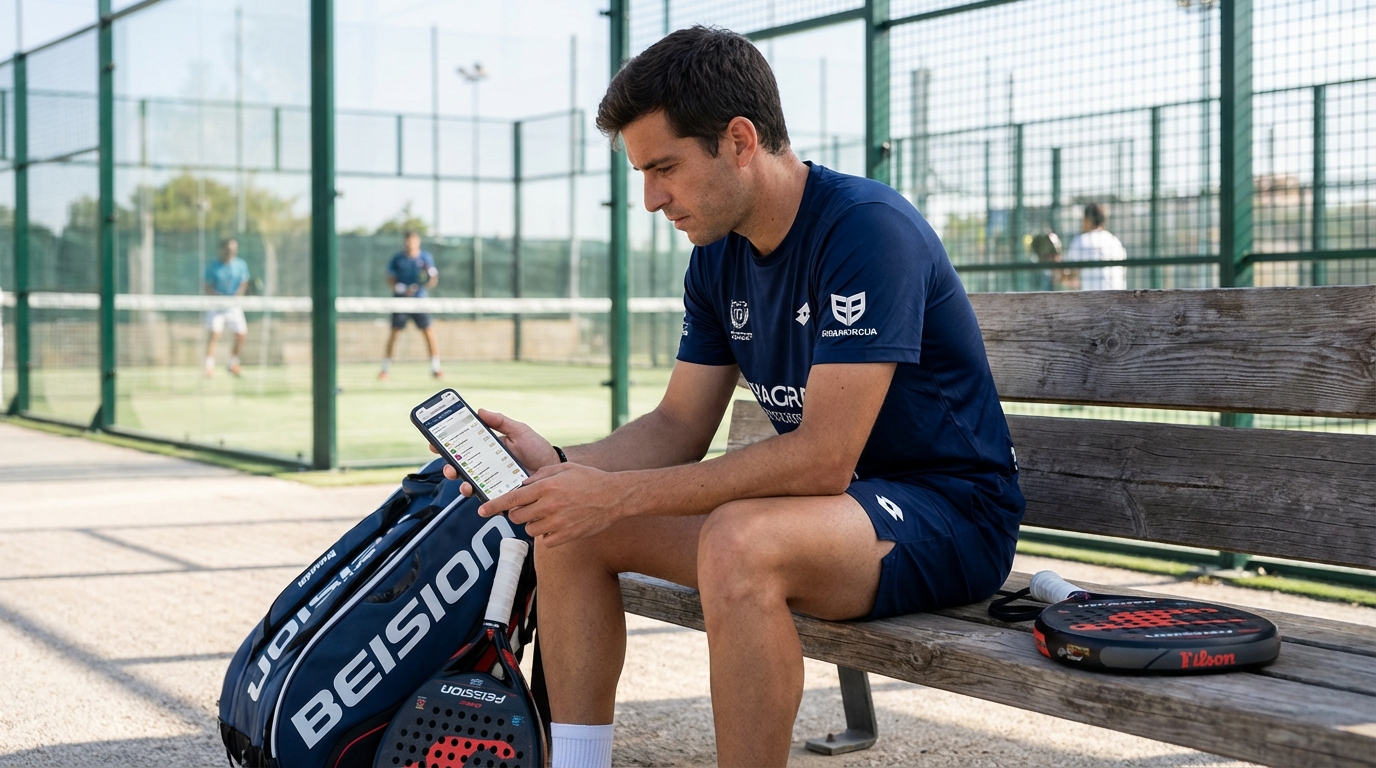
Players should plan for an event at least three months in advance by consulting the national calendar to coordinate travel and training. You need to understand the ranking points system to choose a padel tournament that matches your current skill level and goals.
Strategic planning allows you to peak physically at the right time. Most athletes aim for a specific set of events each season to maximize their point accumulation.
How do you use the national calendar?
The national calendar provides a comprehensive list of all sanctioned events and their respective tiers. Look:
By mapping out your season, you can avoid burnout and focus on the competitions that offer the best opportunities for advancement.
You should also check registration deadlines, as popular events often fill up within hours of opening.
- Track regional vs. national point values.
- Monitor venue types (indoor vs. outdoor).
- Budget for travel and entry fees early.
Why is the points system important?
The points you earn in one event will determine your seed in the next. But wait:
If you don’t play enough sanctioned matches, you may find yourself facing the top-seeded players in the very first round. Consistent participation is the key to a better draw.
Key Takeaway: Early planning using the national calendar is essential for players who want to build a serious competitive ranking.
| Planning Step | Action | Timing |
|---|---|---|
| Review Calendar | Select Tiered Events | Pre-Season |
| Register | Secure Your Bracket Spot | 8 Weeks Prior |
| Peak Training | Intensity Build-Up | 4 Weeks Prior |
Success on the court starts with a well-organized schedule that prioritizes the right competitive opportunities.
Where is the future of the American padel tournament?
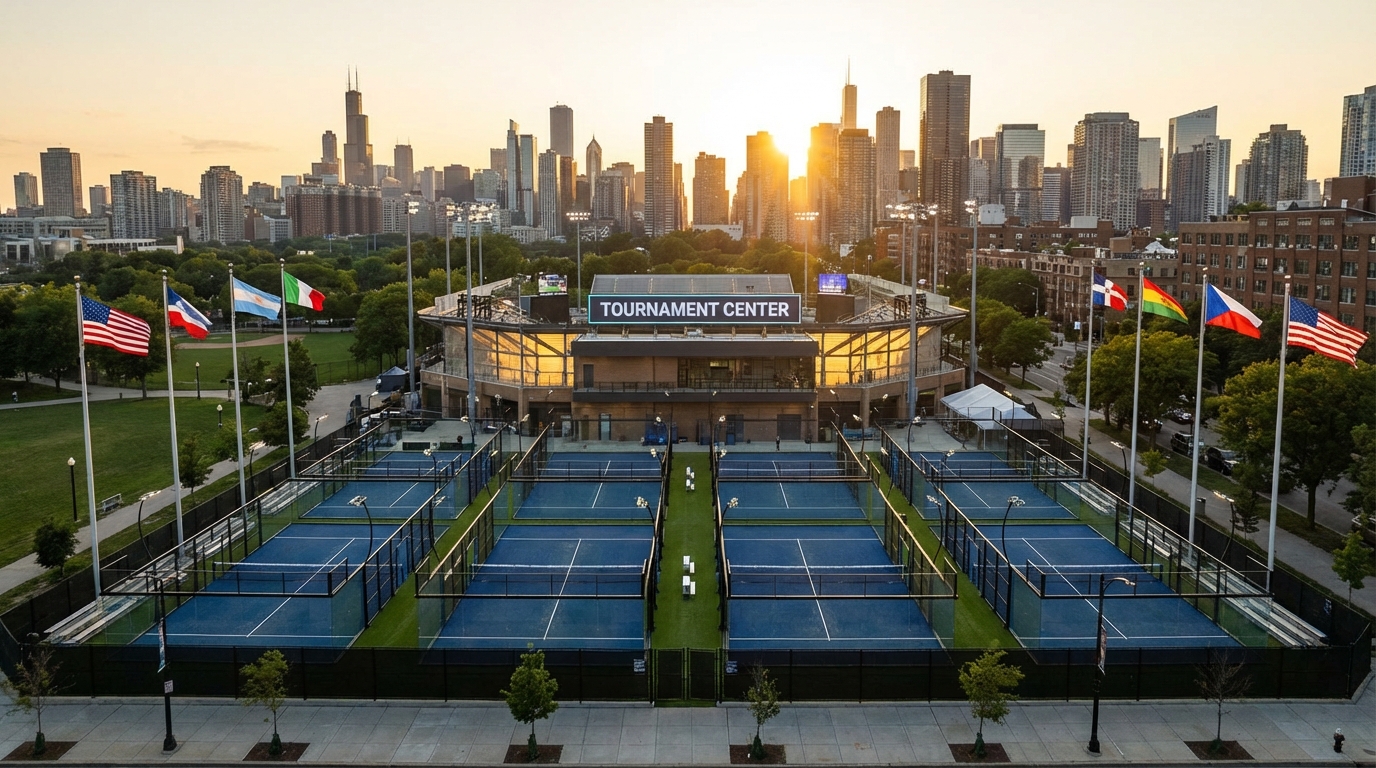
The future of the American market lies in the expansion of professional leagues and the construction of dedicated multi-court stadiums. You will see a massive increase in the number of venues capable of hosting a high-level padel tournament in major metropolitan hubs.
The infrastructure being built today will support a new era of professional athletes. As the sport grows, the quality of courts and facilities will continue to reach new heights.
What is the National Padel League expansion?
The league is moving toward a franchise-based model that brings professional teams to cities across the country. Think about it:
This creates a local fan base and a pathway for young players to reach the professional ranks.
The finals of these leagues are becoming major media events that attract thousands of spectators.
- Growth of professional team ownership.
- Increased investment in youth academies.
- Expansion of televised championship finals.
How is infrastructure changing?
We are moving away from single-court setups and toward massive “Tournament Centers” with ten or more courts. Here is the deal:
These facilities are designed specifically to handle the logistical demands of hundreds of players and fans at once.
Key Takeaway: The future of the sport is tied to the development of large-scale, professional-grade infrastructure in key urban markets.
| Future Trend | Description | Impact |
|---|---|---|
| Stadium Venues | 10+ Court Facilities | Large-Scale Event Hosting |
| Youth Circuits | Dedicated Junior Tiers | Long-Term Talent Pipeline |
| Media Rights | Professional Broadcasting | Global Audience Growth |
The American padel scene is on the verge of a professional revolution that will redefine the landscape of racquet sports.
Through high-quality infrastructure and professional event management, we solve the problem of fragmented competitive play. Our vision is to empower club owners and players by providing the world-class courts and support needed to thrive in this growing industry. We can help you design, build, and maintain a premier facility that attracts top talent. For expert guidance on your next project, contact us today to start building the future of the sport.
FAQ
Can I host a tournament on a single court?
Ideally not. Most sanctioned events require at least three to four courts to manage the match volume and schedule efficiently within a single weekend.
What’s the best lighting for a professional court?
IP66-rated LED floodlights. These provide uniform illumination without glare, which is essential for high-speed play and broadcast quality.
How do I know if my glass is safe?
Check for the certification stamp. Professional tournament courts must use 12mm tempered safety glass that meets European EN 12150 standards.
Can I customize the court colors for my event?
Yes. You can choose specific RAL colors for the steel structure and even integrate your tournament logo into the turf or glass.
What’s the best way to handle rain delays?
Invest in a roofed court system. It is the only way to guarantee that your event schedule remains unaffected by weather conditions.