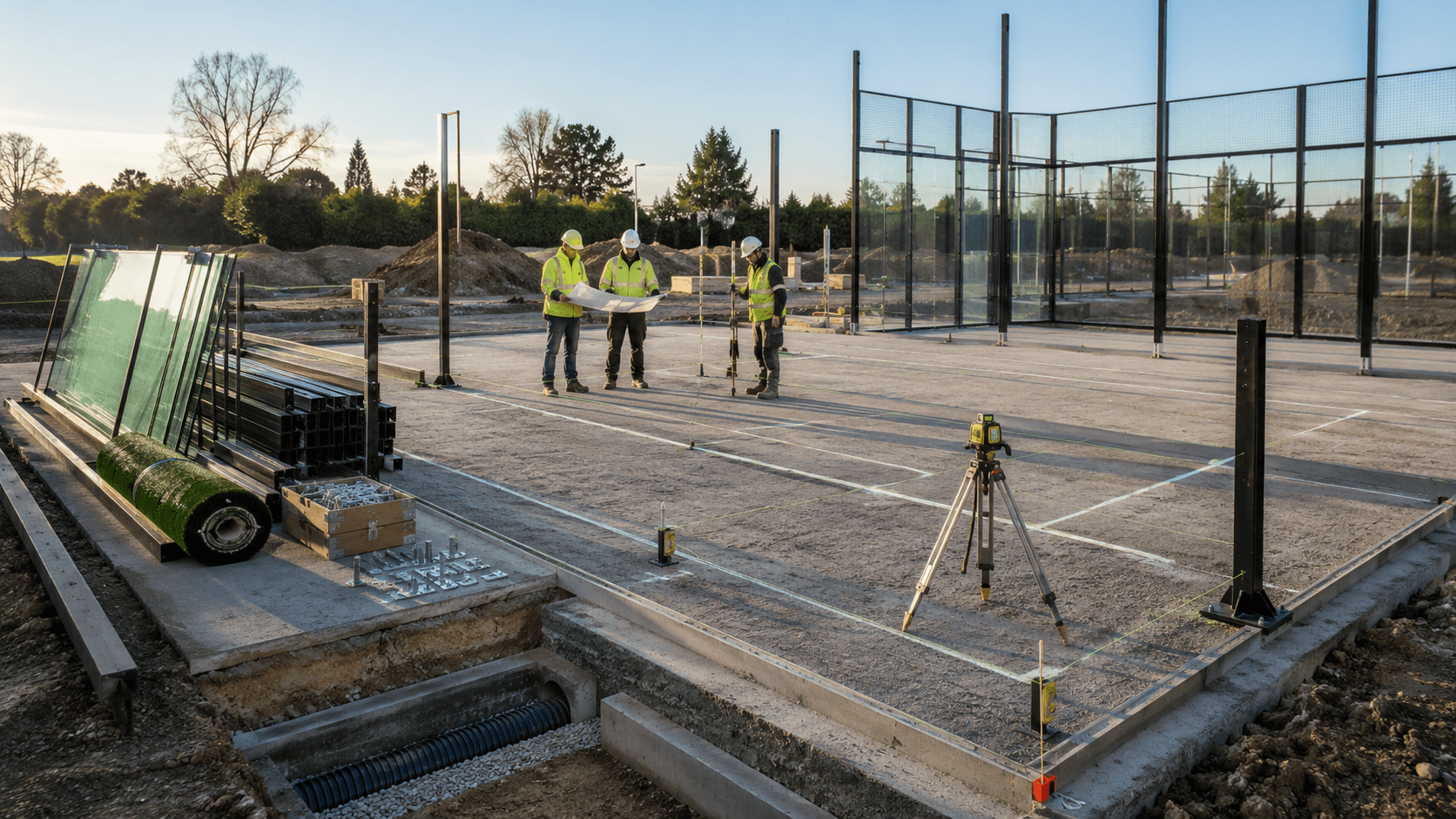
Starting building a padel court the right way requires a commitment to professional-grade materials and precise engineering from the initial planning phase. Many facility owners rush into construction only to find that poor site preparation leads to cracked foundations or failing structures within the first year. These preventable mistakes result in massive repair bills and frustrated members who cannot use your facility. By choosing to work with building a padel court specialists, you secure a factory-direct solution that ensures a durable, high-performance court for your club.
Is building a padel court a profitable investment for you?
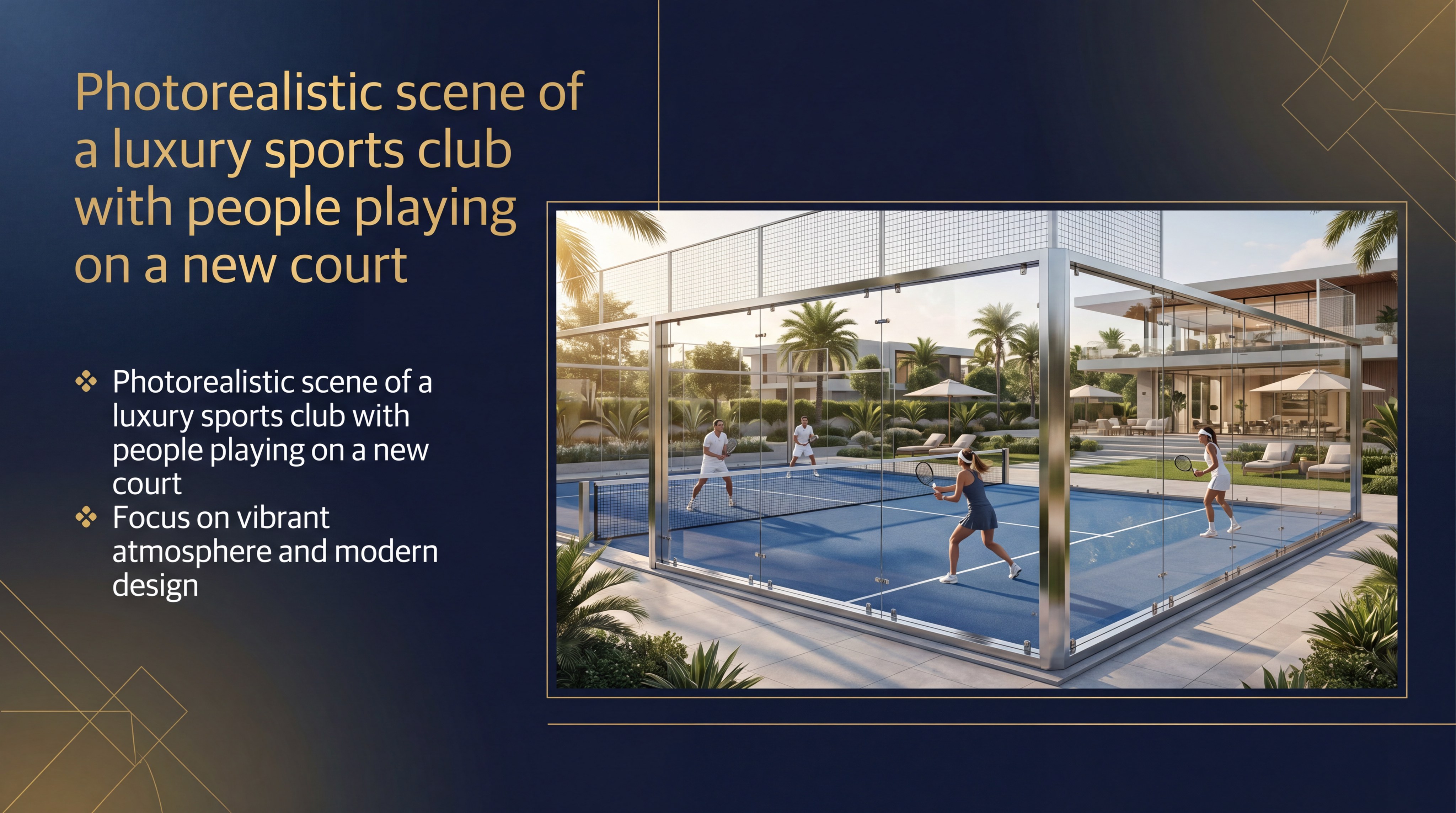
Building a padel court is a highly profitable investment because it utilizes space more efficiently than tennis while appealing to a broader demographic of players. The social nature of the sport ensures high occupancy rates, allowing you to maximize hourly rental income.
High Revenue Potential
The return on investment for padel facilities typically exceeds that of traditional racquet sports due to the smaller footprint. You can fit three padel courts in the space of one tennis court, tripling your potential revenue streams.
Think about this:
- Padel attracts four players per booking consistently.
- The sport is easier to learn, increasing your recurring member base.
- Tournament hosting generates significant secondary income from food and beverage sales.
The bottom line is simple.
You gain more players per square meter than almost any other athletic facility.
Long-Term Asset Valuation
Integrating professional courts into your property immediately elevates its market value and attracts high-end clientele. This infrastructure serves as a long-term asset that requires minimal maintenance when constructed with premium, galvanized steel components.
The best part?
- A well-built court lasts over 20 years with basic care.
- It serves as a unique selling point for real estate developments.
- Modern panoramic designs act as a visual centerpiece for luxury resorts.
Key Takeaway: Padel offers a faster break-even point and higher player density than most sports investments.
| Factor | Impact on Profitability |
|---|---|
| Space Efficiency | 3 courts per 1 tennis court |
| Player Density | 4 players per match minimum |
| Maintenance | Low cost with galvanized steel |
This data illustrates why forward-thinking club owners are prioritizing padel over traditional sports infrastructure.
How do you prepare the site before building a padel court?
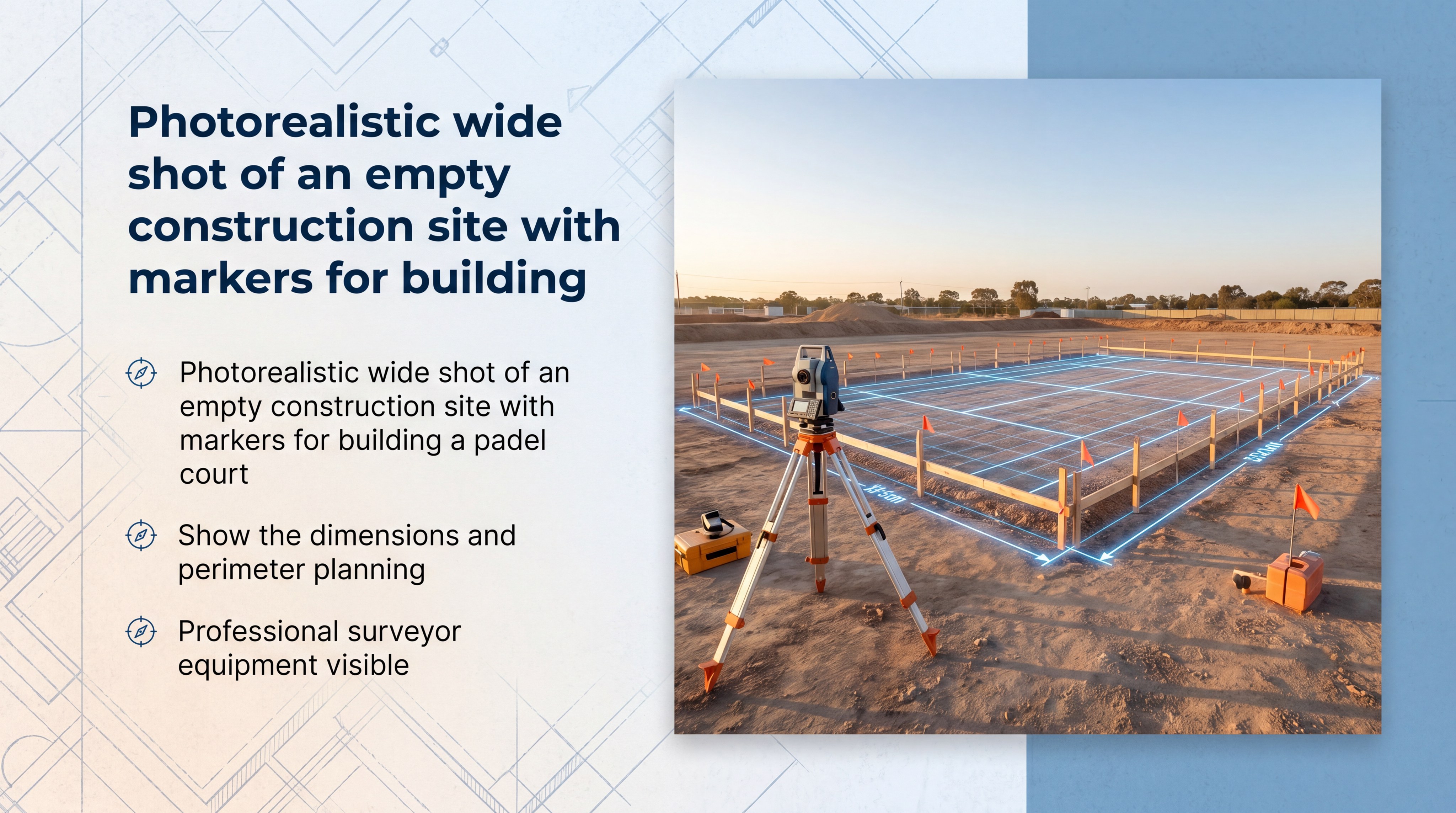
Preparing the site involves conducting a professional survey to ensure the ground is perfectly level and cleared of any underground obstructions. When building a padel court, you must account for a 20×10 meter playing area plus additional clearance for structural supports and player safety zones.
Accurate Ground Leveling
A perfectly level surface is non-negotiable for ball bounce consistency and the structural integrity of the glass walls. Any deviation in the slope can cause the tempered glass panels to experience uneven stress, potentially leading to fractures over time.
You need to know:
- The site must be excavated to a depth of at least 25-30cm.
- Compact the soil to a high density to prevent future settling.
- Ensure the perimeter allows for at least 0.5 meters of extra space for the ring beam.
Look at it this way:
Precision in the first week saves you from structural failure in the first year.
Perimeter and Clearance Planning
You must ensure the site has adequate clearance for lighting poles and spectator walkways without infringing on nearby structures. Proper site mapping prevents costly adjustments once the steel frame assembly begins.
Consider these factors:
- Leave 3 to 6 feet of runoff for indoor installations.
- Avoid placing courts under trees to prevent leaf debris and sap damage.
- Map out electrical conduits for LED lighting early in the process.
Here is the kicker.
If you ignore clearance requirements now, your facility will feel cramped and unprofessional later.
Key Takeaway: Site preparation is the most critical phase to prevent structural shifting and ensure player comfort.
| Preparation Step | Requirement |
|---|---|
| Excavation Depth | 25cm to 30cm minimum |
| Play Area Size | 20m x 10m exactly |
| Safety Clearance | 0.5m to 1m around perimeter |
Detailed surveying and site marking create the roadmap for a successful, high-end installation.
What foundation is best for building a padel court base?
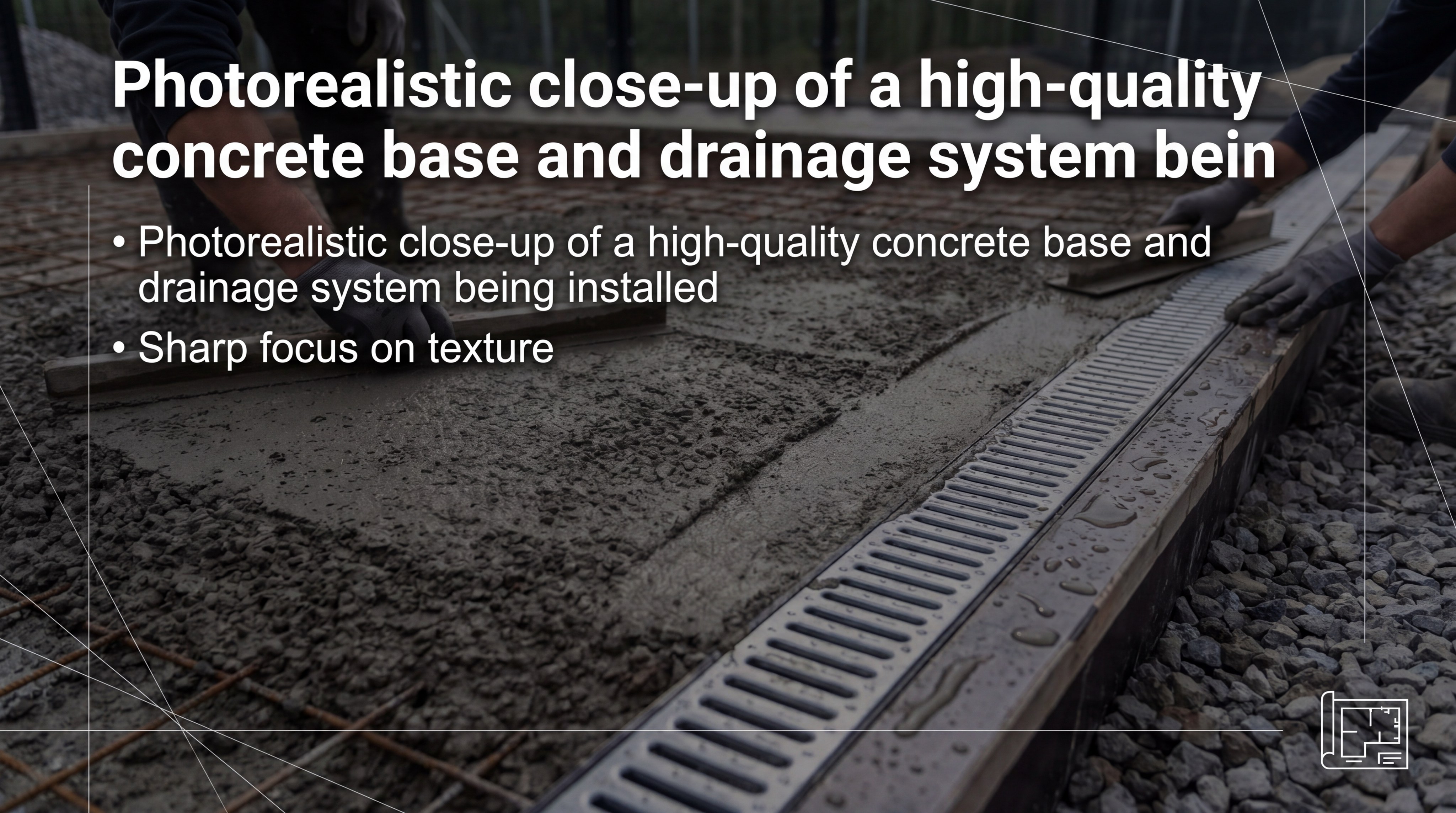
The best foundation for building a padel court base is a reinforced concrete slab or a high-quality ring beam system combined with porous asphalt. This ensures the 20×10 meter structure remains stable under the heavy weight of the steel frame and glass panels.
Reinforced Concrete Slabs
A reinforced concrete slab provides the most durable and level playing surface for professional-grade facilities. It prevents the turf from shifting and offers the most consistent ball bounce across the entire court area.
Don’t forget:
- Use 3000 PSI concrete reinforced with steel mesh.
- The slab should be at least 15cm thick for maximum stability.
- A power-trowel finish ensures the surface is smooth enough for turf adhesion.
Wait, there’s more.
A solid slab serves as the ultimate anchor for the structural Padel Structure you choose to install.
Ring Beam and Porous Asphalt
For outdoor courts where maximum drainage is required, a concrete ring beam paired with a porous asphalt center is a premium alternative. This allows water to pass directly through the court floor, preventing puddles after heavy rain.
Keep this in mind:
- The ring beam must be perfectly level to support the glass wall frame.
- Porous asphalt offers a slightly softer feel for player joints.
- This method is often preferred for high-rainfall tropical climates.
Believe it or not.
The foundation you choose dictates whether your court is playable 365 days a year or only in dry weather.
Key Takeaway: Reinforced concrete is the standard for durability, while porous systems excel in high-moisture environments.
| Foundation Type | Best For | Benefit |
|---|---|---|
| Concrete Slab | Professional Clubs | Maximum durability and level bounce |
| Ring Beam/Asphalt | Outdoor/Rainy Areas | Superior drainage and joint comfort |
Choosing the correct base ensures your investment remains level and safe for decades of heavy use.
Why is drainage crucial when building a padel court outdoors?

Drainage is crucial when building a padel court outdoors because standing water damages the synthetic turf and creates a slip hazard for players. Without an integrated drainage system, rain can trap moisture beneath the turf, leading to mold growth and the degradation of adhesives.
Preventing Surface Pooling
An effective drainage design ensures that your court remains playable even minutes after a heavy downpour. By implementing a slight 1% slope or using porous sub-bases, you protect the court from the “aquaplaning” effect during play.
You should consider:
- Slope the slab from the center toward the long sides.
- Install perimeter channels to catch and redirect runoff.
- Clean the drainage holes in the turf backing regularly.
The truth is.
Standing water is the silent killer of outdoor sports facilities.
Protecting Turf Longevity
Excessive moisture can break down the latex or polyurethane backing of your Padel Grass, shortening its lifespan significantly. Proper drainage prevents the sand infill from washing away or becoming clumped with silt.
Watch out for:
- Clogged drainage holes that lead to “squishy” spots on the court.
- Salt or mineral buildup from evaporated puddles.
- Weakened turf seams due to constant water saturation.
Let’s face it.
You don’t want to replace your turf every three years because of poor water management.
Key Takeaway: Advanced drainage systems maximize court uptime and extend the life of your synthetic playing surface.
| Drainage Feature | Function | Result |
|---|---|---|
| 1% Slope | Directs water flow | No center-court puddles |
| Perforated Turf | Allows vertical drainage | Faster drying times |
| Ring Beam Channels | Removes runoff | Protects surrounding area |
Investing in moisture control is the only way to guarantee a premium experience for your outdoor members.
How do you ensure safety when building a padel court frame?
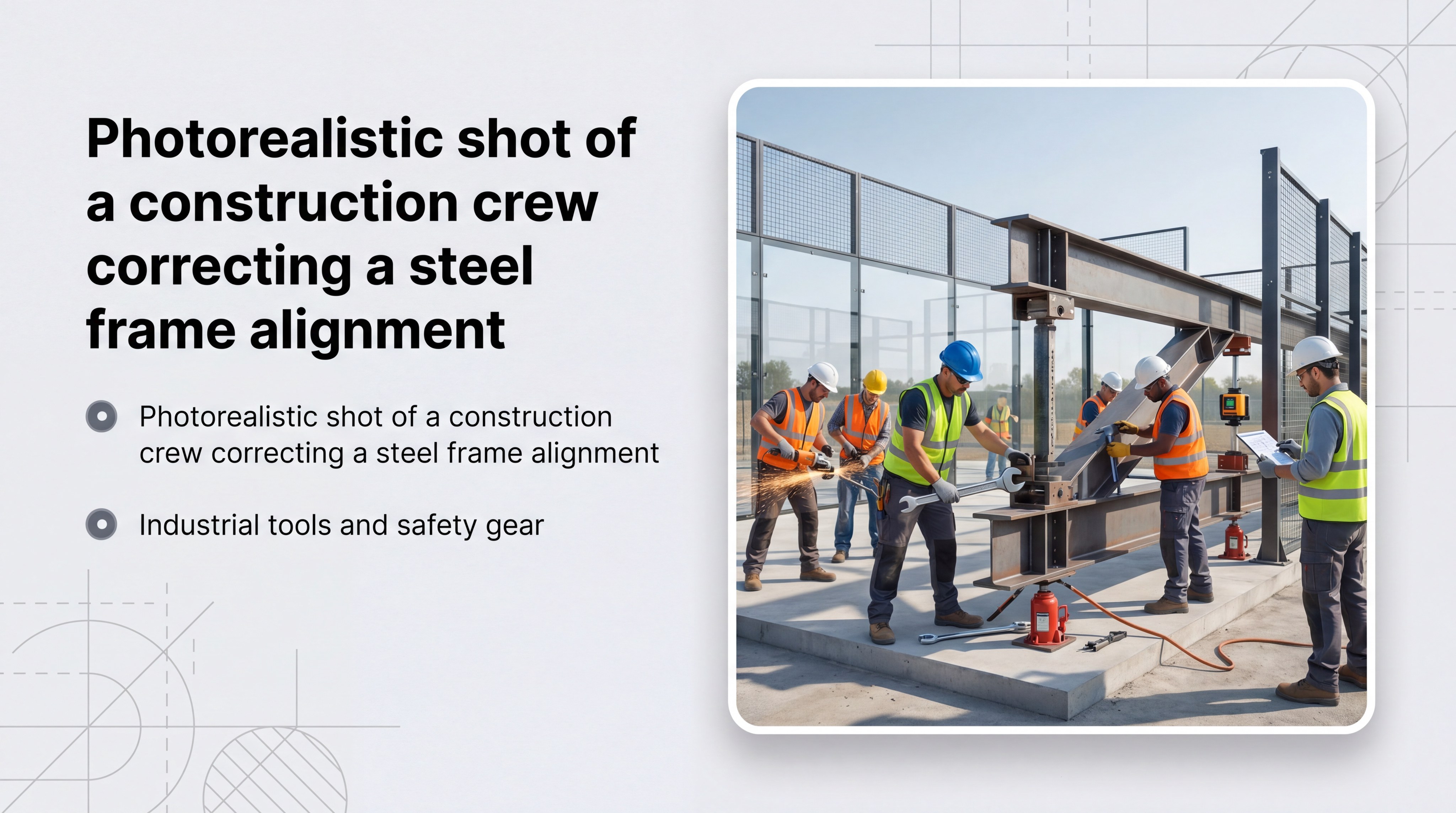
Ensuring safety when building a padel court frame requires the use of hot-dip galvanized steel and precision modular assembly. The frame must be perfectly aligned to distribute the weight of the glass panels evenly and resist the high-impact forces of players crashing into the walls.
Structural Integrity and Coating
Using high-grade steel with a 20-year anti-corrosion guarantee is essential for both indoor and outdoor facilities. Galvanized steel prevents rust from weakening the joints, which is the leading cause of structural failure in humid environments.
Make sure you:
- Check for CE or international quality certifications on the steel.
- Verify that the powder coating is UV-resistant to prevent fading.
- Inspect all welding points for smooth, reinforced finishes.
It gets better.
Modern modular designs allow for faster installation without sacrificing the strength of the enclosure.
Precision Alignment and Bolting
The steel pillars must be perfectly vertical to prevent the glass walls from leaning or experiencing internal tension. Using chemical anchors and high-tensile bolts ensures the structure remains rooted even under hurricane-force winds.
The key points are:
- Use laser levels during every stage of the frame uprighting.
- Secure the base plates with heavy-duty M12 or M16 bolts.
- Maintain uniform gaps between the steel and the glass panels.
Think about it.
One misaligned pillar can cause a cascade of glass breakage and safety liabilities.
Key Takeaway: Professional alignment and corrosion-resistant materials are the foundations of a safe, long-lasting court.
| Component | Standard | Safety Role |
|---|---|---|
| Steel Grade | Hot-dip Galvanized | Prevents rust and structural collapse |
| Anchors | Chemical / M16 | Secures frame against high impacts |
| Alignment | Laser-verified | Ensures even glass stress distribution |
Rigorous safety standards during the frame assembly protect your players and your business reputation.
Which glass is safest for building a padel court walls?
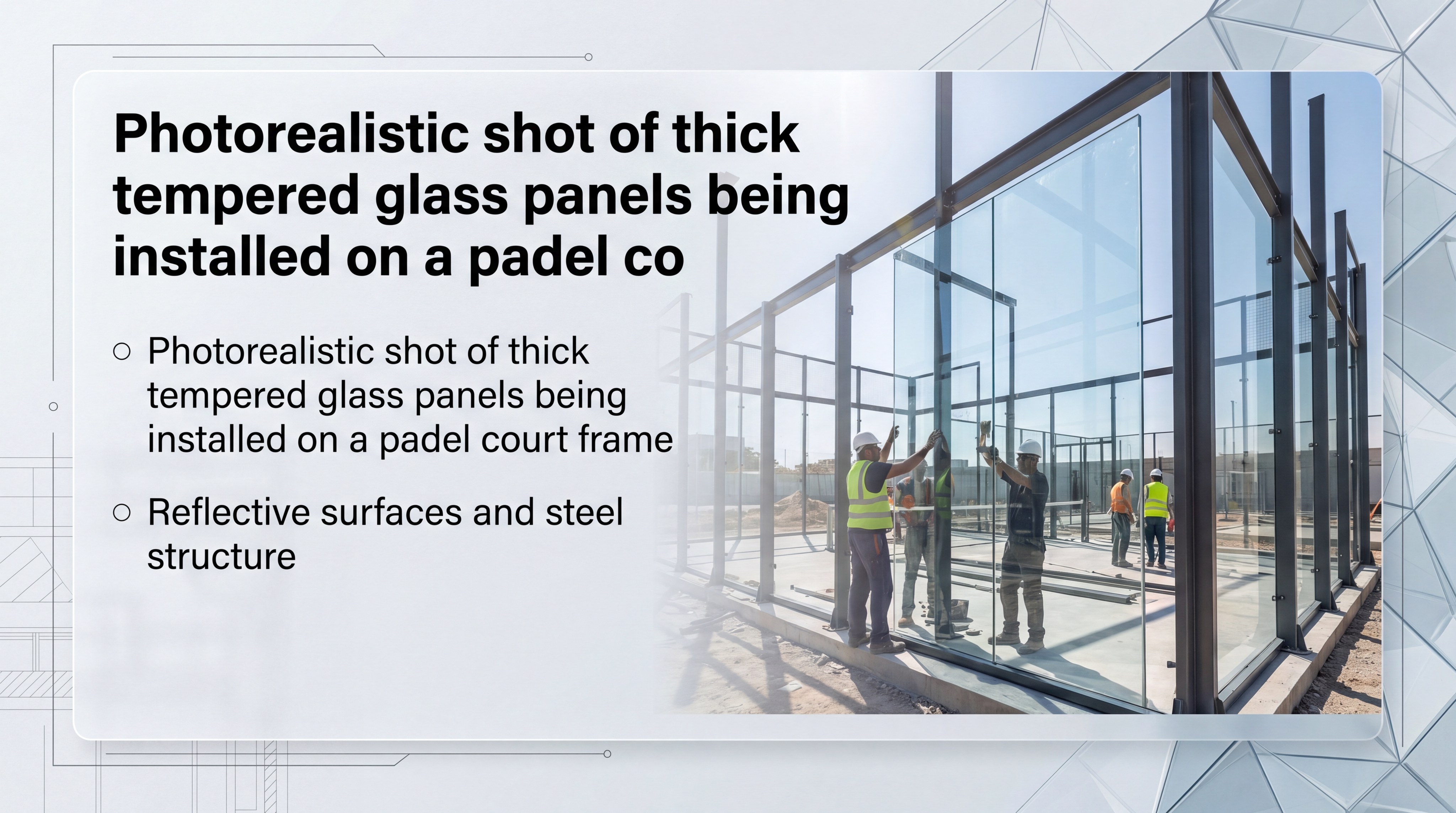
The safest glass for building a padel court walls is 12mm thick, anti-explosion tempered safety glass that complies with EN 12150-1 standards. This type of glass is specifically designed to withstand high-velocity ball impacts and player collisions without shattering into dangerous shards.
Tempered vs. Laminated Options
Tempered glass is the industry standard because it is four to five times stronger than regular glass. In the rare event of a break, it crumbles into small, blunt pieces rather than sharp fragments, drastically reducing the risk of injury.
You need to verify:
- The glass must have polished edges to prevent stress fractures.
- Look for a thickness of 12mm for professional or high-use clubs.
- Ensure the manufacturer provides a certificate of compliance for safety.
Here is the deal.
Choosing “cheap” glass is the fastest way to end up with a major legal liability.
Impact Resistance and Mounting
Safe glass installation requires high-quality EPDM gaskets between the glass and the steel frame to absorb vibrations. This buffering prevents metal-on-glass contact, which is the primary cause of spontaneous glass breakage.
Keep these in mind:
- Use 6 or 8 holes per panel for secure stainless steel mounting.
- Check that all gaskets are UV-resistant and properly seated.
- Maintain a 3mm to 5mm gap between panels to allow for thermal expansion.
You see.
The mounting hardware is just as important as the glass itself for long-term safety.
Key Takeaway: 12mm tempered safety glass with EPDM buffering provides the highest level of player protection.
| Glass Property | Standard Requirement | Benefit |
|---|---|---|
| Thickness | 12mm (Standard) | Superior impact resistance |
| Safety Rating | EN 12150-1 | Shatters into harmless granules |
| Buffering | EPDM Gaskets | Absorbs player and ball vibrations |
Selecting certified safety glass ensures your facility meets international competition standards and local building codes.
What turf should you choose when building a padel court?
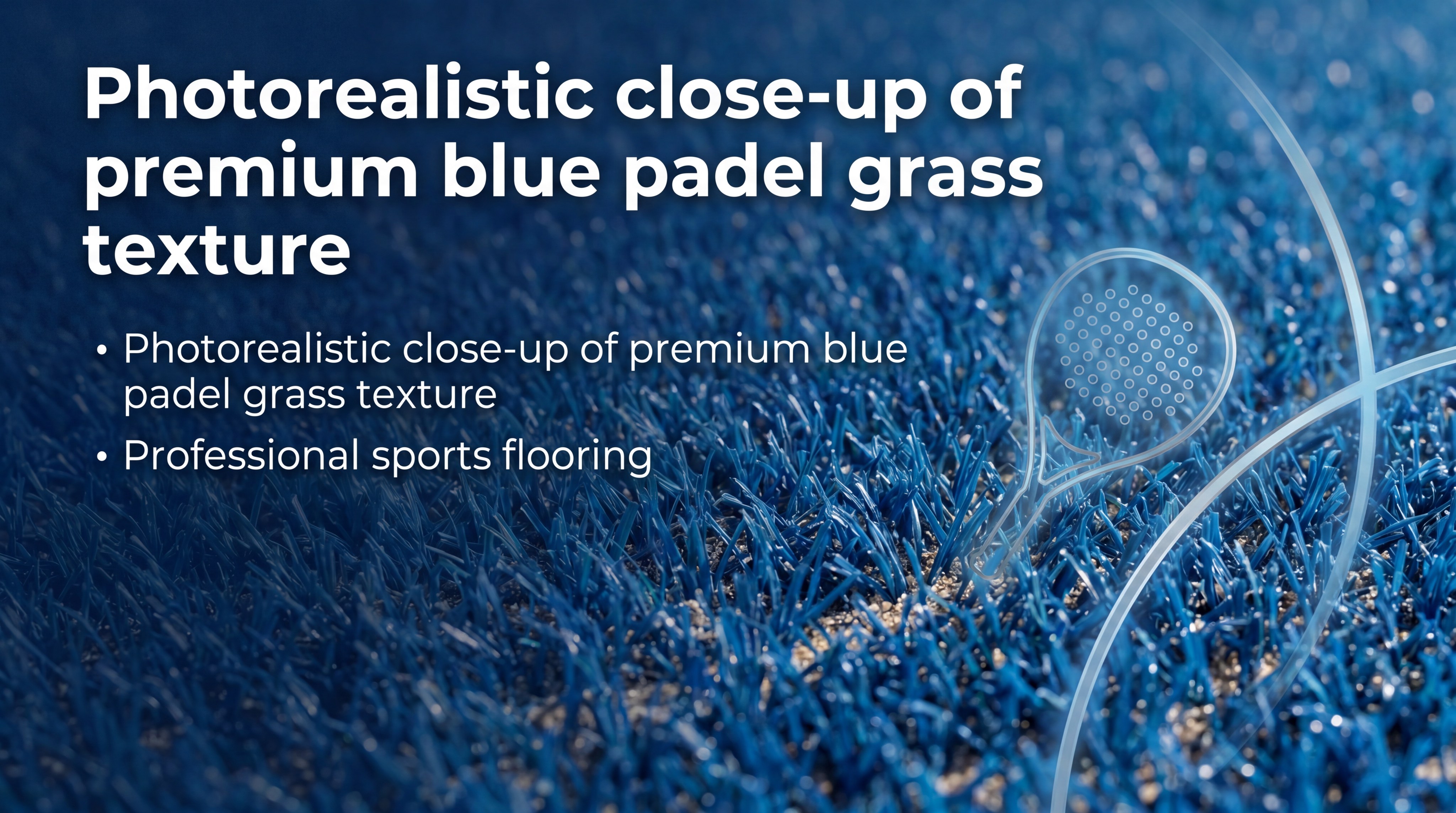
You should choose a high-density, monofilament or fibrillated polyethylene turf with a stitch count designed for high-frequency athletic use. The quality of the turf dictates the ball’s bounce and the amount of “give” the surface provides for the players’ joints.
Monofilament vs. Fibrillated Fibers
Monofilament turf is highly durable and offers a more natural ball bounce, making it the preferred choice for professional clubs. Fibrillated turf, on the other hand, is excellent for retaining sand infill and is often more cost-effective for community facilities.
Look for these specs:
- Fiber height should typically be 10mm to 12mm.
- Dtex ratings of 8,000 to 10,000 ensure fiber resilience.
- UV-stabilized materials prevent the turf from becoming brittle.
In short.
High-end monofilament turf creates the “premium” feel that members are willing to pay for.
Sand Infill and Backing
The quality of the sand infill and the turf backing determines how well the court handles drainage and heavy foot traffic. A double-layer backing with polyurethane (PU) coating offers much better moisture resistance than traditional latex.
Remember:
- Use kiln-dried, rounded silica sand to prevent fiber abrasion.
- Apply approximately 12kg to 15kg of sand per square meter.
- The sand should be spread evenly to ensure consistent play.
But wait, there’s more.
Consistent brushing of the sand is the secret to making your turf last twice as long.
Key Takeaway: Monofilament turf with a PU backing is the gold standard for durability and professional playability.
| Turf Feature | Ideal Specification | Impact on Play |
|---|---|---|
| Fiber Type | Monofilament PE | Consistent ball bounce and speed |
| Dtex | 9,000+ | High resistance to wear and tear |
| Coating | Polyurethane (PU) | Superior drainage and seam strength |
Choosing the right surface ensures your players enjoy a professional experience while minimizing your long-term replacement costs.
How does lighting impact building a padel court experience?
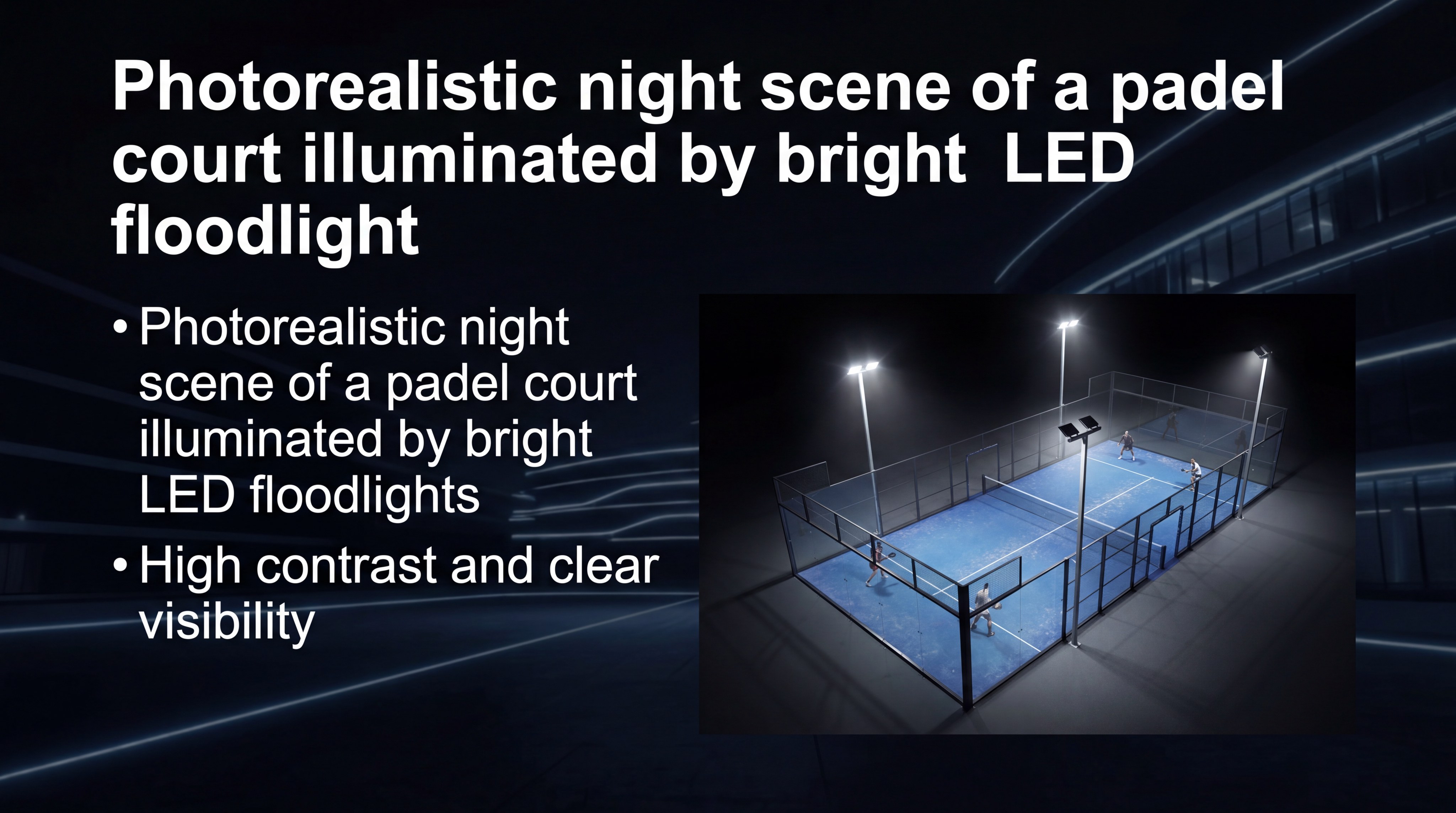
Lighting impacts building a padel court experience by extending your facility’s operational hours and ensuring player safety during evening matches. High-quality LED floodlights provide uniform illumination without creating glare or shadows that can distract players during fast-paced points.
Lux Levels and Uniformity
For a professional-grade experience, you should aim for a minimum of 500 to 750 lux across the entire playing surface. Uniformity is key; the light must be distributed evenly so players can track the ball accurately from the back glass to the net.
Consider these standards:
- Class I (Competition): 750 Lux
- Class II (Clubs): 500 Lux
- Class III (Recreation): 300 Lux
Don’t settle for less.
Proper lighting is what separates a world-class facility from a backyard project.
Energy Efficiency and Durability
Switching to 200W or 300W LED systems can reduce your energy consumption by up to 60% compared to traditional metal halide lamps. Look for fixtures with an IP66 rating to ensure they are fully waterproof and protected against dust.
The benefits include:
- Instant-on capability with no warm-up period required.
- Low heat emission, which extends the life of the light fixture.
- Directional lighting that reduces light pollution for neighbors.
The best part?
LEDs have a 50,000-hour lifespan, meaning virtually zero maintenance for the next decade.
Key Takeaway: High-uniformity LED lighting maximizes revenue by making evening play safe and visually stunning.
| Lighting Feature | Requirement | Benefit |
|---|---|---|
| Illumination | 500+ Lux | Professional visibility and safety |
| Protection | IP66 Rated | Waterproof and dust-proof durability |
| Technology | LED | 60% energy savings and long life |
By investing in superior lighting, you ensure your courts are booked solid from sunrise until late at night.
Can a diagram simplify building a padel court layers?
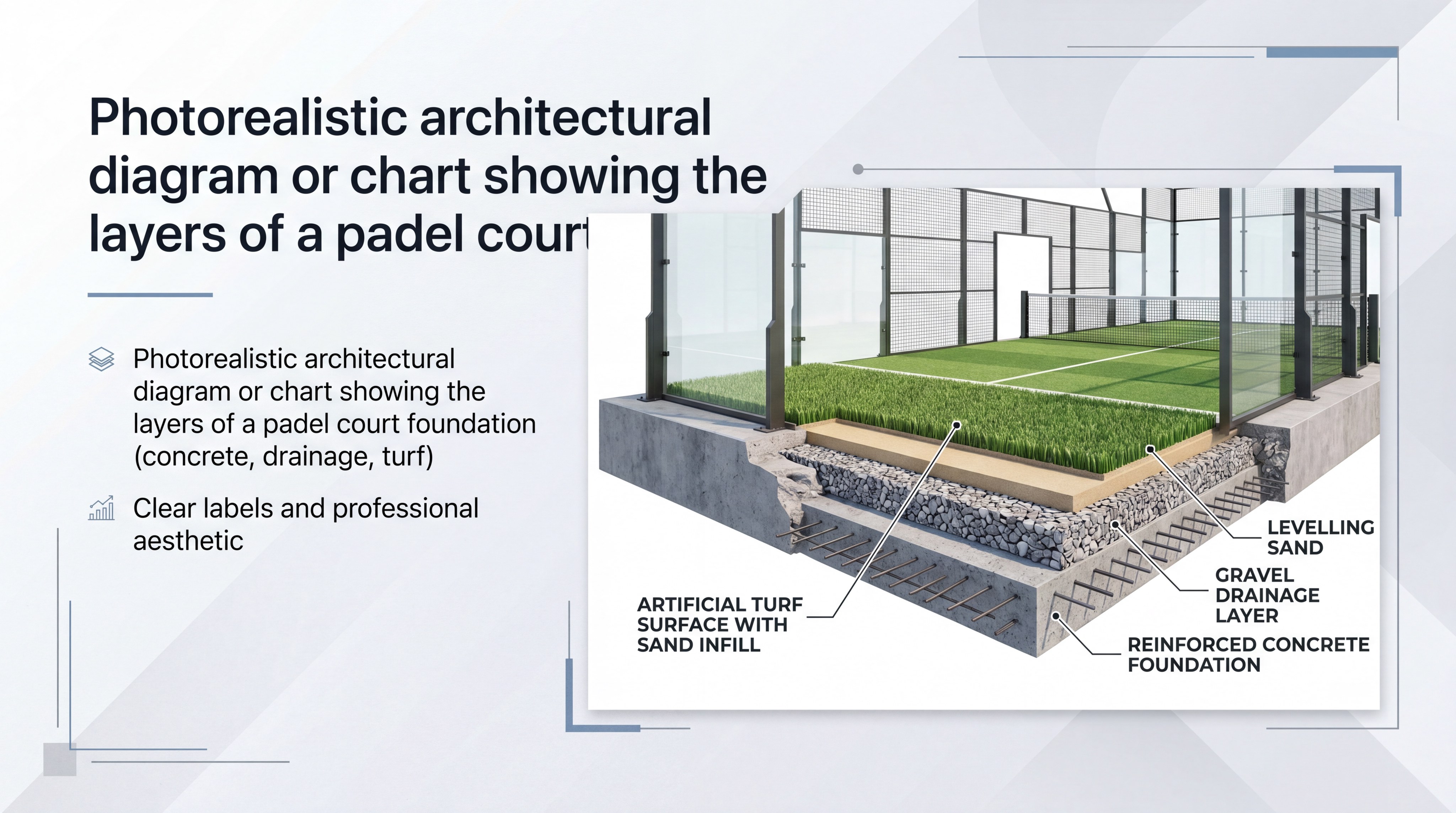
A diagram simplifies building a padel court layers by visualizing the complex relationship between the sub-base, the drainage system, and the playing surface. Understanding these layers is essential for project managers to verify that each construction stage meets engineering specifications.
Visualizing the Sub-Base
The foundation is more than just a slab of concrete; it is a multi-layered system designed for stability and drainage. A diagram clearly shows the leveling sand, the gravel drainage layer, and the reinforced concrete foundation that supports the entire court.
Look at the breakdown:
- Bottom: Compacted soil/sub-grade.
- Middle: Crushed stone and drainage pipes.
- Top: Reinforced concrete ring beam or slab.
You see.
A visual guide prevents the contractor from skipping essential sub-layers.
Turf and Infill Interaction
The upper layers consist of the synthetic turf and the silica sand infill, which must be perfectly integrated. A cross-section diagram highlights how the sand sits within the fibers to provide the weight and friction necessary for professional play.
Key layers include:
- Adhesive and joint tape for turf seams.
- 12mm monofilament turf fibers.
- Evenly distributed silica sand infill.
Bottom line.
A diagram ensures everyone on the job site is literally on the same page.
Key Takeaway: Foundation diagrams are the blueprint for ensuring every layer of your court is built to last.
| Court Layer | Primary Function | Material |
|---|---|---|
| Surface | Playability/Traction | Monofilament PE Turf |
| Infill | Stability/Bounce | Rounded Silica Sand |
| Foundation | Structural Support | Reinforced Concrete |
Using architectural diagrams during construction guarantees that the hidden parts of your court are as high-quality as the visible ones.
Why hire experts for building a padel court project?
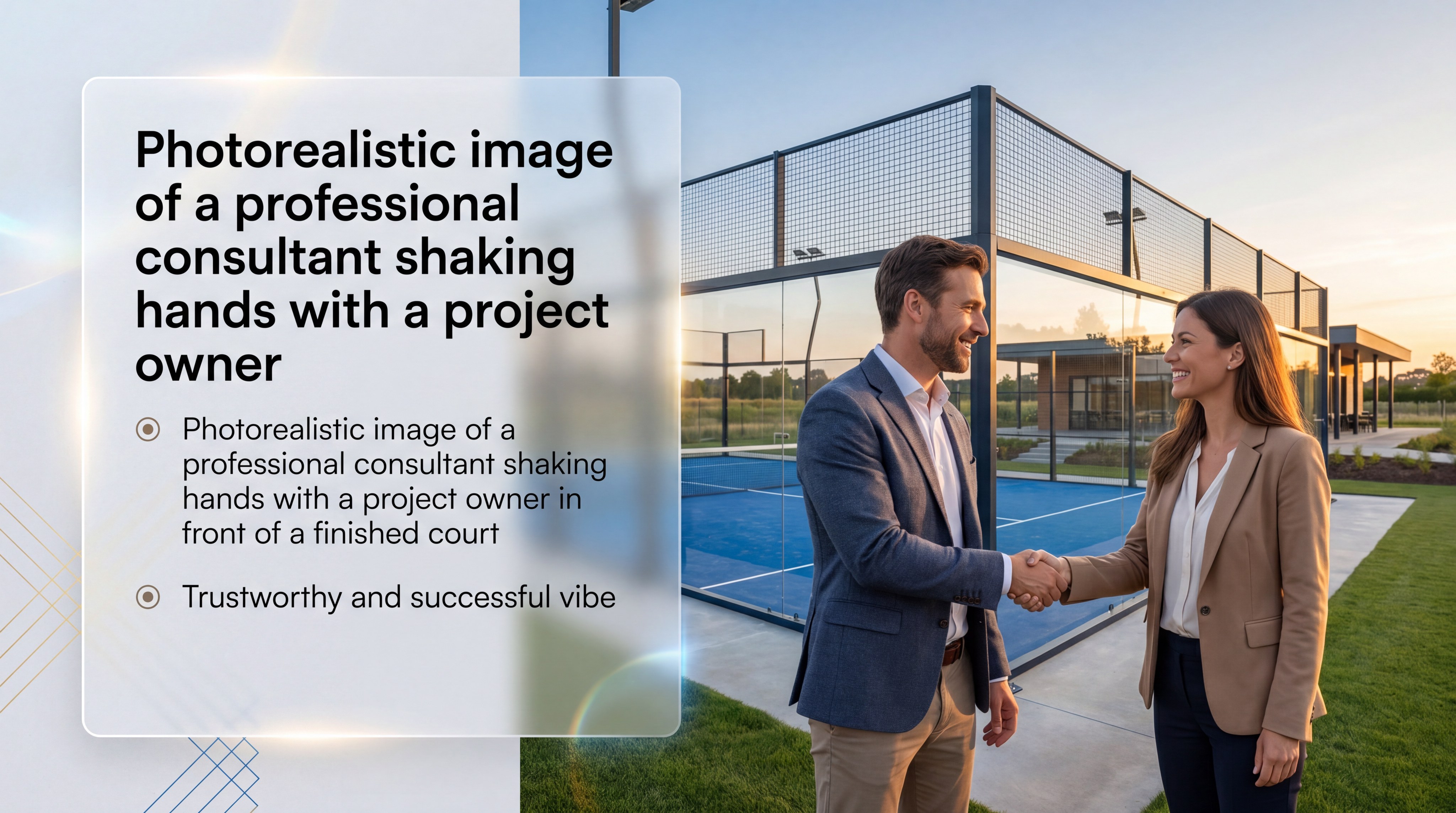
Hiring experts for building a padel court project ensures that you avoid common engineering pitfalls while benefiting from factory-direct pricing and certified installation teams. Professional consultants provide the technical documentation and project management necessary to deliver a turn-key solution on time and within budget.
Technical Expertise and Standards
Expert builders understand the specific wind-load requirements and safety certifications needed for large-scale glass structures. They ensure your court complies with international standards, which is vital for insurance coverage and hosting official tournaments.
You gain access to:
- Custom structural drawings and engineering stamps.
- Certified tempered glass that meets anti-explosion ratings.
- Modular steel frames designed for rapid, secure assembly.
Let’s face it.
Padel construction is too specialized for a general contractor to handle without errors.
Logistics and Support
Working with a dedicated manufacturer eliminates the middleman, saving you up to 30% on procurement costs. Experts also provide comprehensive after-sales support, including maintenance guidelines and spare parts availability.
The advantages are clear:
- Direct communication with the production facility.
- Global shipping handled by professional logistics teams.
- Remote or on-site installation guidance.
The results speak for themselves.
Experienced teams deliver a court that works perfectly from the very first match.
Key Takeaway: Expert partners mitigate risk, reduce costs, and ensure a world-class finish for your facility.
| Benefit | Expert Builder | General Contractor |
|---|---|---|
| Industry Knowledge | Specialized in Padel | Generic sports knowledge |
| Certification | International Standards | Potentially non-compliant |
| Cost Savings | Factory-Direct | Middleman markups |
Partnering with specialists is the most effective way to protect your investment and ensure long-term success.
Build Your Vision with Confidence
Building a professional padel facility is a transformative investment that requires precision, high-quality materials, and expert guidance. We have explored the critical nature of foundation stability, the necessity of certified safety glass, and the high revenue potential that comes with a well-executed project. By avoiding common pitfalls like poor drainage or misaligned frames, you ensure your club remains a premier destination for years to come.
Do you have questions about site specifications or factory pricing? We are here to help you navigate the complexities of construction, from the first soil compaction to the final LED light installation. Our team has helped over 500 clients worldwide launch successful courts that stand the test of time.
Take the first step toward your professional court today. Contact us to receive a personalized quotation, detailed structural drawings, and a comprehensive project consultation within 24 hours.
Superbpadel is the leading manufacturer of premium padel courts, delivering factory-direct, certified solutions for high-end sports clubs and luxury developments globally.
Frequently Asked Questions
Can I build a padel court on an existing tennis court?
Yes, you can typically fit up to three padel courts on a single tennis court area. However, you must verify that the existing slab can support the point loads of the steel frame and glass walls.
What’s the best way to maintain the court surface?
Regularly brushing the silica sand infill is essential to keep the fibers upright and ensure an even bounce. You should also remove organic debris like leaves to prevent drainage clogs and mold growth.
Can I customize the color of my court structure?
Absolutely. Most professional manufacturers offer full OEM support, allowing you to choose custom RAL colors for the steel frame and even integrate your club’s logo into the court glass or turf.
What’s the average lifespan of a professional padel court?
With a hot-dip galvanized steel frame and 12mm tempered glass, the structure is designed to last 20+ years. The synthetic turf typically needs replacement every 5 to 8 years depending on usage frequency.
Can I install a padel court myself?
While courts are designed with a modular structure for easier assembly, we highly recommend using a professional installation team to ensure perfect glass alignment and structural safety.