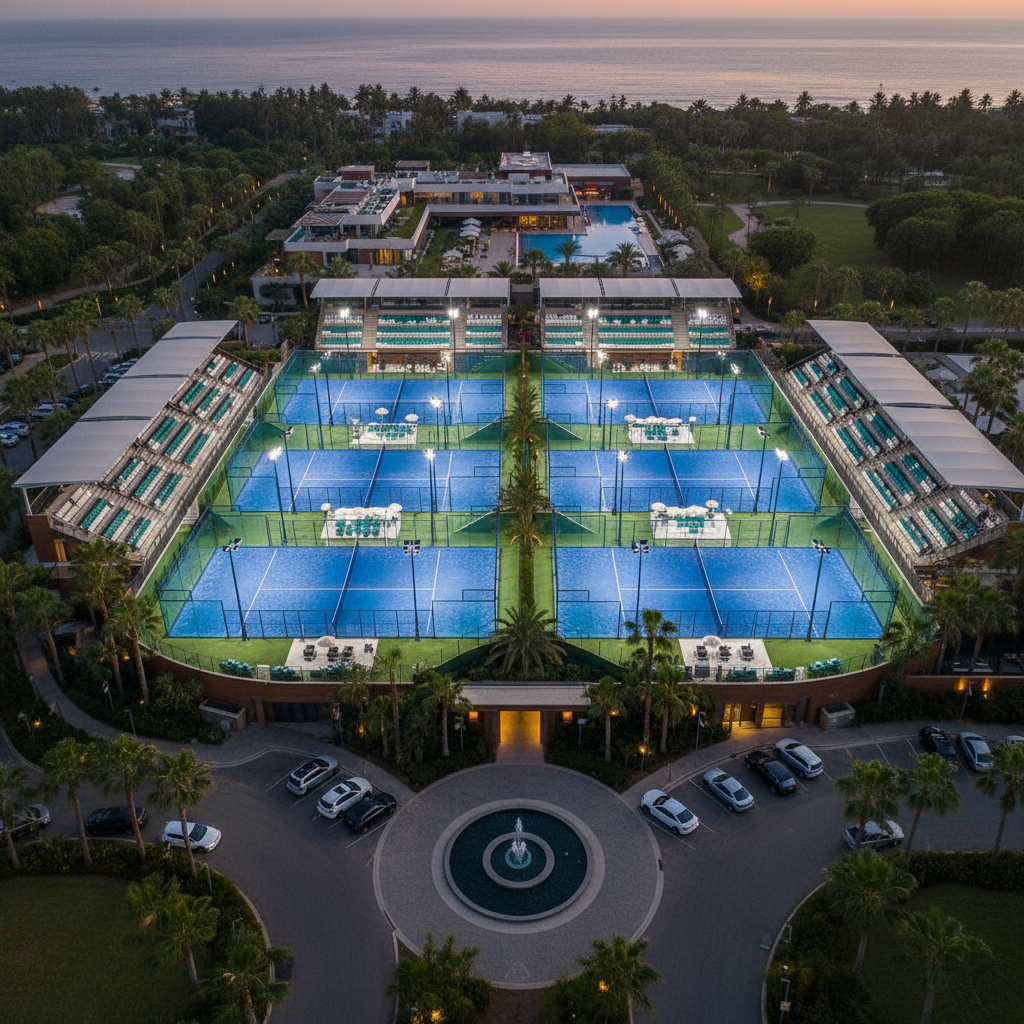
A padel game is a social, fast-paced racket sport played in a specialized glass-enclosed court that combines elements of tennis and squash. You are likely seeing the explosion of this sport globally but feel overwhelmed by the technical requirements of building a professional-grade facility. Without the right expertise, your construction project can quickly spiral into a mess of safety violations and poor-quality materials that drive away players. SuperbPadel eliminates these frustrations by providing factory-direct manufacturing and engineering support to ensure your padel game courts are world-class from day one.
1. What are the basic rules of a padel game?
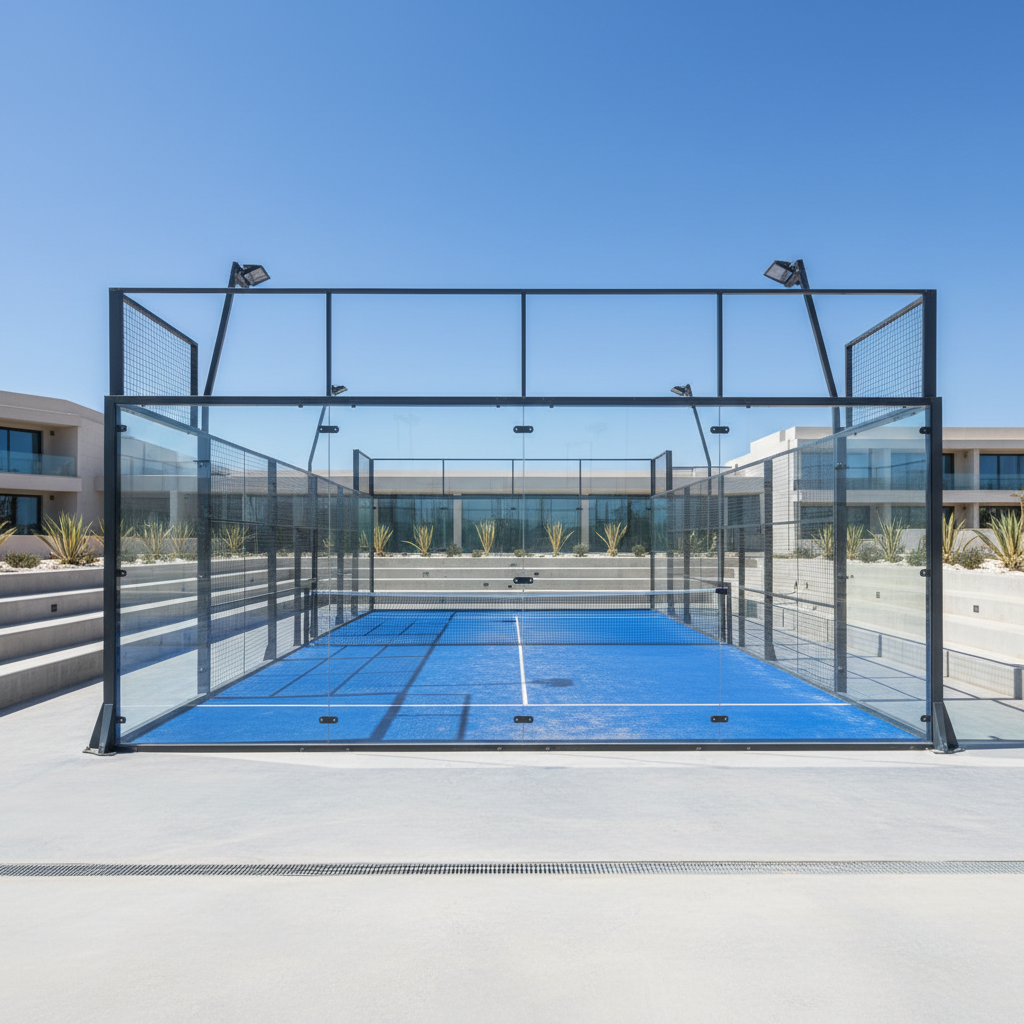
A padel game is fundamentally played in doubles on a court enclosed by glass walls and mesh fences. The sport emphasizes strategy over brute force, making it accessible for all ages. Players use a solid, perforated racket to hit a pressurized ball over a central net. Scoring follows the traditional tennis format, where sets are won by the first team to reach six games.
Serving and positioning rules
The serve must be hit underhand at or below waist level while the server stands behind the service line. The ball must bounce in the opponent’s diagonal service box to be considered valid.
Think about this.
- Servers get two attempts for every point.
- The ball cannot hit the fence directly after the serve.
- Receivers must let the ball bounce once before returning.
- Partners can stand anywhere on their side during the rally.
Wall interactions and scoring
Glass walls are an active part of the play area, allowing the ball to be hit after it bounces and strikes the wall. This unique feature keeps rallies alive much longer than in traditional tennis.
Here is the secret.
- If the ball hits the glass before the ground, it is out.
- Players can hit the ball against their own glass to send it over.
- The scoring uses 15, 30, 40, and Game intervals.
- A “Golden Point” is often used at deuce to speed up matches.
Key Takeaway: Understanding the unique wall rebounds and underhand service is essential for any beginner starting their first match.
| Rule Category | Requirement |
|---|---|
| Players | 2 vs 2 (Doubles) |
| Service | Underhand below waist |
| Ball in Play | Ground bounce then glass is valid |
| Set Winner | First to 6 games (2-game lead) |
Effective gameplay relies on mastering the rebound angles provided by the tempered glass enclosure.
2. How do you play a professional padel game?
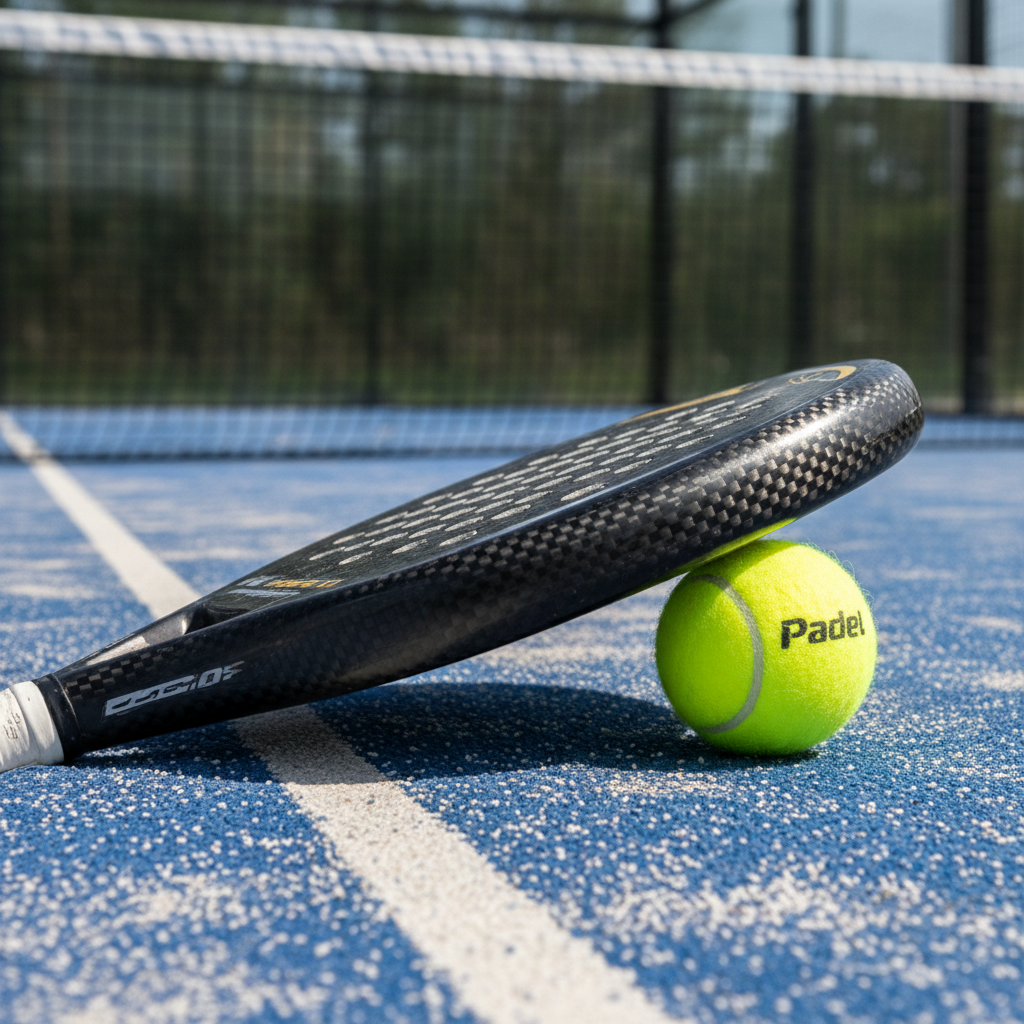
Playing a professional padel game requires a deep understanding of court geometry and synchronized teamwork. Elites prioritize net control because most winning points are finished with volleys or overhead smashes. You must master specialized shots like the Bandeja to maintain a tactical advantage. Professionalism also extends to using high-performance rackets and specialized shoes for grip on the turf.
Equipment essentials for players
Rackets are usually made of carbon fiber or fiberglass with an EVA foam core for shock absorption. Choosing the right weight and balance can prevent common injuries like tennis elbow.
Let’s look closer.
- Tear-drop shapes offer a balance of power and control.
- Round rackets provide a larger sweet spot for beginners.
- Diamond shapes are designed for aggressive, high-power play.
- Carbon fiber surfaces increase durability for daily competitive use.
Tactical movements on the court
Teams must move like they are connected by a string to cover the middle of the court effectively. When one player moves to the net, the partner should follow to close down passing lanes.
The best part?
- Defensive lobs are used to force opponents away from the net.
- Rapid transitions from defense to offense win the most games.
- Communication regarding ball height and position is mandatory.
- Using the corners limits the opponent’s return options significantly.
Key Takeaway: Professional play is defined by net dominance and the ability to turn defensive wall rebounds into offensive opportunities.
| Feature | Professional Standard |
|---|---|
| Racket Material | 3K or 12K Carbon Fiber |
| Court Movement | Synchronized Diamond Formation |
| Key Shot | The Bandeja (Defensive Overhead) |
| Strategy | 70% Net Control |
Strategic positioning and racket selection are the two most critical factors in advancing to a competitive level.
3. What dimensions are needed for a padel game court?
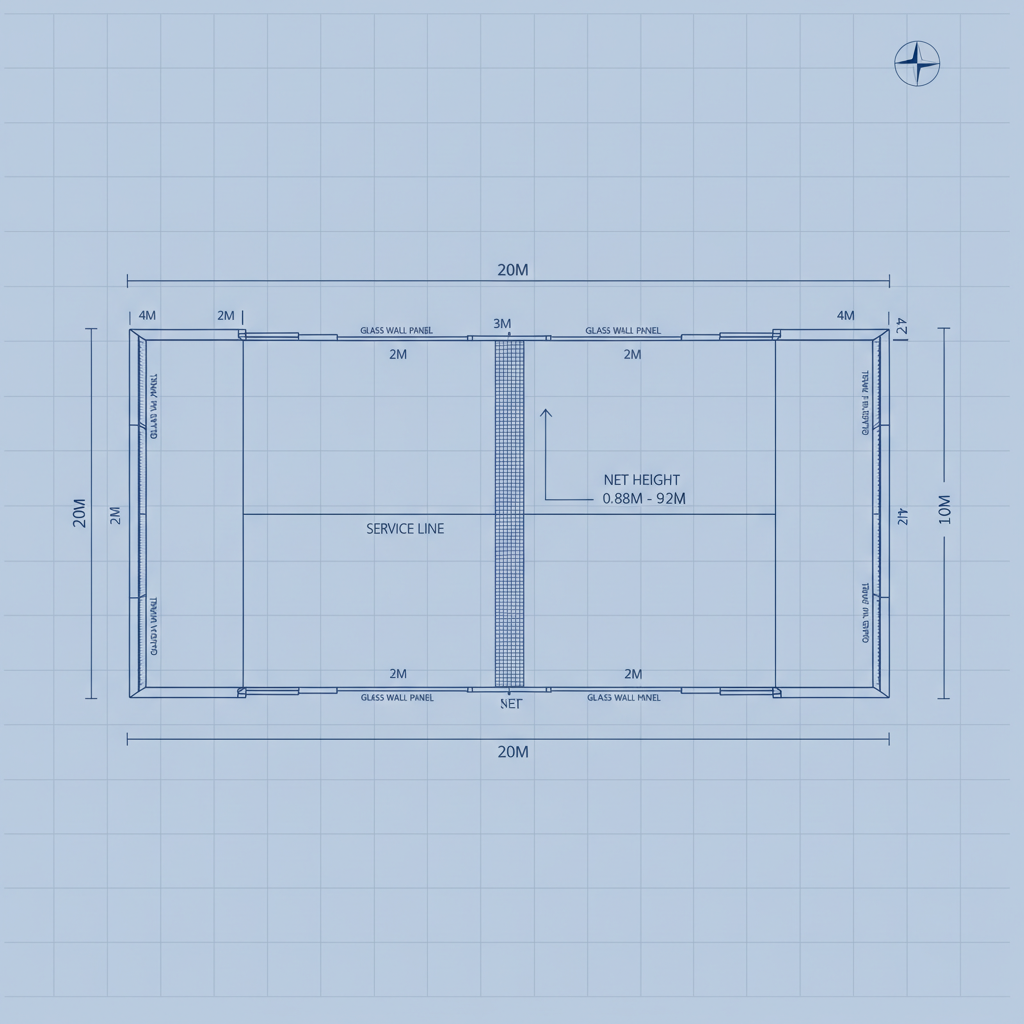
The standard playing area for a padel game is a rectangle measuring 10 meters wide and 20 meters long. These dimensions are strictly regulated to ensure that professional tournaments can be held at any certified facility. The court is divided into two halves by a central net that stands 88 centimeters high at the center. Precision in these measurements is vital for the structural integrity of the glass walls.
The 10×20 meter footprint
The total area required for a single court is 200 square meters, excluding the surrounding safety zones for out-of-court play. This compact size allows facility owners to fit three courts in the space of one traditional tennis court.
Wait, there’s more.
- Service lines are placed 6.95 meters from the net.
- The center service line divides each half into two boxes.
- Accuracy within a few millimeters is required for glass fitting.
- Extra perimeter space is needed for high-level “out-of-court” saves.
Height and net specifications
The walls reach a total height of 4 meters at the back and sides to keep the ball contained. The structure consists of 3 meters of glass followed by 1 meter of metallic mesh for ventilation and security.
You might be wondering.
- Net posts must stand 92 centimeters tall.
- The net spans the full 10-meter width of the court.
- Mesh fencing must be a specific gauge to prevent ball traps.
- Ceiling clearance for indoor facilities should be at least 6 meters.
Key Takeaway: Adhering to the 10x20m international standard is mandatory for both player safety and facility certification.
| Component | Official Measurement |
|---|---|
| Total Length | 20.00 Meters |
| Total Width | 10.00 Meters |
| Back Wall Height | 4.00 Meters |
| Net Center Height | 0.88 Meters |
Precise engineering of the 200-square-meter footprint maximizes land utility while meeting international competitive standards.
4. Which materials comprise a quality padel game court?
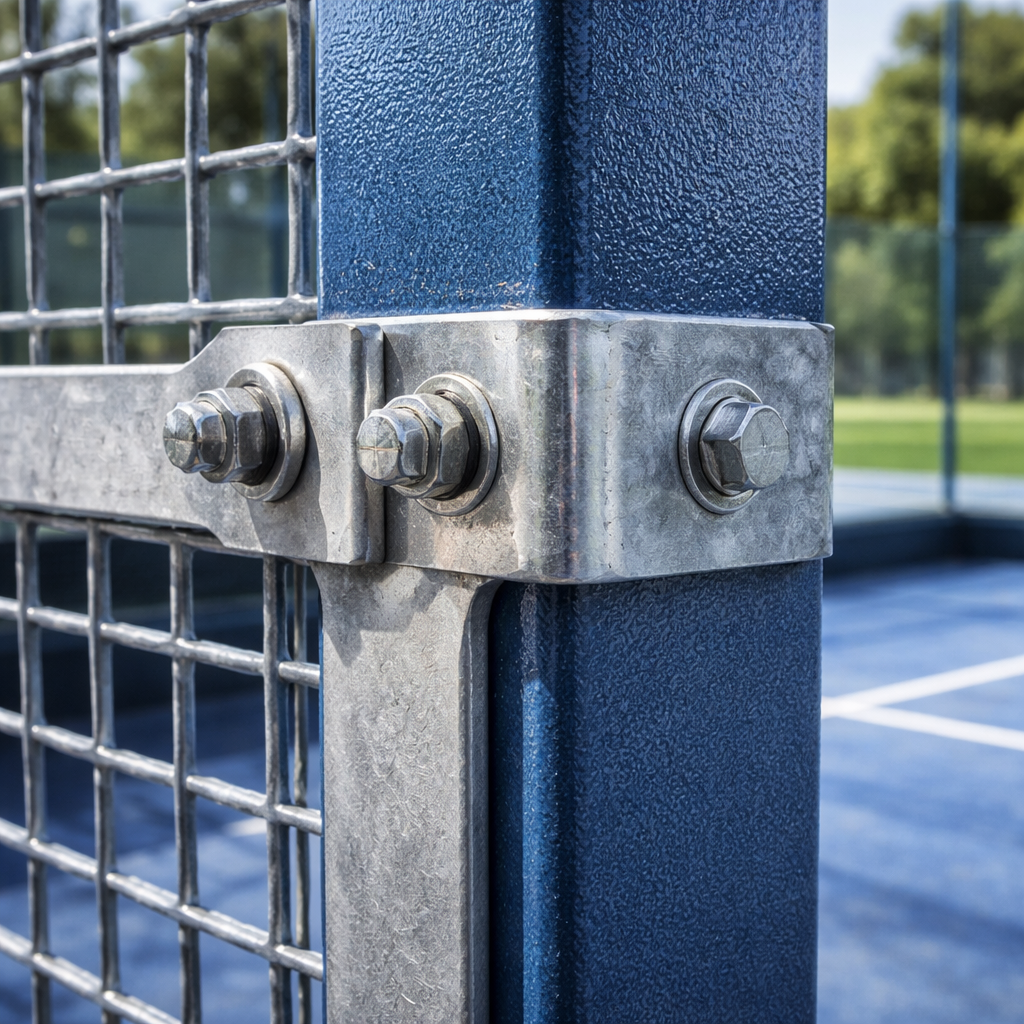
A high-quality padel game structure is typically made of Q235B carbon steel that has been hot-dip galvanized for corrosion resistance. This treatment is essential for outdoor courts, especially in coastal areas with high salt content in the air. You need a frame that can withstand the constant vibrations from ball impacts and player collisions. Quality also depends on the thickness of the glass and the density of the artificial turf fibers.
Hot-dip galvanization processes
Galvanization involves dipping the steel components into molten zinc to create a protective barrier against rust. This process ensures the structure remains safe and aesthetically pleasing for over 20 years with minimal maintenance.
Here is the secret.
- Zinc coating protects the steel inside and out.
- Powder coating is applied over the zinc for a custom finish.
- Galvanized frames are mandatory for any outdoor installation.
- It prevents structural failure caused by invisible internal rust.
Safety glass and turf density
The glass must be tempered and tested to withstand high-velocity impacts from both balls and players. Artificial turf needs high-density fibers and proper sand infill to ensure a consistent and safe ball bounce.
Think about this.
- 12mm glass is the gold standard for commercial durability.
- Monofilament turf offers the best longevity for professional play.
- UV-stabilized fibers prevent the color from fading in the sun.
- Rounded silica sand protects the grass fibers from abrasion.
Key Takeaway: Investing in hot-dip galvanized steel and 12mm tempered glass ensures your facility lasts for decades with minimal repair costs.
| Material | Industry Standard |
|---|---|
| Frame Steel | Q235B Hot-dip Galvanized |
| Wall Glass | 12mm Tempered Safety Glass |
| Floor Turf | High-Density PE Monofilament |
| Fasteners | Stainless Steel / Zinc Coated |
Choosing premium materials significantly reduces the long-term liability and maintenance overhead for court owners.
5. Why select a panoramic padel game court design?
A panoramic court design offers an unobstructed viewing experience by removing the vertical steel pillars from the back walls. This setup is the gold standard for television broadcasts and high-end sports clubs that prioritize spectator engagement. You provide a premium feel that justifies higher rental rates and attracts prestigious tournament organizers to your venue. The increased transparency makes the court feel more open and integrated with its surroundings.
Unobstructed spectator visibility
By utilizing thicker tempered glass and reinforced horizontal beams, the panoramic style eliminates visual noise for the audience. Fans can follow every fast-paced rally without losing the ball behind a steel post.
Let’s look closer.
- Coaches can analyze player movement from any angle easily.
- Fans enjoy a “TV-like” view of the action from the sidelines.
- The aesthetic appeal helps with social media marketing for clubs.
- Thicker 12mm glass is used to maintain structural rigidity.
Premium aesthetics for luxury clubs
Panoramic courts act as the centerpiece of a modern sports facility, signaling high quality and investment. The sleek, minimalist design appeals to elite members and corporate sponsors looking for premium branding opportunities.
The best part?
- Custom LED lighting systems complement the glass structure.
- Panoramic designs often include “out-of-court” play exit doors.
- The structure is engineered to withstand high wind loads outdoors.
- It provides a futuristic look that sets your club apart.
Key Takeaway: Panoramic designs offer superior aesthetics and visibility, making them the preferred choice for commercial and professional venues.
| Feature | Panoramic Benefit |
|---|---|
| Rear View | 100% Transparent |
| Glass Thickness | 12mm Standard |
| Market Value | High-End / Luxury |
| Spectator Experience | Enhanced Visibility |
Investing in panoramic architecture directly increases the commercial appeal and social media presence of your sports facility.
6. How do you construct a padel game steel structure?
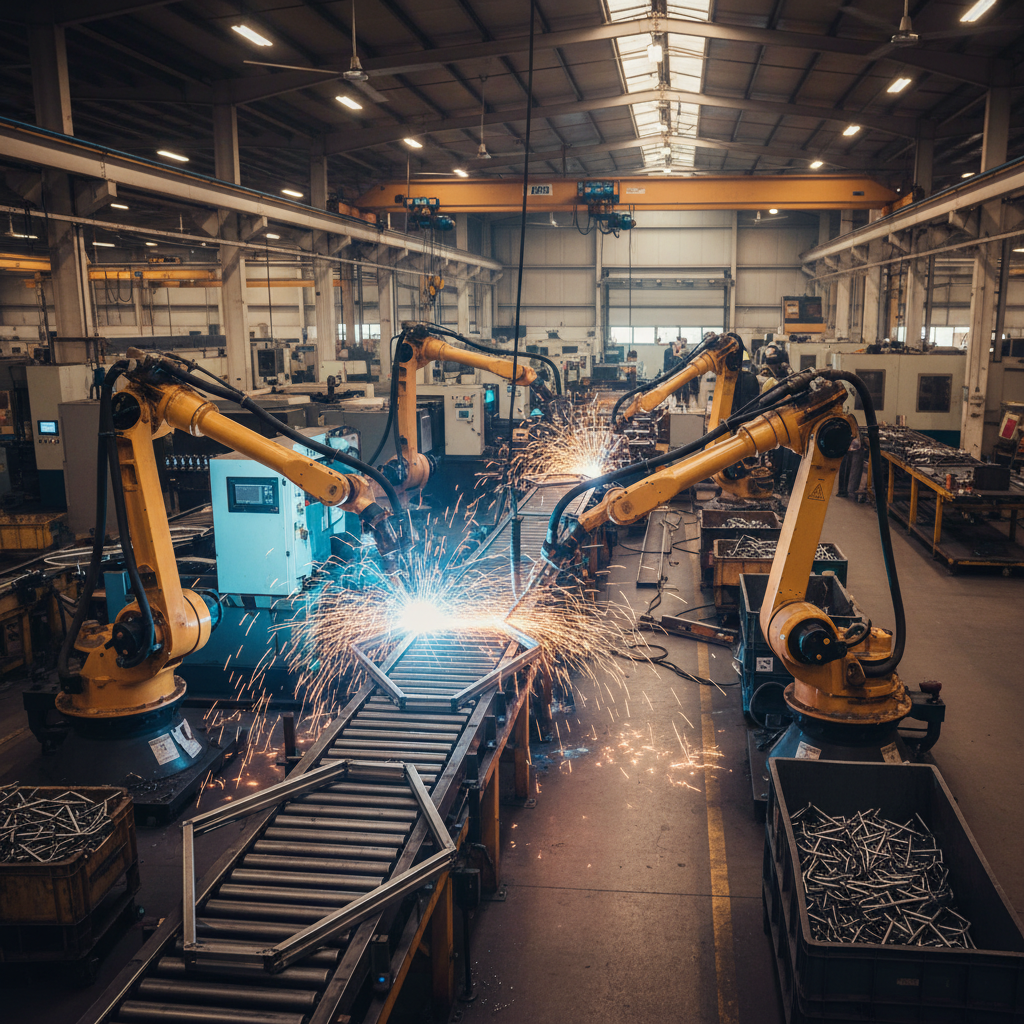
Constructing a padel game structure begins with a perfectly level reinforced concrete foundation. You then assemble the modular steel frame, which has been precision-cut using CNC technology to ensure all bolt holes align perfectly. This modularity allows for rapid installation, often taking only a few days per court. Proper anchoring to the base is the most critical step for ensuring the structure can handle high-impact play.
Foundation and base preparation
The concrete slab must be at least 15cm thick and perfectly flat to prevent water pooling or turf wrinkles. You should also include a slight drainage slope to manage heavy rainfall in outdoor facilities.
Wait, there’s more.
- Laser levels are used to verify the slab’s precision.
- Anchor bolts must be chemically secured into the concrete.
- Perimeter drainage channels keep the playing surface dry.
- The base must cure fully before the steel frame is installed.
Modular assembly and alignment
Modular courts are engineered to be bolted together without the need for welding on-site, which preserves the protective coating. Workers must check the vertical alignment of every pillar to prevent glass stress fractures later on.
You might be wondering.
- Pillars are installed first to define the court corners.
- Horizontal beams lock the frame into a rigid box structure.
- Mesh panels are tensioned to ensure consistent ball rebounds.
- Bolts are tightened to specific torque settings for safety.
Key Takeaway: Using a modular CNC-engineered structure reduces installation time and eliminates the risk of human error during assembly.
| Assembly Stage | Critical Task |
|---|---|
| Foundation | Leveling and chemical anchoring |
| Framing | Pillar alignment and beam locking |
| Mesh Fitting | Tensioning for consistent bounce |
| Finishing | Torque checking all fasteners |
Precise structural assembly is the foundation of a safe court that provides a professional playing experience for years.
7. What grass works best for a padel game surface?
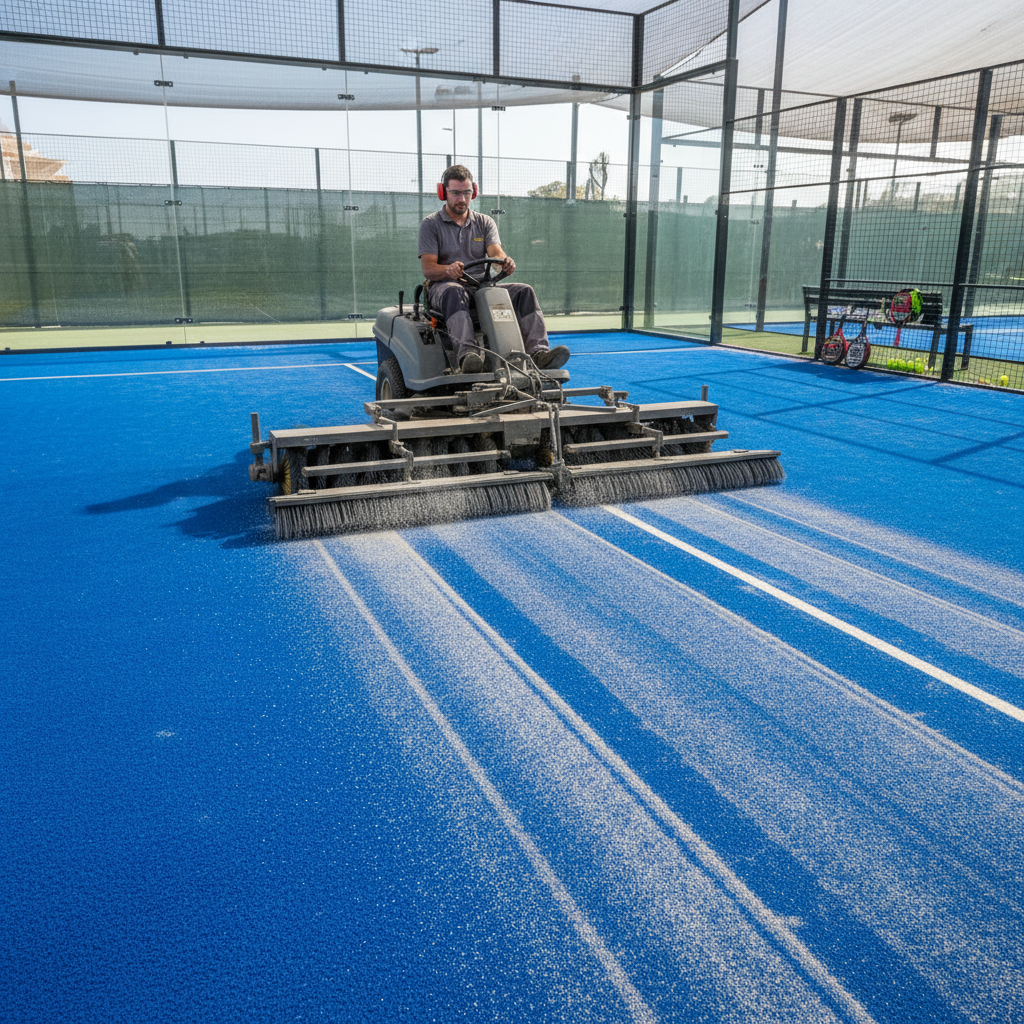
The best grass for a padel game surface is high-density polyethylene (PE) monofilament or fibrillated turf. You need a material that can withstand high friction and frequent sliding without losing its grip or color. Blue has become the iconic color of the sport, offering the best visual contrast for the ball and spectators. Proper sand infill is the final component that keeps the grass fibers upright and protects the player’s joints.
Brushing and sand distribution
Fine silica sand is brushed into the turf to provide stability and consistent ball bounce across the entire surface. Without regular brushing, the sand can migrate to the corners, creating slippery spots in the middle of the court.
Here is the secret.
- 10-15kg of sand per square meter is the average requirement.
- Rounded silica sand prevents abrasion of the grass fibers.
- Specialized machines are used for even sand distribution.
- Regular maintenance prevents the turf from becoming “matted.”
Drainage and UV protection
Outdoor turf is exposed to harsh sunlight and heavy rain, which can cause fading and water pooling if the materials are low-quality. Premium turf features a perforated backing that allows water to drain quickly, making the court playable minutes after a storm.
Think about this.
- UV-stabilized fibers prevent the color from turning grey.
- High stitch counts increase the longevity of the playing surface.
- Polyethylene fibers are soft enough to prevent skin burns.
- Anti-bacterial treatments keep the facility hygienic for users.
Key Takeaway: High-density monofilament turf with UV protection provides the best combination of durability, safety, and professional performance.
| Turf Feature | Specification |
|---|---|
| Material | PE Monofilament |
| Pile Height | 12mm – 13mm |
| Color | Blue (International Standard) |
| Infill | 0.5-1.0mm Silica Sand |
High-quality turf with correct sand infill is essential for preventing player injuries and ensuring a predictable ball bounce.
8. How does safety glass impact the padel game?
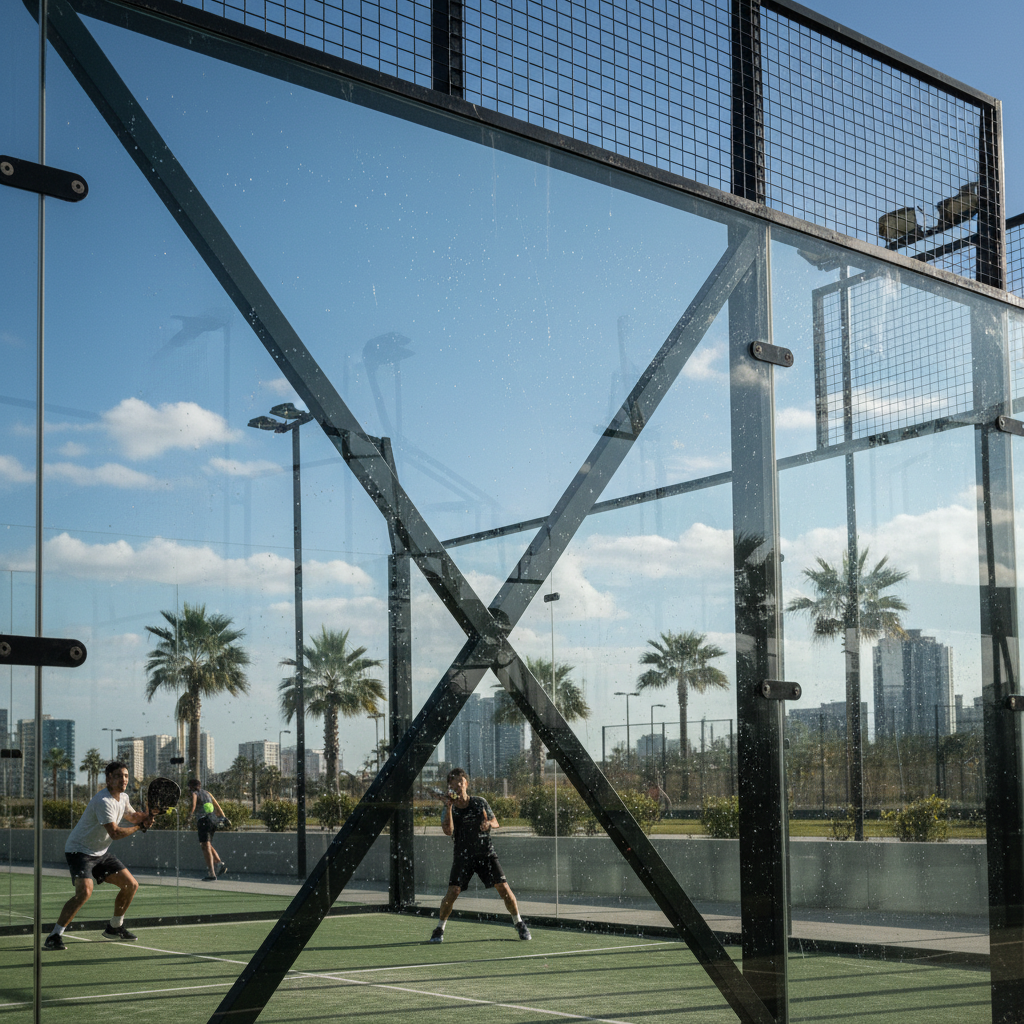
Safety glass defines the unique rebound mechanics of a padel game and ensures the physical security of everyone on the court. You must use tempered glass that meets international EN 12150-1 standards to prevent dangerous shattering. If a panel does break, it should crumble into small, blunt pieces rather than sharp shards. 12mm thickness is recommended for commercial facilities because it offers superior impact resistance and rebound consistency.
Tempered safety glass standards
The tempering process increases the strength of the glass by up to five times compared to standard panels. Every piece is polished on the edges and features pre-drilled holes for secure mounting to the steel frame.
Let’s look closer.
- 12mm glass provides better rebound consistency for players.
- Anti-explosion films can be added for an extra layer of security.
- Certificates from SGS or CE are required for professional facilities.
- Uniform thickness ensures there are no “dead spots” during play.
Maintenance for clear visibility
Clear glass is essential for the aesthetics of the facility and the safety of the players. Dust, sweat, and fingerprints can quickly accumulate, reducing transparency and giving the court a neglected appearance.
The best part?
- Weekly cleaning with non-abrasive tools keeps the view crisp.
- Rubber gaskets must be checked to prevent metal-on-glass contact.
- Tension in the mounting bolts should be inspected every six months.
- High transparency improves the performance of video recording tools.
Key Takeaway: Using 12mm certified tempered glass is the most critical decision for ensuring long-term player safety and court durability.
| Glass Property | Standard Requirement |
|---|---|
| Thickness | 12mm (Premium) |
| Certification | EN 12150-1 |
| Edge Finish | Polished and beveled |
| Impact Rating | High safety performance |
Certified 12mm glass minimizes liability while providing the professional rebound performance that competitive players expect.
9. What lighting is best for an indoor padel game?
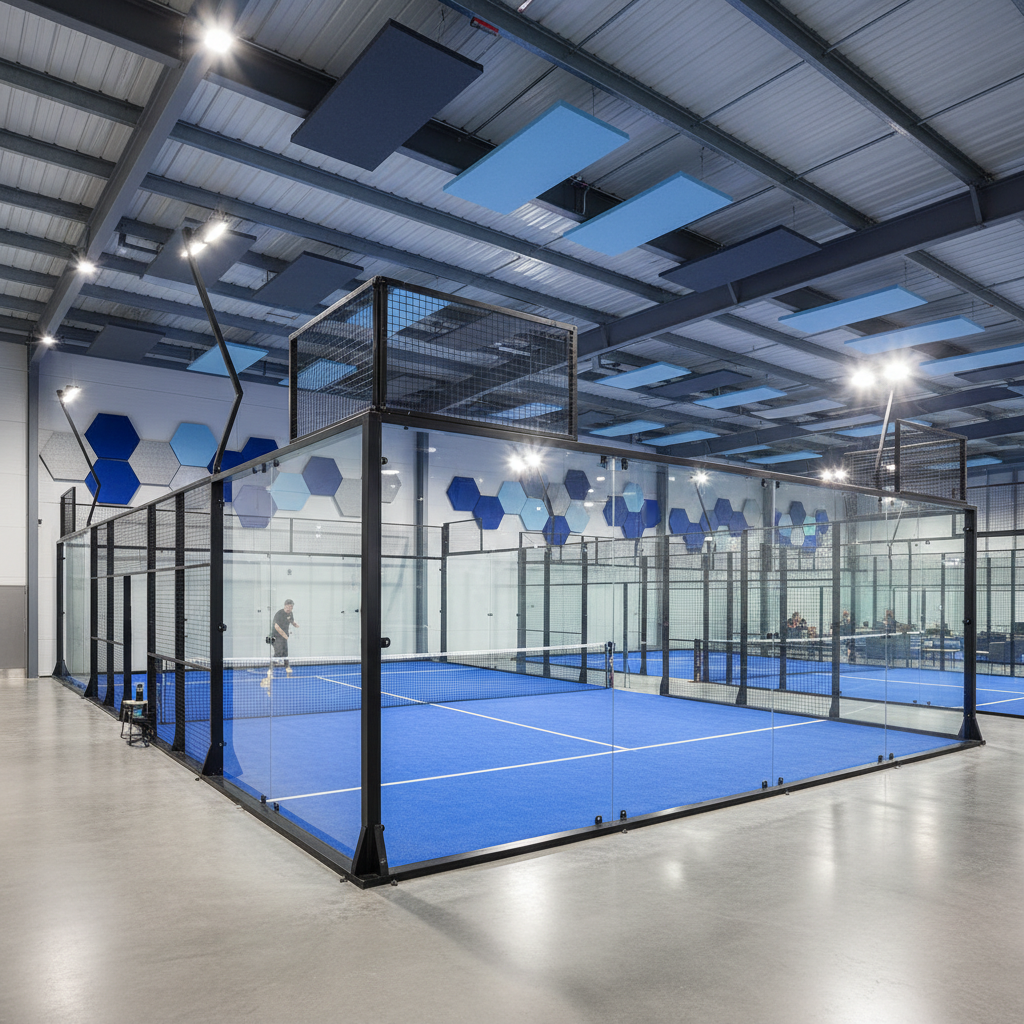
High-efficiency LED lighting is the best choice for an indoor padel game to ensure visibility and lower operating costs. You need a system that provides at least 500 lux for social play and up to 750 lux for professional tournaments. Modern LEDs offer instant start-up and zero flicker, which is vital for high-speed tracking of the ball. Proper placement of the light pillars also prevents glare that could blind players during high lobs.
Lux levels and uniformity
Uniform illumination prevents shadows that distract players and interfere with their depth perception. You should aim for a light distribution that covers the entire 200-square-meter court evenly, including the corners.
Think about this.
- 8 LED lamps per court provide the most consistent spread.
- 200W fixtures are energy-efficient while remaining powerful.
- IP66 waterproof ratings are needed for humid indoor environments.
- Asymmetric lenses focus the light directly on the turf.
Energy consumption and ROI
LED technology reduces electricity bills by up to 60% compared to old halogen systems. This energy efficiency allows for back-to-back night bookings without significantly increasing your monthly facility overhead.
Wait, there’s more.
- LEDs last over 50,000 hours without needing replacement.
- Low heat output reduces the burden on your HVAC system.
- Smart controls allow you to dim the lights between matches.
- Fast-start drivers ensure the court is ready the moment you flick the switch.
Key Takeaway: Professional LED systems reduce costs while enhancing the player experience through flicker-free, daylight-balanced illumination.
| Lighting Metric | Optimal Standard |
|---|---|
| Brightness | 500 – 750 Lux |
| Lamp Type | 200W LED Floodlights |
| Protection | IP66 Rated |
| Lifespan | 50,000+ Hours |
Advanced lighting design ensures your facility remains playable and profitable 24 hours a day.
10. Why is the padel game a profitable B2B asset?
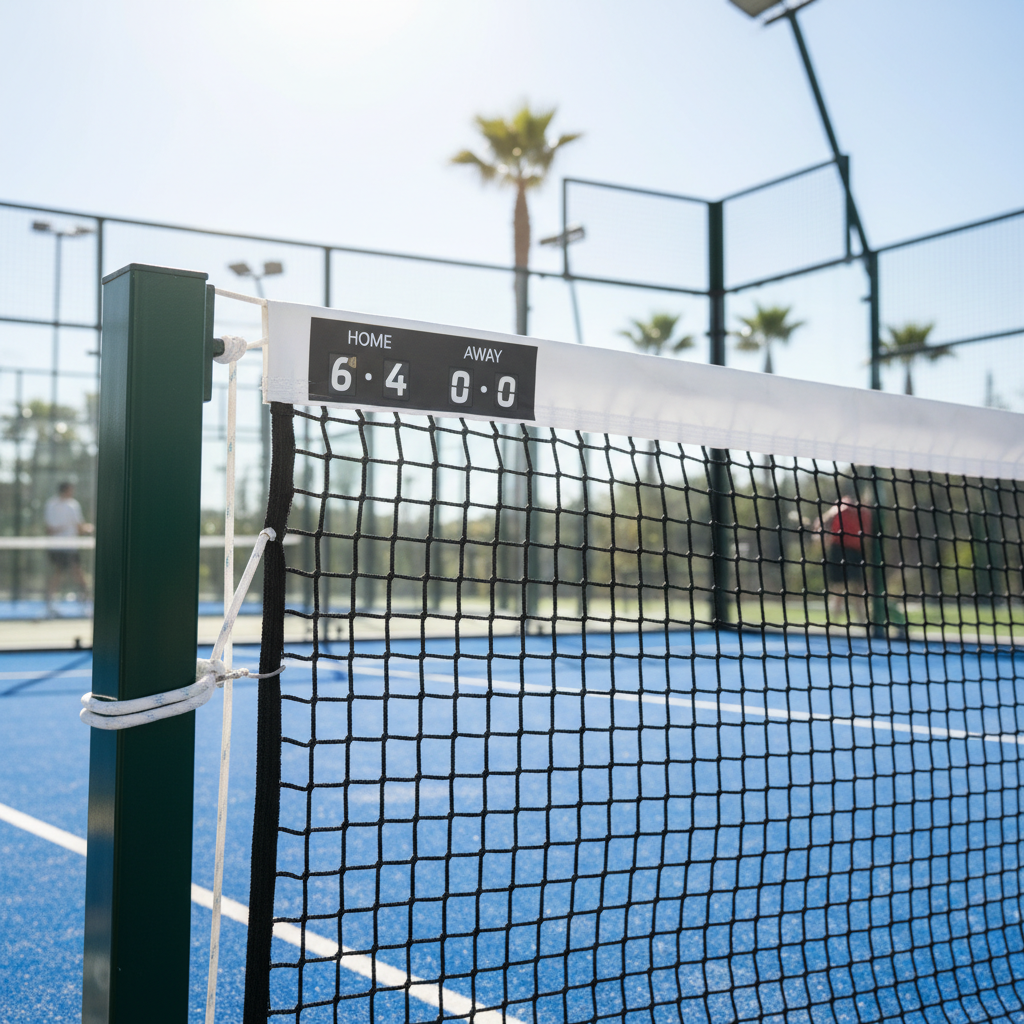
Investing in a padel game facility offers incredible returns due to the high player-to-space ratio. You can fit three courts in the area of one tennis court, effectively tripling your potential booking revenue per hour. The social nature of the sport ensures a high retention rate and a vibrant club atmosphere. You can also generate ancillary income through racket rentals, coaching programs, and on-site hospitality.
Space efficiency and revenue
Because four people play in a compact 200-square-meter area, your revenue per square meter is much higher than most other recreational sports. This efficiency makes it an ideal choice for urban environments where land prices are high.
Here is the secret.
- Higher turnover leads to faster payback periods for investors.
- Small court footprints maximize the utility of existing land.
- Doubles-only play ensures every booking involves four paying users.
- Low maintenance costs keep your net profit margins healthy.
Community and brand building
Successful padel clubs become local community hubs, attracting a diverse demographic from children to seniors. You can customize your courts with your own colors and logos to build a strong, recognizable brand in your city.
The best part?
- Social play creates a loyal member base that visits frequently.
- Tournaments attract local sponsors and media attention.
- Premium courts increase the overall value of sports resorts.
- Factory-direct purchasing saves you 30% on initial setup costs.
Key Takeaway: The high player turnover and space efficiency of padel courts make them one of the most profitable investments in modern sports.
| Factor | Business Impact |
|---|---|
| Space Utility | 3x revenue compared to tennis |
| Maintenance | Minimal (Weekly brushing) |
| ROI Period | Typically 12-18 months |
| Market Demand | Growing 20% annually |
Maximizing land use and revenue per hour is the secret to building a successful and scalable sports business model.
Facility owners now understand the massive potential of this sport when built with professional standards. We have provided the blueprints for rules, construction, and materials to ensure your venture is a success. Quality infrastructure represents the foundation of every high-traffic club. You can save significantly by purchasing directly from our factory while maintaining European quality standards. Our vision is to empower every community with world-class sports infrastructure through innovative engineering and accessible pricing. To transform your property into a premier sports destination, please contact us today.
Q1: Can I build a padel game court in my backyard?
Yes, you can install one if you have a 10×20 meter space and a level concrete base. Always check local zoning laws and structural requirements before starting construction.
Q2: What’s the best material for a padel game court floor?
High-density monofilament artificial turf is the best choice for longevity and professional feel. It provides a consistent ball bounce and resists wear during heavy daily use.
Q3: How do I know if my glass is safe for a padel game?
Check for the EN 12150-1 certification mark on the corner of the panels. This ensures the glass is tempered and will crumble into blunt pieces if it breaks.
Q4: Can I customize colors for my padel game structure?
Absolutely, our factory offers custom powder coating in various RAL colors to match your branding. Blue and black remain the most popular choices for modern facilities.
Q5: What’s the best way to maintain padel game glass?
Clean the panels weekly with a soft squeegee and water to remove sweat and dust. Periodically check the bolts and gaskets to ensure everything remains tight and safe.