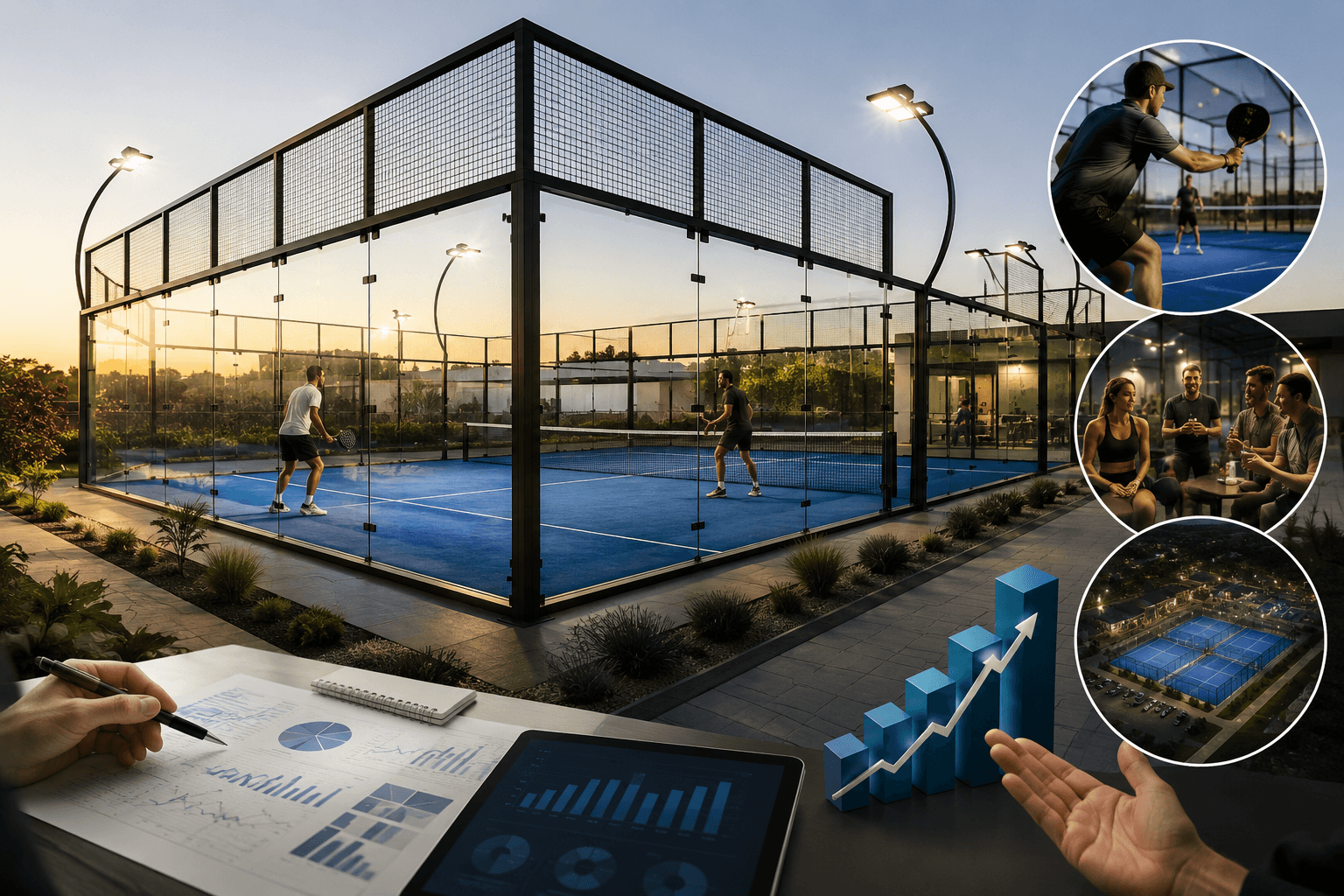
Padel is a fast-paced, social racquet sport played in glass-enclosed courts that represents one of the most lucrative “blue ocean” opportunities in the global fitness and real estate markets. Traditional sports investments often suffer from high land requirements and low player-to-space ratios that kill profitability. You may notice expensive tennis courts sitting vacant while urban populations demand engaging activities that combine fitness with community building. Investing in what is padel solves these issues by providing a high-occupancy, space-efficient model that attracts diverse demographics and ensures consistent revenue streams.
What are the fundamental basics of padel?
Understanding what is padel begins with its core setup as a doubles sport played on a 10×20 meter court surrounded by glass walls. You hit a ball over a net using solid rackets, and the ball remains in play even after bouncing off the enclosure. This setup creates long, exciting rallies that prioritize strategy and positioning over raw physical power.
The Hybrid Court Environment
The court is essentially a miniature tennis court wrapped in a squash-like box. You will find that the walls are not just boundaries but active participants in the game.
But wait, there’s more.
- 10×20 meter dimensions.
- Tempered glass back walls.
- Metallic mesh side panels.
- Blue or green synthetic turf.
Social Dynamics of Doubles Play
Because the sport is almost exclusively played in pairs, the social interaction is constant and intense. You can network or bond with friends much more easily than in high-intensity individual sports.
Believe it or not:
- Requires four players per court.
- Close proximity encourages conversation.
- High accessibility for mixed-skill groups.
Key Takeaway: Padel creates a high-density social environment that maximizes both player enjoyment and facility utilization.
| Feature | Specification |
|---|---|
| Court Size | 20m Long x 10m Wide |
| Primary Format | Doubles (2 vs 2) |
| Wall Material | 12mm Tempered Glass |
This structural efficiency allows club owners to host more paying customers per square meter compared to traditional tennis facilities.
How do beginners learn the game quickly?
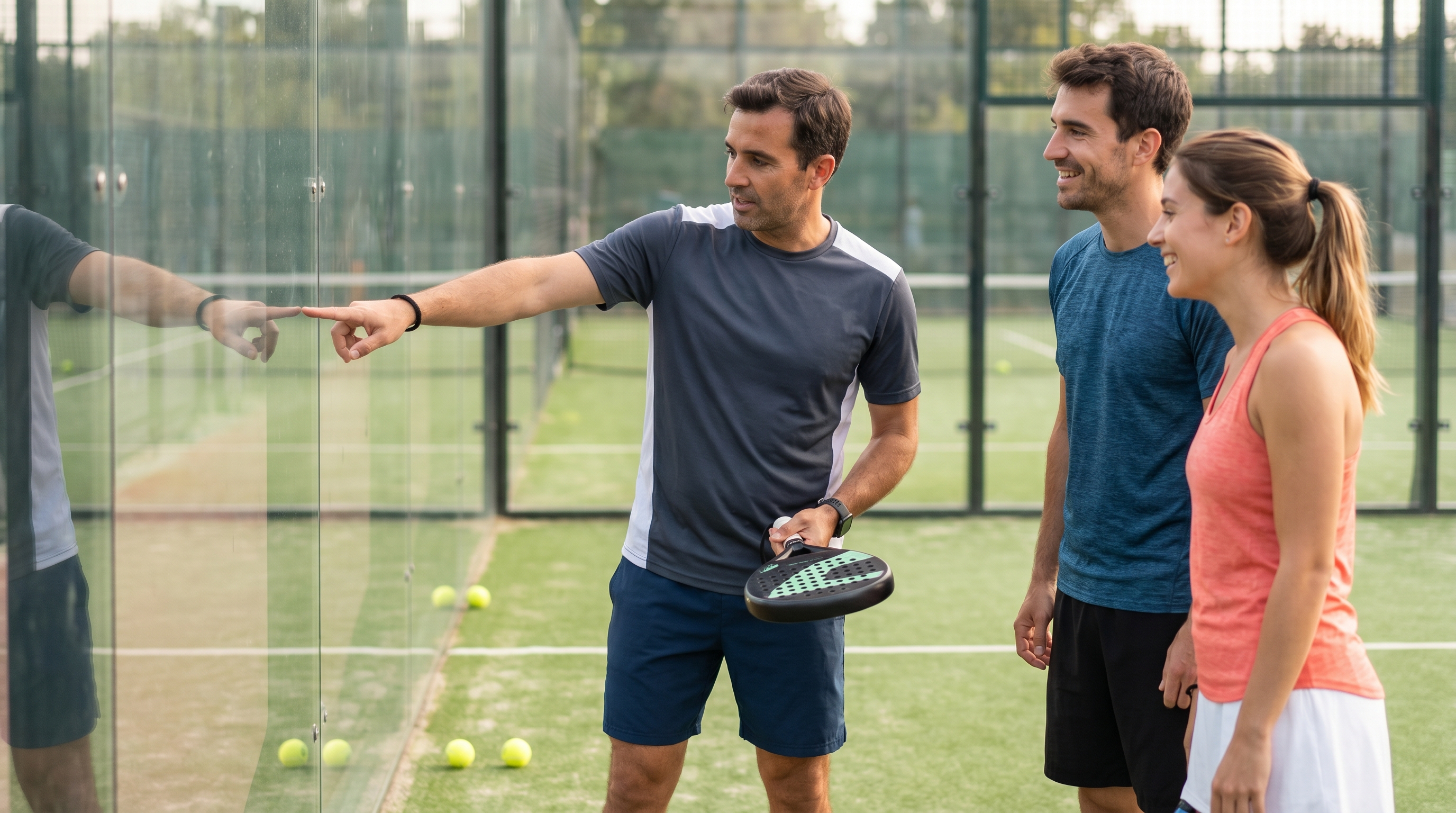
You can quickly grasp what is padel because the underhand serve and slower ball speed lower the entry barrier significantly for new athletes. Unlike tennis, which requires months of technical training to maintain a rally, you can play a competitive match on your very first day. This immediate gratification is the secret sauce behind the sport’s explosive growth and high retention rates.
The Underhand Serve Advantage
The serve is performed below the waist, removing the complexity of the overhead motion that plagues most beginners. You will find that getting the ball into play is nearly effortless.
Here is the kicker:
- Serve must bounce behind the service line.
- Impact must be below waist level.
- Second serves are allowed for consistency.
Mastering the Glass Reflection
Learning to let the ball hit the back wall before returning it is the first “aha” moment for new players. You realize that the wall gives you more time to react rather than less.
But that’s not all.
- Walls reduce the need for sprinting.
- Angles create tactical variety.
- The ball loses speed after the glass hit.
Key Takeaway: The low technical barrier makes the sport accessible to everyone from children to seniors, broadening your potential customer base.
| Learning Phase | Focus Area |
|---|---|
| Session 1 | Basic underhand serve and volleys |
| Session 2 | Understanding glass wall rebounds |
| Session 3 | Positioning and doubles coordination |
This easy learning curve ensures that your club members stay motivated and continue booking courts week after week.
Where can you build a padel court?
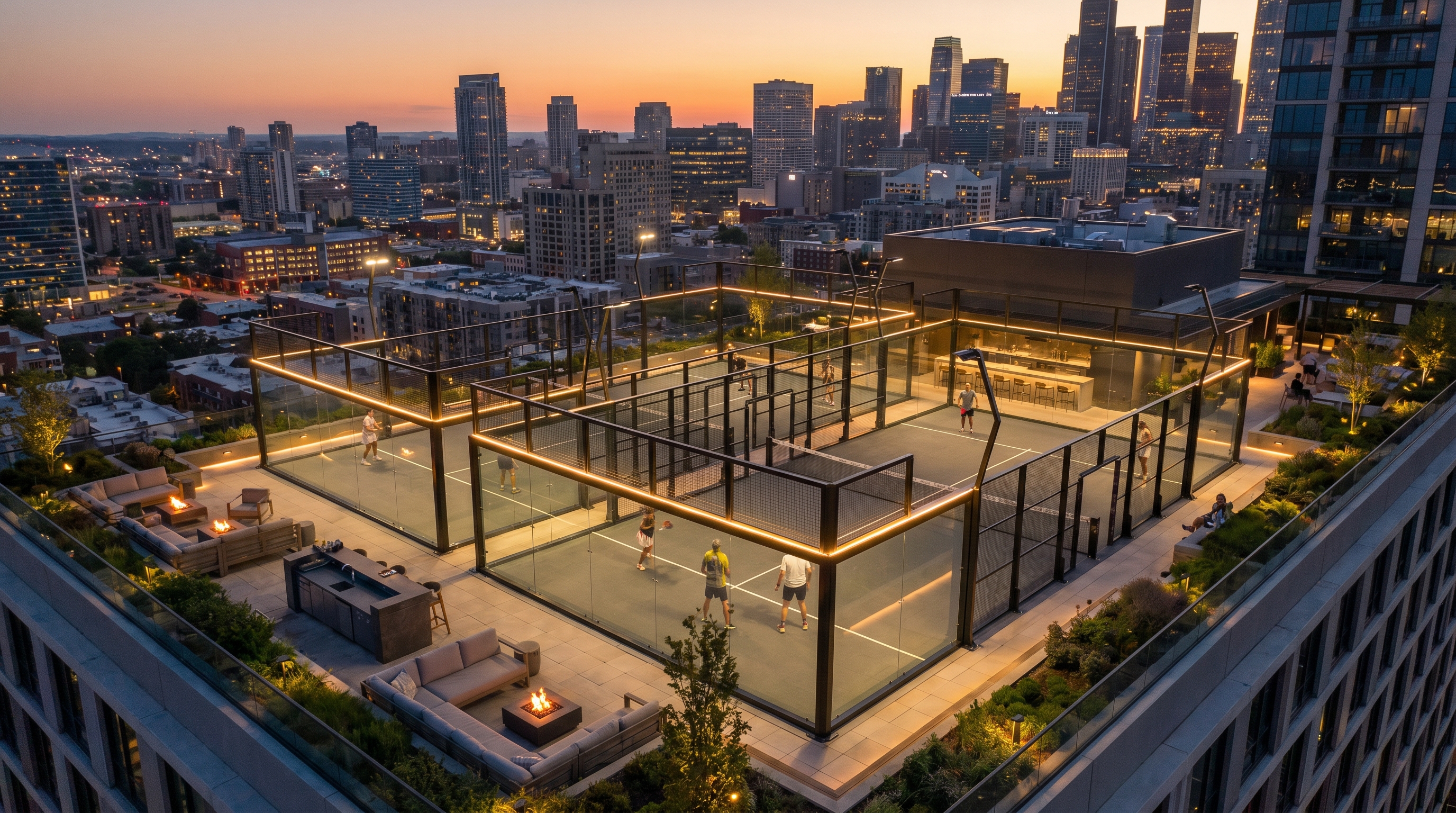
Determining what is padel in a real estate context reveals that courts fit perfectly on rooftops, in parking lots, or inside repurposed warehouses. You only need about 200 square meters for a single court, which is roughly one-third the size of a standard tennis court. This flexibility allows developers to monetize underutilized spaces in high-density urban areas where land is a premium.
Urban Space Optimization
You can install a Panoramic Padel Court on top of shopping malls or office buildings to provide a unique amenity. These structures are modular and can be adapted to various floor loads.
Here is the kicker:
- Fits into standard industrial bays.
- Ideal for residential complex amenities.
- Transforms hotel rooftops into revenue centers.
Indoor vs Outdoor Versatility
The sport is year-round because the courts are easily covered or built entirely indoors. You don’t have to worry about weather-related cancellations affecting your booking revenue.
Wait, there’s more.
- Indoor courts offer climate control.
- Outdoor courts attract passersby.
- Portable options exist for temporary events.
Key Takeaway: The small footprint and adaptability of padel courts allow for high-value installation in locations where other sports are impossible.
| Location Type | Primary Benefit |
|---|---|
| Rooftop | Visual appeal and space utility |
| Warehouse | Year-round play and acoustics |
| Residential | Increased property value |
Strategic placement in high-traffic urban zones dramatically reduces the time required to reach full court occupancy.
Which equipment is essential for players?
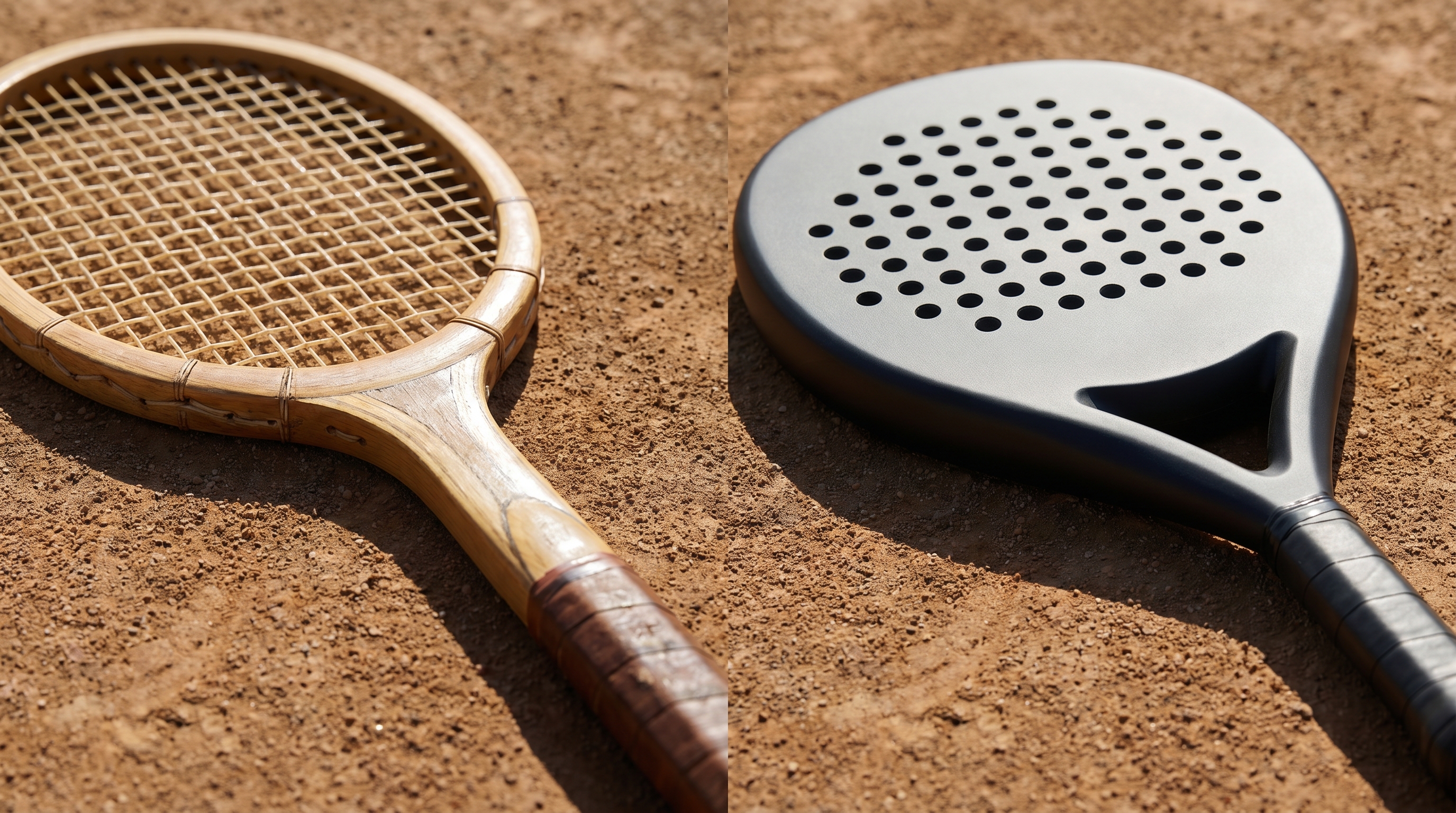
Choosing the right gear is part of knowing what is padel, specifically the solid, perforated rackets that differ from stringed tennis versions. You will also need specific footwear and low-pressure balls to ensure a safe and high-performance game. Understanding these products is vital for club owners who want to run profitable on-site pro shops.
The Solid Racket Technology
Rackets are made of composite materials like carbon fiber or fiberglass with an EVA foam core. You can choose from different shapes depending on your desired balance of power and control.
Here is the deal:
- Round: Maximum control and sweet spot.
- Teardrop: Balanced power and precision.
- Diamond: High-end power for pros.
Footwear and Ball Pressure
You must use shoes with a herringbone (clay) or omni sole to maintain grip on the synthetic turf. The balls look like tennis balls but have significantly lower internal pressure to suit the smaller court.
But wait, there’s more.
- Specific soles prevent ankle injuries.
- Lower pressure balls ensure longer rallies.
- Proper gear improves the overall experience.
Key Takeaway: High-quality equipment is essential for safety and provides a consistent secondary revenue stream for club investors.
| Equipment Item | Vital Spec |
|---|---|
| Padel Racket | Max 38mm thickness |
| Padel Ball | 4.6 to 5.2 kg pressure |
| Shoes | Deep herringbone grip |
Selling or renting high-end equipment creates an ecosystem of brand loyalty that extends beyond the court booking itself.
Why is the ROI so high for investors?
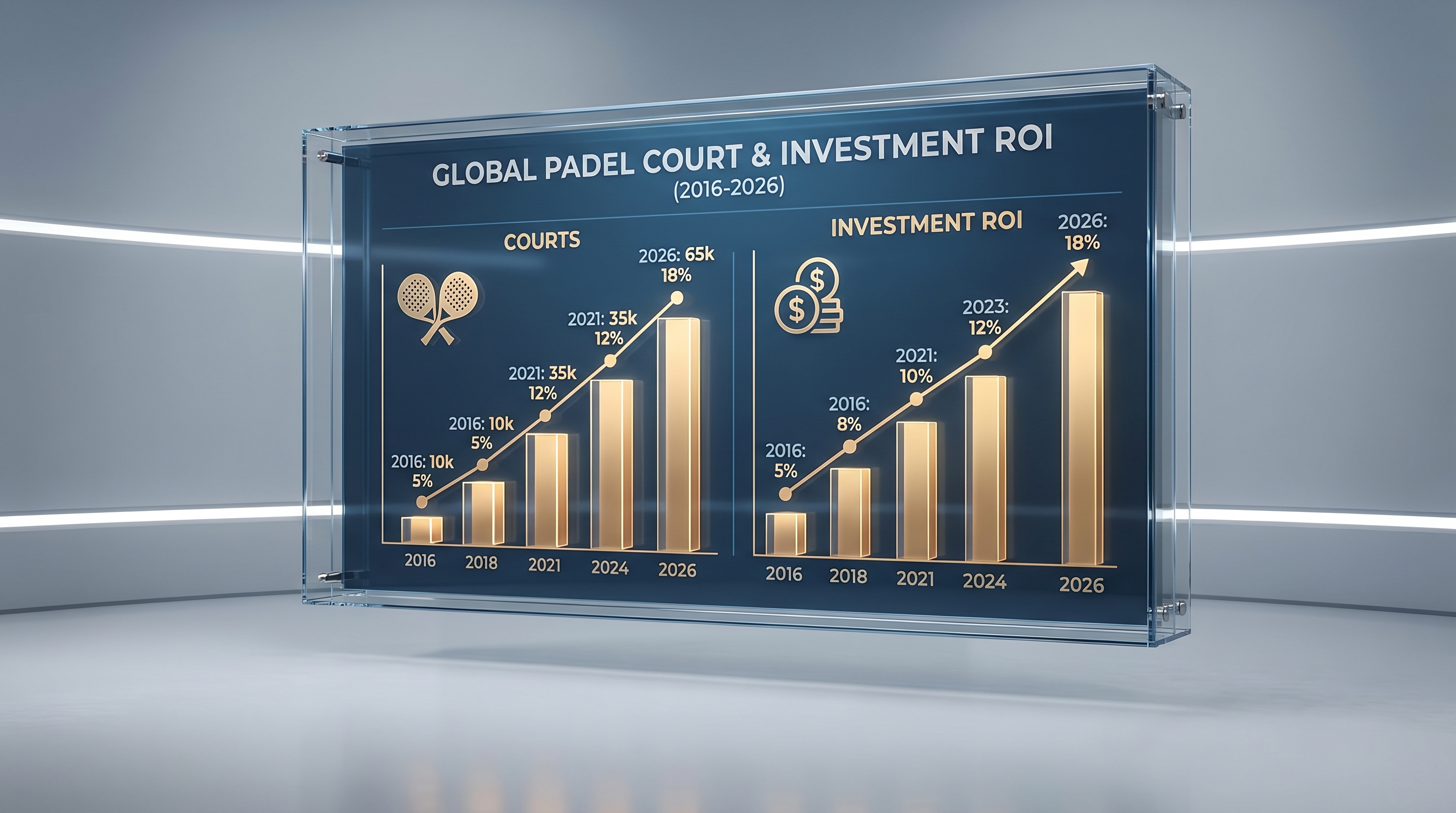
The financial allure of what is padel stems from the fact that four players use a space much smaller than a standard tennis court. You can fit three padel courts in the footprint of one tennis court, effectively tripling your revenue potential per square meter. With 80-90% utilization rates common in major cities, investors often see a full return on investment in under two years.
Maximizing Revenue Per Square Meter
You generate income from four players simultaneously on every court. This “multiplayer” effect makes the hourly rental rate highly affordable for players while being extremely profitable for you.
Here is the kicker:
- 3 courts = 12 paying customers.
- Higher turnover than traditional gyms.
- Low staffing requirements for operations.
Ancillary Income Streams
Beyond simple court rentals, a successful club leverages coaching, tournaments, and food and beverage sales. You create a community hub where people spend money long after their match ends.
But that’s not all.
- Group coaching sessions.
- Corporate event hosting.
- Pro-shop sales and rentals.
Key Takeaway: The combination of space efficiency and community-driven revenue makes padel a superior asset class in sports real estate.
| Financial Metric | Estimated Value |
|---|---|
| Players Per Hour | 4 |
| Space Required | 200 sqm |
| Payback Period | 12 – 24 Months |
Investors should focus on high-utilization hours and weekend tournaments to maximize the yield of every square meter.
What drives the global popularity of padel?
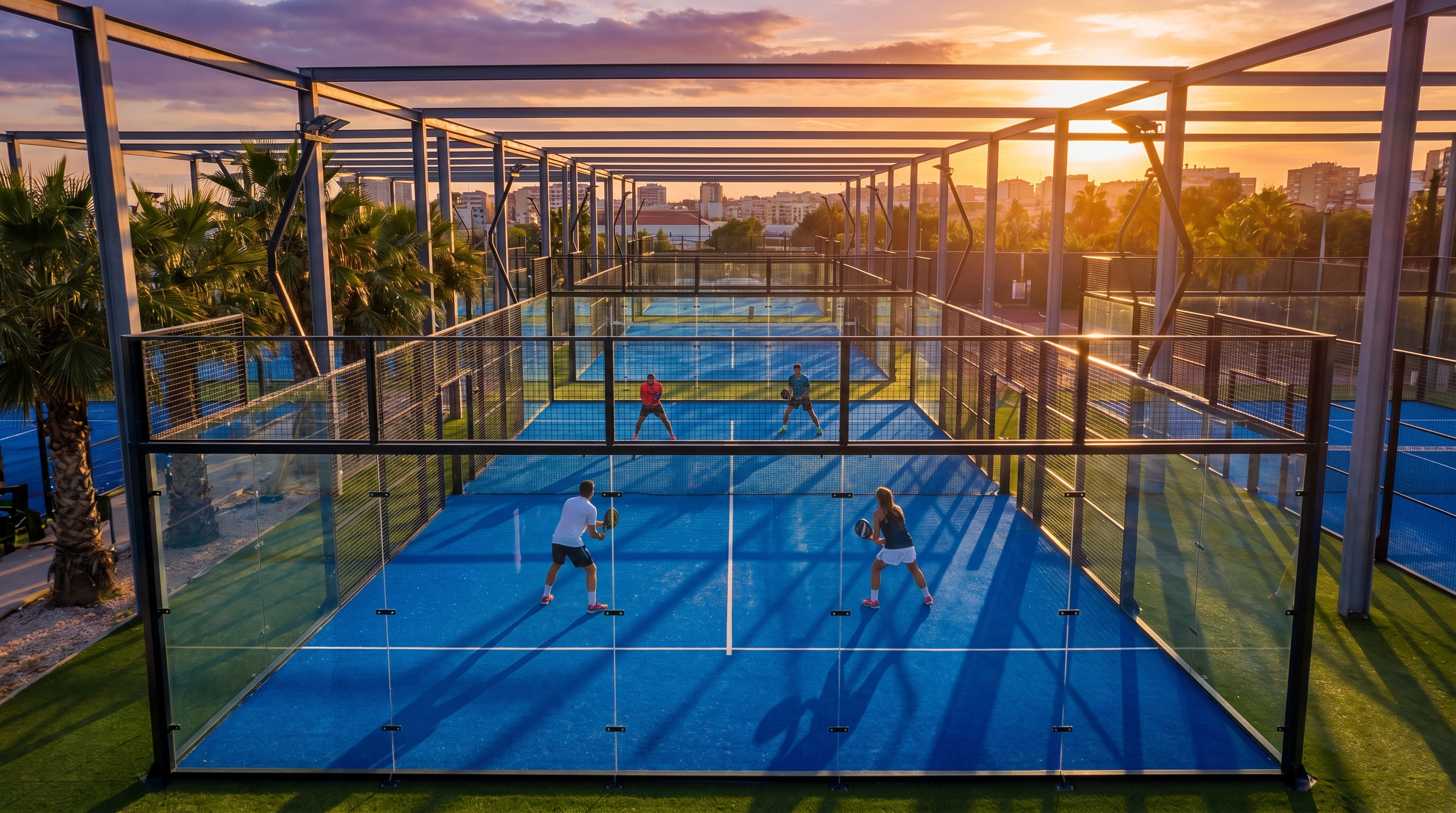
If you ask any enthusiast what is padel, they will highlight the intense social atmosphere that keeps players returning weekly. The sport has transcended its roots in Spain and Argentina to become a lifestyle choice for millions in Europe, the Middle East, and North America. You are looking at a participation sport that is essentially “addictive” because of its fun-to-effort ratio.
The Celebrity Influence Factor
High-profile athletes from other sports are building their own clubs and promoting the game on social media. You see the trend spreading as influencers showcase the “cool” lifestyle associated with the sport.
Here is the deal:
- Massive growth on social media.
- Endorsements from football legends.
- Lifestyle-oriented club designs.
Family and Corporate Appeal
The game is uniquely suited for families because grandfathers can play with their grandsons without a massive physical gap. You also find that it is the perfect tool for corporate team building.
But wait, there’s more.
- Low impact on joints.
- Easy to organize group play.
- Gender-inclusive participation levels.
Key Takeaway: The social and addictive nature of the sport creates a self-sustaining marketing loop that drives demand.
| Growth Driver | Impact Level |
|---|---|
| Social Media | Very High |
| Ease of Play | High |
| Corporate Use | Medium |
This cultural shift toward social fitness ensures that the demand for courts will continue to outpace supply for years.
How are high-quality courts manufactured?
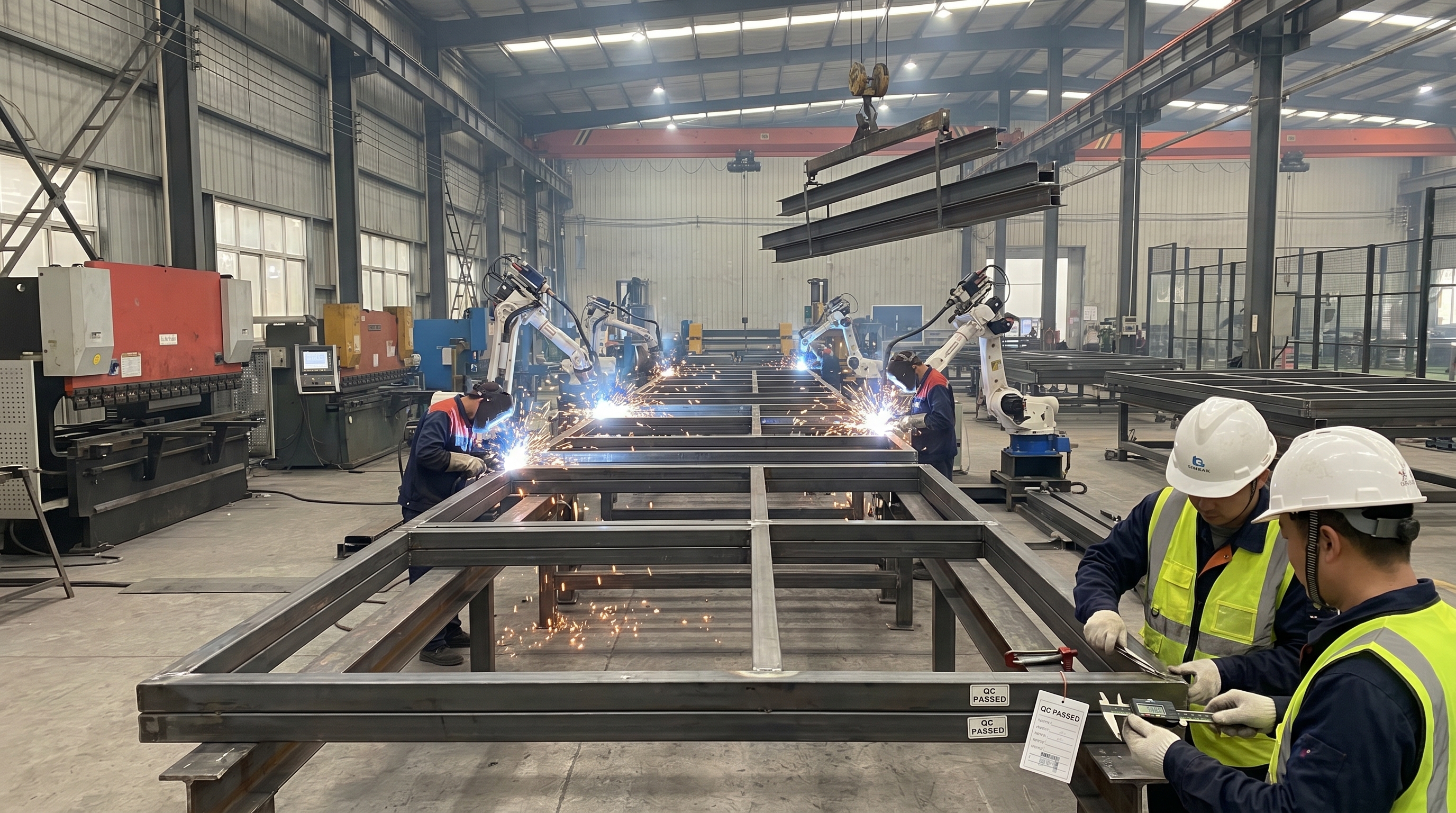
Seeing the industrial side of what is padel involves looking at hot-dip galvanized steel frames and anti-explosion tempered glass. You must ensure that the Padel Structure meets international safety standards like EN 12150 to protect your investment. Working directly with a specialized manufacturer allows you to customize colors and designs while ensuring 20+ years of structural life.
Precision Engineering Standards
Quality courts use laser-cut steel and automated welding to ensure the structure is perfectly level. You will find that high-end facilities prioritize “panoramic” designs for better spectator visibility.
Here is the kicker:
- Hot-dip galvanization for rust.
- 12mm thick safety glass.
- Robotic precision welding.
Advanced Turf and Lighting
The playing surface must use high-density fibrillated grass that allows for consistent ball bounce. You should also invest in specialized LED lighting that provides uniform illumination without blinding the players.
But that’s not all.
- 8 LED floodlights per court.
- UV-resistant synthetic turf.
- Integrated drainage systems.
Key Takeaway: Sourcing factory-direct, certified equipment is the only way to ensure player safety and long-term facility durability.
| Component | Standard |
|---|---|
| Steel Frame | Hot-Dip Galvanized |
| Glass | EN 12150 Certified |
| Lighting | IP66 Waterproof LED |
High manufacturing standards reduce your long-term maintenance costs and prevent expensive structural repairs down the road.
Is padel a sustainable sport for clubs?
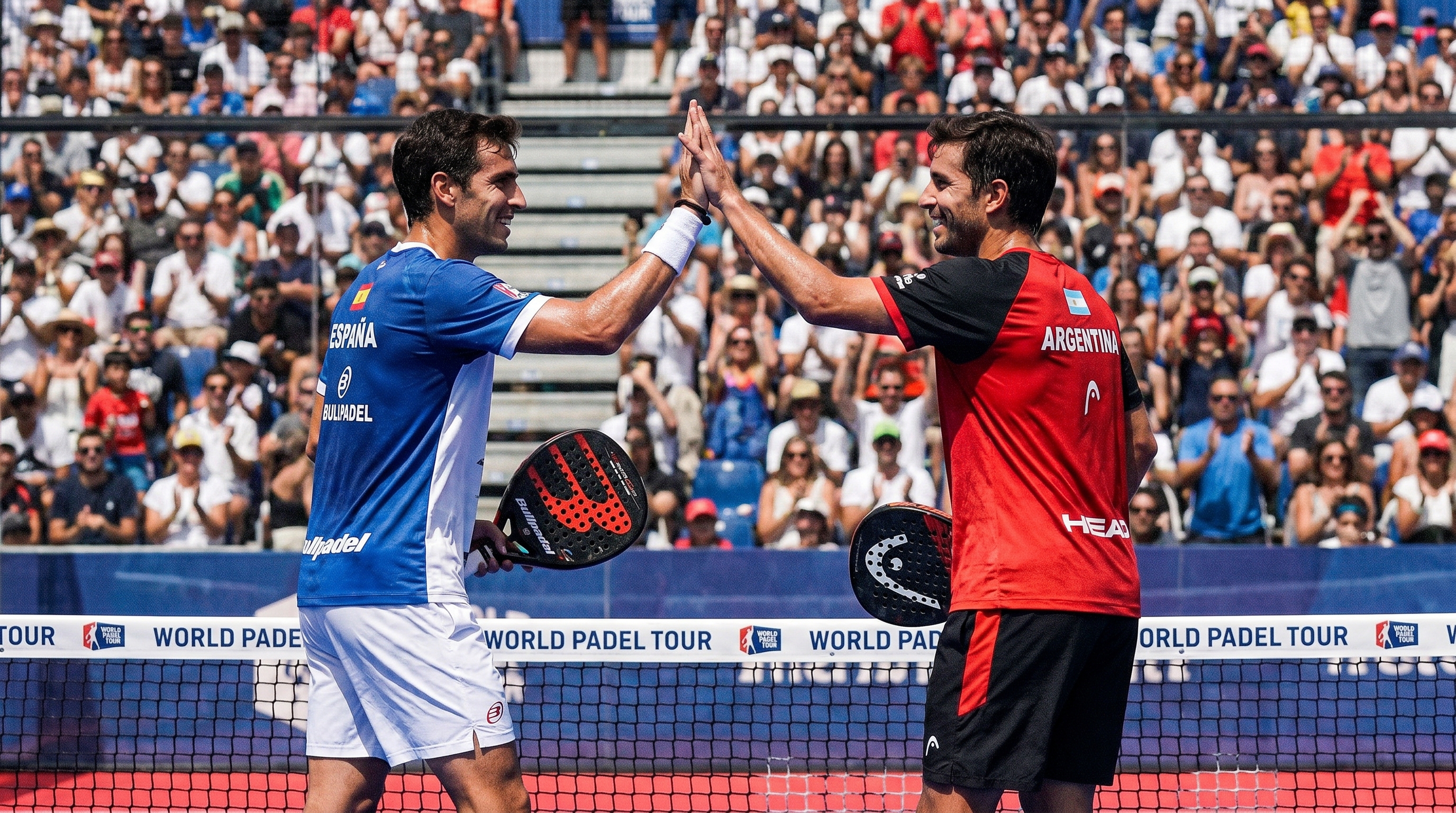
Longevity is a key factor in what is padel, as clubs benefit from low maintenance costs and high member retention. You don’t need the constant water and chemical treatment required by pools, nor the expensive resurfacing needed by tennis courts. The synthetic turf and glass walls are designed for heavy use, making the operational overhead remarkably low for business owners.
High Retention Through Community
Clubs that focus on “matchmaking” apps help players find partners of similar skill levels instantly. You will see that once a player finds a steady group, they rarely quit the sport.
Here is the deal:
- App-based booking systems.
- Competitive ladder rankings.
- Frequent social mixers.
Low Operational Overhead
Maintenance involves basic brushing of the sand on the turf and cleaning the glass walls periodically. You can run a multi-court facility with a very small on-site team.
But wait, there’s more.
- Automated gate access.
- Low utility consumption.
- Durable, weather-proof materials.
Key Takeaway: Low maintenance and high community engagement make padel one of the most operationally sustainable sports models available.
| Operational Area | Maintenance Level |
|---|---|
| Court Surface | Low (Brush weekly) |
| Lighting | Very Low (LED life) |
| Cleaning | Moderate (Glass walls) |
Focusing on the community aspect ensures a stable membership base that provides predictable monthly cash flow.
What are the tactical rules of the game?
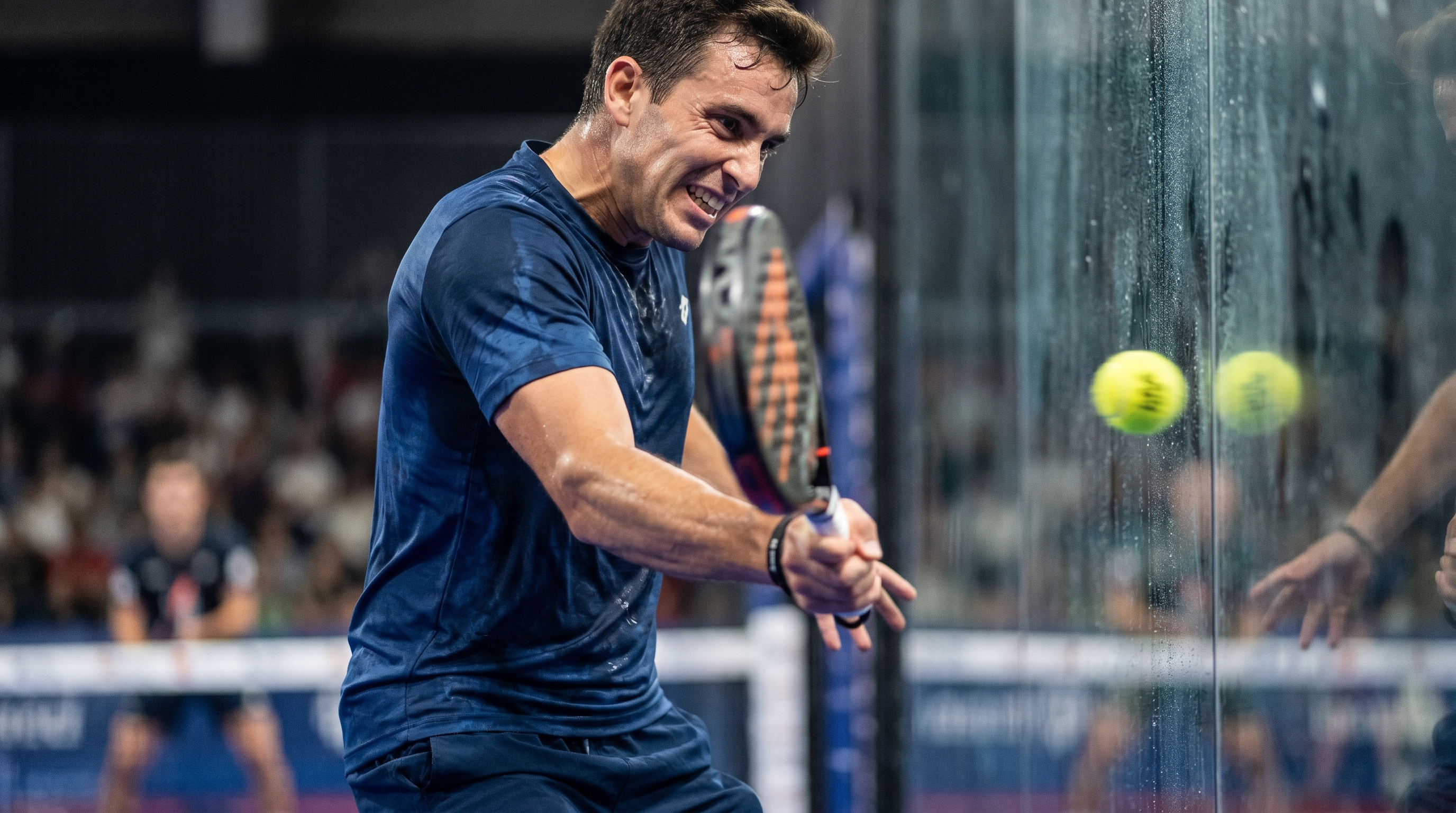
Learning the rules helps define what is padel, particularly the rule allowing you to play the ball off the glass walls. You use the same scoring as tennis—15, 30, 40, and game—but the tactics are entirely different due to the enclosed space. You must learn to use the “contrapared” (hitting the ball against your own glass) to lob the ball over opponents at the net.
Service and Scoring Rules
The serve must bounce once in the diagonally opposite box and be hit underhand. You get two serves, and if the ball hits the mesh after the bounce, it is considered a fault.
Here is the kicker:
- Serve below the waistline.
- “Golden point” rule for deuce.
- Best of three sets matches.
Using the Enclosure Tactically
You can hit the ball after it bounces on your side and then hits the wall, provided it hasn’t bounced twice. You are even allowed to run out of the court through the side gates to retrieve a ball.
But that’s not all.
- Playing off the back glass.
- Avoiding the side wire mesh.
- Tactical lobs and volleys.
Key Takeaway: The unique rules regarding the walls turn the game into a “physical game of chess” that rewards patience over power.
| Rule Type | Key Constraint |
|---|---|
| Service | Underhand impact only |
| Wall Hit | Must bounce on turf first |
| Scoring | 15, 30, 40, Game |
Mastering these tactical nuances is what makes the sport endlessly engaging for players of all skill levels.
How do you start a premium padel club?
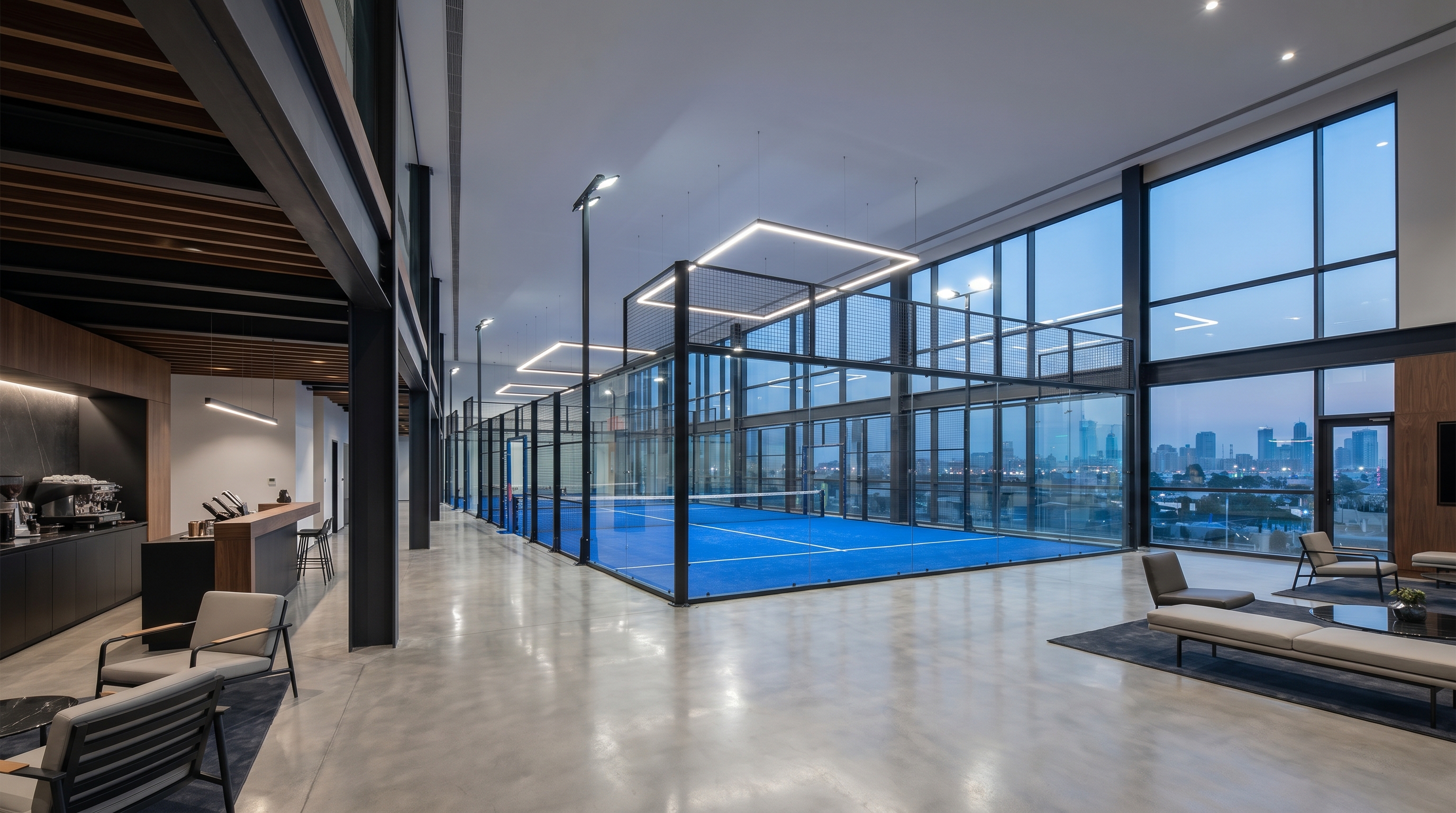
Launching a venue requires a deep dive into what is padel and selecting the right factory-direct equipment for your project. You should partner with a manufacturer who understands about us and our commitment to international quality standards. A premium club succeeds by combining high-end court technology with top-tier hospitality and community management.
Designing the Player Experience
You must think beyond the court and focus on the lounge area, changing rooms, and cafe. A premium interior attracts corporate clients and high-income players who value the overall atmosphere.
Here is the kicker:
- High-quality panoramic courts.
- Professional-grade LED lighting.
- Comfortable social lounge areas.
Sourcing Direct From Manufacturers
Working directly with a factory allows you to save significantly on procurement costs while maintaining full control over customization. You can ensure that every weld and glass panel meets your specific safety requirements.
But wait, there’s more.
- Custom branding and colors.
- Installation support worldwide.
- Long-term structural warranties.
Key Takeaway: A premium club is built on a foundation of high-quality infrastructure and a focus on the total player experience.
| Step | Action Item |
|---|---|
| Planning | Site selection and layout |
| Sourcing | Factory-direct court order |
| Launch | Community building and apps |
By focusing on quality from the start, you position your club as the premier destination in your local market.
*
Ready to Capitalize on the Padel Boom?
Padel is not just a trend; it is a fundamental shift in how people exercise and socialize in urban environments. For investors, it offers unparalleled space efficiency, high demand, and a proven ROI that traditional sports cannot match. Whether you are a real estate developer looking to monetize a rooftop or a sports enthusiast wanting to launch your own club, the time to act is now.
Don’t let the competition take your spot in this “blue ocean” market. We provide premium, factory-direct courts and complete project support to ensure your success. Contact us today to get a custom quote and start your journey into the world of padel investment.
*
Frequently Asked Questions
Can I build a court in a standard warehouse?
Yes, provided the ceiling height is at least 6 to 7 meters to allow for high lobs. Most industrial bays are perfect for indoor padel facilities because they offer climate control and consistent playing conditions.
What’s the best way to maintain the court glass?
A standard glass cleaner and a soft squeegee are the best tools for the job. You should clean the glass once or twice a week to ensure high visibility for players and spectators, especially in high-traffic clubs.
Can I customize the court colors for my brand?
Yes, high-quality manufacturers offer full RAL color customization for the steel structure. You can align the court aesthetics with your corporate branding to create a cohesive and professional look.
What’s the best surface for reducing player injury?
Fibrillated synthetic grass is the industry standard for reducing joint impact. It provides excellent grip and a consistent ball bounce while being much softer on the knees than concrete or asphalt surfaces.
Can I install a padel court on a rooftop?
Yes, but you must consult a structural engineer to ensure the roof can handle the distributed load and wind resistance. Modular panoramic courts are often used on rooftops because of their lighter structural profile and visual appeal.