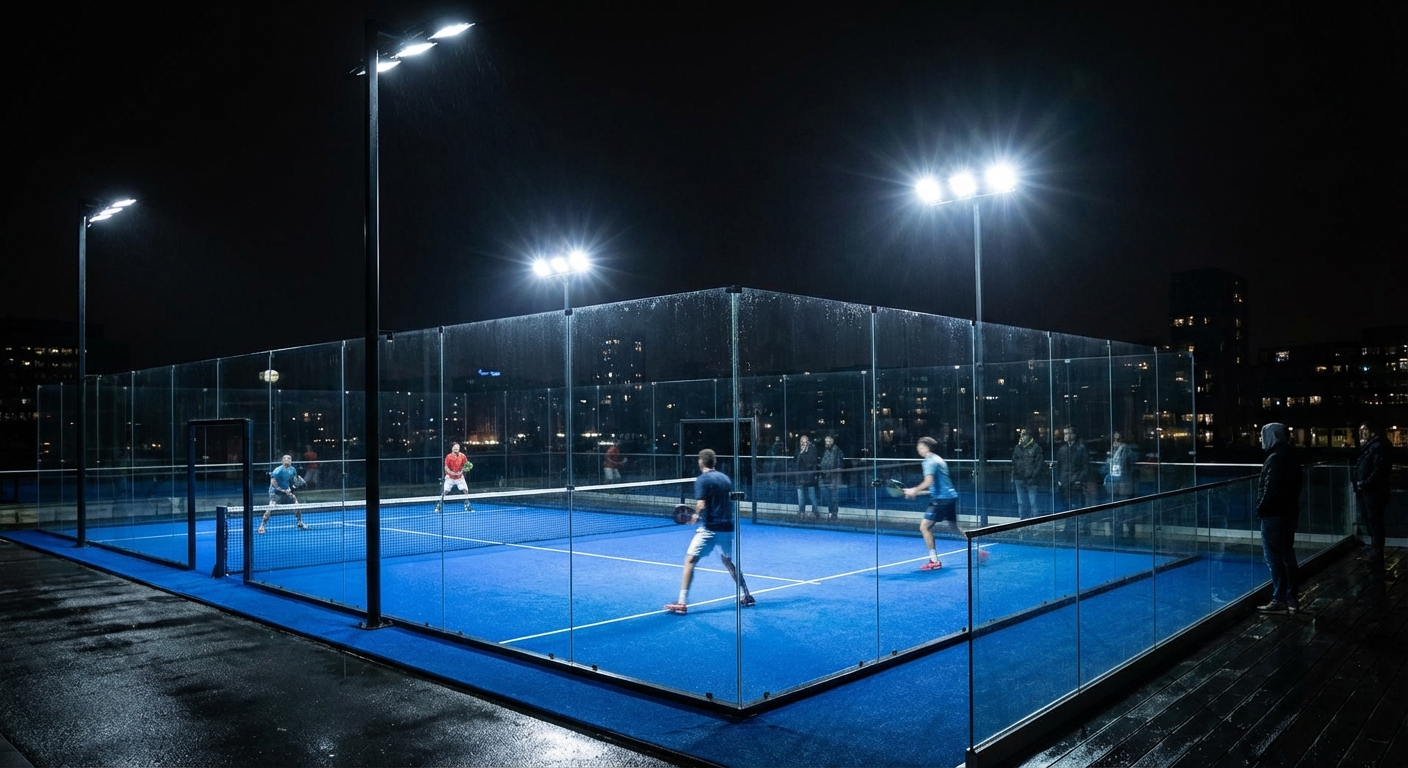
What exactly is the popular juego de padel?
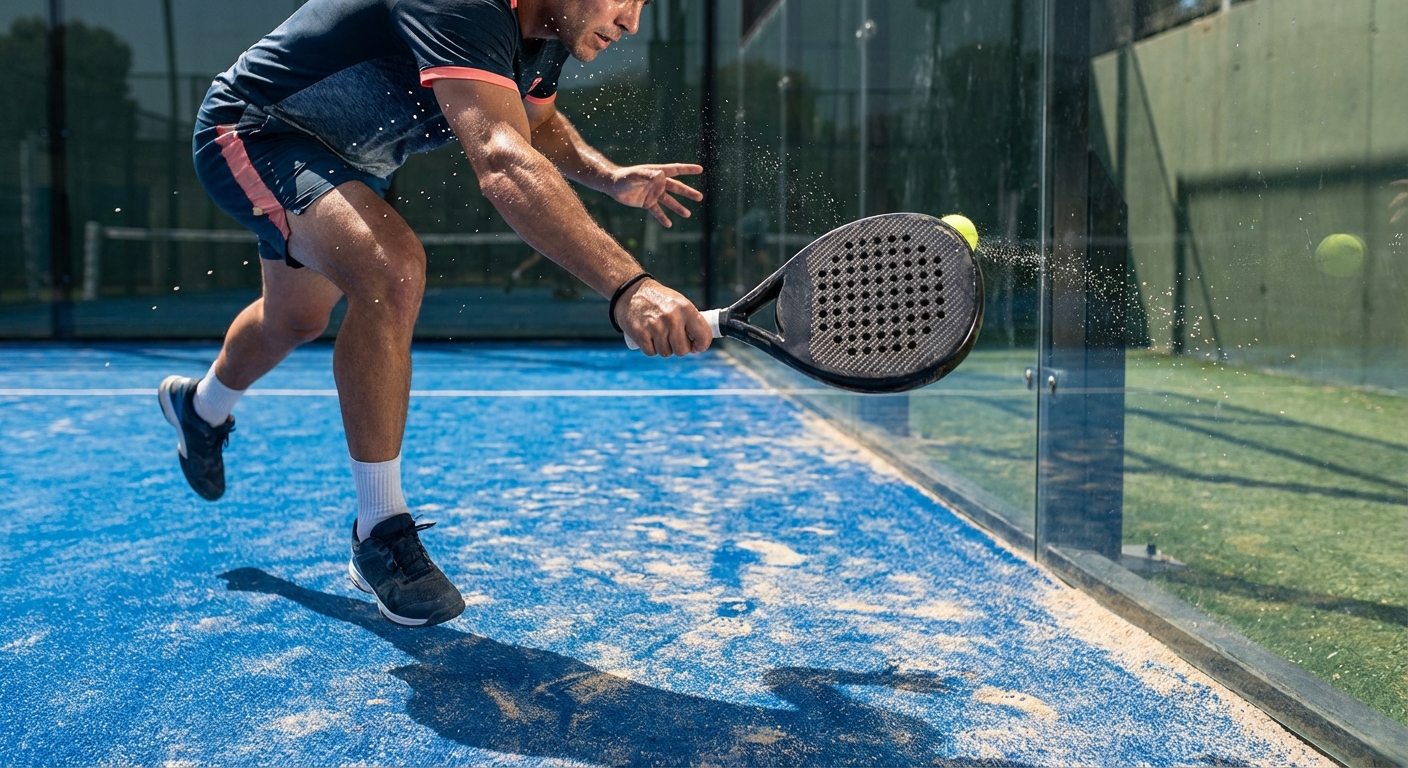
A juego de padel is a dynamic sport played on a 10×20 meter court where the surrounding glass walls are active participants in the game. Unlike tennis, the ball can bounce off the walls after hitting the turf, creating longer rallies and requiring strategic positioning. This setup rewards tactical thinking over brute force.
The social core of the game
Think about it. This sport is designed specifically for doubles play, which fosters a high level of communication and teamwork.
- Matches involve four players.
- Rallies are extended by wall bounces.
- Strategy outweighs physical power.
But here is the kicker: the proximity of players on the smaller court makes it the most social racquet sport in existence.
Why is it growing so fast?
The learning curve is remarkably gentle for beginners compared to other disciplines.
- Equipment is easy to handle.
- The serve is underhand.
- Court coverage is manageable.
Make no mistake, the “fun factor” is immediate, which explains why clubs are seeing record-breaking participation rates.
Key Takeaway: The juego de padel is a unique, pair-based racquet sport that utilizes glass walls to extend play and emphasize social strategy.
| Feature | Padel Characteristic |
|---|---|
| Team Size | 2 vs 2 (Doubles) |
| Key Mechanic | Wall rebounds are legal |
| Skill Focus | Positioning and Strategy |
Analysis: The integration of walls fundamentally changes the geometry of the sport, making it more about angles than linear speed.
Where did the global juego de padel originate?
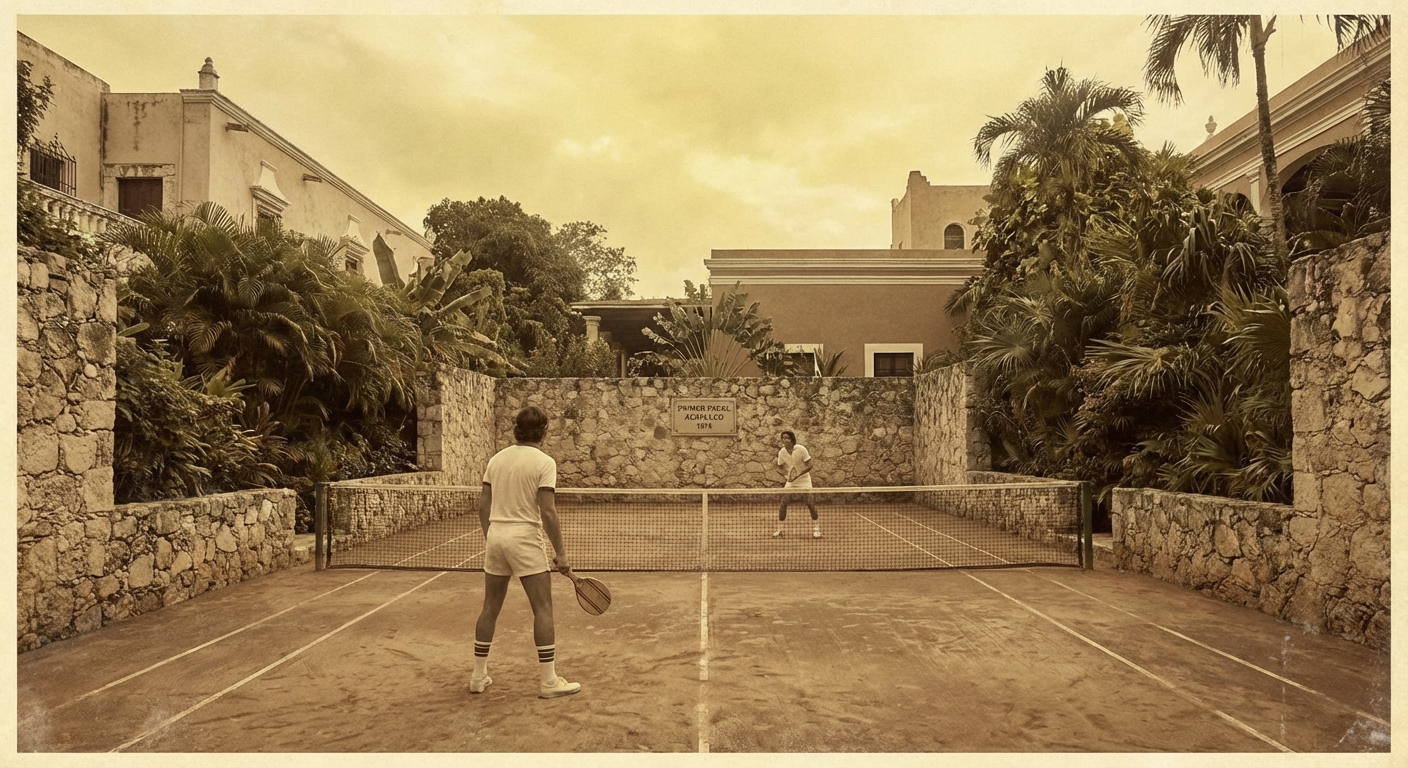
The global juego de padel originated in 1974 in Acapulco, Mexico, when Enrique Corcuera modified a fronton court at his private residence. To understand how the game evolved, it is helpful to look at the official rules and development of the sport. Corcuera added walls to keep the ball within the court and away from the local vegetation.
From a backyard to a global stage
Believe it or not, the sport was born out of a practical landscaping solution rather than a professional sports design.
- First court built in Acapulco.
- Walls were 3 to 4 meters high.
- Rackets were originally wooden.
But here is the kicker: a Spanish friend of Corcuera saw the potential and brought the concept to Marbella, Spain.
The Spanish explosion
Once the sport landed in Europe, it transitioned from a private luxury to a public phenomenon.
- Professional circuits were established.
- High-tech materials replaced wood.
- Thousands of courts were built.
Think about it. Spain now has more padel players than tennis players, marking a massive shift in cultural preference.
Key Takeaway: Born as a backyard innovation in Mexico, the juego de padel became a professional powerhouse after its adoption and refinement in Spain.
| Historical Milestone | Event |
|---|---|
| 1974 | Enrique Corcuera builds the first court |
| 1990s | Rapid expansion across Europe and LatAm |
| Modern Era | Emergence of professional world tours |
Analysis: The accidental creation of wall-mechanics proves that practical constraints can lead to revolutionary sporting innovations.
Which materials suit a premium juego de padel?
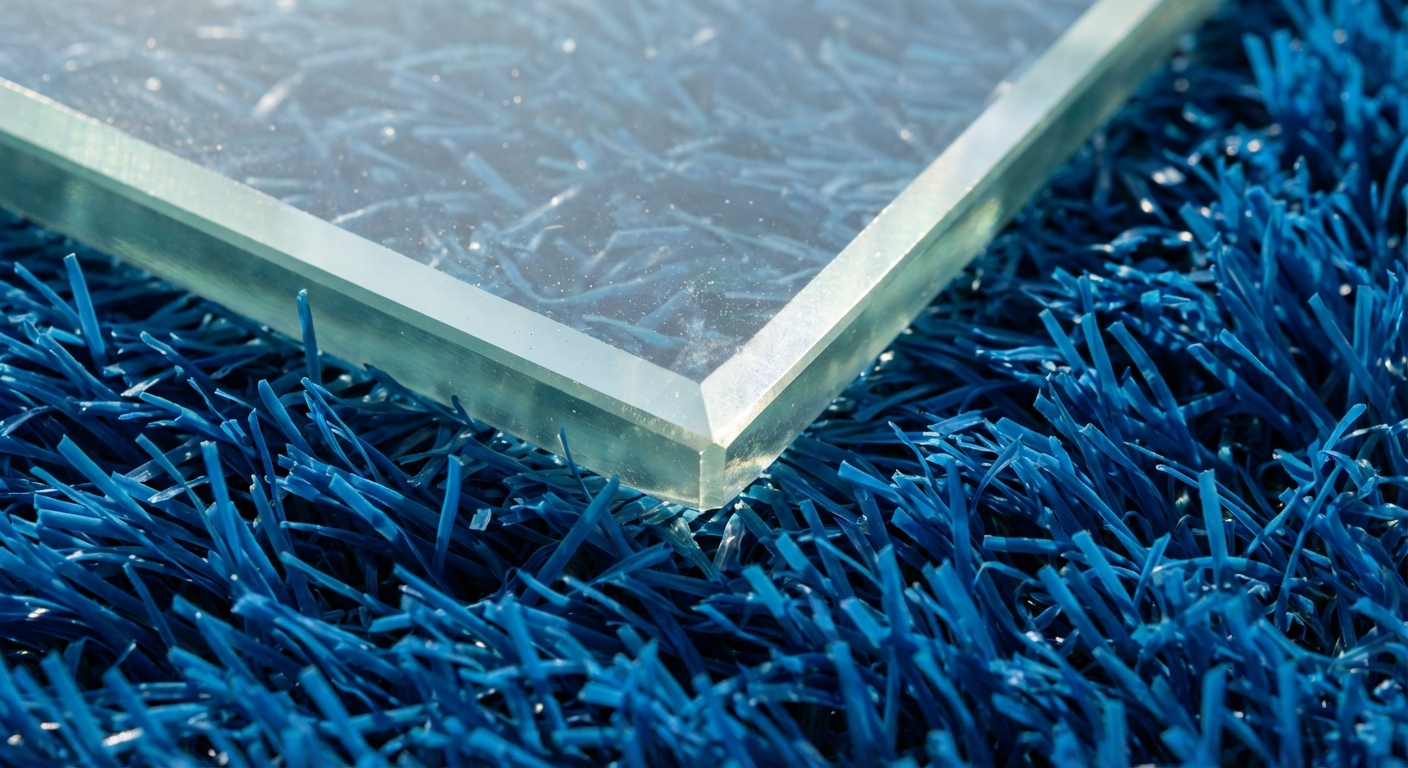
A premium juego de padel requires high-specification materials like 12mm tempered glass and monofilament textured turf to ensure safety and consistent play. The glass provides the structural integrity needed for high-impact play, while the turf manages ball friction. Choosing lower-grade materials can lead to uneven bounces and increased injury risk.
The importance of tempered glass
But here is the kicker: not all glass is created equal when it comes to player safety and visibility.
- 10mm glass is standard for casual use.
- 12mm glass is preferred for professional clubs.
- Transparent panels enhance spectator views.
Think about it. High-impact collisions are common, so tempered glass is non-negotiable for any commercial facility.
Turf and structural finishes
The playing surface must offer the perfect balance of grip and slide to protect a player’s joints.
- Monofilament turf reduces “sand splash.”
- Zinc primer prevents rust on steel.
- Custom colors improve branding.
Let’s be clear: a poor foundation or cheap turf will ruin the user experience faster than any other factor.
Key Takeaway: Professional juego de padel courts prioritize 12mm glass and textured turf to maximize durability and player safety.
| Material | Standard Spec | Benefit |
|---|---|---|
| Walls | 12mm Tempered Glass | High impact resistance |
| Floor | Monofilament Turf | Consistent bounce and grip |
| Frame | Galvanized Steel | Corrosion resistance |
Analysis: Investing in thicker glass and specialized turf significantly reduces long-term maintenance costs and insurance liabilities.
How to prep the site for a juego de padel?
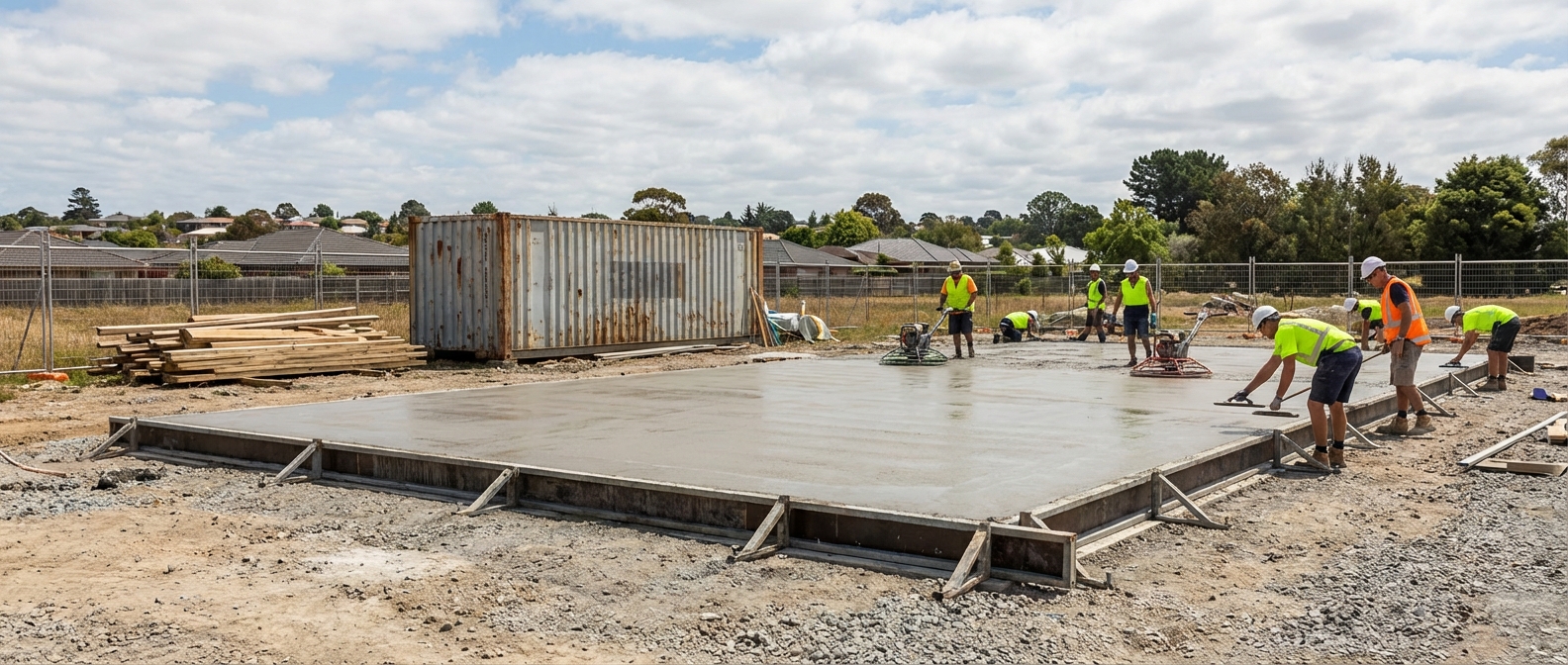
Preparing the site for a juego de padel involves excavating the land and pouring a perfectly level concrete slab that can support the heavy glass structure. If you are just starting, you should check out these beginner tips to understand the physical demands on the court surface. The slab is the most critical phase of construction, as any deviation in level will cause the glass panels to misalign.
Foundation and civil works
Think about it. You are placing several tons of glass and steel onto a single surface, so stability is paramount.
- Soil must be compacted first.
- Drainage systems prevent water pooling.
- Concrete should be at least 15cm thick.
But here is the kicker: a single millimeter of tilt can make the ball bounce irregularly, ruining competitive play.
Timeline for site readiness
The preparation phase is usually the most time-consuming part of the entire building process.
- 7 to 10 days for excavation.
- 3 days for pouring concrete.
- Curing time depends on the climate.
Make no mistake, rushing the curing process will lead to cracks that compromise the entire structural system.
Key Takeaway: A level, 15cm thick concrete foundation with integrated drainage is essential for a high-quality juego de padel installation.
| Construction Phase | Estimated Time | Key Task |
|---|---|---|
| Excavation | 3-5 Days | Soil leveling and removal |
| Slab Pouring | 1-2 Days | Leveling concrete surface |
| Curing | 7-14 Days | Allowing concrete to harden |
Analysis: Most structural failures in court construction stem from poor soil compaction or inadequate slab thickness.
What are standard juego de padel dimensions?
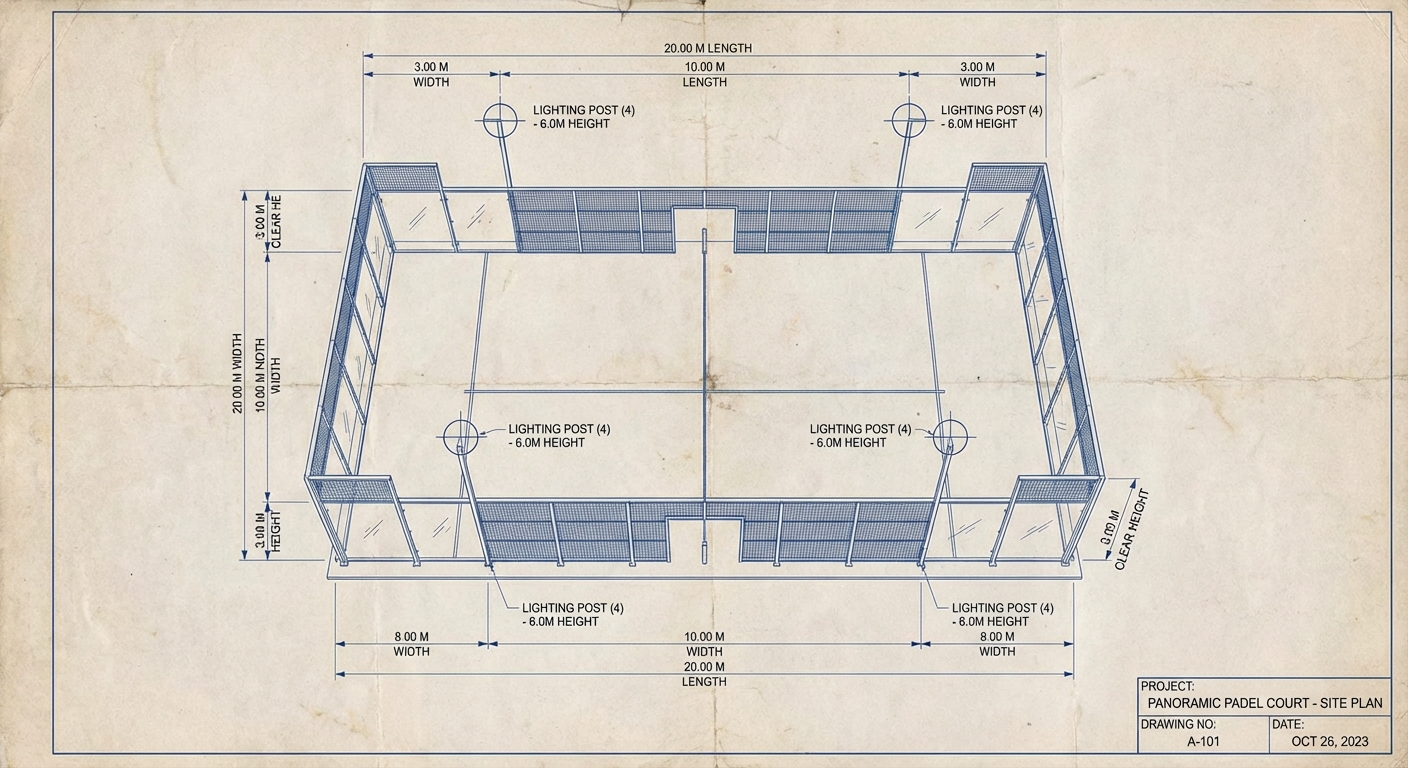
The standard dimensions for a juego de padel court are 20 meters long by 10 meters wide, divided by a central net. This compact footprint is exactly one-third the size of a tennis court, allowing facility owners to maximize their revenue per square meter. The specific height of the walls also varies between the back and the sides.
Court geometry and heights
Think about it. The vertical dimension is just as important as the horizontal one in this sport.
- Back walls are 4 meters high.
- Side walls are 3 meters high.
- Net height is 88cm at the center.
But here is the kicker: the service boxes are larger than in tennis, facilitating the underhand serve mechanic.
Space efficiency for clubs
One of the biggest advantages for investors is the ability to fit multiple courts into a small area.
- Three courts fit in one tennis space.
- Higher player density per hour.
- Lower land acquisition costs.
But here is the kicker: you must still allow for a “buffer zone” of at least 2 meters around the court for safety.
Key Takeaway: A juego de padel court occupies a 10x20m area with 4m high back walls, making it highly space-efficient for commercial clubs.
| Dimension | Measurement | Requirement |
|---|---|---|
| Length | 20.00 Meters | Exact regulation |
| Width | 10.00 Meters | Exact regulation |
| Back Wall | 4.00 Meters | Tempered glass |
Analysis: The 10x20m footprint is the gold standard that allows for a fast-paced game while keeping players close enough for social interaction.
Can lighting improve your juego de padel facility?
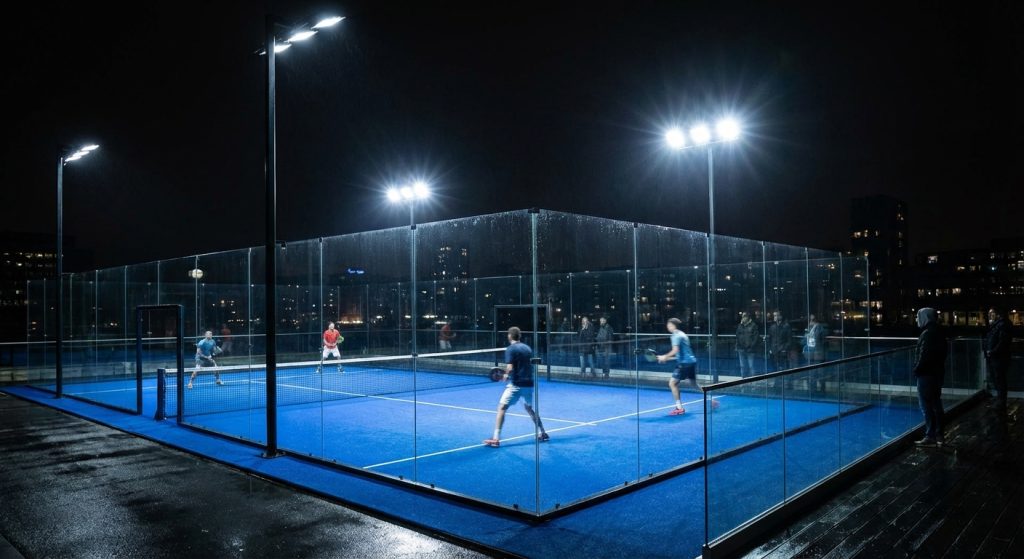
High-quality LED lighting significantly improves a juego de padel facility by extending playing hours and enhancing the visibility of the fast-moving ball. For players looking to master the game at any hour, refining your technique and tricks requires consistent, glare-free illumination. Professional setups typically use four 200W LED posts positioned outside the court frame.
Maximizing evening revenue
But here is the kicker: the most profitable hours for any club occur after 6:00 PM when players finish work.
- Night slots often have higher rates.
- LEDs provide instant-on capability.
- Uniform light prevents “blind spots.”
Think about it. Without professional lighting, you are losing 50% of your potential daily operating time.
Technical lighting standards
Lighting is not just about brightness; it is about the quality and angle of the light.
- 500 lux is recommended for clubs.
- Glare reduction protects players’ eyes.
- IP65 ratings are required for outdoor use.
Make no mistake, poor lighting can lead to accidents and will drive your most dedicated players to competing facilities.
Key Takeaway: Professional LED lighting is a critical upgrade for any juego de padel court to ensure 24/7 utility and player safety.
| Lighting Feature | Requirement | Benefit |
|---|---|---|
| Intensity | 500 – 750 Lux | Professional visibility |
| Source | 200W LED Modules | Energy efficiency |
| Placement | 4-8 Meter Posts | Shadow elimination |
Analysis: Proper lighting converts a seasonal amenity into a year-round business asset, significantly accelerating the return on investment.
What is the cost of a full juego de padel setup?
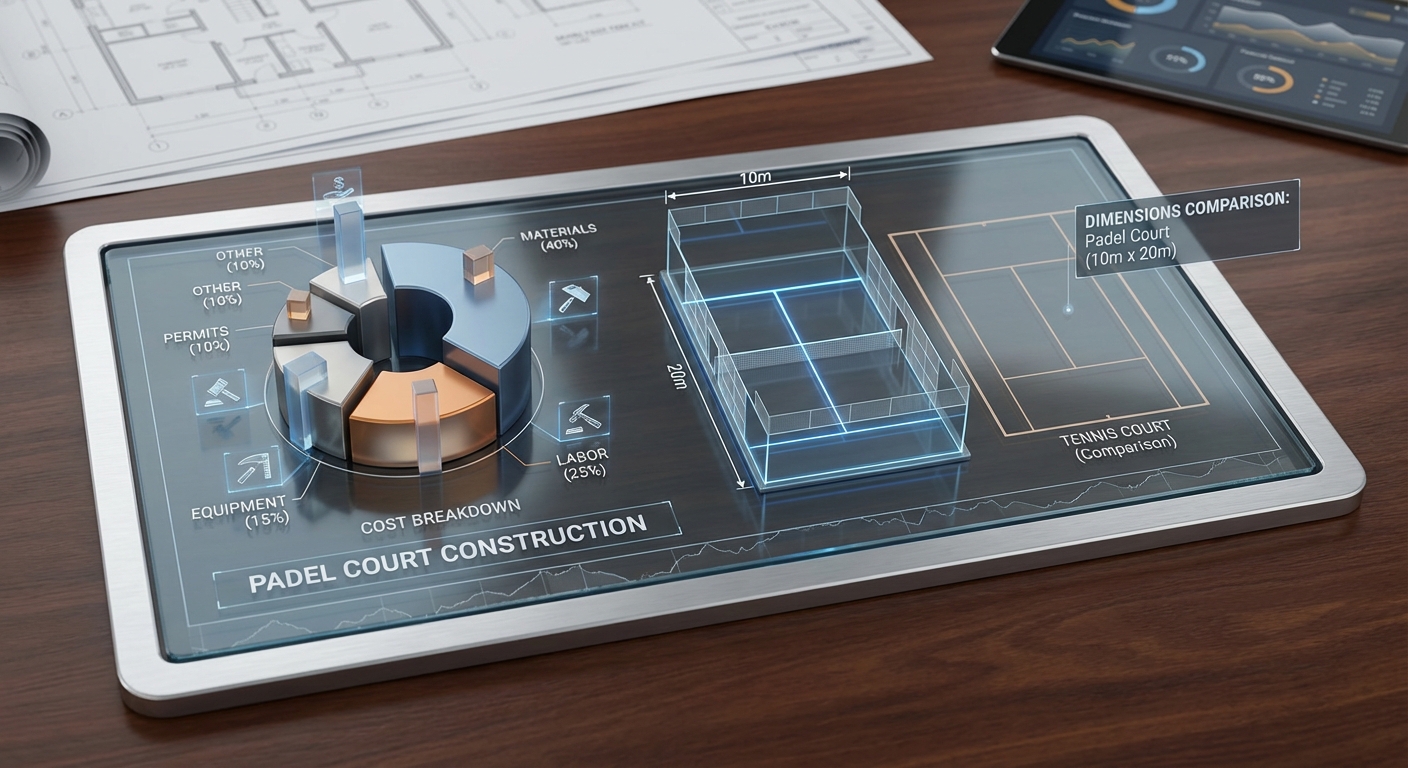
The total cost for a professional juego de padel outdoor installation averages approximately $73,000 when accounting for the court kit, site prep, and labor. While the base court kit itself may range from $20,000 to $27,000, the “hidden” costs of infrastructure represent the majority of the budget. Investors must account for logistics, permitting, and specialized equipment rentals.
Breaking down the court kit
Think about it. The kit is just the starting point for your financial planning.
- Structure and glass ($23k).
- Lighting posts and bulbs ($2.3k).
- Shipping and logistics ($8k).
But here is the kicker: high-end “Panoramic” models with full-glass views will command a premium over basic “Vision” models.
Infrastructure and hidden fees
The civil works often surprise new builders with their complexity and price tag.
- Concrete slab and excavation ($25k).
- Labor and installation team ($6k).
- Permitting and zoning fees (Variable).
But here is the kicker: a geotechnical study, costing up to $3,000, is essential to ensure your land can support the court.
Key Takeaway: A comprehensive juego de padel project costs roughly $73,000, with civil works and logistics matching the cost of the court kit itself.
| Expense Category | Estimated Cost (USD) | Percentage |
|---|---|---|
| Court Kit | $25,000 | 34% |
| Civil Works | $25,000 | 34% |
| Logistics/Labor | $23,000 | 32% |
Analysis: Budgeting should always include a 10% contingency fund to cover unexpected soil issues or permit delays.
Which gear is vital for a pro juego de padel?
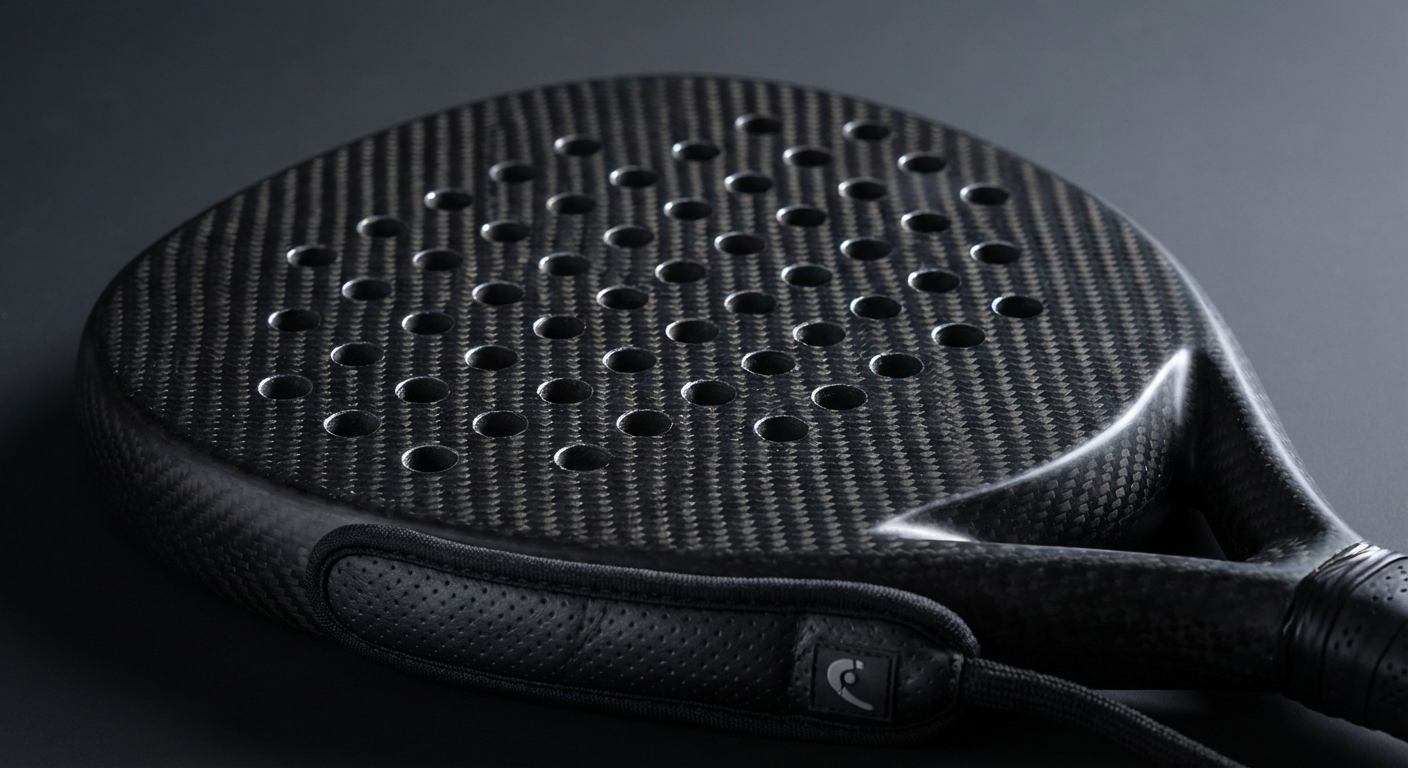
Vital gear for a professional juego de padel includes a carbon fiber “pala,” low-pressure balls, and shoes with specialized clay or omni soles. Understanding the difference between these items and tennis equipment is crucial for both performance and injury prevention. The pala is shorter and stringless, featuring a perforated surface to reduce air resistance.
The anatomy of the Pala
Think about it. The racket is an extension of your arm, so the material composition matters immensely.
- Carbon fiber provides power and stiffness.
- EVA foam cores absorb vibrations.
- Hole patterns affect the sweet spot.
But here is the kicker: using a tennis racket on a padel court is impossible due to the ball’s weight and the court’s walls.
Footwear and safety
The “start-stop” nature of the game puts extreme stress on your ankles and knees.
- Clay soles provide the best grip on sand.
- Cushioning must handle lateral shifts.
- Breathable fabrics prevent overheating.
Make no mistake, wearing standard running shoes will lead to slips on the silica sand used in the turf.
Key Takeaway: Pro-level juego de padel play requires specialized carbon fiber rackets and sand-optimized footwear to ensure peak performance.
| Equipment | Key Material | Function |
|---|---|---|
| Pala | Carbon Fiber / EVA | Striking and control |
| Balls | High-visibility felt | Controlled bounce |
| Shoes | Omni/Clay Soles | Lateral stability |
Analysis: High-end carbon fiber gear is an investment in longevity, as it maintains its structural “pop” much longer than fiberglass alternatives.
Is converting a tennis court to juego de padel easy?
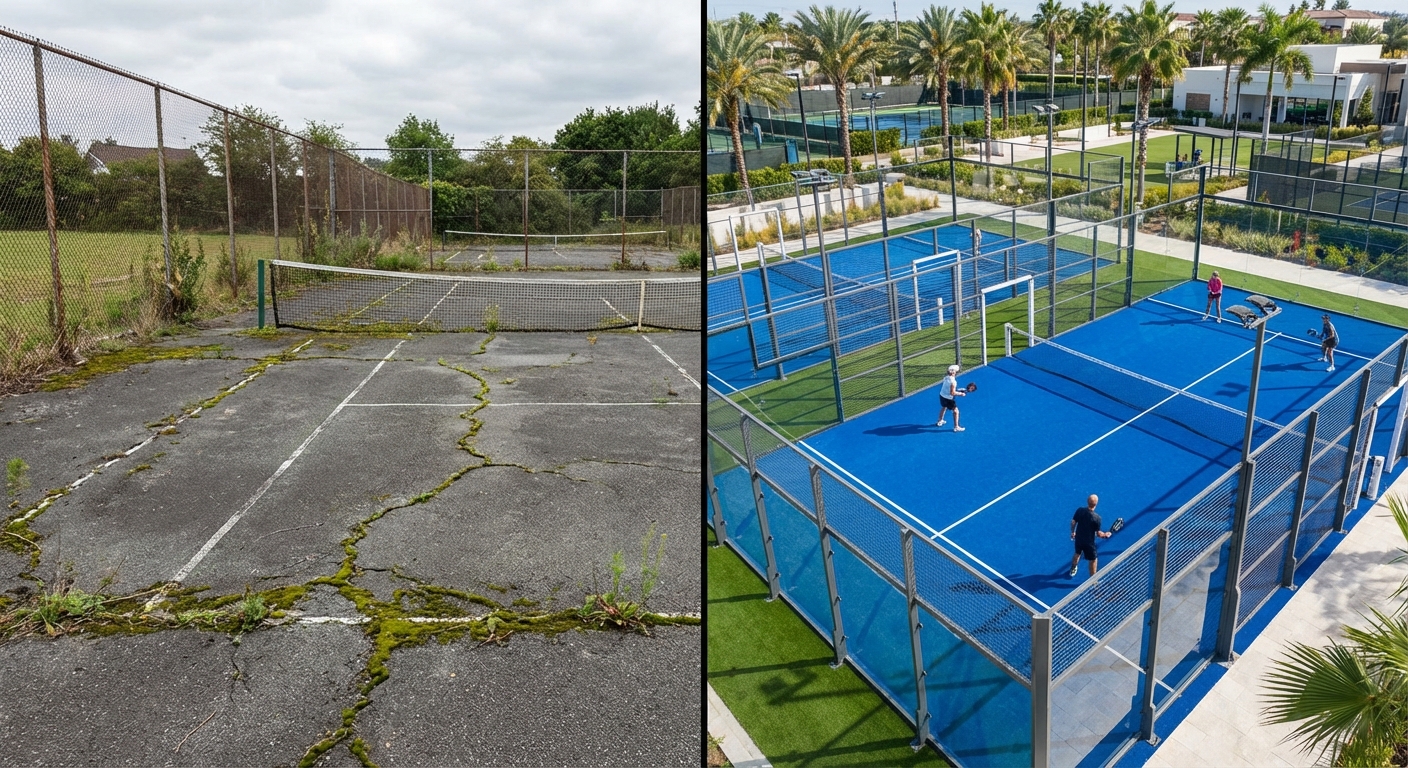
Converting a tennis court to a juego de padel facility is highly efficient because the existing hard surface often requires minimal site preparation. You can typically fit two to three padel courts within the footprint of a single standard tennis court. This conversion dramatically increases the player-per-hour capacity and, consequently, the hourly revenue for the club owner.
Maximizing space and revenue
Think about it. Why have four people using a space when you could have twelve?
- Tennis: 4 players per 600sqm.
- Padel: 12 players per 600sqm.
- Triple the potential booking fees.
But here is the kicker: the social atmosphere of a “padel hub” attracts a wider demographic than traditional tennis.
Technical conversion steps
The process is straightforward but requires professional execution to ensure the old slab is compatible.
- Surface must be inspected for cracks.
- New anchoring points are drilled.
- Drainage must be verified.
Let’s be clear: a tennis court conversion is the fastest way to join the padel revolution with the lowest initial capital expenditure.
Key Takeaway: Converting a tennis court to juego de padel allows for a 3x increase in player density and revenue with significantly reduced civil work costs.
| Metric | Tennis Court | Padel Conversion (3 Courts) |
|---|---|---|
| Players | 4 Max | 12 Max |
| Footprint | 648 sqm | 200 sqm per court |
| Revenue Pot. | 1x | 3x |
Analysis: Club operators who ignore the conversion trend risk losing members to modernized facilities that offer more social, high-density play options.
How to ensure safety in your juego de padel court?
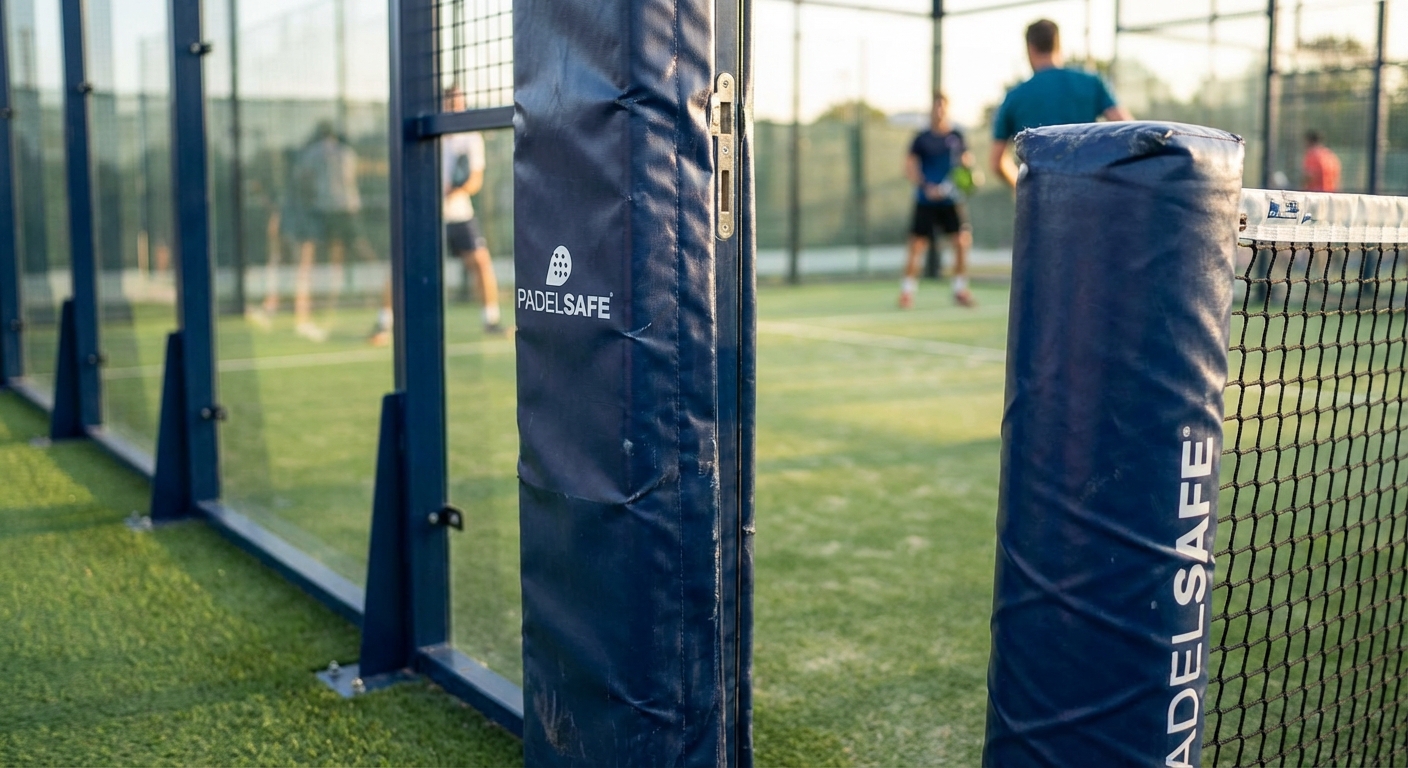
Ensuring safety in a juego de padel court involves installing high-density protective padding on net posts and door frames to prevent collision injuries. Because players often sprint toward the walls or the net to retrieve “drops” or “smashes,” these impact zones must be cushioned. Safety is the primary concern for any professional facility looking to minimize liability and protect its members.
Impact protection and glass safety
But here is the kicker: the most dangerous part of the court isn’t the glass; it’s the metallic frame and net posts.
- Padding should be 2cm thick.
- UV-resistant covers prevent degradation.
- Mesh wiring must be free of sharp edges.
Think about it. A high-speed collision with an unpadded net post can cause severe bone fractures.
Maintenance for long-term safety
Safety isn’t just a “set and forget” feature; it requires weekly inspections to maintain integrity.
- Check glass for micro-fractures.
- Ensure sand distribution is even.
- Tighten structural bolts regularly.
Make no mistake, a single loose bolt or a slippery patch of turf can result in a season-ending injury for a player.
Key Takeaway: High-density padding and regular structural audits are essential to maintaining a safe and professional juego de padel environment.
| Safety Element | Requirement | Impact |
|---|---|---|
| Post Padding | 20mm Foam | Prevents blunt trauma |
| Glass Quality | Tempered / Heat-soaked | Safe breakage pattern |
| Turf Sand | Rounded Silica | Prevents slipping |
Analysis: Safety features are the most cost-effective insurance policy a club can invest in, as they build player trust and reduce legal risks.
*
Conclusion
The juego de padel represents the future of social sports, offering a perfect blend of accessibility, strategy, and high-energy play. For investors, the compact footprint and high player density provide a compelling ROI that far outpaces traditional racquet sports. Whether you are looking to build a private retreat or a world-class commercial club, the path to success lies in high-quality materials and professional construction standards. Our vision is to empower every athlete and facility owner with the tools they need to thrive in this global revolution. Contact us today to start your journey into the world of Padel.
FAQ
Can I build a court on an existing tennis court?
Yes, this is highly recommended. It reduces civil work costs by up to 40% and allows you to triple your player capacity on the same land.
What’s the best way to maintain the turf?
Regular brushing is essential. You must redistribute the silica sand once a week to prevent the turf fibers from flattening and to ensure a consistent bounce.
Can I install a court in a cold climate?
Absolutely. You simply need to specify extra zinc primer for the metallic frame to prevent rust and ensure the concrete slab is designed for local freeze-thaw cycles.
What’s the best glass thickness for a club?
For commercial use, 12mm tempered glass is the professional standard. It offers superior safety and a more consistent rebound than the standard 10mm option.
How do I know if my land is suitable for a court?
A geotechnical study is the only way to be sure. It assesses soil density and drainage, ensuring your slab won’t shift and crack over time.