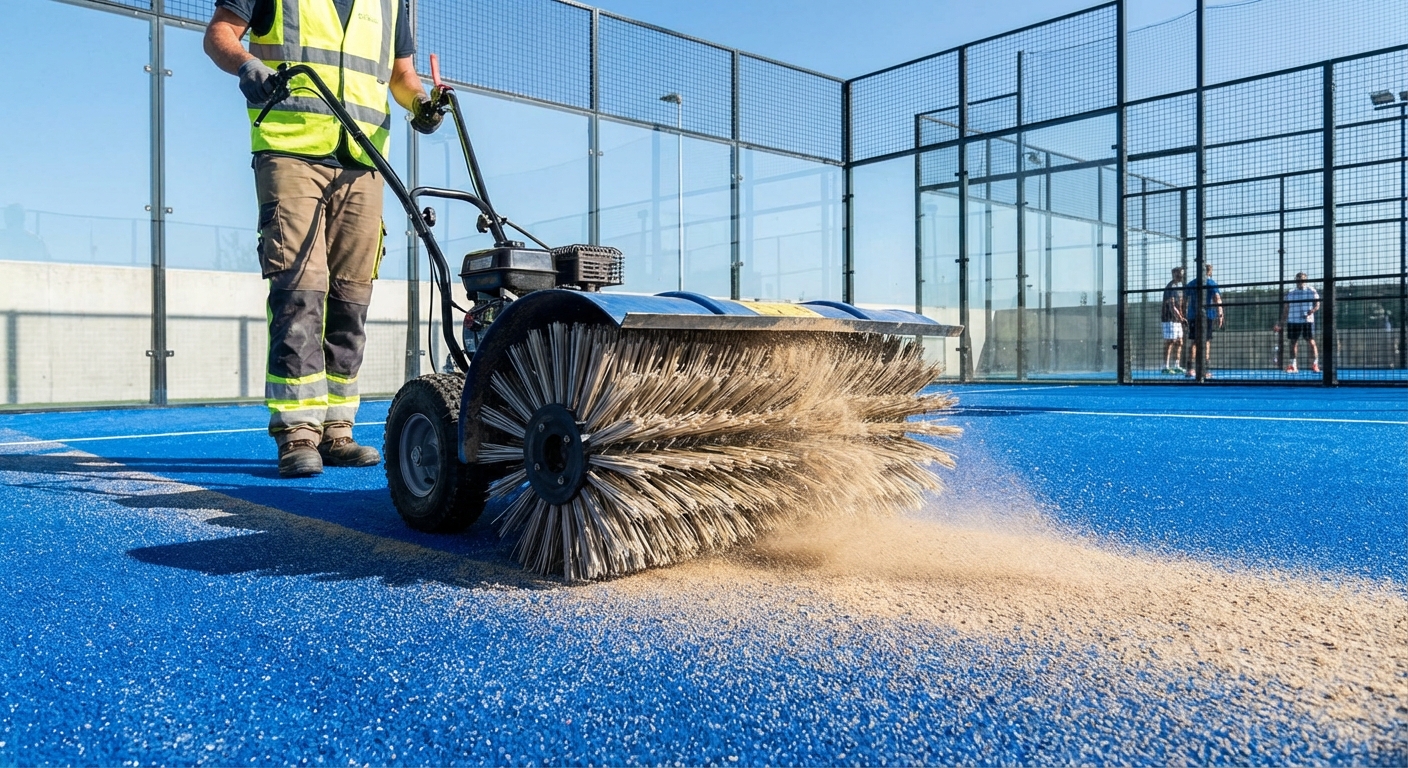
The typical padel court cost ranges from £60,000 to £200,000 depending on your site requirements and facility scale. Many investors struggle with hidden fees and complex planning phases that often lead to project delays. These hurdles can stall your progress and drain your capital before the first game is even played. By following this expert guide, you can navigate the construction process with precision and optimize every pound spent.
What is the average total padel court cost in 2024?
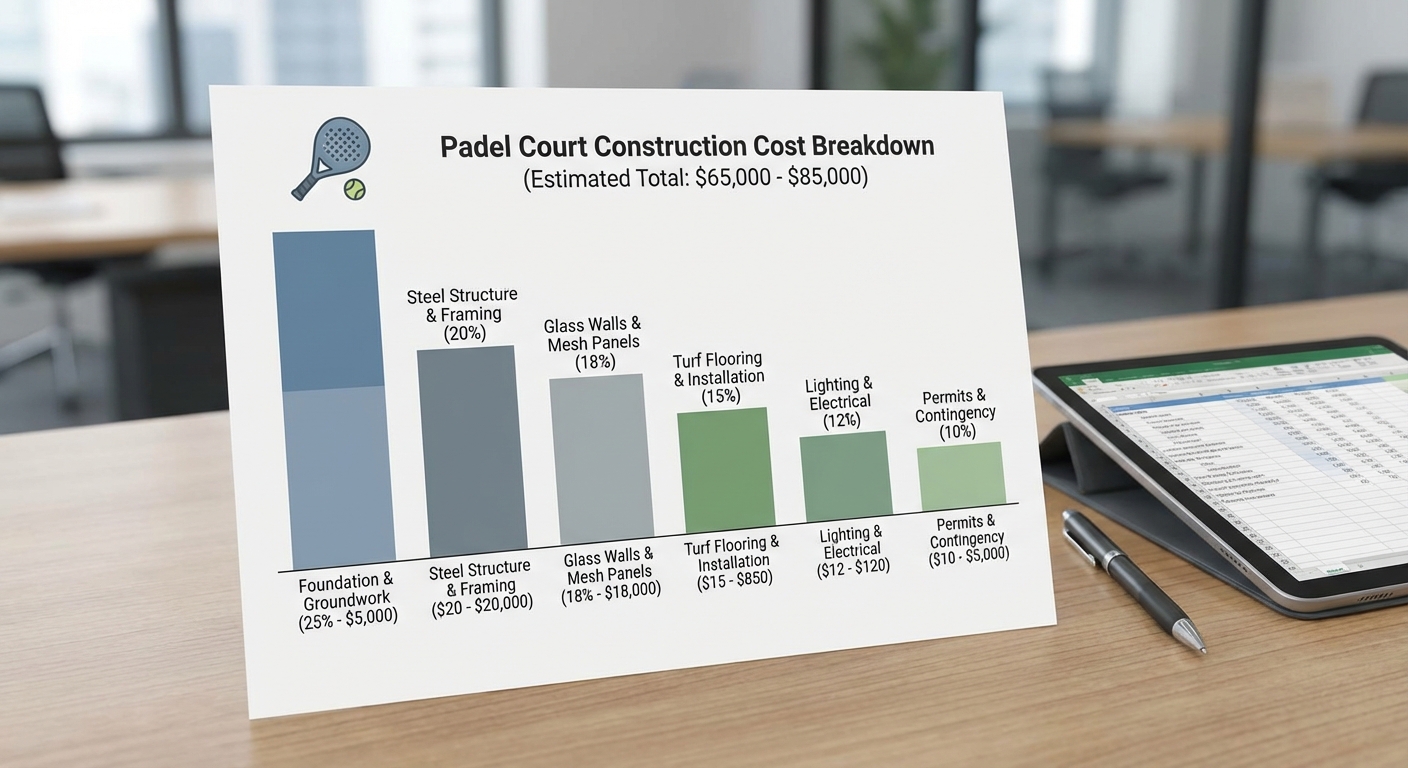
In 2024, the average padel court cost typically settles between £45,000 and £80,000 for a single turnkey commercial installation. Estimating a sports facility budget is notoriously difficult due to fluctuating material prices and regional labor variances. Overlooking a single cost component can lead to unexpected 20% budget overruns. This section breaks down the macro-level investment required for a professional-grade padel installation.
What are the primary UK price ranges for new builds?
Think about it:
- Single court entry-level: £18,000 – £30,000 (basic kit only).
- Commercial turnkey solution: £45,000 – £80,000.
- High-end panoramic multi-court facility: £150,000+.
The padel court construction: costs, dimensions & planning guide highlights that base kit prices remain relatively stable while civil works fluctuate.
How does the total padel court cost scale for multi-court hubs?
Multi-court projects offer significant economies of scale by sharing groundwork and electrical infrastructure expenses. By building three courts at once, you often reduce the per-unit price compared to a standalone project.
Key Takeaway: While kit prices are stable, civil engineering and site-specific factors represent the largest variables in the total budget.
| Facility Type | Est. Cost Range | Primary Audience |
|---|---|---|
| Private/Residential | £35k – £55k | Individual Owners |
| Club Add-on | £60k – £90k | Existing Sports Clubs |
| Commercial Hub | £150k – £250k+ | Professional Operators |
The cost per court decreases significantly when you aggregate site preparation and shipping logistics across multiple units.
How do construction phases impact the padel court cost?
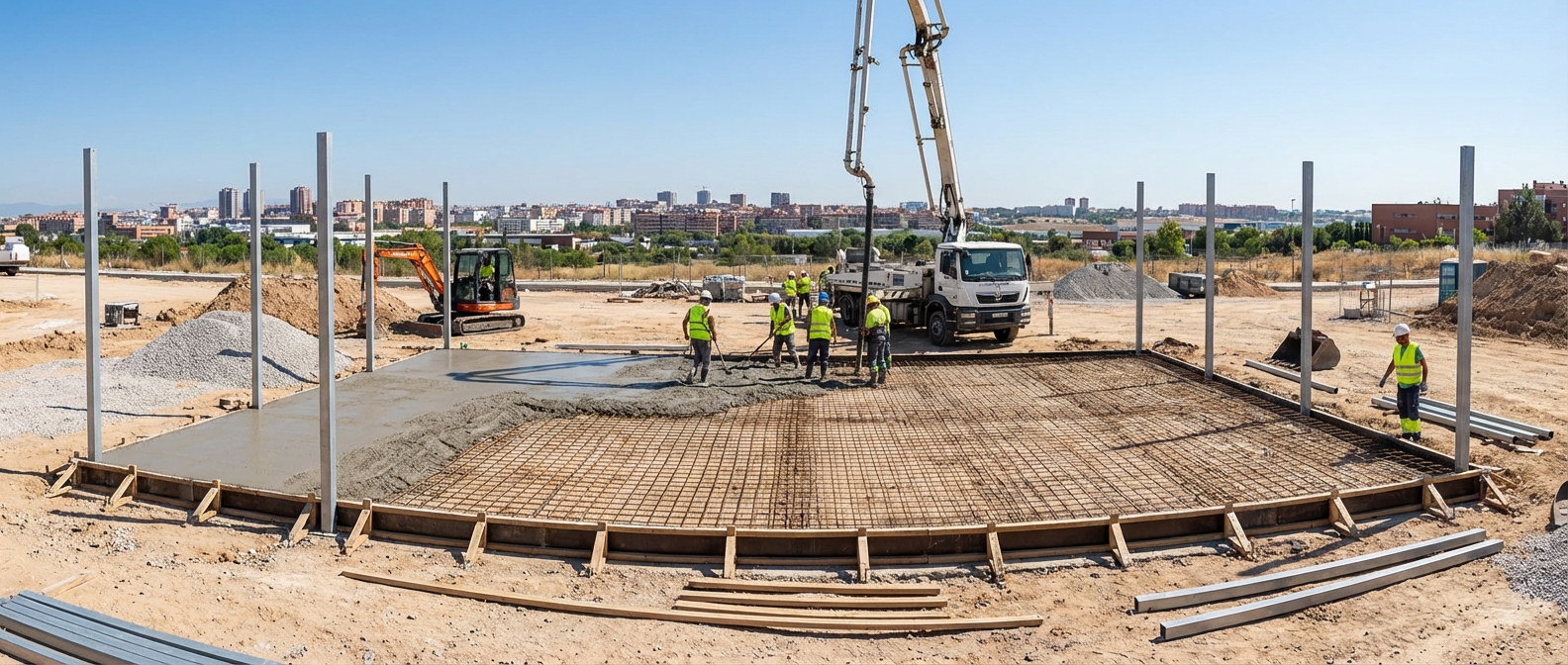
Construction phases dictate the padel court cost by determining the timing of capital outflows and equipment hire durations. Many investors focus solely on the “cage” price and ignore the timeline of construction expenses. Delays in site preparation can double labor costs and delay your return on investment by months. Understanding the chronological flow of expenses ensures capital is allocated efficiently at every milestone.
Why is the excavation phase a major padel court cost?
Here is the kicker:
- Phase 1: Planning & Geotechnical study (£1k – £3k).
- Phase 2: Groundwork & Concrete slab (£20k – £30k).
- Phase 3: Structural assembly (£6k – £10k labor).
Excavation requires heavy machinery and specialist operators who charge by the day or project milestone.
Does the installation timeline affect the padel court cost?
The 7-10 day slab pouring phase is the most sensitive to weather disruptions and equipment rental extensions. Once the foundation is cured, the 3-4 day court assembly is a relatively fixed expense.
Key Takeaway: Efficient project management can reduce equipment rental and labor overhead by nearly 15%.
| Phase | Duration | Cost Weight |
|---|---|---|
| Site Prep | 1-2 Weeks | High (35%) |
| Foundation | 1 Week | Medium (25%) |
| Assembly | 3-5 Days | Low (15%) |
Aligning material delivery with foundation completion prevents expensive storage fees and double-handling of heavy components.
Does location significantly affect the padel court cost?
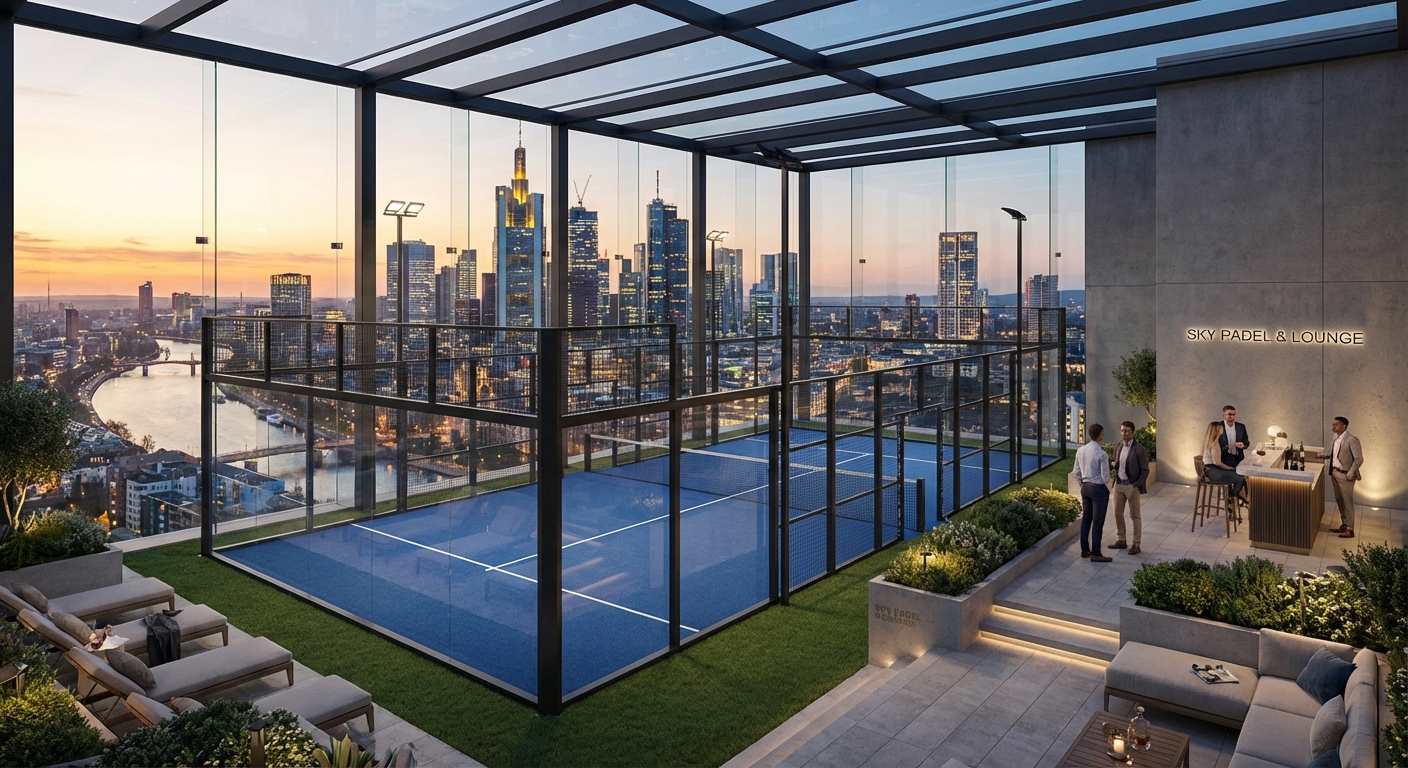
Regional logistics and local labor rates directly alter the total padel court cost for any new venue. A quote for a court in rural Northern England will not match a quote for Central London. Ignoring regional economic factors leads to failed feasibility studies and rejected funding applications. We analyze how site accessibility and regional labor rates shift the financial needle.
How does urban vs rural placement change padel court cost?
But wait, there’s more:
- Urban surcharge: Higher permit fees and restricted access.
- Rural challenges: Higher transport and accommodation costs for specialists.
- Indoor benefit: No need for expensive drainage or UV-resistant upgrades.
Shipping 40ft containers to remote sites adds a layer of logistical complexity and expense.
Do indoor environments reduce the total padel court cost?
Indoor installations often bypass the need for expensive drainage systems and reinforced weatherproofing required for outdoor sites. This allows you to allocate more budget toward premium interior finishes and player amenities.
Key Takeaway: Indoor installations often have a lower “court-specific” cost but higher “facility-specific” lease or overhead costs.
| Location Factor | Cost Impact | Reason |
|---|---|---|
| Remote/Rural | +£2k – £5k | Logistics/Transport |
| Central London | +£5k – £10k | Permitting/Labor |
| Existing Indoor | -£5k – £8k | Foundation Savings |
Site-specific environmental factors such as wind load requirements are significantly reduced within an indoor shell.
Which materials drive up the premium padel court cost?
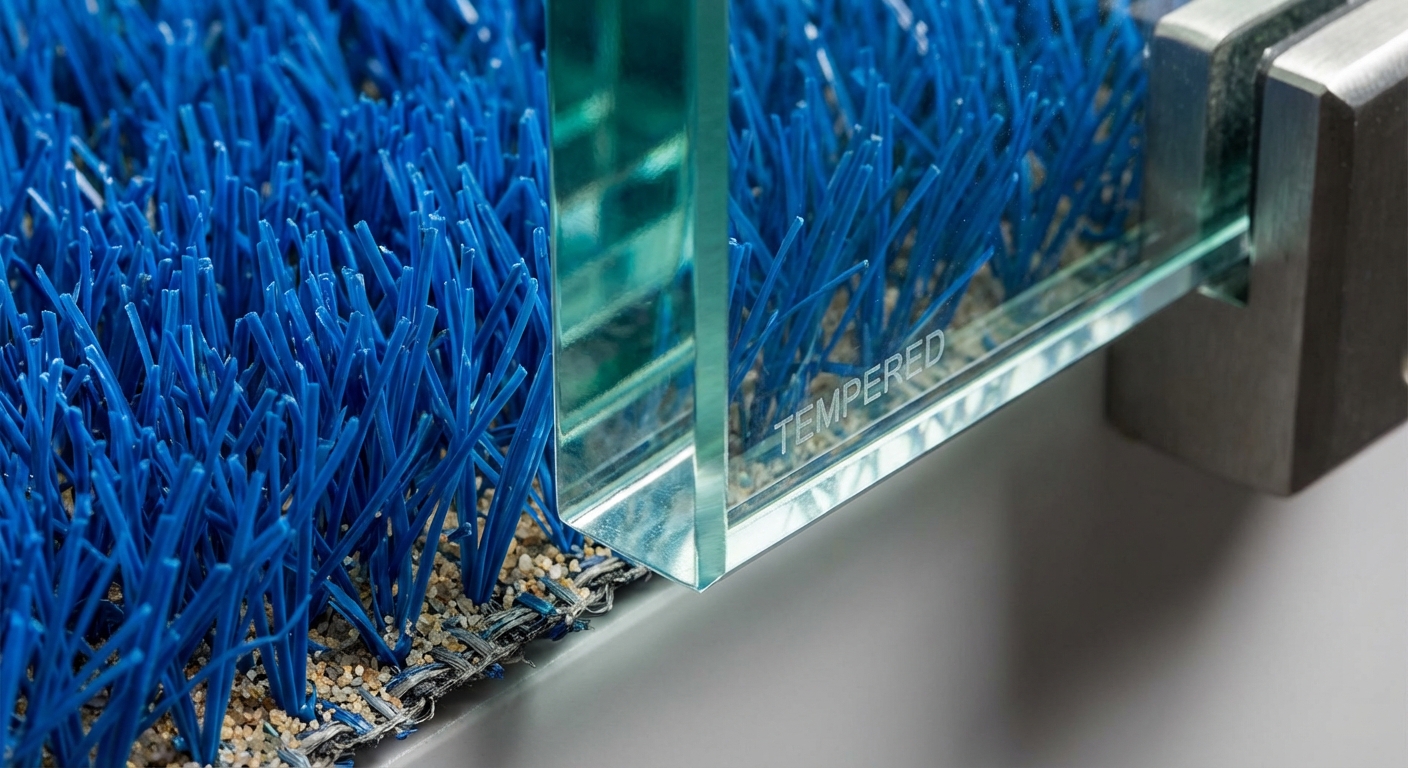
Premium material selections increase the initial padel court cost but offer superior durability and better ball performance. Selecting the wrong glass or turf can lead to a court that looks cheap and requires early replacement. Replacing turf every few years instead of every decade doubles your long-term maintenance liability. Investing in high-spec materials from the start lowers the overall total cost of ownership.
Does glass thickness influence the padel court cost?
The truth is:
- 12mm Tempered Glass: Enhanced safety and ball rebound quality.
- Fibrillated Turf: Lower initial cost, higher maintenance.
- Monofilament Turf: Higher cost, professional aesthetics.
Referencing the SAPCA Code of Practice for Padel Courts ensures your glass and steel meet strict safety standards.
How do turf specifications affect the padel court cost?
Textured monofilament turf provides a professional-grade surface that retains sand better than cheaper fibrillated options. While the upfront price is higher, the reduced frequency of sand top-ups saves you time and money.
Key Takeaway: Choosing professional-tour-grade materials is a one-time cost that significantly increases player retention and safety.
| Component | Standard Option | Premium Option | Cost Delta |
|---|---|---|---|
| Glass | 10mm | 12mm | +£1,500 |
| Turf | Polypropylene | Textured Monofilament | +£2,000 |
| Structure | Basic Steel | Zinc Primed | +£1,800 |
Superior materials reduce long-term structural fatigue and ensure your venue remains attractive to high-level competitors.
Why does groundwork influence the padel court cost?
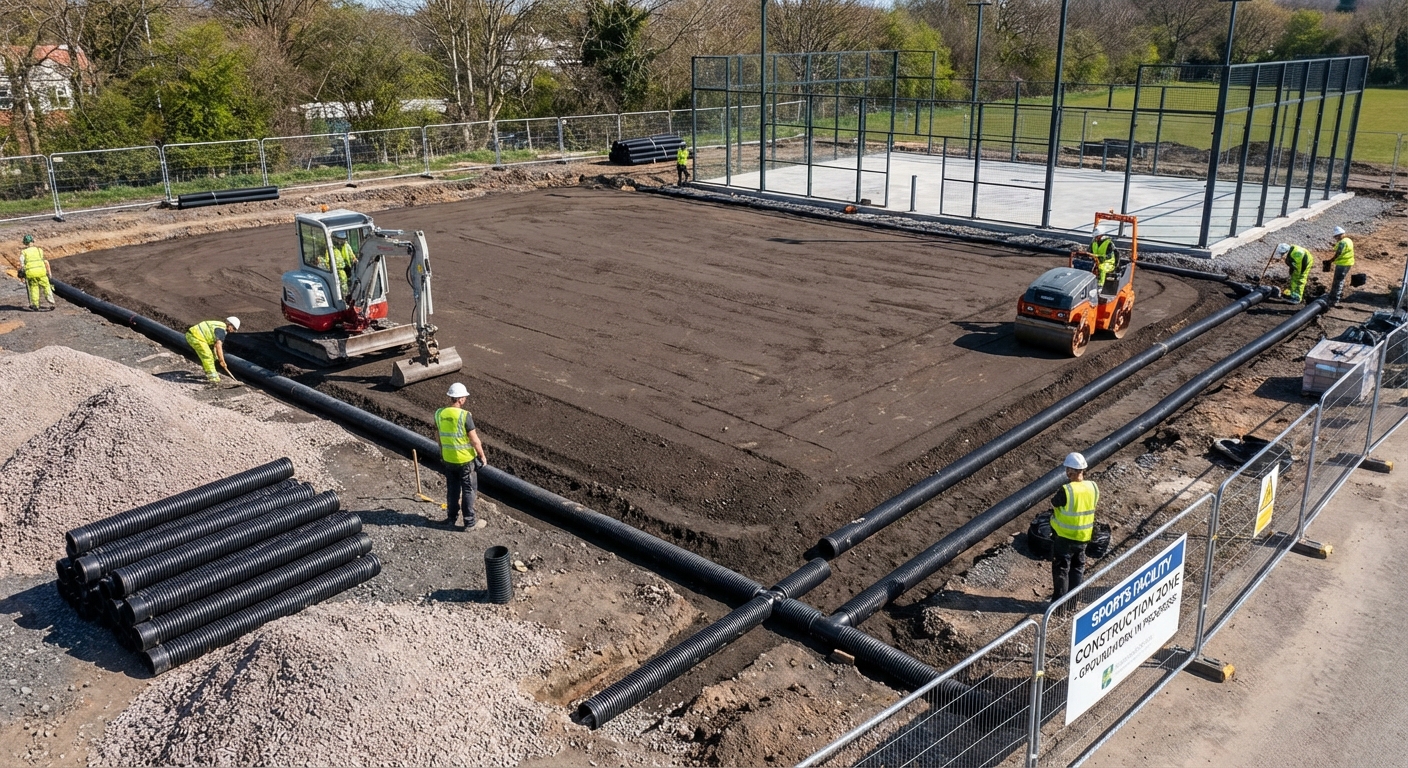
Sub-surface engineering is a critical factor that can fluctuate the padel court cost based on soil stability. Many owners view the ground as “just dirt” until they face a drainage failure after the first storm. Improper groundwork leads to slab cracking or turf bubbling, which are catastrophic to repair later. Proper civil engineering is an insurance policy for your court’s lifespan.
Does poor soil quality increase the padel court cost?
You might be wondering:
- Soil testing: Identifies the need for deeper pilings or stabilization.
- Drainage systems: Prevents water pooling and turf degradation.
- Sub-base layers: Sand and gravel requirements for structural stability.
Poor ground conditions necessitate the use of reinforced concrete or deeper foundations to prevent shifting.
Why is drainage a non-negotiable padel court cost?
Investing in high-quality French drains or porous concrete prevents surface water from undermining the turf’s adhesive layer. This keeps the court playable immediately after rain, maximizing your revenue-generating hours.
Key Takeaway: Groundwork is where “hidden” costs live; never skip a professional soil analysis before breaking ground.
| Ground Condition | Required Action | Estimated Cost |
|---|---|---|
| Stable/Flat | Standard Slab | £20,000 |
| Poor Drainage | French Drains/Piping | +£4,000 |
| Uneven/Slope | Retaining Walls | +£7,000+ |
Investing in a robust foundation ensures the glass cage remains perfectly aligned and safe for intense play.
Can revenue potential offset the initial padel court cost?
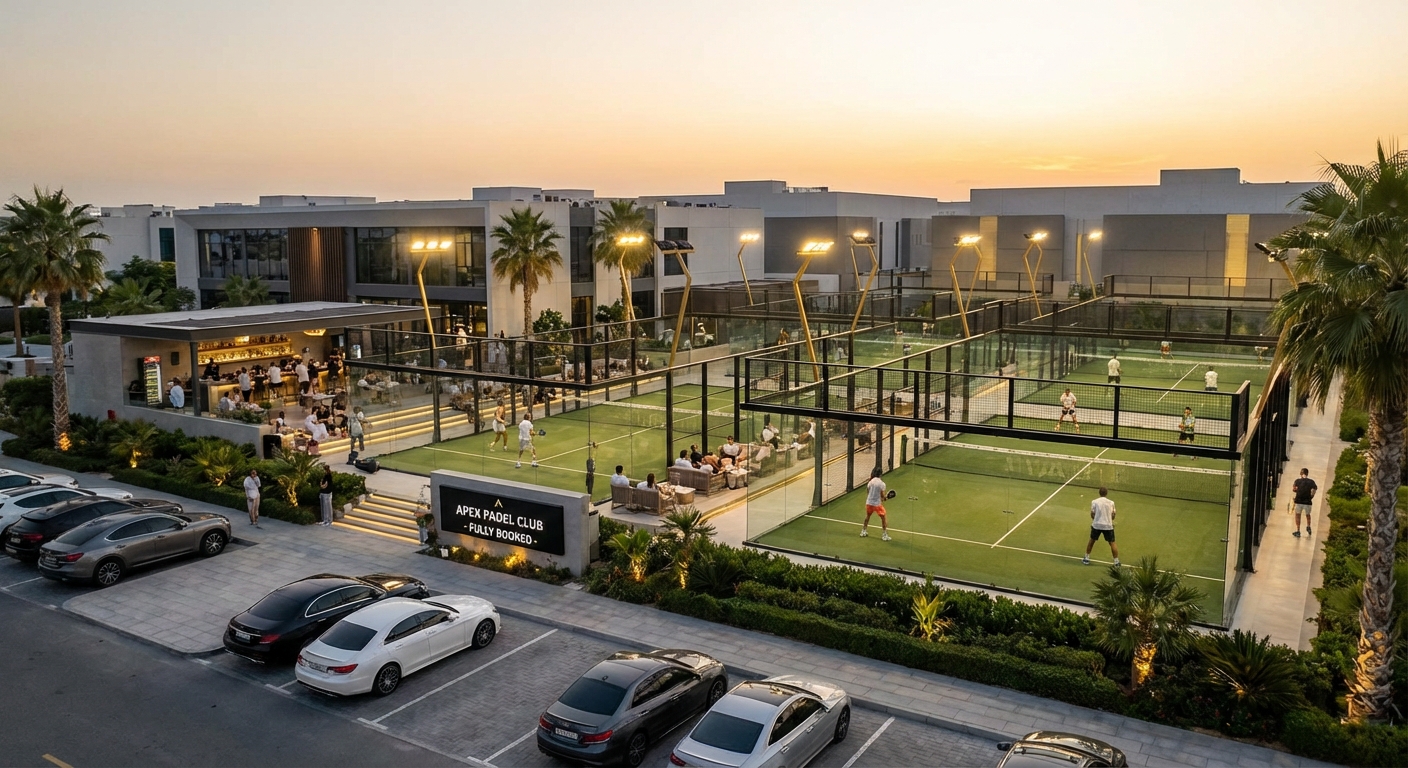
Commercial operators find that high court hire rates quickly amortize the initial padel court cost. Padel is a high-CAPEX investment that can feel daunting for club committees initially. Failing to calculate the ROI means missing out on the fastest-growing revenue stream in racquet sports. We use industry data to show how court hire fees rapidly pay back construction debt.
How do hourly hire rates influence padel court cost ROI?
Let’s look at the numbers:
- Peak revenue: £40 – £50 per hour in high-demand zones.
- Low maintenance: Only 2-4 hours of brushing per month.
- High density: 4 players per 200sqm vs. 2 players per 600sqm (tennis).
The padel operators | manage & grow your padel venue resource provides deeper regional pricing insights for your business plan.
What is the payback period for a standard padel court cost?
With average occupancy rates between 40% and 60%, most venues reach a break-even point in under three years. This makes padel one of the most attractive additions for existing sports clubs with underutilized space.
Key Takeaway: Most commercial padel courts achieve a full ROI within 24 to 36 months of operation.
| Region | Avg. Rate (Peak) | Annual Revenue (Est) |
|---|---|---|
| London | £37 – £48 | £80,000+ |
| Midlands | £25 – £30 | £55,000 |
| North | £20 – £25 | £40,000 |
Padel generates significantly more revenue per square meter than almost any other traditional racquet sport.
How do court models change the total padel court cost?
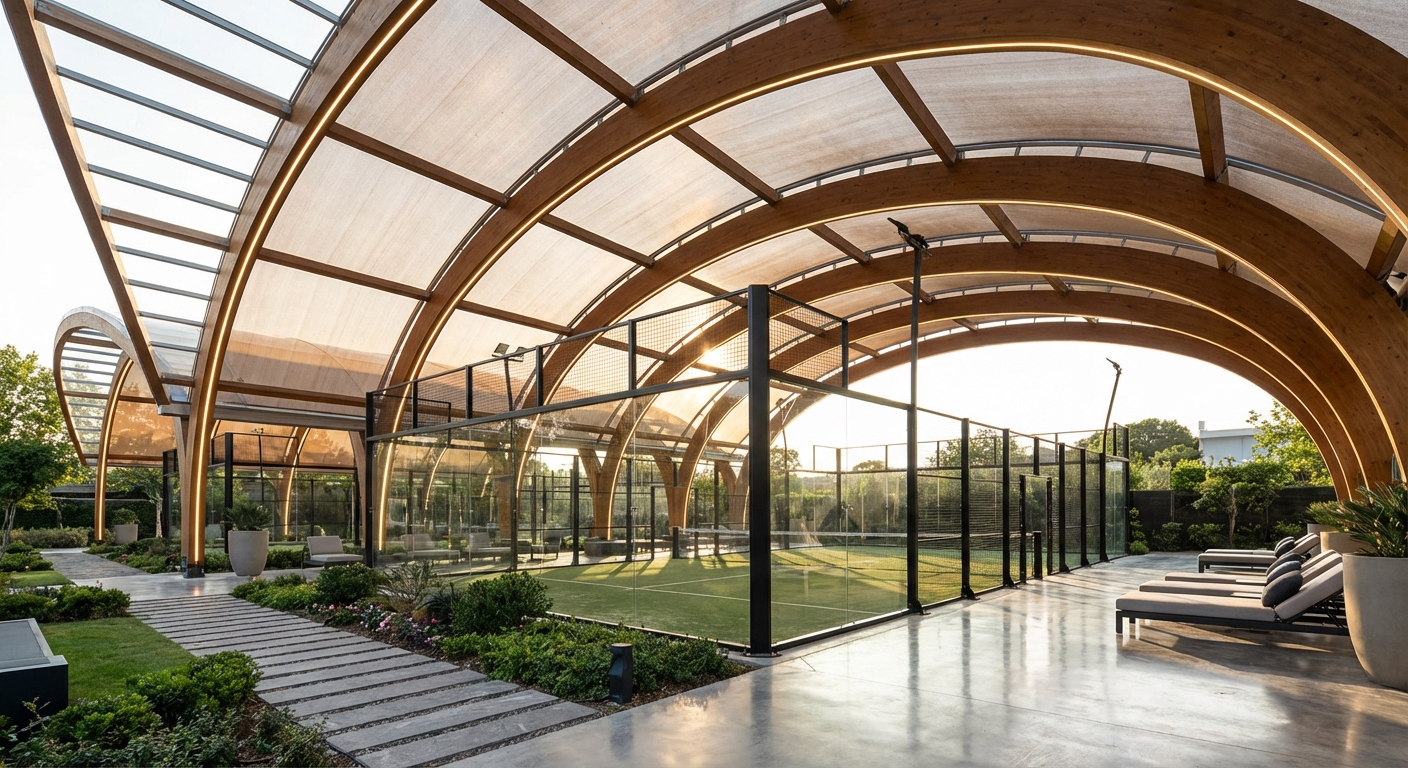
Choosing between pillar and panoramic designs will significantly adjust the total padel court cost for your project. Beginners often don’t know the difference between a standard pillar court and a full panoramic infinity model. Buying a panoramic court for a low-visibility area is a waste of money, while pillar courts for televised events are a branding disaster. Match the court model to your venue goals to optimize spend.
Is a panoramic design worth the extra padel court cost?
Case in point:
- Vision Model: Integrated pillars, most robust for high-wind areas.
- Panoramic Model: No corner pillars, best for spectator viewing.
- Infinity Model: Full-glass aesthetic, the gold standard for tournaments.
The absence of vertical pillars in panoramic models creates a premium viewing experience that attracts major sponsors.
Does a portable kit significantly lower padel court cost?
Portable kits allow for temporary installations at events without the massive expense of permanent concrete foundations. While the kit itself is specialized, you save significantly on long-term civil works and site remediation.
Key Takeaway: Choose the “Vision” model for cost-effective durability and “Panoramic” for high-traffic commercial hubs.
| Model Tier | Structural Feature | Relative Cost |
|---|---|---|
| Base (Vision) | Pillars/Frames | $ (Entry) |
| Mid (Panoramic) | Open Corners | $$ (Standard) |
| Elite (Infinity) | Full View/Max Strength | $$$ (Premium) |
Your choice of court model should reflect the expected level of competition and the visibility of the site.
What hidden fees increase the overall padel court cost?
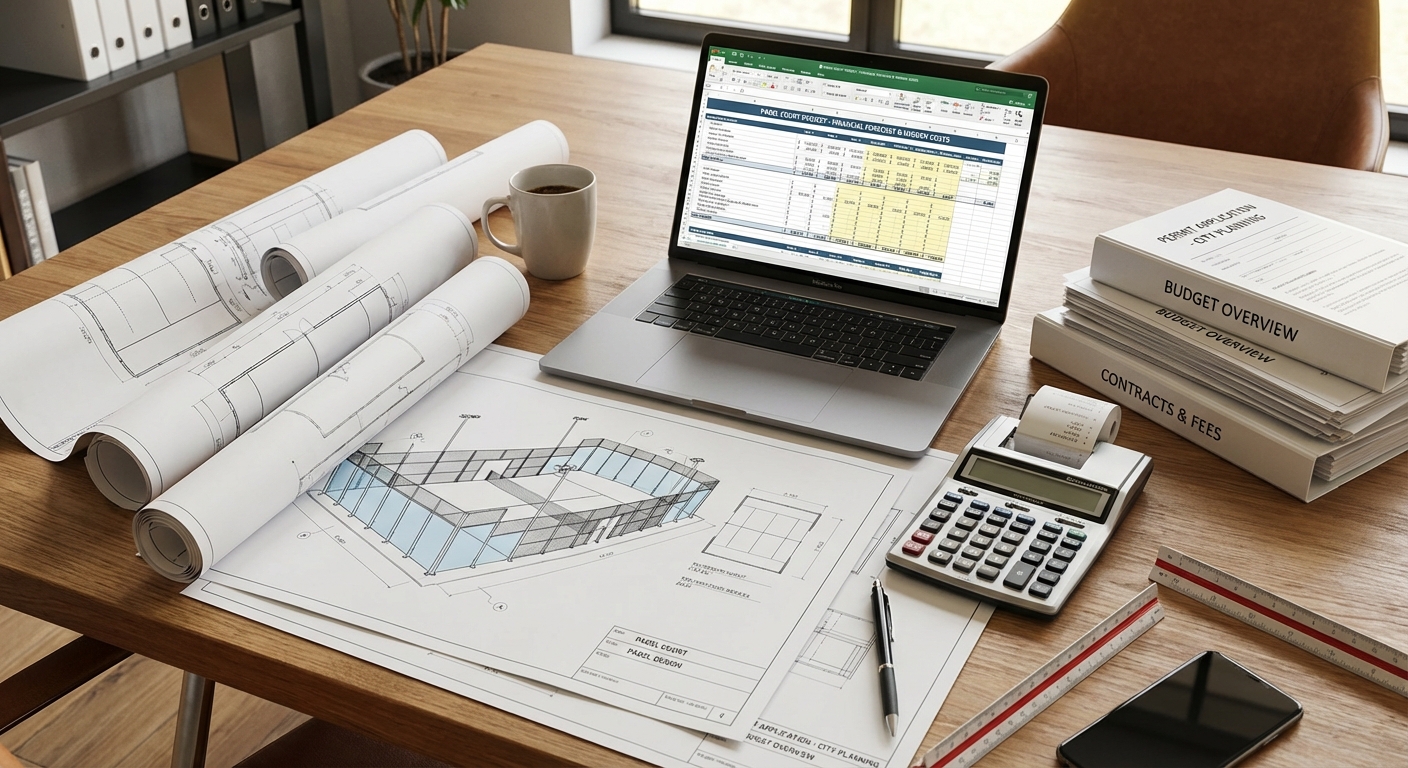
Soft costs and logistics frequently add 15-20% to the initial padel court cost estimate. You’ve budgeted for the court, but forgot about the lights, the permits, and the shipping containers. Realizing mid-project that you need £10,000 more for electrical hookups can kill the momentum of your build. A comprehensive checklist of hidden fees is essential for first-time builders.
How much do permits and zoning add to padel court cost?
Don’t get caught off guard:
- Planning Permission: £1,500 – £5,000.
- Electrical Installation: £2,000 – £4,000.
- Lighting: £1,800 – £8,000 (depending on lux levels).
International shipping typically requires an £8,000 budget per container, which must be accounted for early.
Do shipping and logistics impact the padel court cost?
Transporting heavy glass and steel from manufacturing hubs in Spain or elsewhere requires specialized logistics partners. Delays at ports or inland transport bottlenecks can quickly inflate your on-site storage and labor costs.
Key Takeaway: Soft costs typically account for 15-20% of the total project budget and should be planned for in the initial phase.
| Hidden Item | Avg. Cost | Frequency |
|---|---|---|
| Geotechnical Study | £2,000 | Once |
| Shipping/Logistics | £8,000 | Per Container |
| Lighting/Electrical | £5,000 | Per Court |
Ensure your electrical supply can handle the load of high-intensity LED lighting before finalizing your construction schedule.
Can grants help reduce your total padel court cost?
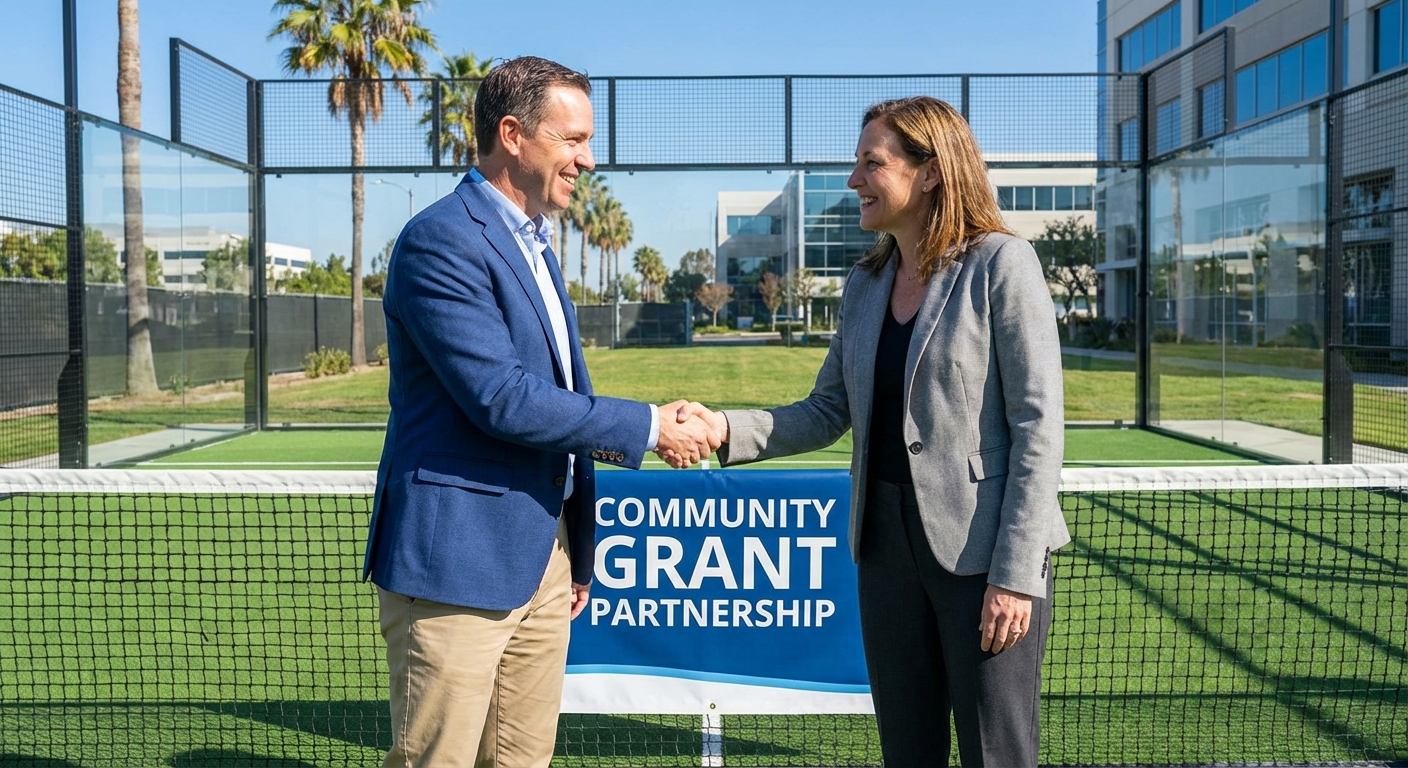
Strategic funding can reduce your total out-of-pocket padel court cost by up to 50% for eligible clubs. The high entry price of padel is the biggest barrier for non-profit sports facilities. Many clubs aren’t aware that millions of pounds are earmarked specifically for padel development across the country. Leveraging national governing body funding is a game-changer for community venues.
What LTA funding options lower the padel court cost?
The best part?
- LTA Quick Access Loans: For smaller facility upgrades and individual courts.
- Facility Grants: For strategic growth areas and community projects.
- Venue Registration: Provides access to exclusive supplier discounts and support.
The padel facilities: funding & access solutions page provides detailed eligibility criteria for these capital injections.
Are there registration benefits for padel court cost?
Registering your venue grants you access to bulk-buying schemes and vetted suppliers who understand the LTA’s construction standards. This often leads to lower material costs and more favorable financing terms for new builds.
Key Takeaway: Strategic partnerships with governing bodies are the most effective way to mitigate high construction costs.
| Funding Type | Max Amount | Primary Criteria |
|---|---|---|
| LTA Loan | Varies | Strategic Growth |
| Club Grant | Up to 25% | Community Access |
| Private Investment | 100% | Commercial ROI |
Utilizing interest-free loans allows you to preserve cash flow while scaling your facility more aggressively.
How does maintenance lower long-term padel court cost?
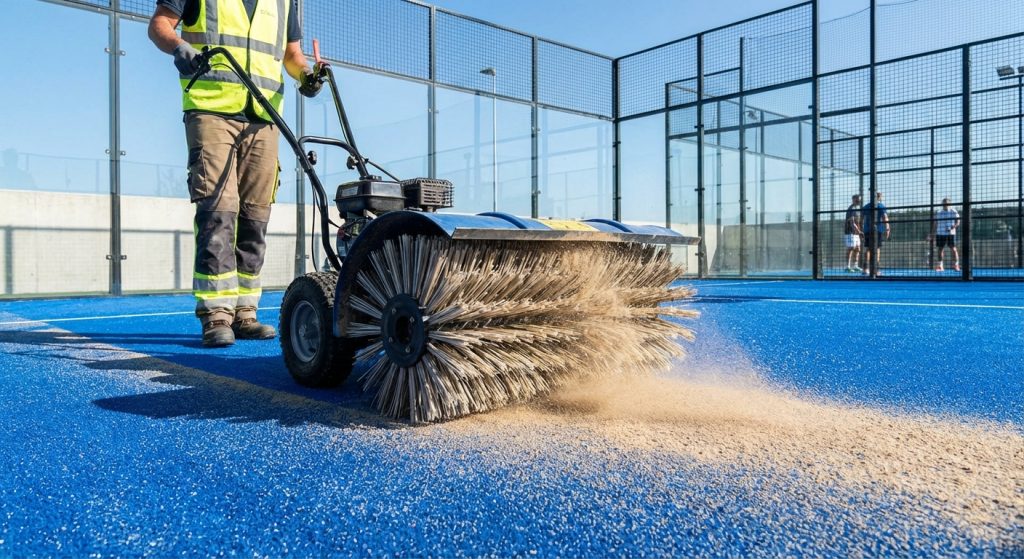
A proactive maintenance schedule protects your investment and ensures the long-term padel court cost remains low. Owners often “set it and forget it,” only to find the turf matted and the glass loose within two years. A neglected court becomes a safety hazard, leading to potential liability costs and expensive surface repairs. Regular care is the best way to extend the lifespan of your facility.
Does regular brushing reduce the total padel court cost?
Pro tip:
- Weekly: Surface brushing and debris removal to prevent moss growth.
- Monthly: Glass cleaning and sand level checks for consistent bounce.
- Annual: Professional structural inspection and deep cleaning of the turf.
Integrating maintenance into your operational plan is made easier through padel court registration resources.
How do safety inspections protect your padel court cost?
Professional annual inspections identify loose bolts or structural fatigue before they lead to catastrophic failure. Spending a small amount on preventative checks saves you from the massive expense of structural replacements.
Key Takeaway: Spending £500 a year on maintenance can prevent a £15,000 premature surface replacement.
| Maintenance Task | Frequency | Cost (Est) |
|---|---|---|
| Surface Brushing | Weekly | DIY / £20 |
| Glass Cleaning | Monthly | £50 |
| Bolt Tightening | Quarterly | DIY / £100 |
Maintaining proper sand levels prevents the turf fibers from folding over, ensuring the surface remains fast and safe for years.
Building a world-class padel venue requires a balance of high-quality materials and efficient project management. This article has solved the problem of navigating complex construction budgets by providing clear price benchmarks and ROI data. Whether you are converting an old tennis court or breaking ground on a new commercial hub, we are here to support your growth. Our industry vision is to make padel the most accessible and profitable racquet sport in the world. Please contact us today to start your journey and receive a custom consultation for your project.
FAQ
Can I build a padel court on an existing tennis court?
Yes. Conversion is often the most cost-effective route as it utilizes existing foundations and reduces site preparation expenses significantly.
What is the best way to secure planning permission for a court?
It depends. While many councils are supportive of padel, you should hire a specialist consultant to handle lighting impact and noise assessments to ensure success.
How do I know if my soil is suitable for a concrete slab?
It depends on the results of a geotechnical study. A professional survey is the only way to confirm if your ground requires reinforcement or drainage upgrades.
Can I install the court myself to save on labor costs?
No. The precision required for leveling the sub-base and aligning the heavy glass panels necessitates a professional installation team for safety and performance.
What’s the best lighting for an outdoor padel court?
Yes, LED point lighting is the industry standard. It provides the necessary lux levels for evening play while remaining energy-efficient and minimizing light spill to neighbors.