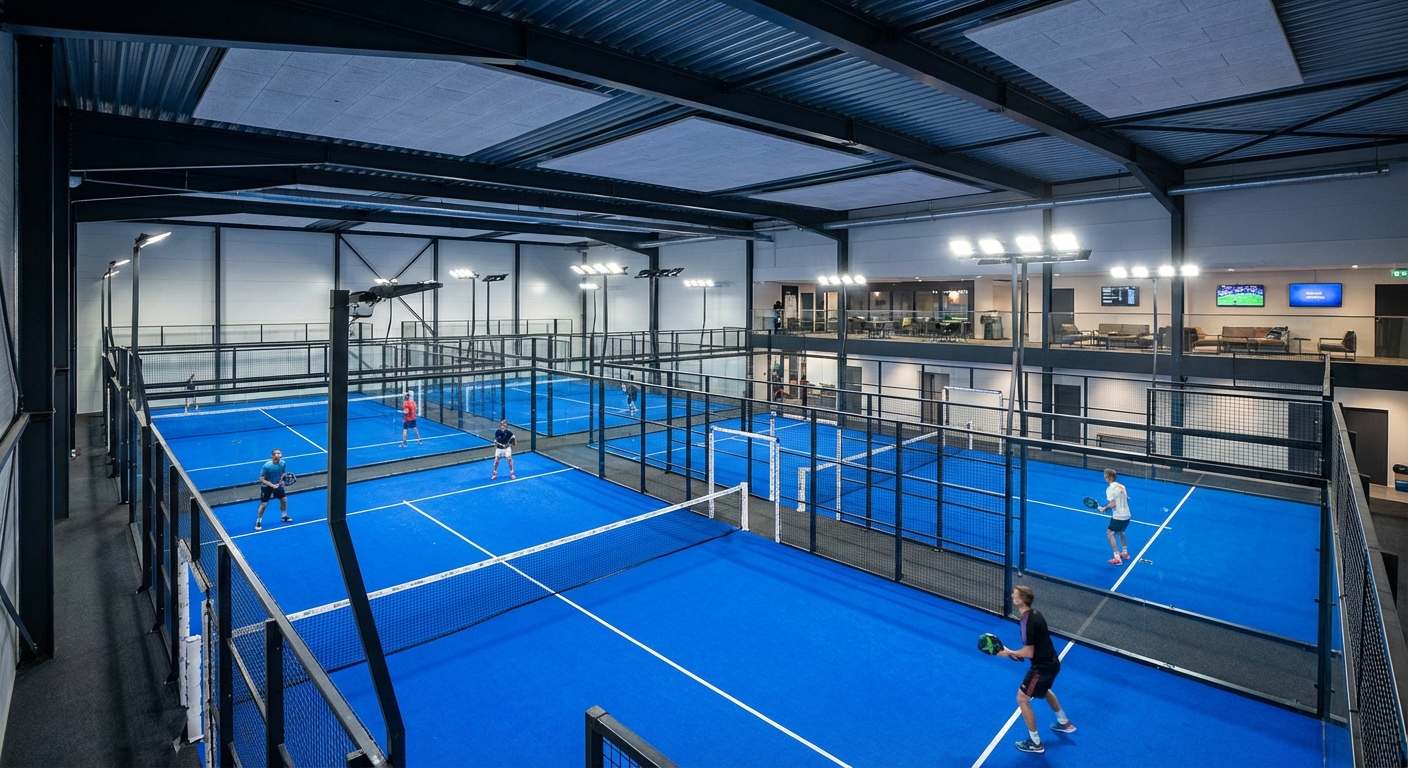
Success as padel players involves mastering a combination of tactical intelligence, physical explosive power, and playing on professional-grade court infrastructure. Many enthusiasts find themselves plateauing because they focus solely on their swing while ignoring the science behind the court surface and structural environment. You can bridge this gap by aligning your training with a deep understanding of the equipment and facilities that define the modern game. Learn how to optimize your environment and skills to join the ranks of elite padel players .
Why do padel players need specific rackets?
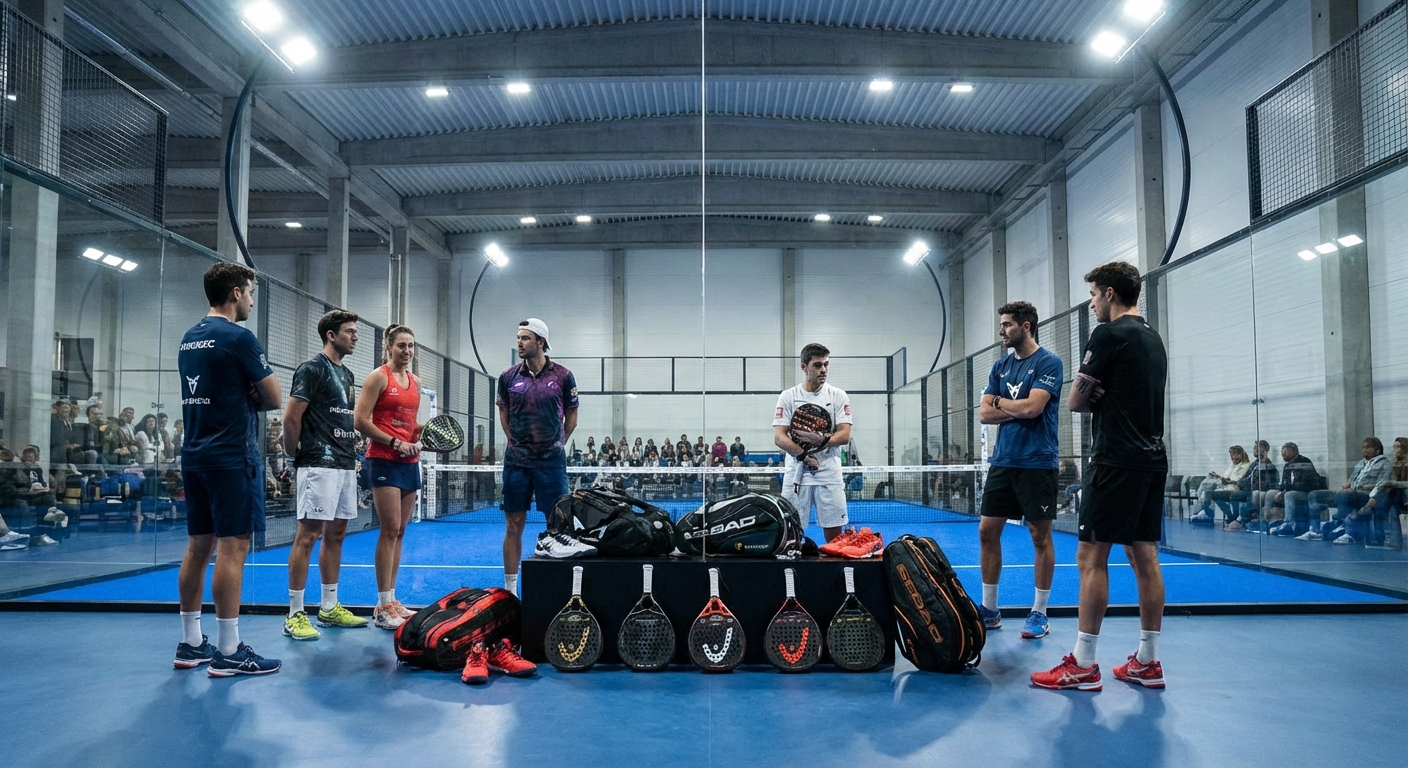
Elite padel players select specialized rackets to ensure a perfect balance between power for smashes and control for delicate volleys at the net. Using the wrong equipment can lead to inconsistent performance and increased fatigue during long matches.
You should consider how racket geometry and weight distribution impact your specific role on the court. Most professional-grade rackets utilize advanced materials to enhance the sweet spot and vibration absorption.
Choosing the right weight
The weight of a racket determines how much mass you can put behind the ball and how quickly you can react. Heavier rackets provide stability for powerful shots, while lighter versions offer agility for defensive maneuvers.
Here is the deal:
- Light rackets (under 360g) are ideal for defensive players.
- Mid-weight rackets (360g-370g) offer a versatile balance.
- Heavy rackets (over 375g) maximize smashing power.
Understanding core materials
The internal foam of a racket influences the “touch” or feel of the ball upon impact. High-density cores provide more precision for advanced athletes who can generate their own power.
Check this out:
- EVA Hard cores offer maximum control.
- Foam/Polyethylene provides a softer, more comfortable feel.
- Hybrid cores attempt to bridge the gap between both styles.
Key Takeaway: Choosing equipment based on technical specifications rather than brand names helps athletes achieve a more consistent and powerful game.
| Equipment Factor | High Performance Impact | Primary Benefit |
|---|---|---|
| Racket Shape | Diamond / Teardrop | Increased Power |
| Weight | 370g – 380g | Stability |
| Frame Material | Carbon Fiber 12K | Durability |
Selecting a racket that complements your physical strength is the first step toward competitive dominance.
How can padel players master the smash?
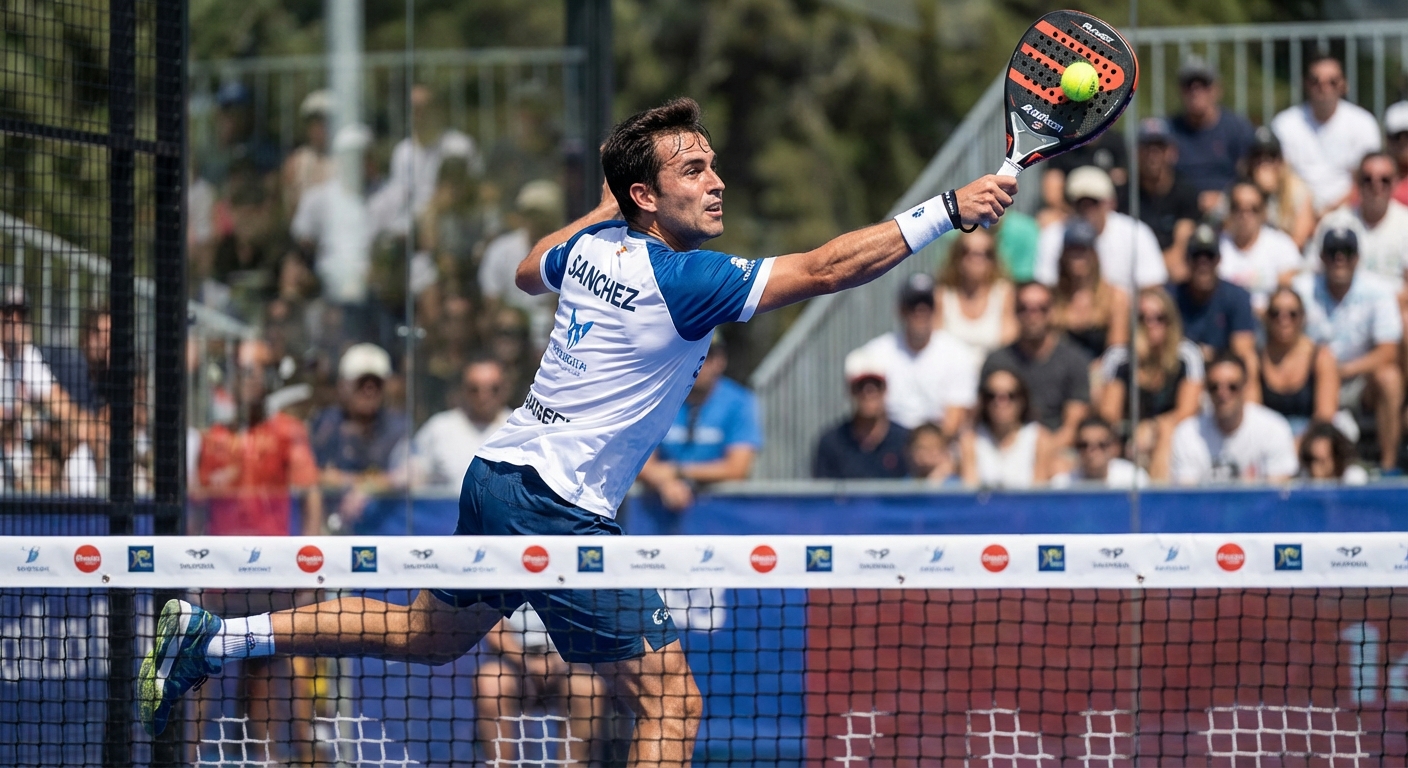
Mastery of the overhead smash for padel players requires high-point impact and correct wrist snap to bring the ball back to their side or out of the court. This shot is the ultimate weapon for ending points quickly when the opponent leaves a lob short.
Technical precision is often more important than raw strength when executing a world-class smash. You must coordinate your entire body, from the feet up to the fingertips, to generate maximum torque.
The technical execution
Successful execution starts with early preparation and positioning your body sideways to the ball. This allows you to use your core muscles to drive the racket through the contact zone.
Wait, there is more:
- Keep your non-dominant hand pointing at the ball.
- Impact the ball at the highest possible extension.
- Snap your wrist downward at the moment of contact.
Using the body’s rotation
Generating power comes from the rotation of the hips and shoulders rather than just the arm. This “kinetic chain” ensures that you don’t put excessive strain on your elbow or shoulder joints.
But wait, there is more:
- Start with a solid, balanced base with your feet.
- Rotate your torso as you begin the upward swing.
- Follow through across your body to maintain balance.
Key Takeaway: Offensive dominance is built on a foundation of technical wrist snap and leveraging the body’s rotation for explosive power.
| Smash Type | Target Area | Desired Result |
|---|---|---|
| Power Smash | Back Glass | Ball returns over net |
| X3 Smash | Side Fence | Ball exits the court |
| Top-Spin Smash | High Bounce | Forces opponent error |
Mastering these variations allows you to keep opponents guessing and control the rhythm of the net.
What training helps padel players thrive?
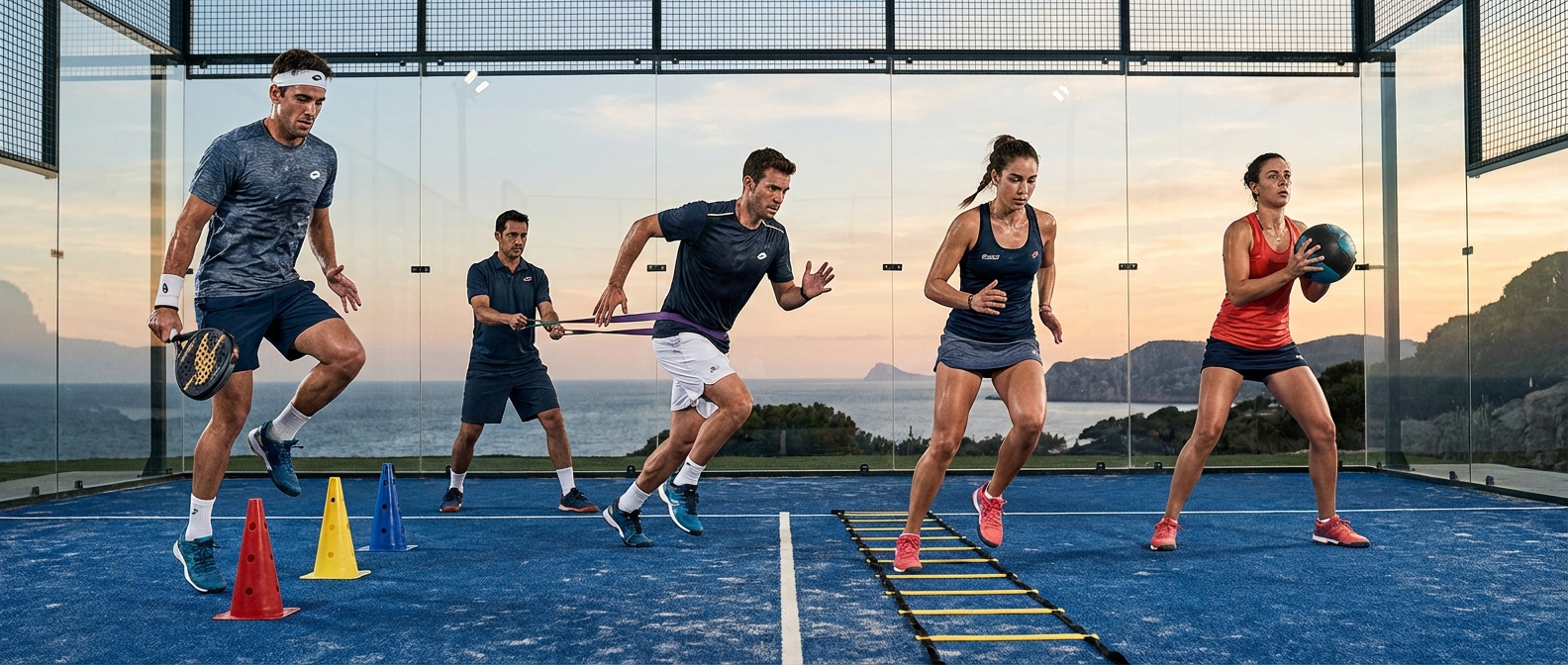
Thriving padel players engage in high-intensity lateral agility drills and core strength programs to handle the rapid direction changes required in elite matches. Without specific conditioning, even the best technicians will struggle as the match goes into a third set.
Physical training must mimic the “start-stop” nature of the sport. You need explosive power to reach the net and endurance to stay there for the duration of a tournament.
Improving lateral agilityDrills
Agility is the ability to move quickly and easily on the court, especially when transitioning between defense and offense. Ladder drills and cone sprints are standard tools for building these fast-twitch muscle fibers.
Here is the kicker:
- Focus on short, explosive steps.
- Maintain a low center of gravity at all times.
- Practice moving diagonally as well as laterally.
Building core stability
A strong core acts as the anchor for every shot, providing the stability needed to hit accurate volleys while moving. It also helps prevent lower back injuries caused by the repetitive twisting motions of the game.
The best part?
- Planks improve static stability for volleys.
- Russian twists build rotational power for smashes.
- Leg raises help with balance during high lobs.
Key Takeaway: A holistic training approach that balances physical power with superior lateral agility is essential for professional excellence.
| Training Focus | Exercise Type | Impact on Game |
|---|---|---|
| Speed | Box Jumps | Net acceleration |
| Strength | Weighted Squats | Lower body stability |
| Flexibility | Yoga / Stretching | Injury prevention |
Consistent conditioning ensures that your technical skills remain sharp even during the final points of a long match.
Where do padel players find top facilities?
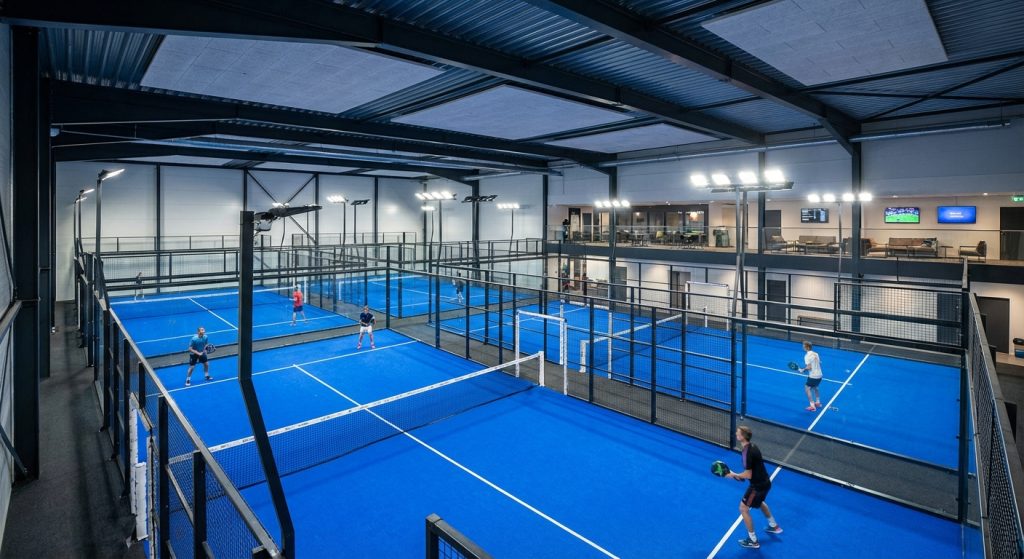
Elite padel players seek out clubs that utilize high-density monofilament grass and panoramic glass to ensure consistent ball bounce and maximum visibility. The quality of the court infrastructure directly impacts how well you can execute technical shots.
You should prioritize facilities that invest in international standard components. Poorly maintained courts can lead to unpredictable ball behavior and increased risk of joint injuries.
Choosing the right surface
The synthetic turf is the most important part of the court for player safety and ball speed. Professional facilities use fibrillated or monofilament grass that allows for controlled sliding and predictable bounces.
Listen closely:
- Monofilament turf offers the most consistent bounce.
- Fibrillated grass is highly durable for high-traffic clubs.
- Proper sand distribution is vital for joint health.
Assessing court structure
The glass and steel frame must be rigid enough to handle the impact of athletes and the vibration of the ball. Panoramic courts provide an unobstructed view, which is essential for both players and spectators.
The truth is:
- 12mm tempered safety glass is the industry standard.
- Hot-dip galvanized steel prevents rust in outdoor settings.
- LED lighting must provide uniform coverage without shadows.
Key Takeaway: Training in a premium environment with professional-grade courts is essential for developing high-level skills safely.
| Facility Detail | Technical Standard | Benefit to Player |
|---|---|---|
| Glass Wall | 12mm Tempered | Safety and Durability |
| Lighting | IP66 LED Floodlights | No shadows / High visibility |
| Grass Type | High-Density PE | Consistent ball bounce |
High-quality infrastructure allows you to focus on your strategy rather than worrying about the environment.
Why must padel players focus on recovery?
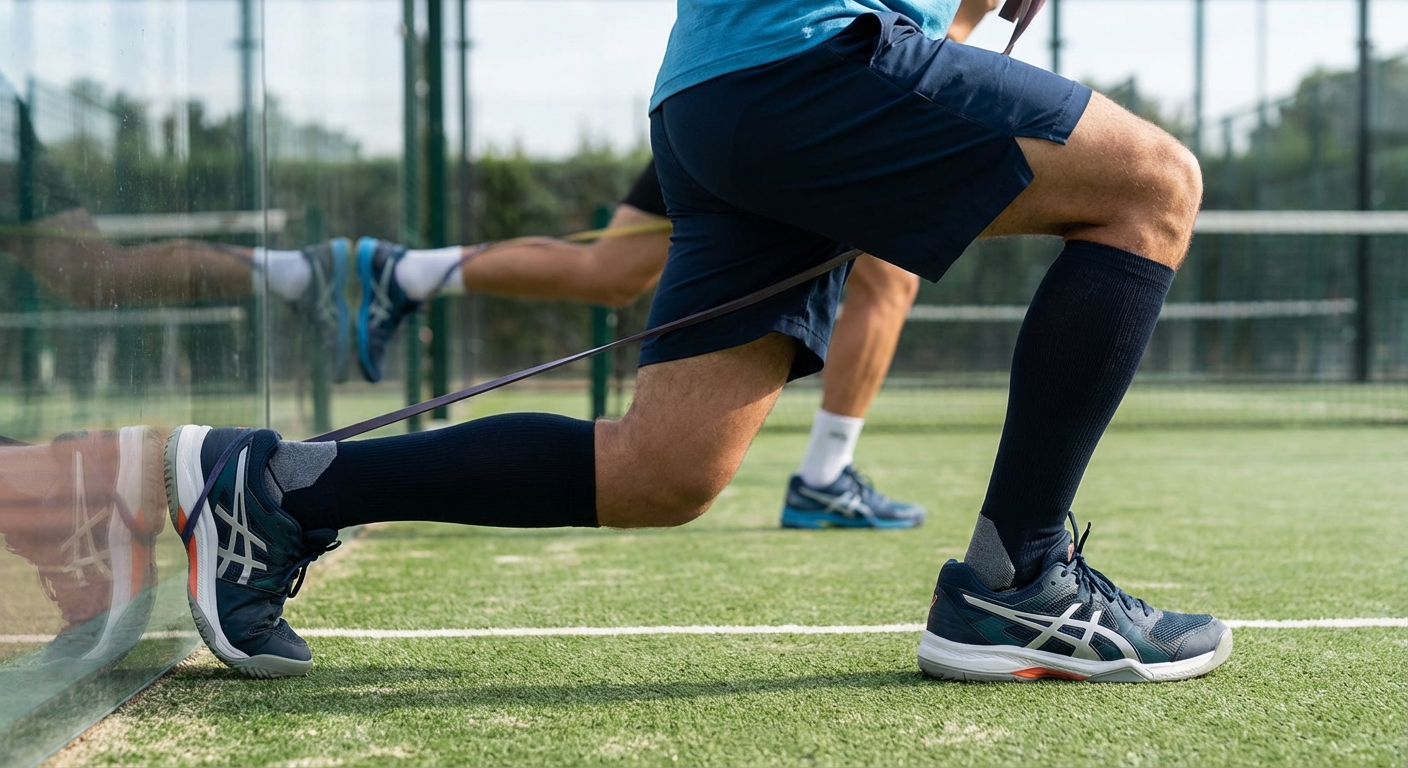
Consistent recovery is vital for padel players to prevent common joint strains and maintain peak performance across a long, demanding season. Ignoring the body’s need for rest leads to burnout and chronic injuries in the knees and elbows.
You must view recovery as an active part of your training schedule. This includes proper nutrition, hydration, and specific stretching routines designed for the lateral movements of the sport.
Dynamic warm-up routines
A proper warm-up prepares the muscles and joints for the explosive actions required on the court. You should spend at least ten minutes increasing your heart rate and mobilizing your major joints.
Don’t miss this:
- Leg swings increase hip mobility.
- Arm circles prepare the shoulders for smashes.
- Short sprints activate the nervous system.
Post-match cool down
Cooling down helps flush lactic acid from the muscles and begins the repair process immediately after the match. This phase is critical for reducing soreness and maintaining flexibility.
But wait, there is more:
- Static stretching helps lengthen tight muscles.
- Foam rolling breaks down tissue adhesions.
- Hydration replaces lost fluids and electrolytes.
Key Takeaway: A proactive approach to health through proper warm-ups and equipment significantly reduces the risk of long-term injuries.
| Recovery Tool | Method | Frequency |
|---|---|---|
| Stretching | Static / Dynamic | Pre and Post Match |
| Foam Roller | Myofascial Release | 3x Weekly |
| Sleep | 8+ Hours | Nightly |
Prioritizing your physical health ensures that you can stay on the court and continue improving your ranking.
How do padel players develop elite defense?
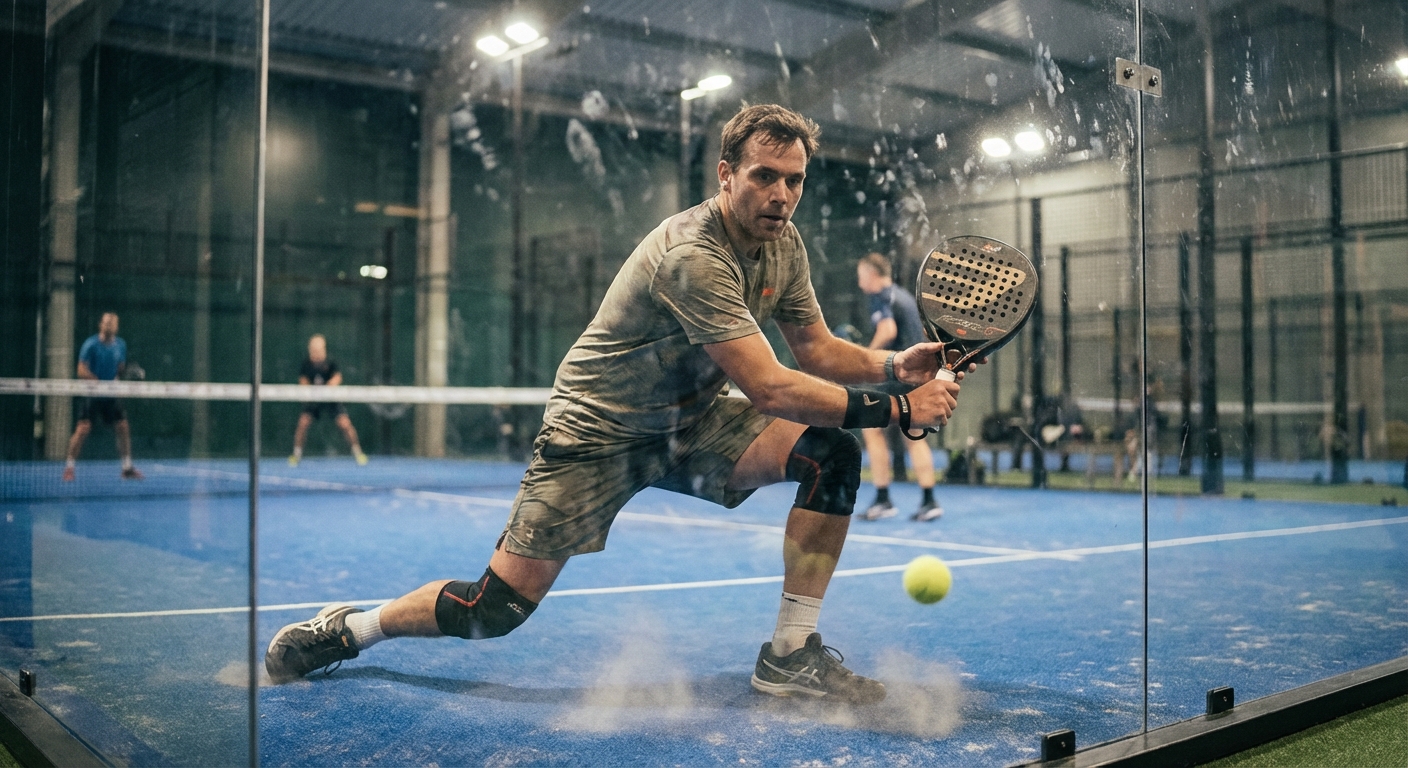
Defensive excellence for padel players involves mastering the use of the glass walls and perfecting the depth of the defensive lob shot. A strong defense allows you to neutralize aggressive opponents and wait for the perfect moment to counter-attack.
Patience is the core of a great defensive strategy. You should focus on keeping the ball in play and forcing the opposing team to take unnecessary risks.
Mastering the back wall
The glass walls are your best friends in defense, giving you extra time to react to powerful shots. You must learn to read the angle and speed of the ball as it hits the glass to position yourself correctly.
Think about it:
- Let the ball pass you to use the glass.
- Move your feet to stay behind the ball.
- Use a short, compact swing for the return.
The art of the lob
The lob is arguably the most important shot in the game because it forces the opponents away from the net. A high, deep lob gives you and your partner time to transition from defense to offense.
Here is the kicker:
- Aim for the back corners of the court.
- Use plenty of height to clear the net players.
- Follow through high to ensure depth.
Key Takeaway: Defensive mastery relies on high-quality court glass and the tactical use of the lob to neutralize aggressive opponents.
| Defensive Tool | Purpose | Primary Goal |
|---|---|---|
| Lob | Space Creation | Regain the Net |
| Chiquita | Slow Pace | Force low volley |
| Wall Return | Recovery | Keep point alive |
Turning defense into offense is what separates intermediate athletes from the global elite.
What makes padel players a great team?
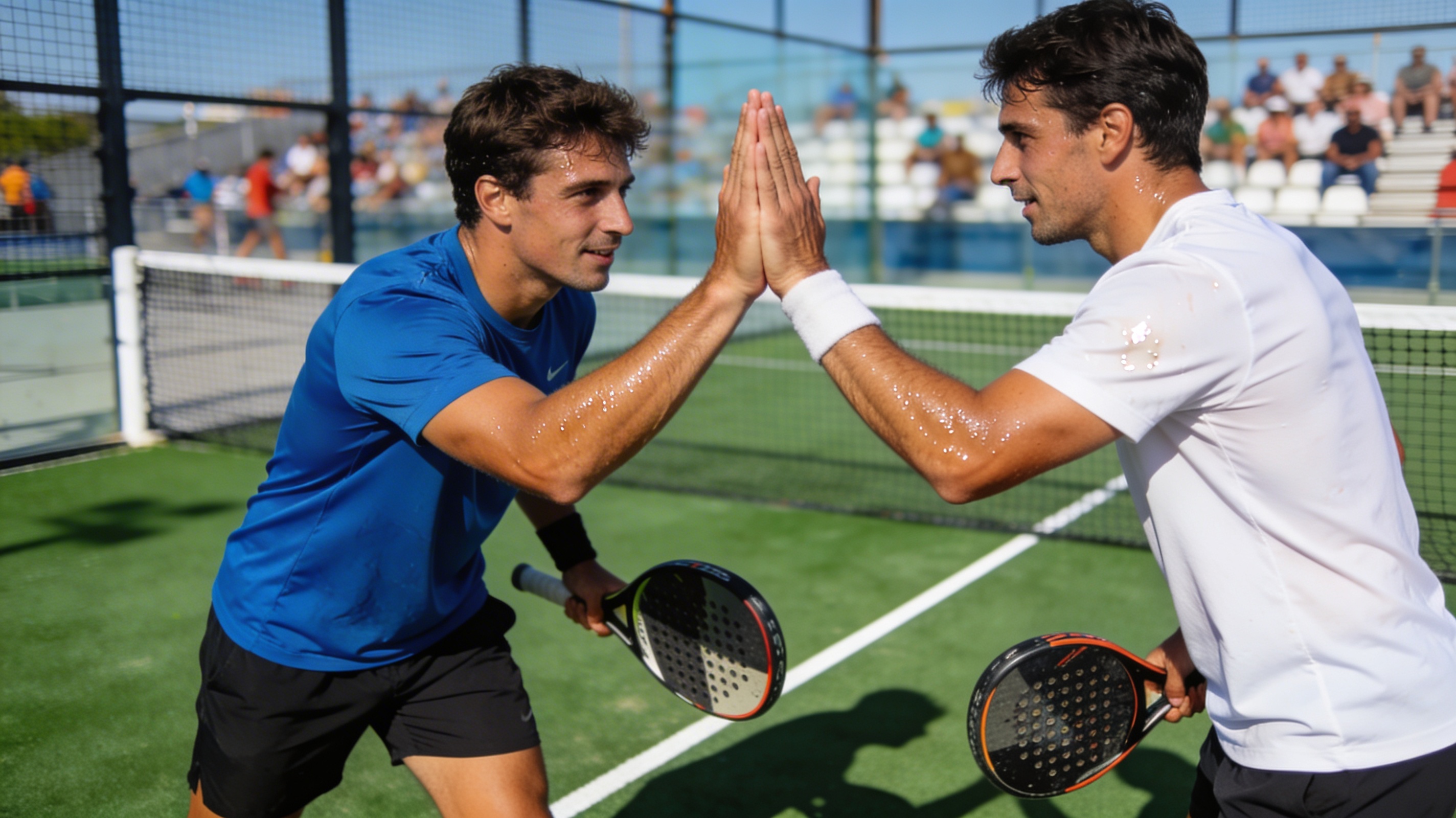
Successful padel players build chemistry through constant communication and synchronized court movements that eliminate gaps in their defensive structure. Since the sport is played in pairs, your individual skill is only as good as your partnership.
You must develop a shared strategy with your partner before the match begins. Understanding each other’s strengths and weaknesses allows you to cover for one another during fast-paced points.
Communication strategies
Verbal cues are essential for avoiding confusion, especially when the ball is hit down the middle of the court. You should constantly talk to your partner about the position of the opponents.
The secret is:
- Call “mine” or “yours” loudly and early.
- Indicate if the opponents are at the net.
- Offer encouragement after every point.
Synchronized positioning
Partners should move like they are connected by an invisible rope. When one player moves wide to cover a shot, the other must move toward the center to protect the open space.
Keep in mind:
- Advance to the net together as a unit.
- Retreat to the back glass simultaneously.
- Stay parallel to maintain a solid wall.
Key Takeaway: A synchronized partnership often beats two talented individuals who lack communication and court chemistry.
| Partnership Pillar | Focus | Result |
|---|---|---|
| Trust | Emotional Support | Resilience |
| Communication | Tactical Cues | Fewer Errors |
| Movement | Synchronized Gaps | Solid Defense |
A team that moves in harmony is incredibly difficult to break down, regardless of the opponent’s power.
Can padel players build mental resilience?
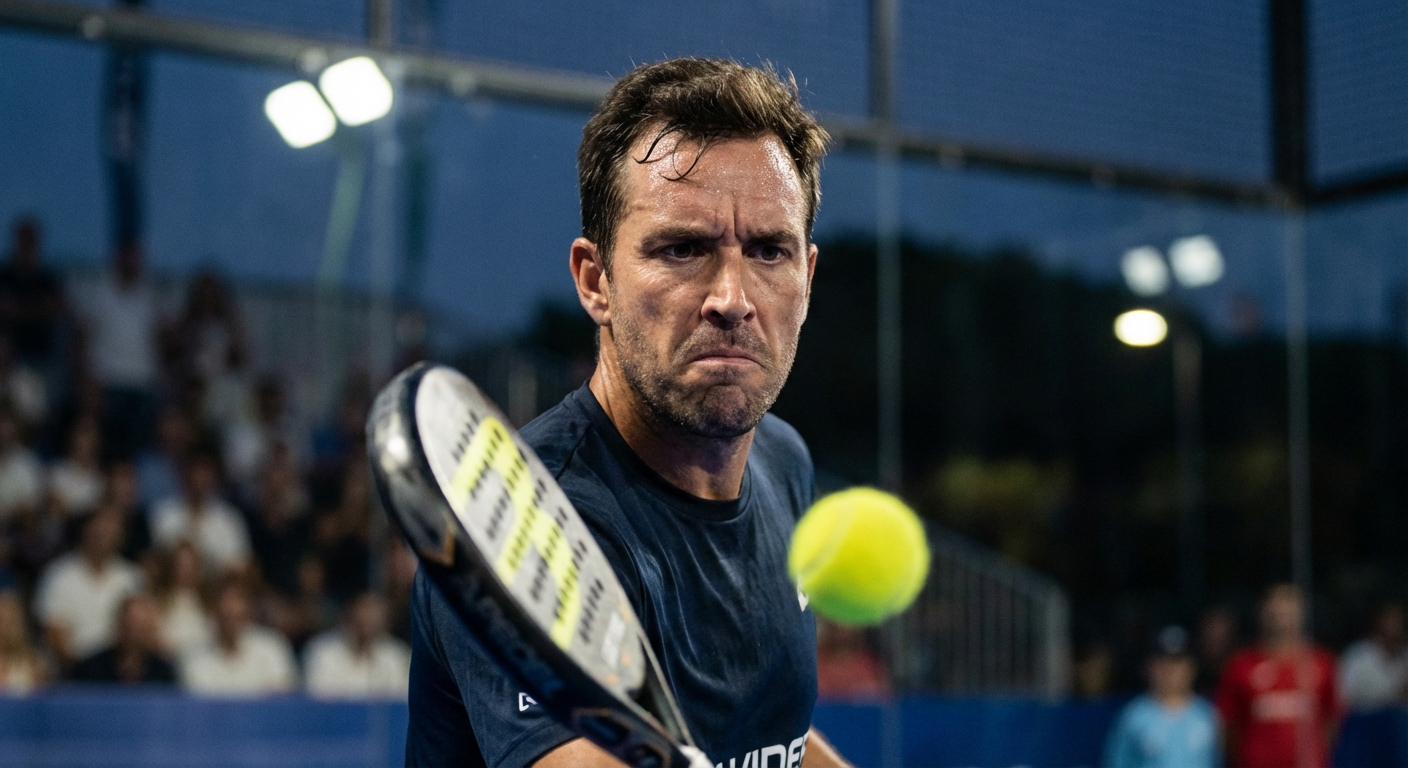
Mental resilience for padel players is built by practicing focus during high-pressure “golden points” and maintaining a positive attitude toward unforced errors. The ability to stay calm when the score is tight is what separates champions from runners-up.
You should develop mental routines that help you reset after every point. This prevents frustration from snowballing and affecting your performance in subsequent games.
Focus under pressure
Remaining concentrated during tie-breaks or set points requires a disciplined mind. You should focus on the process of each shot rather than worrying about the outcome of the match.
Check this out:
- Use deep breathing to lower your heart rate.
- Visualize a successful shot before serving.
- Stay in the present moment.
Having a short memory
The best athletes are those who can forget a mistake immediately and focus on the next opportunity. Obsessing over a missed volley only leads to more errors and a loss of confidence.
Believe it or not:
- Analyze the error quickly then move on.
- Keep your body language positive.
- Remind yourself of your successful shots.
Key Takeaway: Mental fortitude ensures that technical skills remain sharp even when the pressure of the match increases.
| Mental Skill | Technique | Benefit |
|---|---|---|
| Composure | Deep Breathing | Better Decisions |
| Visualization | Mental Imagery | Confidence |
| Focus | Trigger Words | Concentration |
Training your mind is just as important as training your muscles if you want to reach the top.
How do padel players improve court vision?
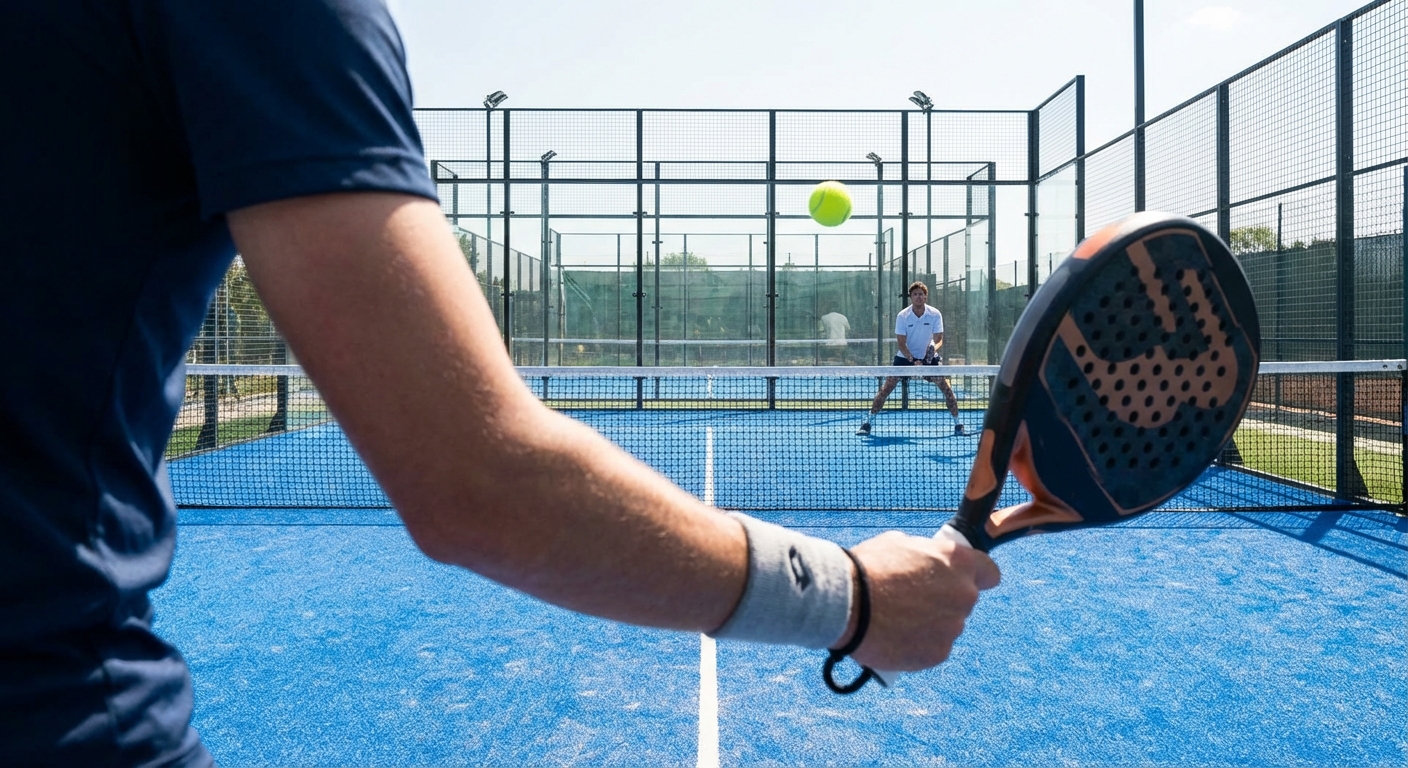
Improving vision allows padel players to anticipate opponent shots by reading body language and the angle of the racket face before impact. Court vision is the ability to see the “big picture” and predict where the ball will go next.
You can develop this skill through experience and by consciously observing the habits of your opponents. The faster you can read the play, the more time you have to prepare your own response.
Reading body language
The position of an opponent’s feet and shoulders often reveals their intention. For example, if they open their shoulders, they are likely planning a cross-court shot.
The best part?
- Watch the height of their racket preparation.
- Notice if they are stretching or balanced.
- Anticipate the smash if the ball is high.
Ball tracking techniques
Elite athletes track the ball from the moment it leaves the opponent’s racket until it impacts their own. This high level of focus helps with timing and ensures a clean hit every time.
Here is the deal:
- Keep your eyes on the ball, not the opponent.
- Learn the spin by watching the ball’s rotation.
- Anticipate the bounce off the glass walls.
Key Takeaway: Superior court vision is a learned skill that significantly reduces reaction times and improves tactical positioning.
| Vision Aspect | Target | Outcome |
|---|---|---|
| Anticipation | Opponent Body | Early Preparation |
| Tracking | Ball Spin | Clean Impact |
| Peripheral | Partner Position | Better Coverage |
Developing your eyes to see the game’s patterns will give you a significant tactical advantage.
Will padel players use data in the future?
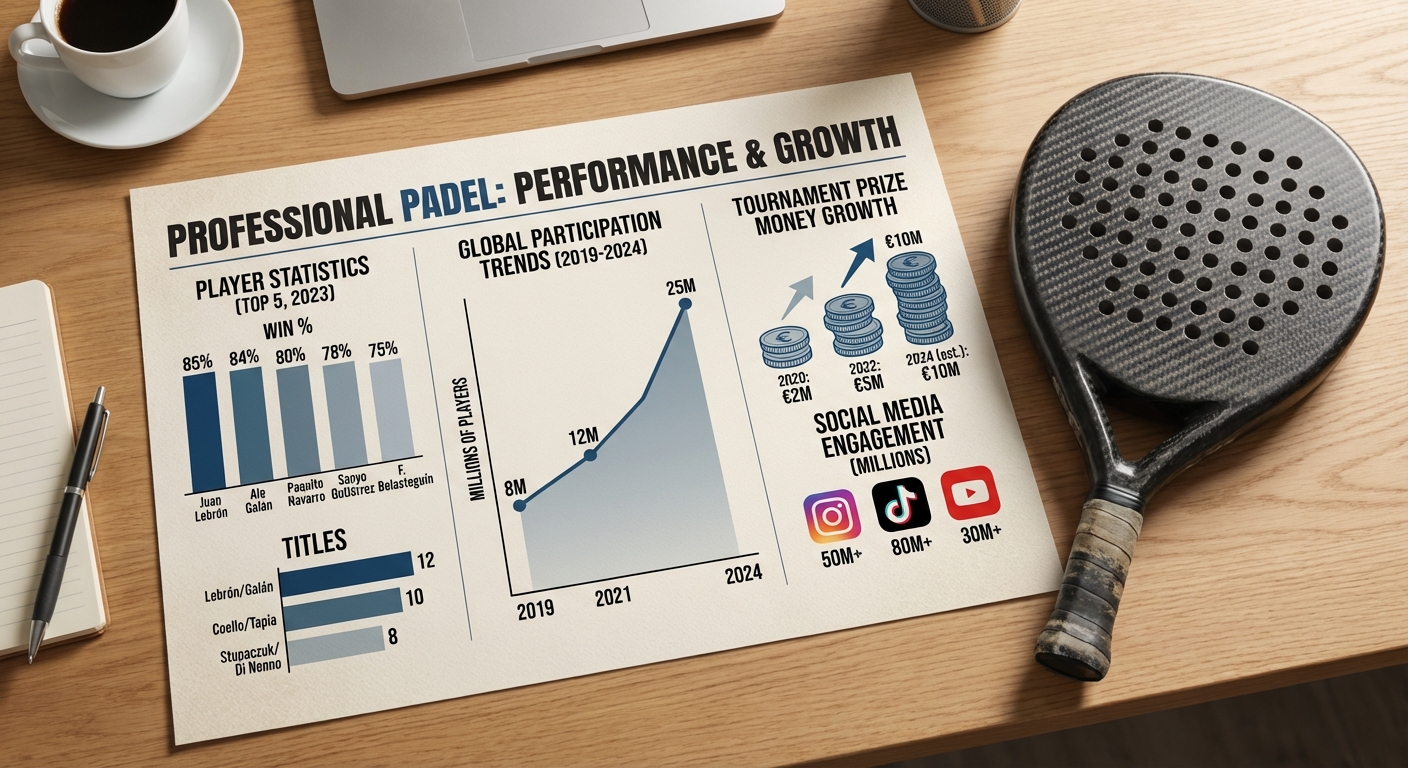
Emerging technologies allow padel players to track movement patterns and shot efficiency, turning raw data into actionable tactical improvements for every match. The integration of analytics is transforming how professionals prepare for tournaments.
You should be aware of how data can highlight your weaknesses and validate your strengths. Using video analysis and wearable sensors is becoming standard practice for anyone serious about the sport.
Tracking performance metrics
Modern sensors can track everything from your heart rate to the speed of your smashes. This information helps coaches tailor training programs to meet your specific physical needs.
Think about it:
- Measure your average court coverage per match.
- Track the percentage of successful lobs.
- Monitor your recovery time between points.
Video analysis benefits
Reviewing match footage allows you to see tactical errors that are difficult to notice while playing. You can observe your positioning relative to your partner and identify patterns in your opponent’s play.
Check this out:
- Identify unforced error patterns.
- Study the success rate of your net transitions.
- Compare your movement to professional athletes.
Key Takeaway: The future of the sport lies in combining traditional hard work with modern data analytics and elite court technology.
| Data Metric | Goal | Strategy Shift |
|---|---|---|
| Win % on Smash | Efficiency | Shot Selection |
| Unforced Errors | Consistency | Risk Management |
| Net Points Won | Aggression | Net Transition |
Embracing data allows you to train smarter and achieve your goals more efficiently.
Frequently Asked Questions
Can I customize my court for professional use?
Yes, absolutely. Most leading manufacturers offer full OEM support to customize colors, glass thickness, and structural reinforcement to meet elite standards.
What’s the best material for high-level play?
It depends on the environment. For professional use, hot-dip galvanized steel and 12mm tempered safety glass are the gold standard for durability and safety.
How do I know if a surface is injury-safe?
Yes, by checking for standards. High-density monofilament turf with proper sand distribution provides the shock absorption needed to protect your joints during lateral movement.
Can I build a court without a minimum order quantity?
Yes, definitely. Some specialized factories allow for the procurement of a single court set, which is perfect for private residences or pilot projects at fitness centers.
What’s the best way to prevent unforced errors?
It depends on your level. Focusing on a short, compact swing and prioritizing ball depth over raw power is the most effective way to improve consistency.
Conclusion
Building the ultimate environment for athletes is a journey that combines technical mastery with superior infrastructure. We have explored how equipment selection, physical conditioning, and mental resilience solve the common problems faced by modern enthusiasts. Whether you are improving your personal game or developing a world-class facility, what we can do for you is provide the structural foundation for success. Our vision is to empower every athlete with the same quality of courts and components used by the global elite. To take the next step in your project and secure factory-direct solutions, contact us today for a professional consultation.