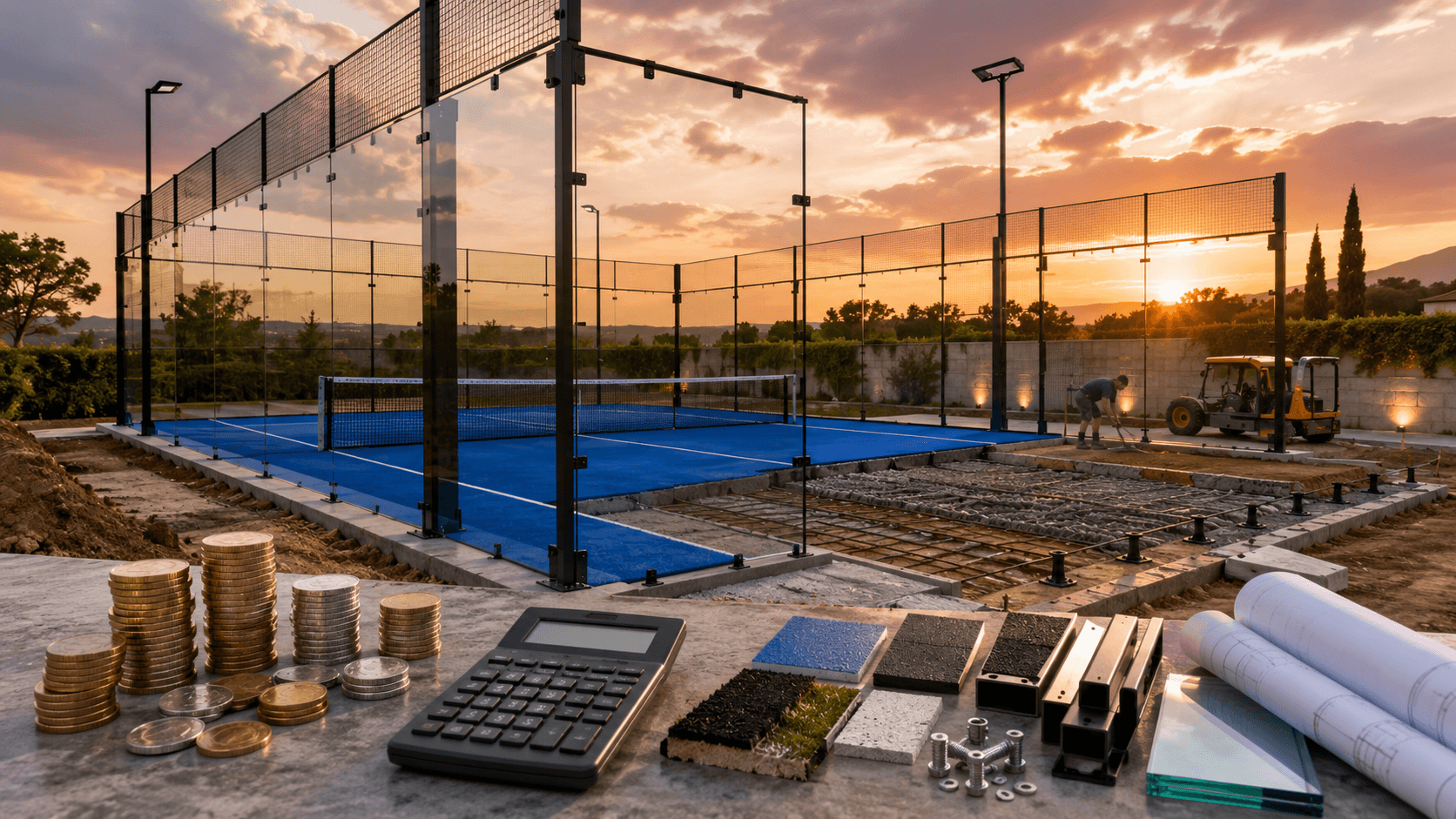
A professional padel court investment typically ranges from $24,000 to $135,000, depending on material specifications, site conditions, and whether you choose an indoor or outdoor facility. Navigating the global surge in padel interest requires accurate data on padel court kosten to avoid budget overruns. Without a clear financial roadmap, you may face mid-construction delays or suboptimal material choices that hurt your ROI. This guide breaks down construction phases and factory-direct procurement strategies to ensure your facility is high-performing and cost-efficient.
What are the primary factors behind padel court kosten?
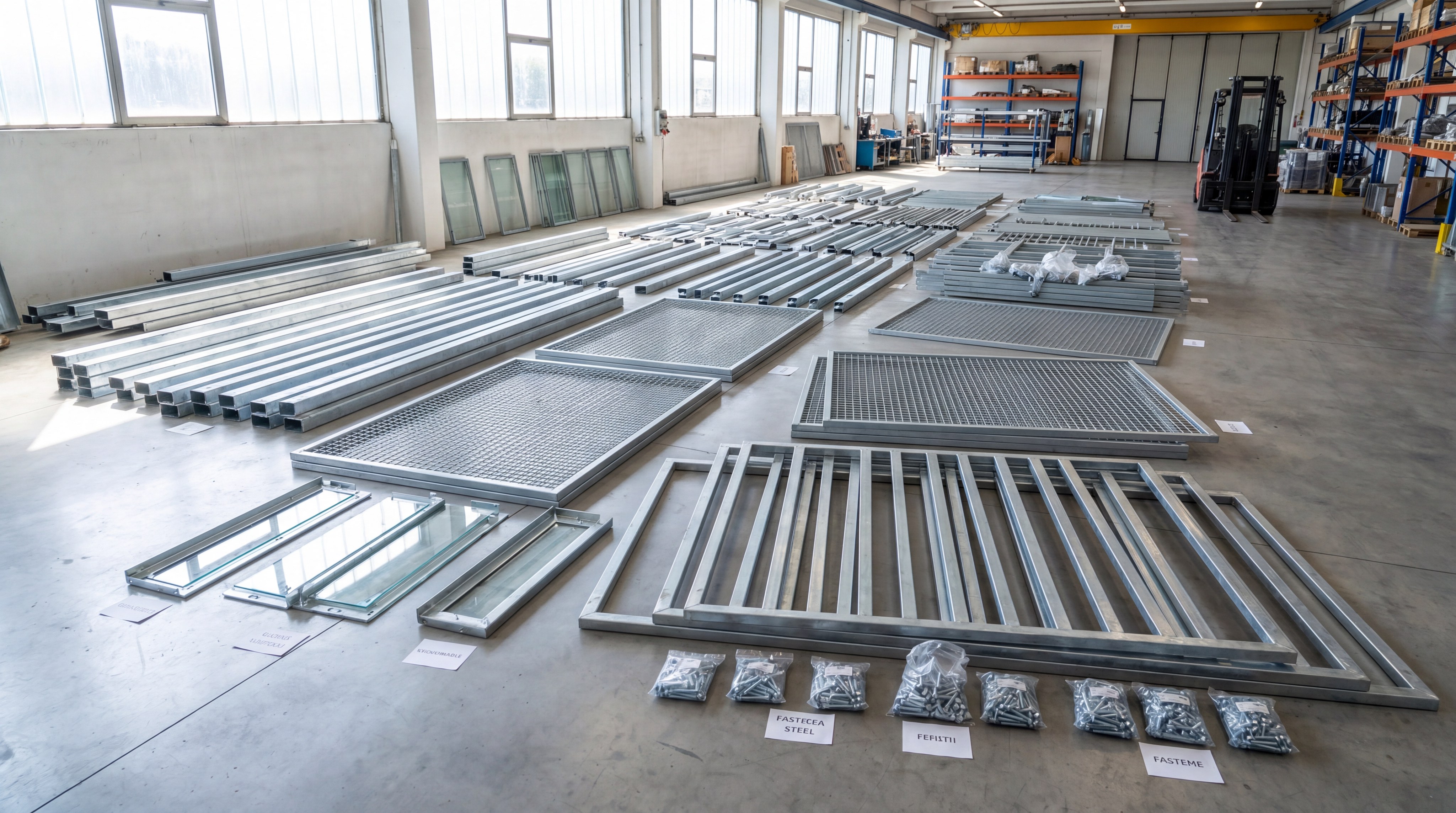
Understanding the primary drivers of padel court kosten helps you allocate capital effectively across the development phases. You must evaluate how the intended level of competition and your specific geographic location will influence the final invoice.
How do competition levels dictate your material choices?
The needs of professional athletes differ significantly from those of casual community players or young students. You should choose durable surfaces and thick glass walls if you plan to host high-frequency tournament play.
- Standard dimensions: 20 meters by 10 meters.
- Glass wall requirements for spectator visibility.
- Advanced shock-absorption for tournament turf.
Think about it… professional specifications ensure safety and a consistent ball bounce that elite members expect. Selecting lower-grade materials for a commercial club can lead to higher liability risks and frequent repairs.
Why does geographic location impact labor and permits?
Labor costs vary significantly by region, often commanding a 10% to 20% premium in metropolitan hubs compared to rural areas. You also need to budget for site-specific constraints like land clearing or intensive laser-leveling.
- Local building permit fees.
- Regional labor rate fluctuations.
- Site accessibility for heavy machinery.
Here is the bottom line… site preparation can escalate quickly if the land requires significant engineering to meet drainage standards. Always include a contingency fund to manage these regional variations smoothly.
| Factor | Impact Level | Estimated Cost Variance |
|---|---|---|
| Competition Level | High | $15,000 – $30,000 |
| Site Preparation | Extreme | $5,000 – $25,000 |
| Labor Location | Medium | 10% – 20% |
Site preparation and professional-grade requirements represent the most volatile variables in your initial project planning.
Key Takeaway: Budgeting should always include a 15% contingency fund to cover unexpected site preparation or local regulatory fees.
How much does the structural steel and glass cost?
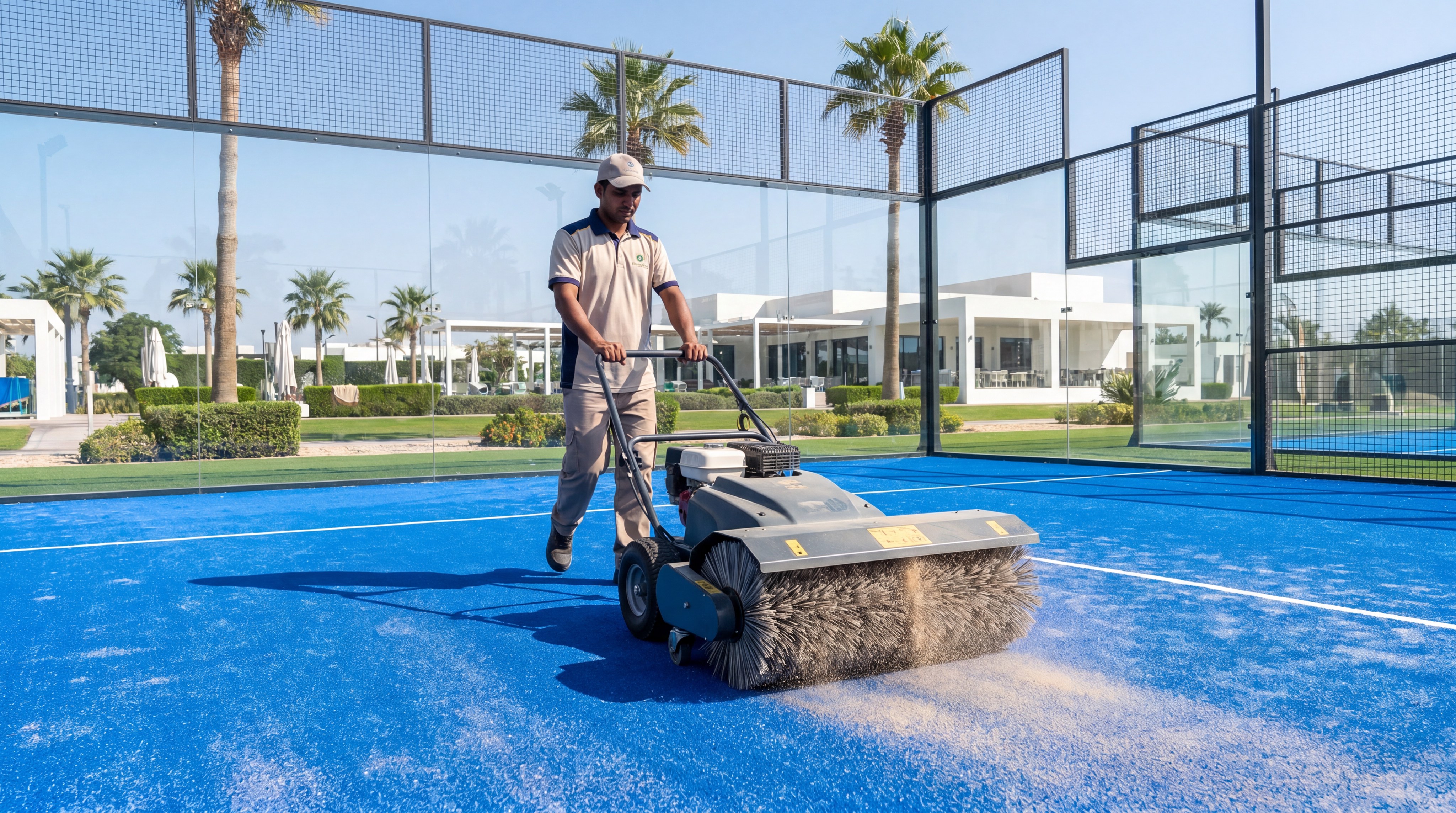
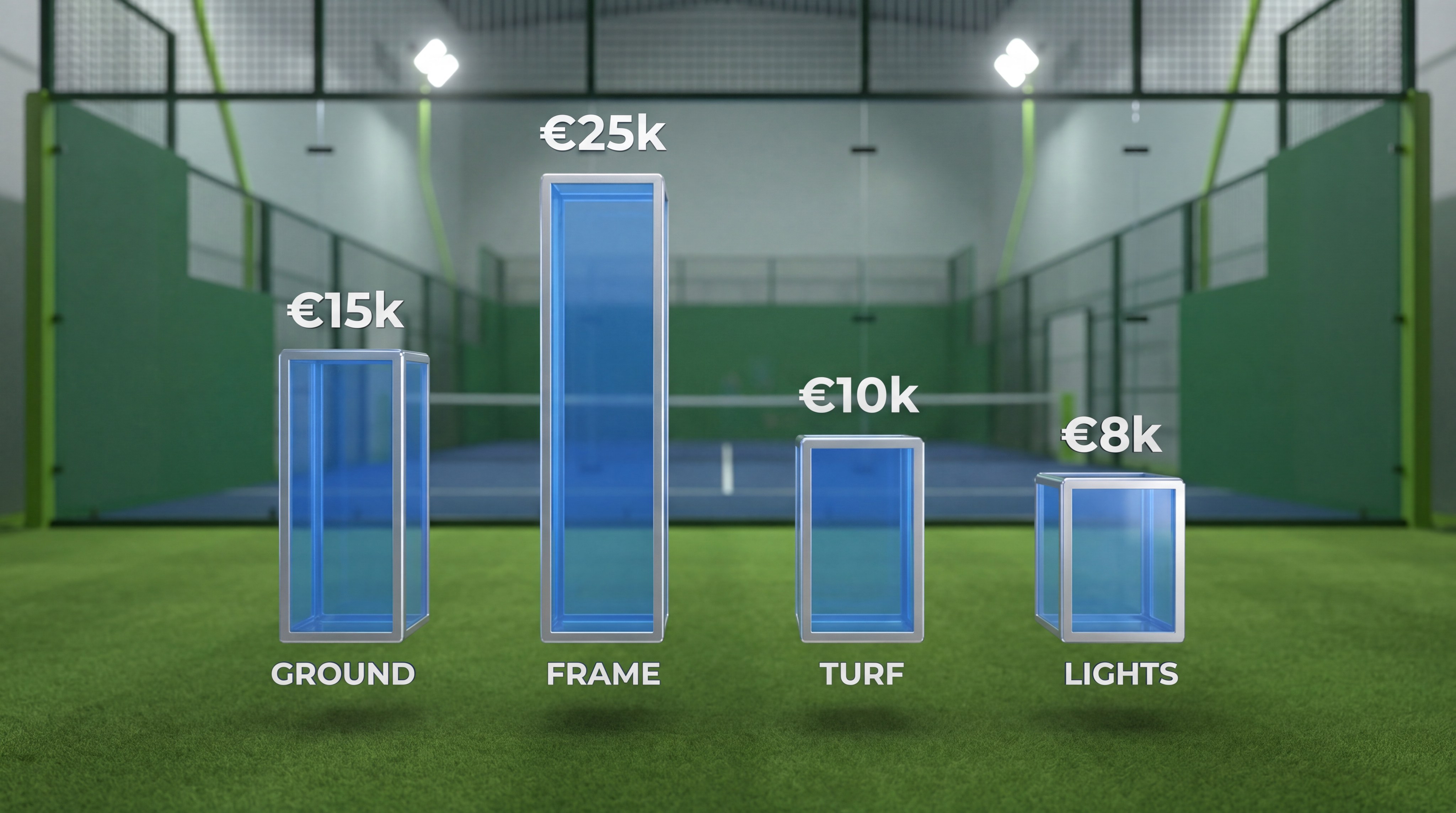
The structural enclosure is the single largest component of the padel court kosten, typically accounting for 40% to 60% of the total budget. You will find that hot-dip galvanized steel and tempered glass are the gold standards for safety and longevity.
What is the price gap between standard and panoramic designs?
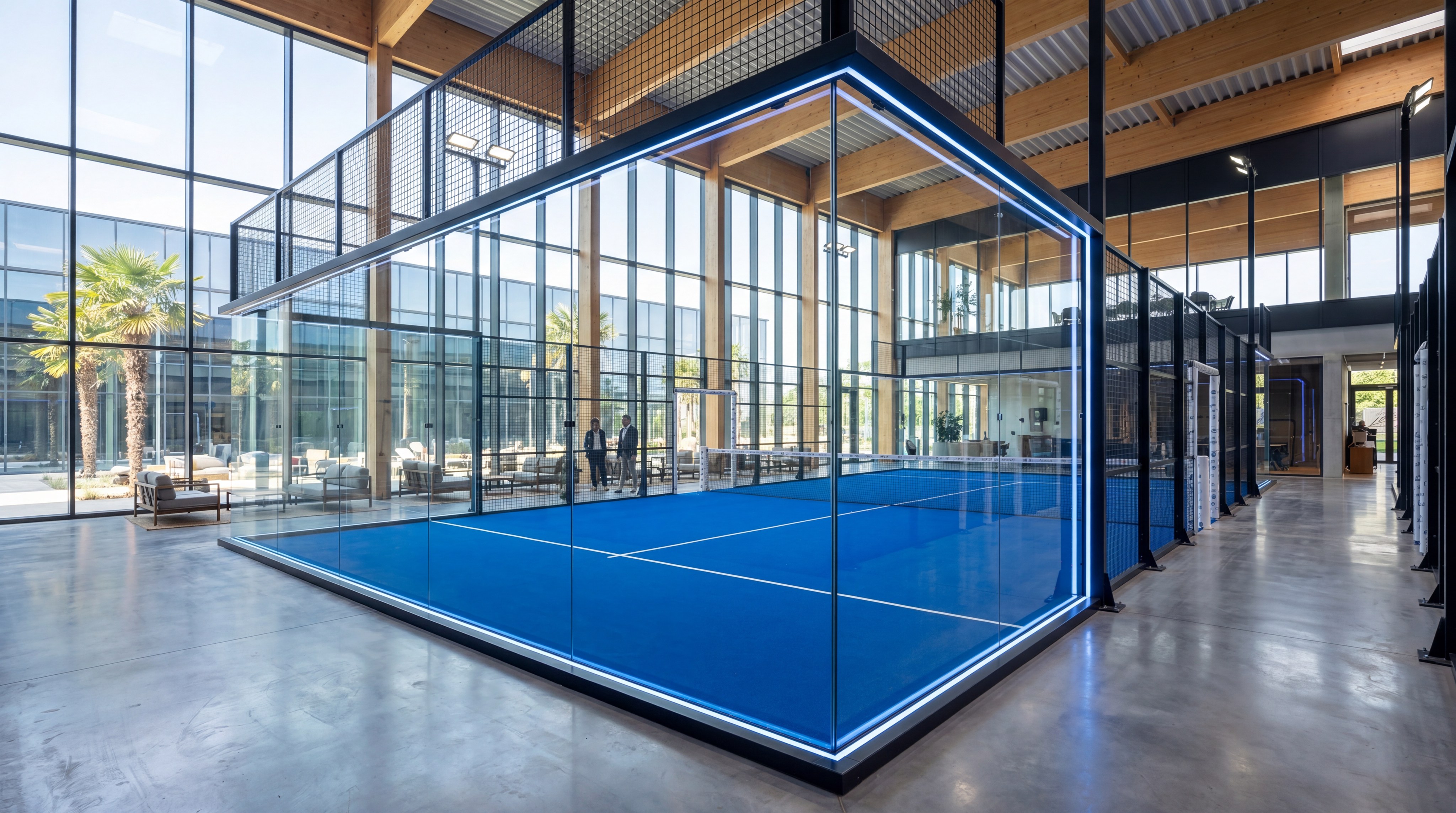
Standard court structures use more visible steel supports, making them a cost-effective choice for schools and community centers. Panoramic designs utilize thicker glass and fewer pillars to provide an unobstructed view for spectators and cameras.
- Standard frames for high-volume recreational use.
- Panoramic frames for premium club aesthetics.
- Integrated lighting mounts within the steel structure.
Look… the aesthetic appeal of a panoramic court often justifies higher booking fees and attracts more elite members. If your goal is a high-end commercial facility, the extra investment in visibility is usually essential.
Why is glass thickness critical for safety and durability?
Choosing the right glass thickness is a non-negotiable safety requirement for any modern facility. You should typically aim for 12mm anti-explosion tempered safety glass to comply with international EN 12150 standards.
- 10mm glass for residential or low-traffic areas.
- 12mm tempered glass for commercial club safety.
- Stainless steel hardware for glass-to-steel connections.
You might be wondering… does the extra thickness really matter? Heavy-hitting players frequently crash into the walls, and certified safety glass ensures the structure remains intact under extreme pressure.
| Structural Item | Standard Spec | Premium Spec | Price Range |
|---|---|---|---|
| Steel Frame | Galvanized Modular | Enhanced Panoramic | $15,000 – $25,000 |
| Glass Panels | 10mm Tempered | 12mm Anti-Explosion | $7,500 – $13,300 |
Structural integrity is the foundation of your court’s safety and long-term value in a competitive market.
Key Takeaway: Investing in 12mm anti-explosion glass mitigates project liability and ensures your facility meets international safety standards.
What is the cost difference between indoor and outdoor courts?
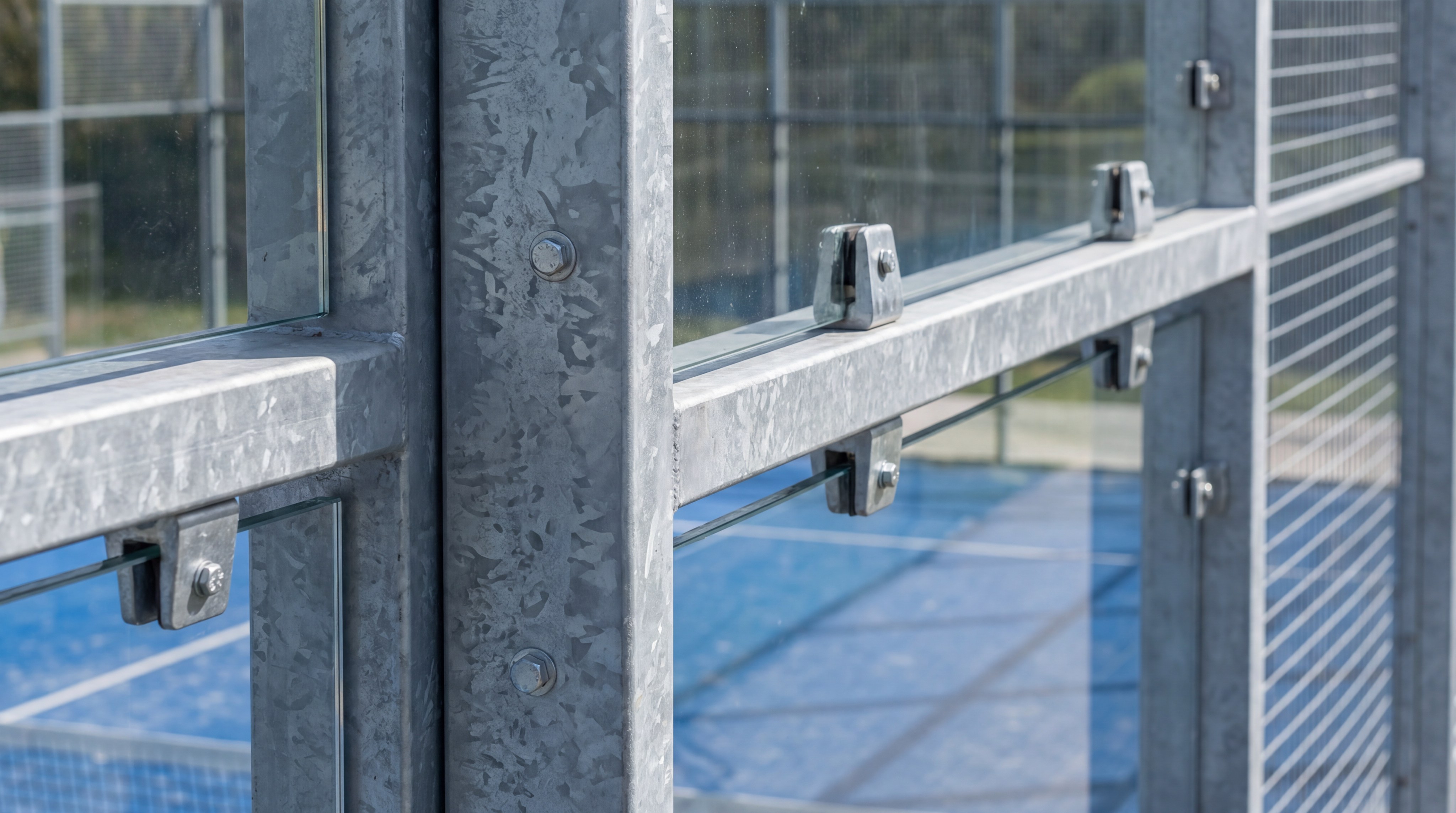
Deciding between an indoor or outdoor environment changes the nature of your padel court kosten calculation significantly. While outdoor courts are cheaper to start, indoor courts offer higher year-round revenue potential in varying climates.
How do drainage and civil engineering affect outdoor builds?
Outdoor installations require sophisticated sub-surface drainage systems to prevent water pooling on the turf after rain. You must factor in the cost of a porous base and specialized sloping to ensure rapid water evacuation.
- Sub-surface drainage pipes and gravel.
- 0.5% to 1% slope for water runoff.
- Weather-resistant steel coatings (Hot-dip galvanization).
It’s a game-changer… effective drainage ensures that your courts are playable minutes after a rainstorm, maximizing your daily booking capacity. Poor drainage will ruin your turf and drive away players during wet seasons.
Does a roofing system provide a better return on investment?
Building an indoor court or adding an integrated roofing system ensures that weather never cancels a match. You can maintain a consistent booking schedule through winter, extreme heat, or rainy seasons.
- Integrated steel roof structures.
- Existing warehouse or sports hall conversion.
- Climate control systems for player comfort.
The bottom line is… indoor facilities often see 30% higher booking consistency compared to their outdoor counterparts. If you live in a region with volatile weather, a roofed solution is the safer financial bet.
| Environment | Initial Cost | Maintenance | Revenue Potential |
|---|---|---|---|
| Indoor | Higher | Lower | High (Year-round) |
| Outdoor | Lower | Higher | High (Seasonal) |
While outdoor courts save on initial structural costs, indoor facilities provide the predictable revenue streams needed for rapid ROI.
Key Takeaway: Indoor courts are preferred for commercial ventures because they guarantee playable hours regardless of seasonal weather changes.
How does artificial turf selection affect the final budget?
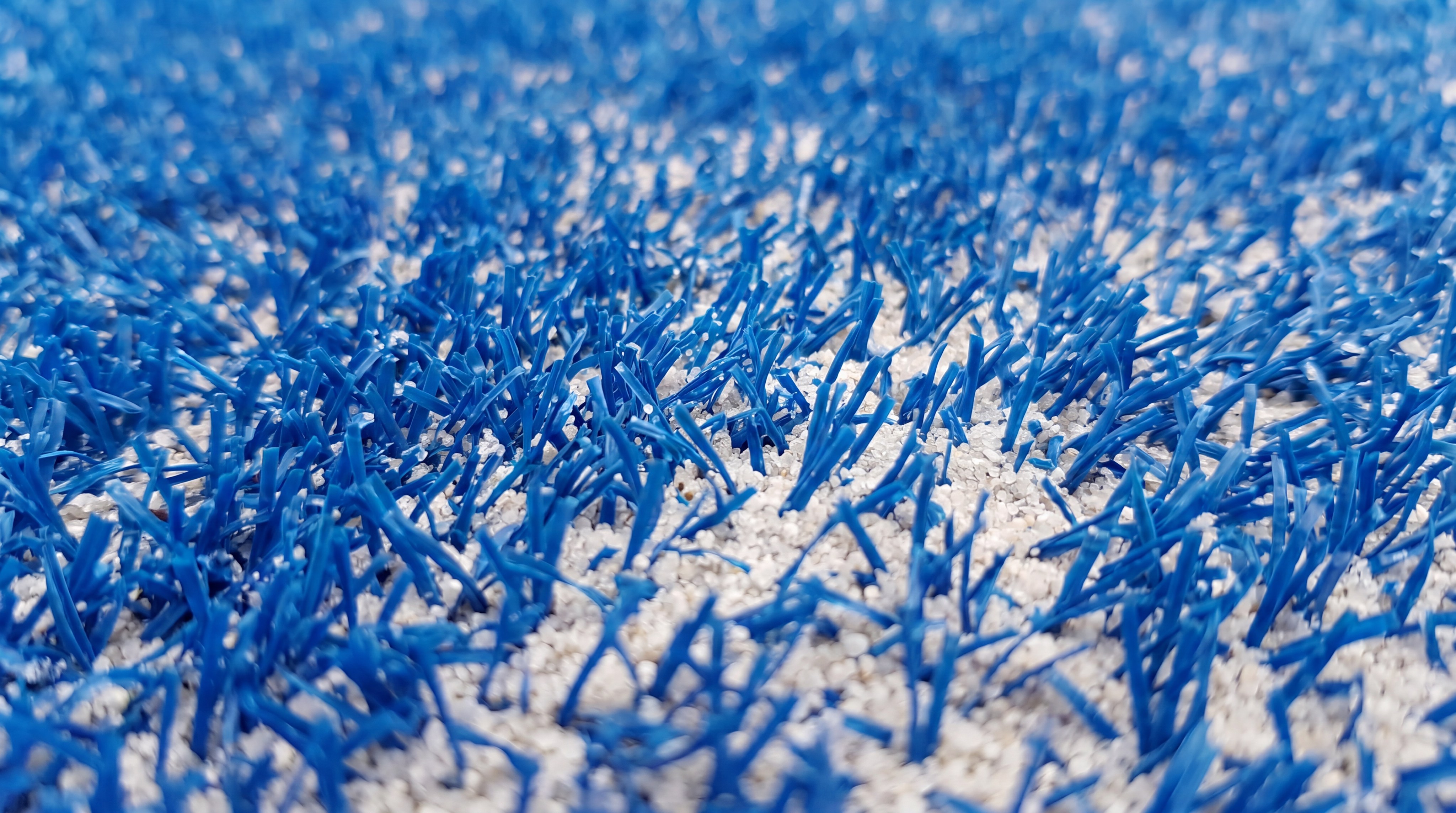
High-quality artificial turf systems specifically designed for padel generally cost between $5,600 and $13,500. Choosing the right density and fiber type is vital for the padel court kosten and the quality of play.
Why is fibrillated turf considered the gold standard?
Fibrillated turf offers exceptional wear resistance and holds the sand infill better than standard landscaping grass. You will notice that professional-grade turf provides a more consistent ball bounce and better traction for players.
- High-density PE fibers for longevity.
- UV-resistant coatings for outdoor use.
- Monofilament vs. Fibrillated fiber choices.
Think about it… cheaper turf wears out in just two years, effectively doubling your long-term replacement and labor costs. Professional-grade turf lasts 5 to 8 years even under heavy daily commercial use.
What are the maintenance costs for synthetic surfaces?
Synthetic turf is far more cost-effective than clay or natural grass, but it still requires regular brushing and sand redistribution. You should budget for periodic professional deep-cleaning to prevent the surface from hardening over time.
- Weekly brushing to level silica sand.
- Removal of organic debris like leaves.
- Occasional sand topping to maintain grip.
But wait, there’s more… modern manufacturing allows for custom colors like blue or red to align with your club’s branding. These customizations typically add minimal cost while significantly elevating the professional look of your facility.
| Turf Grade | Estimated Lifespan | Ball Bounce | Price Range |
|---|---|---|---|
| Entry-Level | 3–4 Years | Fair | $5,600 – $7,000 |
| Commercial | 5–7 Years | Good | $7,000 – $10,500 |
| Professional (WPT) | 8+ Years | Excellent | $10,500 – $13,500 |
Choosing the highest grade of turf reduces the frequency of replacements and maintains high player satisfaction ratings.
Key Takeaway: Fibrillated synthetic turf is essential for commercial clubs to ensure consistent ball play and long-term durability.
What lighting requirements must a professional court meet?
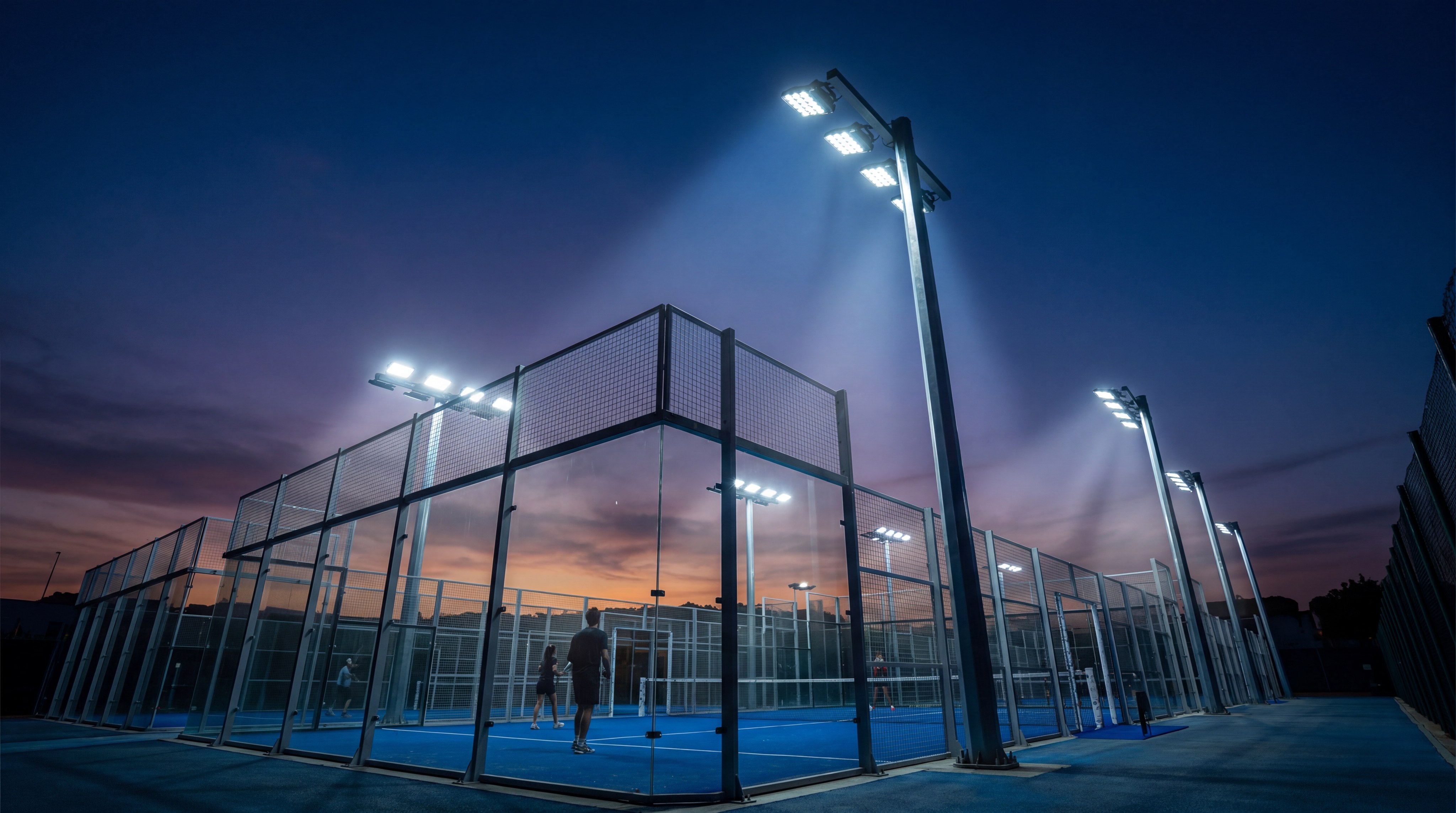
A professional-grade LED lighting system typically costs between $2,800 and $10,000 to provide uniform illumination. High-efficiency lighting is a major part of padel court kosten because it extends your facility’s operational hours into the night.
Why should you choose high-efficiency LED floodlights?
LEDs offer a 50% to 70% reduction in energy consumption compared to traditional metal halide lamps. You will save significantly on monthly utility bills while providing a brighter, clearer environment for your players.
- 200W to 400W LED power options.
- IP66 waterproof rating for outdoor safety.
- Instant-on capability without warm-up time.
Here is the bottom line… lighting increases your “playable hours” per day, directly boosting the earning potential of every court you build. Uniform light distribution is also critical for tracking balls moving at high velocities.
How does glare reduction improve the player experience?
Properly positioned floodlights reduce “dark spots” and glare that can distract players during intense rallies. You should ensure that the lighting masts are tall enough to provide overhead illumination without creating a blinding effect.
- Asymmetrical lens design for glare control.
- Minimum 7-meter mast height for clearance.
- Uniformity ratio of 0.7 or higher.
Look… players will not return to a facility where they cannot see the ball clearly during evening matches. High-quality LED systems are a “set it and forget it” investment with a 50,000-hour design life.
| Light Feature | Requirement | Operational Benefit | Cost Impact |
|---|---|---|---|
| Energy Efficiency | LED Tech | 60% Savings | High |
| Weatherproofing | IP66 Rated | Zero Rain Downtime | Low |
| Durability | 50,000 Hours | Low Maintenance | Medium |
Professional lighting is the key to maximizing revenue by allowing for profitable evening and early morning bookings.
Key Takeaway: High-lumen LED systems with IP66 ratings ensure your court remains safe and profitable in all weather and time conditions.
Are there hidden fees in logistics and transportation?
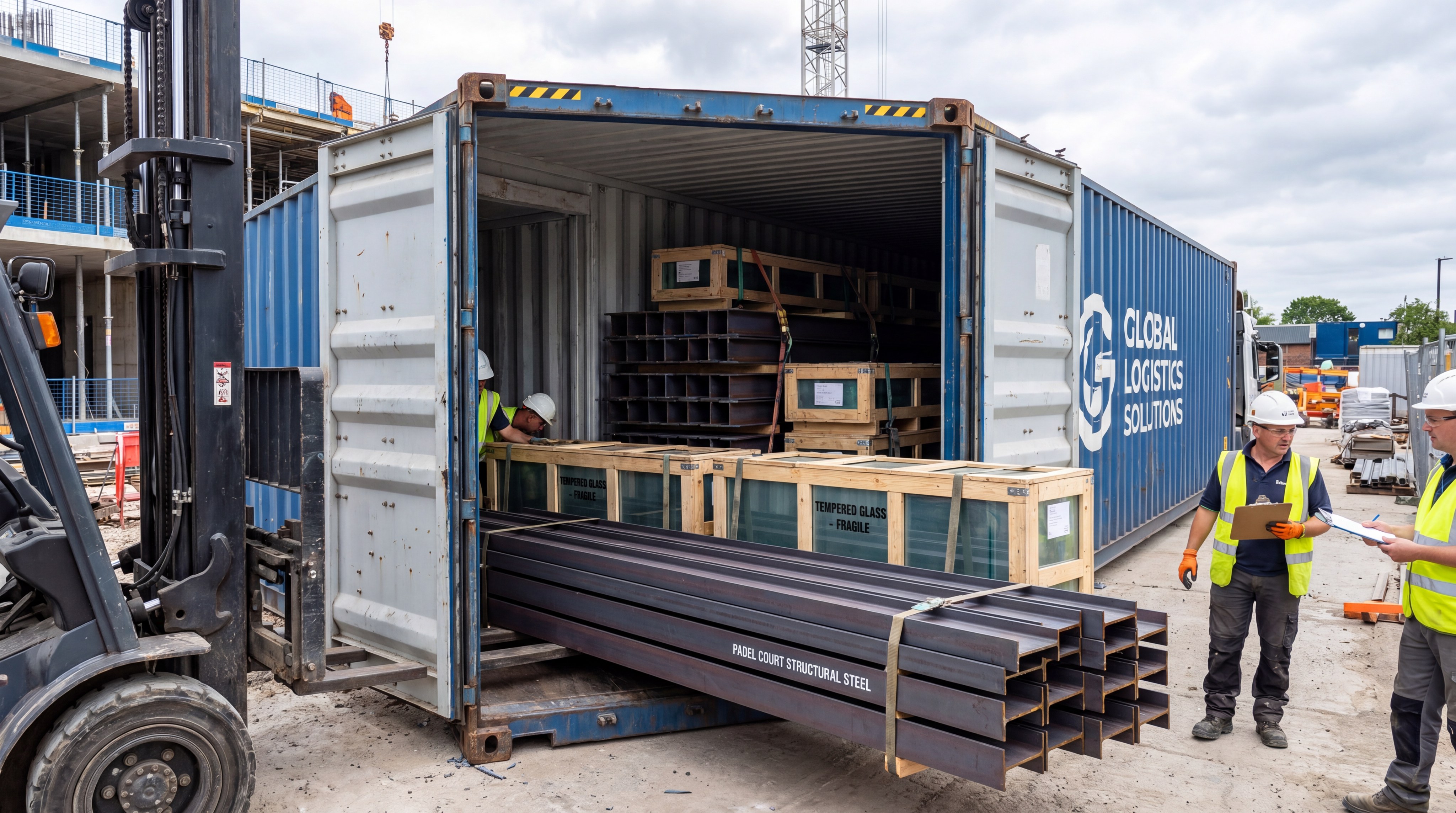
International shipping, packing, and container loading usually range from $8,400 to $22,000. These logistical elements are often overlooked when calculating the initial padel court kosten, but they are essential for safe delivery.
How does container loading protect your investment?
Padel courts are both heavy and fragile, requiring expert packing in 40ft containers to prevent glass breakage. You should ensure your supplier uses customized wood crates and secure strapping for all steel components.
- 40ft HQ containers for steel frames.
- Secure wooden crates for tempered glass.
- Detailed inventory lists for customs clearance.
But wait, there’s more… shipping two or more courts in a single logistical operation can reduce your per-court transportation cost by up to 25%. Bulk shipping is the most effective way to manage international freight expenses.
Why should you request door-to-door shipping quotes?
Beyond ocean freight, you must account for local import taxes, port handling fees, and “last-mile” trucking to your site. You should work with a manufacturer that has a dedicated logistics team to handle the complex paperwork.
- Customs duties and local import taxes.
- Port storage and terminal handling fees.
- Flatbed truck delivery to the construction site.
Think about it… surprise fees at the destination port can ruin your budget if you only calculate the “port-to-port” cost. Always ask for a comprehensive quote that includes all local handling and delivery charges.
| Logistics Item | Estimated Cost | Main Variable |
|---|---|---|
| Ocean Freight | $5,000 – $12,000 | Shipping Distance |
| Customs & Duties | Varies by Region | Local Trade Policy |
| Local Trucking | $1,500 – $4,500 | Site Accessibility |
Logistical planning is critical to ensuring your components arrive on time and without expensive transit damage.
Key Takeaway: Always request a “door-to-door” logistics quote to avoid unexpected terminal handling or storage fees at the arrival port.
How do amenities like scoreboards and benches impact ROI?
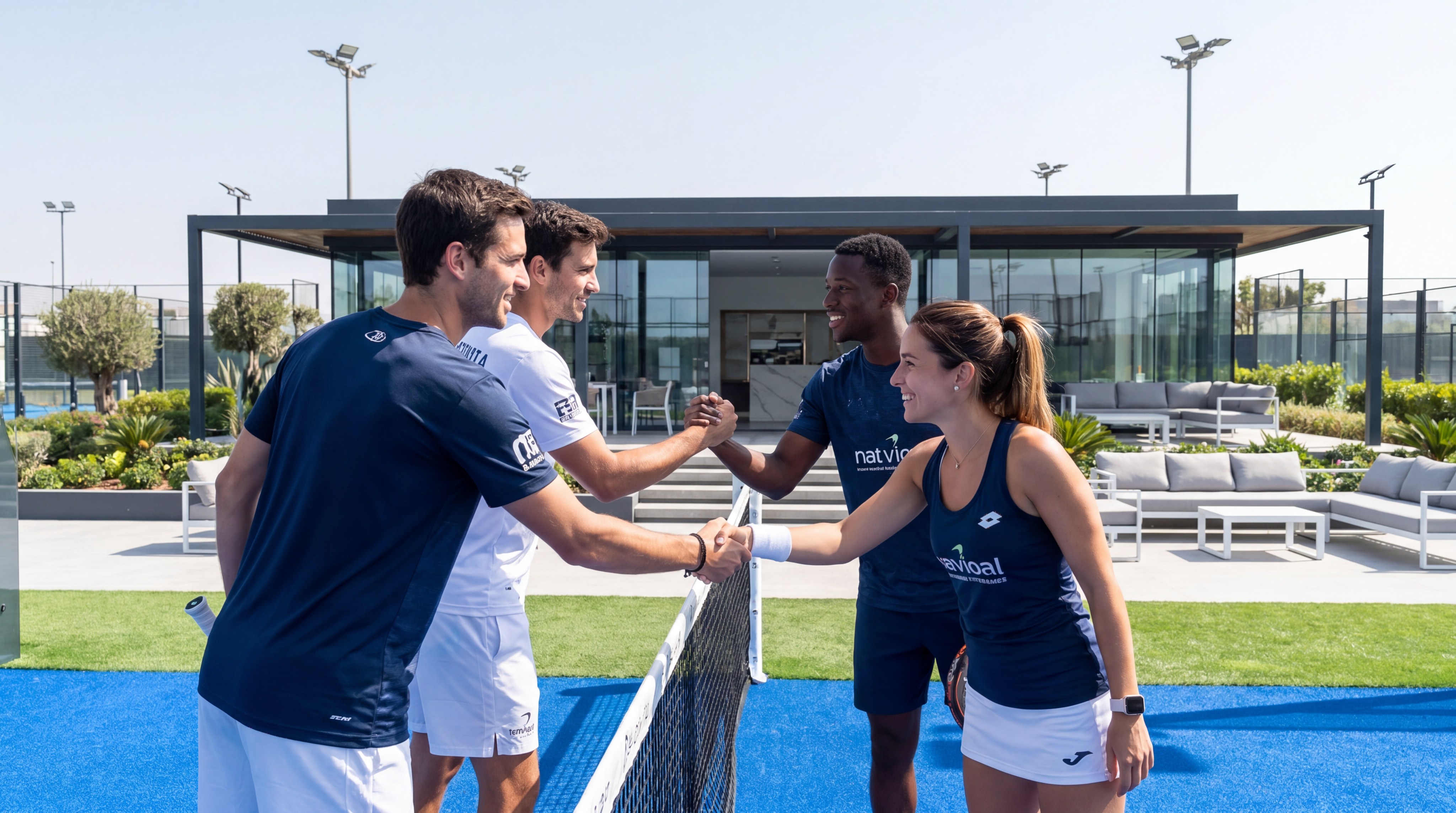
Secondary equipment and player amenities typically add $2,600 to $10,200 to your padel court kosten. These additions are vital for creating a “premium” club atmosphere that drives recurring membership.
Can amenities create new revenue streams for your club?
Small additions like digital scoreboards and racket rental kits can provide immediate secondary income. You can offer “Start Kits” for new players to lower the barrier to entry and increase court usage.
- Digital scoreboards for a professional feel.
- Racket and ball rental service (Starter Kits).
- Spectator benches for social engagement.
You might be wondering… are these extras worth the cost? Most successful clubs recoup the expense of amenities within six months through increased member retention and higher rental fees.
How do smart amenities enhance player retention?
Integrating camera systems for match recording or mobile apps for booking makes your facility more user-friendly. You should focus on amenities that solve player problems, such as integrated storage for bags and water.
- Integrated player benches.
- Sliding doors for easier entry.
- Net protection systems for longevity.
The bottom line is… a court with high-quality netting and professional scoreboards feels more valuable to a player than a bare structure. These details build your brand as a premier padel destination in your local market.
| Amenity | Cost Range | Revenue Impact |
|---|---|---|
| Digital Scoreboard | $1,500 – $3,000 | High (Social Media) |
| Racket Rental Kit | $1,100 – $2,400 | Instant Revenue |
| Integrated Benches | $800 – $2,000 | Member Comfort |
Small investments in player comfort and technology significantly increase the lifetime value of your members.
Key Takeaway: Secondary equipment turns a basic court into a premium destination, justifying higher booking rates and social media visibility.
Why is the subfloor choice critical for cost management?
The subfloor represents a permanent foundation choice that influences both the initial padel court kosten and the ball bounce quality. You must choose between concrete and asphalt based on your budget and local climate conditions.
Is concrete worth the higher initial investment?
Concrete offers a flatter, more stable surface with a design life of over 20 years, making it the preferred choice for indoor clubs. You will experience fewer issues with cracking or shifting compared to cheaper asphalt bases.
- Flatter surface (variance < 3mm).
- Long-term durability in extreme climates.
- Better anchoring for steel structures.
Look… a variance of more than 3mm over a 3-meter straight edge can ruin the playability of the court. Professional laser-leveling of a concrete base is mandatory to ensure your athletes have a world-class experience.
When should you consider an asphalt foundation?
Asphalt is generally more affordable upfront, making it a popular choice for large outdoor residential or community projects. However, you should be prepared for higher maintenance costs over time, especially in regions with heavy freeze-thaw cycles.
- Lower initial installation cost.
- Porous nature for basic drainage.
- Slightly softer feel under the turf.
You might be wondering… will asphalt hold up for a commercial club? While it works for casual play, heavy-duty commercial clubs usually prefer the stability of concrete to avoid frequent resurfacing every 10 years.
| Foundation | Initial Cost | Lifespan | Play Quality |
|---|---|---|---|
| Concrete | Higher | 20+ Years | Excellent |
| Asphalt | Lower | 10–12 Years | Good |
Your subfloor is the only part of the court that is truly permanent; choosing the wrong material now leads to expensive demolition later.
Key Takeaway: Concrete is the superior choice for commercial facilities due to its stability, flatness, and significantly longer lifespan.
What are the best ways to reduce padel court building expenses?
Purchasing factory-direct is the most effective strategy to manage your padel court kosten, often saving owners 30% or more. You eliminate middleman markups and gain direct access to OEM customization options.
Why is factory-direct procurement a game-changer?
Working directly with a manufacturer allows you to customize everything from structure colors to logo integration at the lowest possible price. You also receive direct technical support from the engineering team that actually built the court.
- No distributor markups (30% savings).
- Full OEM/ODM branding support.
- Direct access to structural drawings.
The bottom line is… middlemen add cost but rarely add technical value to the construction process. Buying direct ensures that every dollar you spend goes toward the quality of the materials themselves.
Can you scale multi-court projects for better efficiency?
Building two or more courts simultaneously allows you to share mobilization costs and benefit from bulk material discounts. You will find that shipping and labor costs per court drop significantly as the project scale increases.
- Reduced per-unit shipping fees.
- Shared crane and machinery rentals.
- Mobilization of a single expert crew.
Look… the “per-court” price for a 4-court project is significantly lower than for a single-court install. If you plan to expand your club in the future, it is financially wiser to build the foundation for all courts at once.
| Strategy | Potential Savings | Implementation |
|---|---|---|
| Factory Direct | 30% | Skip Middlemen |
| Multi-Court Scaling | 15% – 25% | Shared Logistics |
| Modular Design | 10% | Faster Assembly |
Leveraging manufacturing directness and project scale are the most reliable ways to build a premium facility under budget.
Key Takeaway: Scaling your project to two or more courts and buying factory-direct are the most effective ways to lower the per-unit construction cost.
How do you secure funding or grants for your project?
Securing financial support requires you to present a detailed feasibility study and a clear breakdown of your padel court kosten. Many regional sports councils and private investors are actively looking to fund modern sports like padel.
How do you navigate the grant application process?
Government recreational grants often require proof of community impact and adherence to international safety standards. You should emphasize how the facility will promote youth health and social activity in your application.
- Detailed community impact reports.
- Adherence to EN 12150 safety standards.
- Partnerships with local schools or clubs.
It’s a game-changer… padel is one of the fastest-growing sports globally, making it a highly attractive target for “modernization” grants. Presenting a well-documented budget is essential for convincing boards to release funds.
Why is project feasibility critical for private buy-ins?
If you are seeking private equity or partners, you must prove that the facility can achieve ROI within 18 to 36 months. You should include a breakdown of booking rates, member retention plans, and secondary revenue streams.
- 3-year ROI projection models.
- Detailed material specification lists.
- Professional manufacturer quotations.
Think about it… investors don’t just fund courts; they fund business models. Providing formal technical specs and a transparent logistical plan gives partners the confidence they need to sign the check.
| Funding Type | Requirements | Probability |
|---|---|---|
| Municipal Grants | Community Impact | Medium |
| Private Equity | High ROI Projections | High |
| School Initiatives | Health Benefits | Medium |
A well-researched financial plan is your most powerful tool for unlocking capital from public and private sources.
Key Takeaway: Providing a comprehensive technical documentation package and safety certification is vital for securing grants and private investment.
FAQ: Padel Court Construction
- Can I customize the court colors for my brand? Yes, factory-direct suppliers offer full OEM support, allowing you to choose RAL colors for the structure and integrate logos into the turf.
- What’s the best way to maintain artificial turf? Regular brushing to redistribute sand and removing organic debris will extend the life of your turf by several years.
- Can I build a padel court on an existing tennis court? Yes, because a padel court is smaller, you can typically fit two padel courts into the space of one standard tennis court.
- What’s the expected ROI for a commercial facility? With high booking demand, many commercial clubs see a full return on investment within 18 to 36 months.
- How long does the construction process typically take? Once the concrete foundation is ready, the modular assembly of the steel and glass usually takes 10 to 15 days per court.
Conclusion
Building a padel court is a strategic investment in the future of modern recreation. By focusing on factory-direct procurement, high-spec safety materials, and efficient site preparation, you can manage your padel court kosten effectively while delivering a world-class experience to your athletes. Ready to transform your space into a premier sports destination? Contact us today for a personalized factory quote and a professional technical consultation.