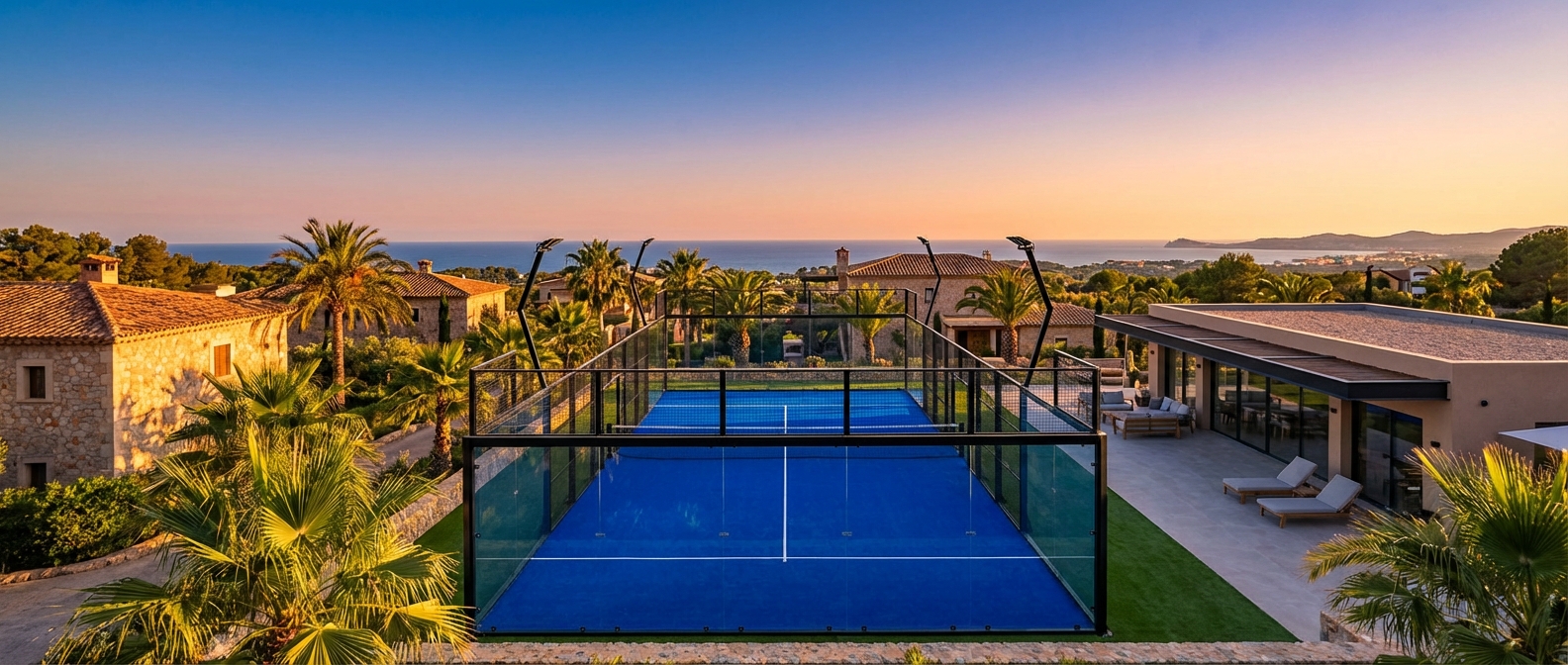
The average padel court price for core components typically ranges between $24,000 and $65,000, while total construction projects for professional facilities often reach between $43,000 and $96,100. Planning a new sports facility is a high-stakes endeavor where a single oversight in material selection or site preparation can lead to massive budget overruns and a subpar player experience. You may feel overwhelmed by the technical complexity of glass standards, subfloor requirements, and hidden logistics fees that threaten to drain your capital. Fortunately, by mastering every variable of the padel court price and following a structured construction guide, you can build a high-performance facility that guarantees a fast return on investment and delights your athletes.
1. What is the average market padel court price?
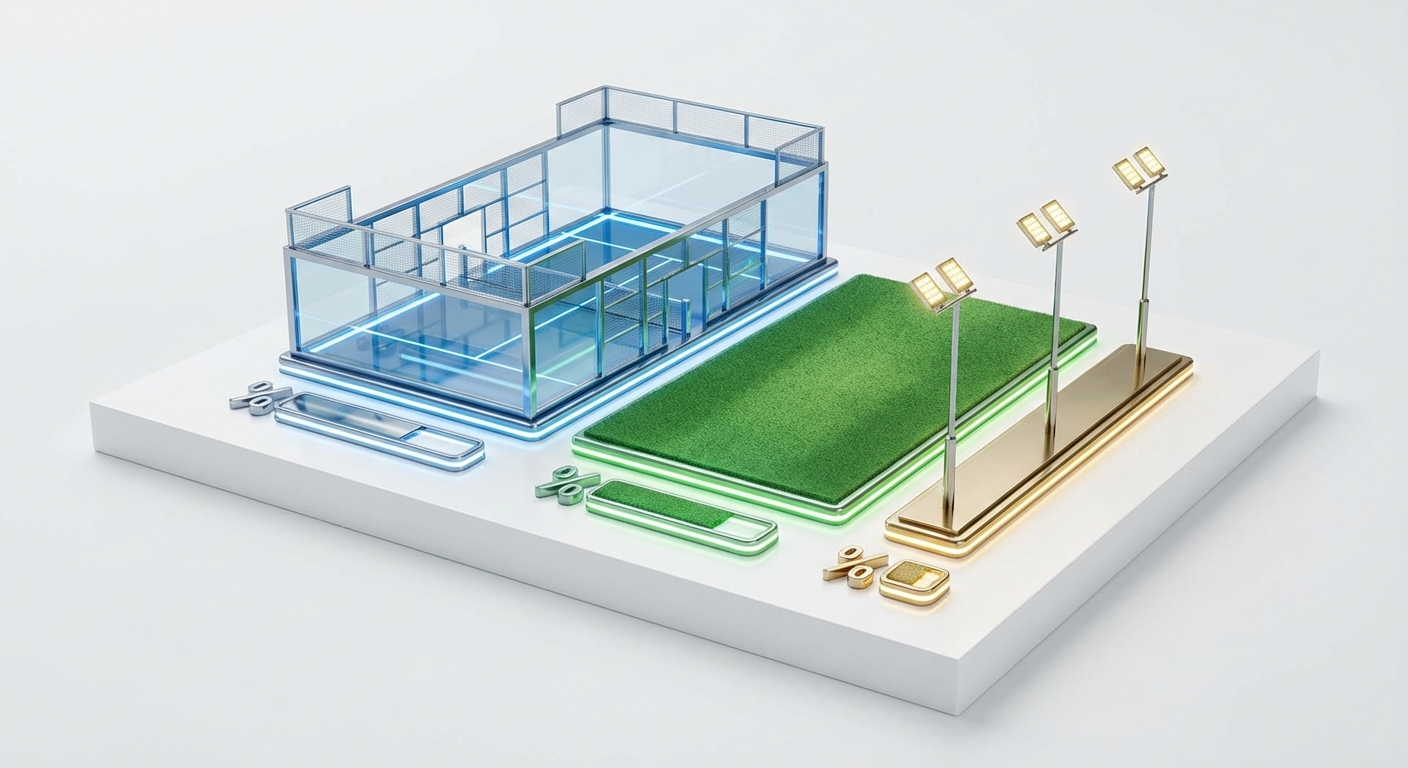
A professional padel court price typically starts at approximately $24,000 for standard materials and can scale up to $65,000 for premium panoramic designs. This base figure covers the structural steel, safety glass, artificial turf, and essential lighting systems required for a single court installation. When accounting for full project delivery, including shipping and specialized installation kits, most owners budget closer to $96,000.
How do core components break down?
The bulk of your investment goes into the structural elements that define the game’s unique character. Steel frames and tempered glass panels form the primary enclosure, while the artificial turf provides the critical shock absorption needed for fast-paced play.
Here is the deal:
- Steel and glass structures: $22,500 – $38,300
- Artificial turf surfaces: $5,600 – $13,500
- LED lighting systems: $2,800 – $10,000
- Professional equipment kits: $1,100 – $2,400
Key Takeaway: Establishing a realistic baseline budget early prevents project stalls and ensures you select durable, competition-grade materials.
| Component | Price Range (USD) | Percentage of Total |
|---|---|---|
| Structure & Glass | $22,500 – $38,300 | ~55% |
| Turf & Lighting | $8,400 – $23,500 | ~30% |
| Kits & Extras | $3,700 – $12,600 | ~15% |
This breakdown illustrates that the structural integrity and playing surface constitute the vast majority of your capital expenditure.
2. Which factors influence the total padel court price?
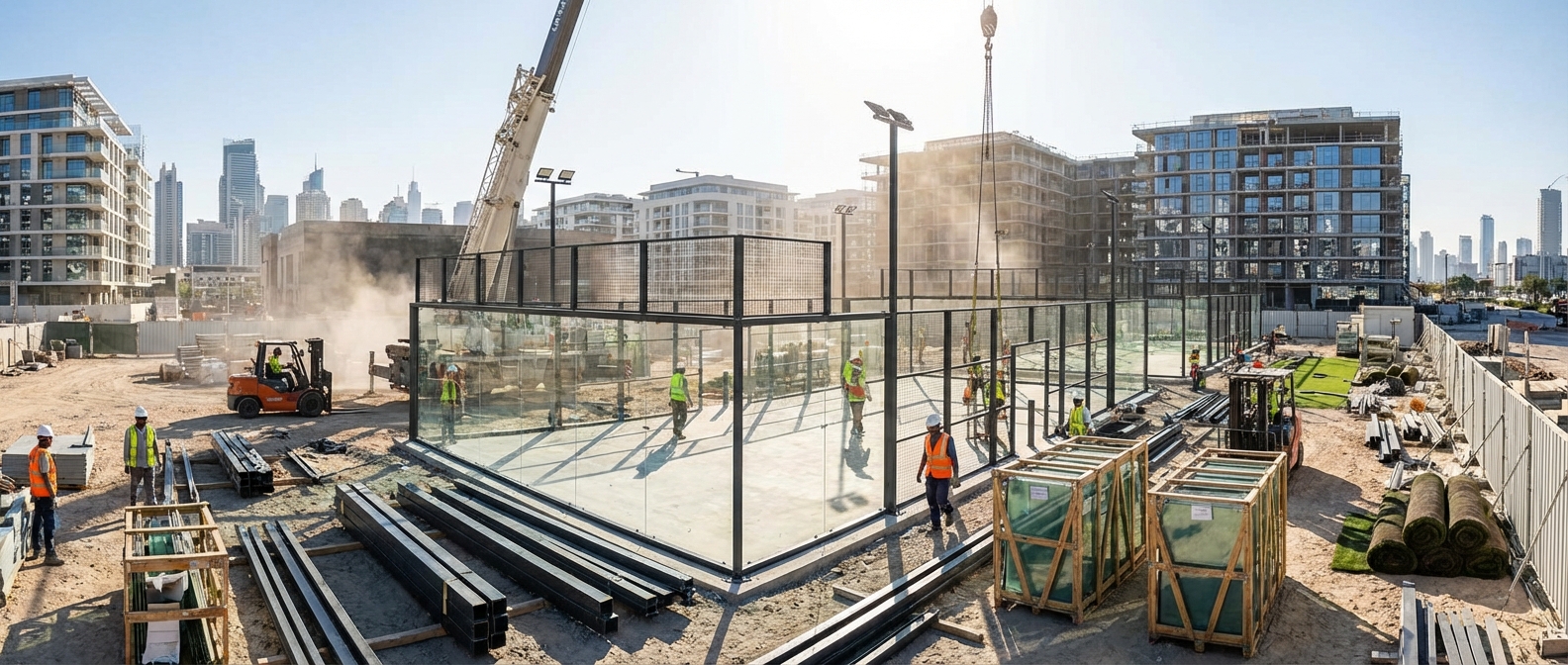
The total padel court price is primarily driven by your chosen competition level, the number of courts being installed, and whether you are building an indoor or outdoor facility. Each of these decisions changes the material requirements and the complexity of the site preparation work handled by local contractors. Understanding these variables allows you to optimize your layout for maximum player capacity and operational efficiency.
Does the quantity of courts affect your costs?
Scaling your project to include multiple courts often reduces the per-unit cost through bulk purchasing and shared logistics. When you install three or more courts at once, you can significantly optimize your initial investment.
Consider this:
- Shared mobilization costs for construction equipment.
- Volume discounts on steel fabrication and turf manufacturing.
- Efficient use of shared drainage and lighting infrastructure.
Key Takeaway: Multi-court layouts improve your project’s overall financial feasibility by spreading fixed construction costs across a larger playing area.
| Factor | Cost Impact | Benefit |
|---|---|---|
| Single Court | Highest per unit | Low initial capital |
| Multi-Court Hub | Lowest per unit | High member capacity |
| Area Expansion | Moderate | Room for social amenities |
Strategic planning of the total footprint ensures you don’t overpay for fragmented construction phases later.
3. How does competition level impact padel court price?
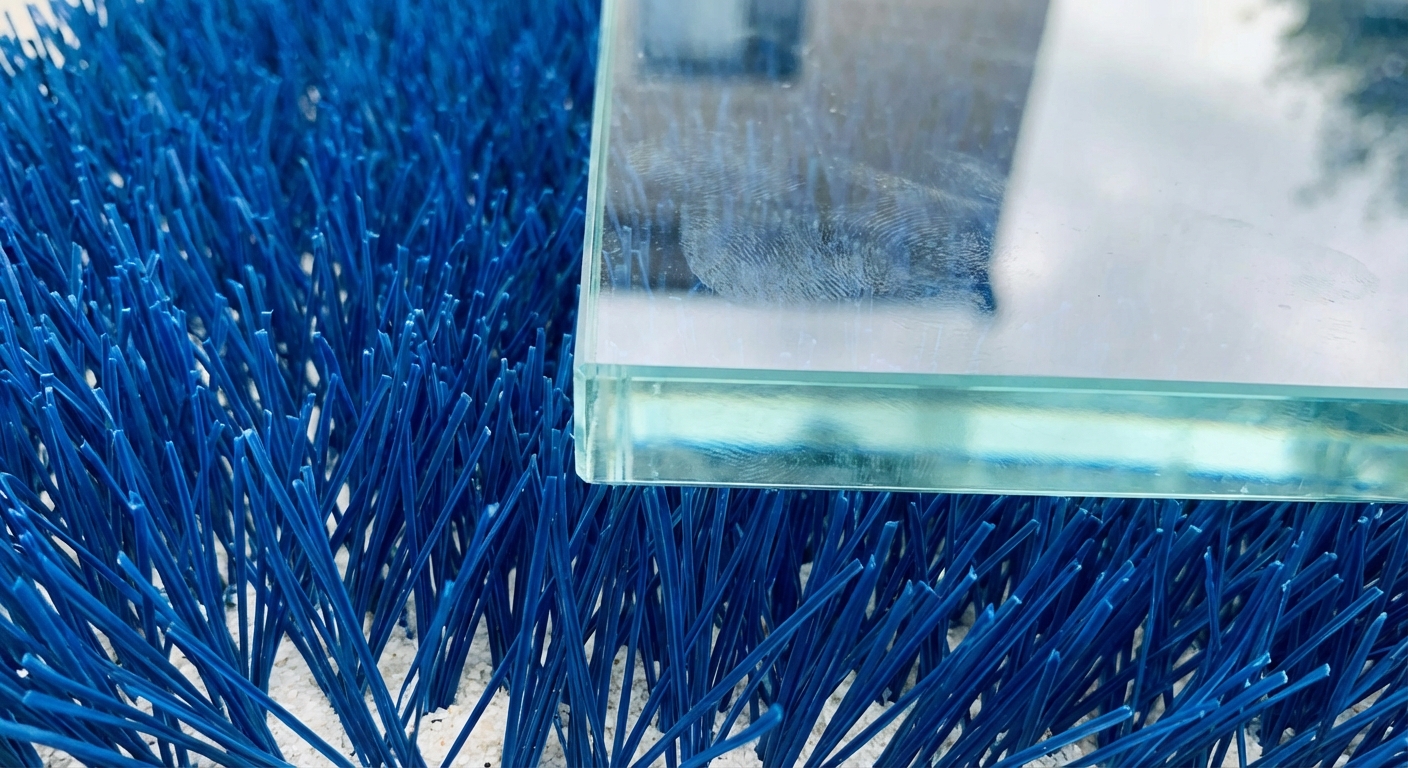
Professional-grade facilities command a higher padel court price because they must adhere to strict International Padel Federation (IPF) standards for glass thickness and turf density. Professional courts typically utilize 12mm anti-explosion tempered safety glass and high-performance monofilament turf to ensure a consistent ball bounce. Recreational courts can sometimes utilize 10mm glass or simpler subfloors, but this often leads to higher maintenance costs over time.
What are the standard dimensions for pros?
Professional courts must strictly measure 10 meters by 20 meters to be eligible for official tournaments and league play. Any deviation from these metrics can disqualify your facility from hosting high-level events and attracting elite players.
But wait:
- Dimensions: 33 feet by 66 feet (2,153 sq ft total).
- Wall standards: Transparent glass for spectator visibility.
- Flooring: Fibrillated or monofilament artificial turf only.
- Lighting: Specific lux levels for television and competition.
Key Takeaway: Investing in professional-standard materials ensures your facility remains competitive and eligible for high-revenue tournament hosting.
| Level | Glass Standard | Turf Quality |
|---|---|---|
| Recreational | 10mm Tempered | Fibrillated |
| Professional | 12mm Anti-explosion | High-Density Monofilament |
| Tournament | Panoramic 12mm | WPT-Spec Turf |
Choosing competition-grade materials from the start protects your brand reputation and minimizes the risk of structural failure.
4. Does indoor or outdoor use change padel court price?
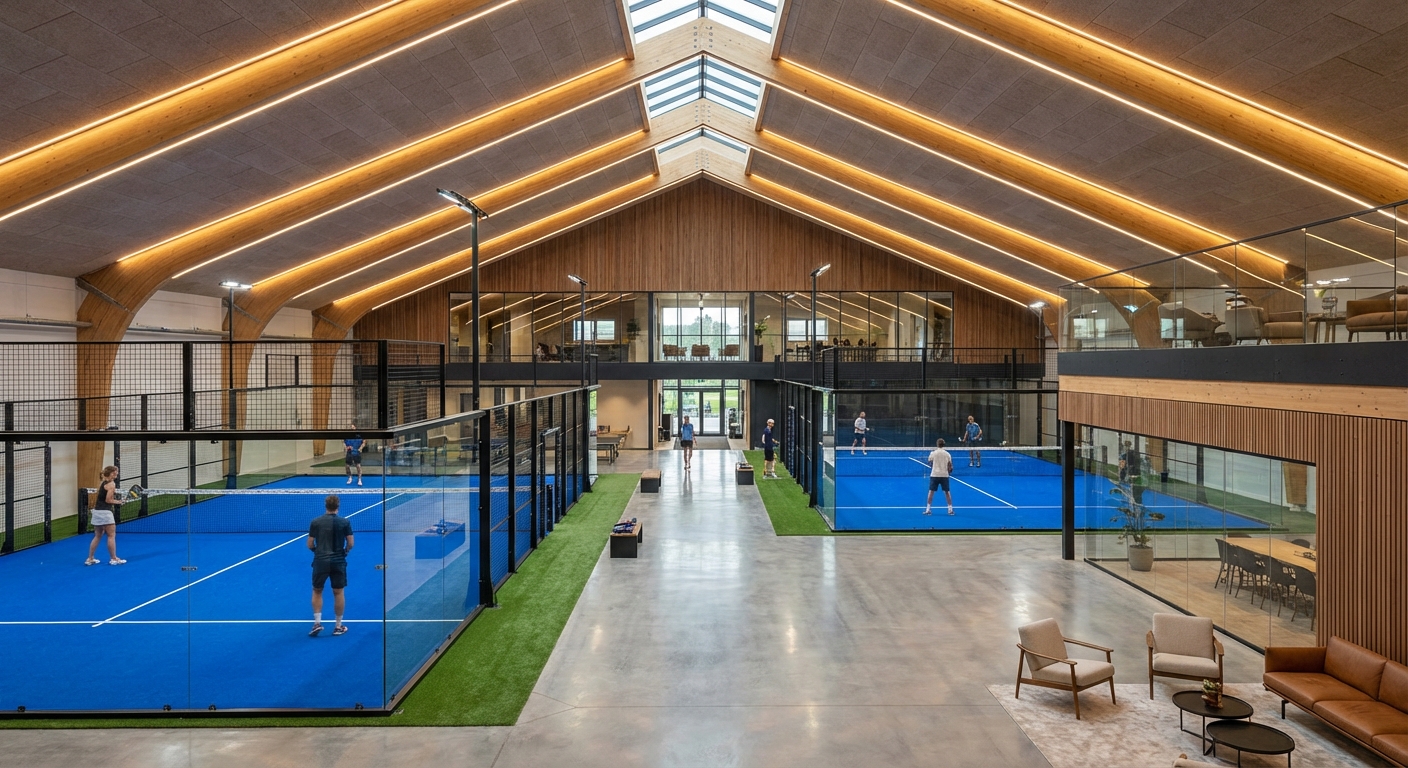
Outdoor installations typically have a lower initial padel court price for the structure but require expensive drainage systems and weather-resistant coatings to survive the elements. Indoor courts benefit from complete protection against rain and UV damage, which significantly extends the lifespan of the turf and glass. However, indoor facilities must account for high ceiling clearance and specialized lighting systems that can operate effectively in enclosed environments.
What are the unique indoor requirements?
Building inside an existing structure requires a minimum vertical clearance of 7 meters to accommodate high lob shots. If your facility does not meet this height requirement, the quality of gameplay will suffer, and players will likely seek other venues.
The deal is:
- Minimum height: 7 meters (approx. 23 feet).
- Lighting: Anti-glare LED systems are essential.
- HVAC: Proper air circulation for intense physical activity.
Key Takeaway: Indoor courts offer 365-day playability and lower turf maintenance, making them a more stable long-term revenue generator.
| Environment | Cost Driver | Maintenance Needs |
|---|---|---|
| Outdoor | Drainage & Foundations | High (UV/Rain/Wind) |
| Indoor | Ceiling Height & HVAC | Low (Climate Controlled) |
Balancing the initial installation cost against year-round booking potential is critical for accurate financial forecasting.
5. How do subfloor materials affect padel court price?
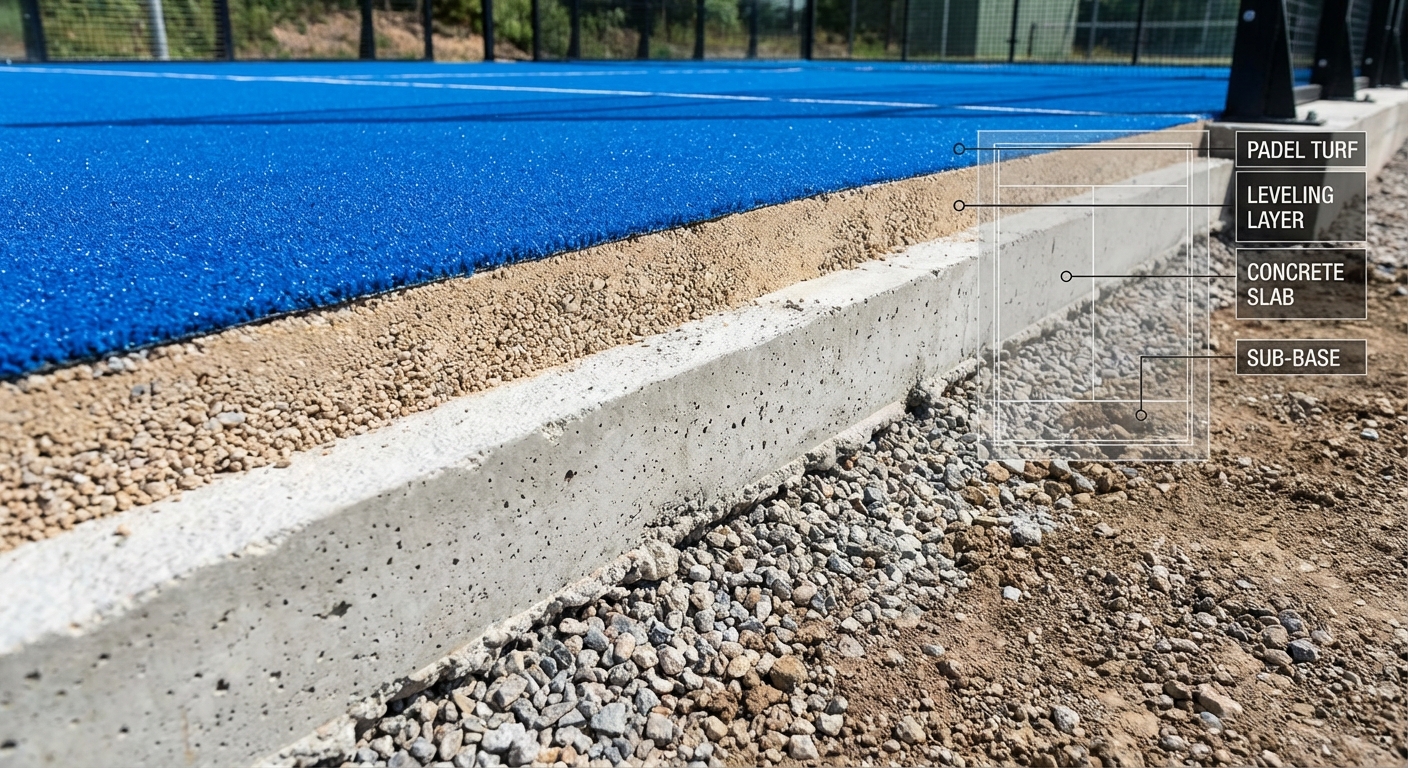
Selecting the right subfloor material is a major factor in the final padel court price and determines the ultimate durability of your playing surface. Asphalt is generally more affordable for outdoor projects and provides a stable base, though it can crack in extreme temperatures. Concrete is more expensive initially but offers unmatched stability and is the gold standard for indoor facilities where a perfectly flat surface is required.
Is asphalt or concrete better for you?
While asphalt saves money on day one, concrete’s longevity often makes it the more cost-effective choice over a 20-year period. Your geographic climate should dictate this choice, as high temperature fluctuations can wreak havoc on cheaper subfloors.
Consider this:
- Asphalt: Best for budgets with moderate climate.
- Concrete: Best for professional centers and longevity.
- Leveling: Critical regardless of the material chosen.
- Drainage: Essential for all outdoor subfloor types.
Key Takeaway: Skimping on the subfloor foundation will lead to “dead spots” in ball bounce and costly surface repairs within a few years.
| Subfloor Type | Initial Cost | Durability |
|---|---|---|
| Asphalt | $8,000 – $12,000 | 10-15 Years |
| Concrete | $12,000 – $18,000 | 20+ Years |
A stable foundation is the single most important factor in maintaining the playability and safety of your padel investment.
6. What is the padel court price for premium glass and turf?
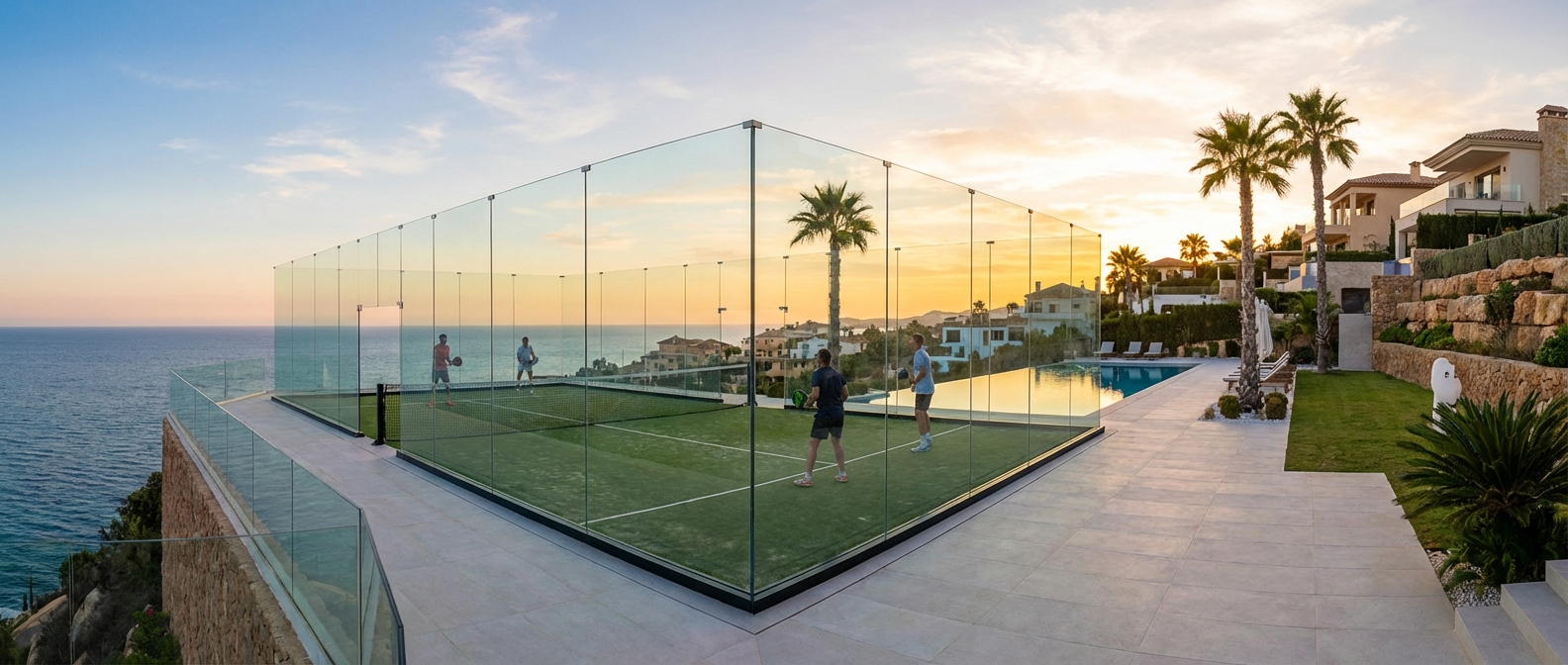
The specific quality of your enclosure and surface significantly impacts the padel court price, with panoramic glass being the most expensive upgrade available. Panoramic designs remove structural posts from the back walls to provide spectators with an unobstructed view of the action. High-density fibrillated turf is also a premium choice that offers exceptional wear resistance and consistent performance for busy commercial clubs.
Why choose panoramic designs?
Panoramic courts serve as a visual centerpiece for high-end sports clubs and resorts. This premium aesthetic allows you to command higher booking fees and attract spectators for televised matches or local tournaments.
Here is the deal:
- No rear structural posts for maximum visibility.
- 12mm anti-explosion tempered safety glass is standard.
- Increases the visual value of your entire sports facility.
Key Takeaway: Premium aesthetics via panoramic glass and elite turf justify higher membership rates and accelerate your return on investment.
| Material | Standard Option | Premium Option |
|---|---|---|
| Glass Walls | Framed Panels | Panoramic View |
| Turf Surface | Standard Fibrillated | High-Density Monofilament |
Investing in high-end visuals creates a “wow factor” that distinguishes your club from standard recreational venues.
7. How does location impact your padel court price?
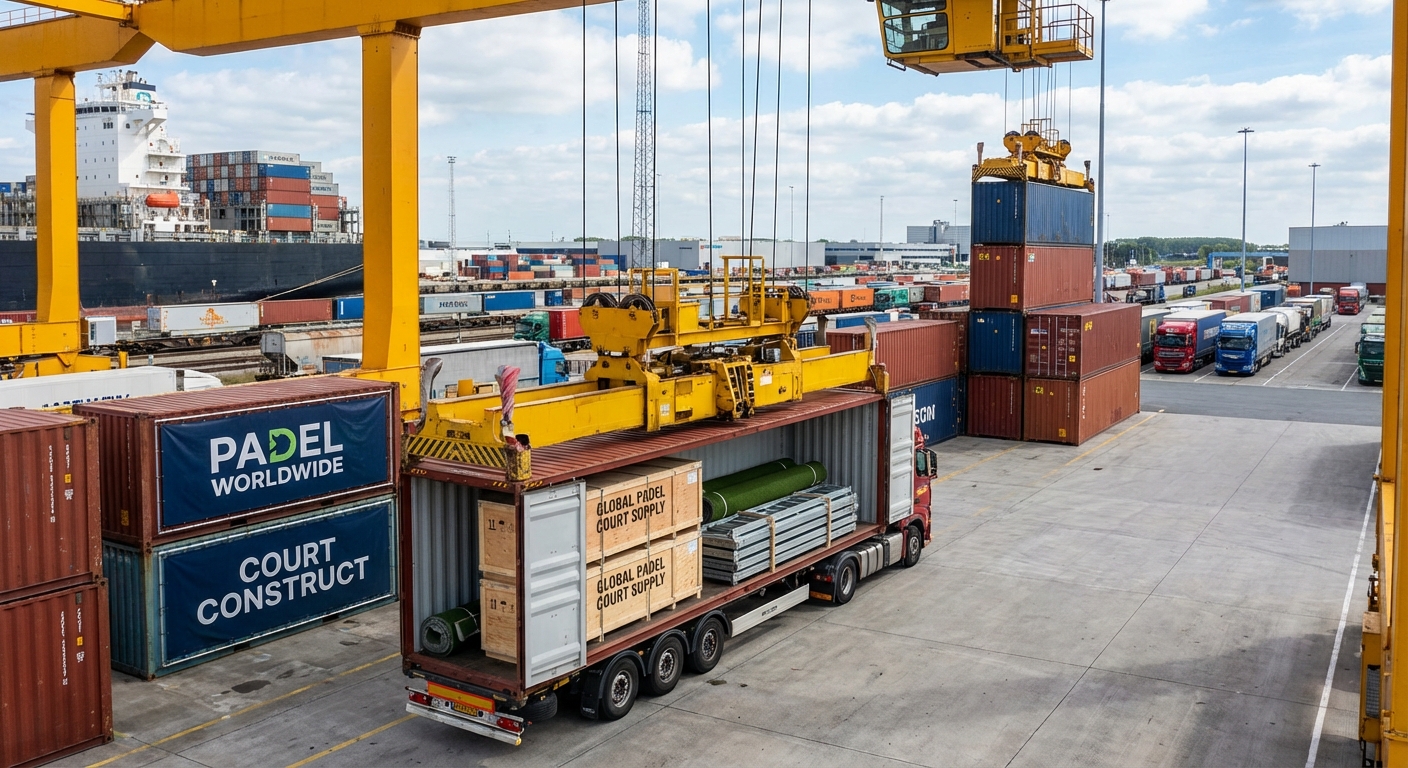
Your geographic location determines the logistics and labor costs that often inflate the final padel court price beyond the initial material quote. Shipping heavy steel and fragile glass across international borders can cost between $8,400 and $22,000 depending on freight rates. Local labor markets also vary wildly, with specialized installation crews commanding higher rates in major metropolitan areas compared to rural regions.
Can you optimize shipping costs?
Partnering with a manufacturer that has global logistics experience can help you secure better freight rates and navigate complex customs procedures. Efficient packing of containers ensures you are not paying to ship empty space or risking damage to glass panels.
Consider this:
- Proximity to major ports reduces inland trucking fees.
- Bulk shipping of multiple courts in one container set.
- Early booking of freight to avoid peak season surges.
Key Takeaway: Strategic logistics planning and choosing an experienced global partner can save you thousands in hidden transportation fees.
| Logistic Factor | Cost Range | Strategy |
|---|---|---|
| Ocean Freight | $5,000 – $15,000 | Book 2 months ahead |
| Local Trucking | $2,000 – $5,000 | Use port-proximate sites |
| Customs/Taxes | 5% – 20% | Check local trade treaties |
Accurately calculating these “soft costs” is essential for avoiding mid-project budget collapses during the delivery phase.
8. Why do lighting and extras increase padel court price?
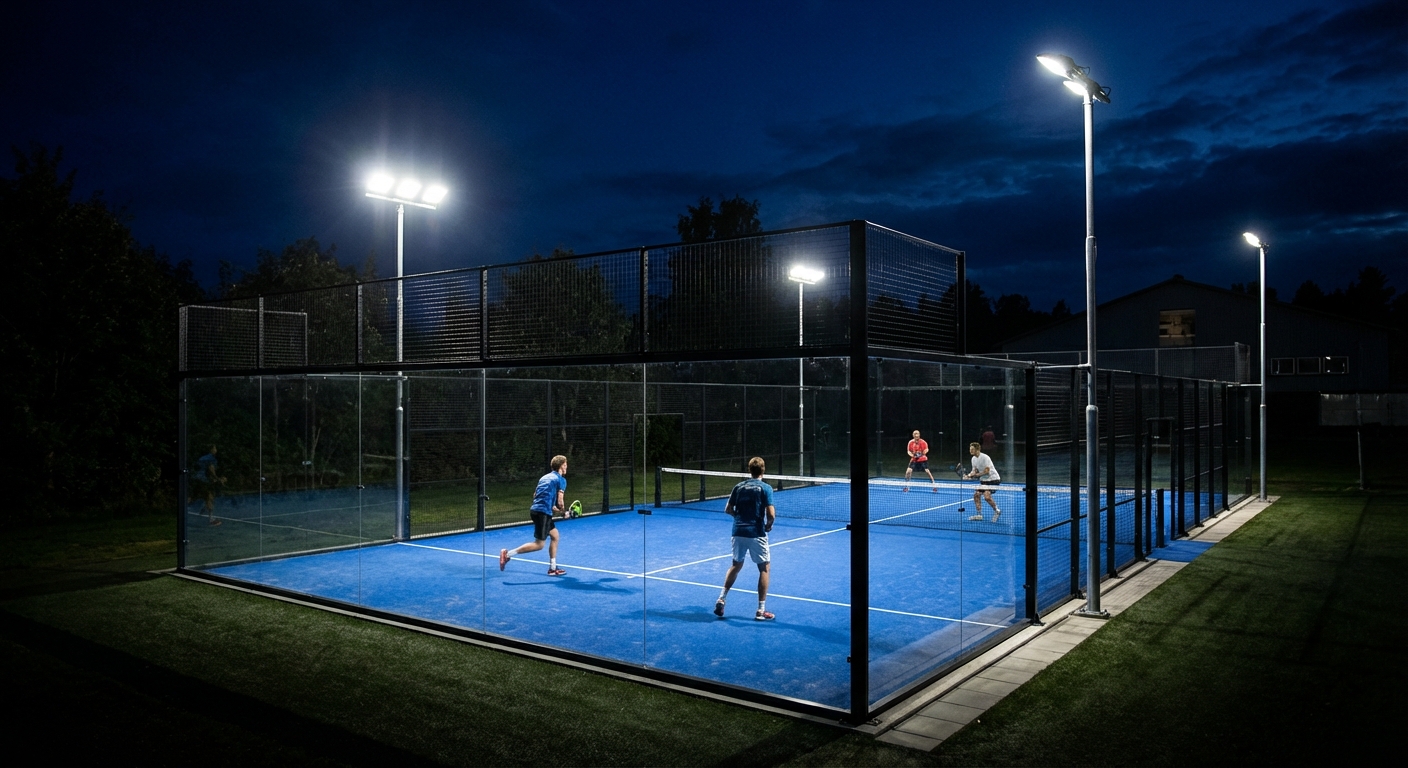
A professional lighting system can add between $2,800 and $10,000 to the padel court price, but it is necessary for maximizing booking revenue during evening hours. High-efficiency LED floodlights with IP66 waterproof ratings are standard for modern facilities, providing uniform illumination without creating glare for the players. Additional amenities like digital scoreboards and spectator benches further increase costs but elevate the overall professionalism of your brand.
Are LED lights worth the cost?
LED systems provide significant energy savings and have a much longer lifespan than traditional metal halide lighting. You will see a direct impact on your monthly operational costs, making LEDs a smarter long-term financial decision for any facility.
The deal is:
- Energy savings of up to 50-70% over traditional bulbs.
- Zero warm-up time allows for instant court availability.
- Superior light uniformity prevents player fatigue and eye strain.
Key Takeaway: Quality LED lighting is a non-negotiable investment for safety, visibility, and 24/7 revenue generation in commercial clubs.
| Lighting Feature | Standard LED | High-End LED |
|---|---|---|
| Brightness (Lux) | 300 – 500 | 750+ (TV Standard) |
| Waterproofing | IP65 | IP66+ |
| Energy Usage | Low | Ultra-Low |
Strategic lighting placement ensures your courts remain active and profitable long after the sun goes down.
9. Can you lower padel court price by buying factory direct?
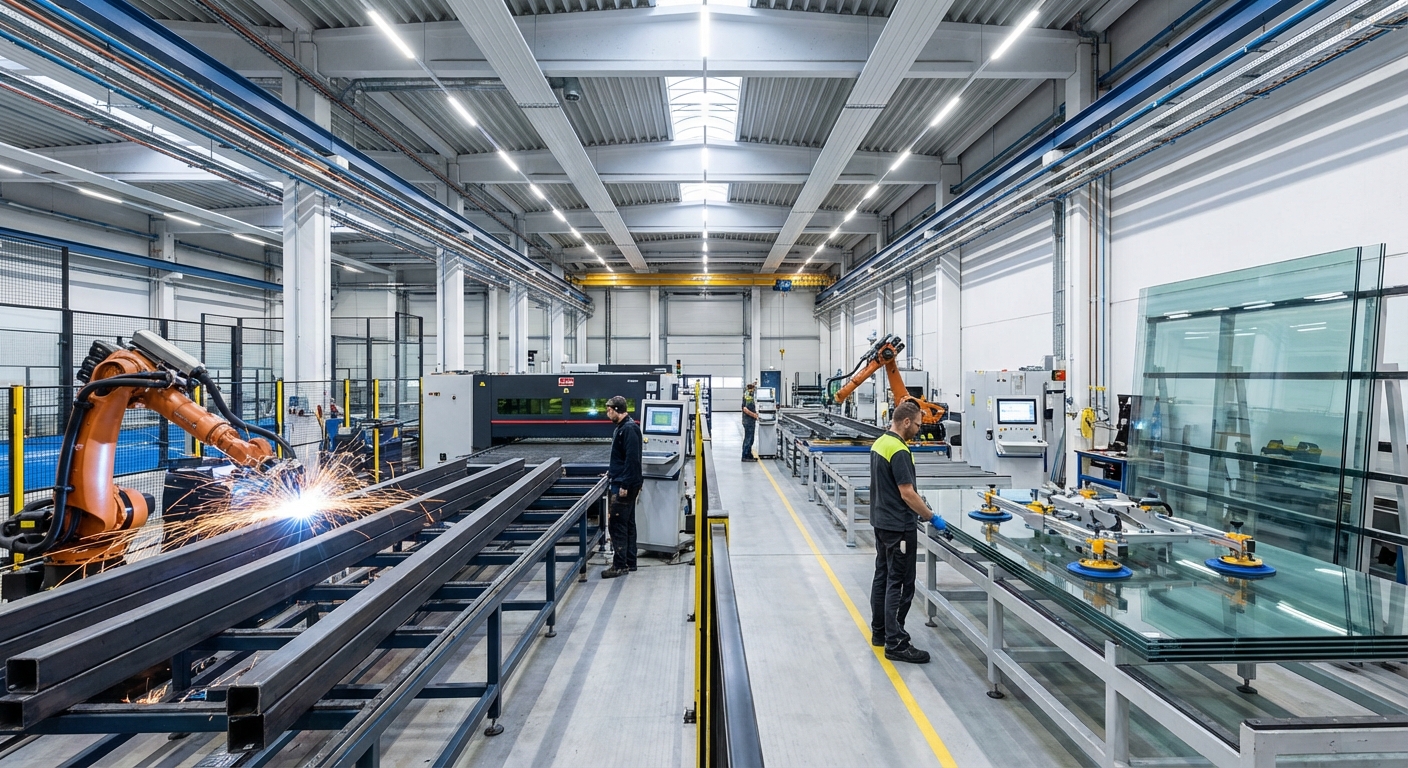
Purchasing directly from a manufacturer is the most effective way to reduce your padel court price by eliminating the 20-30% markup typical of local distributors. Factory-direct procurement also gives you access to full OEM customization, allowing you to choose specific RAL colors and integrate your own branding into the court design. Manufacturers with no Minimum Order Quantity (MOQ) provide the flexibility to start small with a single court before expanding your facility.
What are the benefits of OEM branding?
Customizing your courts with your own logo and club colors strengthens your market position and allows you to build a unique brand identity. This customization is often included or heavily discounted when working directly with the fabrication facility.
But wait:
- Save up to 30% by cutting out the middleman.
- Direct communication ensures technical specs are met.
- Faster lead times on replacement parts and upgrades.
Key Takeaway: Buying direct from the source maximizes your project’s profitability and gives you complete control over the design quality.
| Source | Price Markup | Customization |
|---|---|---|
| Local Dealer | 20% – 40% | Limited Stock |
| Factory Direct | 0% | Full OEM/ODM |
Direct procurement ensures that every dollar of your budget goes into the quality of the materials rather than sales commissions.
10. What common mistakes inflate padel court price?
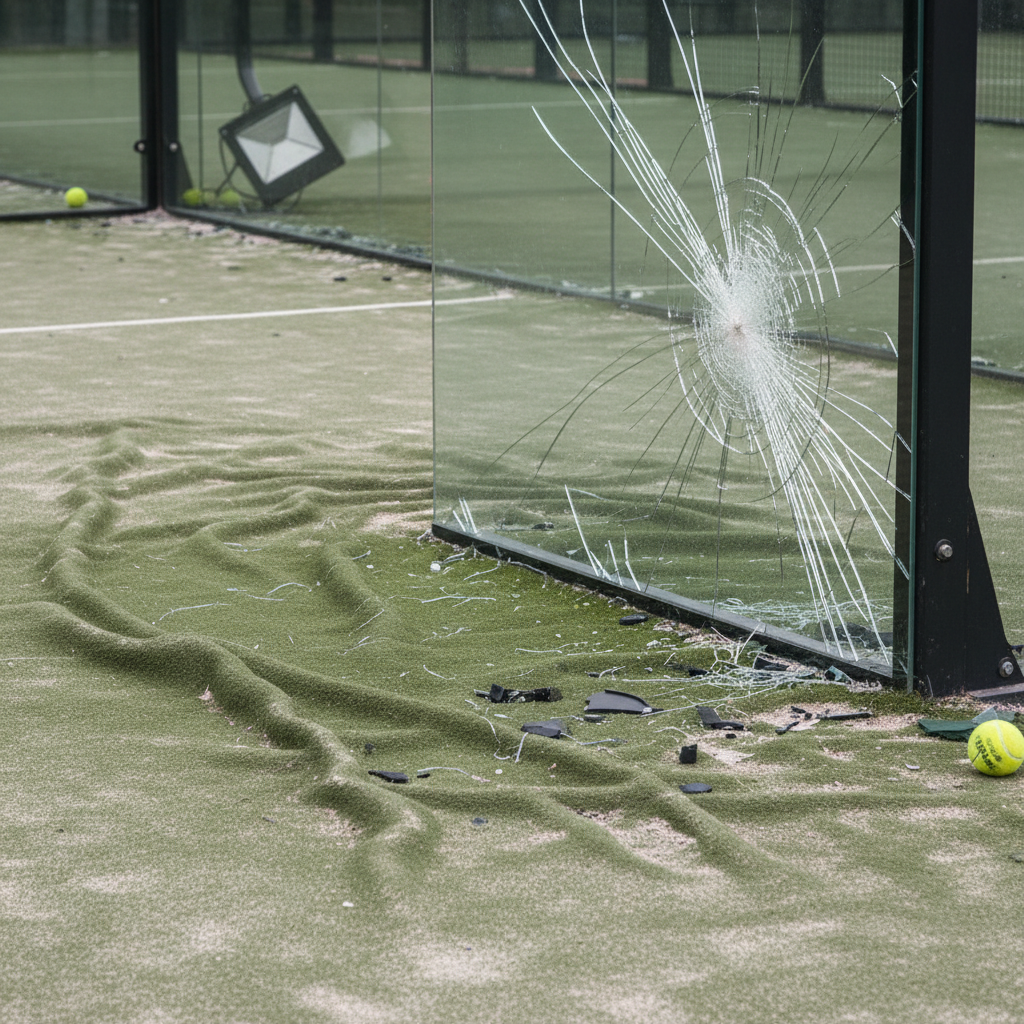
Failing to plan for total construction costs in the early stages is the fastest way to see your padel court price spiral out of control. Many first-time owners ignore site drainage requirements or choose incorrect materials that lead to premature turf degradation and glass breakage. Working with a professional installer who understands international padel standards is the best way to avoid these expensive pitfalls and ensure a long-lasting facility.
Why is court orientation critical?
If you orient an outdoor court incorrectly, the sun can become a major safety hazard and ruin the playing experience during peak revenue hours. Professional designers always consider the sun’s path and local wind patterns to ensure maximum player comfort and safety year-round.
Consider this:
- Orientation: North-South is standard to minimize sun glare.
- Standard sizing: Always stick to 10m x 20m for resale value.
- Materials: Never use non-safety glass to save money.
Key Takeaway: Thorough early-stage planning and adhering to professional standards are the best safeguards against future financial loss.
| Common Mistake | Cost Consequence | Solution |
|---|---|---|
| Poor Drainage | Turf Rot/Mold | Proper subfloor slope |
| Wrong Glass | Injury/Liability | 12mm Tempered Safety |
| No Permits | Fines/Demolition | Early local filing |
Correcting a structural error after installation can cost twice as much as doing it right the first time.