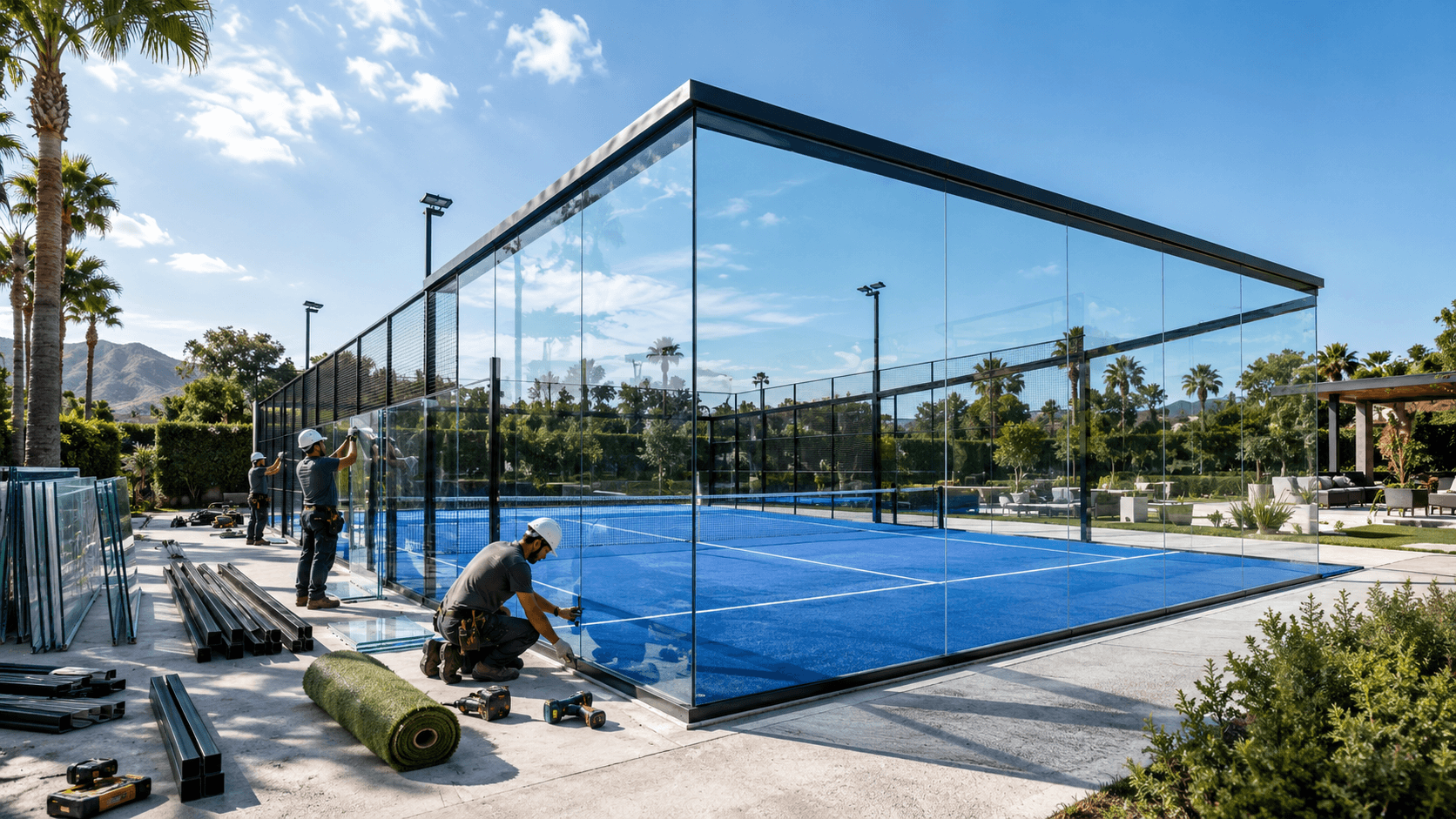
A panoramic padel court is a premium sports facility characterized by unobstructed glass walls and is built using high-strength structural steel anchored to a reinforced concrete base. Traditional court designs often rely on intrusive metal pillars that block the view for spectators and cameras. This lack of visibility can frustrate fans and lower the commercial appeal of your facility during high-stakes tournaments. By opting for a panoramic design, you provide a world-class viewing experience that elevates your club’s prestige and attracts elite players.
What is a panoramic padel court exactly?
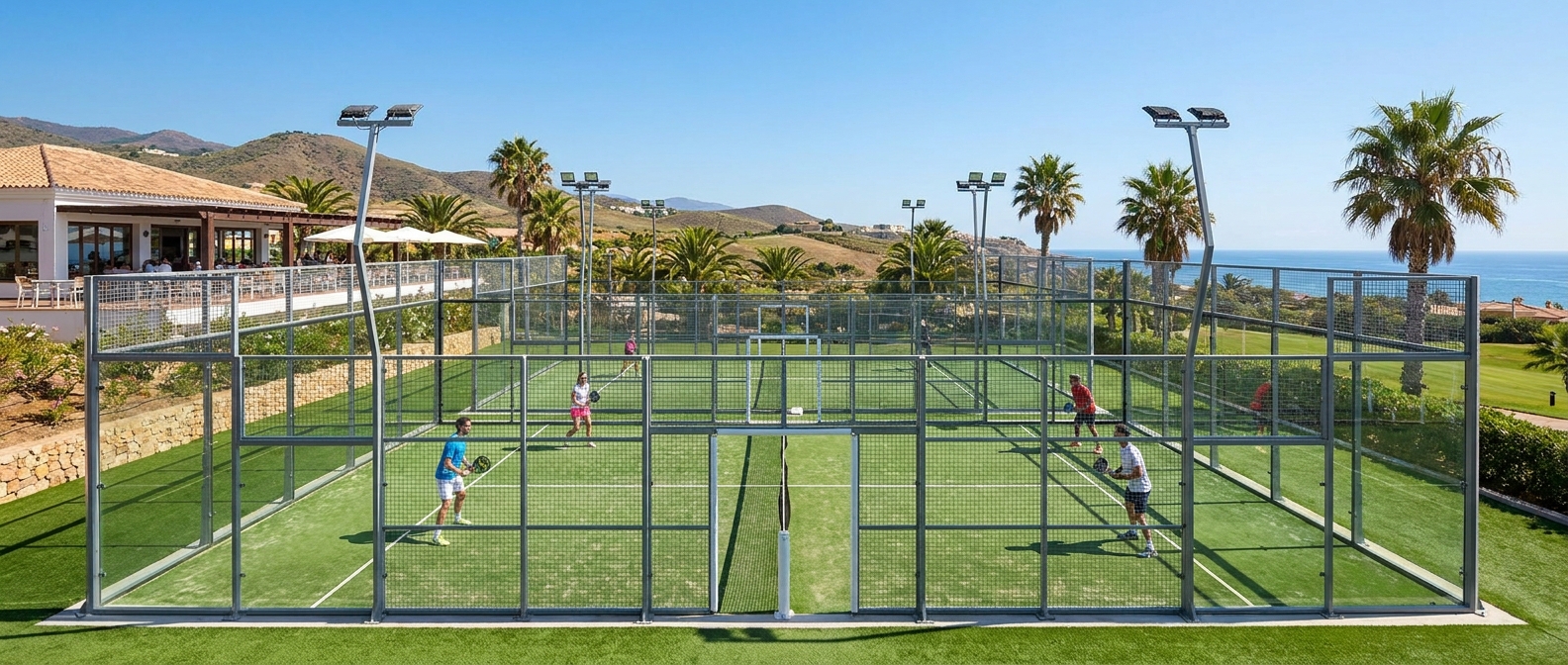
A panoramic padel court is a modern evolution of the sport’s infrastructure that removes vertical pillars from the back and side glass sections to provide 360-degree visibility. This architectural shift ensures that neither spectators nor broadcasters have their line of sight broken by structural steel. You will find that these courts are the gold standard for professional circuits where every angle of play must be visible.
Defining the panoramic visual experience
The primary goal of this design is to create a seamless “aquarium” effect that maximizes light and visibility. Here is the kicker: without those rear pillars, the court feels significantly more spacious for the players inside. You will notice that fans can follow the ball’s trajectory much more easily from any seat in the house.
- Uninterrupted glass panels for total transparency.
- Eliminated corner shadows for better ball tracking.
- Sleek, minimalist aesthetics for modern clubs.
Structural differences from standard courts
How does it stay upright without those extra posts? The truth is, the engineering relies on reinforced corner sections and thicker steel beams at the base. You are essentially trading multiple thin supports for fewer, high-performance structural nodes that maintain the court’s integrity.
Key Takeaway: A panoramic padel court prioritizes unobstructed visibility through advanced engineering, making it the preferred choice for high-end sports facilities.
| Feature | Standard Court | Panoramic Court |
|---|---|---|
| Rear Pillars | Yes (Every 2-3 meters) | None (Post-less design) |
| Spectator View | Partially Blocked | 100% Unobstructed |
| Aesthetics | Industrial/Functional | Premium/Luxury |
The shift from standard to panoramic designs represents a move toward spectator-centric facility management.
Why should you choose a panoramic court for your club?
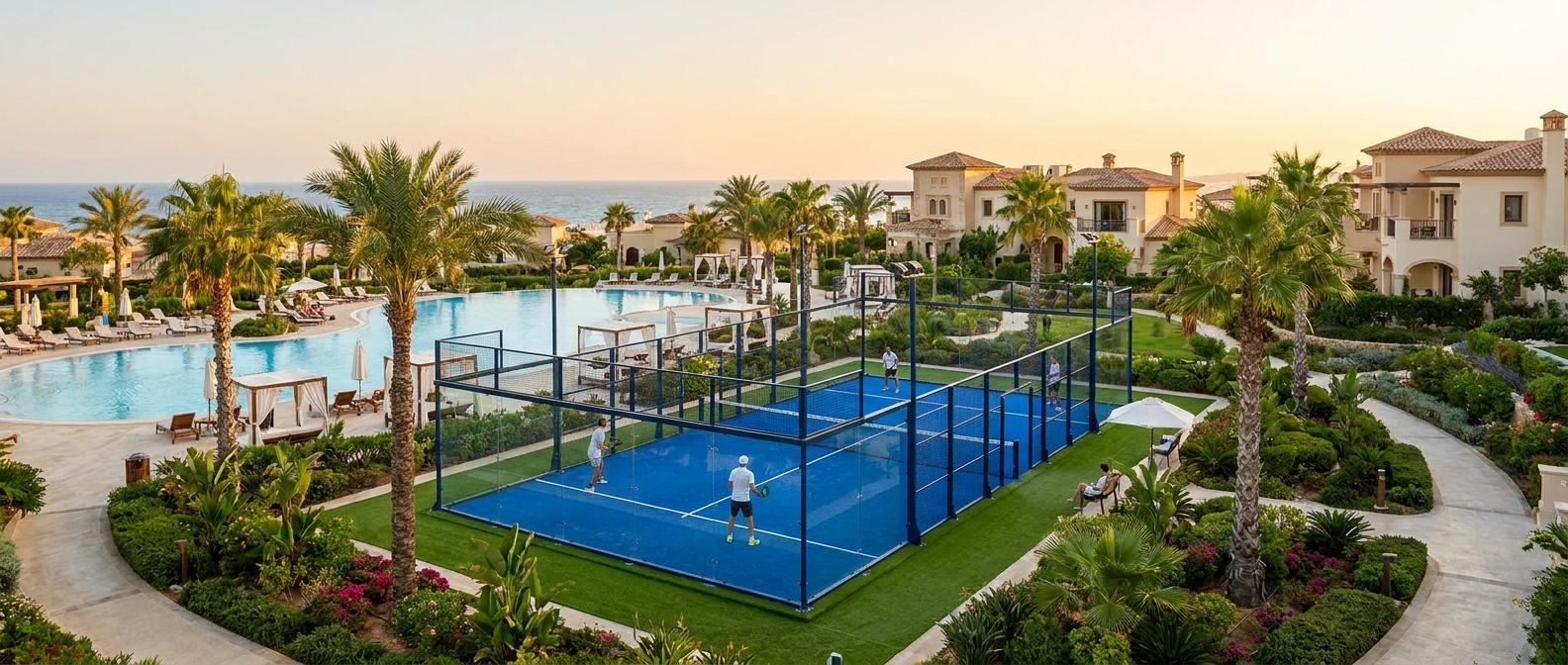
Choosing a panoramic padel court allows you to position your facility as a premier destination that can host televised events and attract high-net-worth members. While a standard court fulfills basic play requirements, the panoramic version serves as a marketing tool that looks stunning in photos and videos. You will find that the visual appeal alone can significantly reduce your customer acquisition costs.
Superior viewing for spectators and broadcasts
If you plan on hosting tournaments, visibility is non-negotiable. But wait, there’s more: broadcasters require specific angles that are only possible when structural posts are removed from the back glass. You provide a better experience for the live crowd and the digital audience simultaneously.
- Optimized camera angles for streaming.
- Improved lighting distribution across the court.
- Better engagement for sponsors on the glass.
Increasing court rental demand and ROI
Players are often willing to pay a premium to play on the best available equipment. By installing a panoramic padel court, you can justify higher hourly rental rates compared to standard facilities. You will likely see a faster payback period because the “wow factor” keeps your booking calendar full throughout the week.
Enhanced aesthetics for premium branding?
Does the look of your club impact your bottom line? Absolutely, because a high-end appearance allows you to partner with luxury brands and sponsors. You can even consider a Super Panoramic Padel Court for the ultimate architectural statement.
Key Takeaway: The panoramic design drives higher revenue through increased rental rates, better sponsorship opportunities, and a superior viewing experience for fans.
| Benefit Category | Impact on Club | Value Proposition |
|---|---|---|
| Revenue | High | Higher rental fees per hour |
| Marketing | Very High | Photogenic design for social media |
| Events | Maximum | Suitable for professional broadcasts |
Investing in aesthetics and visibility directly correlates with higher member retention and brand authority in the sports market.
What are the core elements of a panoramic structure?
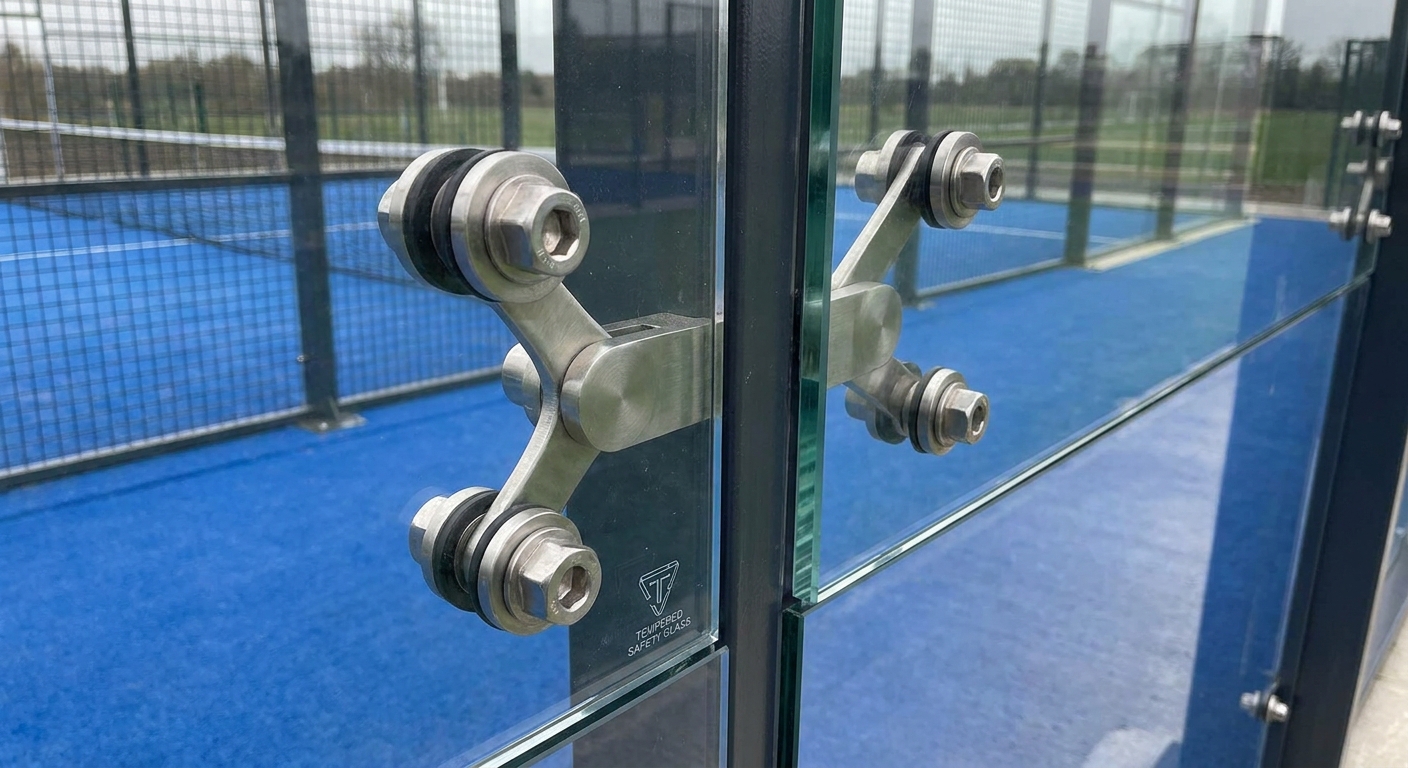
The core elements of a panoramic padel court include 12mm tempered glass, a hot-dip galvanized steel frame, and professional-grade artificial turf. These components must work in perfect harmony to ensure both player safety and structural longevity. You need to ensure every piece meets international quality standards to withstand the high-impact nature of the sport.
Unobstructed 12mm tempered glass walls
The glass is the most critical part of the panoramic experience. Best of all: using 12mm Padel Glass provides the necessary weight and resistance to allow for a post-less design. You get a safe, anti-explosion surface that remains crystal clear even after years of intense use.
- EN 12150 certified safety standards.
- Polished edges for seamless joining.
- High impact resistance for player collisions.
Reinforced corner supports without rear posts
How does the structure maintain its shape during high winds? The secret lies in the reinforced Padel Structure that uses thicker gauge steel at the corners to compensate for the missing pillars. You are investing in a frame that is designed to distribute tension evenly across the entire perimeter.
Key Takeaway: High-quality tempered glass and reinforced steel frames are the twin pillars of a safe and visually stunning panoramic court.
| Component | Specification | Importance |
|---|---|---|
| Glass | 12mm Tempered | Safety and ball bounce |
| Steel | Hot-dip Galvanized | Corrosion resistance |
| Fasteners | Stainless Steel | Structural integrity |
Using premium materials ensures that the court remains a safe, low-maintenance asset for the duration of its 20-year design life.
How do you select the perfect site for construction?
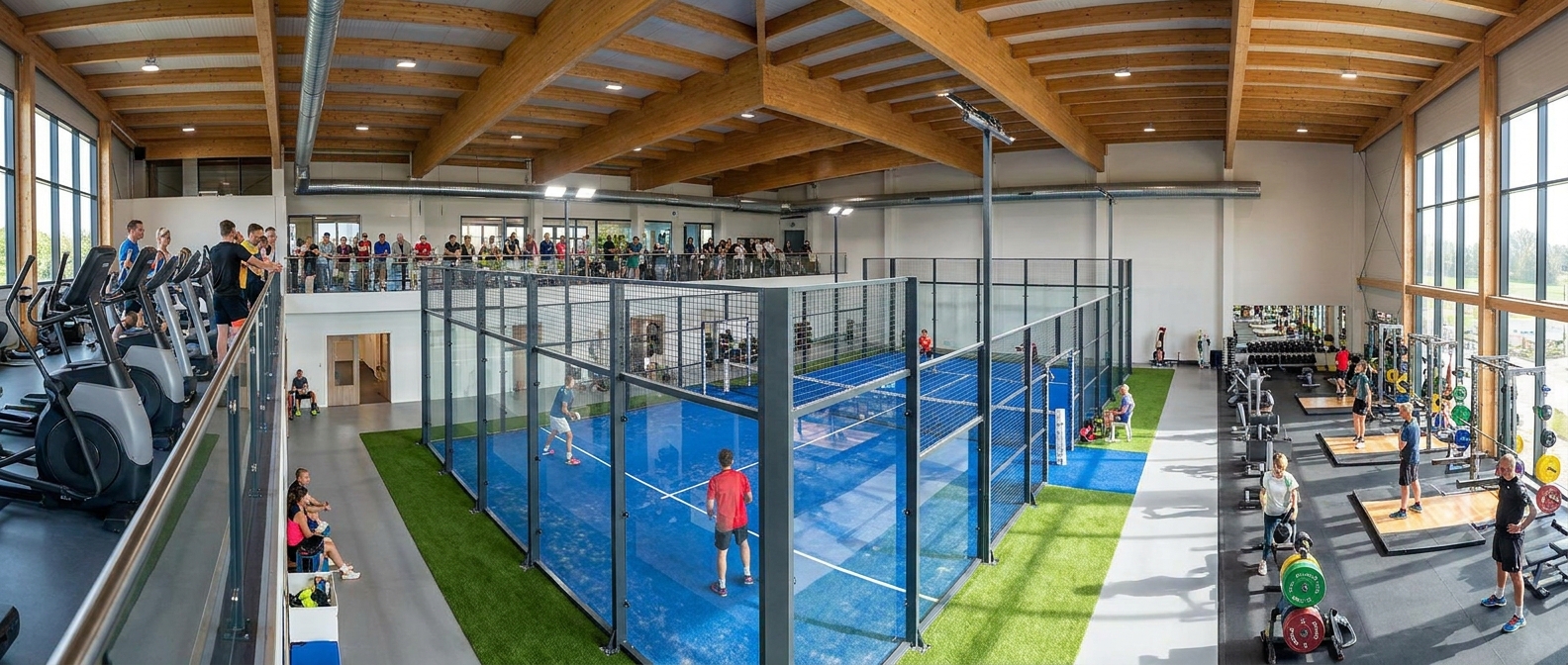
Selecting the right site for a panoramic padel court requires a flat, stable surface with excellent drainage and sufficient space for spectator movement. You cannot simply place a court on soft soil without significant preparation. You must evaluate the terrain to ensure the heavy glass and steel structure doesn’t shift or crack the foundation over time.
Soil stability and concrete leveling
The foundation is the literal bedrock of your investment. Check this out: a single panoramic court requires a concrete slab that is perfectly level to within 3mm across the entire surface. You must ensure the soil is compacted properly to prevent the slab from sinking under the weight of the glass walls.
- 15cm to 20cm thick reinforced concrete slab.
- Vapor barrier to prevent rising moisture.
- Peripheral ring beam for extra support.
Drainage requirements for outdoor installations?
What happens when it rains heavily at your club? You need a slight slope or a specialized porous concrete base to ensure water clears the Padel Grass surface quickly. You don’t want your players slipping or your expensive turf sitting in standing water for hours.
Key Takeaway: A perfectly level and stable concrete foundation is essential to prevent structural shifting and ensure the longevity of the court.
| Site Factor | Requirement | Purpose |
|---|---|---|
| Leveling | < 3mm deviation | Proper ball bounce and glass fit |
| Drainage | 0.5% slope or porous | Quick play after rainfall |
| Space | 11m x 21m minimum | Clearance for safety and fans |
Proper site selection reduces long-term maintenance issues and ensures a professional playing experience from day one.
Which glass specifications are required for safety?
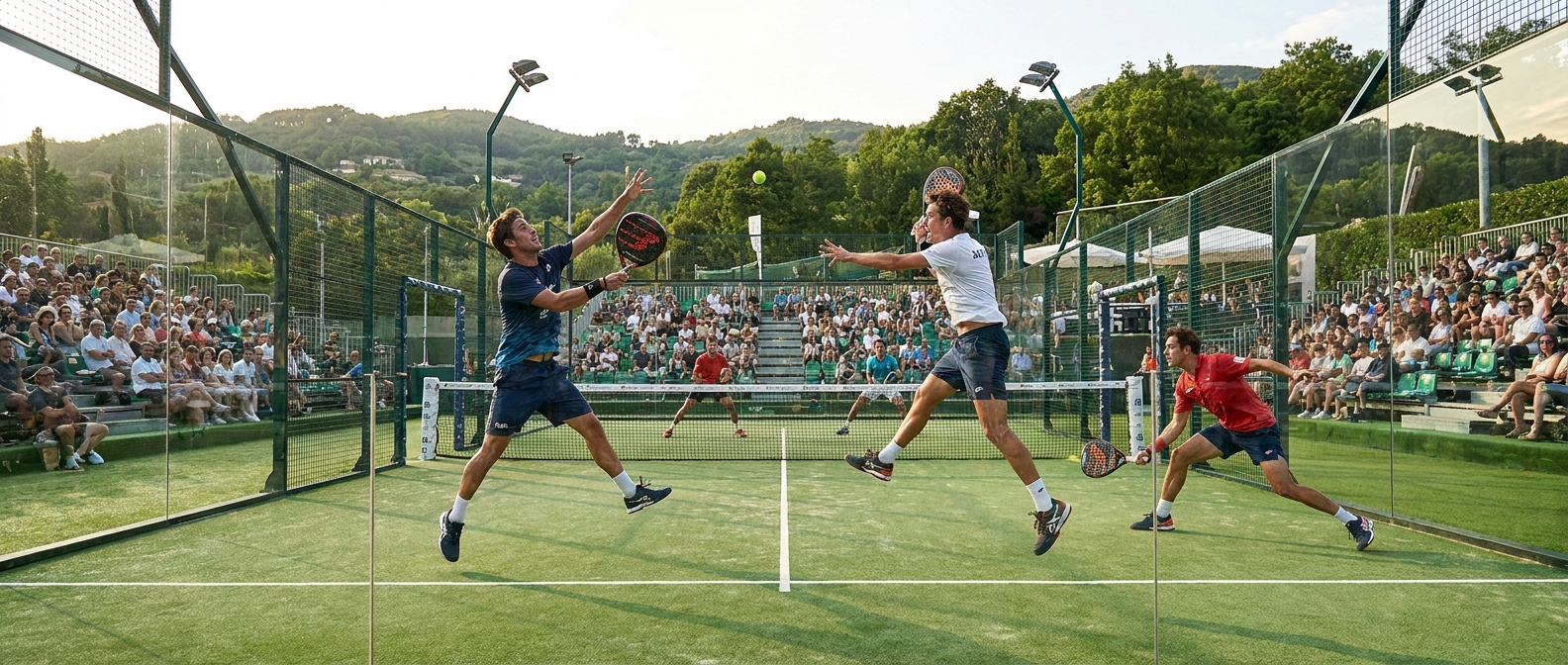
Safety glass specifications for a panoramic padel court dictate the use of 12mm tempered glass that complies with the European EN 12150-1 standard. This ensures that in the rare event of a breakage, the glass shatters into small, blunt pieces rather than sharp shards. You must prioritize these certifications to protect your players and your business from liability.
Impact resistance and durability standards
Padel involves high-speed ball impacts and players occasionally running into the walls. Here is the kicker: 12mm glass is significantly stiffer than the 10mm glass used in cheaper courts. You will find that this extra thickness provides a more consistent ball bounce, which professional players demand.
- Heat-soak tested to prevent spontaneous breakage.
- Countersunk holes for flush-mount hardware.
- High transparency for better light transmission.
Why is 12mm glass the professional choice?
Does the thickness really change the game? The truth is, 12mm glass provides the structural rigidity needed for a panoramic design where there are no middle posts to hold the panels. You get a wall that doesn’t vibrate or flex excessively when a player hits it at full speed.
Key Takeaway: Professional panoramic courts must use 12mm tempered safety glass to ensure structural stability and provide a superior, consistent ball bounce.
| Glass Property | Specification | Professional Benefit |
|---|---|---|
| Thickness | 12mm | Superior rigidity and safety |
| Standards | EN 12150-1 | Certified anti-explosion |
| Finish | Polished Edges | Safe handling and sleek look |
Certified safety glass is the most important component for mitigating risk and ensuring a high-performance playing environment.
What lighting systems work best for panoramic courts?
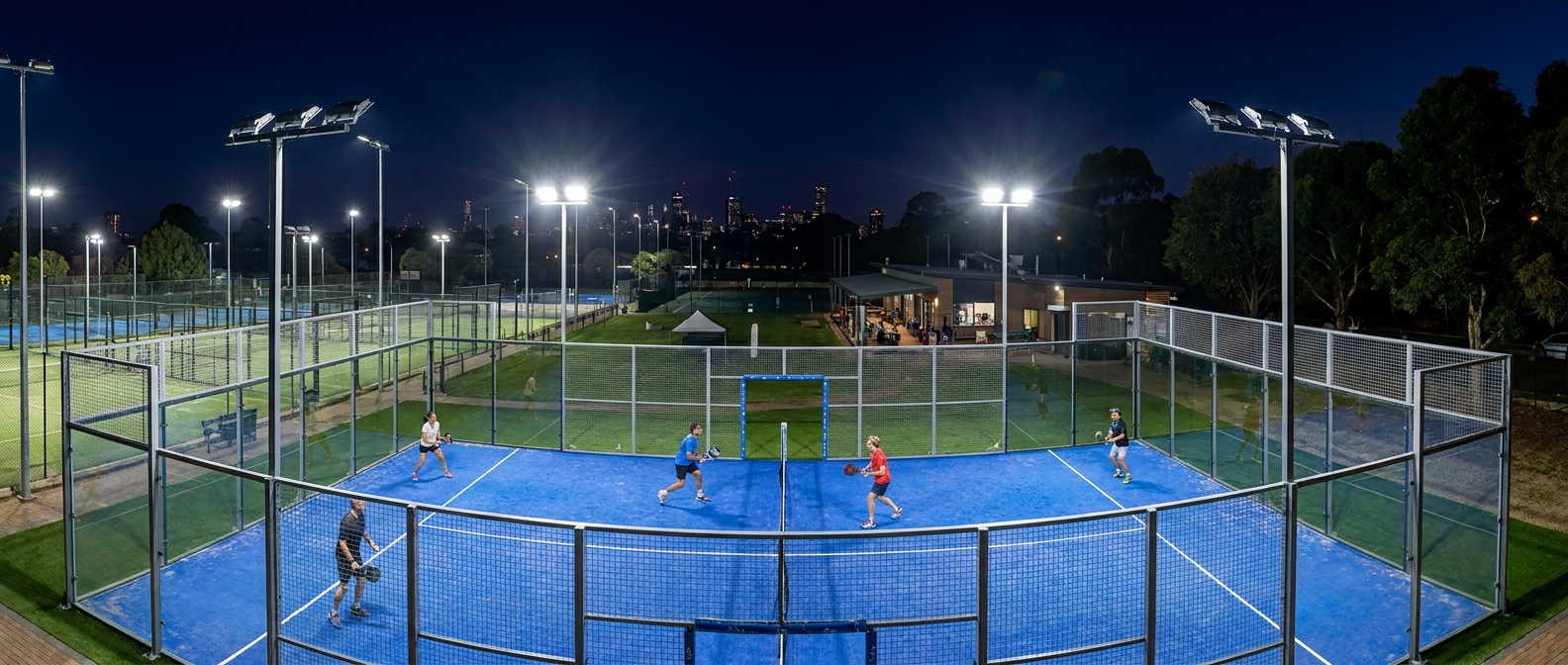
The best lighting systems for a panoramic padel court utilize IP66-rated LED floodlights mounted on specialized poles that eliminate glare on the glass surfaces. You need uniform light distribution so that players don’t lose the ball in “dark spots” during night matches. You will find that high-efficiency Padel LED Lighting reduces your operational costs while improving the court’s overall appeal.
IP66 waterproof LED floodlight placement
The placement of your lights determines whether players can see the ball during high lobs. But wait, there’s more: high-quality LED chips provide a “daylight” color temperature that makes the blue turf pop visually. You should aim for at least 8 floodlights per court to ensure complete coverage without creating harsh shadows.
- Instant-on capability for immediate play.
- Low heat emission for indoor installations.
- 50,000+ hour lifespan for low maintenance.
Eliminating glare on glass surfaces?
Can reflections ruin a match for your players? Yes, which is why the angle of the LED fixtures is so critical in a panoramic setup. You must tilt the lights away from the direct line of sight of the glass to prevent blinding reflections that distract both players and fans.
Key Takeaway: High-efficiency LED systems with anti-glare positioning are vital for creating a professional, playable environment during evening hours.
| Lighting Metric | Optimal Value | Business Impact |
|---|---|---|
| Brightness | 500-750 Lux | Professional tournament level |
| Lifespan | 50,000 Hours | Lower replacement costs |
| Protection | IP66 | Weatherproof for outdoor use |
Energy-efficient lighting extends your court’s usable hours, directly increasing your daily revenue potential.
How is the installation process managed step-by-step?
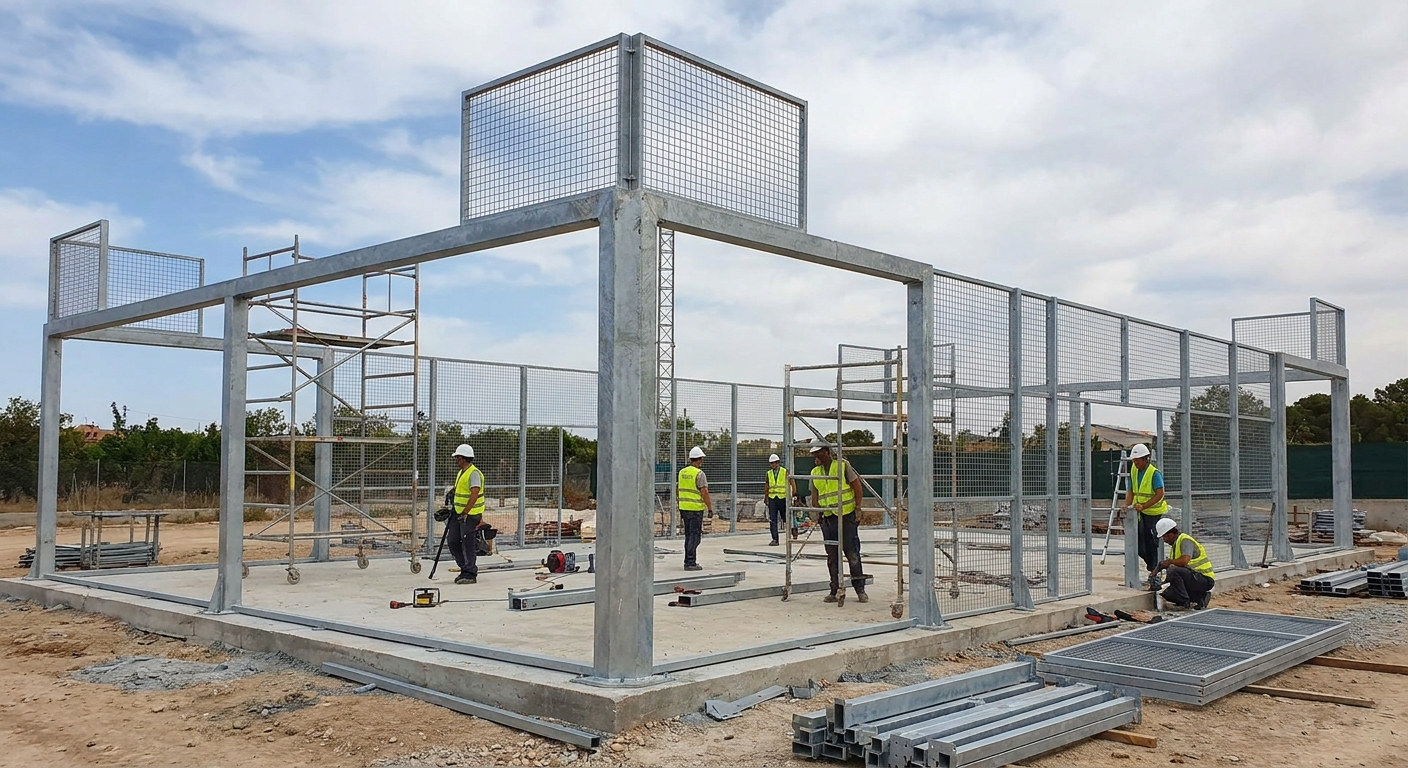
Installing a panoramic padel court involves a sequential process of foundation curing, steel frame assembly, glass fitting, and turf laying. You must follow a precise order because the glass panels rely on the frame being perfectly square and level. You will find that a modular design significantly speeds up this process, often allowing a court to be completed in just a few days.
Foundation and structural frame assembly
The first step is ensuring your concrete base is fully cured and cleaned. Check this out: the steel beams are bolted into the concrete using heavy-duty expansion anchors to prevent any lateral movement. You must use a laser level to verify that every post is perfectly vertical before moving on to the glass.
- Unloading components with a forklift or crane.
- Bolting the perimeter frame to the foundation.
- Installing the net posts and entry gates.
Precision glass handling and fitting
How do you move 150kg glass panels without breaking them? You should use specialized suction cups and a small mechanical lift to position each piece of glass. You must leave a small gap between the panels to allow for thermal expansion, which is then sealed with weather-resistant gaskets.
Key Takeaway: A methodical, step-by-step installation ensures the court is structurally sound, safe for players, and visually perfect.
| Step | Duration (Avg) | Focus Area |
|---|---|---|
| Foundation | 7-14 Days | Curing and leveling |
| Steel Frame | 1-2 Days | Alignment and anchoring |
| Glass/Turf | 2-3 Days | Precision and finish |
Professional installation reduces the risk of glass breakage and ensures the turf remains flat for a consistent playing surface.
Can panoramic padel courts be customized?
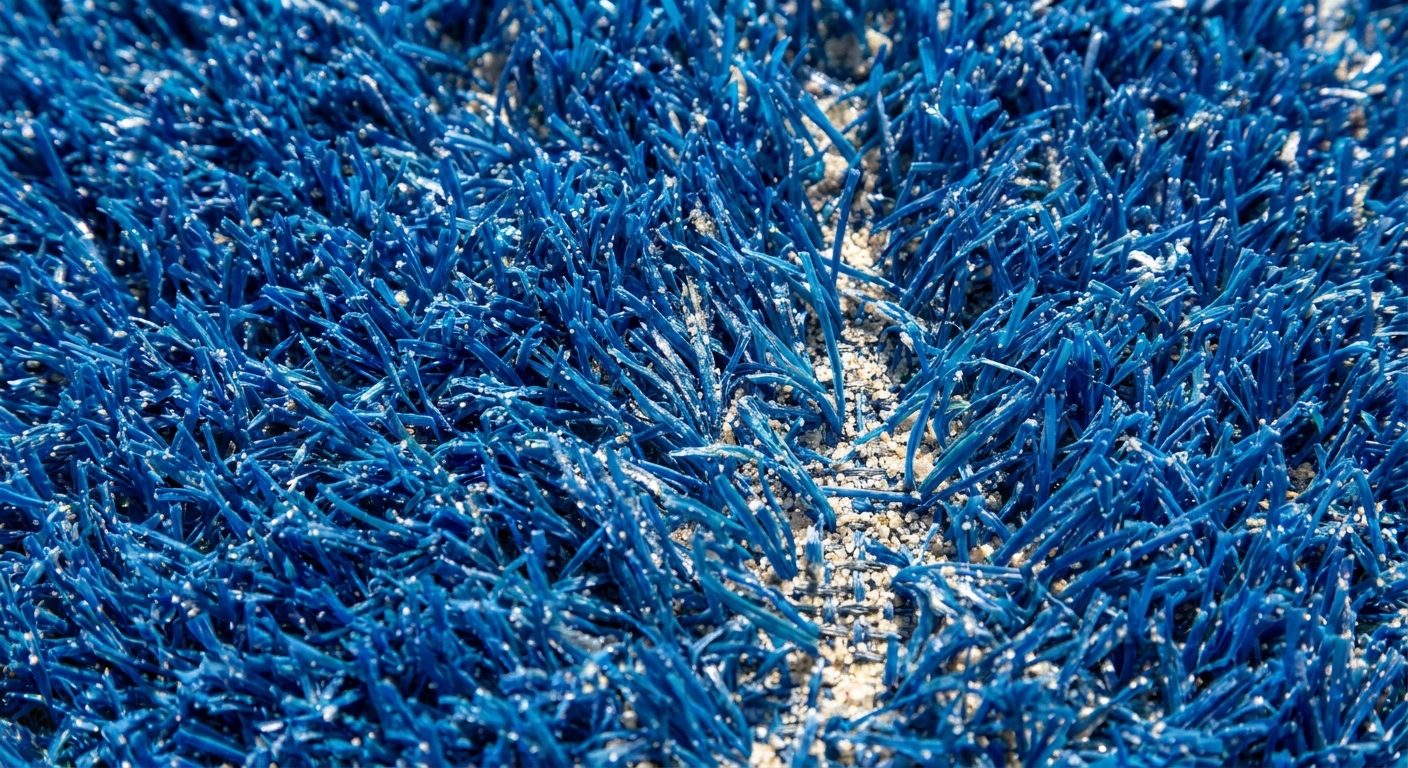
Panoramic padel courts offer extensive customization options, including frame colors, turf types, and logo integration on the glass or net. You can tailor the court to match your club’s corporate identity or the aesthetic of a luxury resort. You will find that these personal touches make your facility more memorable and help with brand recognition on social media.
Structure color options and powder coating
The metal frame doesn’t have to be just black or silver. Best of all: you can choose any RAL color for the powder-coated finish to create a unique look. You might opt for a vibrant blue or a sleek matte grey to stand out from the competition and attract more attention to your venue.
- UV-resistant coatings for outdoor longevity.
- Textured or glossy finishes available.
- Double-layer protection against coastal salt air.
Branding and logo integration techniques?
Can you put your sponsors’ logos directly on the court? Definitely, and it’s a great way to generate additional revenue. You can have logos laser-cut into the metal frame or applied as high-durability decals on the glass walls where they will be seen in every player’s photo.
Key Takeaway: Customization allows you to align the court’s design with your brand identity, increasing the marketing value of your facility.
| Custom Element | Options | Impact |
|---|---|---|
| Frame Color | Any RAL Code | Brand alignment |
| Turf Color | Blue, Green, Red | Visual appeal |
| Logo Placement | Glass, Net, Frame | Sponsor visibility |
Tailoring the court to your specific needs creates a unique selling proposition that standard, generic courts cannot match.
What maintenance is required for long-term durability?
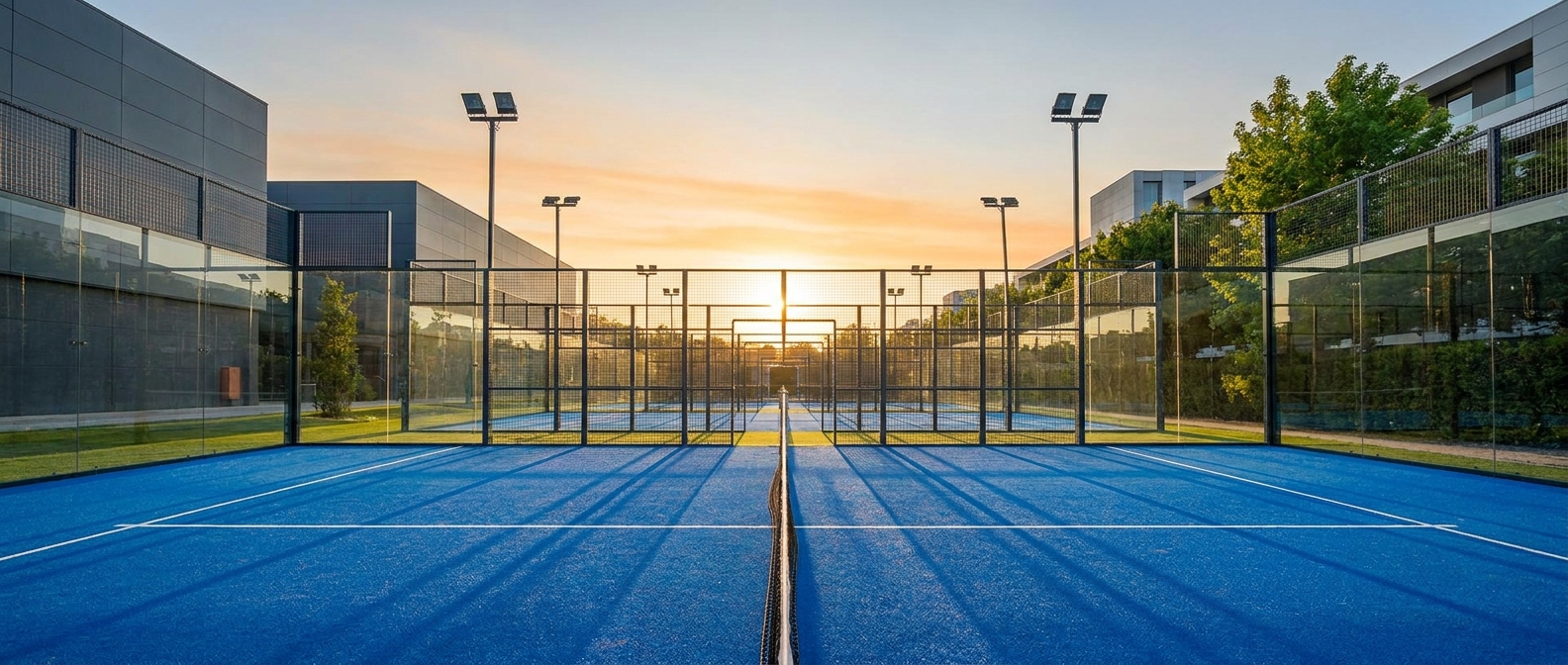
Maintaining a panoramic padel court involves regular glass cleaning, turf grooming, and periodic inspection of the structural fasteners. You need to keep the glass crystal clear to maintain the “panoramic” effect that your members expect. You will find that a simple weekly maintenance schedule can extend the life of your court by a decade or more.
Glass cleaning and fastener inspection
Fingerprints and sweat on the glass are inevitable in a fast-paced game. The truth is, dirty glass ruins the aesthetic and can even make the court look neglected. You should also check the bolts connecting the glass to the frame every six months to ensure they haven’t loosened due to vibrations.
- Use non-abrasive cleaners on the glass.
- Clear debris from the base of the frame.
- Lubricate gate hinges and net tensioners.
Synthetic turf grooming and leveling
Why does the ball bounce differently after a few months? You need to brush the sand infill regularly to prevent it from compacting in high-traffic areas. You should ensure the sand is distributed evenly across the entire surface to maintain the professional playability of your turf.
Key Takeaway: Proactive maintenance preserves the visual beauty and structural safety of the court, protecting your long-term financial investment.
| Task | Frequency | Purpose |
|---|---|---|
| Glass Cleaning | Weekly | Aesthetic and visibility |
| Turf Brushing | Every 2 Weeks | Even ball bounce |
| Bolt Check | Every 6 Months | Structural safety |
Consistent care ensures that your panoramic court remains a premium asset that continues to attract high-end clientele.
Is a panoramic court a profitable investment?
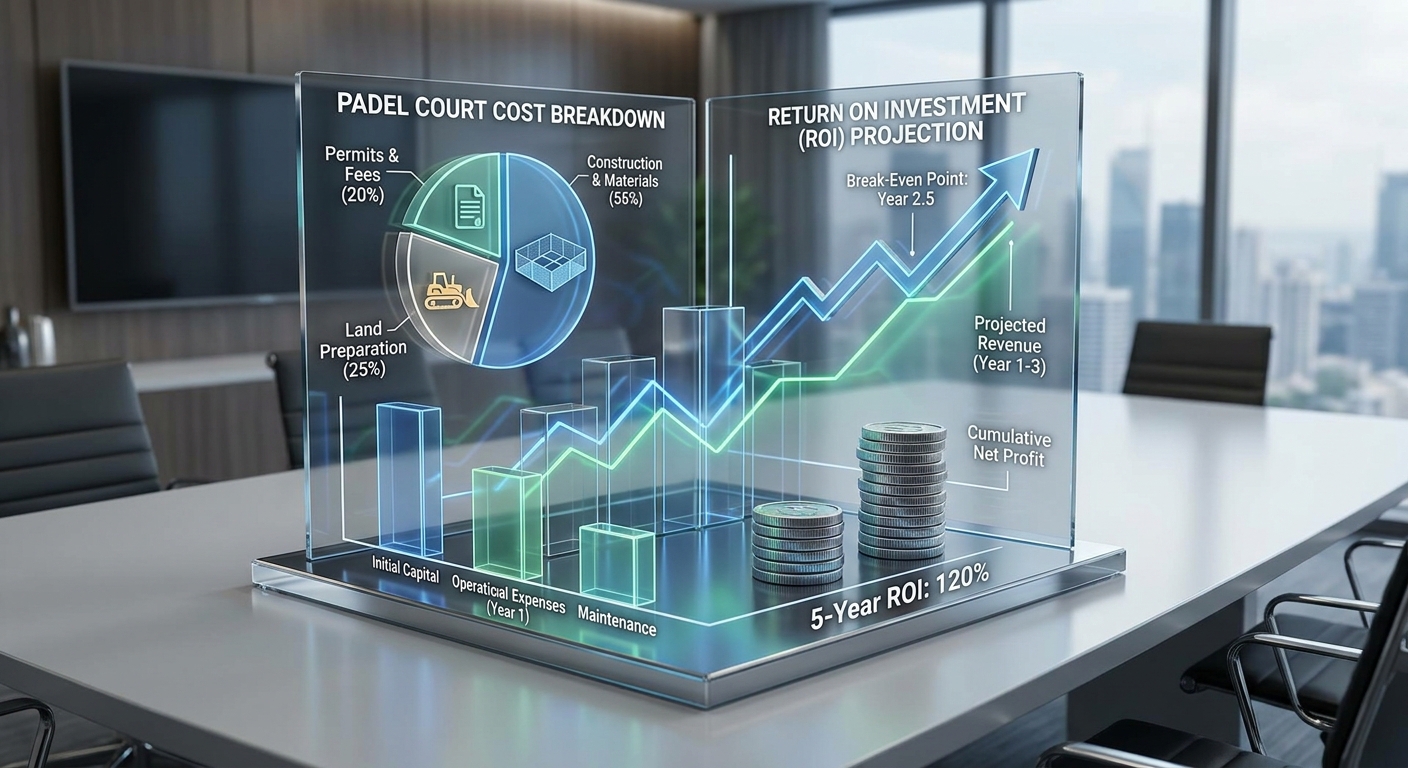
A panoramic padel court is a highly profitable investment due to its ability to attract more players, justify higher rental rates, and host high-profile events. While the initial capital requirement is higher than a standard court, the return on investment (ROI) is often faster due to higher occupancy rates. You can see from the data that premium facilities consistently outperform basic clubs in revenue per square meter.
Attraction of professional tournaments
High-level players seek out panoramic courts for their superior playability and spectator views. Here is the kicker: being able to host sanctioned tournaments puts your club on the global map. You gain access to a wider audience and more lucrative sponsorship deals that simply aren’t available to clubs with basic equipment.
- Increased foot traffic during event weekends.
- High-value media coverage for your venue.
- Exclusive partnerships with equipment brands.
Justifying premium pricing for elite play?
Will people really pay more to play on a panoramic court? The data shows that players perceive these courts as “pro-grade,” which allows you to charge a 20-30% premium over standard courts. You will find that the extra revenue quickly covers the initial price difference, leading to higher long-term profits.
Key Takeaway: The combination of higher rental fees and tournament potential makes the panoramic court a superior financial asset for sports entrepreneurs.
| Financial Metric | Standard Court | Panoramic Court |
|---|---|---|
| Initial Cost | Moderate | Higher |
| Hourly Rate | Baseline | +25% Premium |
| Avg. Occupancy | 60% | 85% |
The increased demand for premium playing experiences ensures that panoramic courts deliver a more robust and predictable ROI.
Conclusion
This article has detailed how the panoramic padel court solves the problem of obstructed viewing and helps you build a more profitable sports facility. By following professional site selection, glass specification, and lighting guidelines, you can create a world-class venue that attracts elite players and sponsors alike.
If you are ready to elevate your club with factory-direct pricing and international quality standards, contact us today to receive your personalized quote within 24 hours.
Brand Vision: We aim to empower sports entrepreneurs worldwide by providing the most durable and visually stunning padel courts, setting new standards for global sports infrastructure.
Frequently Asked Questions
Can I install a panoramic court indoors?
Yes, it is perfectly suited for indoor environments provided you have at least 8 meters of ceiling clearance. Indoor panoramic courts benefit from consistent lighting and no wind, making them a favorite for year-round competitive play.
What’s the best way to clean the glass?
A standard squeegee and a mild, non-abrasive detergent are the most effective tools for maintaining transparency. You should avoid harsh chemicals that could damage the powder coating of the frame or the gaskets.
Can I customize the color of the turf?
Absolutely, you can choose from various colors such as World Padel Tour blue, classic green, or even vibrant red. Selecting a color that contrasts well with the ball will improve visibility and the overall player experience.
What is the expected lifespan of the structure?
With proper maintenance and a hot-dip galvanized frame, you can expect a service life of over 20 years. The modular nature of the design also allows you to replace individual components like turf or glass easily if needed.
How long does the complete construction take?
The physical assembly of the court usually takes 3 to 5 days once the foundation is ready. You should account for an additional 14 days for the concrete to cure properly before anchoring the heavy steel frame.