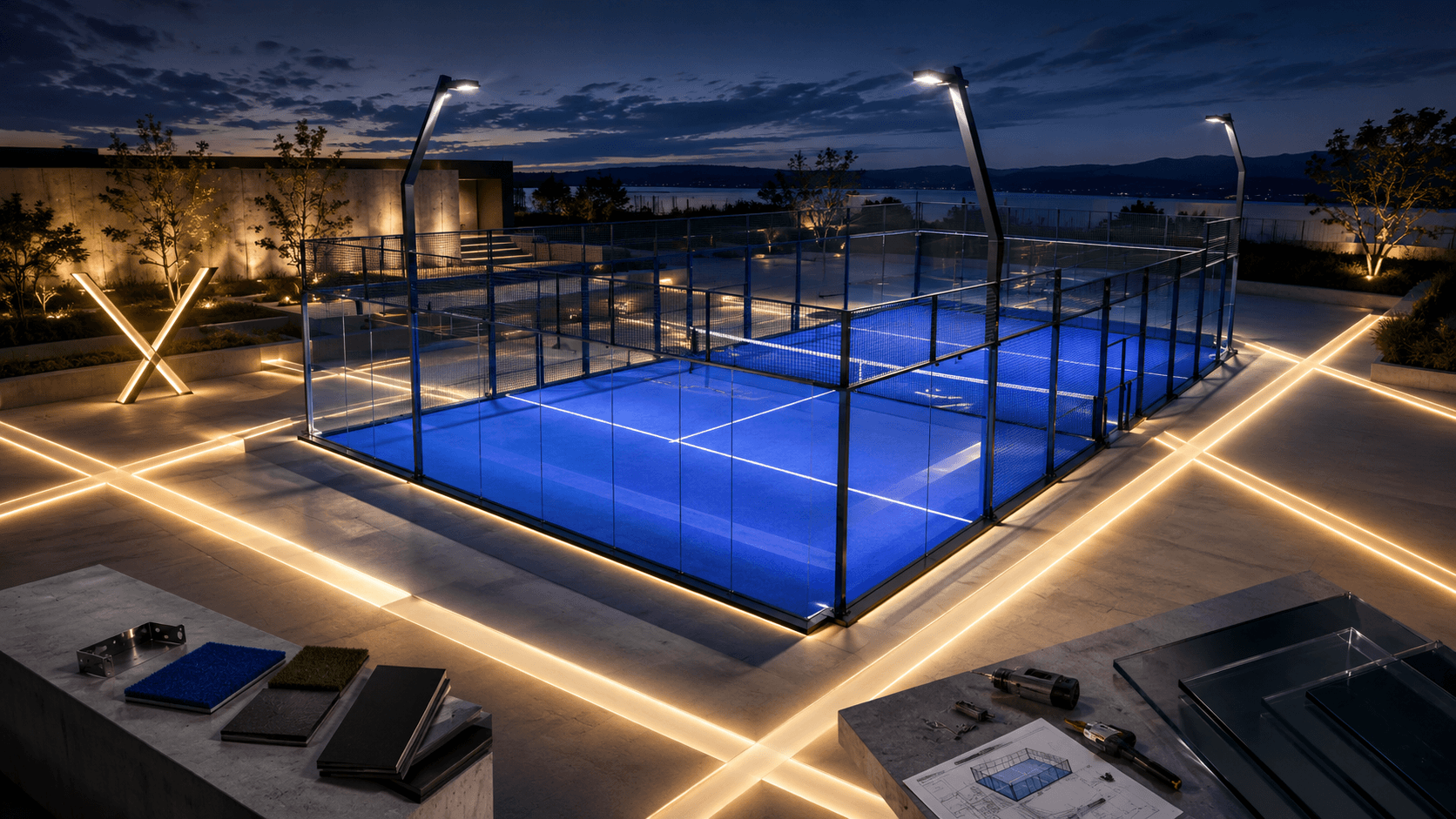
Building a professional court requires adhering to precise international dimensions and utilizing high-grade materials like 12mm tempered glass and hot-dip galvanized steel. Are you struggling with inconsistent court quality or skyrocketing maintenance costs that eat into your facility’s profits? It is frustrating when players complain about dead ball bounces or safety risks during high-intensity matches. By investing in a high-quality padel x court, you ensure a world-class playing experience that keeps your club at full capacity year-round.
What defines an international standard padel x court?
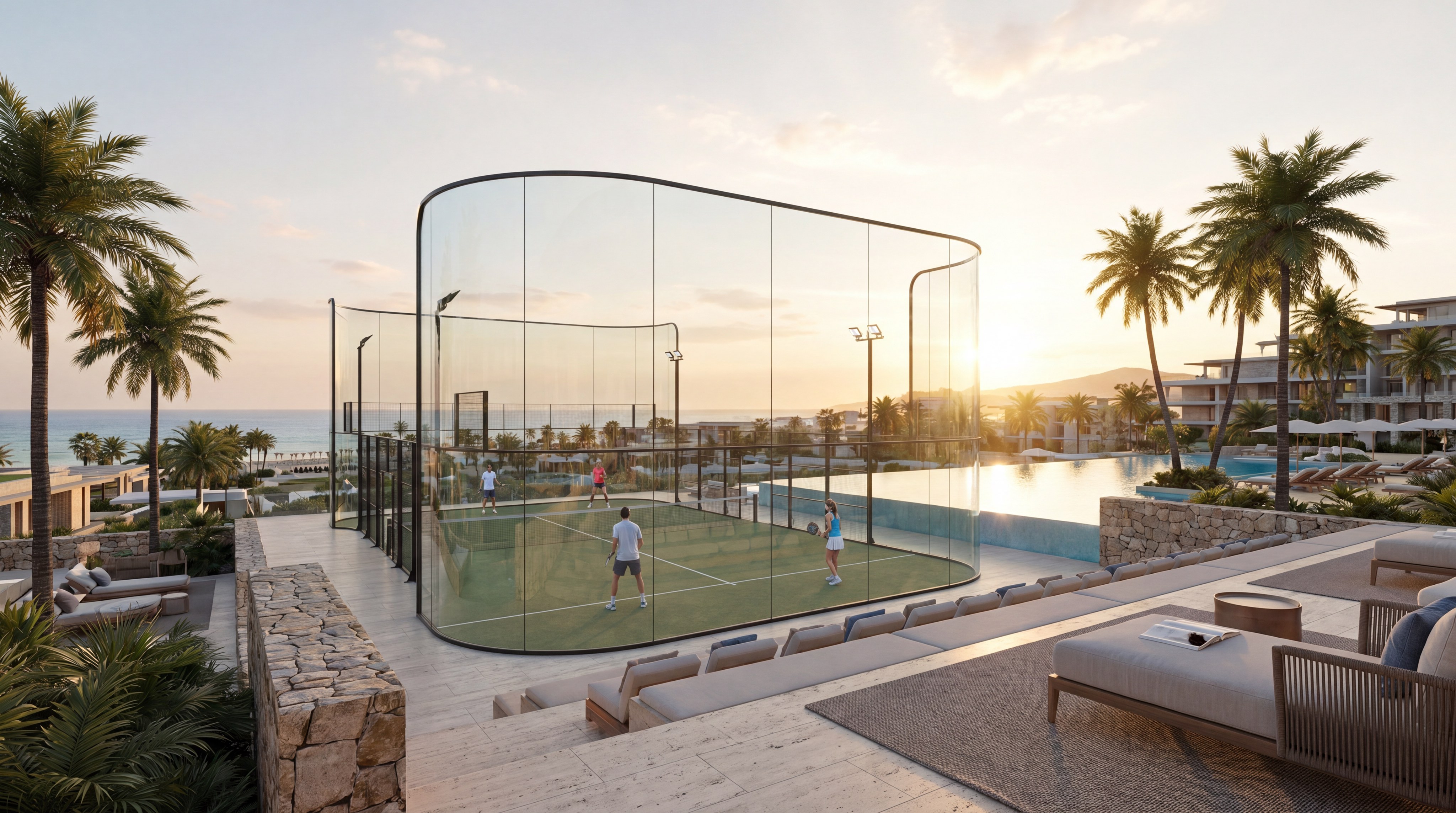
An international standard padel x court is defined by a 10m x 20m playing area enclosed by a combination of glass and metallic mesh. These specifications are governed by the International Padel Federation (FIP) to ensure safety and competitive fairness. Every component, from the structural pillars to the turf density, must meet rigorous durability and rebound tests.
What are the core regulatory requirements?
Professional facilities must prioritize specific engineering benchmarks to be recognized globally. These standards ensure that every match played on your padel x court feels professional and safe.
Think about it:
- A playing field exactly 20 meters long and 10 meters wide.
- Enclosures standing at 3 meters on the sides and 4 meters at the back.
- Glass panels with a minimum thickness of 12mm for impact resistance.
- Artificial turf with high Dtex ratings for optimal foot traction.
But that’s not all…
The structural integrity of the frame must withstand local wind loads and player impact without deformation. Using certified materials is the only way to guarantee a long-term ROI for your club.
Key Takeaway: Adhering to international standards is not just about prestige; it is about ensuring player safety and consistent game physics for high-level competition.
| Component | Standard Metric |
|---|---|
| Playing Area | 200 Square Meters |
| Glass Height | 3.0m – 4.0m |
| Net Height | 0.88m (Center) |
| Lighting | 400 – 500 Lux |
This table highlights the fundamental metrics required to transition from a casual setup to a professional-grade facility.
How do you select the best galvanized steel structure?
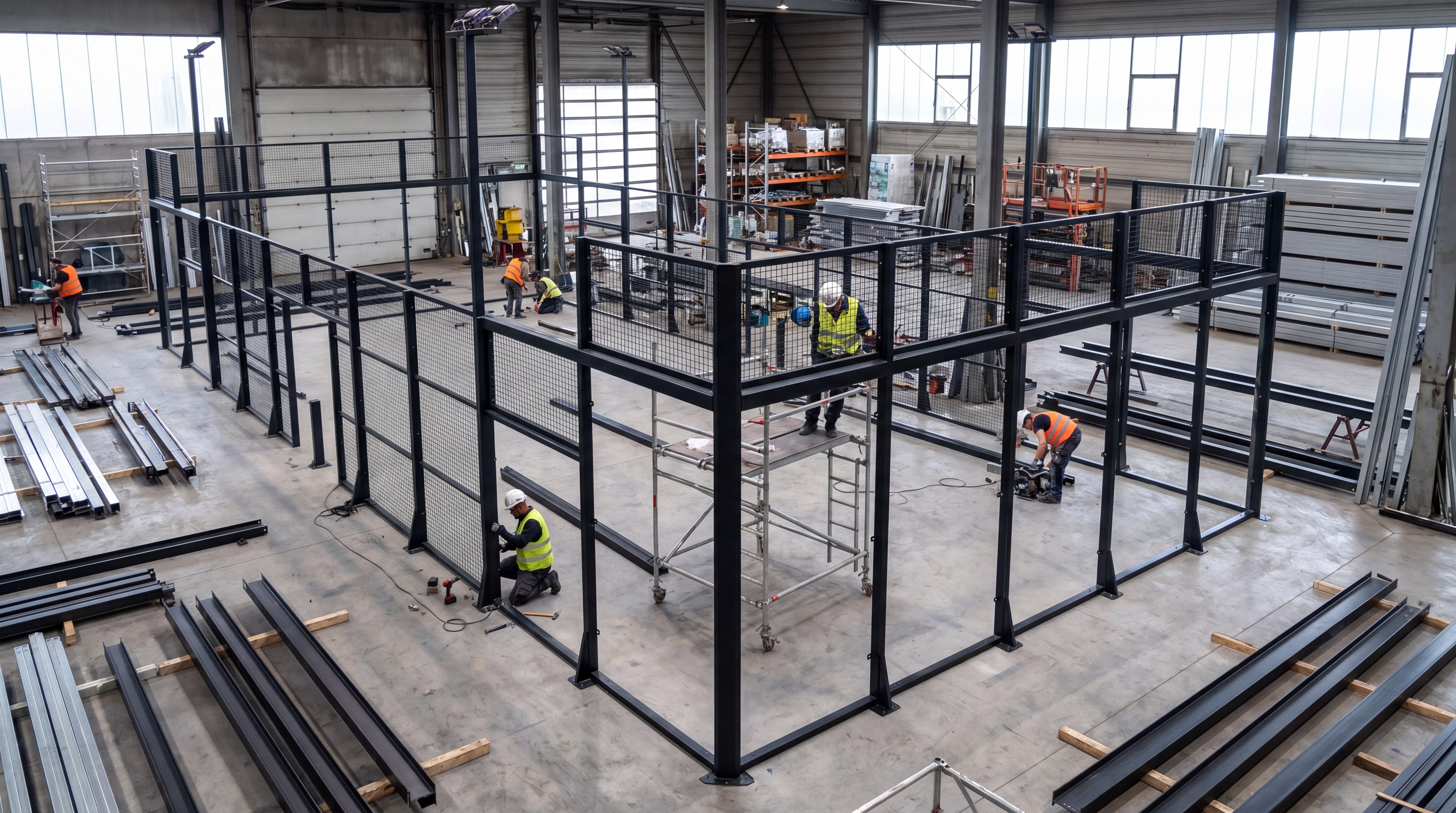
Selecting the best structure involves choosing hot-dip galvanized steel with a coating thickness that exceeds 80 microns for maximum corrosion resistance. For your padel x court, the frame acts as the skeleton that holds the entire system together against weather and usage. High-quality steel ensures the court remains stable and rust-free even in coastal or high-humidity environments.
Why is hot-dip galvanization superior?
The galvanization process creates a metallurgical bond between the zinc and the steel, providing a protective layer that lasts decades. This is crucial for maintaining the aesthetics and safety of your padel x court over time.
Believe it or not:
- Full immersion in molten zinc ensures the interior of the tubes is protected.
- Resistance to scratches and abrasions during heavy gameplay.
- Elimination of structural maintenance costs for up to 20 years.
- Modular designs allow for faster on-site assembly and adjustments.
The real kicker is…
Standard spray-painted frames will begin to rust within two years, leading to expensive repairs. Investing in premium galvanization upfront saves you thousands in the long run.
Key Takeaway: A hot-dip galvanized frame is the gold standard for structural longevity, preventing rust and ensuring the court stays safe for players.
| Process | Benefit | Durability |
|---|---|---|
| Hot-Dip | Full Interior Protection | 20+ Years |
| Cold Galvanizing | Basic Surface Protection | 3-5 Years |
| Powder Coating | Aesthetic Color Finish | 5-10 Years |
Strategic selection of the frame material directly impacts the lifespan and resale value of your sports investment.
Why is professional turf essential for a padel x court?
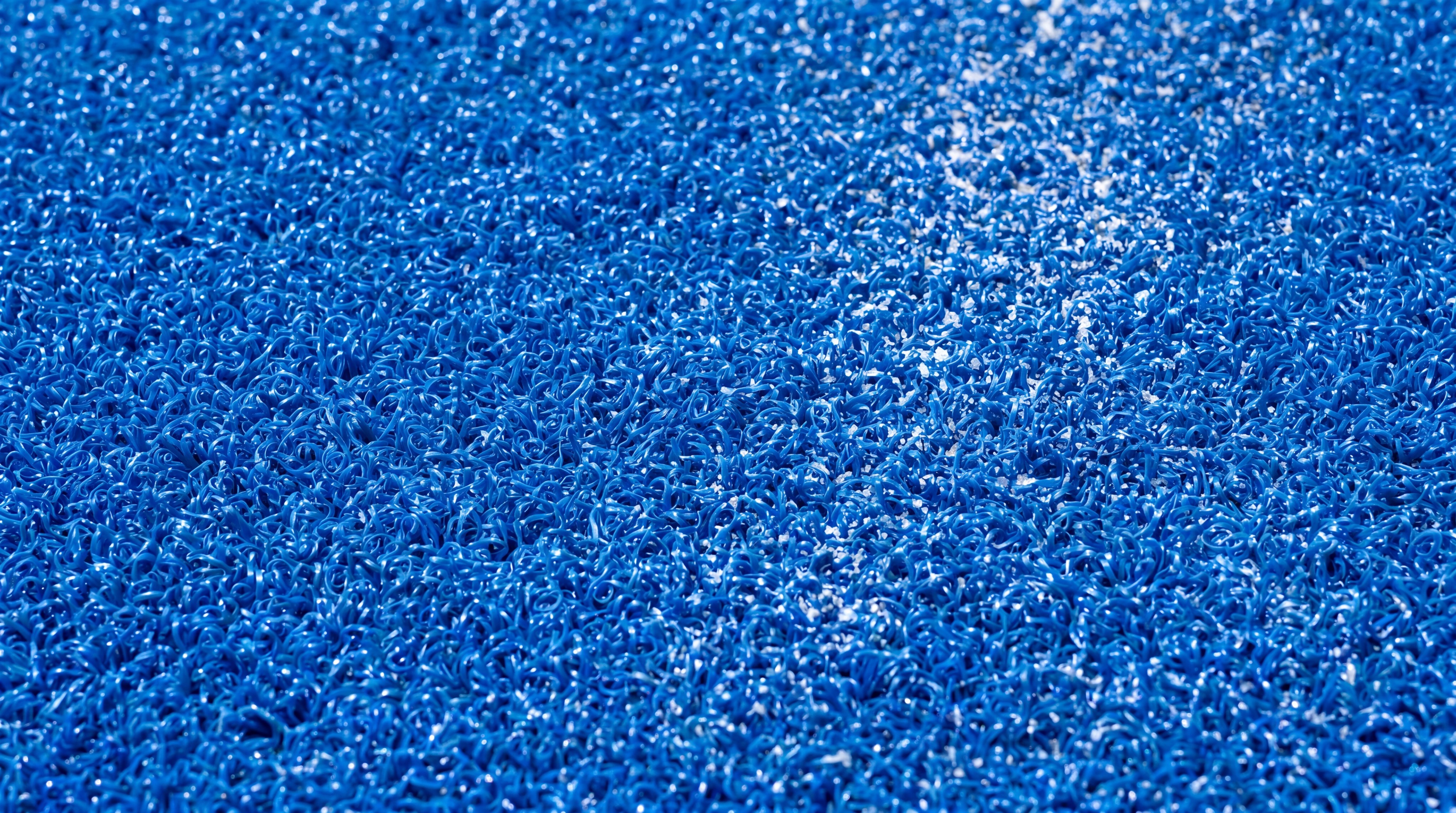
Professional turf is essential because it dictates the ball’s bounce and the player’s ability to move without risking joint injuries. A high-density padel x court surface utilizes fibrillated or monofilament polyethylene fibers designed to withstand thousands of hours of play. The right turf ensures a fast-paced game while providing enough grip for sudden changes in direction.
Which turf fibers perform best?
The choice between monofilament and fibrillated fibers depends on your club’s expected traffic and desired play speed. Both options offer unique advantages for a premium padel x court installation.
Think about it:
- Monofilament fibers offer superior resilience and a more natural look.
- Fibrillated fibers hold sand infill better, reducing maintenance frequency.
- High Dtex (fiber weight) ensures the grass doesn’t flatten easily.
- UV-stabilized coatings prevent color fading under intense sunlight.
But wait, there’s more…
The sand infill must be high-purity silica to prevent clumping and ensure the ball slides correctly across the surface. Proper infill management is the secret to a professional playing experience.
Key Takeaway: High-quality turf reduces player fatigue and provides the consistent ball response required for professional-level tournaments.
| Fiber Type | Resilience | Maintenance | Player Comfort |
|---|---|---|---|
| Monofilament | High | Medium | Excellent |
| Textured (Curly) | Very High | Low | Good |
| Fibrillated | Medium | Low | Fair |
Understanding these fiber characteristics allows you to choose a surface that balances player satisfaction with operational ease.
What glass specifications ensure maximum player safety?
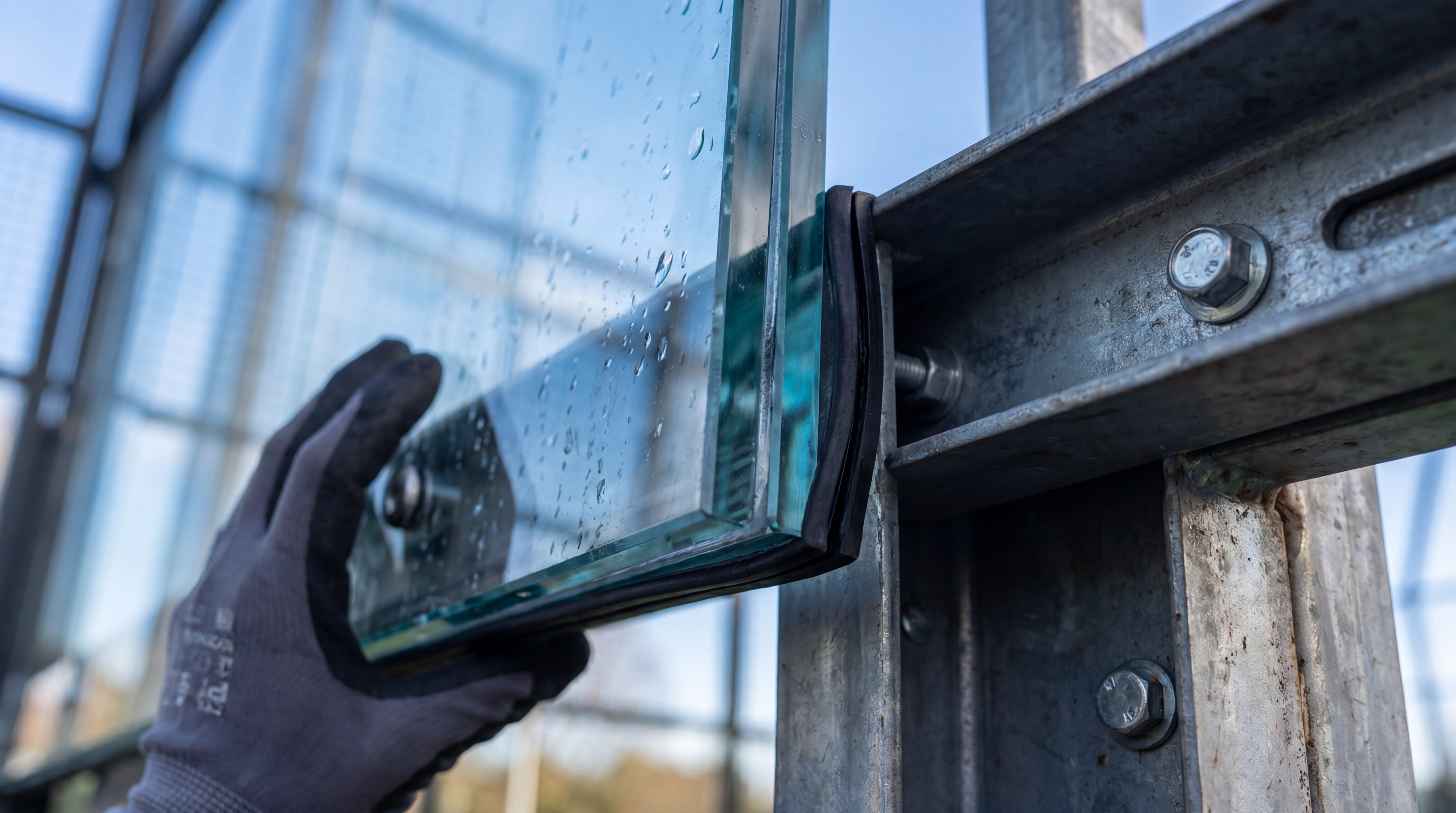
Maximum safety is ensured by using 12mm tempered safety glass that meets the European EN 12150-1 standard for impact resistance. When building a padel x court, the glass panels must handle high-velocity ball impacts and players crashing into the walls. Tempered glass is designed to crumble into small, blunt pieces if broken, significantly reducing the risk of severe injury.
How is the glass mounted securely?
Proper mounting is just as important as the glass quality itself to prevent vibration and structural failure. A professional padel x court uses heavy-duty stainless steel fittings and EPDM gaskets.
The truth is:
- Countersunk holes prevent the screw heads from interfering with the ball’s path.
- Rubber gaskets act as shock absorbers between the glass and the steel frame.
- Precision-leveled foundations prevent uneven stress on the glass panels.
- Polished edges eliminate sharp points during the installation process.
It gets better…
Panoramic courts use even thicker glass or specialized support systems to eliminate vertical pillars, providing spectators with an unobstructed view. This creates a high-end aesthetic that attracts premium memberships.
Key Takeaway: 12mm tempered glass is non-negotiable for professional courts, offering the perfect balance of transparency, rebound, and player protection.
| Glass Thickness | Impact Rating | Application |
|---|---|---|
| 10mm | Standard | Private / Residential |
| 12mm | High | Commercial / Pro Clubs |
| 12mm Laminated | Extreme | High-Risk Public Areas |
Choosing the right thickness ensures your facility meets insurance requirements and provides a safe environment for all skill levels.
How does specialized lighting transform the playing experience?
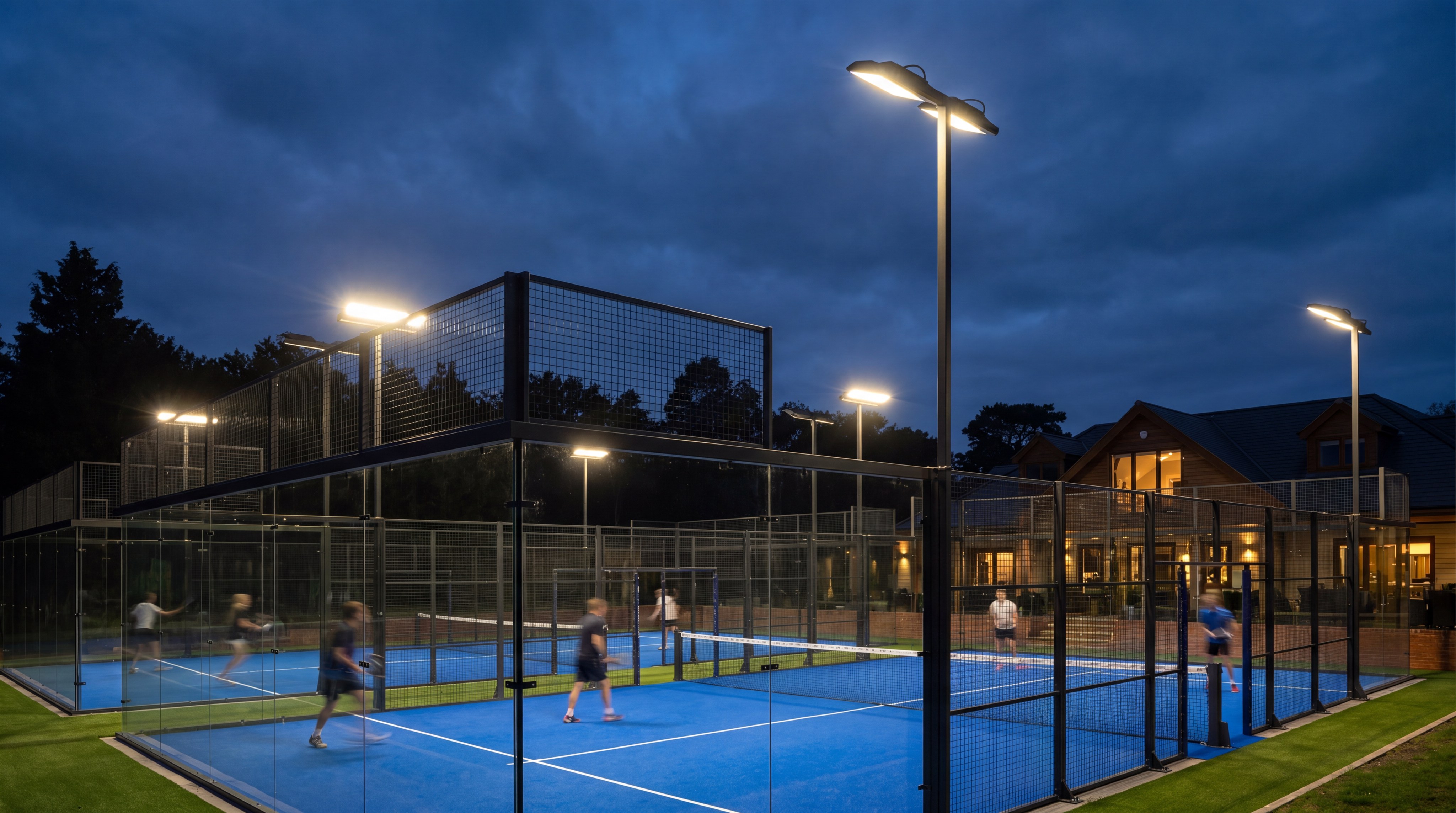
Specialized lighting transforms the experience by providing uniform illumination without shadows or glare, allowing for perfect ball tracking at night. For a professional padel x court, LED floodlights must deliver at least 400 lux at the surface level to meet competitive standards. Modern lighting systems are also designed to be energy-efficient, significantly lowering the operational costs of your facility.
Why choose IP66 rated LED lights?
Lighting fixtures on an outdoor padel x court are exposed to rain, dust, and insects, requiring a high level of environmental protection. IP66 rating ensures your lights remain functional and bright for years.
Think about it:
- Instant-on capability allows for immediate play without a warm-up period.
- Asymmetric beam angles focus light on the court, not the neighbors’ property.
- Flicker-free technology is essential for high-quality video recording and streaming.
- Low heat emission increases the lifespan of the internal electronic components.
The best part?
LED systems can reduce your electricity bill by up to 60% compared to traditional metal halide lamps. This makes the switch to LED one of the fastest-returning investments you can make.
Key Takeaway: High-lux LED lighting extends your operating hours and ensures a professional atmosphere for late-evening matches and tournaments.
| Metric | LED Standard | Metal Halide (Old) |
|---|---|---|
| Energy Consumption | Low (200W) | High (400W) |
| Lifespan | 50,000 Hours | 10,000 Hours |
| Light Quality | Crisp / High CRI | Yellowish / Low CRI |
Investing in premium LED technology ensures your court remains a premier destination for players who value visual clarity.
Can a padel x court be installed in indoor facilities?
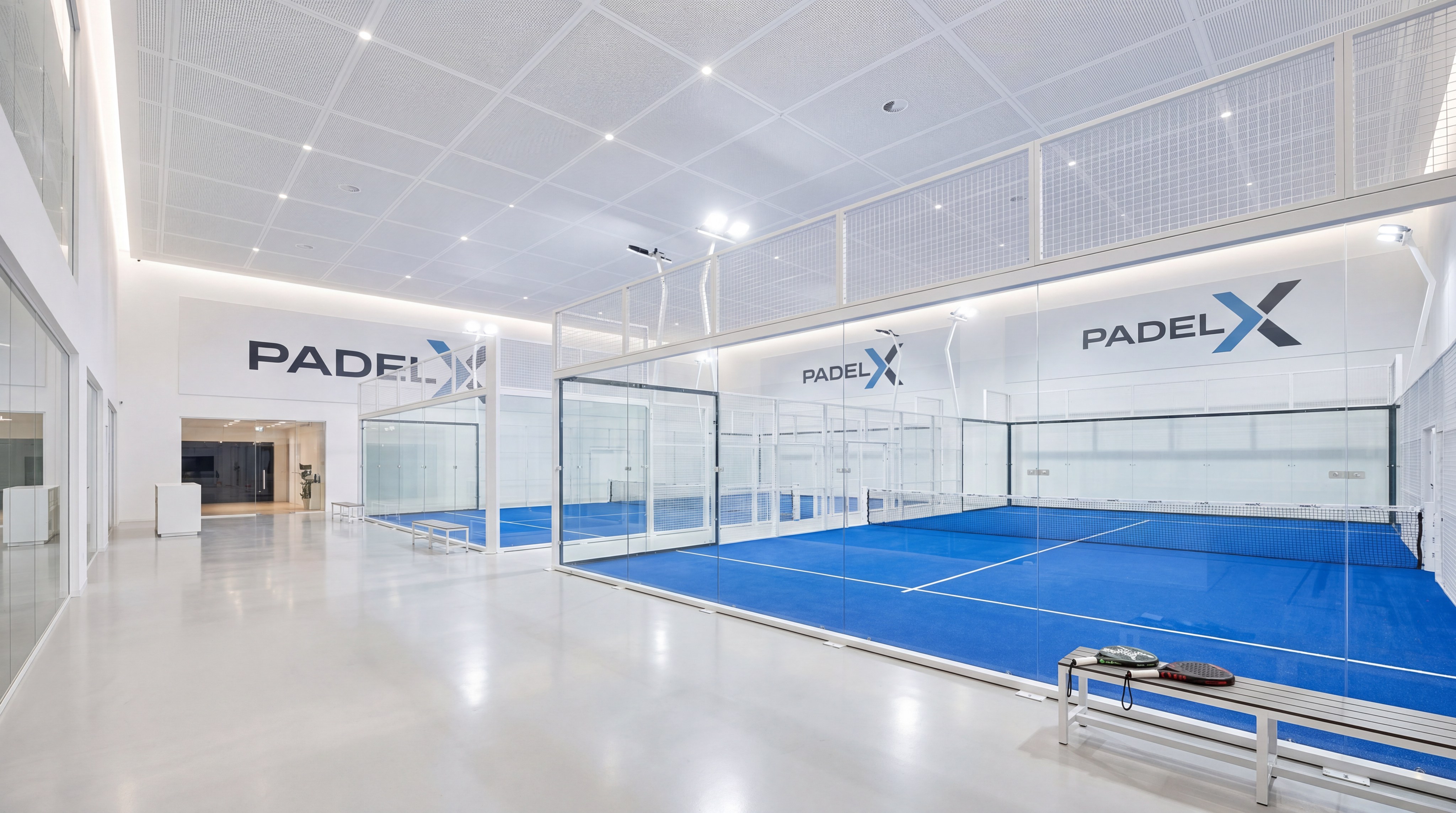
Yes, a padel x court can be installed indoors, provided the facility has a minimum ceiling clearance of 6 meters, though 8 meters is preferred. Indoor installations offer the advantage of climate control and 24/7 playability regardless of external weather conditions. This setup is becoming increasingly popular for luxury sports clubs and dedicated padel centers looking to maximize revenue.
What are the indoor flooring requirements?
The base for an indoor padel x court must be perfectly level and made of reinforced concrete or high-density asphalt. Any imperfections in the subfloor will be amplified once the turf is laid down.
Consider this:
- A minimum of 100mm thickness for the concrete slab to support glass weight.
- Vapor barriers to prevent moisture from affecting the turf adhesive.
- Acoustic panels on the walls to reduce the noise of ball impact.
- Integrated drainage is not required indoors, simplifying the foundation design.
The real advantage is…
Indoor courts suffer much less wear from UV rays and rain, meaning your turf and net systems will last significantly longer. You also save on maintenance costs related to wind-blown debris.
Key Takeaway: Indoor installations provide a controlled environment that ensures 365-day availability, making them highly attractive for commercial club owners.
| Factor | Indoor Requirement | Outdoor Requirement |
|---|---|---|
| Ceiling Height | 6m – 8m | Unlimited |
| Wind Resistance | Low | High |
| Drainage System | Not Required | Critical |
This comparison highlights why indoor facilities often require less structural maintenance while demanding more attention to vertical space.
What maintenance steps keep your court in top condition?
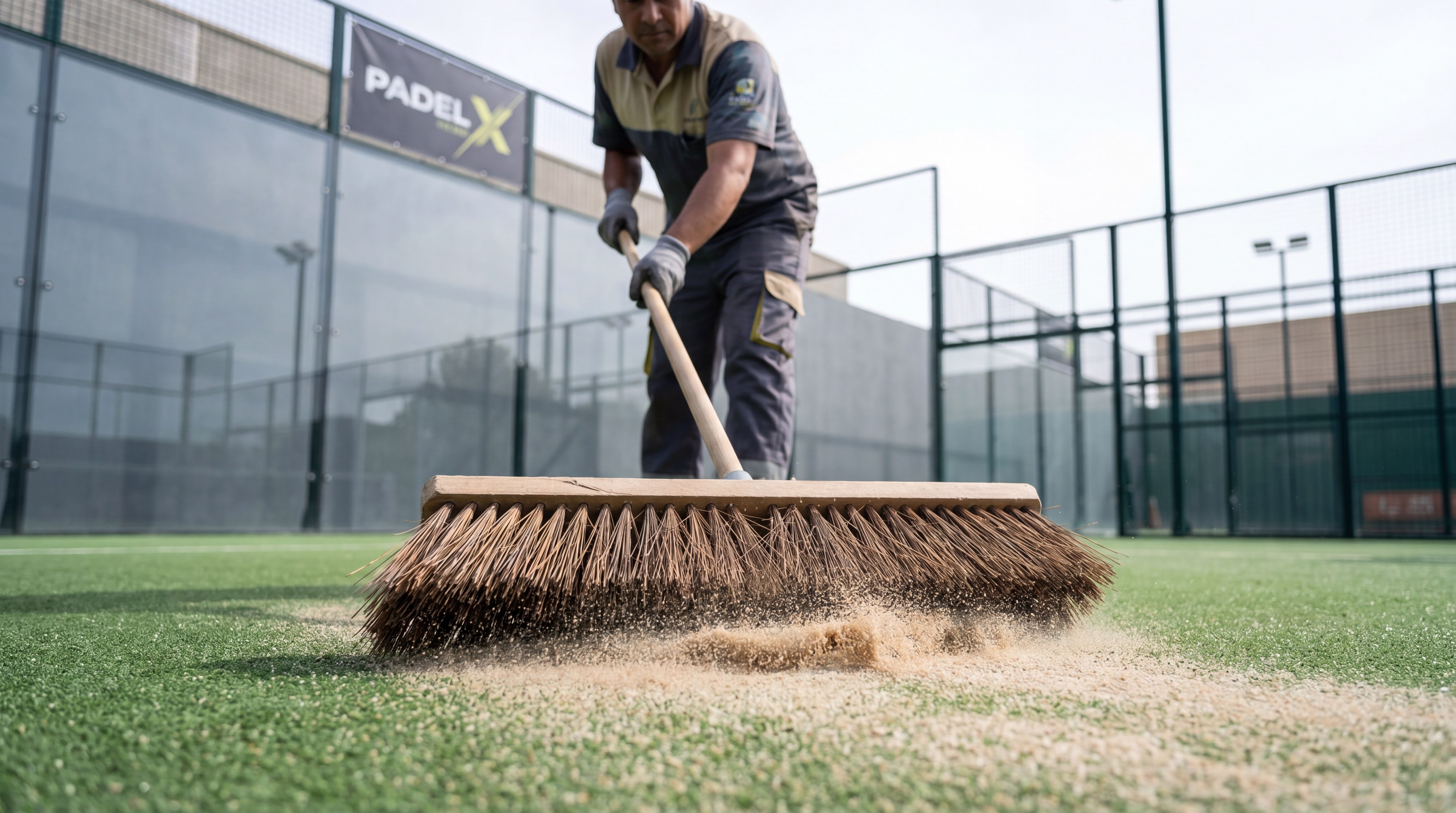
Keeping your padel x court in top condition involves weekly turf brushing and monthly checks of the glass fittings to ensure everything remains secure. Regular maintenance prevents the artificial grass from compacting and ensures the silica sand is evenly distributed across the surface. This proactive approach extends the life of the court and keeps the playing experience consistent for your members.
How do you maintain the turf surface?
Brushing the turf is the most critical task, as it keeps the fibers upright and the sand infill at the correct depth. A well-maintained padel x court surface feels more like natural grass and protects players’ knees.
Think about it:
- Use a specialized triangular brush to redistribute sand every 10-15 hours of play.
- Remove leaves, seeds, and debris immediately to prevent mold growth.
- De-compact the sand twice a year to maintain drainage efficiency.
- Top up the silica sand as it gets carried away on players’ shoes over time.
But that’s not all…
The glass panels should be cleaned with non-abrasive solutions to maintain transparency. Checking the tension of the net and the tightness of the structural bolts every quarter prevents safety hazards.
Key Takeaway: Consistent maintenance is the only way to protect your capital investment and ensure the highest levels of player satisfaction.
| Task | Frequency | Estimated Time |
|---|---|---|
| Turf Brushing | Weekly | 30 Minutes |
| Glass Cleaning | Monthly | 1 Hour |
| Bolt Inspection | Quarterly | 1 Hour |
| Sand Top-up | Annually | 2 Hours |
A disciplined maintenance schedule reduces the likelihood of expensive repairs and keeps your facility looking brand new.
What are the exact dimensions for a professional court?
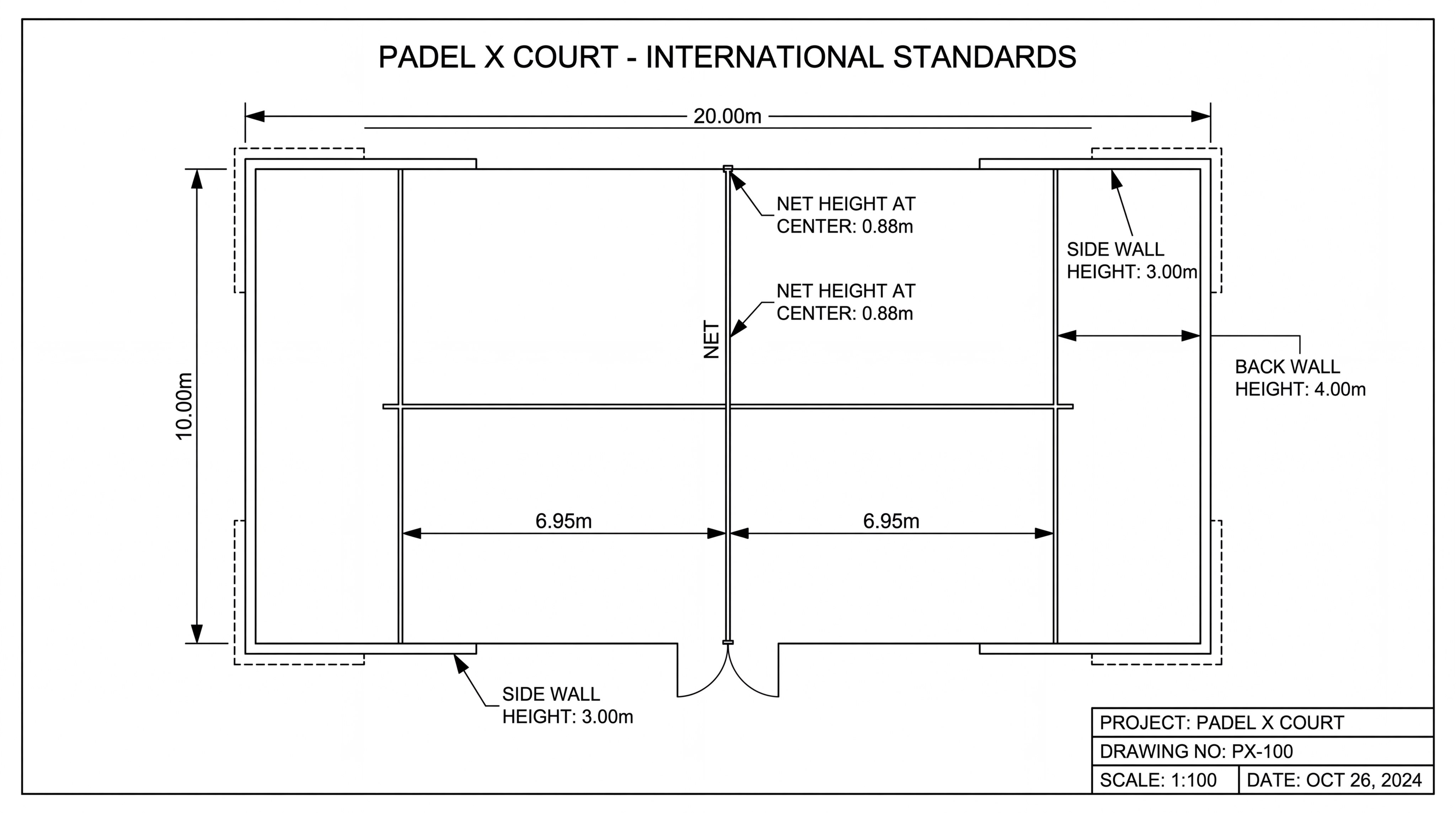
The exact dimensions for a professional padel x court are a 10-meter width and a 20-meter length, measured from the internal faces of the enclosure. These dimensions must be precise to within millimeters to ensure the court is eligible for sanctioned tournament play. Following a technical blueprint is essential for the foundation team to place the anchor points and glass supports correctly.
What are the service line specifics?
The service lines on a padel x court are placed 6.95 meters from the net on both sides, dividing the back area into two equal service boxes. The central service line extends from the net to the service line and is 5cm wide.
Believe it or not:
- The net must be 10 meters long and have a height of 88cm at the center.
- The maximum net height at the posts is 92cm.
- Service lines must be clearly visible and painted with high-durability epoxy.
- The center mark must extend 10cm beyond the service line for serving clarity.
The bottom line is…
Even a small deviation in the 10x20m footprint can ruin the gameplay experience. Professional installers use laser-leveling tools to ensure the dimensions are perfect before the first bolt is tightened.
Key Takeaway: Precision in the initial foundation and layout is the foundation of a high-performance court that meets international tournament standards.
| Dimension | FIP Standard | Tolerance |
|---|---|---|
| Internal Length | 20.00 Meters | +/- 0.5% |
| Internal Width | 10.00 Meters | +/- 0.5% |
| Service Line Distance | 6.95 Meters | +/- 10mm |
This data ensures your construction team has the specific benchmarks needed to deliver a compliant and professional playing field.
How do outdoor weather factors influence court design?
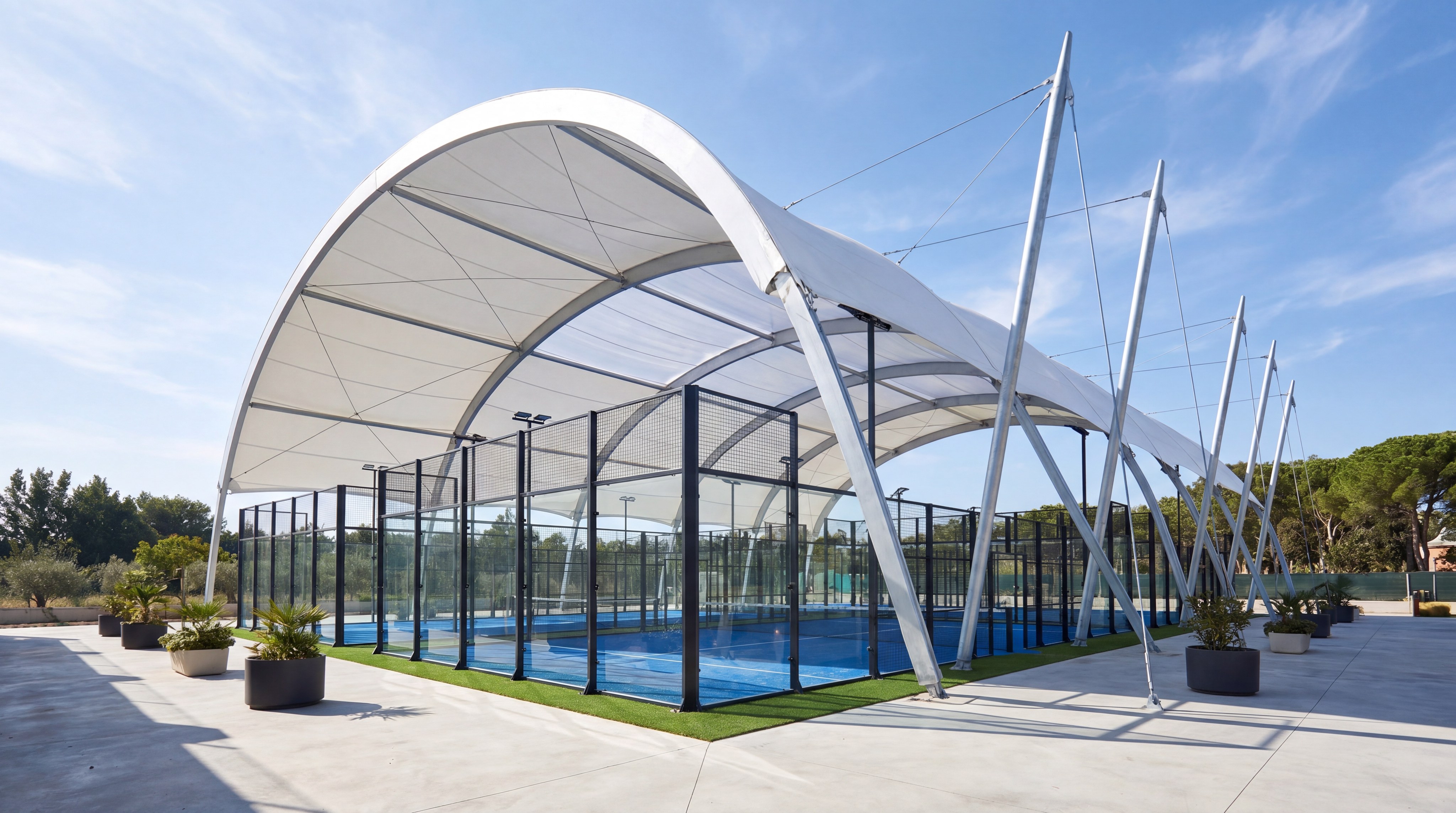
Outdoor weather factors influence design by requiring specialized drainage systems and wind-resistant structural frames to ensure year-round usability. For an outdoor padel x court, the sub-base must have a slight slope (usually 0.5% to 1%) or porous concrete to allow rainwater to exit quickly. Without proper drainage, the court can become waterlogged, leading to turf damage and canceled bookings.
Should you consider a tensile roof?
A tensile roof is an excellent addition for outdoor courts in regions with high rainfall or intense sun, as it protects both the players and the court materials. This allows your padel x court to remain operational during summer heatwaves or light rain.
Think about it:
- Roofing systems prevent UV degradation of the turf and net.
- They keep the court surface cooler, preventing player overheating.
- Tensile structures are lightweight and can be installed over existing courts.
- They provide a “premium” feel that justifies higher hourly rental rates.
The best part?
An integrated roof can increase your annual revenue by up to 30% by eliminating “weather-related” cancellations. This makes it a strategic choice for high-traffic commercial clubs.
Key Takeaway: Designing with the local climate in mind prevents downtime and protects your court components from premature wear and tear.
| Weather Issue | Design Solution | Benefit |
|---|---|---|
| High Wind | Reinforced Pillars | Structural Safety |
| Heavy Rain | Porous Sub-base | Quick Play Resumption |
| Intense Sun | Tensile Roof | Player Comfort |
Adaptive design choices ensure your facility remains profitable and enjoyable regardless of the season or local environment.
What components are included in a premium court kit?
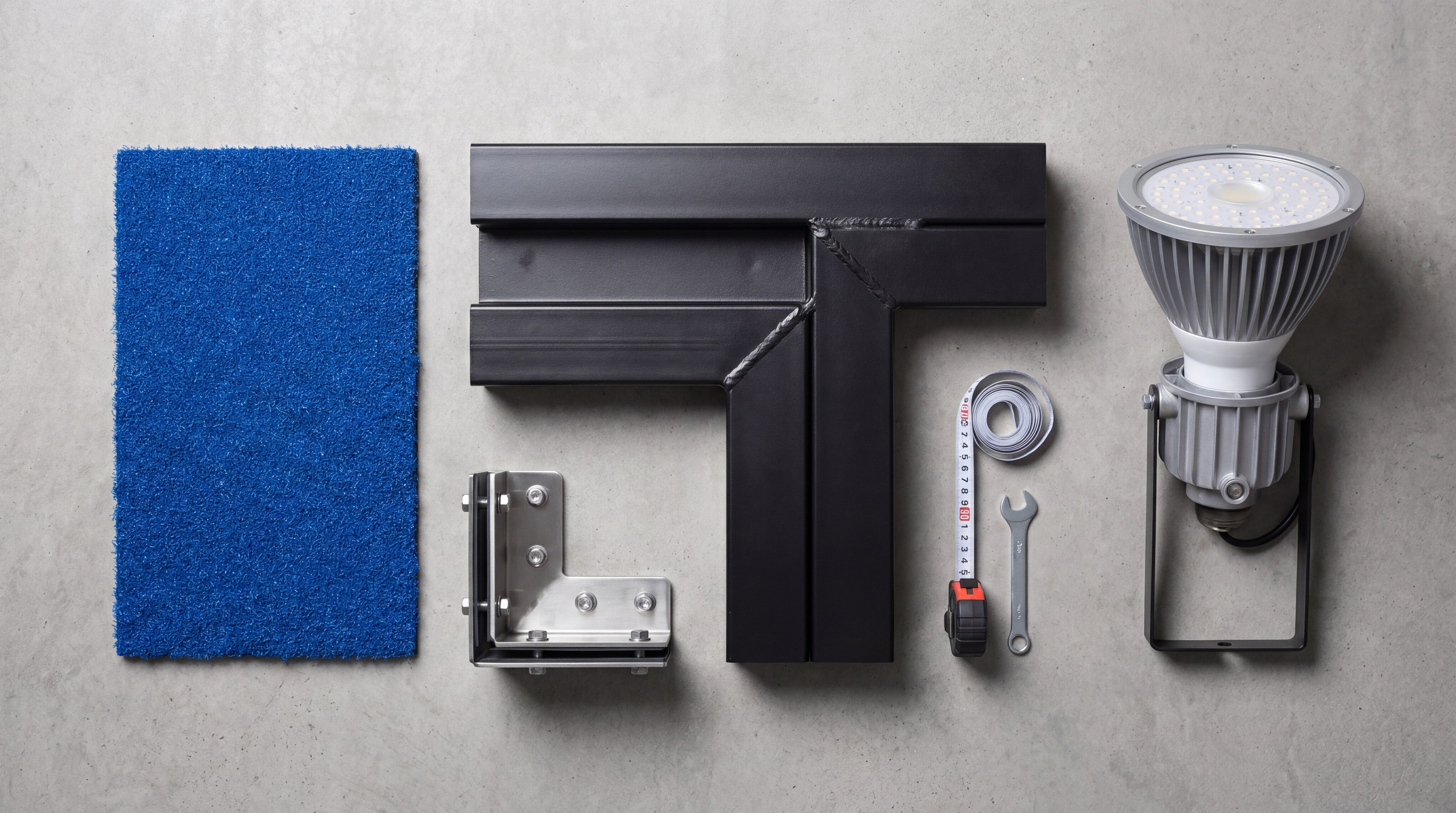
A premium court kit includes the galvanized steel frame, tempered glass panels, high-density artificial turf, LED lighting, and all necessary hardware for assembly. When you purchase a complete padel x court package, every part is engineered to fit together perfectly, reducing installation errors. This “turn-key” solution is the most efficient way to launch a new padel facility with guaranteed quality.
What is the advantage of a modular kit?
Modular kits are designed for rapid deployment, allowing a professional team to install a full padel x court in as little as 4 to 5 days. This minimizes the disruption to your existing facility or construction site.
Consider this:
- All steel parts are pre-drilled and labeled for easy identification.
- Glass is packed in secure crates to prevent breakage during transit.
- The turf comes in pre-cut rolls with integrated lines for faster laying.
- Hardware kits include specialized tools and enough spares for future needs.
But wait, there’s more…
Factory-direct kits often include custom branding options, allowing you to add your club’s logo directly onto the court structure or net. This helps in building a unique brand identity from day one.
Key Takeaway: A comprehensive court kit ensures component compatibility and speeds up the construction process, getting your business open faster.
| Kit Component | Material Spec | Primary Function |
|---|---|---|
| Frame | Q235 Steel | Structural Integrity |
| Mesh Panels | 50x50x4mm | Side Enclosure |
| LED Lamps | 200W IP66 | Night Visibility |
| Net System | High-Tenacity PE | Gameplay Regulation |
Starting with a complete, professionally manufactured kit eliminates the guesswork and ensures a high-standard finish for every project.
Building a professional sports facility can be complex, but with the right partner, you can navigate these technical requirements with ease. We have helped club owners worldwide solve the problem of substandard installations by providing premium materials and expert guidance. Our factory-direct model offers the highest quality padel x court solutions at competitive prices, backed by a vision to make professional padel accessible to everyone. If you are ready to transform your space into a premier sports destination, contact us today to receive a personalized quote and technical consultation.
Frequently Asked Questions
Can I install a padel court on an existing tennis court?
Yes, you can often fit two padel courts into the space of one traditional tennis court. You will need to ensure the existing base can support the weight of the glass and steel structure.
What’s the best way to choose between panoramic and standard courts?
Panoramic courts are best for high-end clubs or center courts where spectator visibility is a priority. Standard courts are more cost-effective for training facilities and high-frequency club use.
How do I know if my glass is international standard?
Ensure your glass has the “CE” or “EN 12150-1” stamp etched into a corner. This certification confirms it has undergone rigorous impact and safety testing.
Can I customize the color of the court structure?
Absolutely. Professional manufacturers offer the full RAL color spectrum, allowing you to match the court frame and turf to your brand’s specific aesthetic.
What’s the best way to handle drainage for an outdoor court?
The most effective method is a porous concrete base or a 0.5% slope toward a perimeter drainage channel. This ensures that even after heavy rain, the court is playable within minutes.