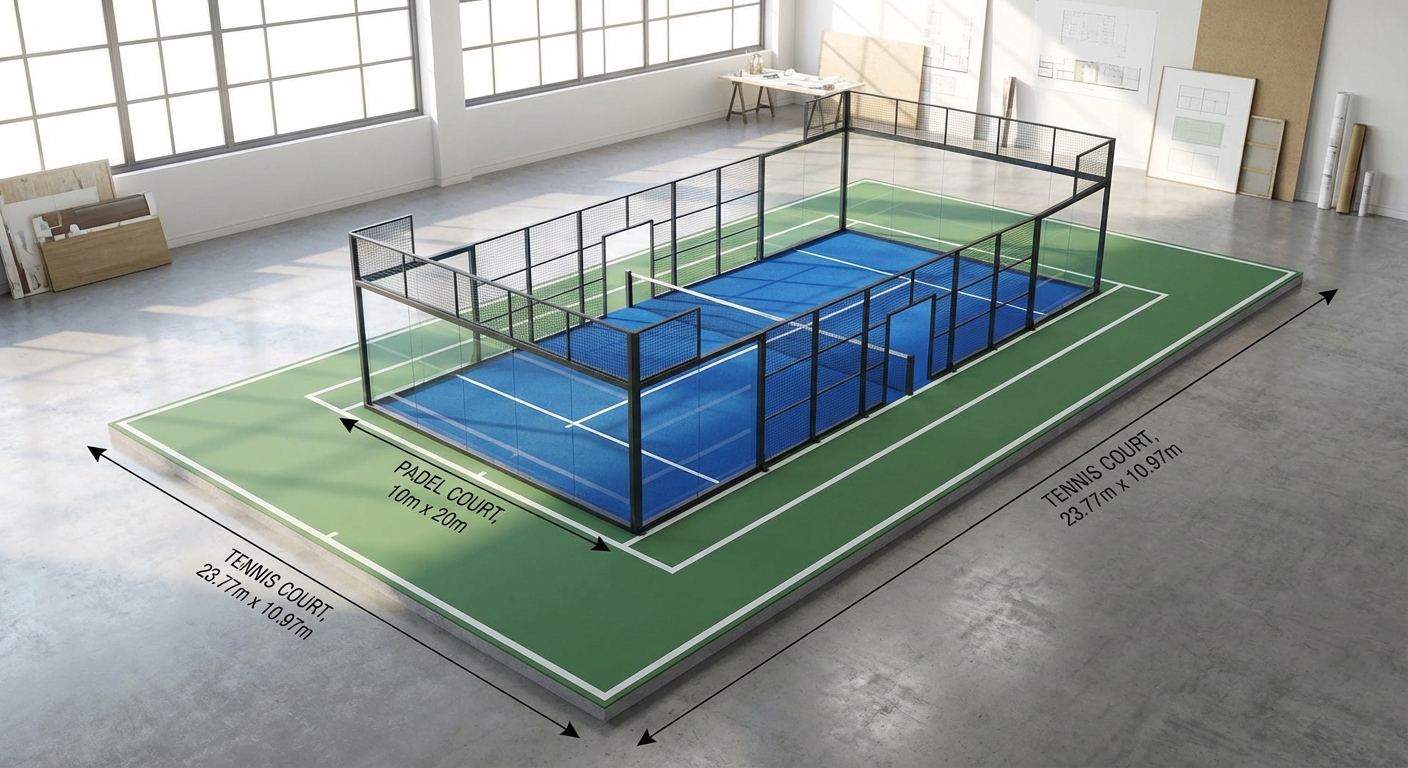
Problem: You have likely seen the glass-walled courts popping up in your neighborhood or heard the rhythmic “pop” of a racket and wondered what this social, fast-paced game is all about.
Agitate: Unlike traditional tennis, which can have a steep learning curve, or squash, which is played in a confined box, many people feel intimidated by starting a new sport without understanding its history or the infrastructure required to play. It feels like a missed opportunity to join the world’s fastest-growing social sport simply because you lack the “insider” knowledge.
Solution: This guide dives deep into the history of the game, clarifying where did padel originate with Superbpadel, while providing a professional roadmap for those looking to understand court mechanics or even install their own high-quality facility.
Where did padel originate in the 1960s?
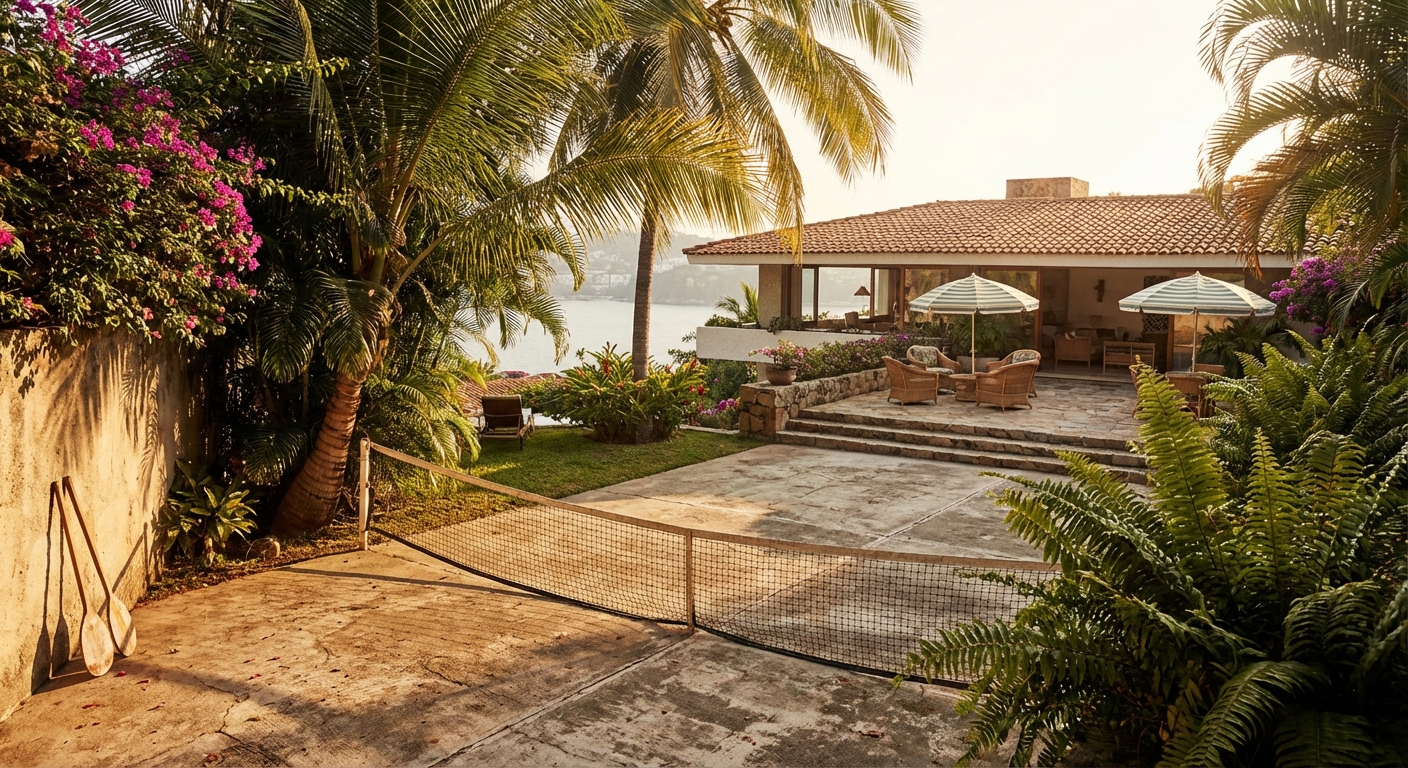
The sport of padel originated in Mexico in 1969 through the ingenuity of a businessman named Enrique Corcuera. He built the very first court at his holiday home in Acapulco because he didn’t have enough space for a full tennis court. By incorporating walls to prevent balls from flying into his neighbor’s yard, he accidentally birthed a new discipline.
The story of Enrique Corcuera
Enrique Corcuera is the recognized inventor who sought a modification to platform tennis. He adapted a 10×20 meter space, utilizing the surrounding walls as active parts of the game.
- He used wooden rackets (paddles).
- The original site was a residential backyard.
- Walls were used for atmospheric and practical rebound.
But that’s not all…
Think about it: the entire global phenomenon started simply because a man wanted to play with his friends without losing his tennis balls in the brush!
Where did padel originate its unique dimensions?
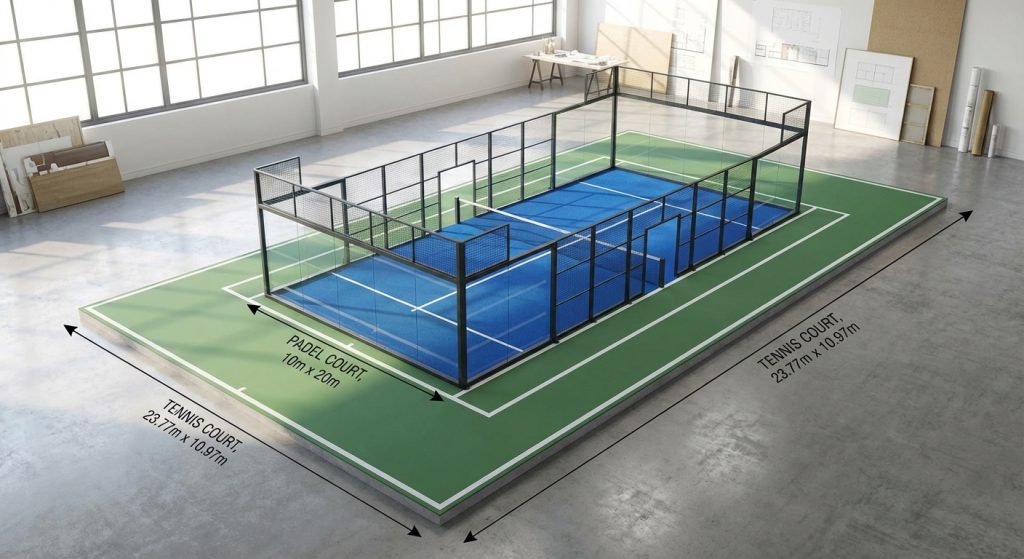
In the beginning, where did padel originate was defined by its compact 10×20 meter footprint. This size is exactly 25% smaller than a standard tennis court, making it much more accessible for social play. The smaller area encourages the doubles format, which is the standard way to play professionally today.
Compact court advantages
The reduced size means players spend less time running and more time reacting. This creates a high-intensity environment that is physically demanding yet easy for beginners to pick up.
- Doubles play is mandatory for professional matches.
- Strategy outweighs raw power in this smaller space.
Think about it: effectively, four padel courts can fit into the same space as three tennis courts, maximizing land use for club owners.
Key Takeaway: The 10x20m dimension is the non-negotiable standard for all official play.
| Feature | Padel Court | Tennis Court |
|---|---|---|
| Width | 10 Meters | 10.97 Meters |
| Length | 20 Meters | 23.77 Meters |
| Playing Style | Rebound Walls | Open Bounds |
The compact nature of the court is the primary driver behind the sport’s massive growth in urban areas.
Where did padel originate in European culture?
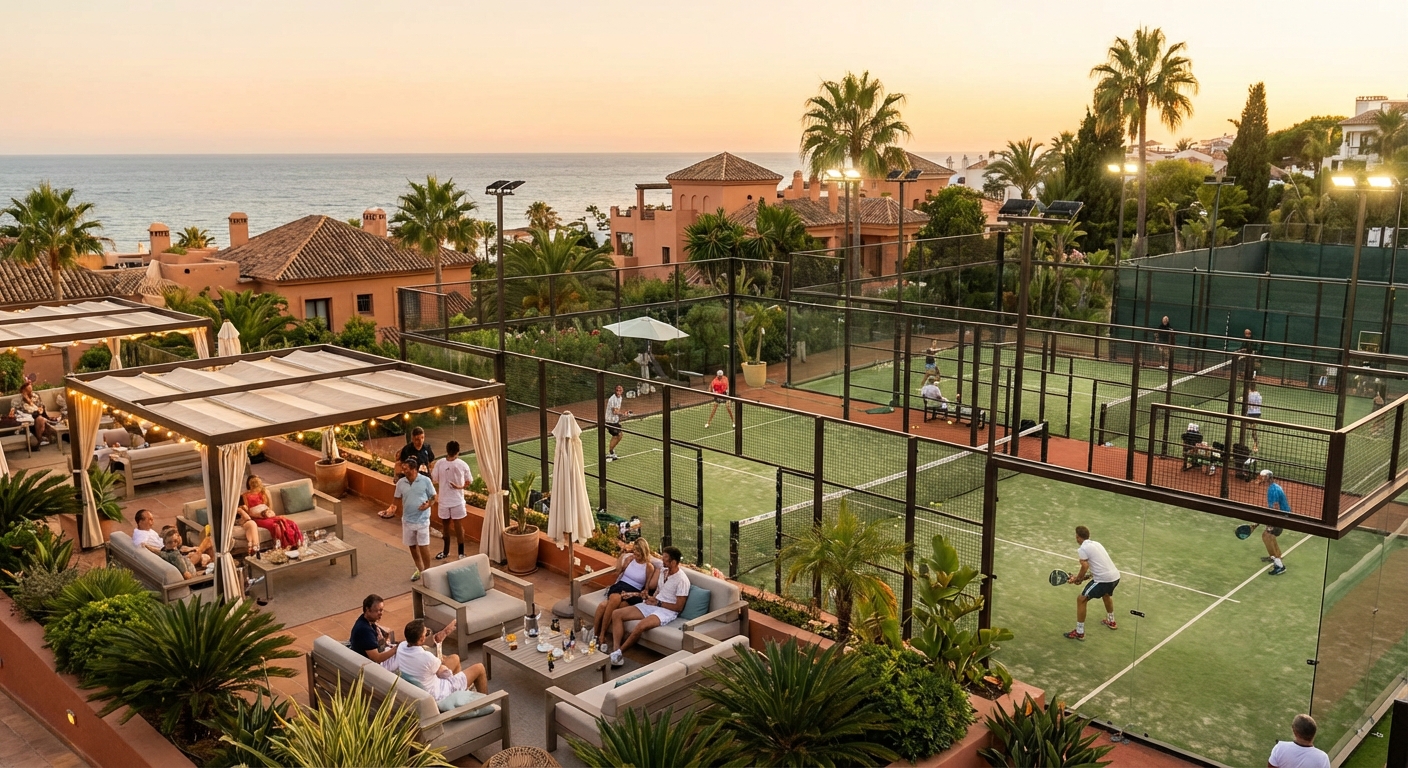
After its Mexican debut, where did padel originate in Europe was the prestigious Marbella Club in Spain. In 1974, Alfonso de Hohenlohe, a friend of Corcuera, falls in love with the game and builds the first European courts. From Marbella, the sport’s popularity exploded across the Spanish peninsula, eventually becoming the nation’s second most popular sport.
The Spanish explosion
Spain currently leads the world in court density and player count. The social aspect of the game fits perfectly with the outdoor, club-oriented lifestyle of the Mediterranean.
- Marbella served as the initial European hub.
- The sport moved from elite circles to the general public.
But that’s not all…
Think about it: a game once reserved for Mexican and Spanish royalty is now a global sport played by millions in public parks!
Key Takeaway: Spain’s early adoption turned padel from a backyard hobby into a legitimate professional industry.
| Era | Region | Status |
|---|---|---|
| 1969 | Mexico | Invention |
| 1974 | Spain | European Debut |
| 1980s | Argentina | South American Boom |
The migration of the sport to Spain was the catalyst for creating the modern professional circuit we see today.
Where did padel originate technical drawings?
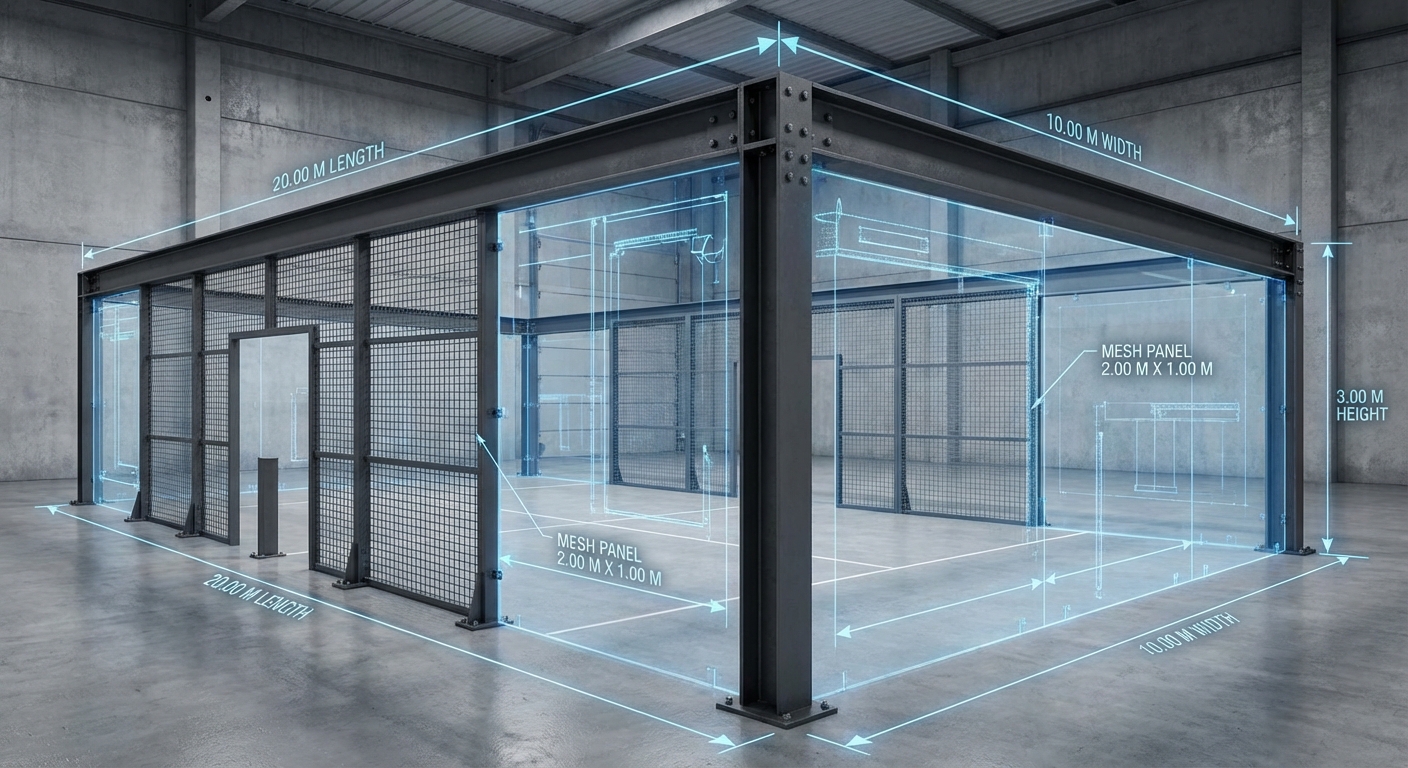
Modern engineering has standardized exactly how a court must be designed to ensure fair play. When looking at a Standard Padel Court, every millimeter counts for the bounce of the ball. The structure must withstand heavy impacts from players while remaining perfectly level.
Standardizing the build
Architects now follow strict international guidelines to ensure courts are identical regardless of whether they are in Sweden or Dubai. This consistency allows professional players to travel the world without adjusting their timing.
- Grid alignments must be precise.
- Metal mesh must be tensioned correctly.
But that’s not all…
Think about it: even a 1-degree tilt in the floor can completely change the way a ball rebounds off the back glass!
Where did padel originate panoramic views?
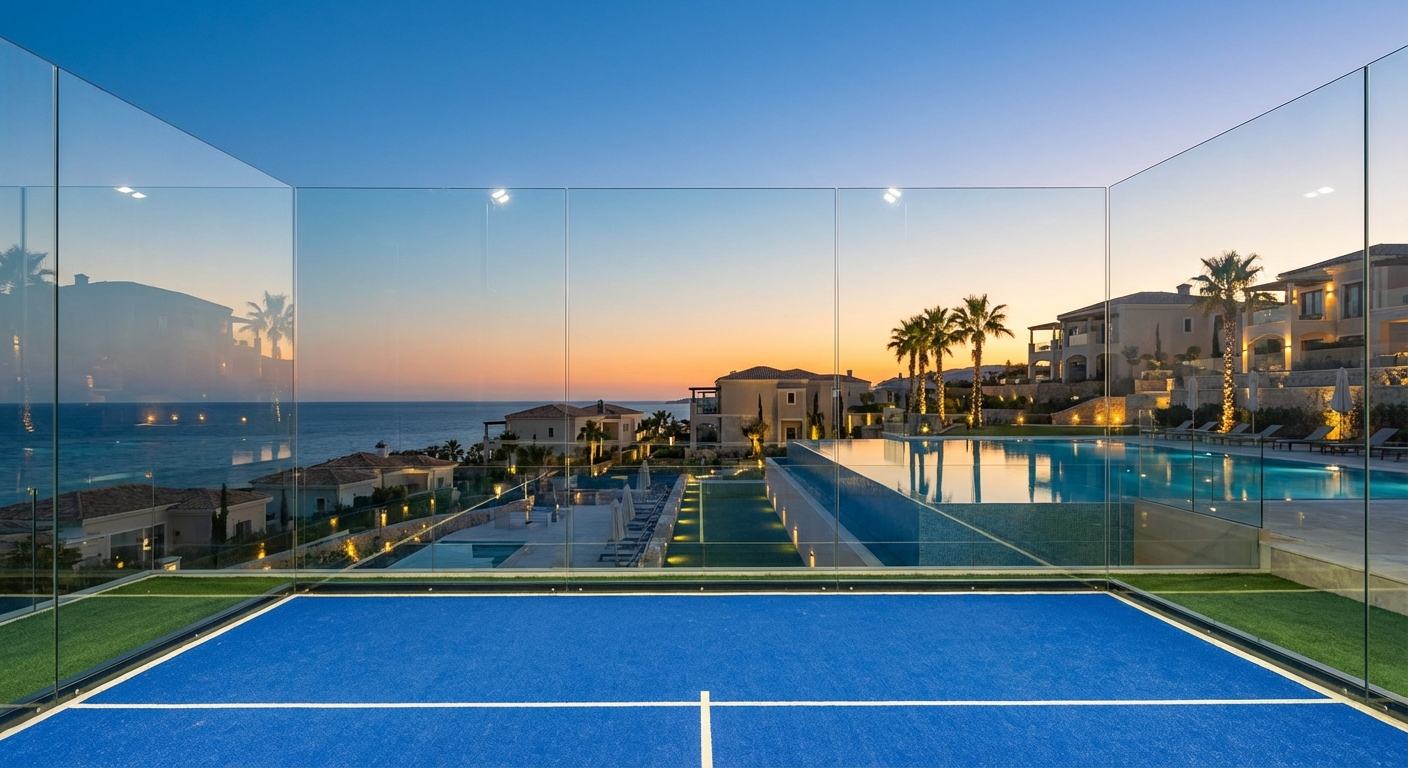
The evolution of where did padel originate as a spectator sport led to the “Panoramic” design. This model removes the vertical structural posts from the back glass area. It provides an unobstructed view for spectators and cameras, making it the gold standard for high-end clubs.
The panoramic advantage
A Panoramic Padel Court uses thicker glass and specialized bottom anchors to maintain stability without the support of metal beams. This creates a “theatrical” feel for the players and the audience.
- No rear pillars to block the view.
- Enhanced aesthetic appeal for luxury resorts.
But that’s not all…
Think about it: without those metal beams, the game becomes a visual masterpiece that looks stunning on social media and live television!
Key Takeaway: Panoramic courts are the preferred choice for center courts and commercial venues looking to attract members.
| Model | Structural Support | Viewer Experience |
|---|---|---|
| Standard | Corner and Mid Poles | Partially Blocked |
| Panoramic | Hidden Base Anchors | 100% Unobstructed |
Investing in panoramic designs is a strategic move for any club owner looking to host tournaments or elite events.
Where did padel originate glass safety?
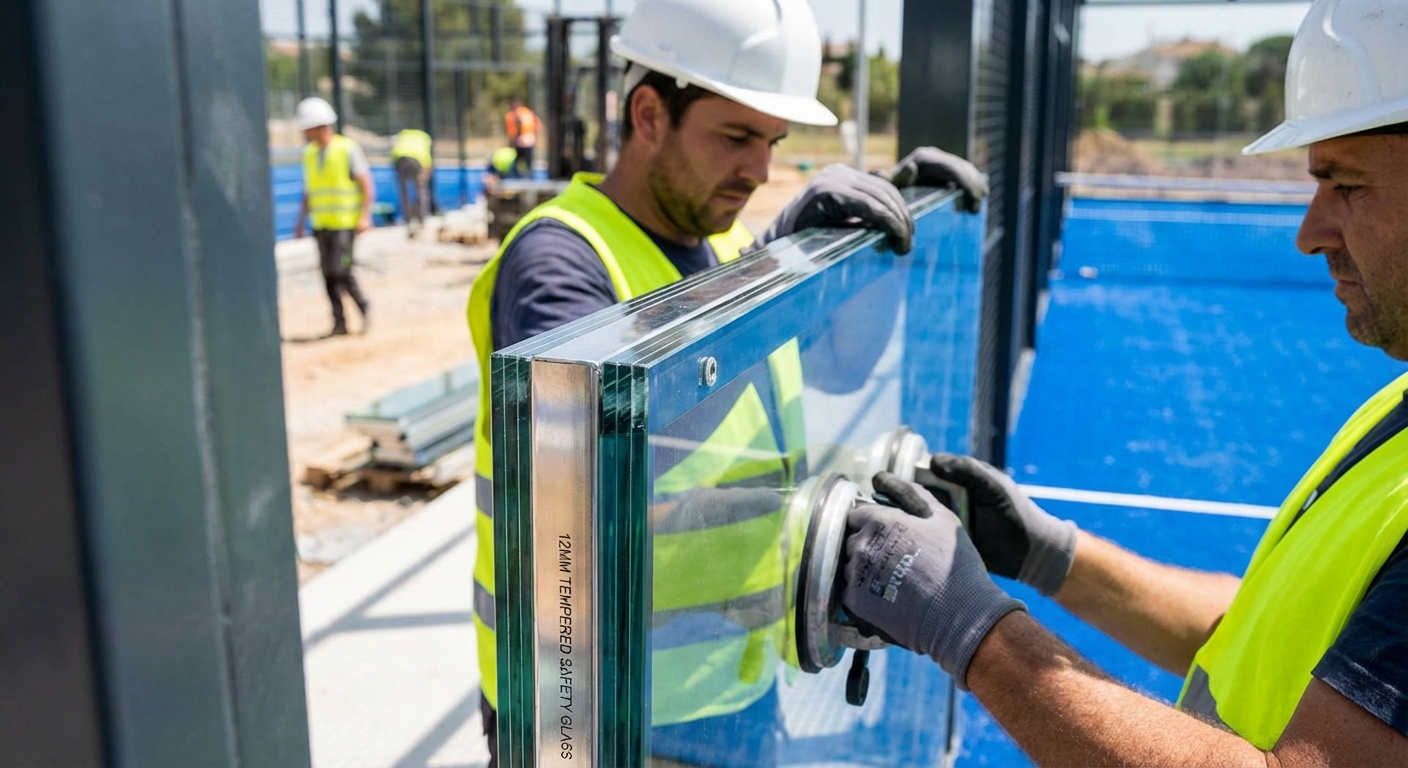
Safety standards are the highest they have ever been since the sport began. Modern Padel Glass is made of tempered safety material, usually 10mm or 12mm thick. This glass is designed to crumble into small, harmless pieces if it ever breaks, though it is engineered to withstand incredible force.
The engineering of transparent walls
The glass isn’t just for looking through; it’s a structural component that provides a consistent, acoustic “pop” when the ball strikes it.
- Heat-tempered for maximum durability.
- Polished edges to prevent injuries during installation.
But that’s not all…
Think about it: players frequently crash into these walls at full speed, yet the glass remains perfectly intact match after match!
Where did padel originate the blue turf?
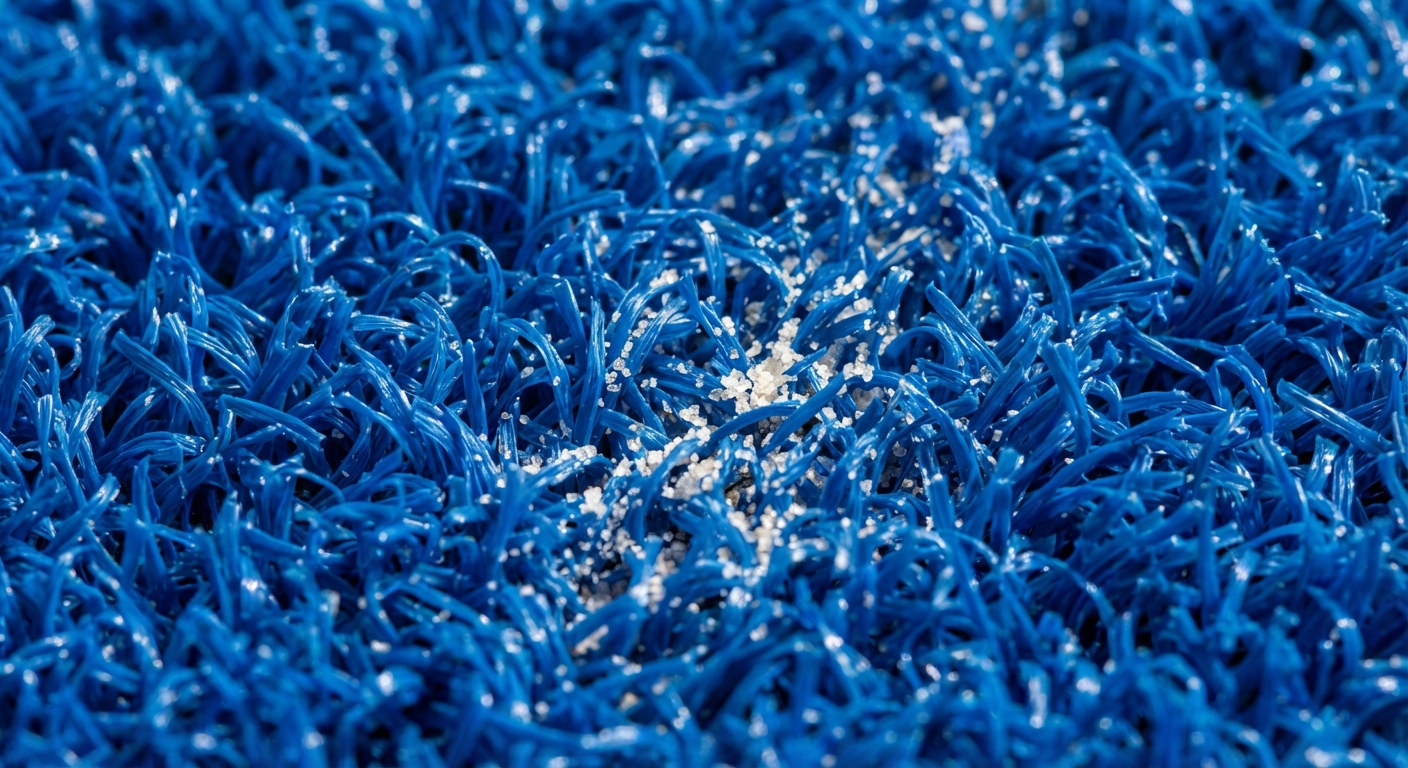
While the first courts were concrete, where did padel originate its signature blue look was on the professional tour. Today, high-quality Padel Grass is typically a texturized monofilament synthetic turf. The blue color provides the best visual contrast for both players and television cameras.
Turf technology and silica sand
The secret to the “slide” in padel is the silica sand infill hidden between the blades of synthetic grass. This allows for controlled movement without the risk of the shoe catching on the turf.
- Monofilament fibers offer the best durability.
- Blue is the industry standard for pro play.
But that’s not all…
Think about it: the turf isn’t just about color; it’s a high-tech surface designed to protect your joints while providing a perfect bounce!
Key Takeaway: Premium turf reduces maintenance costs and significantly lowers the risk of player injuries.
| Turf Type | Fiber Style | Longevity |
|---|---|---|
| Fibrillated | Split Film | Moderate |
| Monofilament | Single Strand | High |
| Texturized | Curled Professional | Maximum |
The choice of turf is arguably the most important decision for court longevity and player satisfaction.
Where did padel originate night play?
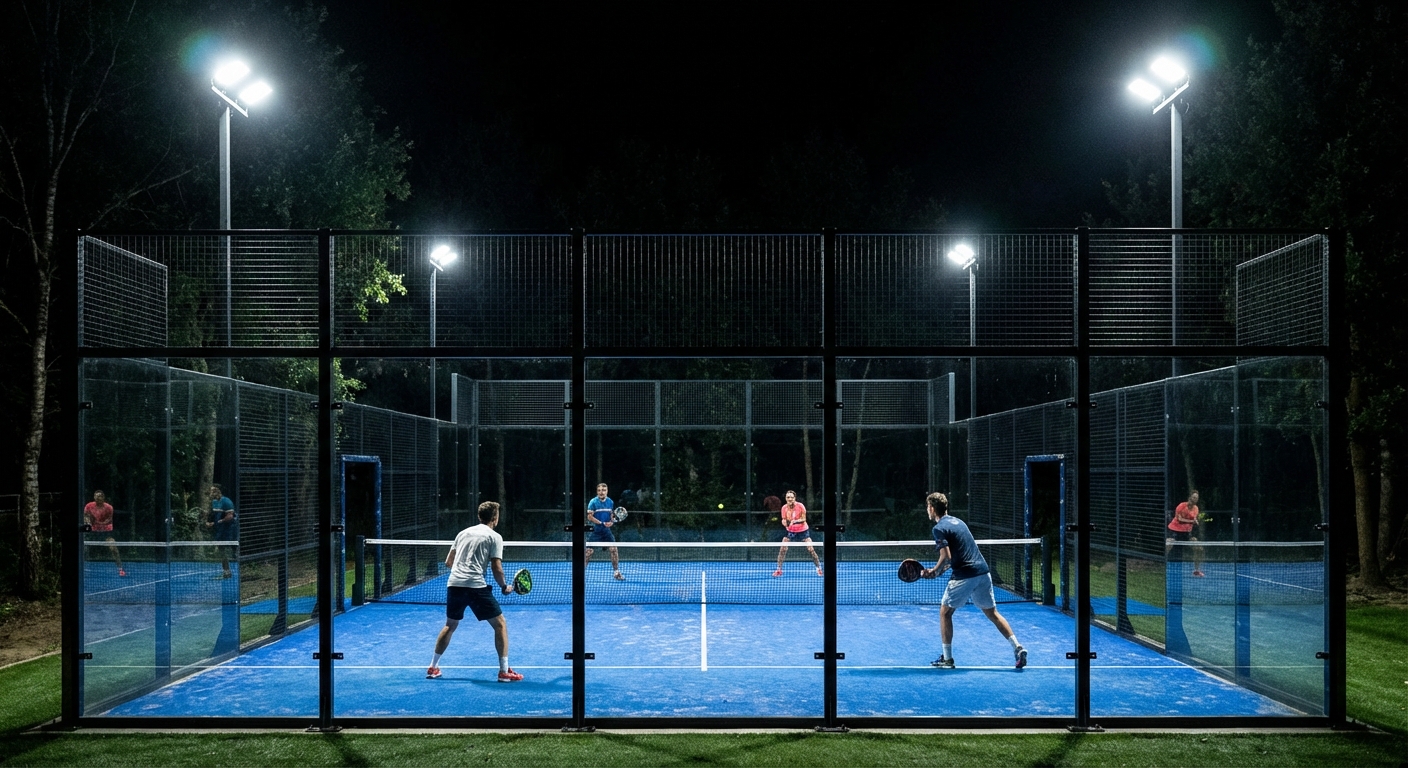
Lighting turned padel into a 24-hour revenue generator for club owners. Modern Padel LED Lighting provides flicker-free, uniform illumination that mimics daylight. This was a massive upgrade from the old mercury vapor lamps that took ten minutes to warm up and cast long shadows.
Illuminating the game
Proper lighting must reach a minimum of 300 to 500 lux for amateur play, and up to 1000 lux for televised professional matches.
- LEDs provide instant startup.
- Directional lighting prevents glare for the players.
But that’s not all…
Think about it: with efficient LED systems, the cost of lighting a court for an hour is now less than the price of a cup of coffee!
Where did padel originate indoor facilities?
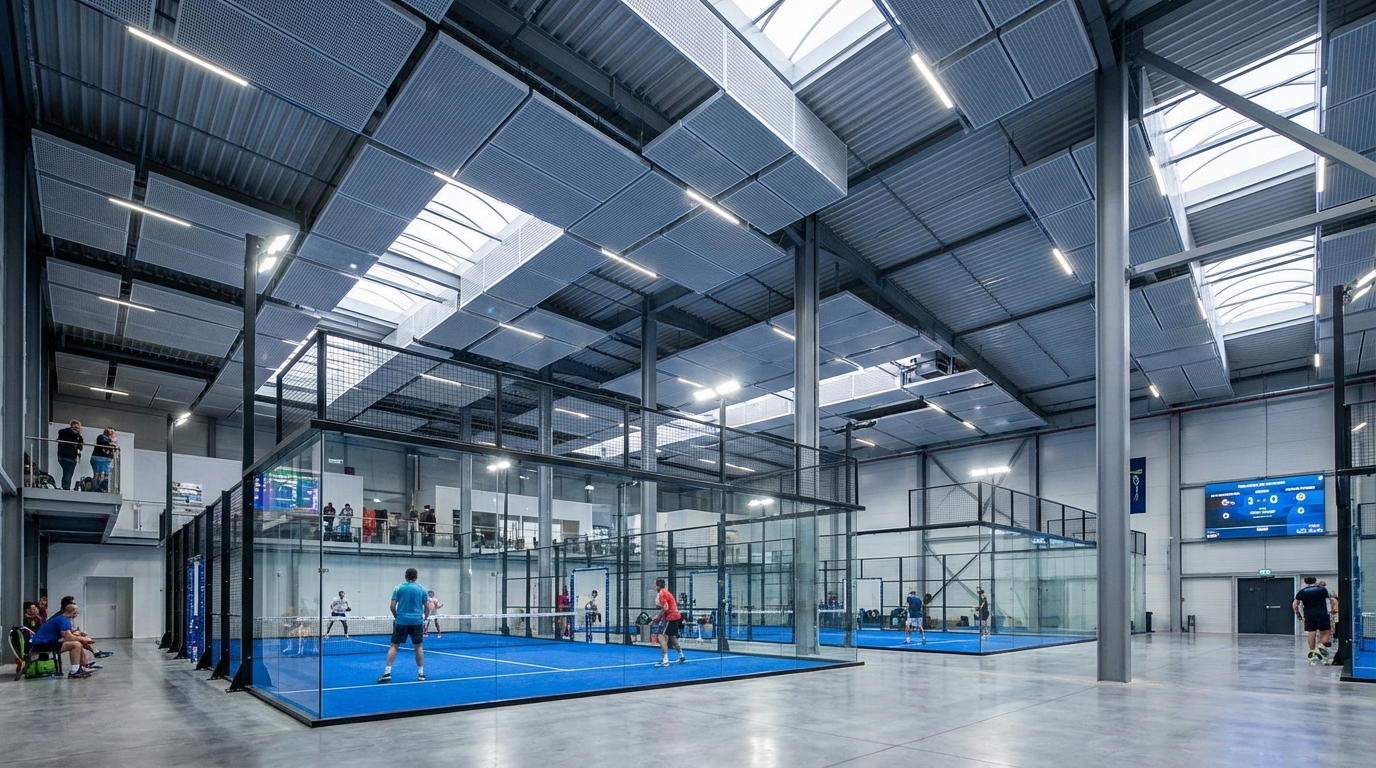
Northern Europe changed the game by moving courts inside to combat the weather. However, where did padel originate year-round outdoor play was through the Roofed Padel Court. These steel canopies protect the court from rain and UV rays while maintaining the “outdoor” feel that many players love.
The rise of indoor and roofed options
Roofed structures allow clubs to operate through rainstorms, ensuring that bookings are never canceled. This provides a massive boost to the Return on Investment (ROI) for club operators.
- Canopies must be at least 6-8 meters high.
- Ventilation is key for humid climates.
But that’s not all…
Think about it: a roofed court eliminates the two biggest enemies of padel—rain on the glass and sun in the player’s eyes!
Key Takeaway: Adding a roof can increase court utilization by over 40% in temperamental climates.
| Feature | Indoor Facility | Roofed Outdoor |
|---|---|---|
| Climate Control | Full HVAC | Natural breeze |
| Build Cost | High | Moderate |
| Lighting | Required | Primarily Night |
For locations with high rainfall, a roofing system is not a luxury—it is a business necessity.
Where did padel originate construction expertise?
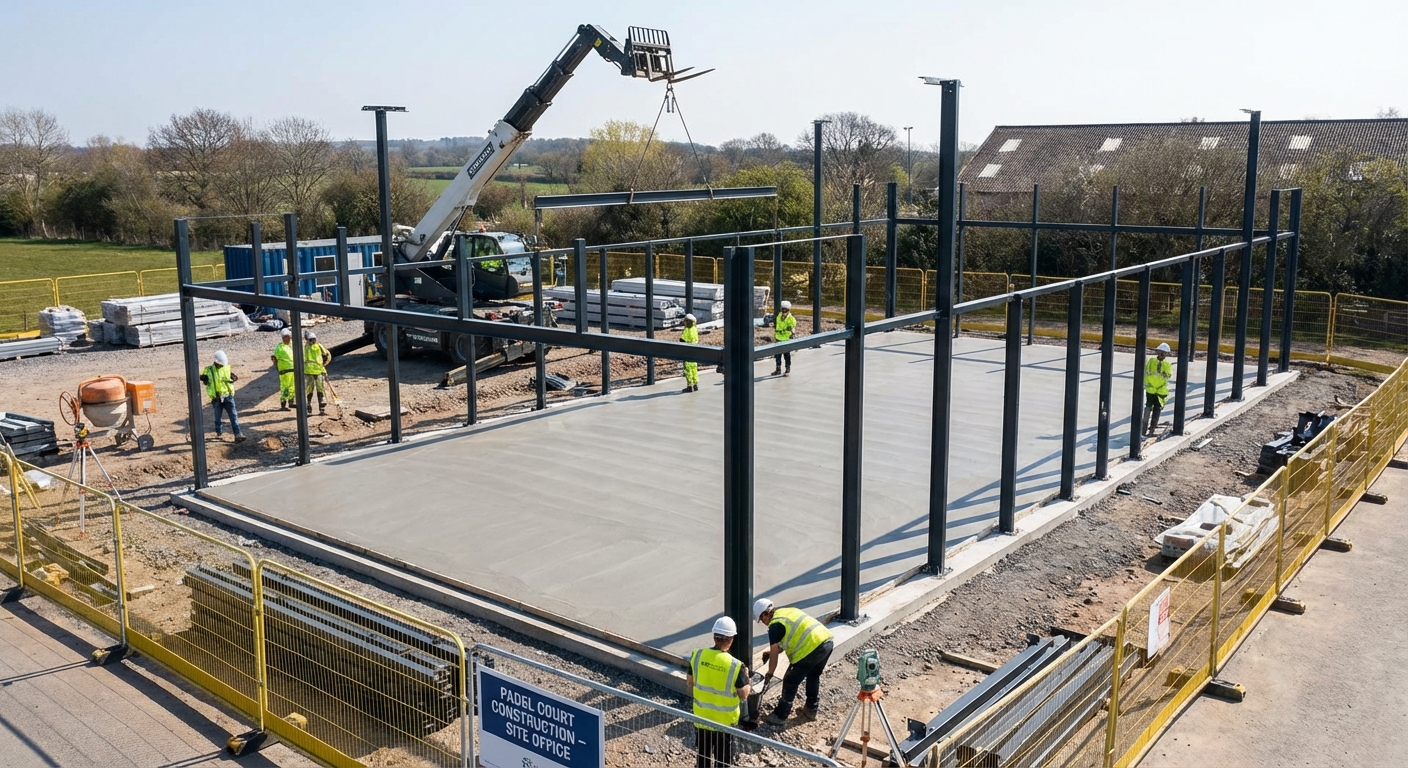
Building a court requires a perfect concrete sub-base before the Padel Structure can be bolted down. If the base is uneven, the glass won’t fit, and the turf will have “dead spots.” Professional installation teams now use laser-guided leveling to ensure the surface is flawless.
The construction roadmap
The process starts with excavation and drainage, followed by a reinforced concrete slab, and finally the modular assembly of the steel and glass.
- Sub-base must be perfectly level.
- Steel must be hot-dip galvanized to prevent rust.
- Modular assembly allows for fast setup.
But that’s not all…
Think about it: a professional team can assemble the entire metal and glass structure in just 5-7 days once the concrete is dry!
*
Strategic Conclusion:
Padel is more than just a sport; it is a global social movement that started in an Acapulco backyard. Whether you are looking to join a local club or build your own facility, understanding the heritage and technical standards of the game is your first step toward success. To start your own journey with factory-direct quality, contact us today to explore professional court solutions.
Padel Inquiry FAQ
- Can I build a padel court in my private garden?
Yes, you can install a court as long as you have a level area of at least 11×21 meters to allow for the structure and a small perimeter. - What’s the best way to maintain the synthetic turf?
The best routine is regular brushing to move the silica sand back into the high-traffic areas and removing organic debris like leaves. - Can I play padel in the rain on an outdoor court?
You can, but wet glass makes the ball “skid” instead of bounce, and wet turf can be slippery; this is why roofed courts are so popular. - How high should the ceiling be for an indoor court?
The international standard requires a minimum of 6 meters, but 8 meters is highly recommended to accommodate high “lob” shots. - Can I customize the color of my court structure?
Yes, we offer full OEM support, allowing you to choose any RAL color for the steel frame to match your brand or club aesthetics.