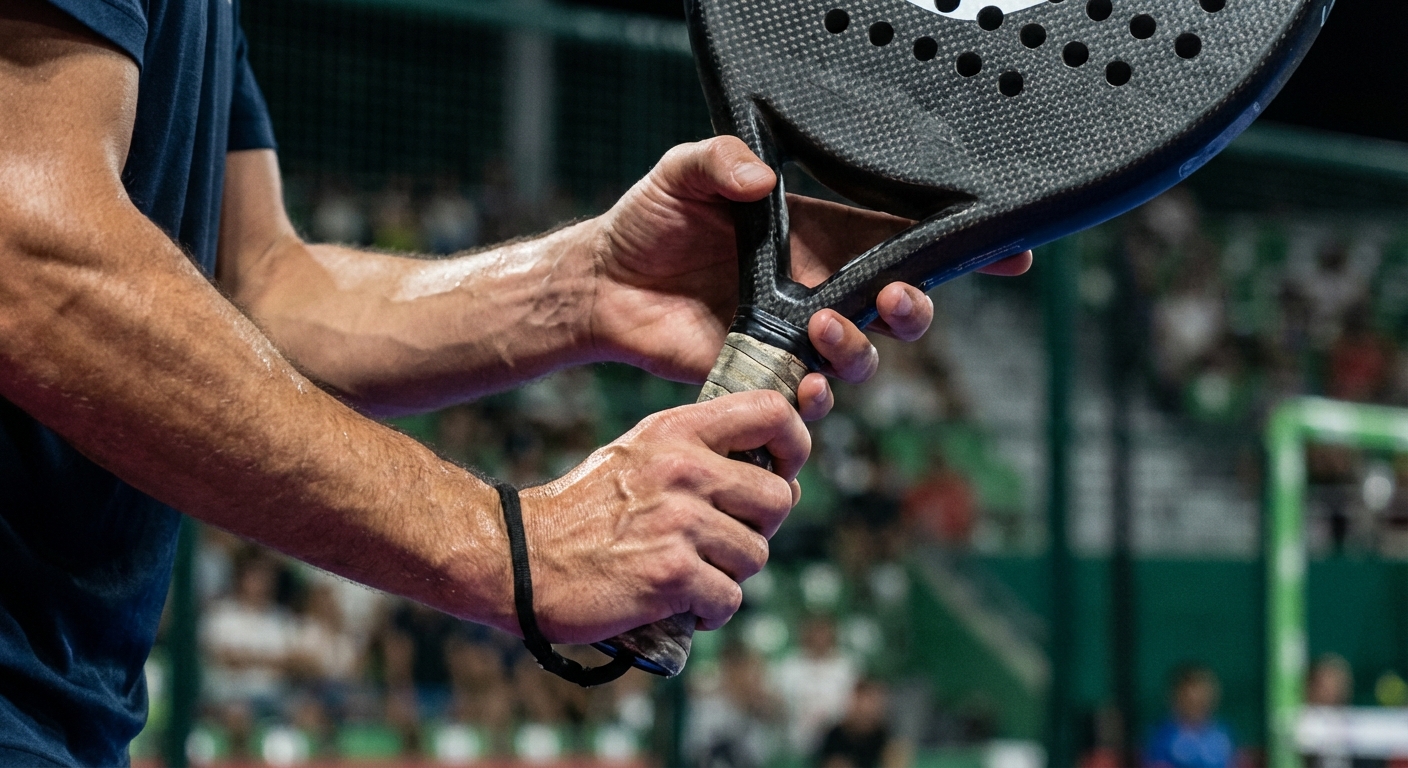
The World Padel Tour is the premier professional circuit for padel, acting as the global gold standard for competitive gameplay, court engineering, and athlete rankings. Many sports facility investors struggle with inconsistent construction standards and fragmented technical specifications when trying to enter this booming market. This lack of clarity often results in expensive infrastructure errors that prevent clubs from hosting sanctioned events or attracting high-level players. By adopting the precise technical roadmap used by leading manufacturers, you can create a high-performance venue that mirrors the excellence of the world padel tour.
What is the world padel tour exactly?
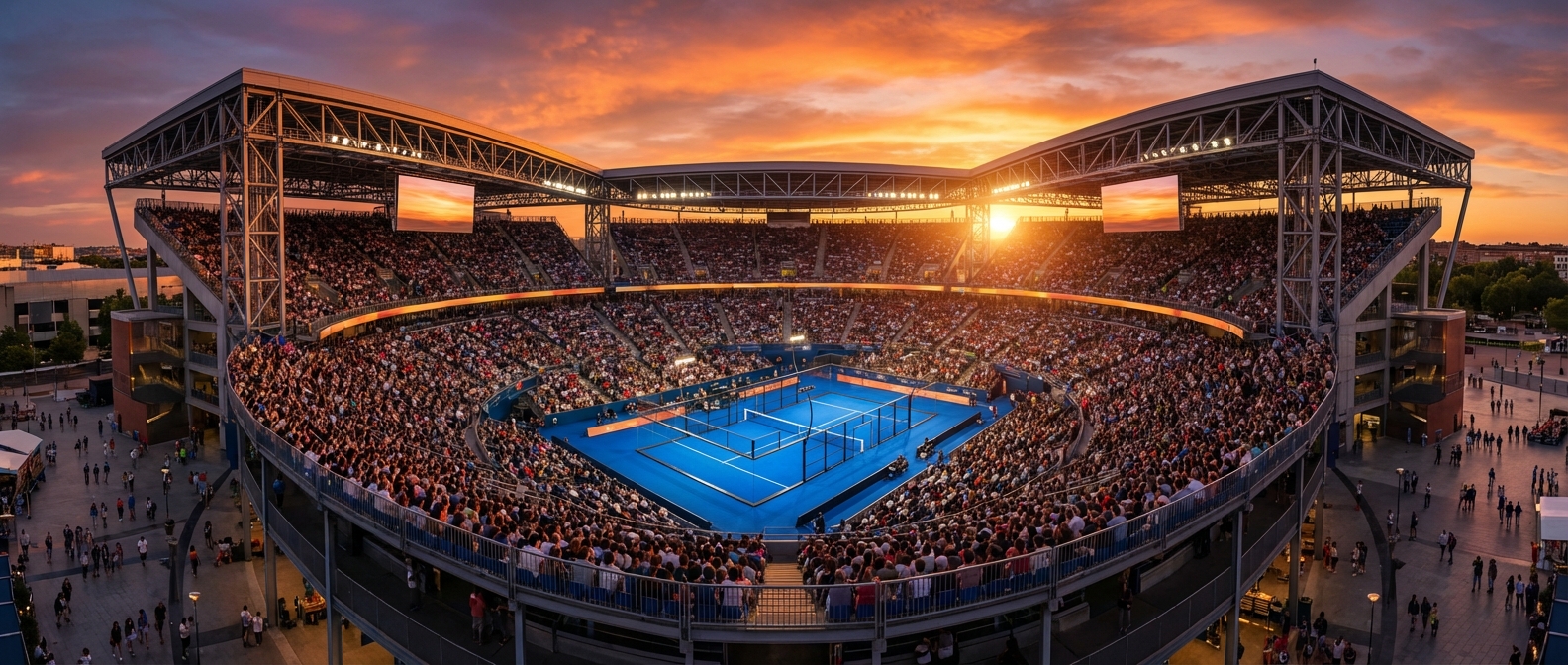
The Professional Benchmark
The world padel tour is the primary stage where elite international athletes compete for global rankings and significant prize pools. It establishes the regulatory framework for everything from racquet specifications to the frictional coefficient of the synthetic turf. If you are planning a padel court construction project, aligning with these professional standards is essential for long-term viability.
But wait, there’s more:
- Standardized scoring systems.
- Strict equipment certification.
- Global broadcast requirements.
Elite Tournament Tiers
The circuit is divided into various levels of competition, including Master, Open, and Challenger events. Each tier requires specific seating capacities and lighting uniformity to accommodate television cameras.
| Event Type | Points Awarded | Minimum Capacity |
|---|---|---|
| Master | 1700 | 3,000+ Fans |
| Open | 1000 | 1,500+ Fans |
| Challenger | 120 | 500+ Fans |
Key Takeaway: Understanding the tiered structure allows you to scale your facility’s infrastructure according to the level of competition you intend to host.
This data suggests that the higher the tournament tier, the more rigorous the structural and logistical demands on your sports club.
How has the world padel tour evolved?
A Journey of Globalization
The world padel tour evolved from a localized Spanish competition into a massive international sporting industry. Since 2013, the circuit has professionalized every aspect of the game, driving innovation in court materials and safety glass.
Here is the kicker:
- Rapid expansion into the Middle East and Asia.
- Increased integration of high-definition slow-motion replays.
- Shift toward highly durable, low-maintenance galvanized steel.
Modern Technical Requirements
Current iterations of the tour emphasize player safety and spectator visibility above all else. This has led to the widespread adoption of heat-strengthened tempered glass and advanced LED lighting systems.
| Evolution Phase | Primary Focus | Technical Shift |
|---|---|---|
| Early Years | Player Participation | Traditional Mesh Walls |
| Growth Era | Spectator Experience | Panoramic Glass Designs |
| Modern Era | Global Broadcasting | Anti-glare LED Systems |
Key Takeaway: The evolution of the tour reflects a move toward premium materials that enhance the visual experience for both live fans and digital audiences.
Historical growth patterns indicate that facilities failing to upgrade to modern glass standards quickly become obsolete in the professional market.
Why join the world padel tour circuit?

Commercial Opportunities
Joining the world padel tour circuit as a host venue provides unparalleled access to global marketing channels and premium sponsorship deals. By adhering to official padel court dimensions, you ensure your facility is eligible for sanctioned qualifiers and exhibitions.
You might be wondering:
- How does hosting affect local club membership?
- What are the revenue streams for sanctioned events?
- Can small clubs apply for professional tiers?
Strategic Brand Positioning
Being associated with the world’s top tour elevates your club’s prestige and attracts elite coaching talent. This “halo effect” allows you to command higher court rental fees and retail margins on professional-grade gear.
| Benefit Category | Impact Level | Primary Driver |
|---|---|---|
| Revenue | High | Ticket Sales & Sponsorship |
| Brand | Medium | Global Recognition |
| Community | High | Local Talent Development |
Key Takeaway: Aligning with the pro tour transforms a simple sports facility into a destination venue with diverse revenue potential.
Analysis shows that clubs hosting professional events see a 40% increase in membership retention due to improved perceived value.
How are world padel tour rankings set?
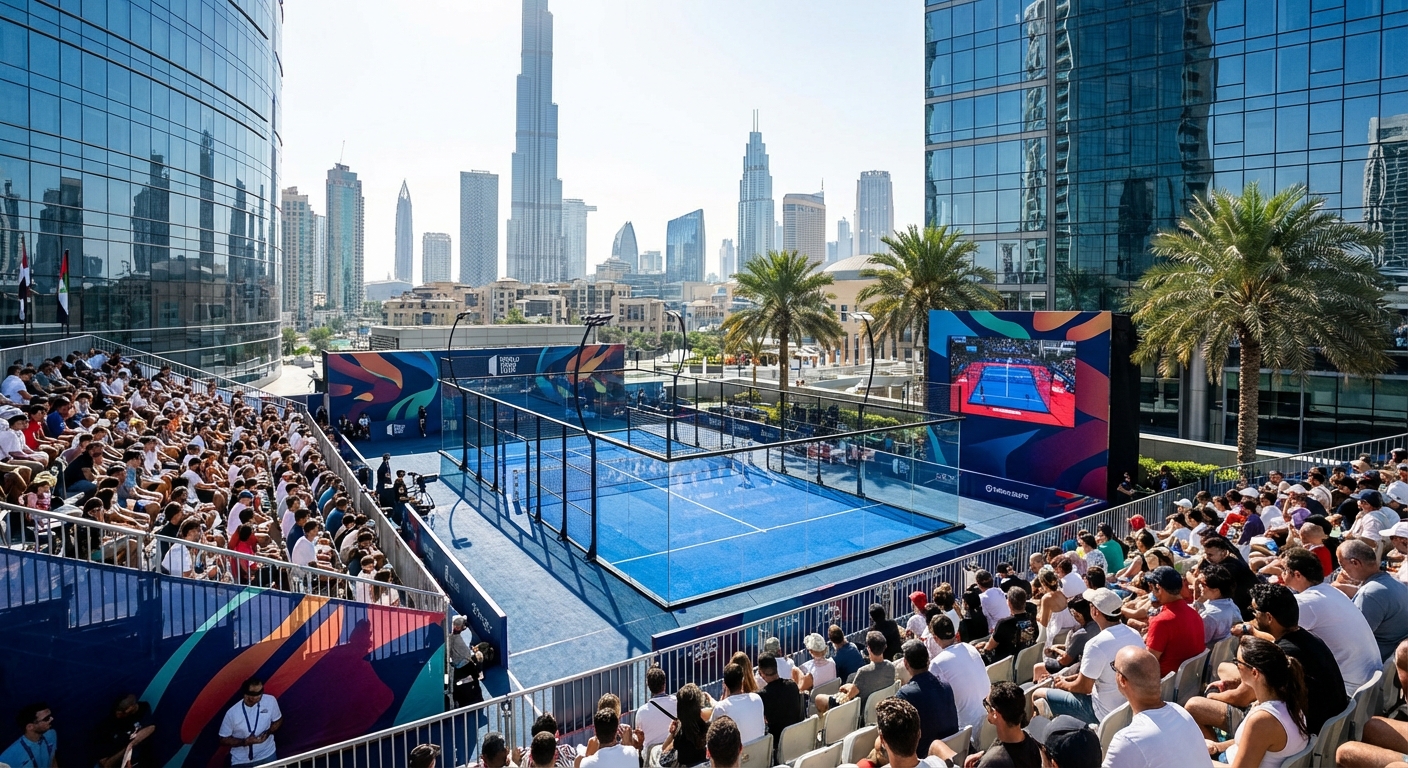
The Points Accumulation System
The world padel tour rankings are determined by a rolling 52-week system where players accumulate points based on their performance in various tournament tiers. This system ensures that only the most consistent athletes reach the season-ending Master Final.
It gets better:
- Master events offer the highest point yield.
- Rankings dictate entry into the main draws.
- Points expire annually to encourage active play.
Impact on Facility Utilization
Players chasing these rankings often seek out training facilities that replicate the exact playing conditions of the tour. This creates a high demand for courts with specific turf density and glass thickness.
| Tournament Tier | Winner Points | Recommended Training |
|---|---|---|
| Master | 1700 | High-altitude simulation |
| Open | 1000 | Match-play drills |
| Challenger | 120 | Technical conditioning |
Key Takeaway: Facility owners who understand the ranking cycle can tailor their training programs to professional athletes during peak tournament seasons.
Data confirms that elite players prioritize facilities with courts that strictly adhere to the technical specifications of the current tour season.
What is a world padel tour court spec?
Structural Engineering Standards
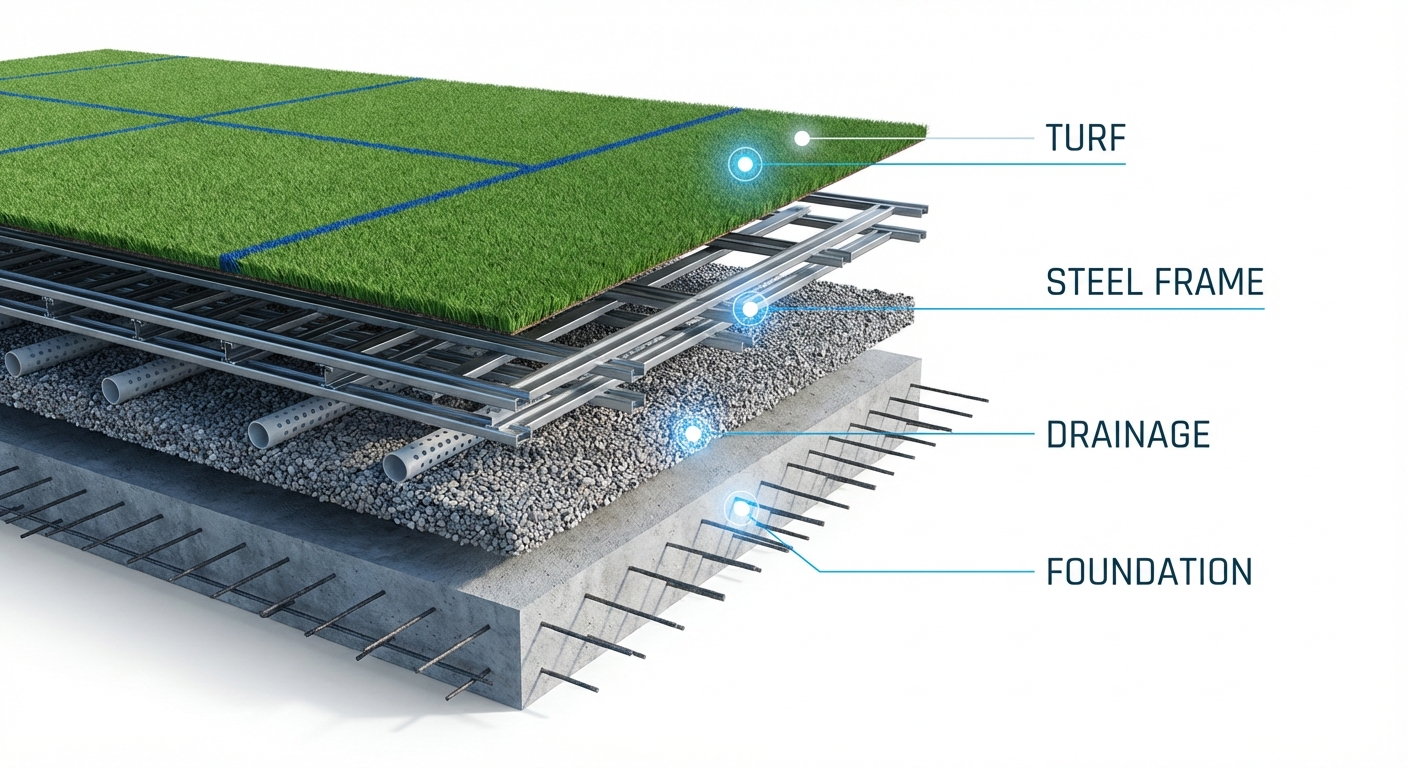
A world padel tour court spec requires a 20m x 10m playing area enclosed by a combination of galvanized steel mesh and tempered glass panels. Calculating the cost to build a padel court involves factoring in these high-grade materials and professional-grade LED lighting.
Keep this in mind:
- Glass must be 10mm or 12mm thick.
- Steel frames must resist high wind loads.
- Turf requires specific sand infill ratios.
Foundation and Drainage
Professional play demands a perfectly level surface to ensure a consistent and predictable ball bounce. Proper drainage systems are integrated beneath the concrete slab to prevent water accumulation during outdoor events.
| Component | Professional Spec | Material Choice |
|---|---|---|
| Enclosure | 3m to 4m Height | Galvanized Steel |
| Surface | Textured Monofilament | Polyethylene Turf |
| Lighting | 750 Lux Average | 8x 200W LED |
Key Takeaway: Investing in professional-spec materials reduces long-term maintenance costs and ensures the safety of high-speed athletic movements.
Strict adherence to material specifications is the most significant factor in reducing player injury risks during competitive matches.
Can world padel tour courts be indoors?
All-Weather Professional Play
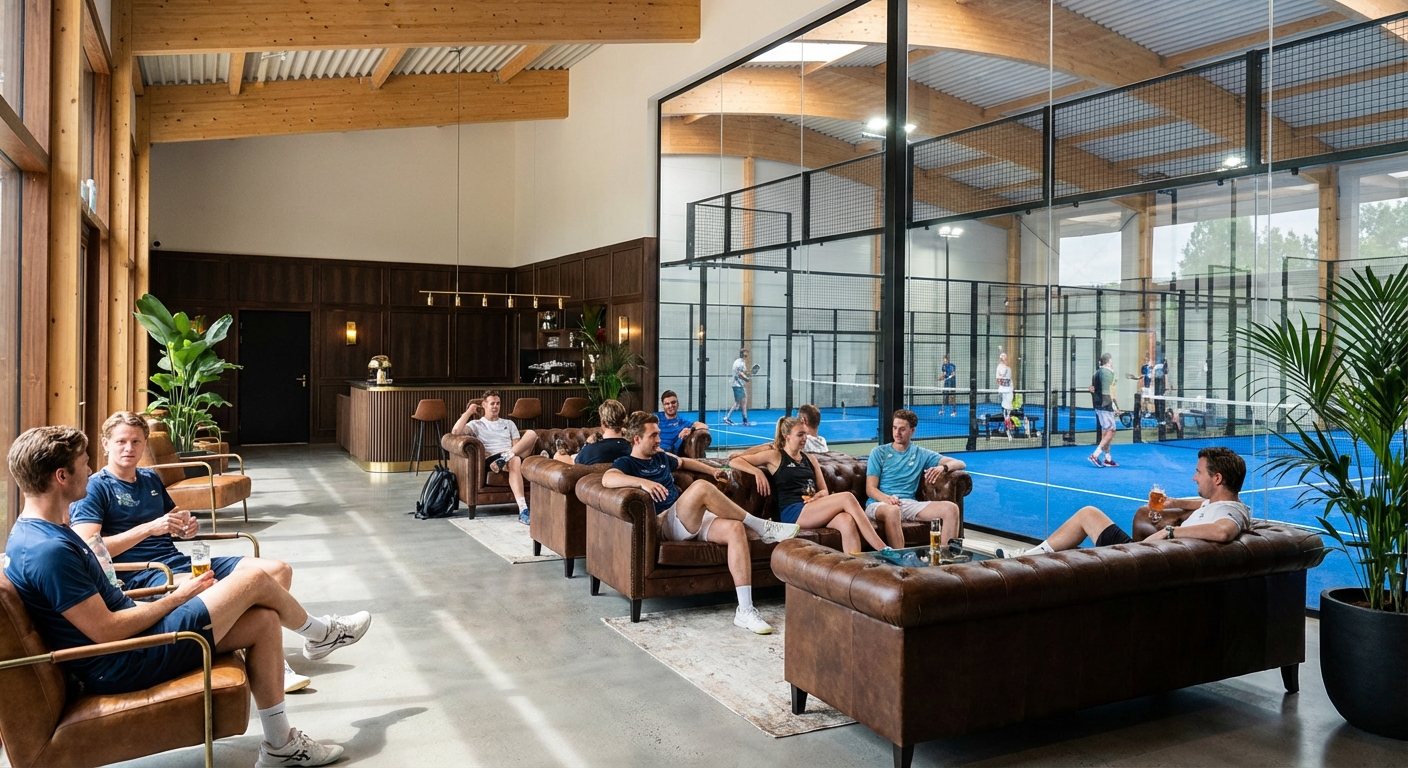
The world padel tour frequently utilizes indoor arenas to eliminate the variables of wind and rain during major championships. Building an indoor facility requires a minimum ceiling height of 6 meters to accommodate high lobs without interference.
But wait, there’s more:
- Climate control improves ball consistency.
- Acoustic treatments manage noise levels.
- Indoor play allows for 24/7 revenue generation.
Ventilation and Lighting Challenges
Indoor facilities must solve for air circulation to prevent humidity from affecting the glass walls. Lighting must be strategically placed to avoid creating glare for players looking upward for lobs.
| Factor | Indoor Requirement | Professional Target |
|---|---|---|
| Ceiling Height | 6m – 8m | Optimal Lob Clearance |
| Air Flow | 10+ Changes/Hour | Humidity Control |
| Glare | Uniformity > 0.7 | Visual Clarity |
Key Takeaway: Indoor facilities provide a stable environment for professional training but require careful consideration of vertical space and ventilation.
Facilities with indoor courts report 30% higher utility during winter months compared to traditional outdoor club models.
Who builds world padel tour facilities?
Selecting the Right Manufacturer
The entities that build world padel tour facilities are typically specialized manufacturers with deep expertise in steel fabrication and synthetic turf technology. Proper padel court maintenance begins with choosing a partner that offers factory-direct quality control and professional installation services.
Here is the kicker:
- China-based manufacturers lead in cost-efficiency.
- OEM/ODM services allow for full customization.
- Strict EU-standard glass is mandatory.
The Construction Workflow
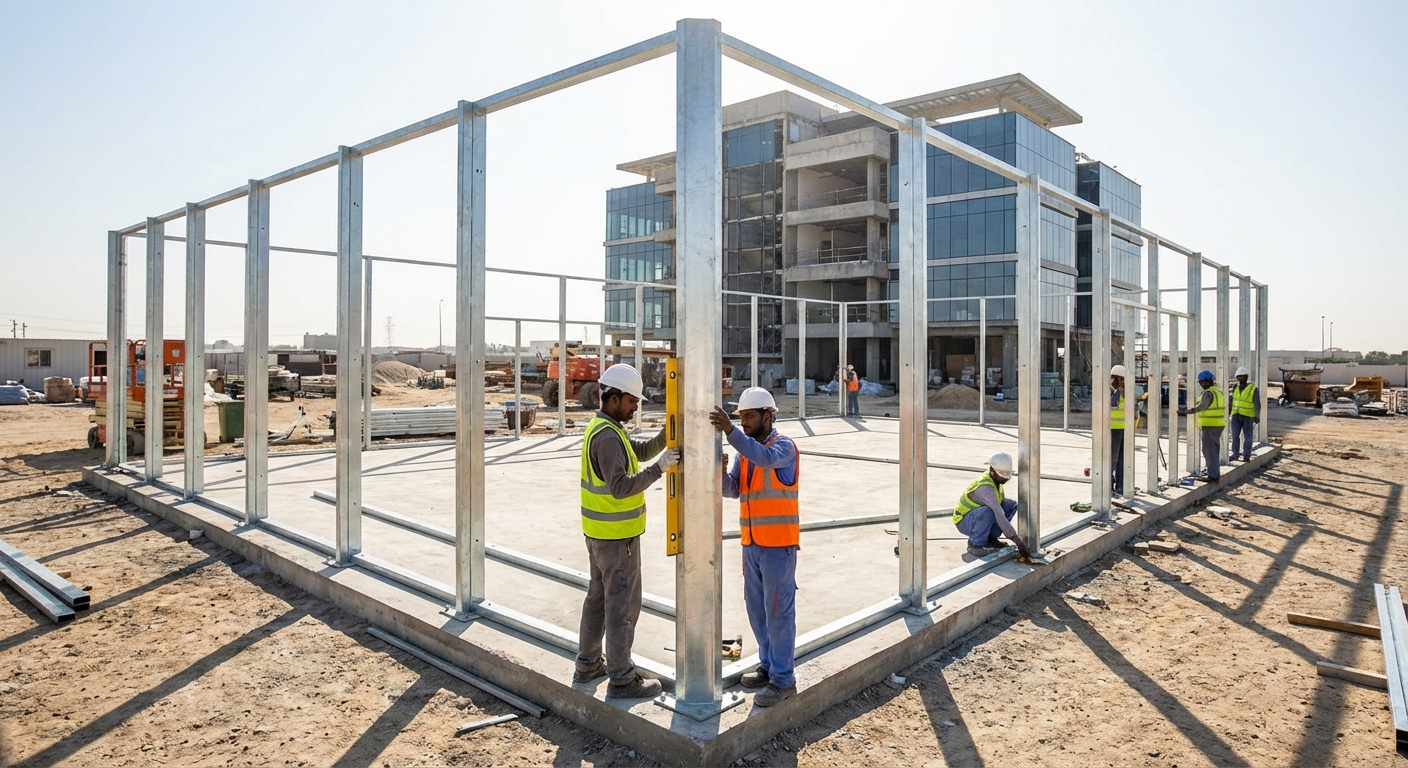
Building a tour-grade facility involves a sequence of site preparation, concrete pouring, and modular assembly of the steel and glass components. Professional installers ensure that every panel is perfectly aligned to the millimeter.
| Phase | Responsibility | Key Outcome |
|---|---|---|
| Design | Architect / Manufacturer | Technical Blueprints |
| Fabrication | Factory | Galvanized Components |
| Installation | Certified Technicians | Structural Integrity |
Key Takeaway: Partnering with a manufacturer that controls the entire supply chain reduces procurement errors and ensures tournament-grade precision.
Working directly with a manufacturer can reduce infrastructure costs by up to 25% while maintaining elite professional quality standards.
Is world padel tour merging soon?

The Unification of Padel
The world padel tour is undergoing a strategic merger with competing circuits to create a unified global professional ranking. This consolidation is designed to simplify the sport for fans and increase the commercial value of media rights.
Think about this:
- A single ranking system for all pros.
- Standardized tournament calendars.
- Greater investment from global sports entities.
Market Implications for Owners
Unification means that the technical standards you follow today will become the universal law of the sport. Understanding market demand for padel helps you prepare for the influx of new players attracted by a more organized professional landscape.
| Market Impact | Timeline | Expectation |
|---|---|---|
| Tech Standards | Immediate | Universal Spec Adoption |
| Player Pool | 1-2 Years | Massive Talent Influx |
| Media Value | 3-5 Years | Higher Sponsorship Rates |
Key Takeaway: A unified tour increases the global stability of the sport, making infrastructure investments safer and more predictable.
The merger is expected to drive a surge in facility demand as the sport moves toward Olympic consideration and broader global appeal.
What is a world padel tour panoramic court?
Maximizing Spectator Visibility
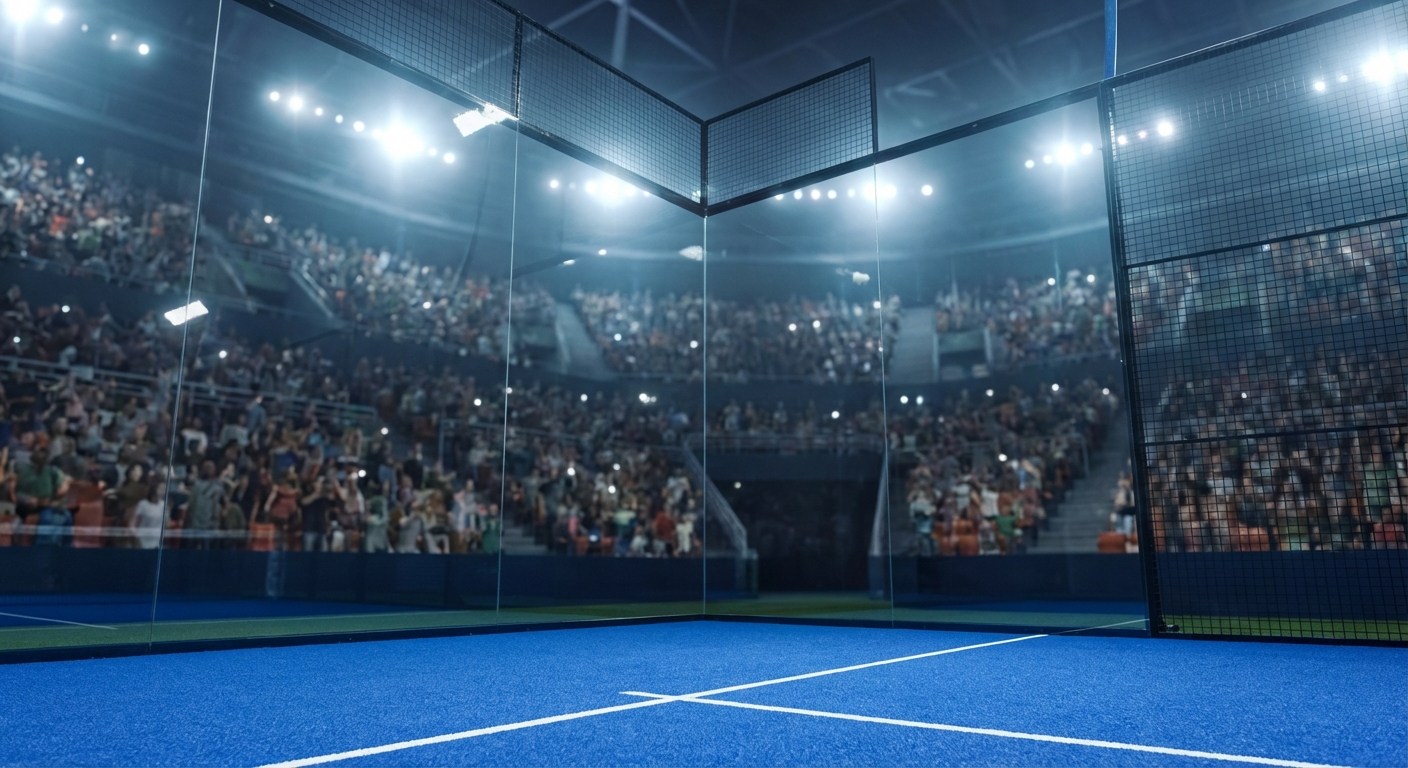
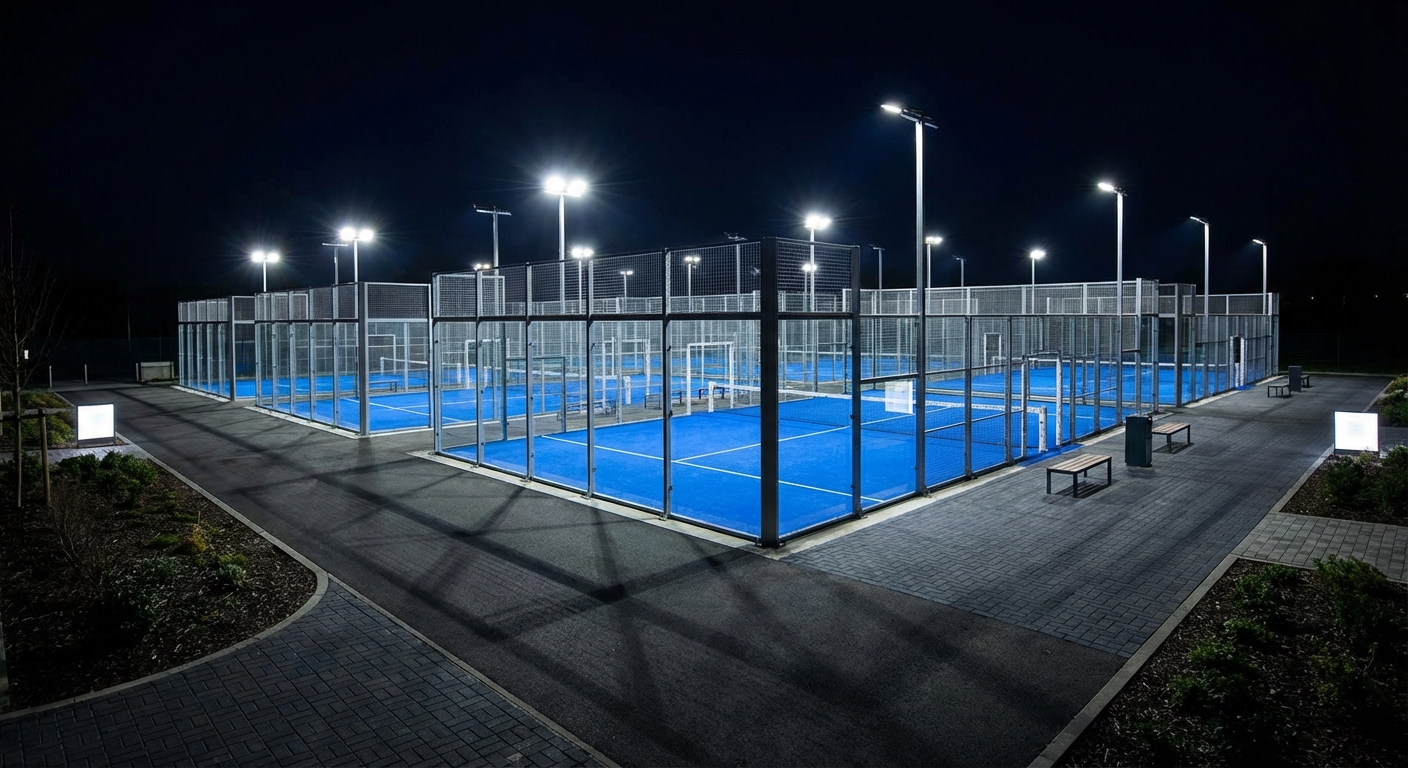
A world padel tour panoramic court is a premium design that removes the rear structural pillars to provide an unobstructed view of the action. This innovation is essential for television broadcasts and high-capacity stadiums where sightlines are critical.
You will love this:
- Seamless 12mm glass back walls.
- Reinforced structural beams for safety.
- Enhanced aesthetic appeal for luxury clubs.
Structural Integrity vs. Design
Removing pillars requires higher-grade steel and more complex engineering to handle the weight of the tempered glass. These courts are the preferred choice for central “Show Courts” at professional tournaments.
| Court Type | Rear Visibility | Best Use Case |
|---|---|---|
| Standard | Partially Obstructed | Training / Local Play |
| Panoramic | Fully Unobstructed | Tournaments / VIP |
| Super Panoramic | 360-Degree View | Global Broadcasts |
Key Takeaway: Panoramic designs represent the pinnacle of padel engineering, prioritizing the fan experience without compromising structural safety.
Panoramic courts have become the industry standard for televised matches due to the elimination of visual interference for camera operators.
How do world padel tour events work?
The Event Lifecycle
World padel tour events operate as high-intensity festivals that combine elite sport with music, food, and corporate hospitality. Each tournament follows a strict schedule of qualifying rounds, main draws, and a high-profile championship Sunday.
But wait, there’s more:
- Rigorous anti-doping protocols.
- On-site physiotherapists for players.
- Interactive fan zones and retail shops.
Operational Logistics for Hosts
Hosting an event requires precise coordination of player transport, court maintenance crews, and media broadcast teams. Success is measured by ticket sales, digital impressions, and player satisfaction scores.
| Role | Responsibility | Success Metric |
|---|---|---|
| Venue Manager | Infrastructure Safety | Zero Downtime |
| Media Team | Global Distribution | Viewer Count |
| Hospitality | VIP Experience | Partner Retention |
Key Takeaway: Successful events depend on a synergy between professional athletic performance and world-class facility operations.
The logistics of a professional tour event require months of planning to ensure the infrastructure meets the high-intensity demands of the world’s best players.
FAQ
Can I build a professional court on a budget?
Yes, but you must prioritize the essentials. Focusing on factory-direct procurement of galvanized steel and standard tempered glass allows you to meet regulations while managing initial capital expenditure.
What’s the best way to maintain the glass walls?
Regular cleaning with non-abrasive materials is vital. Using specialized squeegees and avoiding harsh chemicals ensures the transparency remains high for players and spectators over years of use.
Why is the turf blue in most professional tournaments?
Blue provides the highest contrast for the yellow ball on television. This aesthetic choice has become the signature look of the tour, helping fans track the fast-paced movement of the game.
Are these courts suitable for public parks?
Absolutely, provided you use vandal-resistant materials. Choosing a manufacturer that offers reinforced mesh and weather-resistant coatings ensures the court survives high-traffic public environments.
How long does it take to ship a court globally?
Typically, it takes 3 to 6 weeks depending on the destination. Reliable manufacturers use modular packaging to maximize container space and ensure all components arrive without damage.
Summary of Professional Padel Success
The journey to building a world-class facility requires a deep understanding of the professional standards that govern the sport. By choosing premium materials, adhering to rigorous engineering specifications, and staying informed on market trends, you can create a venue that thrives in the competitive landscape. We solve the problems of fragmented supply chains and inconsistent quality by providing factory-direct, tournament-grade solutions.
Our vision is to empower investors and club owners to build the future of racquet sports with precision and confidence. If you are ready to transform your vision into a professional reality, contact us today to receive a customized quotation within 24 hours. Your path to excellence in the professional arena starts with the right foundation.