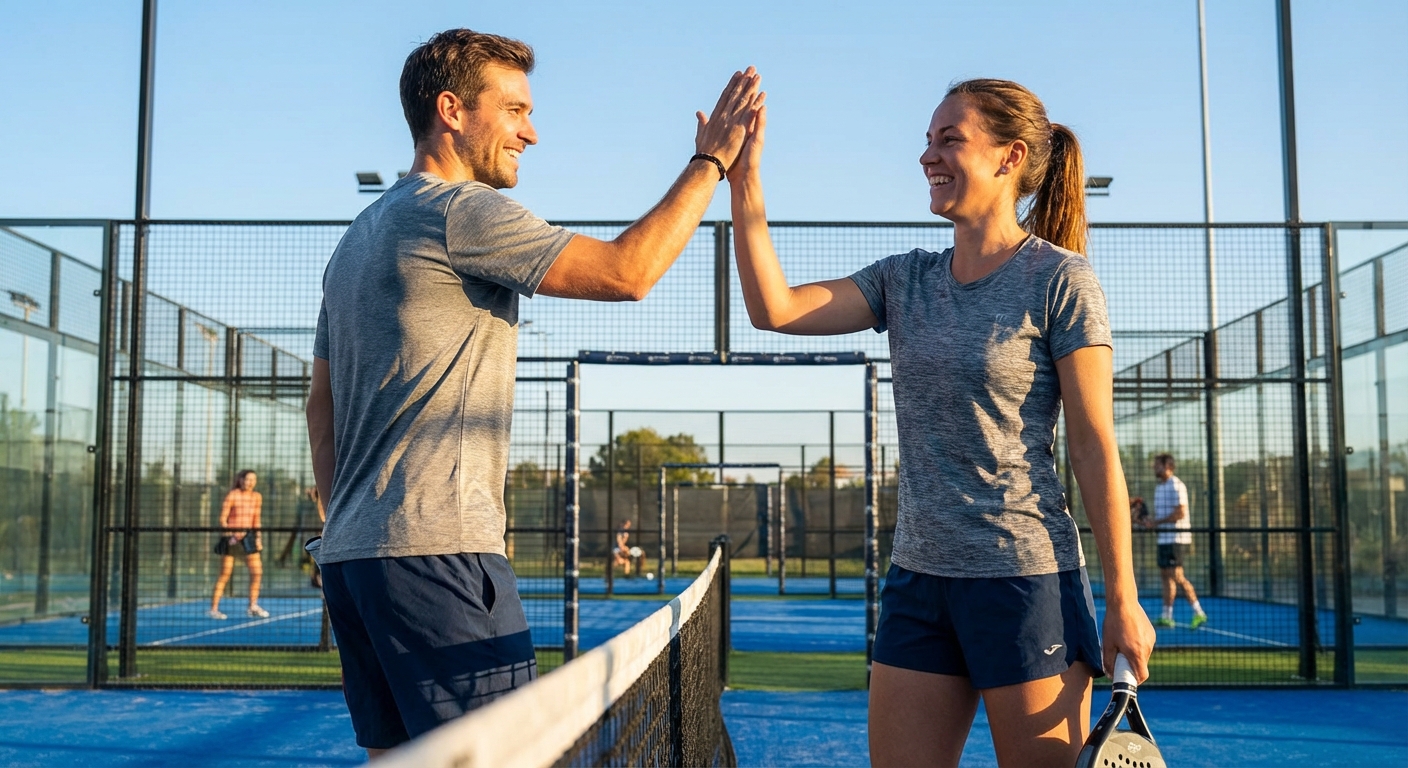
Padel tennis equipment consists of specialized rackets, low-compression balls, and high-performance court components like galvanized steel frames and tempered glass, all of which are assembled using modular engineering techniques to create a professional playing environment. You likely want to join the world’s fastest-growing racket sport but find yourself overwhelmed by the technical specifications of gear and court construction. Without the right padel tennis equipment, your game lacks precision, and your facility risks premature structural failure. This comprehensive guide provides the blueprint for choosing premium gear and building elite-level courts with factory-direct efficiency.
Which Rackets Define Padel Tennis Equipment?
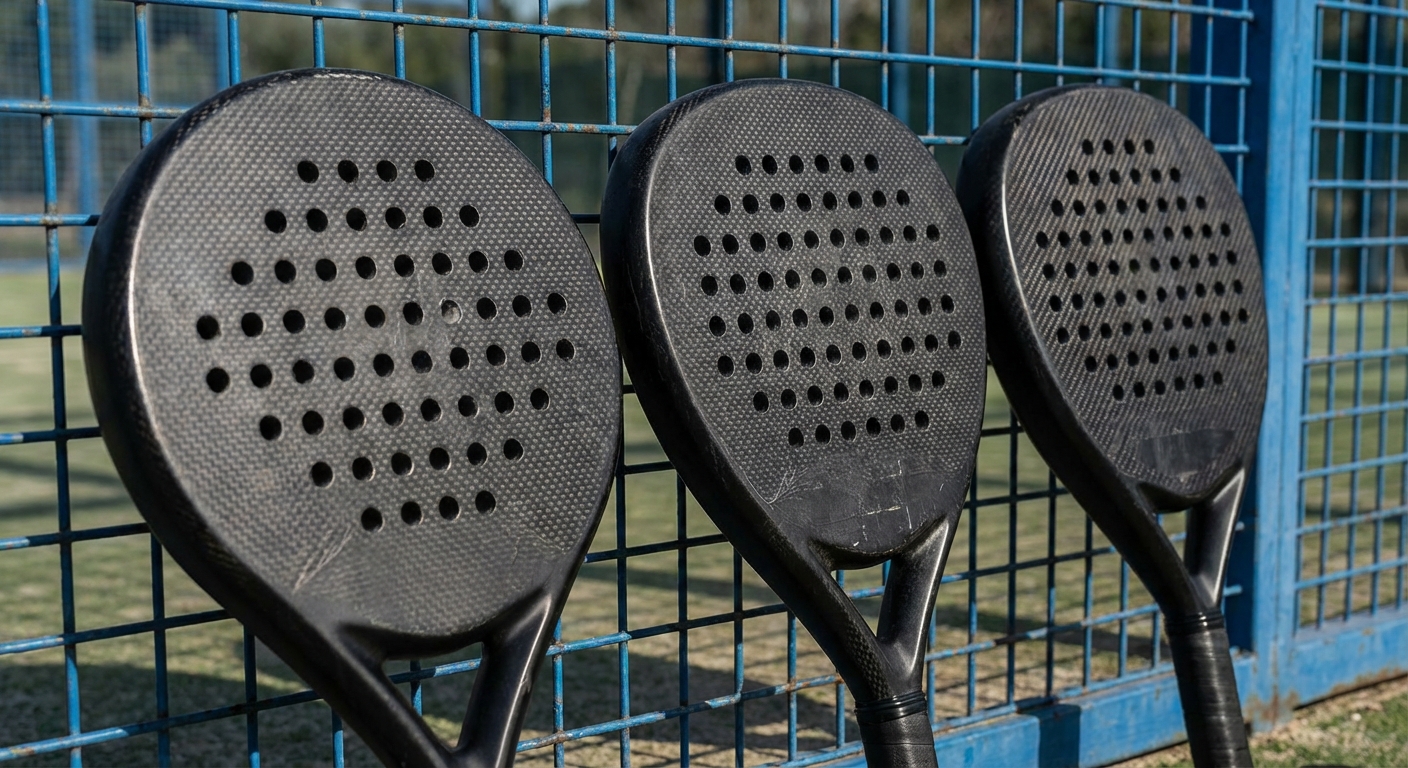
Selecting the right padel tennis equipment begins with the racket, a stringless tool typically made of carbon fiber or fiberglass with an EVA rubber core for optimal impact absorption.
How do different racket shapes affect play?
Racket geometry is divided into three primary categories: round for control, teardrop for balance, and diamond for maximum power.
Look: many beginners make the mistake of buying power-heavy diamond rackets too early.
- Round: Largest sweet spot, ideal for defensive play and consistency.
- Teardrop: Versatile hybrid shape preferred by intermediate all-rounders.
- Diamond: Top-heavy balance designed for aggressive smashes.
What materials provide the best durability?
Professional-grade frames utilize 3K, 12K, or even 18K carbon fiber to ensure the face does not lose its “pop” over months of heavy use.
But here is the kicker: the internal foam density matters just as much as the outer shell.
- Soft FOAM cores provide more comfort and ball output.
- Hard EVA cores offer superior precision and high-speed control.
Key Takeaway: Match your racket shape to your current skill level to ensure you can manage the balance point without risking elbow strain.
| Racket Feature | Beginner (Round) | Intermediate (Teardrop) | Professional (Diamond) |
|---|---|---|---|
| Balance | Low | Medium | High |
| Sweet Spot | Large / Centered | Optimized | Small / Upper |
| Primary Goal | Control | Versatility | Power |
Analysis: Racket selection acts as the interface between the player and the ball, where shape dictates the margin for error.
What Balls Are Essential Padel Tennis Equipment?
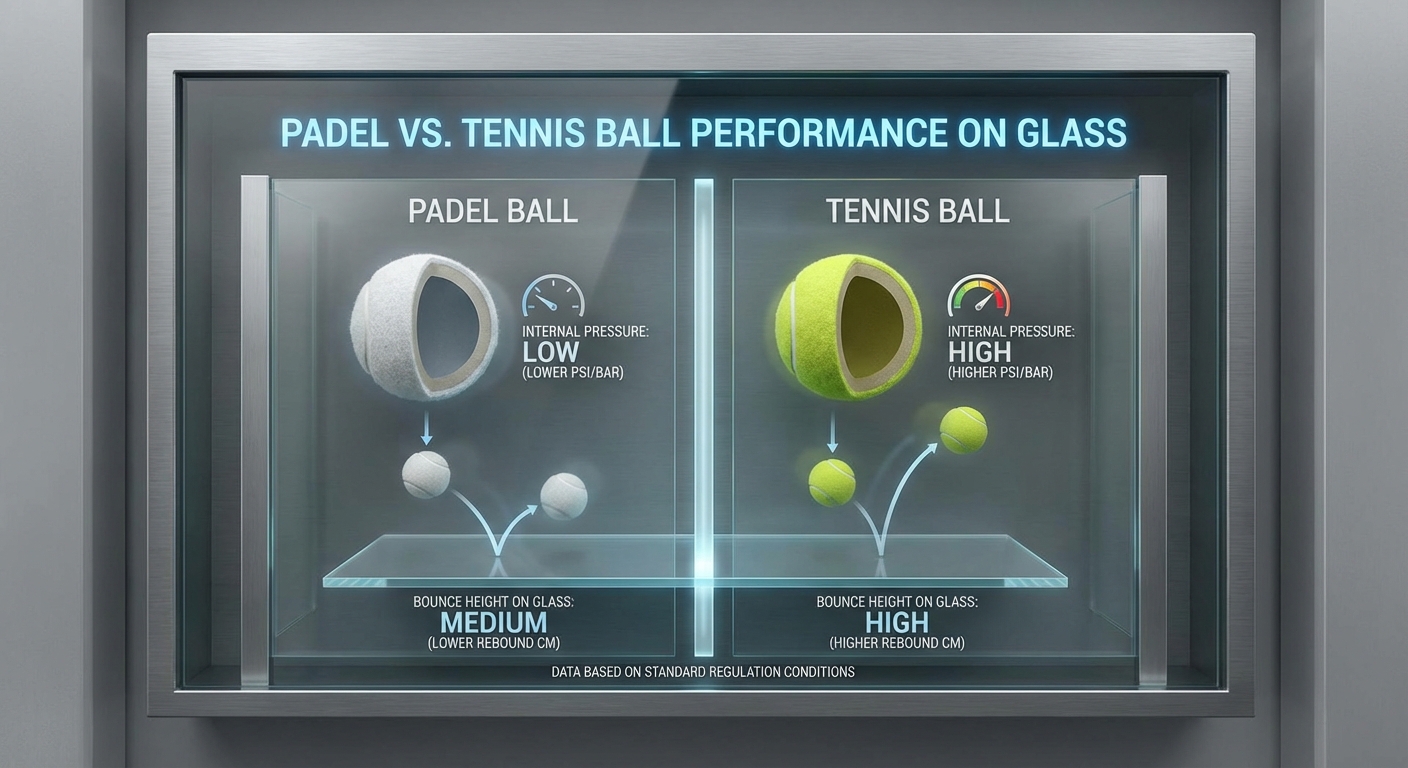
Padel balls are specialized padel tennis equipment that look identical to tennis balls but feature significantly lower internal pressure to accommodate the rebound dynamics of a glass-enclosed court.
Why is pressure so critical in padel?
Specific pressure levels ensure the ball doesn’t bounce too high after hitting the back wall, keeping the game tactical rather than purely reactive.
Wait, can’t I just use a standard tennis ball?
- Padel balls have a pressure of 10psi to 11psi.
- They measure between 6.35cm and 6.77cm in diameter.
- The felt is thicker to create more wind resistance during lobs.
Key Takeaway: Using official padel balls is the only way to ensure the rebound timing off the glass remains predictable and fair during competitive play.
| Metric | Padel Ball | Tennis Ball |
|---|---|---|
| Internal Pressure | 10 – 11 psi | 14 – 15 psi |
| Rebound Height | 135 – 147 cm | 135 – 147 cm |
| Felt Type | High-density Long Fiber | Standard Fiber |
Analysis: Correct ball pressure is the “invisible” factor that maintains the sport’s characteristic long rallies.
How to Choosing Shoes as Padel Tennis Equipment?
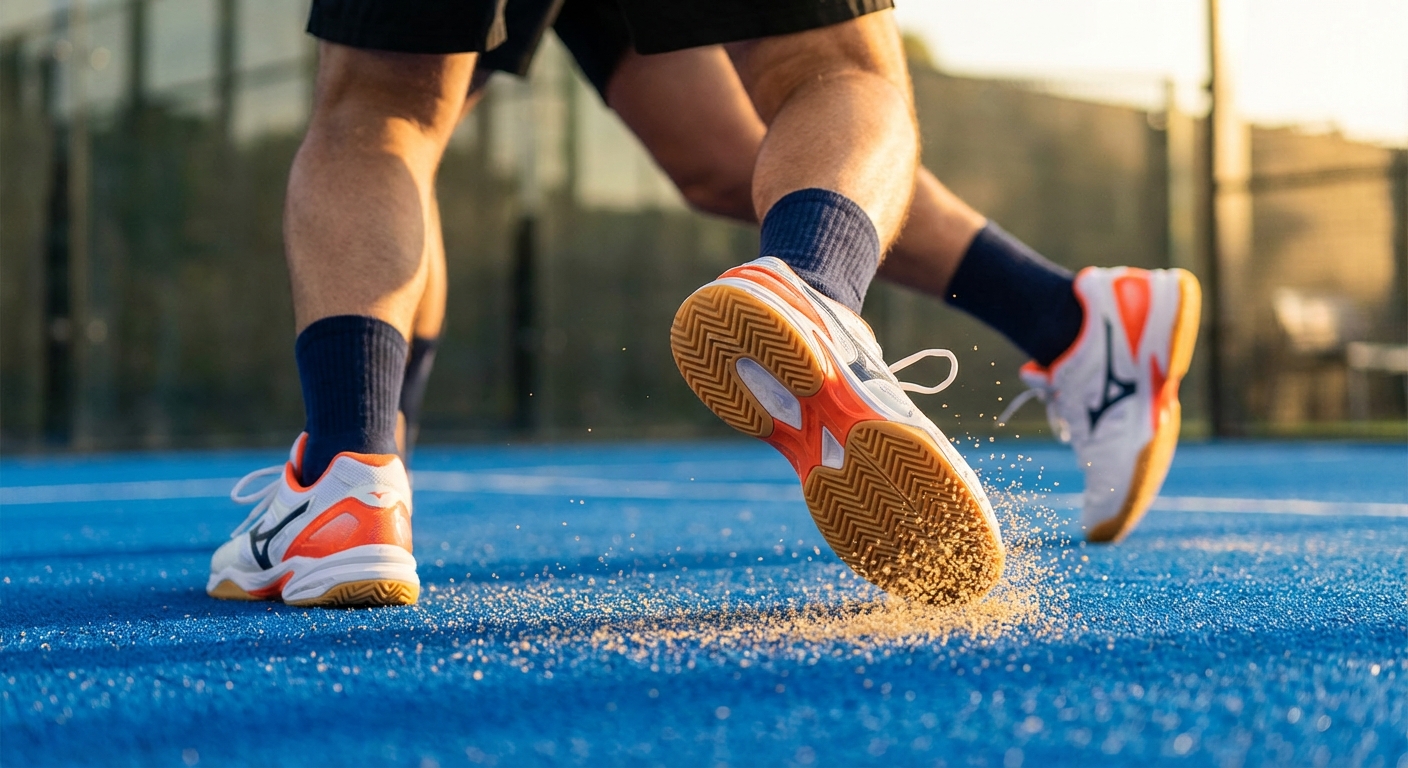
Padel shoes are a vital part of your padel tennis equipment setup, specifically engineered with herringbone (clay) soles to provide grip on sand-filled synthetic turf.
What sole pattern works best on sand?
The herringbone or “clay” sole is the industry standard because its deep grooves effectively channel away silica sand to maintain direct contact with the turf.
But here is the kicker: linear running shoes will cause you to slide uncontrollably on a padel court.
- Deep zig-zag patterns prevent slipping during explosive sprints.
- Pivot points on the ball of the foot allow for smooth 360-degree rotations.
- Reinforced lateral stabilizers prevent ankle roll during side-to-side movements.
Do I need extra cushioning?
Because padel involves frequent jumping for smashes, high-quality footwear must include gel or air cushioning in the heel to protect joints from the hard concrete base.
Look: your knees will thank you for investing in sport-specific cushioning.
- Midsole support reduces the impact of vertical landings.
- Breathable mesh uppers help manage the heat of intense matches.
Key Takeaway: Never play in standard trainers; the specialized grip of professional padel shoes is your best defense against ligament injuries.
| Footwear Spec | Padel-Specific Shoe | Regular Running Shoe |
|---|---|---|
| Sole Type | Herringbone / Omni | Waffle / Smooth |
| Lateral Support | Reinforced / High | Minimal / Low |
| Surface Grip | High on Sand | Low (Slippery) |
Analysis: Traction is the foundation of movement in padel; without it, technical skill cannot be effectively applied.
What Clothing Works for Padel Tennis Equipment?
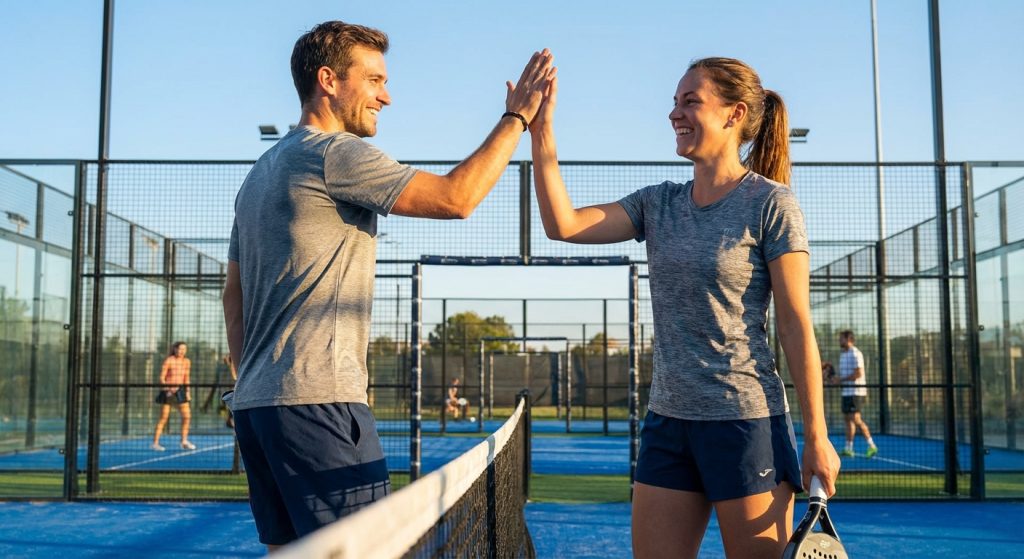
Functional padel tennis equipment includes moisture-wicking apparel designed for a full range of motion, particularly for the high overhead movements required in the “Bandeja” shot.
Why are synthetic fabrics better than cotton?
Advanced synthetics like polyester and elastane move sweat away from the body, ensuring you don’t become bogged down by heavy, wet fabric during long sets.
Listen: cotton shirts can increase in weight by up to 50% when saturated with sweat.
- Lightweight blends allow for unrestricted overhead reaching.
- Mesh panels in high-heat areas increase ventilation.
- UV-rated fabrics are essential for playing on outdoor panoramic padel courts.
Is pocket depth important?
Specific padel shorts are designed with extra-deep pockets that can comfortably hold two balls without restricting your leg movement or sprinting ability.
Key Takeaway: Prioritize ergonomic cuts and technical fabrics that manage heat and facilitate the rapid, multi-directional lunges common in the sport.
| Apparel Type | Primary Material | Key Benefit |
|---|---|---|
| Technical Tee | Polyester / Spandex | Moisture Management |
| Padel Shorts | 4-Way Stretch Fabric | Storage / Mobility |
| Compression | Nylon Blend | Muscle Recovery |
Analysis: Apparel is an extension of the athlete’s body; technical wear ensures comfort during the high-intensity peaks of play.
Why Are Grips Key Padel Tennis Equipment?
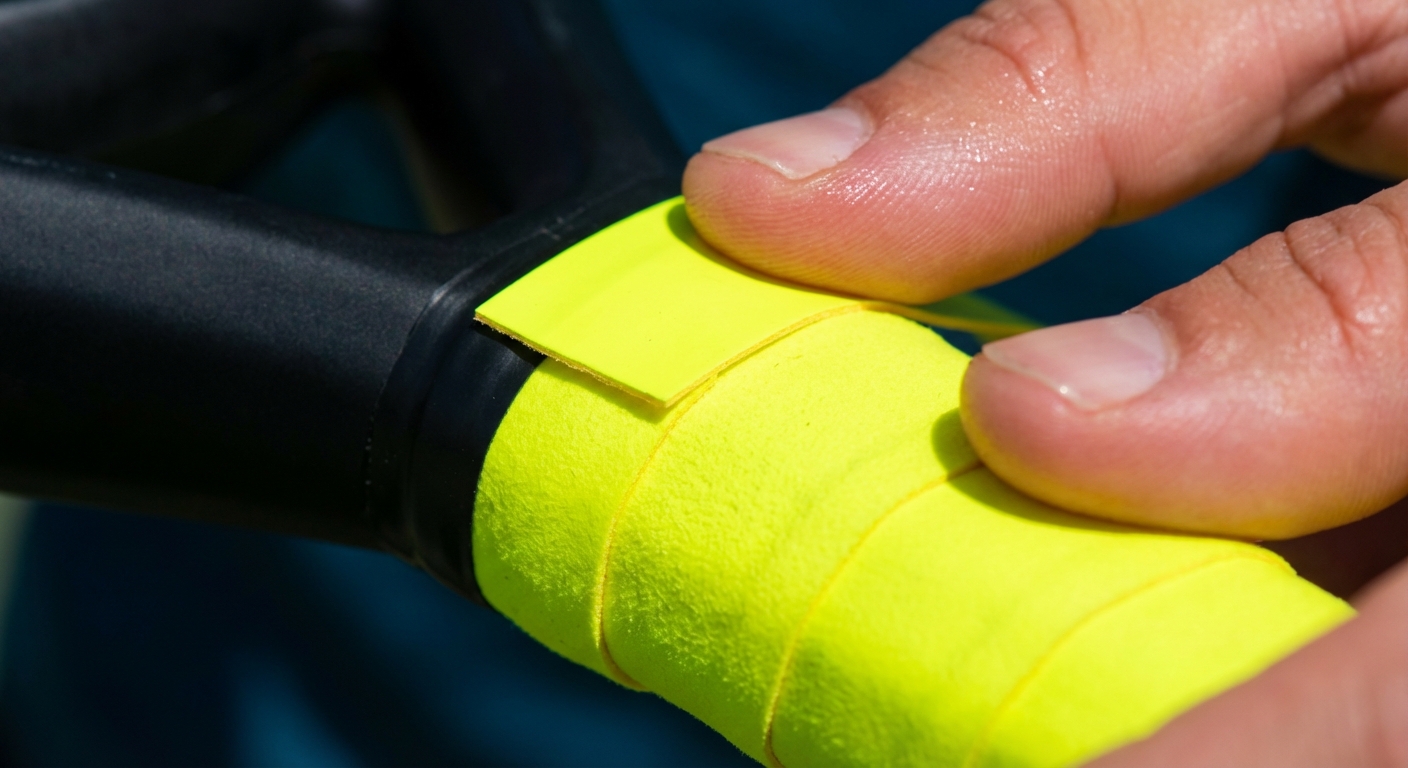
Grips and overgrips are essential padel tennis equipment because they allow you to customize the handle diameter to your hand size, preventing the racket from twisting during off-center hits.
When should I change my overgrip?
You should replace your overgrip as soon as it loses its “tackiness” or begins to show signs of fraying, which usually occurs every 3 to 5 matches.
But here is the kicker: a fresh grip can provide more “spin” control than the racket face itself.
- Perforated grips are best for players with high perspiration.
- Tacky (sticky) grips provide the most secure hold for dry hands.
- Adding multiple overgrips can help alleviate symptoms of tennis elbow.
Key Takeaway: A small investment in fresh overgrips ensures consistent racket control and prevents the dangerous scenario of a racket slipping out of your hand.
| Grip Category | Purpose | Texture |
|---|---|---|
| Main Grip | Base vibration dampening | Thick/Padded |
| Overgrip | Custom feel / sweat absorption | Thin/Tacky |
| Hole Pattern | Enhanced airflow | Perforated |
Analysis: The grip is the only point of contact with the racket; its condition directly dictates the precision of every shot.
How to Build the Frame for Padel Tennis Equipment?
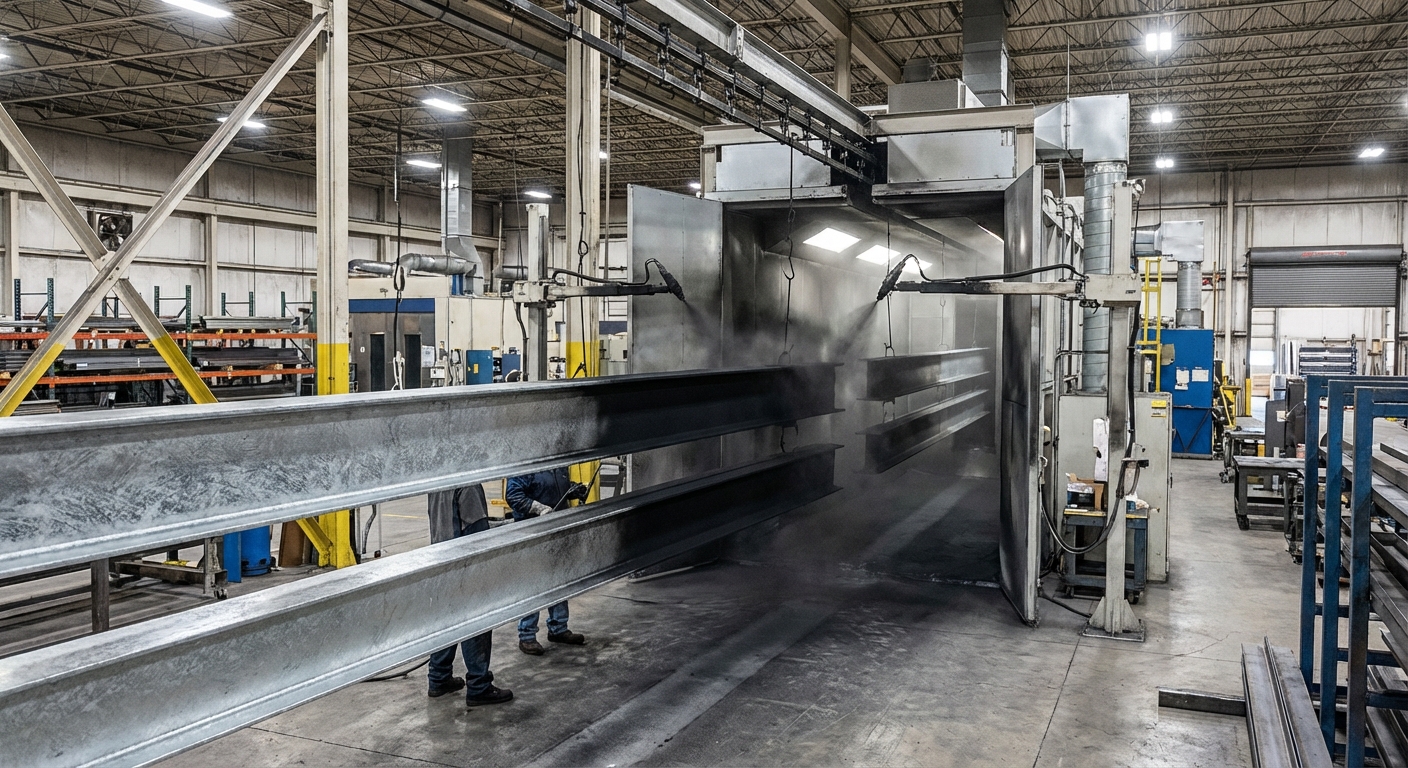
Constructing a court requires heavy-duty padel tennis equipment such as hot-dip galvanized steel tubes (usually 3mm thick) coated with electrostatic powder for maximum corrosion resistance.
How do I ensure structural longevity?
Building a durable court requires a modular design that uses stainless steel bolts and weather-resistant coatings to prevent rust, especially in humid or coastal environments.
Look: welding on-site often leads to weak points and rust, which is why modular systems are superior.
- Hot-dip galvanization provides a 20-year rust-free guarantee.
- Modular panels allow for rapid 2-day installation by small teams.
- Structural calculations must account for high wind loads in outdoor settings.
What is the advantage of a Panoramic frame?
Panoramic frames utilize thick horizontal glass supports to remove the need for vertical steel pillars at the back of the court, offering spectators a 100% unobstructed view.
Key Takeaway: Always source standard padel courts from manufacturers that provide certified structural engineering documents for legal compliance.
| Component | Standard Frame | Panoramic Frame |
|---|---|---|
| Pillar Visibility | Every 2-3 meters | None behind glass |
| Steel Thickness | 3.0mm | 4.0mm – 6.0mm |
| Aesthetic Value | Functional/Club | Premium/Broadcast |
Analysis: The steel structure is the skeleton of the facility; its quality determines the long-term ROI and safety of the club.
Which Glass Is Best for Padel Tennis Equipment?
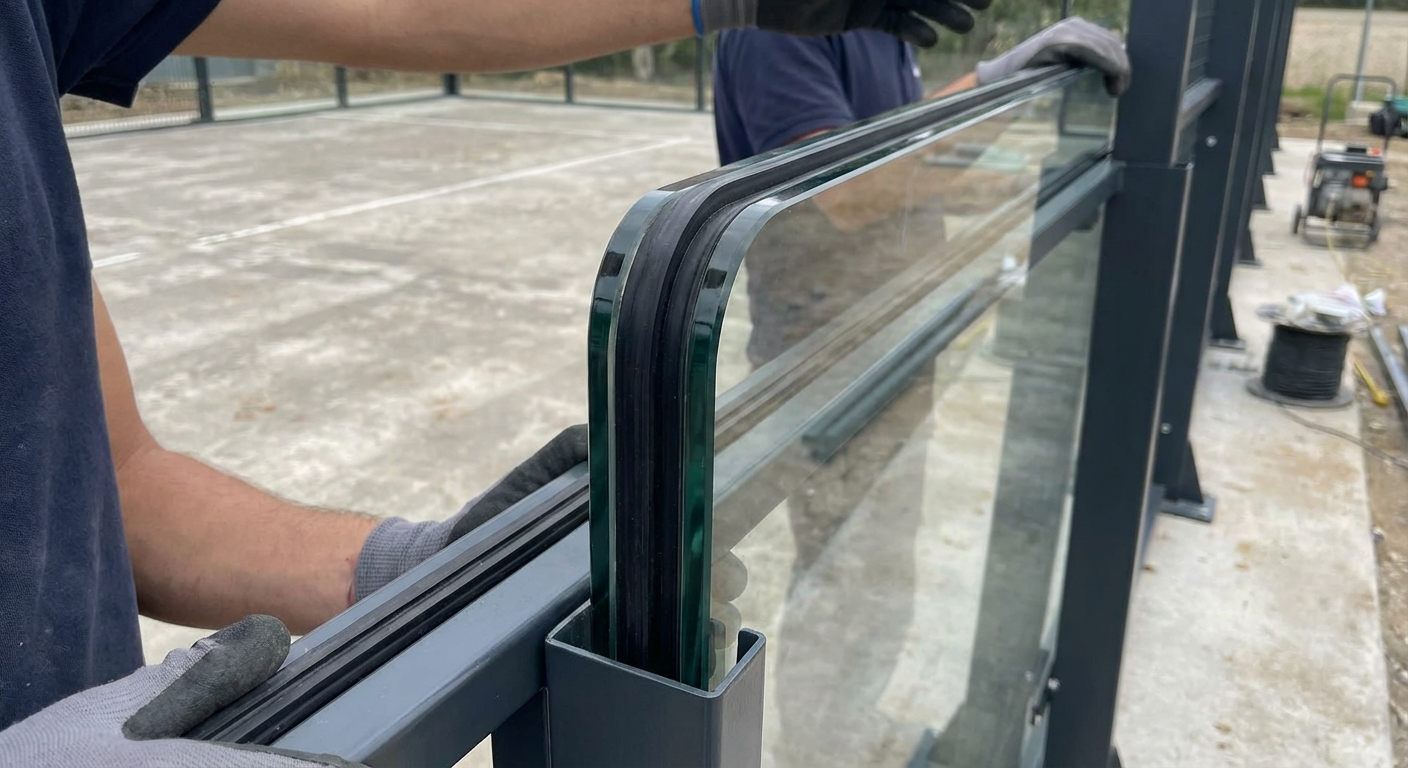
The walls are active padel tennis equipment components that must be made from 10mm or 12mm tempered safety glass to ensure a true ball bounce and a 0% risk of injury.
What makes tempered glass safer?
Tempered glass undergo heat treatment that makes it five times stronger than regular glass; if it does break, it crumbles into small, blunt cubes rather than sharp shards.
The fact is: 12mm glass is the gold standard for high-traffic commercial clubs.
- Fully compliant with European EN 12150-1 safety standards.
- Anti-explosion film can be added for additional public safety.
- Countersunk holes with rubber gaskets prevent stress cracking.
Key Takeaway: Invest in 12mm glass for professional facilities to ensure the ball rebound feels consistent across the entire wall surface.
| Glass Thickness | Player Level | Recommended Use |
|---|---|---|
| 10mm | Amateur | Residential / Indoor |
| 12mm | Professional | Commercial Clubs |
| Laminated | Elite | High-Security Areas |
Analysis: As an active part of play, wall quality changes the game’s physics—flatness and rigidity are non-negotiable.
How Is Turf Created for Padel Tennis Equipment?
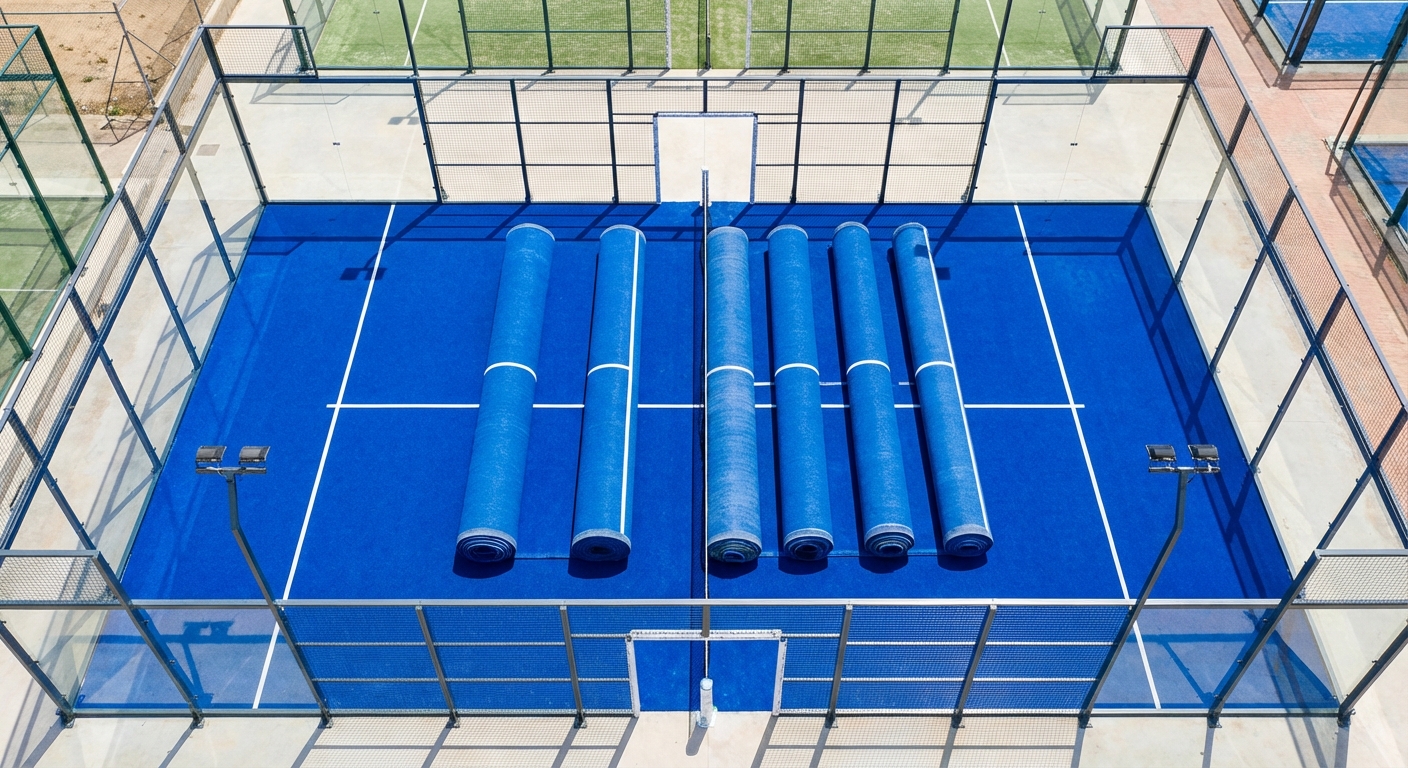
The playing surface is a specialized padel tennis equipment system consisting of high-density fibrillated or monofilament synthetic grass filled with kiln-dried silica sand.
Why is blue turf the industry standard?
Blue synthetic grass provides the highest visual contrast against the yellow padel ball, which is why it is used in almost all professional televised tournaments.
But here is the kicker: curly (textured) monofilament grass requires 50% less sand maintenance than traditional straight fibers.
- Fibrillated turf is durable and budget-friendly for heavy use.
- Monofilament fibers offer a more “vertical” ball bounce.
- Specialized backing prevents drainage issues during heavy rain.
Key Takeaway: Choose high-density textured grass to reduce sand displacement and provide a consistent playing surface for your members.
| Turf Type | Maintenance | Player Feel |
|---|---|---|
| Fibrillated | Moderate | Fast/Firm |
| Monofilament | Low (Textured) | Professional/Soft |
| Sand Infill | Essential | Grip/Slide Control |
Analysis: The surface dictates the “speed” of the game and the physical impact on the players’ joints.
What Lighting Enhances Padel Tennis Equipment?
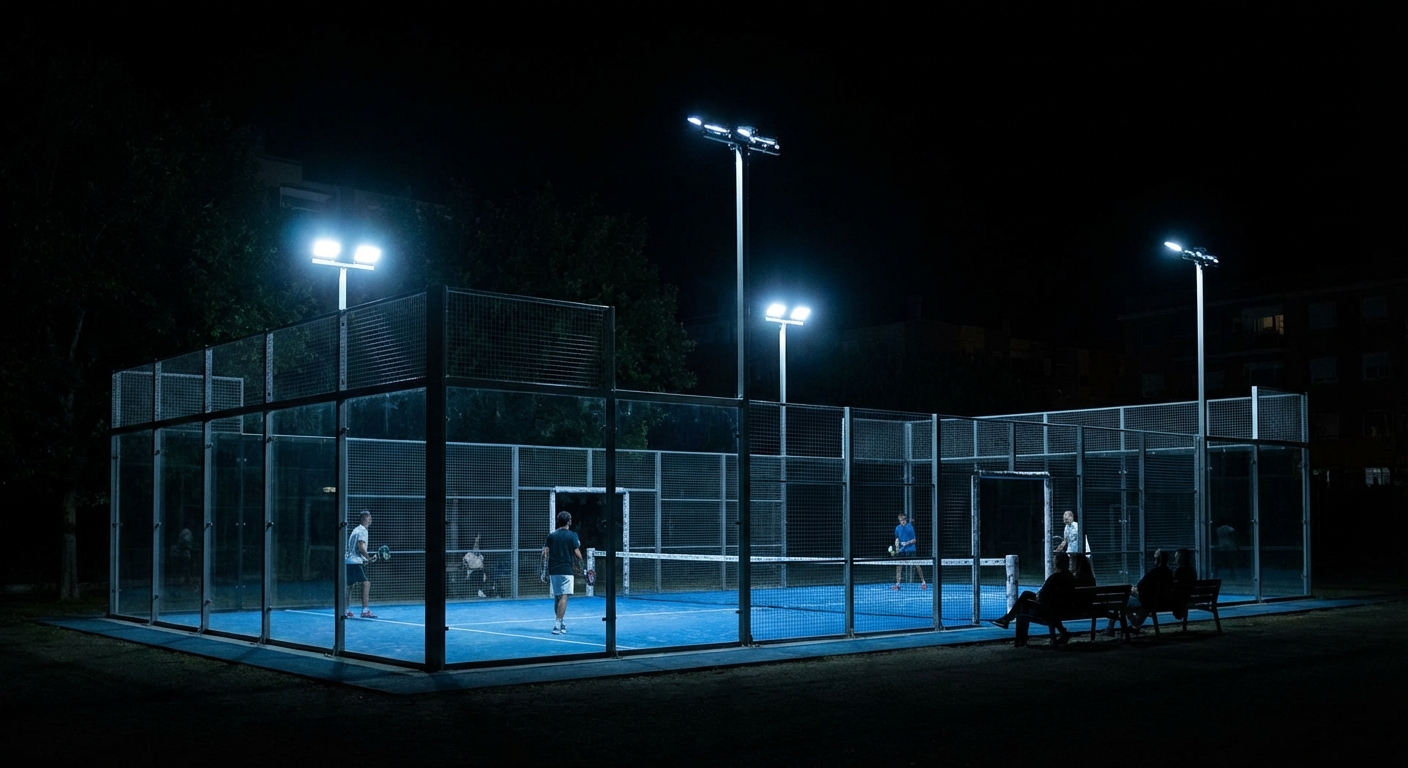
Visibility is a critical component of padel tennis equipment that requires IP66-rated LED floodlights to ensure 100% uniform light distribution without creating shadows or glare.
How much light is needed for night play?
Professional clubs require a minimum of 500 to 750 lux to ensure players can track the ball clearly during high-speed lobs and smashes.
Look: poor lighting isn’t just a nuisance; it’s a safety hazard for late-night club games.
- IP66 rating ensures complete protection against dust and heavy rain.
- Anti-glare lenses prevent players from being blinded during overhead shots.
- High-efficiency LEDs can reduce energy costs by up to 60%.
Key Takeaway: Place LEDs at a height of 6-7 meters on the pillar structures to maximize the spread of light across the entire 20x10m court area.
| Lux Level | Play Type | Competition |
|---|---|---|
| 200 – 300 | Social | Beginner Friendly |
| 500 | Competitive | Professional Club |
| 750+ | Broadcast | International TV |
Analysis: Lighting extends the revenue-generating hours of a facility and ensures player safety after sundown.
How to Maintain All Padel Tennis Equipment?
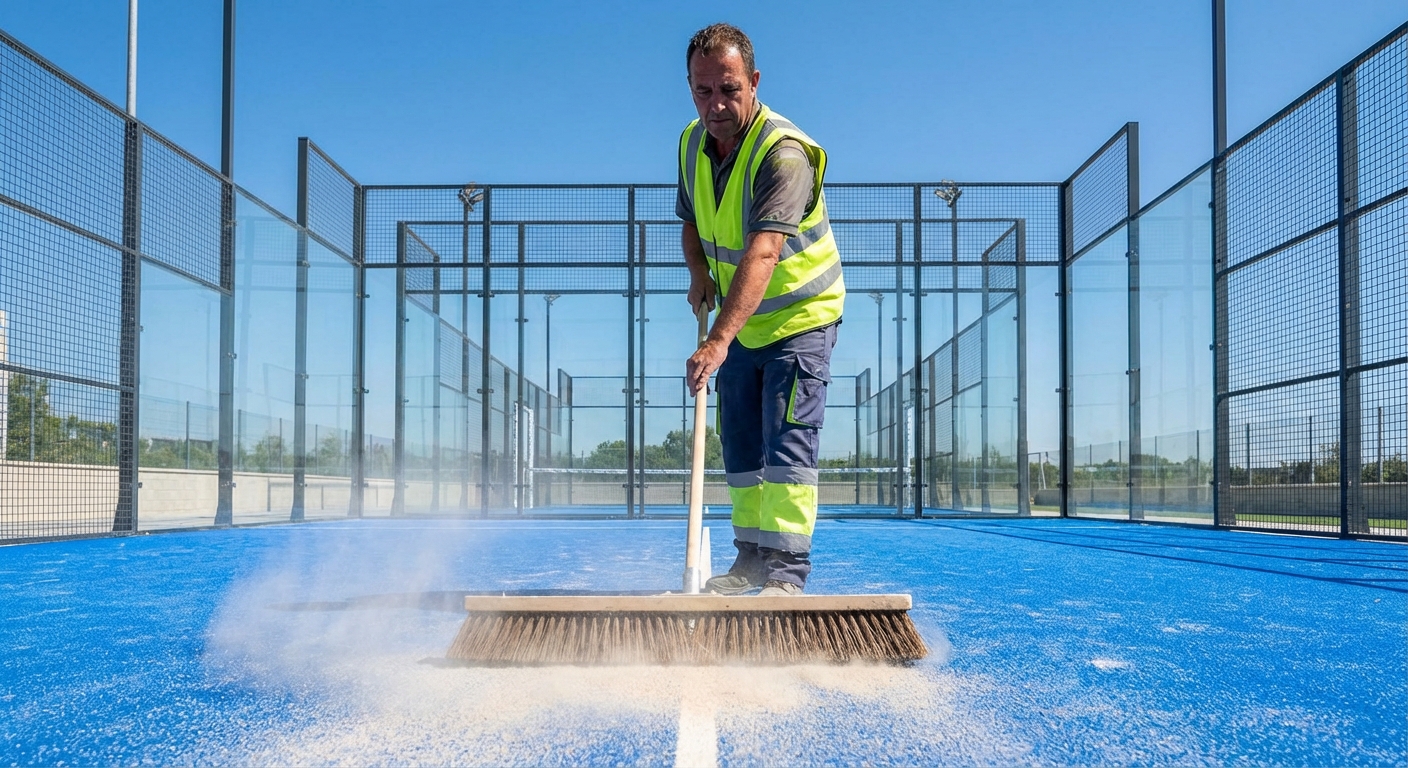
Maintaining your padel tennis equipment is essential for protecting your investment, involving regular sand brushing and structural hardware checks to prevent wear and tear.
How often should I brush the sand?
In a commercial environment, the silica sand should be brushed every two weeks to prevent matting of the grass fibers and to ensure an even slide surface for players.
Wait, do I need to tighten the bolts too?
- Check the tension of the perimeter net once a month.
- Inspect the glass rubber gaskets every six months for drying or cracking.
- Deep-clean the glass panels every week to maintain transparency for spectators.
Key Takeaway: A simple 30-minute bi-weekly maintenance routine can extend the life of your court’s turf and glass by several years.
| Maintenance Task | Frequency | Estimated Time |
|---|---|---|
| Surface Brushing | Every 2 Weeks | 30 Minutes |
| Glass Cleaning | Weekly | 45 Minutes |
| Hardware Check | Every 6 Months | 1 Hour |
Analysis: Proactive care is the most cost-effective way to manage a padel facility and maintain high user satisfaction.
*
FAQ
Can I build a padel court on my own?
While possible with a modular kit, it is not recommended without specialized lifting equipment for the heavy glass panels. Each 12mm glass panel weighs nearly 100kg, making professional installation essential for safety and structural alignment.
What’s the best way to choose a racket as a beginner?
The best way is to prioritize a round shape with a soft foam core. This combination maximizes the “sweet spot,” making it much easier to return balls consistently until your technique improves.
Can I use a tennis net for my padel court building project?
No, because padel nets are specifically 10 meters wide and have different tension requirements than tennis nets. Using a standard tennis net will result in improper fit and lack the central strap durability needed for the sport.
How long does standard padel tennis equipment for a court last?
A high-quality court structure typically lasts 20 years or more. However, the synthetic turf may need replacement every 5 to 7 years in high-traffic commercial clubs to maintain optimal player safety and grip.
Is 10mm glass enough for a public padel center?
It is safer to use 12mm tempered glass for any public or high-frequency facility. The extra 2mm provides significantly better impact resistance and a much quieter, more premium ball rebound sound during play.
*
At SuperbPadel, we are committed to providing the highest quality factory-direct solutions for sports clubs and residential projects. Our focus on precision engineering and durable materials ensures your facility stands the test of time. If you are ready to transform your vision into reality, contact us today to receive your free custom quote and technical consultation within 24 hours.