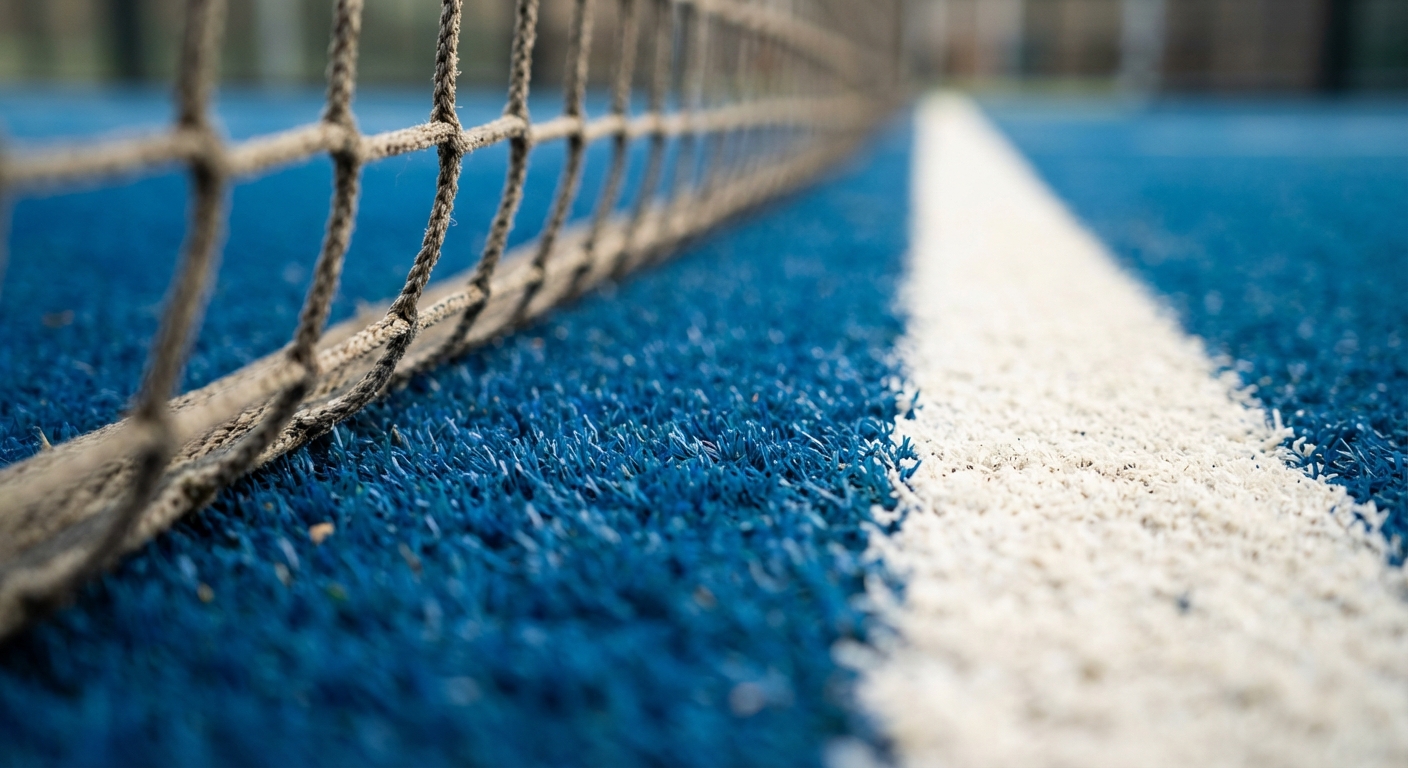
Padel regels are the standardized set of gameplay mechanics and construction specifications that define the world’s fastest-growing racket sport. You might find yourself intrigued by the explosive growth of padel, yet many investors and club owners struggle to differentiate the specific padel regels from traditional tennis or squash. Misunderstanding these nuances often leads to poor facility ROI or frustrated players who encounter non-compliant court builds. This comprehensive guide provides you with the definitive roadmap for mastering gameplay and constructing high-performance courts that adhere to every international standard.
What are the primary padel regels for beginners?
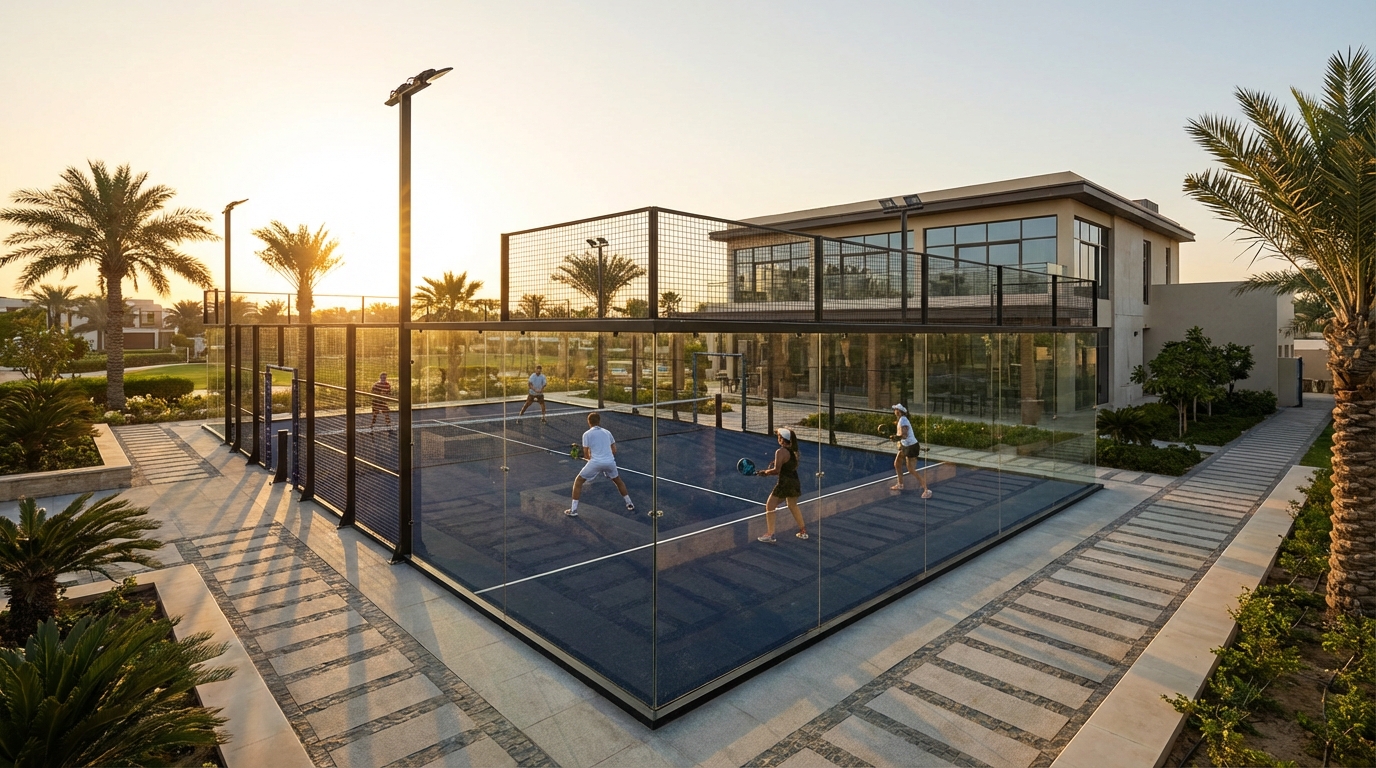
Primary padel regels for beginners emphasize that the sport is fundamentally a doubles game played within an enclosed court. You must ensure that the ball bounces on the ground before hitting any part of the surrounding walls to remain in play. These regulations foster a social environment while demanding tactical placement over raw power.
Is padel always played in doubles?
The short answer is yes, as official competitive standards require four players on the court at all times. You might occasionally find singles courts, but the standard 10×20 meter dimensions are specifically designed for team dynamics.
Here is the deal:
- Standard matches are 2v2.
- Communication is vital for court coverage.
- You can learn more about how to play padel singles: rules, court setup, and basic strategy if you prefer a one-on-one challenge.
What is the main objective of the game?
The main objective is to win points by grounding the ball in the opponent’s half or forcing them into an unforced error. You utilize the walls strategically to keep the ball in play and outmaneuver your rivals.
Let’s dive deeper:
- Keep the ball within the lines.
- Master the rebound off the glass.
- Force opponents into difficult positions.
Key Takeaway: Success in padel requires mastering the interaction between the court surface and the glass walls.
Padel Basics Summary Table
| Metric/Rule | Standard Specification |
|---|---|
| Player Count | 4 Players (Doubles) |
| Core Interaction | Ground bounce required before wall contact |
| Game Goal | Score 4 points to win a game |
The fundamental distinction of padel lies in its enclosures, making it a high-speed game of geometry rather than just strength.
How do court dimensions dictate padel regels?
Court dimensions dictate padel regels by creating a compact, high-intensity environment that limits the time you have to react. The precise 20-meter length and 10-meter width are non-negotiable for any facility looking to host sanctioned matches. These specific measurements ensure that every player experiences the same ball physics regardless of the venue.
What are the official court measurements?
Official dimensions are strictly set at 10 meters by 20 meters, divided perfectly in half by a net. You must account for the service lines located 6.95 meters from the net on each side.
Think about it:
- Total area is 200 square meters.
- Service boxes are 5×6.95 meters each.
- The net must span the full 10-meter width.
How high should the center net be?
The net height is a critical technical detail, measuring 88 centimeters at the center and a maximum of 92 centimeters at the posts. You will find that this slight dip in the middle encourages aggressive net play and lowers the margin for error.
But here’s the kicker:
- Net height affects every volley.
- Tension must be uniform across the court.
- Posts are positioned 0.25 meters outside the side limits.
Key Takeaway: Precision in court layout is the foundation of professional-grade gameplay.
Dimension Specifications Summary Table
| Metric/Rule | Standard Specification |
|---|---|
| Court Width | 10.00 Meters |
| Court Length | 20.00 Meters |
| Net Height (Center) | 0.88 Meters |
Sticking to these metrics ensures your facility remains competitive and meets the expectations of experienced players.
What are the official scoring padel regels?

Official padel regels utilize a scoring system identical to tennis, featuring points of 15, 30, 40, and Game. You will notice that matches are typically played as the best of three sets, requiring a deep understanding of momentum management. These rules ensure that fans of other racket sports can quickly transition into the padel ecosystem.
How do you count points in a game?
Points progress from Love to 15, then 30, and finally 40, before a game is won. You must win by at least two points unless a “Golden Point” rule is in effect for that specific tournament.
Why does this matter?
- Scoring consistency allows for global competition.
- It rewards steady performance over single explosive plays.
- Understanding these mechanics is essential for anyone learning how to understand and apply official padel rules in your facility.
When is a tiebreak triggered in a set?
A tiebreak is triggered when the set score reaches 6-6 in games. You then play a special game where the first team to reach seven points with a two-point margin wins the set 7-6.
Wait, there’s more:
- Players rotate ends every six points.
- Service rotation changes after the first point.
- The tiebreak preserves the balance of the match.
Key Takeaway: Scoring logic in padel rewards both technical skill and mental endurance during high-pressure tiebreaks.
Scoring Logic Summary Table
| Metric/Rule | Standard Specification |
|---|---|
| Point Sequence | 0, 15, 30, 40, Game |
| Set Victory | 6 Games (with 2-game lead) |
| Tiebreak Target | 7 Points (with 2-point lead) |
The standard scoring structure facilitates professional broadcasting and clear competitive outcomes for your members.
How do service padel regels work in a match?
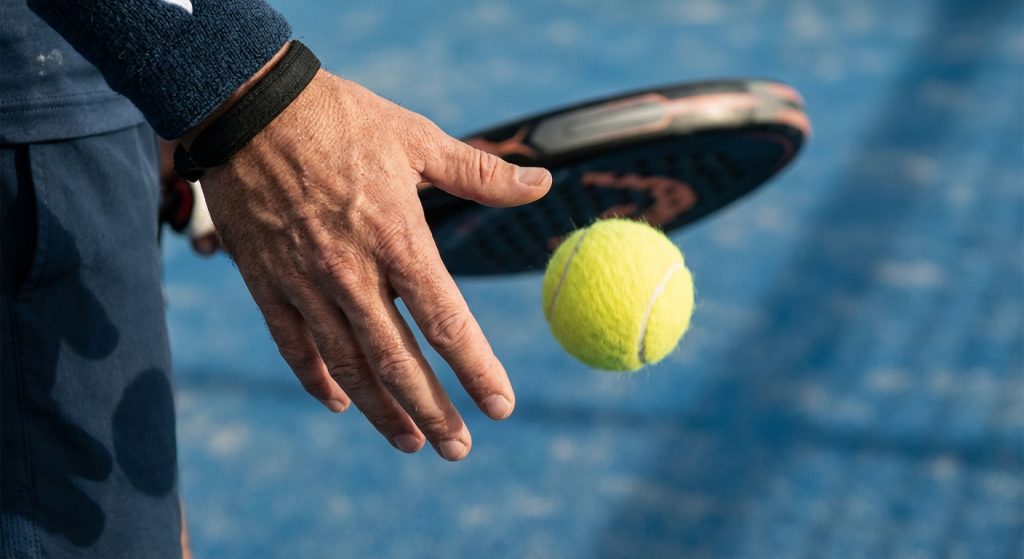
Service padel regels mandate that all serves must be delivered underhand and from below waist level. You are required to stand behind the service line and bounce the ball once before striking it diagonally into the opponent’s service box. This rule prevents the overwhelming service dominance seen in tennis, keeping the focus on long, tactical rallies.
Why must the serve be hit underhand?
The underhand serve is the defining characteristic that ensures the ball is always returnable. You cannot smash the ball from overhead, which means the point starts with a controlled exchange rather than an immediate winner.
Here is the deal:
- It levels the playing field for different heights.
- It emphasizes ball placement over raw speed.
- Mastering this is easier when you know how to master the padel serve for better match performance.
Where must the ball land on a serve?
The ball must land inside the cross-court service box and bounce before hitting the wall. You lose the point if the ball hits the metal fence after the bounce, as this is considered an illegal serve.
Think about it:
- The first bounce must be in the box.
- Hitting the glass after a bounce is legal.
- Hitting the mesh fence is a fault.
Key Takeaway: A legal serve is purely about accuracy and height control rather than power.
Service Zone Summary Table
| Metric/Rule | Standard Specification |
|---|---|
| Serve Height | Below waist level |
| Target Area | Opposite service box |
| Wall Interaction | Glass is legal; Fence is a fault |
By enforcing strict service protocols, the sport maintains its reputation as a strategic and accessible game for all levels.
Which wall-play padel regels define the game?
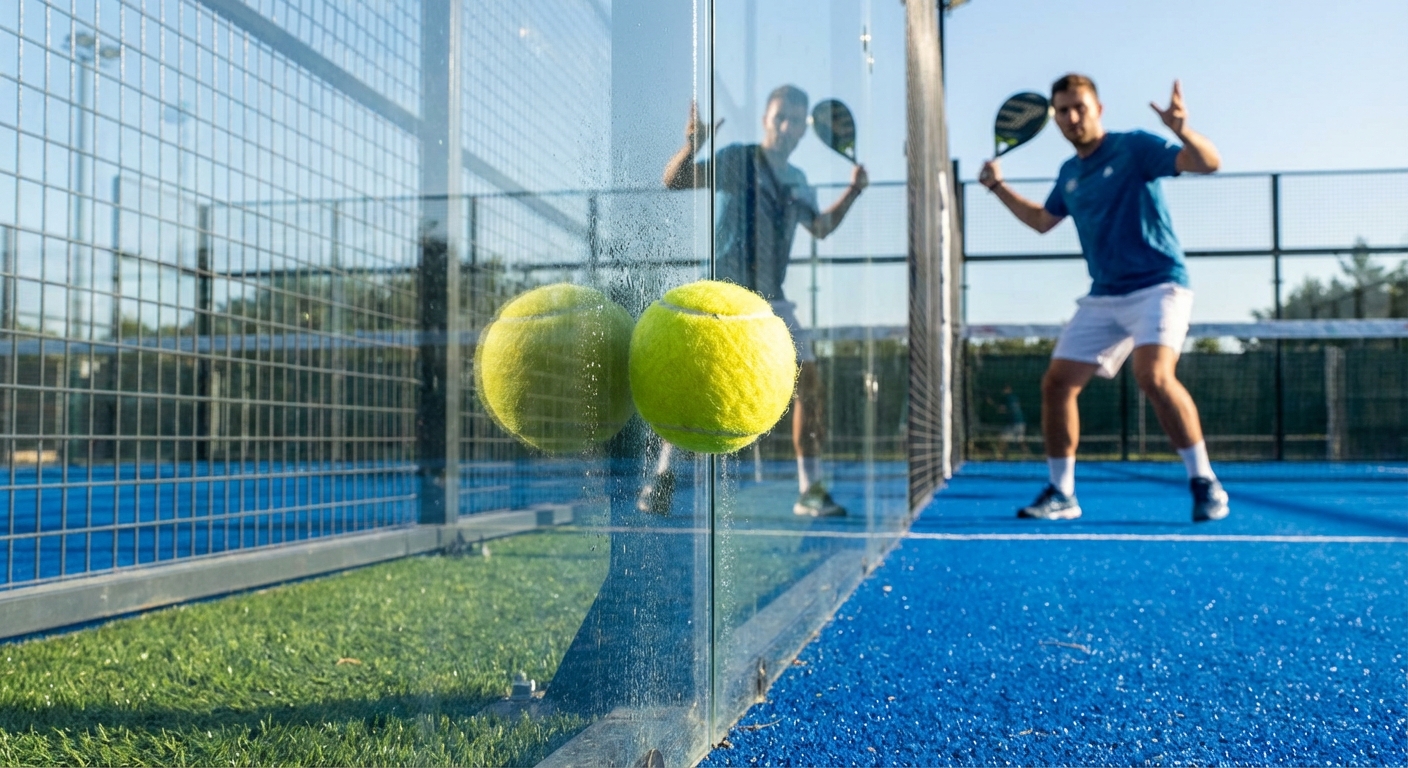
Wall-play padel regels distinguish the sport by allowing you to play the ball off your own glass walls to return it over the net. You can hit the ball against your side’s glass to clear the net, provided the ball eventually lands on the opponent’s side. This creates a 3D playing environment that rewards spatial awareness and creative angles.
When can the ball hit the glass walls?
The ball can hit the glass walls at any time after it has bounced once on the ground in the opponent’s court. You must be careful because if the ball hits the glass directly before touching the ground, it is considered “out.”
It gets better:
- Walls extend the life of a point.
- You can use your own walls as a backboard.
- Rebounds change the speed and spin of the ball.
Does hitting the metal fence count as out?
Hitting the metal fence during a regular rally is legal if the ball bounces on the ground first. You will find that the fence creates unpredictable rebounds, which you can use to surprise your opponents.
Why does this matter?
- The fence provides a high-risk, high-reward target.
- It forces players to stay alert for weird bounces.
- Defending against fence shots is a key skill.
Key Takeaway: The glass and mesh walls are active participants in every point, not just boundaries.
Wall Interaction Summary Table
| Metric/Rule | Standard Specification |
|---|---|
| Direct Wall Hit | Out (if ground isn’t touched first) |
| Off-Ground Glass Hit | In play |
| Off-Ground Fence Hit | In play (unpredictable bounce) |
Understanding these rebounds allows you to turn a defensive position into an offensive advantage.
What are the common fault padel regels to avoid?
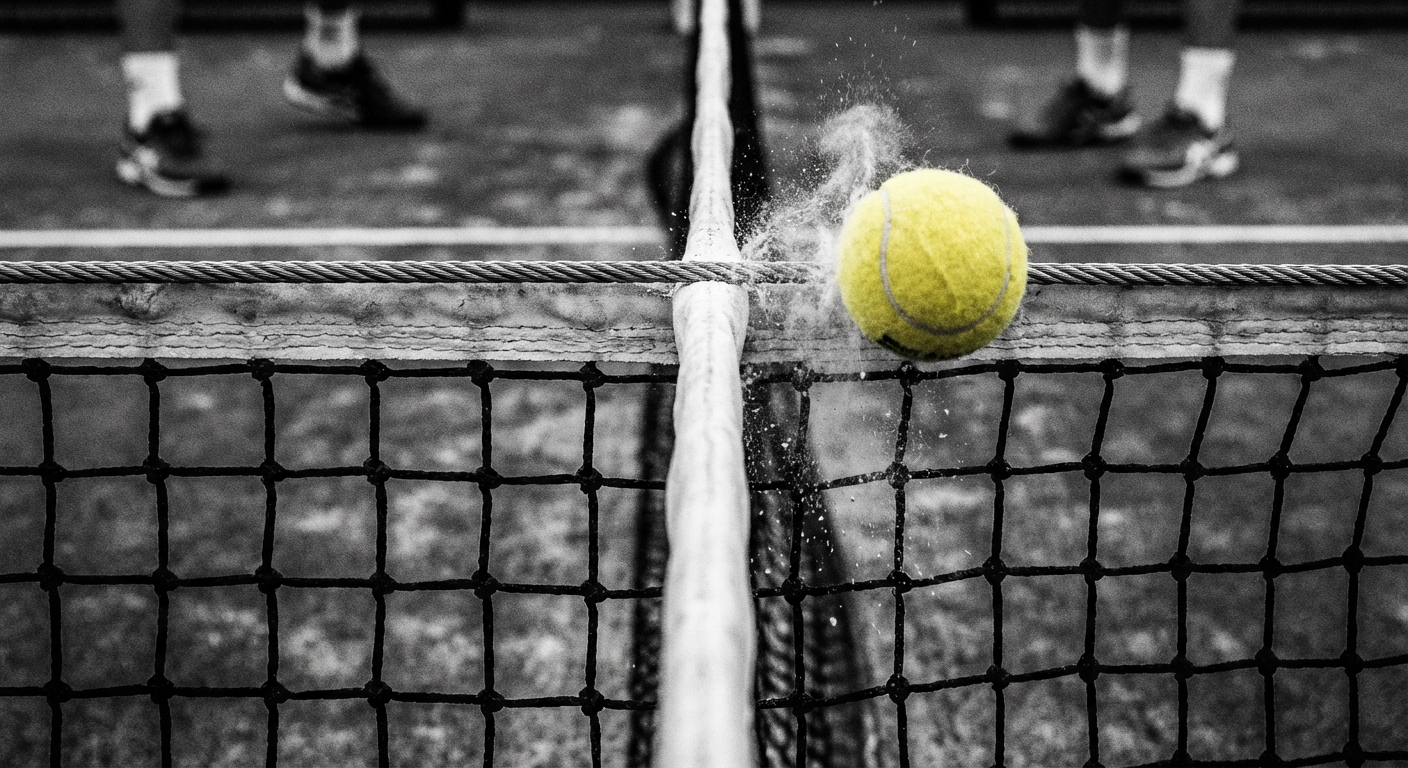
Common fault padel regels include hitting the ball directly into the opponent’s wall or touching the net with your body or racket. You automatically lose the point if you commit these technical infractions. Staying disciplined during high-speed exchanges is the only way to avoid giving away free points to your competition.
Is touching the net a point loss?
Yes, any contact with the net, posts, or cables while the ball is in play results in an immediate loss of the point. You must maintain spatial awareness, especially when moving forward for aggressive volleys.
The bottom line is:
- Your racket is an extension of your body.
- Contact with the net during a follow-through is a fault.
- Even clothing touching the net counts.
What happens if the ball hits a player?
If the ball hits a player’s body or any part of their clothing before it hits the ground, they lose the point. You cannot use your body to block a shot or deflect the ball into the opponent’s court.
Here is the deal:
- The ball must only touch the racket.
- Double-hits in a single stroke are faults.
- You must dodge the ball if you cannot strike it.
Key Takeaway: Physical discipline and racket control are just as important as shot selection.
Common Technical Fouls Summary Table
| Metric/Rule | Standard Specification |
|---|---|
| Net Contact | Immediate point loss |
| Body Contact | Point lost if ball hits player |
| Double Hit | Point lost (one strike only) |
Maintaining a clean game prevents disputes and ensures matches proceed at a professional pace.
How to choose gear based on padel regels?
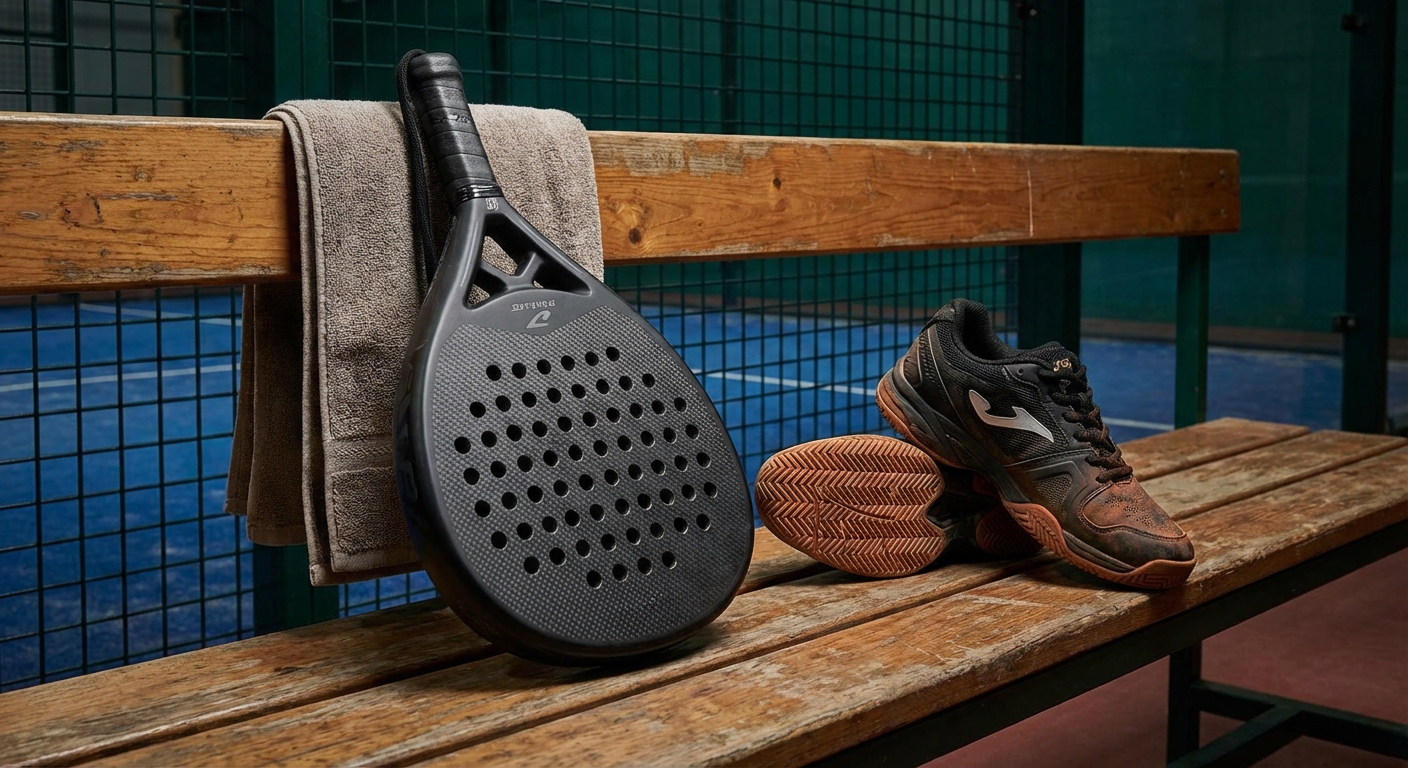
Specific gear padel regels ensure parity and safety by mandating the use of stringless rackets and non-marking footwear. You must use a racket that does not exceed 45.5 centimeters in length and features a perforated surface for aerodynamics. Choosing the right equipment is not just about performance; it is about staying within the legal boundaries of the sport.
What makes a padel racket legal for play?
A legal racket must be made of composite materials and have a maximum thickness of 38 millimeters. You are required to wear a safety cord around your wrist to prevent the racket from flying out and injuring others.
Wait, there’s more:
- No strings are allowed on the face.
- Holes must be between 9mm and 13mm.
- The wrist strap is a mandatory safety feature.
Why are specific padel shoes required?
Padel shoes feature a herringbone or “clay” sole pattern that provides the grip you need on sand-filled synthetic turf. You will find that regular tennis shoes might lead to slips or damage the court surface over time.
But here’s the kicker:
- Grip prevents common ankle injuries.
- Cushioning is optimized for lateral movement.
- Non-marking soles preserve the turf quality.
Key Takeaway: Compliance with gear standards protects both the player and the long-term health of the facility.
Equipment Checklist Summary Table
| Metric/Rule | Standard Specification |
|---|---|
| Racket Thickness | Max 38mm |
| Racket Safety | Mandatory wrist cord |
| Shoe Sole | Herringbone/Omni grip pattern |
Investing in high-quality, compliant gear is a prerequisite for any serious player or club member.
How to build a court following padel regels?

Building a court following padel regels requires a strict adherence to material science and structural engineering. You need to ensure the foundation is perfectly level and the glass walls are made of high-impact tempered glass. A failure to follow these construction codes can lead to expensive repairs or even dangerous accidents for your players.
Which materials meet international standards?
International standards require galvanized steel frames and 10mm to 12mm tempered glass for maximum durability. You should look for materials that have been tested against high wind loads and impact forces.
Here is the deal:
- Steel should be rust-resistant for outdoor use.
- Glass must be EU EN 12150 certified.
- This is vital when you how to evaluate market demand in pickleball vs. padel.
How to ensure proper turf installation?
Turf installation involves laying high-quality monofilament or textured polyethylene grass over a concrete base. You must spread a specific amount of kiln-dried silica sand to ensure consistent ball bounce and player traction.
Think about it:
- Pile height is usually 10-12mm.
- Sand prevents the turf from shifting.
- Proper drainage is essential for outdoor courts.
Key Takeaway: Cutting corners on construction materials significantly degrades the playing experience and safety.
Construction Material Requirements Summary Table
| Metric/Rule | Standard Specification |
|---|---|
| Glass Thickness | 10mm or 12mm (Tempered) |
| Steel Grade | Q235 Hot-Dip Galvanized |
| Turf Material | Polyethylene (10-12mm pile) |
Building to these specifications ensures your facility can withstand years of heavy usage and professional play.
Why are safety padel regels vital for facilities?
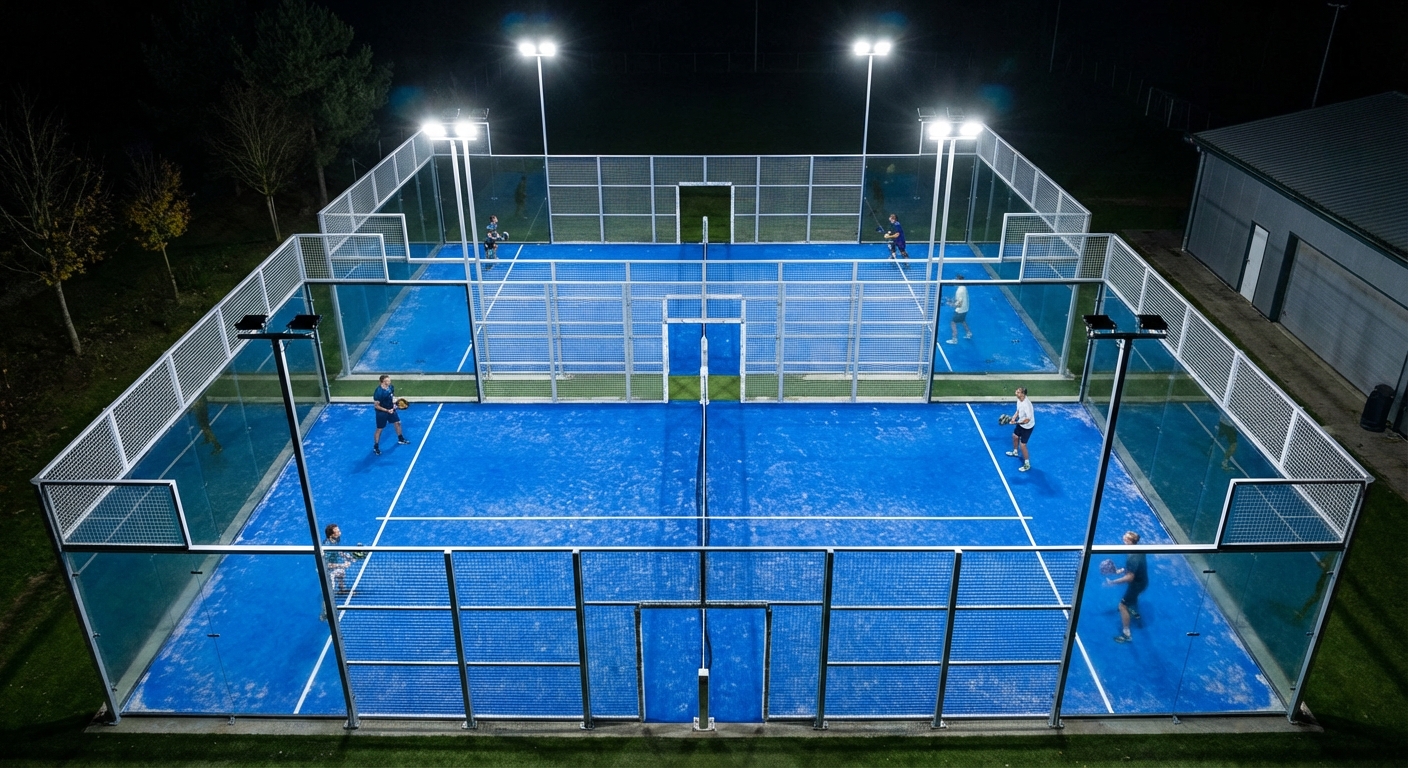
Safety padel regels protect your facility from liability and ensure that players can compete at their peak without fear of injury. You must prioritize lighting clarity and glass integrity to prevent the most common accidents in enclosed sports. Implementing a rigorous safety checklist is the hallmark of a world-class sports club.
Is tempered glass mandatory for courts?
Yes, tempered or laminated glass is mandatory because it is designed to shatter into small, blunt pieces rather than sharp shards. You should regularly inspect the glass mounts to ensure there is no stress buildup that could lead to spontaneous breakage.
Why does this matter?
- Player safety is the top priority.
- High-impact collisions are common in pro play.
- Durable glass reduces long-term maintenance costs.
What are the lighting standards for play?
Lighting must provide at least 300 to 500 lux for recreational play and up to 750 lux for televised tournaments. You should use IP66-rated LED floodlights to ensure uniform brightness without creating distracting shadows or glare.
It gets better:
- LEDs are energy-efficient for 24/7 clubs.
- High-quality light improves reaction times.
- Proper angling prevents “blinding” during lobs.
Key Takeaway: Durability and visibility are the two pillars of facility safety and long-term liability management.
Safety Inspection Guide Summary Table
| Metric/Rule | Standard Specification |
|---|---|
| Glass Inspection | Monthly (check for chips/stress) |
| Lighting Output | 500+ Lux (Uniformity >0.7) |
| Surface Check | Weekly (sand redistribution) |
A safe court is a profitable court, as it keeps your community coming back and minimizes downtime.
How do tournament padel regels differ for pros?

Tournament padel regels often introduce advanced mechanics like “out-of-court” play and the Golden Point to heighten the drama for spectators. You will see professional athletes literally running out of the court doors to return a ball that has smashed over the walls. These elite rules push the physical limits of the sport and require specialized court designs with safety exits.
What is the “Golden Point” rule?
The Golden Point is a sudden-death point played at Deuce (40-40) to decide the winner of the game. You, as the receiving team, get to choose which side of the court the server must target for this decisive play.
But here’s the kicker:
- It speeds up match duration.
- It increases tension for the audience.
- It rewards the team with the best nerve.
When can players play a ball outside the court?
Players can play a ball outside the court if the venue has the required “out-of-court” safety zones and the ball has bounced once inside and then left the enclosure. You need at least 2 to 3 meters of clear space outside the doors for this to be legal and safe.
Here is the deal:
- It allows for incredible “saves.”
- Requires special door designs without obstacles.
- Only practiced at advanced and pro levels.
Key Takeaway: Professional rules transform padel into a high-stakes, multi-dimensional spectacle.
Pro Circuit vs. Amateur Rule Summary Table
| Metric/Rule | Amateur Standard | Professional standard |
|---|---|---|
| Scoring | Advantage system | Golden Point (often) |
| Out-of-Court | Not permitted | Mandatory (with space) |
| Referees | Self-officiated | Full chair umpire team |
Adopting these tournament-level standards can elevate your facility’s status and attract higher-caliber events.
*
FAQ: Master the Padel Regels
Can I build a padel court on a standard asphalt surface?
Yes, but it is not recommended for long-term durability. Asphalt can soften in the heat, leading to structural shifts in the glass walls; a reinforced concrete slab is the professional gold standard.
What’s the best way to handle a ball that hits the net cord and lands in?
The point continues as normal unless it was a serve. If a serve hits the net and lands in the service box, it is a “let,” and the server repeats that specific serve.
How do I know if my court lighting is compliant with professional standards?
You should perform a lux meter test across 15 points on the court surface. If your readings are consistently above 500 lux with a uniformity ratio of 0.7 or higher, you meet professional club standards.
Can I play padel with a tennis racket if I’m just practicing?
No, because a tennis racket’s strings and length will damage the padel ball and make it impossible to play off the walls. You must use a perforated padel racket to ensure the ball reacts correctly within the enclosure.
What’s the best material for the court frame in coastal areas?
Hot-dip galvanized steel with an extra layer of marine-grade powder coating is essential. This prevents saltwater corrosion from compromising the structural integrity of your court’s enclosure.
Conclusion
Mastering the padel regels is the essential first step toward becoming a successful player, investor, or facility manager. By understanding the intricate balance between underhand serves, strategic wall play, and rigorous construction standards, you can tap into the immense potential of this global phenomenon. At SuperbPadel, we specialize in manufacturing premium, international-standard courts directly from our factory to your site, saving you up to 30% by eliminating middlemen. Whether you are building a private club or a professional tournament venue, our expert team is ready to provide the high-performance infrastructure you need to succeed. To start your journey and receive a custom quote for your facility, contact us today and let us help you build a world-class padel destination.